

Guided Tour Ireland Scotland: 2026 Ultimate Experience
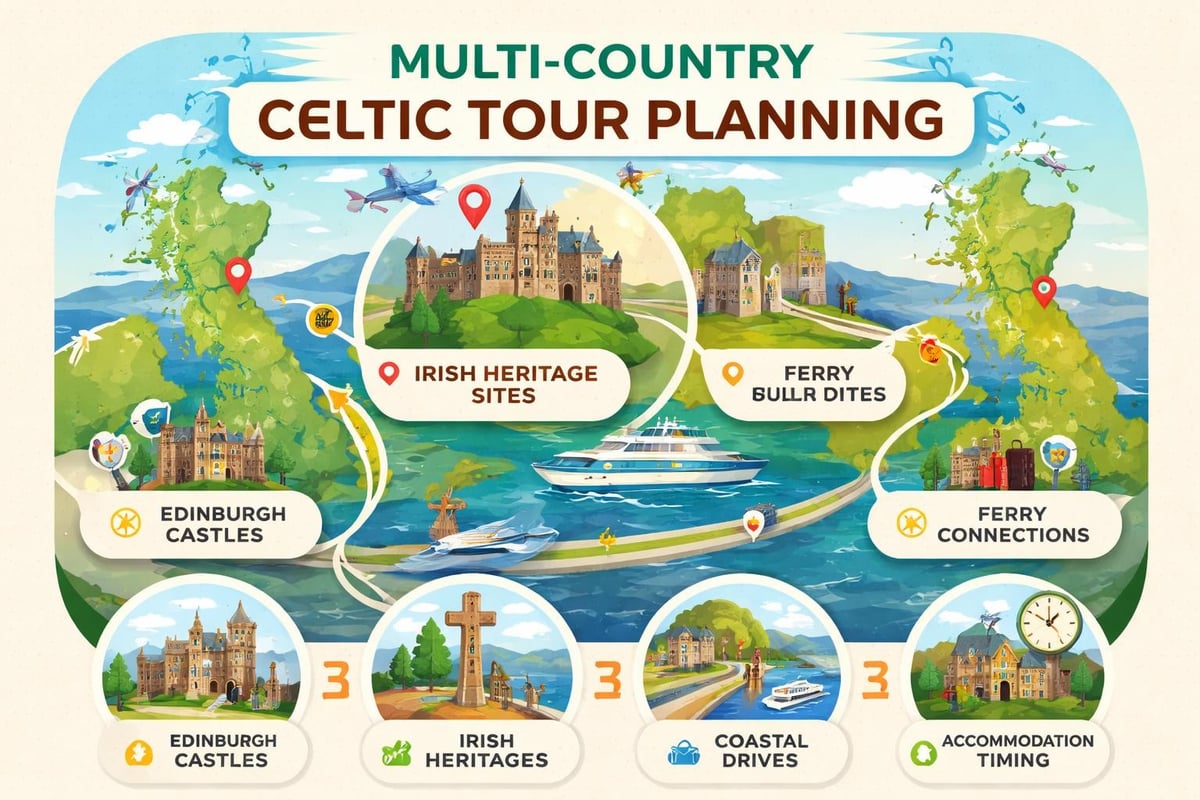
Exploring the rugged landscapes of Scotland and the emerald valleys of Ireland in a single journey represents one of the most rewarding travel experiences available in 2026. A guided tour Ireland Scotland adventure combines two Celtic nations rich in history, culture, and breathtaking natural beauty. These comprehensive tours eliminate the stress of planning complex multi-country logistics while ensuring travelers experience authentic moments, from Edinburgh's historic Royal Mile to the dramatic Cliffs of Moher. Whether you're drawn to ancient castles, vibrant cities, or remote highlands, a well-structured guided tour offers the perfect balance of organized exploration and memorable discoveries.
Understanding the Appeal of Combined Tours
The geographical proximity of Scotland and Ireland makes them ideal companions for a single guided tour experience. Both nations share Celtic heritage, dramatic coastal scenery, and centuries of interconnected history that create a cohesive narrative throughout your journey. Travelers benefit from experiencing distinct cultures while recognizing the common threads that bind these regions together.
A guided tour Ireland Scotland package typically spans 10 to 14 days, providing sufficient time to explore major highlights without feeling rushed. Professional tour operators design itineraries that maximize travel time while minimizing logistical headaches, particularly important when navigating ferry connections, border crossings, and regional transportation networks.
Key advantages of combined tours include:
- Seamless transportation between countries and regions
- Expert guides with deep knowledge of local history and culture
- Pre-arranged accommodations in strategic locations
- Access to sites that independent travelers might miss
- Social opportunities with fellow travelers sharing similar interests
The Ultimate Scotland & Ireland Tour demonstrates how professional operators structure comprehensive itineraries that balance iconic landmarks with lesser-known treasures. This approach ensures travelers gain authentic insights beyond surface-level tourism.
Essential Destinations and Highlights
Scotland's Must-Visit Locations
Scotland anchors many guided tour Ireland Scotland itineraries with Edinburgh as the primary entry point. The capital city offers the perfect introduction to Scottish history through Edinburgh Castle, the Royal Mile, and Holyrood Palace. Most tours allocate at least two full days to explore the city's museums, galleries, and historic districts.
The Scottish Highlands represent the pinnacle of natural beauty for many travelers. Guided tours typically include:
- Loch Ness with opportunities to search for the legendary monster
- Isle of Skye featuring the Old Man of Storr and Fairy Pools
- Glencoe Valley with its dramatic mountain scenery
- Fort William and the Ben Nevis region
- Stirling Castle showcasing medieval Scottish architecture
Glasgow frequently appears on western Scotland itineraries, offering Victorian architecture, world-class museums, and vibrant cultural scenes. The city serves as an excellent counterpoint to Edinburgh's historic focus, presenting Scotland's industrial heritage and contemporary arts community.
Ireland's Iconic Experiences
Ireland typically occupies the second half of a guided tour Ireland Scotland program, accessed via ferry from Cairnryan to Belfast or direct flights to Dublin. The 13-Day Ancient Ireland & Scotland Tour demonstrates how extended itineraries weave together ancient sites with modern Irish culture.
Northern Ireland highlights include:
| Attraction | Location | Significance |
|---|---|---|
| Giant's Causeway | County Antrim | UNESCO World Heritage geological wonder |
| Titanic Belfast | Belfast | World's largest Titanic visitor experience |
| Carrick-a-Rede Bridge | County Antrim | Dramatic rope bridge crossing |
| Derry/Londonderry Walls | County Londonderry | Complete walled city dating to 1613 |
The Republic of Ireland portion often encompasses Dublin's literary heritage, the Cliffs of Moher, Killarney National Park, and the Ring of Kerry. For travelers interested in Scotland's revolutionary history, The Glorious Revolution provides valuable context for understanding the political connections between these nations.
Tour Formats and Travel Styles
Coach Tours
Traditional coach-based guided tour Ireland Scotland experiences remain the most popular format in 2026. These tours accommodate 20 to 50 passengers, offering economical pricing and comprehensive itineraries. Modern coaches feature comfortable seating, Wi-Fi connectivity, and panoramic windows for optimal sightseeing.
Coach tours excel at covering significant distances efficiently while professional drivers navigate challenging roads. The Landscapes of Scotland & Ireland Tour exemplifies this format, combining transportation, accommodations, and guided experiences in a single package.
Small Group Adventures
Boutique operators increasingly offer small group options, limiting participation to 12-16 travelers. These intimate experiences provide greater flexibility, access to locations unsuitable for large coaches, and more personalized attention from guides. Small groups foster deeper connections among participants and enable spontaneous itinerary adjustments.
Premium pricing reflects the enhanced experience, but many travelers find the investment worthwhile for the quality of interactions and exclusive access opportunities.
Educational and Specialized Tours
Educational guided tour Ireland Scotland programs focus on specific themes such as history, literature, or genealogy. The Scotland and Ireland educational tour caters to students and lifelong learners seeking deeper academic engagement with Celtic culture.
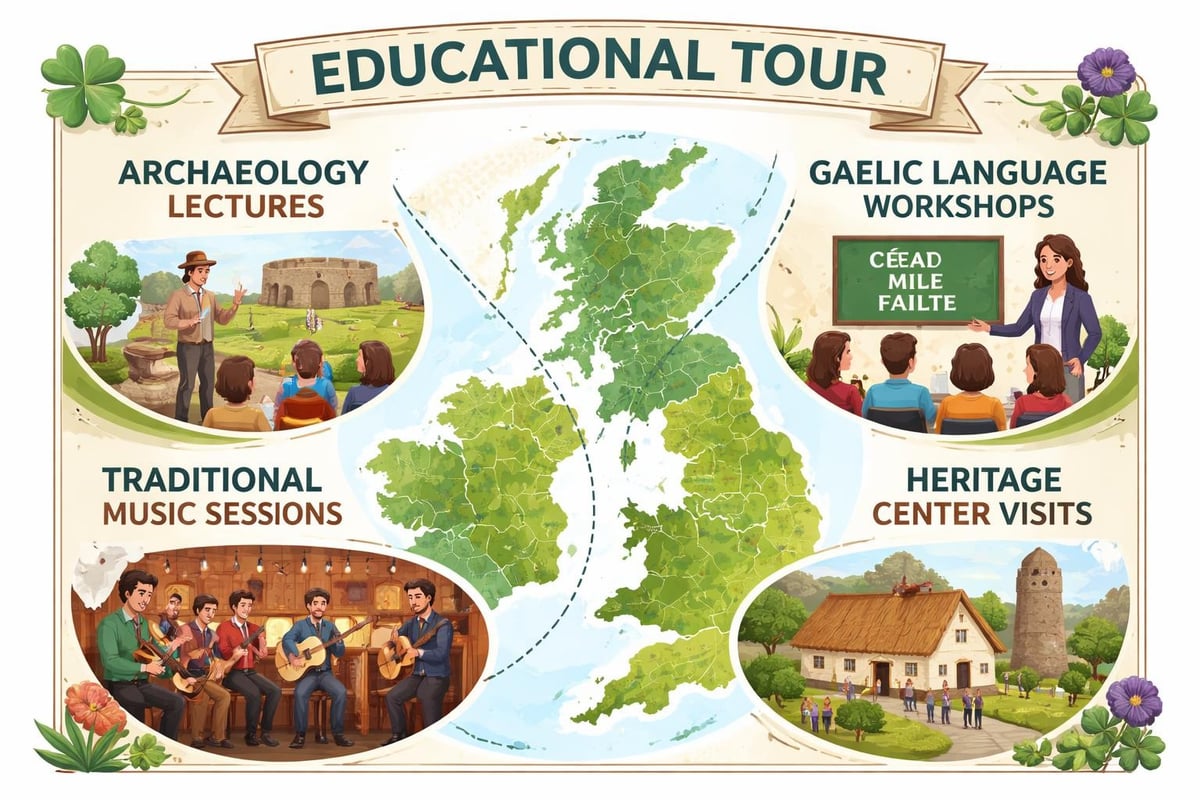
Specialized tours might concentrate on:
- Literary heritage following James Joyce, W.B. Yeats, Robert Burns, and Sir Walter Scott
- Genealogy research helping diaspora travelers trace family origins
- Active adventures incorporating hiking, cycling, or kayaking
- Culinary experiences exploring whisky distilleries, craft breweries, and traditional cuisine
- Photography workshops capturing landscapes under professional guidance
Planning Your Guided Tour Experience
Seasonal Considerations
Spring (April through June) and autumn (September through October) represent optimal windows for a guided tour Ireland Scotland journey in 2026. These shoulder seasons offer several advantages over peak summer months:
- Moderate temperatures ideal for outdoor exploration
- Fewer crowds at major attractions
- Lower accommodation costs
- Longer daylight hours (particularly in spring)
- Enhanced photography opportunities with dramatic lighting
Summer tours experience higher demand and pricing, but guarantee the warmest weather and maximum daylight. Winter tours (November through March) appeal to budget-conscious travelers and those seeking authentic local experiences without tourist congestion, though shorter days and unpredictable weather require consideration.
What's Typically Included
Understanding inclusions helps travelers assess value when comparing guided tour Ireland Scotland options. Standard packages generally encompass:
- Transportation between all destinations via coach, ferry, or domestic flights
- Accommodations in three or four-star hotels with breakfast
- Professional tour director throughout the entire journey
- Select meals beyond breakfast, typically 50-75% of dinners
- Major attraction admissions for castles, museums, and heritage sites
- Airport transfers on designated start and end dates
Additional costs often include lunches, some dinners, optional excursions, gratuities, and personal expenses. Reviewing detailed itineraries prevents surprises and enables accurate budgeting. The Awesome Guide to Scotland and Awesome Guide to Ireland provide comprehensive destination knowledge for independent exploration during free time.
Physical Requirements and Accessibility
Most guided tour Ireland Scotland programs involve moderate physical activity, including walking on uneven surfaces, climbing castle stairs, and standing for extended periods during site visits. Tour operators typically rate difficulty levels, helping travelers select appropriate experiences.
| Activity Level | Description | Typical Requirements |
|---|---|---|
| Easy | Minimal walking | Under 2 miles daily, flat surfaces |
| Moderate | Regular walking | 2-4 miles daily, some stairs and hills |
| Active | Extensive activity | 4+ miles daily, steep terrain |
| Strenuous | Demanding physical effort | Hiking, climbing, challenging conditions |
Travelers with mobility limitations should communicate needs directly with operators to ensure appropriate accommodations. Many companies offer accessible tour variants or can make special arrangements with advance notice.
Cultural Immersion and Authentic Experiences
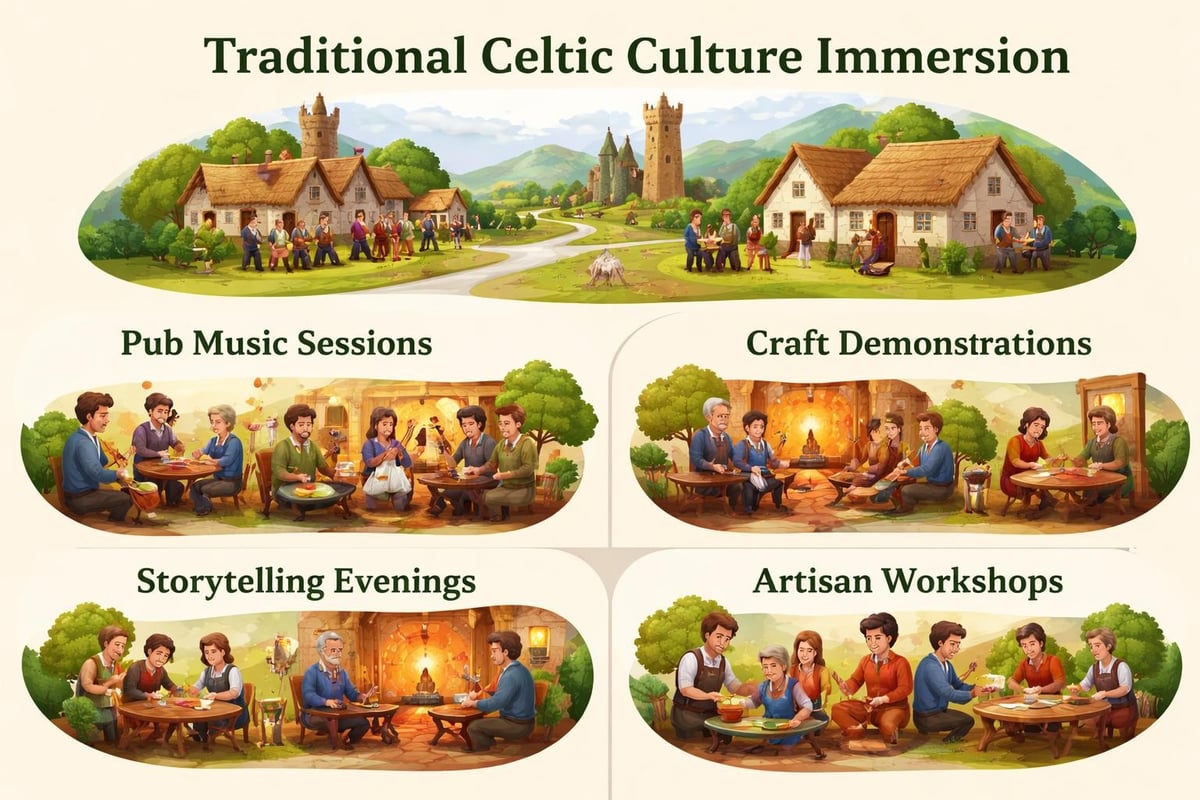
The most memorable guided tour Ireland Scotland adventures extend beyond landmark photography to genuine cultural engagement. Quality tour operators prioritize authentic interactions that reveal the character of these nations.
Local Guides and Storytelling
Regional guides joining tours at specific locations bring unparalleled expertise and personal perspectives. A guide in the Scottish Highlands might share family stories spanning generations, while an Irish guide in County Clare could explain traditional music's evolution through lived experience.
These local experts transform historical sites from tourist attractions into living narratives. At locations like The Gobbins coastal walk in Northern Ireland, guides explain geological formations while sharing maritime folklore that has shaped coastal communities.
Traditional Music and Entertainment
Evening entertainment frequently incorporates traditional Celtic music performances in atmospheric pubs and cultural centers. These sessions offer windows into artistic traditions dating back centuries while demonstrating how contemporary musicians reinterpret classic forms.
Many tours arrange private performances where travelers can interact with musicians, ask questions about instruments like the bodhrán or uilleann pipes, and even participate in informal dance lessons. These experiences create lasting memories that transcend passive observation.
Culinary Discoveries
Food experiences on a guided tour Ireland Scotland journey showcase regional specialties and contemporary culinary innovation. Tours often include:
- Whisky distillery visits with tasting sessions explaining production processes
- Traditional meals featuring dishes like haggis, Irish stew, and fresh seafood
- Craft brewery tours highlighting the resurgence of artisanal brewing
- Farmers' market visits connecting travelers with local producers
- Cooking demonstrations revealing techniques behind regional cuisine
Understanding the Columba Project connection between Scotland and Ireland enriches appreciation for shared Gaelic cultural elements, including culinary traditions that crossed the Irish Sea throughout history.
Heritage Sites and Historical Depth
Ancient Monuments
Both nations preserve extensive archaeological records spanning millennia. Guided tours typically incorporate Neolithic sites, Bronze Age monuments, and Iron Age fortifications that predate recorded history.
The Irish National Heritage Park provides chronological context for understanding human settlement from 7000 BC through medieval periods. Similar interpretive centers across Scotland help travelers comprehend the layered history beneath contemporary landscapes.
Castle Exploration
Scotland alone hosts over 1,500 castles, ranging from dramatic ruins to fully restored residences. A comprehensive guided tour Ireland Scotland itinerary showcases diverse architectural styles and historical periods:
Scottish Castles:
- Edinburgh Castle (royal fortress and military garrison)
- Stirling Castle (Renaissance palace)
- Eilean Donan Castle (iconic Highland castle)
- Urquhart Castle (Loch Ness ruins)
Irish Castles:
- Blarney Castle (famous stone and gardens)
- Bunratty Castle (medieval banquet venue)
- Dublin Castle (state functions)
- Dunluce Castle (coastal ruins)
Each structure tells distinct stories about warfare, nobility, architectural evolution, and social history across centuries.
Practical Preparation Tips
Documentation and Requirements
In 2026, travelers joining a guided tour Ireland Scotland must ensure valid passports with at least six months validity beyond the return date. Visitors from most countries can enter the UK and Ireland visa-free for tourism purposes up to 90 days, though requirements vary by nationality.
Brexit has established separate immigration systems for Northern Ireland (UK) and the Republic of Ireland (EU), but the Common Travel Area agreement maintains border-free travel between them. Tour operators handle most logistics, but travelers should verify individual requirements.
Packing Strategies
Weather variability across Scotland and Ireland demands versatile packing regardless of season. Essential items include:
- Layered clothing for fluctuating temperatures
- Waterproof jacket and umbrella for frequent rain
- Comfortable walking shoes with good traction
- Day pack for excursions and personal items
- Adapter plugs for UK/Ireland electrical outlets
- Reusable water bottle for sustainability
The Packing Guide from Awesome Travel Guides offers systematic approaches to efficient packing for multi-destination European travel, applicable to Celtic nations.
Technology and Connectivity
Most guided tour Ireland Scotland coaches and hotels provide Wi-Fi access, though connectivity in remote Highlands and western Ireland regions can be limited. Travelers should:
- Download offline maps and travel guide content before departure
- Inform mobile carriers about international travel to avoid unexpected charges
- Consider purchasing local SIM cards or international data plans for extended connectivity
- Bring portable battery packs for smartphones and cameras
- Use cloud storage for backing up photos and important documents
Digital resources from Awesome Travel Guides can be downloaded prior to departure, ensuring access to comprehensive destination information regardless of connectivity.
Maximizing Tour Value
Pre-Tour Research
Investing time in destination research before embarking on a guided tour Ireland Scotland experience significantly enhances appreciation for sites visited. Understanding historical context, cultural significance, and regional variations transforms passive sightseeing into active learning.
Reading Scottish and Irish literature, watching documentaries like Frankie Boyle's Tour of Scotland, and exploring online resources creates mental frameworks for organizing new experiences. The Travel Safety Handbook ensures preparedness for various scenarios while traveling abroad.
Engaging with Fellow Travelers
Group tours create unique opportunities for building friendships with people sharing similar interests. Experienced travelers recommend:
- Participating in optional group meals and activities
- Sharing contact information for post-tour connections
- Respecting diverse backgrounds and travel styles
- Contributing positively to group dynamics
- Balancing social time with personal space
Many lasting friendships originate from shared guided tour experiences, extending benefits far beyond the journey itself.
Extending Your Adventure
Travelers often add independent exploration days before or after guided tour Ireland Scotland programs. Common extensions include:
- Additional days in Edinburgh for festival attendance or deeper museum exploration
- Dublin extensions visiting literary sites and contemporary galleries
- Belfast explorations understanding the city's transformation and cultural revival
- Western Ireland additions accessing remote regions like Connemara or the Dingle Peninsula
- Scottish island hopping visiting Orkney, Shetland, or the Inner Hebrides
Pre-trip and post-trip extensions require independent planning but reward travelers with personalized experiences complementing structured tour elements. The Pre-Trip Checklist helps organize tasks for seamless travel preparation.
Sustainable and Responsible Tourism
Environmental Considerations
Quality guided tour Ireland Scotland operators increasingly prioritize sustainability through carbon offset programs, partnerships with eco-certified accommodations, and education about environmental stewardship. Wilderness Scotland exemplifies operators committed to sustainable tourism practices that protect fragile ecosystems.
Travelers contribute to sustainability by:
- Choosing operators with demonstrated environmental commitments
- Minimizing single-use plastics throughout the journey
- Respecting wildlife viewing guidelines and habitat protection measures
- Supporting local businesses rather than international chains
- Following Leave No Trace principles during outdoor activities
Cultural Sensitivity
Engaging respectfully with local communities enhances experiences while supporting authentic cultural preservation. This includes learning basic phrases in Gaelic or Irish, understanding regional sensitivities around historical events, and recognizing that heritage sites represent living cultures, not theme parks.
Photography etiquette matters particularly at sacred sites, memorials, and in small communities where residents maintain daily routines regardless of tourist presence. Asking permission before photographing individuals demonstrates basic courtesy that locals appreciate.
Selecting the Right Tour Operator
Evaluation Criteria
Comparing guided tour Ireland Scotland providers requires examining multiple factors beyond pricing. Professional operators demonstrate:
Operational Excellence:
- Established track records with verifiable reviews
- Financial protection through bonding and insurance
- Clear cancellation and refund policies
- Transparent pricing without hidden fees
- Responsive customer service throughout booking and travel
Quality Indicators:
- Small group sizes (when advertised)
- Experienced, knowledgeable tour directors
- Well-maintained transportation and safety records
- Strategic hotel locations near attractions
- Flexible itineraries accommodating unexpected situations
Value Propositions:
- Comprehensive inclusions reducing additional costs
- Unique access to exclusive experiences
- Cultural authenticity in planned activities
- Appropriate pacing avoiding exhaustion
- Positive reviews from verified past participants
Requesting detailed itineraries and asking specific questions about accommodations, transportation, and included experiences helps travelers make informed decisions aligned with personal preferences and expectations.
Reading the Fine Print
Terms and conditions govern every guided tour Ireland Scotland contract, requiring careful review before booking. Critical elements include:
- Deposit and final payment schedules
- Cancellation deadlines and refund percentages
- Travel insurance requirements and recommendations
- Minimum and maximum group sizes
- Itinerary change policies and potential substitutions
- Gratuity expectations for guides and drivers
Understanding these details prevents misunderstandings and enables appropriate financial planning. Many operators offer travel insurance through third-party providers, which can protect against unexpected cancellations, medical emergencies, or trip interruptions.
A guided tour Ireland Scotland delivers the perfect combination of structured exploration and authentic discovery across two of Europe's most captivating nations. By selecting quality operators, preparing thoroughly, and engaging actively with cultural experiences, travelers create memories that endure long after returning home. For those planning Celtic adventures in 2026, comprehensive digital resources enhance every stage of your journey. Discover detailed destination insights, practical planning tools, and expert tips through Awesome Travel Guides, your ultimate companion for unforgettable travel experiences across Scotland, Ireland, and beyond.