

Scotland Vacation Guide: Plan Your Perfect Trip in 2026
Scotland offers travelers a captivating blend of ancient history, dramatic landscapes, vibrant cities, and world-renowned whisky culture. Planning a vacation to this stunning country requires understanding its unique regions, seasonal variations, and wealth of experiences available throughout the year. This comprehensive scotland vacation guide provides everything you need to craft an unforgettable journey through one of Europe's most enchanting destinations, whether you're drawn to medieval castles, rugged highlands, or cosmopolitan Edinburgh.
Understanding Scotland's Regions and Geography
Scotland divides into distinct regions, each offering unique attractions and experiences. The Lowlands encompass the central belt containing Edinburgh and Glasgow, providing urban sophistication alongside rolling countryside. The Highlands stretch across the northern two-thirds of the country, featuring dramatic mountains, deep lochs, and sparse populations that define Scotland's wild character.
The Islands present another dimension entirely. The Inner and Outer Hebrides, Orkney, and Shetland Islands each possess distinctive cultures, archaeological treasures, and natural beauty. These island communities maintain traditions and languages that have endured for centuries, offering travelers authentic cultural immersion unavailable on the mainland.
Best Times to Visit Scotland
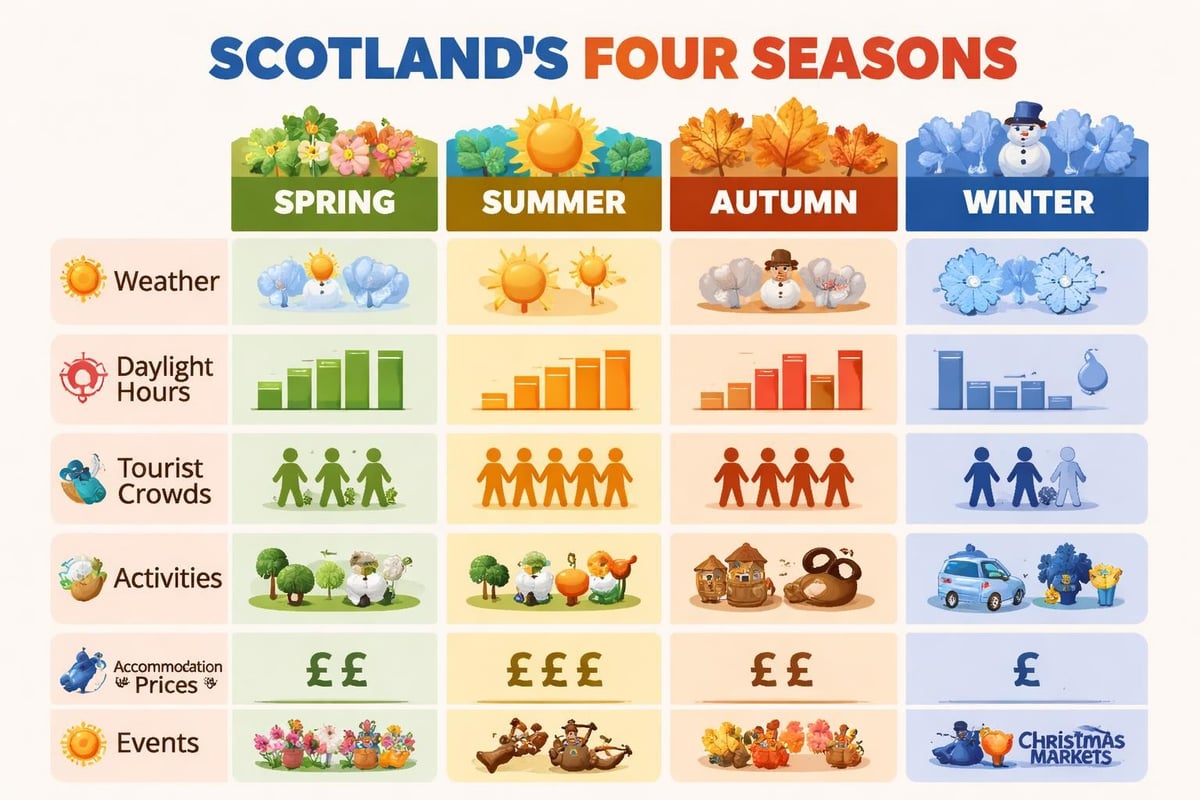
Scotland's weather patterns significantly influence vacation planning. Summer months from June through August deliver the warmest temperatures (averaging 59-66°F) and longest daylight hours, with sunset occurring as late as 10:30 PM in northern regions. This peak season attracts maximum crowds and commands premium accommodation prices, but provides optimal conditions for hiking, outdoor festivals, and island exploration.
Spring (April-May) and autumn (September-October) represent shoulder seasons offering excellent value. These periods feature fewer tourists, comfortable temperatures, and spectacular natural displays. Spring brings blooming heather and newborn Highland cattle, while autumn transforms forests into golden landscapes perfect for photography.
Winter (November-March) suits budget-conscious travelers and those seeking authentic Scottish experiences without crowds. While days are short and weather unpredictable, winter offers unique opportunities: Christmas markets, Hogmanay celebrations, Northern Lights viewing in northern Scotland, and snow sports in the Cairngorms. The comprehensive planning resources available through National Geographic help travelers understand seasonal variations and choose optimal timing.
Essential Destinations for First-Time Visitors
Edinburgh stands as Scotland's capital and cultural heart, combining medieval Old Town architecture with Georgian New Town elegance. The iconic Edinburgh Castle dominates the skyline, while the Royal Mile connects historical landmarks, museums, and traditional shops. Visitors should allocate at least three days to explore Holyrood Palace, Arthur's Seat, and the city's numerous museums and galleries.
Glasgow offers a contrasting urban experience. Scotland's largest city showcases Victorian architecture, world-class museums (many free), thriving music scenes, and exceptional shopping. The Kelvingrove Art Gallery and Museum houses masterpieces alongside natural history exhibits, while the Riverside Museum celebrates transportation and engineering heritage.
Highland Adventures and Natural Wonders
The Scottish Highlands contain some of Britain's most spectacular scenery. Glencoe's dramatic valley, site of the infamous 1692 massacre, provides stunning hiking opportunities and historical resonance. Ben Nevis, Britain's highest peak at 4,413 feet, challenges experienced hikers with rewarding summit views.
Loch Ness attracts visitors seeking legendary monsters and breathtaking scenery. The Great Glen Way follows the loch's length, offering walking and cycling routes through magnificent landscapes. Nearby Urquhart Castle provides historical context and excellent vantage points for photographing the loch.
Isle of Skye represents Scotland's island beauty at its finest. The Cuillin mountains, Fairy Pools, Old Man of Storr, and Neist Point lighthouse create a landscape photographer's paradise. Skye's whisky distilleries, seafood restaurants, and traditional music sessions complete the experience. Detailed itineraries from Kimkim demonstrate how to efficiently combine multiple Highland destinations.
| Region | Key Attractions | Recommended Duration | Best For |
|---|---|---|---|
| Edinburgh | Castle, Royal Mile, Arthur's Seat | 3-4 days | History, Culture, Architecture |
| Glasgow | Museums, Music Venues, Shopping | 2-3 days | Arts, Urban Experience, Nightlife |
| Isle of Skye | Fairy Pools, Cuillin Mountains | 3-4 days | Photography, Hiking, Nature |
| Loch Ness | Monster Hunting, Urquhart Castle | 1-2 days | Scenic Drives, History |
| Cairngorms | Hiking, Wildlife, Skiing | 2-3 days | Outdoor Activities, Nature |
Transportation and Getting Around
Scotland's transportation infrastructure facilitates exploration through various means. Edinburgh and Glasgow airports serve as primary international gateways, with excellent connections to European and North American cities. Domestic flights connect mainland Scotland with island destinations, saving time for travelers with limited schedules.
Rail networks operated by ScotRail link major cities and scenic routes. The West Highland Line from Glasgow to Mallaig ranks among the world's most beautiful train journeys, passing through mountains, moorlands, and coastal vistas. Advance booking typically reduces ticket costs significantly.
Car rental advantages include:
- Freedom to explore remote areas and hidden gems
- Flexible scheduling without dependence on public transportation timetables
- Access to countryside accommodation and rural attractions
- Ability to stop at scenic viewpoints and spontaneous discoveries
Driving in Scotland requires adjustment to left-side roads, narrow single-track routes in rural areas, and occasional challenging weather conditions. However, the independence and access provided make car rental worthwhile for many travelers exploring beyond city centers.
Accommodation Options Across Price Ranges
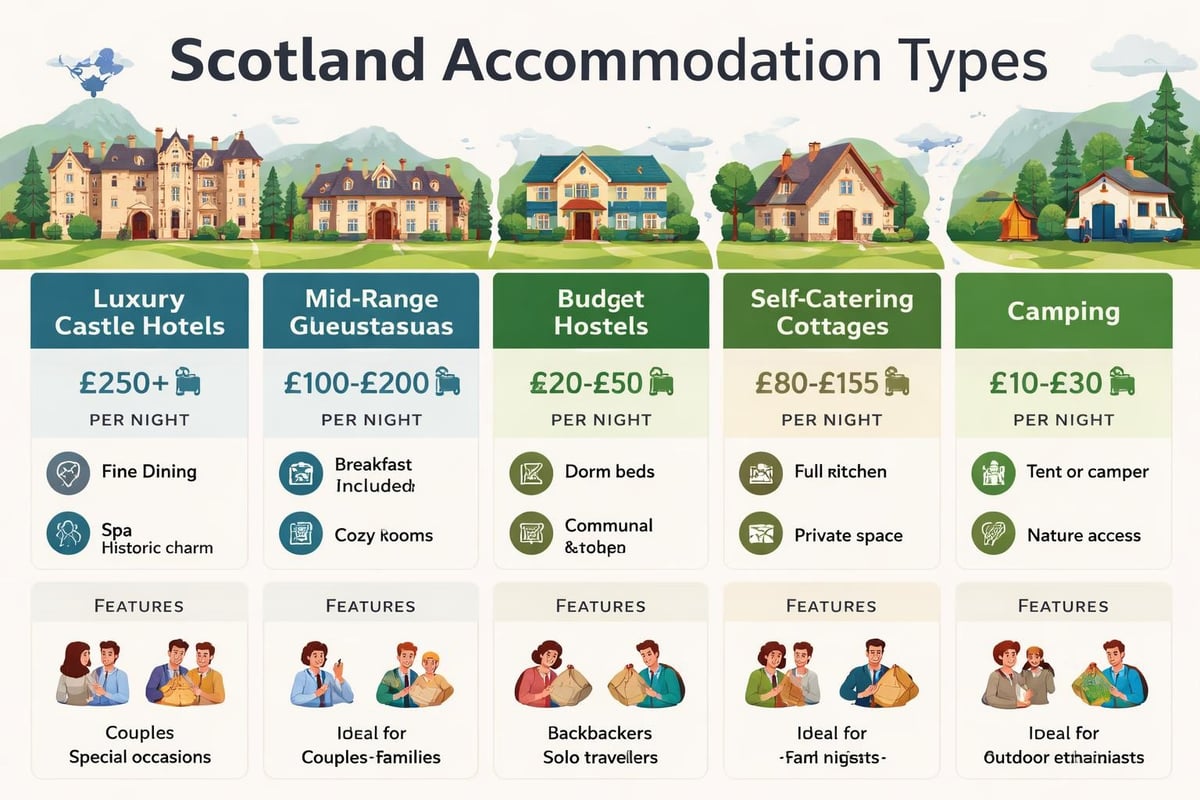
Scotland accommodates every budget and preference. Luxury travelers enjoy five-star hotels in Edinburgh and Glasgow, castle hotels offering aristocratic experiences, and boutique properties emphasizing local character and exceptional service. These premium accommodations typically range from $250-500 per night, delivering memorable stays with superior amenities.
Mid-range options include chain hotels, independent inns, and guesthouses providing comfortable rooms, Scottish breakfast, and local hospitality. Prices generally fall between $100-200 nightly, offering excellent value for quality accommodation. Many family-run establishments provide insider knowledge about regional attractions and dining recommendations.
Budget-Friendly Lodging Strategies
Hostels throughout Scotland cater to budget travelers and backpackers. Modern facilities offer private rooms alongside traditional dormitories, with communal kitchens reducing meal expenses. Expect costs between $25-60 per person nightly, depending on location and room type.
Self-catering cottages and vacation rentals suit families and groups seeking space and cooking facilities. These properties often occupy rural settings, providing authentic Scottish living experiences. Weekly rentals typically offer better value than nightly rates, particularly during peak season.
Camping and campervans appeal to adventurous travelers. Scotland's wild camping laws permit responsible free camping in many areas, though designated campsites provide facilities and convenience. Campervan rental combines transportation and accommodation, optimizing flexibility for explorers. The Scotland travel resources from Awesome Travel Guides provide detailed accommodation recommendations across all categories.
Cultural Experiences and Traditional Activities
Scotland's cultural heritage extends beyond castles and kilts. Traditional music thrives in pubs, concert halls, and festivals throughout the country. Ceilidh dances welcome participants regardless of experience, with callers explaining steps and encouraging community participation. Live folk sessions in Edinburgh's Sandy Bell's or Glasgow's various venues provide authentic musical encounters.
Highland Games celebrate Scottish athletics and culture through events like caber tossing, hammer throwing, and tug-of-war competitions. These gatherings occur throughout summer in communities large and small, combining sport with pipe band performances, dancing displays, and local food vendors. The Braemar Gathering, traditionally attended by the Royal Family, represents the most prestigious event.
Whisky Tourism and Distillery Visits
Scotland's whisky regions each produce distinctive flavors reflecting local water, peat, and production traditions. Speyside contains the highest concentration of distilleries, offering established trails connecting famous names like Glenfiddich, Macallan, and Balvenie. Tours typically include production process explanations, warehouse visits, and guided tastings.
Islay produces intensely peaty whiskies beloved by enthusiasts. This island's eight working distilleries welcome visitors with hospitality and exceptional single malts. Ardbeg, Laphroaig, and Lagavulin offer contrasting expressions of Islay character.
The comprehensive Lonely Planet Scotland guide provides extensive information about whisky regions, distillery visitor experiences, and tasting etiquette for newcomers to Scotland's national drink.
Outdoor Activities and Adventure Tourism
Scotland's landscapes provide exceptional opportunities for outdoor enthusiasts. Hiking trails range from gentle coastal walks to challenging mountain ascents. The West Highland Way, Scotland's most popular long-distance path, covers 96 miles from Milngavie to Fort William through progressively dramatic scenery. Completing the full route typically requires 6-8 days, though sections accommodate shorter excursions.
Mountain biking facilities include purpose-built trails and extensive countryside networks. The 7stanes trail centers in southern Scotland offer graded routes suitable for various abilities, while natural terrain throughout the Highlands challenges experienced riders.
Popular outdoor activities include:
- Kayaking and canoeing on lochs and coastal waters
- Rock climbing on world-class granite and basalt formations
- Wildlife watching for eagles, dolphins, seals, and red deer
- Surfing on Scotland's Atlantic-facing beaches
- Skiing and snowboarding in Cairngorms and Glencoe resorts
Scottish Cuisine and Dining Experiences
Scotland's culinary renaissance has transformed its gastronomic reputation. Edinburgh boasts multiple Michelin-starred restaurants showcasing local ingredients through innovative preparation. Seafood particularly shines, with west coast langoustines, scallops, and oysters appearing on menus nationwide.
Traditional dishes deserve sampling despite their sometimes-challenging reputation. Haggis, Scotland's national dish combining sheep's organs with oatmeal and spices, tastes far better than its ingredients suggest when properly prepared. Cullen skink (smoked haddock soup) provides warming comfort, while Scotch pies and bridies offer satisfying quick meals.
Modern Scottish cuisine emphasizes seasonal, locally-sourced ingredients. Game meats including venison, grouse, and pheasant feature prominently on autumn menus. Root vegetables, berries, and foraged ingredients reflect Scotland's agricultural heritage and natural bounty.
Practical Dining Considerations
Breakfast in Scotland typically includes substantial cooked options. The full Scottish breakfast adds haggis, potato scones, and Lorne sausage to the traditional British fry-up, providing fuel for active days. Many accommodations include breakfast, reducing daily food expenses.
Pub meals offer reliable, affordable dining throughout Scotland. Standards have improved dramatically, with many establishments emphasizing quality ingredients and proper cooking techniques. Sunday roasts particularly represent excellent value and traditional fare.
Planning Your Scotland Vacation Budget
Creating a realistic budget ensures financial comfort throughout your scotland vacation guide experience. Daily expenses vary dramatically based on travel style, season, and regional choices. Budget travelers can manage on approximately $75-100 daily through hostel stays, self-catering, public transportation, and free attractions. Mid-range travelers should budget $200-300 daily for comfortable hotels, restaurant meals, car rental, and paid attractions.
Major expense categories include:
- Accommodation (30-40% of budget)
- Transportation (20-30% of budget)
- Food and drink (20-25% of budget)
- Activities and attractions (10-15% of budget)
- Shopping and miscellaneous (5-10% of budget)
Advance booking reduces costs significantly. Train tickets, accommodation, and rental cars all offer early-bird discounts. Combination tickets for multiple attractions provide savings compared to individual entry fees. Many museums and galleries, particularly in Glasgow, offer free admission, enabling cultural experiences without financial strain.
Historical Sites and Castle Exploration
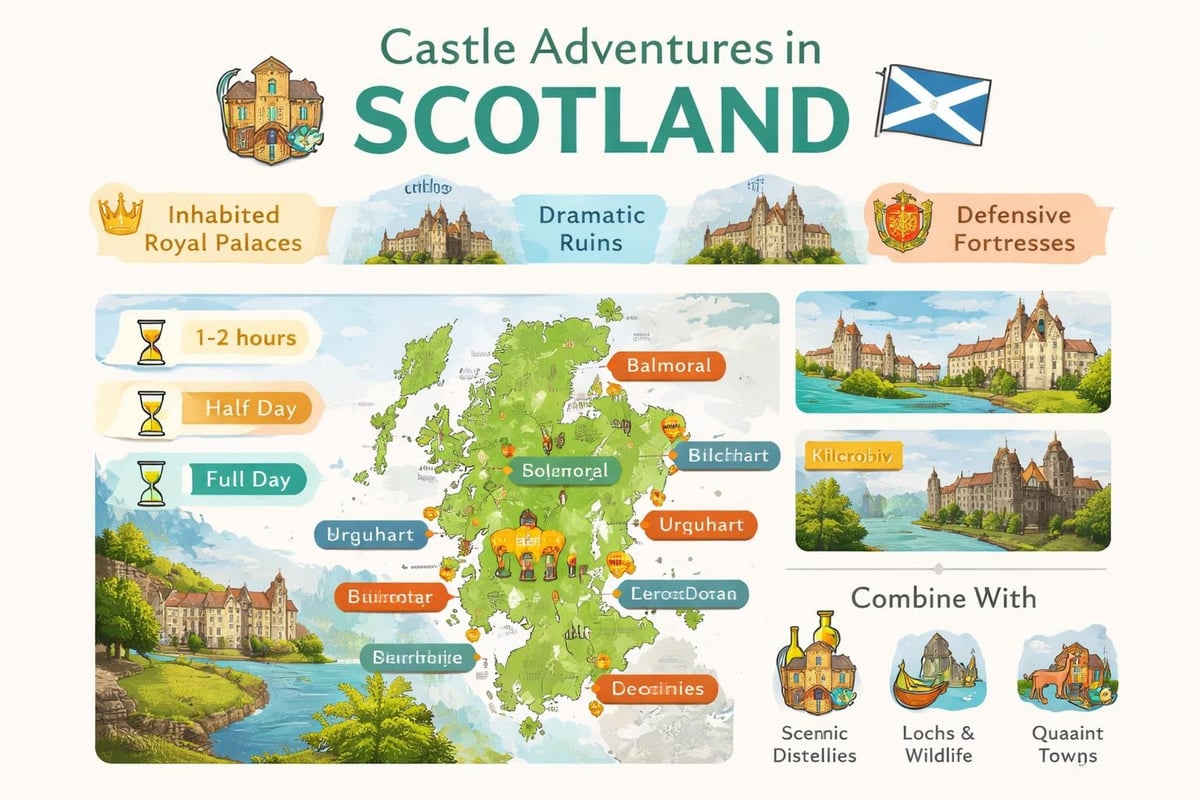
Scotland contains over 1,500 castles in various states of preservation. Edinburgh Castle dominates the capital, housing the Crown Jewels and Stone of Destiny alongside military museums and historical exhibitions. Its position atop volcanic rock creates an imposing silhouette visible throughout the city.
Stirling Castle rivals Edinburgh in historical significance. This Renaissance palace witnessed numerous pivotal moments in Scottish history, including coronations, battles, and political intrigue. Its strategic position overlooking surrounding lowlands explains its military importance throughout centuries.
Lesser-Known Castle Gems
Eilean Donan Castle provides Scotland's most photographed fortress, occupying an island at the confluence of three lochs. This 13th-century stronghold appears in numerous films and advertisements, though its current structure largely dates from 20th-century restoration. Interior tours reveal clan history and period furnishings.
Dunnottar Castle perches dramatically on coastal cliffs south of Aberdeen. This ruined fortress witnessed the safeguarding of Scottish Crown Jewels during Cromwell's invasion. The spectacular setting rewards the steep walk from parking areas with unforgettable views and atmospheric exploration. Resources like VisitScotland's official guides provide comprehensive castle information and visiting details.
Festival and Event Calendar
Scotland hosts festivals throughout the year, celebrating everything from arts to athletics. The Edinburgh Festival Fringe, running annually in August, represents the world's largest arts festival. Thousands of performances across hundreds of venues transform the capital into a cultural carnival. Comedy, theater, music, and experimental art attract international audiences and performers.
The Edinburgh International Festival runs concurrently, presenting established artists in classical music, opera, theater, and dance. The Royal Edinburgh Military Tattoo adds spectacular military pageantry against the castle backdrop.
Notable annual events include:
- Hogmanay (New Year's) celebrations, particularly Edinburgh's street party
- Burns Night (January 25) honoring Scotland's national poet
- Celtic Connections music festival in Glasgow (January)
- Royal Highland Show agricultural fair (June)
- Various Highland Games throughout summer months
- St. Andrew's Day celebrations (November 30)
Practical Travel Information and Tips
Scotland uses the British Pound Sterling (£), with most establishments accepting credit and debit cards. ATMs are widely available in cities and towns, though remote areas may require cash. Tipping follows British conventions: 10-15% in restaurants for good service, rounding up taxi fares, and small amounts for hotel staff.
Weather unpredictability demands layered clothing regardless of season. Waterproof outerwear and sturdy walking shoes prove essential for outdoor activities. Scotland's northern latitude creates extreme daylight variations: summer brings extended evening light perfect for sightseeing, while winter days remain short but cozy.
The Scottish population speaks English, though regional accents vary significantly. The Scots language and Scottish Gaelic maintain cultural presence, particularly in Highlands and Islands. Learning basic Gaelic phrases demonstrates cultural respect, though English suffices everywhere.
Cell phone coverage reaches most populated areas, though Highland and Island regions experience connectivity gaps. Purchasing a local SIM card provides economical data and calling options for extended stays. WiFi availability has improved dramatically, with most accommodations and cafes offering free access.
Island Hopping and Remote Destinations
Scotland's islands offer escape from mainland bustle while delivering extraordinary experiences. The Isle of Mull provides accessible island exploration with Tobermory's colorful waterfront, Duart Castle, and boat trips to wildlife-rich Staffa. Iona, reached by short ferry from Mull, holds spiritual significance as Christianity's Scottish birthplace.
Orkney Islands combine archaeological wonders with dramatic coastal scenery. The UNESCO World Heritage Site of Neolithic Orkney includes Skara Brae (a 5,000-year-old village), Standing Stones of Stenness, and the Ring of Brodgar. These remarkably preserved sites predate Stonehenge and the Egyptian pyramids.
The Outer Hebrides stretch along Scotland's western edge, maintaining Gaelic language and traditional island life. Lewis and Harris (actually one island despite dual names) showcase white sand beaches, tweed production heritage, and the mysterious Callanish Standing Stones. Remote locations require planning, but reward adventurous travelers with unforgettable authenticity. The detailed Scotland planning guides from Nordic Visitor help coordinate complex island itineraries and ferry schedules.
Shopping and Scottish Souvenirs
Scotland produces distinctive products making meaningful souvenirs. Cashmere and wool goods from border mills combine quality with traditional patterns. Harris Tweed, hand-woven in the Outer Hebrides, carries certification guaranteeing authenticity and craftsmanship.
Whisky represents Scotland's most famous export. Purchasing bottles directly from distilleries often provides exclusive releases unavailable elsewhere, along with proper storage and shipping assistance. Edinburgh and Glasgow's whisky shops stock extensive selections with knowledgeable staff providing recommendations.
Scottish jewelry frequently incorporates Celtic designs, freshwater pearls, or semi-precious stones like Scottish agate and cairngorm quartz. Modern designers reinterpret traditional motifs through contemporary styles, creating unique pieces unavailable internationally.
Food products including shortbread, oatcakes, preserves, and smoked salmon travel well and deliver authentic Scottish flavors long after vacations end. Edinburgh's Royal Mile and Glasgow's Merchant City contain specialty food shops showcasing regional producers.
Wildlife and Natural Heritage
Scotland supports remarkable biodiversity despite its northern location and human history. Red deer, Britain's largest land mammal, roam Highland estates in substantial numbers. Autumn rutting season provides dramatic displays of stag competition, though maintaining respectful distances ensures animal welfare and personal safety.
Marine wildlife thrives around Scotland's extensive coastline. Bottlenose dolphins inhabit the Moray Firth, with Chanonry Point offering reliable viewing opportunities. Whale species including minke, humpback, and occasionally orca appear in western waters, particularly around Hebridean islands. Seal colonies occupy rocky shores nationwide, providing guaranteed wildlife encounters.
Birdwatchers pursue numerous species unavailable elsewhere in Britain. Golden eagles soar above Highland peaks, while white-tailed sea eagles, successfully reintroduced after extinction, now breed on western islands. Puffins, gannets, and various seabirds nest in massive coastal colonies during breeding season, creating spectacular viewing opportunities for wildlife enthusiasts using this scotland vacation guide.
Scotland rewards travelers with diverse experiences spanning history, culture, nature, and gastronomy, creating memories that endure long after returning home. Whether you're exploring Edinburgh's cobblestone streets, hiking through Highland glens, or island-hopping along the western coast, proper planning enhances every aspect of your journey. Awesome Travel Guides provides the comprehensive digital resources you need to navigate Scotland with confidence, uncovering hidden gems and local insights that transform good trips into extraordinary adventures. Let our expertly crafted guides serve as your trusted companion for exploring Scotland's magic in 2026 and beyond.