

Adventure Guide Essentials for Modern Travelers
Embarking on an adventure requires more than just enthusiasm and a willingness to explore. Whether you're planning a multi-day hiking expedition, a cycling tour through unfamiliar terrain, or an immersive cultural experience in a remote destination, having access to reliable guidance can transform your journey from potentially stressful to genuinely unforgettable. An adventure guide serves as your trusted companion, providing the knowledge, safety protocols, and insider expertise necessary to navigate challenging environments while maximizing authentic experiences. The role of quality guidance has evolved significantly in 2026, with digital resources now offering unprecedented access to comprehensive information that was once only available through expensive tour operators or extensive personal research.
What Defines an Effective Adventure Guide
The foundation of any exceptional adventure guide lies in its ability to balance practical information with inspirational content. Modern travelers need detailed logistics such as transportation options, accommodation recommendations, and route planning, but they also seek the kind of authentic insights that turn a simple trip into a transformative experience.
An effective adventure guide addresses multiple competency areas that directly impact trip success. The core competencies of adventure travel guides include technical skills specific to the activity, comprehensive first aid knowledge, robust safety and risk management protocols, and exceptional customer service abilities. These elements work together to create a framework that supports travelers through every phase of their journey.
Essential Components Every Guide Should Include
Safety and Risk Management
Safety considerations form the backbone of responsible adventure travel. Quality guidance must address potential hazards specific to each destination and activity type. This includes weather patterns, terrain challenges, wildlife encounters, and medical considerations.
- Emergency contact information and evacuation procedures
- Environmental hazard identification and mitigation strategies
- Communication protocols for remote locations
- Equipment requirements and maintenance guidelines
- Physical fitness prerequisites and acclimatization timelines
Local Knowledge and Cultural Context
Beyond logistics, an adventure guide should provide cultural insights that enhance understanding and respect for local communities. This includes customs, language basics, etiquette expectations, and opportunities for meaningful interaction with residents.
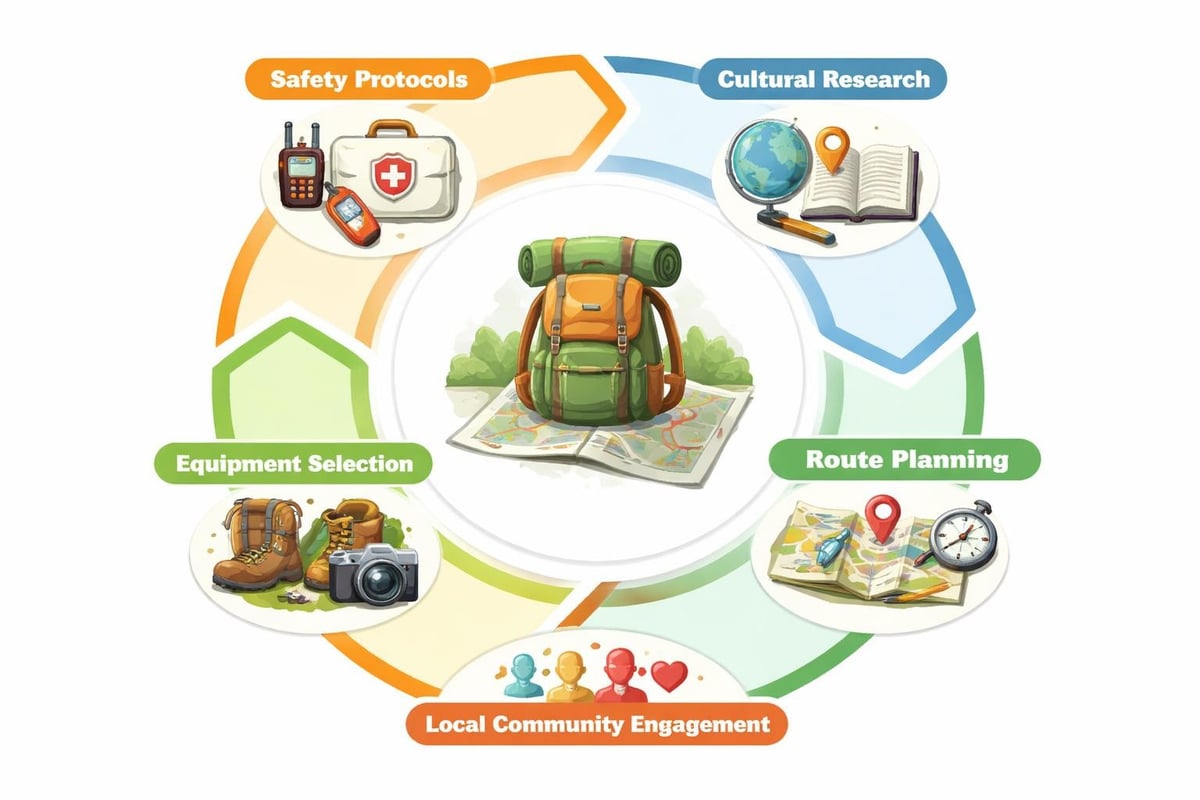
Building Your Adventure Planning Framework
Creating a structured approach to adventure planning significantly reduces stress and increases enjoyment. The most successful trips result from methodical preparation that accounts for variables while remaining flexible enough to embrace spontaneous opportunities.
| Planning Phase | Key Activities | Timeline |
|---|---|---|
| Research | Destination selection, permit requirements, seasonal considerations | 3-6 months before |
| Preparation | Physical training, equipment acquisition, skill development | 2-4 months before |
| Logistics | Booking accommodations, arranging transport, finalizing itinerary | 1-2 months before |
| Final Prep | Packing, document verification, emergency contacts | 1-2 weeks before |
Route Selection and Navigation
Choosing appropriate routes requires honest assessment of your abilities and experience level. Best practice guides for route planning emphasize the importance of understanding designation criteria, signage requirements, and promotional strategies that help travelers make informed decisions.
Digital resources now enable travelers to access detailed topographic maps, GPS coordinates, and real-time trail conditions. However, an adventure guide should also teach fundamental navigation skills that function when technology fails. Understanding map reading, compass use, and natural navigation techniques provides crucial backup capabilities.
Route Assessment Criteria
When evaluating potential routes, consider these factors:
- Technical difficulty and required skill levels
- Distance and elevation gain relative to your fitness
- Water availability and resupply points
- Escape routes and emergency access
- Seasonal accessibility and weather patterns
- Permit requirements and quota systems
Safety Protocols and Emergency Preparedness
No adventure guide would be complete without comprehensive safety information. The unpredictable nature of outdoor environments demands thorough preparation for potential emergencies. Medical guidelines for adventure travelers provide essential frameworks for assembling appropriate medical kits and understanding medication requirements for various environments.
Medical Considerations for Remote Travel
Adventure travel often takes you far from immediate medical assistance. Your preparation should account for this reality through proper training and equipment.
First Aid Kit Essentials
A comprehensive medical kit tailored to your specific activity and destination includes:
- Wound care supplies (bandages, gauze, antiseptic)
- Blister prevention and treatment materials
- Pain relievers and anti-inflammatory medications
- Altitude sickness prevention if traveling above 8,000 feet
- Prescription medications with extras for unexpected delays
- Water purification tablets or filtration systems
- Emergency shelter and fire-starting materials
The Travel Safety Handbook provides detailed guidance on assembling location-specific safety kits and developing emergency response protocols that align with professional standards.
Activity-Specific Safety Guidelines
Different adventure activities require specialized safety knowledge. Water-based adventures, for instance, demand understanding of river recreation safety codes that address current assessment, equipment standards, and rescue techniques specific to aquatic environments.
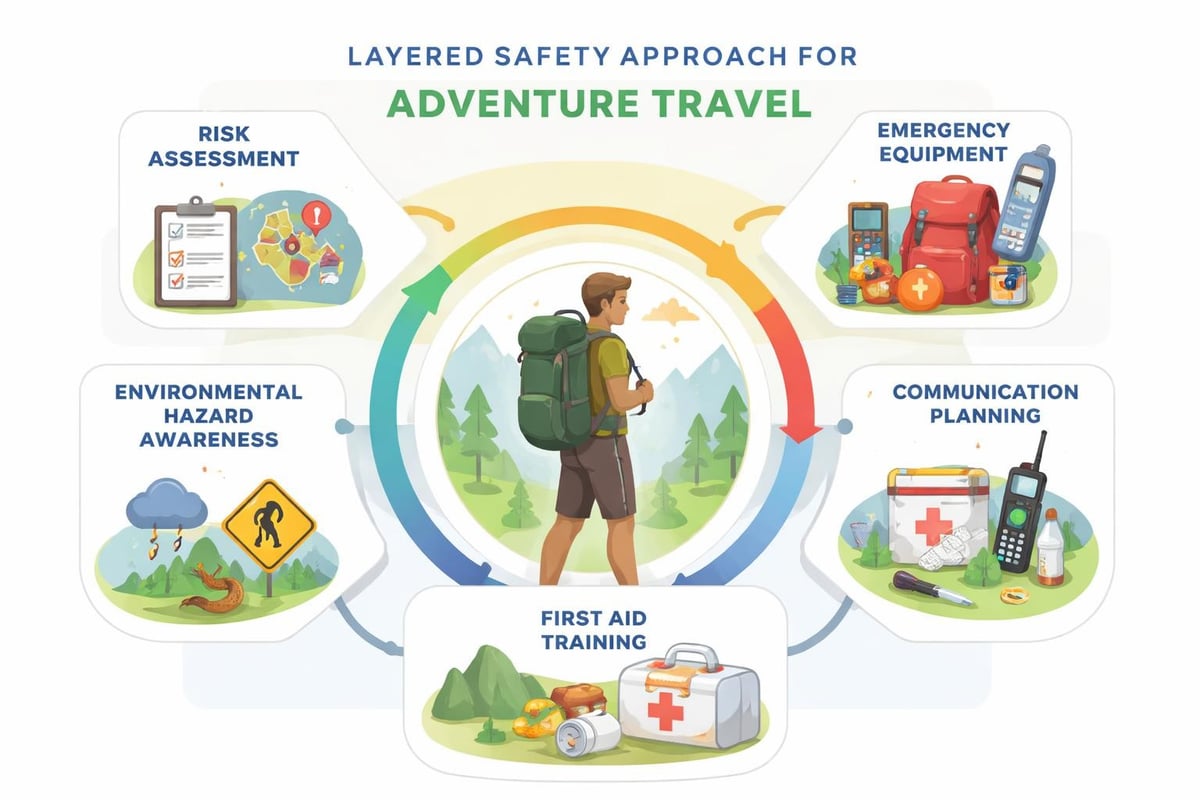
For hiking and trekking adventures, essential hiker safety guidelines cover critical aspects including trip planning, hydration strategies, weather monitoring, and emergency signaling. These practices apply universally but require adaptation to specific terrain and climate conditions.
Maximizing Authentic Experiences Through Local Insights
The difference between a good trip and an extraordinary adventure often lies in the quality of local knowledge your guide provides. Generic tourist information rarely leads to memorable experiences. Instead, an adventure guide should reveal hidden gems, seasonal events, and community connections that create genuine cultural immersion.
Finding Authentic Local Experiences
Modern travelers increasingly seek experiences that support local economies and provide meaningful cultural exchange. Your adventure guide should identify opportunities such as:
- Family-run accommodations and restaurants
- Local artisan workshops and craft demonstrations
- Community-led tours and cultural programs
- Regional festivals and traditional celebrations
- Sustainable tourism initiatives that benefit residents
The comprehensive resources available through Awesome Travel Guides specialize in curating these authentic experiences across multiple destinations, ensuring travelers connect with the true character of each location.
Environmental Responsibility and Sustainable Practices
Adventure travel carries an inherent responsibility to minimize environmental impact and preserve the landscapes we explore. A quality adventure guide integrates Leave No Trace principles and sustainable practices throughout trip planning and execution.
Core Principles of Responsible Adventure Travel
| Principle | Implementation | Impact |
|---|---|---|
| Plan Ahead | Research regulations, prepare for weather, minimize repackaging | Reduces resource consumption and waste |
| Travel on Durable Surfaces | Stick to established trails, camp in designated areas | Prevents erosion and habitat destruction |
| Dispose of Waste Properly | Pack out all trash, human waste management | Protects water sources and wildlife |
| Leave What You Find | Preserve artifacts, avoid altering natural features | Maintains experience for future visitors |
| Minimize Campfire Impacts | Use stoves, established fire rings only | Reduces fire risk and visual impact |
| Respect Wildlife | Observe from distance, store food properly | Prevents habituation and dangerous encounters |
| Be Considerate of Others | Yield trail right-of-way, minimize noise | Enhances experience for all users |
Understanding how to manage risks from natural hazards becomes particularly important as climate change increases weather unpredictability and environmental volatility in adventure destinations worldwide.
Digital Resources and Modern Guide Formats
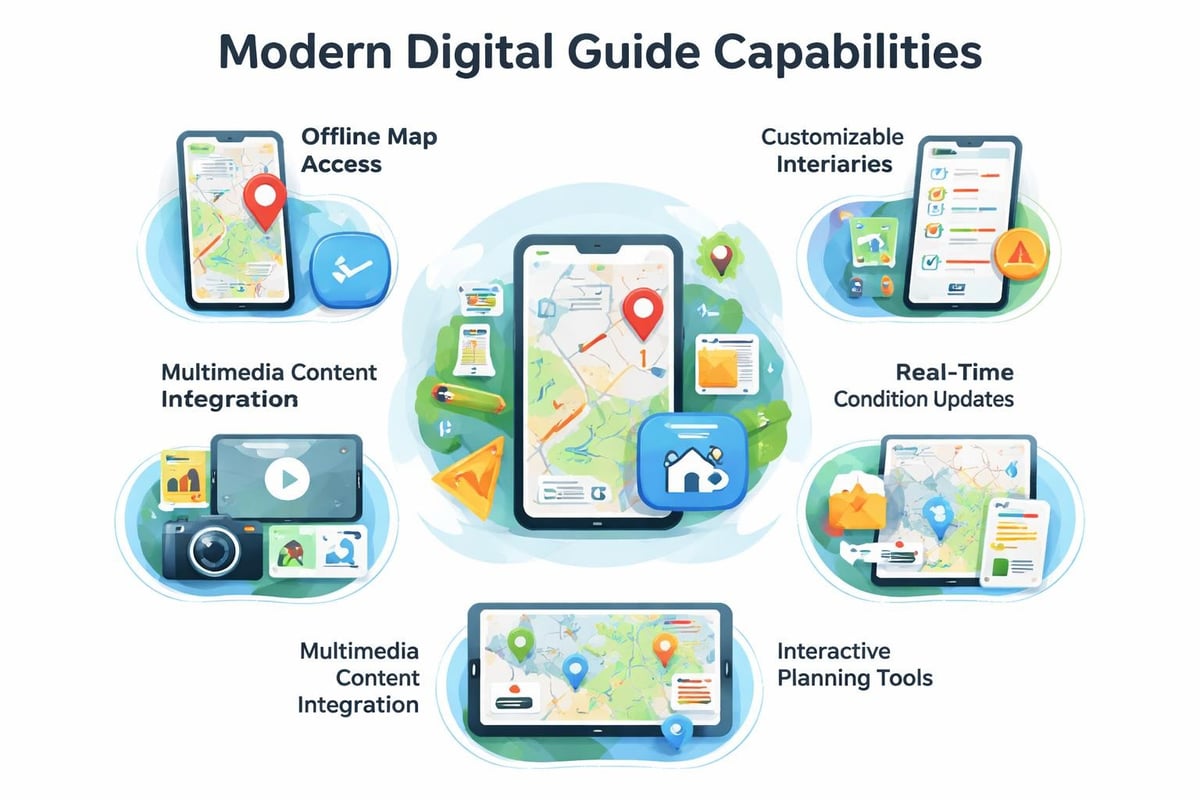
The adventure guide has evolved dramatically from traditional printed formats to dynamic digital resources that update in real-time and customize to individual traveler needs. Digital guides offer distinct advantages including interactive maps, offline accessibility, multimedia content, and instant updates when conditions change.
Advantages of Digital Adventure Guides
Accessibility and Portability
Digital formats eliminate the weight and bulk of multiple guidebooks while providing access to comprehensive information across numerous destinations. A single device can store detailed guides for multiple countries, reducing pack weight significantly for extended trips.
Real-Time Updates
Unlike printed guides that become outdated quickly, digital resources can reflect current conditions, recent closures, new regulations, and evolving safety recommendations. This capability proves particularly valuable in 2026 as travel conditions change more rapidly than ever.
Customization and Personalization
Modern digital guides allow travelers to filter information based on interests, fitness levels, available time, and budget constraints. This personalization ensures you receive relevant guidance rather than generic information requiring extensive sorting.
Specialized Knowledge for Different Adventure Types
Different adventure categories require specialized knowledge and preparation. An effective adventure guide recognizes these distinctions and provides category-specific expertise rather than one-size-fits-all advice.
Mountain and Alpine Adventures
High-altitude environments present unique challenges including reduced oxygen levels, rapid weather changes, and technical terrain. Preparation requires understanding:
- Acclimatization protocols and altitude sickness prevention
- Glacier travel techniques and crevasse rescue
- Weather pattern recognition specific to mountain environments
- Snow and avalanche safety assessment
- Technical climbing skills and equipment use
Water-Based Adventures
Whether kayaking, rafting, or sailing, water environments demand specialized skills and safety protocols. Guidelines for adventure-based activities emphasize the importance of assessing water conditions, understanding weather impacts, and ensuring all participants possess necessary swimming abilities and equipment knowledge.
Multi-Day Trekking and Backpacking
Extended wilderness trips require careful planning around resupply points, navigation in remote areas, and managing the physical and mental challenges of sustained outdoor exposure. Your adventure guide should address food planning, water treatment, shelter selection, and strategies for maintaining morale during difficult conditions.
Skill Development and Training Recommendations
Becoming proficient in adventure travel skills enhances safety and enjoyment significantly. Rather than relying solely on external guides, developing personal competencies provides confidence and capability for handling unexpected situations.
Essential Skills for Independent Adventure Travel
- Navigation: Map reading, compass use, GPS operation, route finding
- First Aid: Wilderness medicine certification, CPR, emergency response
- Technical Skills: Activity-specific abilities (climbing, paddling, cycling)
- Communication: Emergency signaling, radio operation, language basics
- Survival Skills: Shelter building, fire starting, water procurement
Many travelers benefit from consulting comprehensive safety resources that outline professional standards for guiding activities, even when planning independent trips. Understanding these professional frameworks improves personal preparation and risk assessment capabilities.
Equipment Selection and Maintenance
Quality equipment represents a significant investment that directly impacts safety and comfort. An adventure guide should provide detailed recommendations for gear selection based on specific activities, destinations, and seasons.
Core Equipment Categories
Clothing Systems
Layered clothing systems regulate body temperature across varying conditions. The standard three-layer approach includes:
- Base layers for moisture management
- Insulation layers for warmth retention
- Shell layers for weather protection
Navigation and Communication
Modern adventures blend traditional and digital navigation tools. Essential items include topographic maps, compass, GPS device, satellite communicator for emergencies, and portable power banks.
Shelter and Sleep Systems
Appropriate shelter selection depends on season, location, and weight considerations. Research options thoroughly and consider factors like weather resistance, weight, setup complexity, and packed size.
The Pre-Trip Checklist helps ensure nothing essential gets forgotten during the packing process, reducing the likelihood of equipment-related problems during your adventure.
Creating Your Personal Adventure Portfolio
As you gain experience, developing a personal portfolio of completed adventures, acquired skills, and lessons learned creates a valuable resource for future planning. This practice helps identify patterns in what works well for your travel style and what areas need improvement.
Documentation Best Practices
Maintain detailed records including:
- Route descriptions with actual time requirements
- Equipment performance notes and modifications needed
- Weather conditions and seasonal timing observations
- Local contact information and recommendations
- Budget actuals versus estimates
- Physical fitness requirements and training effectiveness
The Travel Photography Guide helps document your adventures visually, creating lasting memories while building a reference library for future planning and inspiration.
Adapting to Changing Conditions
Flexibility represents one of the most valuable traits in adventure travel. Despite thorough planning, conditions change, weather shifts, and unexpected obstacles arise. An effective adventure guide prepares travelers for adaptation rather than rigid adherence to predetermined plans.
Building Flexibility Into Your Plans
- Research alternative routes and backup destinations
- Build extra days into itineraries for weather delays
- Understand cancellation policies and change fees
- Maintain emergency funds for unexpected expenses
- Develop decision-making frameworks for when to proceed versus retreat
Understanding professional best practices and safety templates provides frameworks for making sound decisions under pressure, applying risk assessment methodologies developed through extensive industry experience.
The world of adventure travel continues to expand with new destinations, evolving technologies, and increasing accessibility for travelers of all experience levels. By understanding the essential components that make an adventure guide truly valuable, you position yourself for safer, more rewarding experiences that create lasting memories. Whether you're planning your first international trek or your fiftieth expedition, Awesome Travel Guides provides the comprehensive digital resources you need to explore with confidence, discover authentic local experiences, and transform your travel dreams into unforgettable reality.