

Digital Travel Guide 2026: Navigate the Future of Exploration
Imagine planning your next adventure and having a digital travel guide that adapts instantly, personalizes every step, and solves challenges before you even leave home. As we move toward 2026, digital travel is reshaping how we explore the world, merging advanced technology with solutions focused on the traveler. This article will reveal how digital travel guides have evolved, the technologies driving future journeys, and practical strategies to make your trips seamless. Ready to experience smarter, safer, and more personalized adventures? Discover how to navigate the future of exploration with digital travel guides.
The Evolution of Digital Travel Guides: From Paper Maps to Smart Exploration
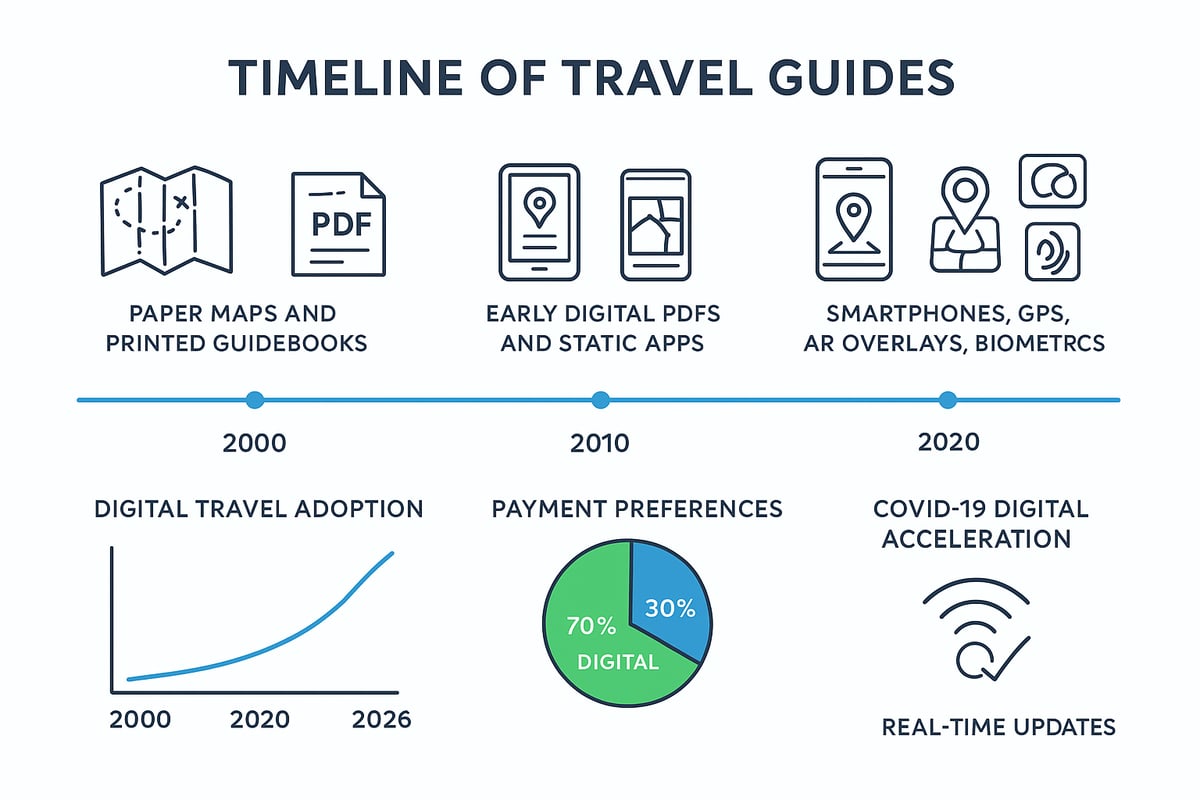
Imagine setting out on a journey, armed only with a folded paper map and a heavy guidebook. For decades, these analog tools were the backbone of travel planning. As travel habits evolved, the shift to digital travel began with static PDFs and downloadable guides, offering convenience but little interactivity.
From Paper Maps to Early Digital Tools
Traditional guidebooks and paper maps provided essential travel information, but updates were rare and often outdated. The first wave of digital travel resources arrived as downloadable PDFs and static apps. These offered portability, yet lacked real-time data and interactive features.
A simple table highlights this early evolution:
| Era | Main Tools | Key Features |
|---|---|---|
| Paper Age | Maps, guidebooks | Static, offline |
| Early Digital | PDFs, static apps | Portable, limited |
This transition marked the initial steps toward a more connected travel experience.
The Smartphone Revolution
The arrival of smartphones changed digital travel forever. Suddenly, travelers could access information, maps, and recommendations on the go. Mobile apps brought navigation, bookings, and translation into the palm of your hand.
GPS integration made it possible to receive step-by-step directions, find local attractions, and adjust plans in real time. Connectivity meant updates were instant, ensuring travelers stayed informed wherever they were.
Real-Time Updates and Connectivity
With mobile internet and GPS, digital travel guides evolved into dynamic tools. Travelers benefited from live traffic alerts, location-based recommendations, and instant notifications about delays or weather changes.
Interactive features like push notifications and geofencing created a seamless flow of information. This empowered travelers to make smarter decisions, reduce stress, and explore with confidence.
Multimedia-Rich Guides and Immersive Content
The next leap was the incorporation of multimedia content. Digital travel guides began offering audio tours, video walkthroughs, and augmented reality overlays. Museums introduced AR features to bring exhibits to life, while city guides used interactive maps and storytelling to enhance exploration.
This shift made travel experiences richer, more personalized, and accessible to a wider audience.
Accelerating Change: Global Events and Biometric Solutions
The COVID-19 pandemic accelerated the adoption of digital travel tools as touchless experiences became essential. Digital identity and biometric authentication emerged, allowing for seamless airport, hotel, and attraction check-ins.
Initiatives like IATA’s digital wallet proof-of-concept paved the way for secure, document-free journeys. Travelers now expect frictionless transitions, blending physical and digital worlds.
The Numbers: Digital Transformation in Travel
Today, the majority of travelers prefer digital travel solutions for booking, payments, and planning. According to recent digital transformation in tourism statistics, 72% of travelers now seek instant, digital payment and booking options. This reflects a dramatic shift in expectations and habits.
Digital travel guides are no longer static references. They have become smart, adaptive companions—offering real-time insights, tailored recommendations, and enhanced safety. As technology continues to advance, these guides will only grow more powerful and indispensable.
Key Technologies Shaping the Future of Exploration
The landscape of digital travel is evolving rapidly, with new technologies transforming how we plan, book, and experience journeys. These advancements are not just making travel more convenient—they are redefining the very nature of exploration. From artificial intelligence to immersive experiences, the future of digital travel is being shaped by tools that are smarter, safer, and more personalized than ever.
Artificial Intelligence and Personalization
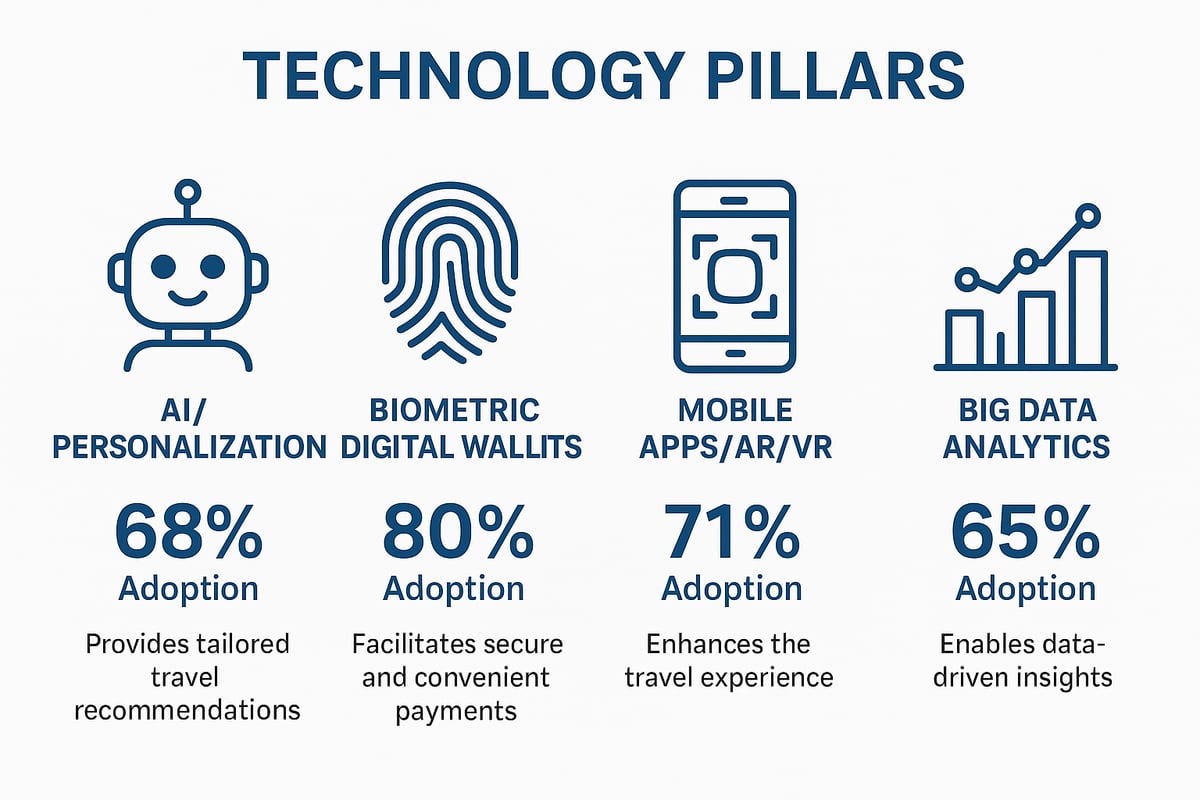
Artificial intelligence is at the heart of the digital travel revolution. AI-driven platforms can analyze your preferences, past trips, and real-time data to suggest destinations, dining, and experiences tailored just for you. This level of personalization transforms planning from a chore into a customized journey.
Machine learning algorithms optimize itineraries, taking into account factors like weather, crowd levels, or local events. If a rainstorm is predicted, your digital travel assistant might re-route your museum visit or suggest an indoor activity nearby.
Chatbots and virtual assistants are now available 24/7, offering instant support for everything from rebooking flights to translating menus. These tools reduce decision fatigue by narrowing choices to what matters most to each traveler.
The impact is clear: digital travel powered by AI means fewer hassles, more meaningful adventures, and higher overall satisfaction.
Biometric Identification and Digital Wallets
Security and convenience are coming together in digital travel through biometric identification and digital wallets. Instead of fumbling with passports or paper tickets, travelers can use facial recognition or fingerprints for seamless check-ins at airports and hotels.
Digital wallets consolidate vital documents—ePassports, visas, tickets, and loyalty cards—into one secure app. For instance, IATA’s live trial in Asia demonstrated how biometric and digital wallet technology can create a frictionless airport experience, speeding up queues and reducing physical contact.
This shift not only improves efficiency but also enhances safety, as sensitive data is encrypted and physical touchpoints are minimized. By 2026, digital travel will rely heavily on these solutions for faster processing and peace of mind.
As digital travel guides and wallets become industry standards, travelers can expect a future where identity verification and payments are nearly invisible parts of their journey.
Mobile Apps, AR, and VR Experiences
Mobile apps have become the central hub for digital travel, bringing navigation, booking, and in-destination experiences together in one place. Augmented reality overlays transform city tours by displaying historical facts, restaurant ratings, or real-time translations directly onto your surroundings.
Virtual reality is making it possible to preview destinations before you book, helping travelers with accessibility needs or simply inspiring new adventures. Museums and heritage sites are also using AR to add interactive storytelling layers to exhibits, enriching each visit.
In fact, 65 percent of travelers now use mobile apps for planning and navigation. For a deeper dive into how these technologies maximize travel experiences, explore Maximizing Experiences with Digital Guides.
With digital travel apps and immersive tech, every step of the journey can be enriched and simplified.
Big Data, Analytics, and Smart Recommendations
Behind the scenes, big data and analytics are powering smarter digital travel experiences. By collecting and analyzing traveler data, platforms can deliver hyper-personalized recommendations—like suggesting restaurants based on your dietary preferences or alerting you to local festivals.
Predictive analytics help optimize travel flows, such as guiding visitors through museums to avoid crowds or sending real-time safety alerts when conditions change. Dynamic itineraries adjust on the fly, responding to live data about weather, transit, or event schedules.
A key benefit of data-driven digital travel guides is increased efficiency. Travelers spend less time searching and more time enjoying, while destinations can manage resources better and provide safer, more enjoyable experiences.
As digital travel continues to mature, big data will ensure that journeys are not only seamless but also uniquely tailored to each explorer.
How to Use Digital Travel Guides for Seamless Journeys in 2026
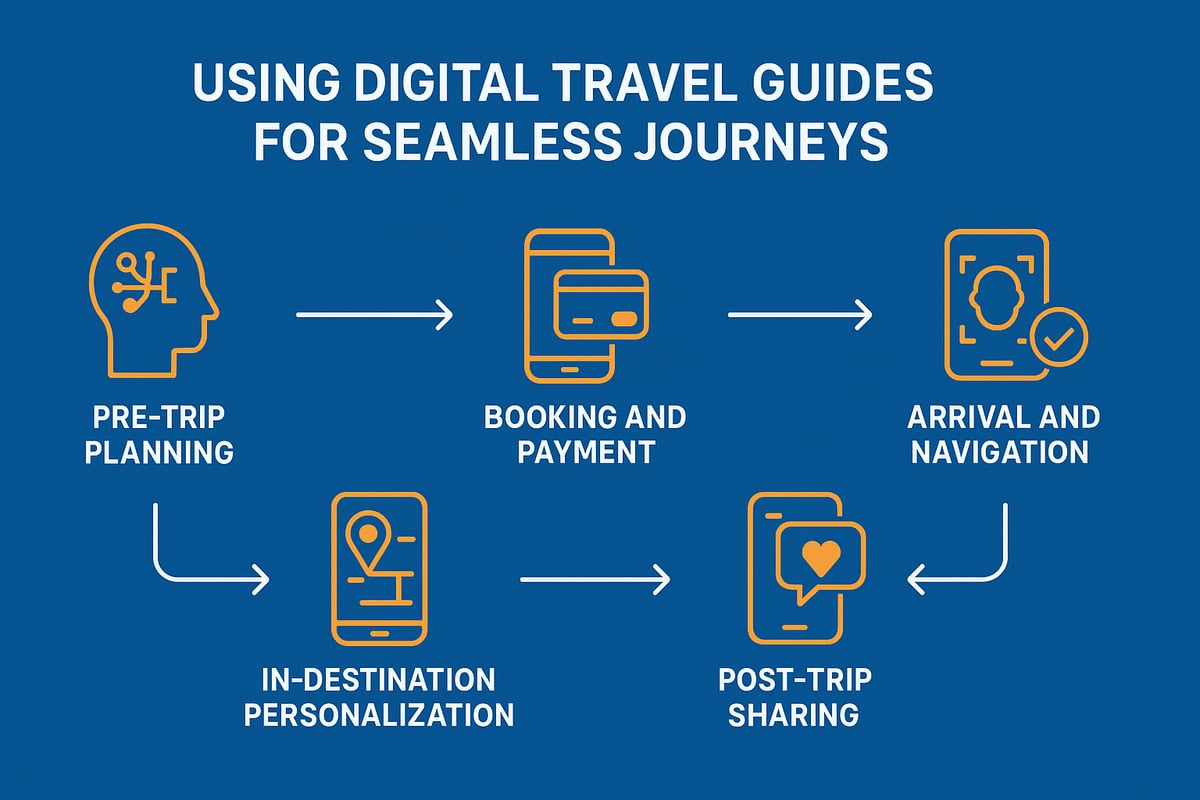
Navigating the world in 2026 is simpler than ever with digital travel solutions at your fingertips. Whether you are planning, booking, or sharing your adventures, these tools make every phase of your journey smarter and more enjoyable. Here is how to maximize the benefits of digital travel guides at each step.
Step 1: Pre-Trip Planning and Research
Begin your digital travel journey by using AI-powered guides to explore destinations, compare itineraries, and gather inspiration. These tools let you preview landmarks in VR, check real-time travel advisories, and review visa requirements, all in one place.
- Research destinations with up-to-date information
- Compare itineraries and customize plans
- Preview attractions with virtual tours
For actionable advice on maximizing your pre-trip research with digital guides, check out these Digital Travel Guide Planning Tips. Early digital engagement leads to smarter, safer choices and sets the stage for a seamless adventure.
Step 2: Booking and Payment Integration
Seamless booking is a hallmark of digital travel in 2026. Use digital wallets to store documents, make instant payments, and redeem loyalty rewards. Integrated apps allow you to compare flights, accommodations, and activities without juggling multiple tabs.
- Store ePassports and tickets in your wallet
- Make contactless payments and manage bookings
- Apply digital coupon codes and rewards easily
With 72 percent of travelers preferring instant payments, integrated payment options remove friction and boost confidence. Digital travel guides now make booking and payment both efficient and secure.
Step 3: Arrival and On-the-Go Navigation
Arriving in a new city is effortless with biometric check-ins and real-time navigation in your digital travel app. Mobile tools provide geofenced content, instant translation, and AR overlays for wayfinding.
- Use facial recognition for swift check-ins
- Access real-time directions and local tips
- Receive notifications about nearby points of interest
Digital travel guides ensure smooth transitions from airport to hotel to attractions, weaving digital convenience into every stage of your trip.
Step 4: In-Destination Experiences and Personalization
While exploring, digital travel guides deliver tailored recommendations for dining, events, and activities. Data analytics help you optimize your daily plans, avoid crowds, and discover hidden gems.
- Get personalized suggestions based on preferences
- Use interactive maps and audio guides
- Adjust plans in real time with live updates
Museums and attractions now use visitor flow data to enhance your experience. Personalization through digital travel makes each journey more authentic and enjoyable.
Step 5: Sharing, Feedback, and Post-Trip Engagement
After your trip, digital travel platforms make it easy to share memories, provide feedback, and receive personalized future recommendations. Integrated social features help you stay connected and inspire others.
- Effortlessly share photos and stories
- Offer feedback for continuous improvement
- Access digital albums and trip summaries
Digital travel engagement extends the value of your journey, turning each adventure into a foundation for future explorations.
Overcoming Common Barriers to Digital Travel Adoption
Adopting digital travel solutions offers immense benefits, but the journey is not without obstacles. As the sector moves toward a more connected future, organizations and travelers alike encounter a range of challenges that can limit the full realization of digital travel’s potential.
Budget and Resource Limitations
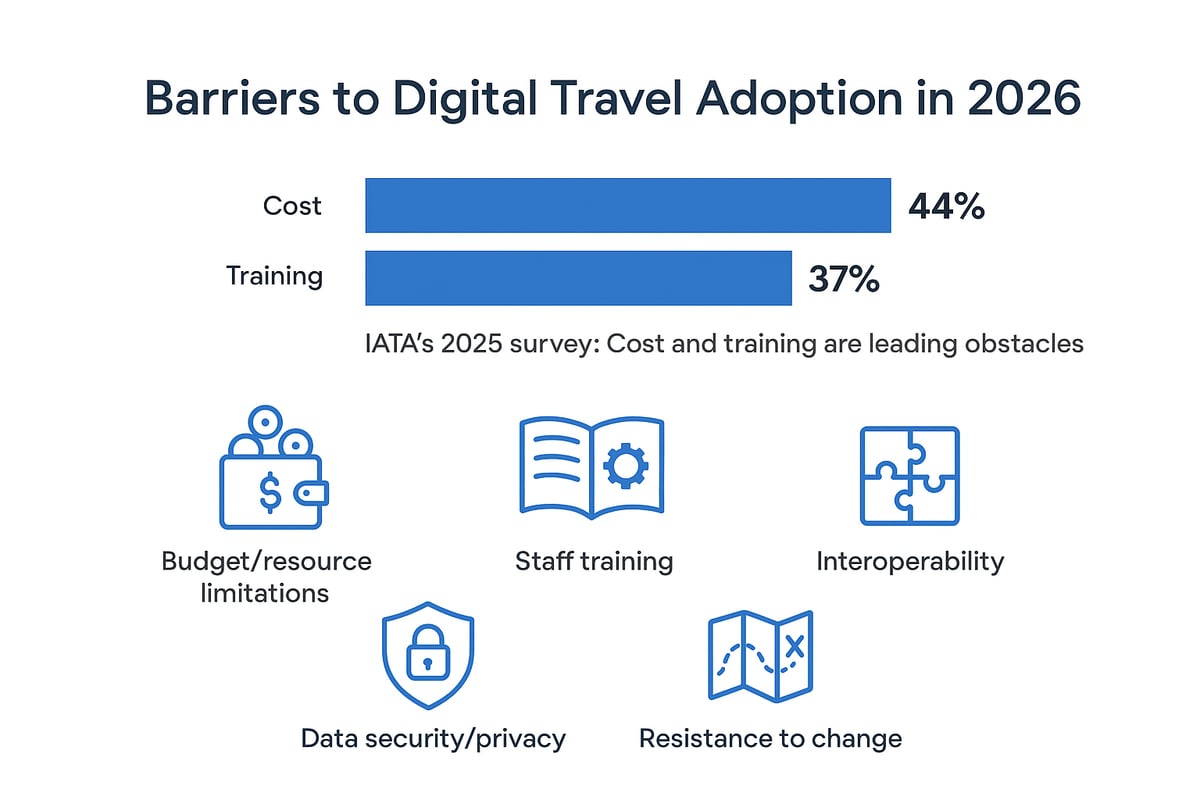
For many small businesses and destinations, limited budgets pose a significant barrier to digital travel adoption. Investing in new platforms, hardware, and ongoing maintenance often requires resources that are already stretched thin. The up-front costs of developing or upgrading digital travel solutions can deter organizations from taking the first step, particularly when the return on investment is uncertain.
- High initial costs for equipment and software
- Ongoing expenses for updates and support
- Difficulty accessing funding or grants for digital innovation
These financial constraints can delay or limit the deployment of digital travel tools, especially in regions where tourism budgets are tight.
Staff Training and Resistance to Technology
Transitioning to digital travel platforms demands effective staff training. Employees must learn new systems, adapt workflows, and develop digital literacy skills. Resistance to change is common, especially among teams used to traditional methods. Concerns about job security, complexity, or unfamiliarity can hinder adoption.
Organizations that invest in comprehensive training programs and clear communication are better positioned to overcome these hurdles. Phased rollouts and hands-on workshops can help staff gain confidence and embrace digital travel as a positive change.
Interoperability and Legacy Systems
Integrating digital travel solutions with existing infrastructure presents technical challenges. Many businesses operate with legacy systems that are not designed for modern connectivity or data sharing. Siloed information and incompatible software can prevent seamless operations across booking, payments, and guest management.
To bridge these gaps, organizations often need to invest in middleware, APIs, or platform upgrades. Prioritizing interoperability from the outset ensures that digital travel tools work harmoniously with both new and established systems, reducing friction and manual workarounds.
Data Security and Privacy Concerns
Handling sensitive traveler information brings data security and privacy to the forefront. Digital travel platforms collect and store personal data, including payment details and biometric identifiers. Any breach or misuse can erode trust and expose organizations to regulatory penalties.
- Compliance with data protection laws (such as GDPR)
- Implementation of robust cybersecurity protocols
- Transparent privacy policies and user consent mechanisms
Ensuring data integrity is not just a legal obligation but a critical factor in building user confidence in digital travel experiences.
Strategies and Case Studies for Successful Adoption
Despite these barriers, many organizations are finding ways to navigate the path to digital travel transformation. Museums and heritage sites, for example, have implemented phased digital rollouts, starting with pilot programs and gradually expanding features based on user feedback. According to IATA's 2025 Global Passenger Survey, the majority of organizations cite cost and training as the top obstacles to digital travel adoption.
Strategic planning, incremental implementation, and ongoing evaluation are essential. By addressing challenges methodically, organizations can unlock the full value of digital travel and ensure that both staff and travelers benefit from seamless, innovative experiences.
Strategies for Integrating Digital Technology in the Travel Sector
Integrating digital travel technology into your organization requires a structured, strategic approach. As traveler expectations evolve, adopting the right digital travel solutions ensures you remain relevant and competitive. Each step below is designed to help you maximize efficiency, enhance customer satisfaction, and future-proof your travel offerings.
Auditing Your Current Digital Presence
Begin by evaluating your current digital travel touchpoints. Review your website, mobile apps, and booking channels for usability, accessibility, and mobile optimization. Identify gaps in information, slow-loading pages, or confusing navigation that could deter travelers.
Consider running usability tests or inviting feedback from real users. For example, test your booking process and look for friction points that could cause drop-offs. This step is crucial for building a strong foundation before introducing new digital travel solutions.
If you want insights into what a robust digital travel guide platform looks like, review The Awesome Travel Guide Overview for inspiration.
Identifying and Prioritizing Customer Pain Points
Gather feedback directly from travelers using surveys, reviews, and conversations. Analyze digital travel experiences to pinpoint frequent frustrations, such as unclear booking steps or limited payment options.
Segment your customer data to identify which issues impact the most travelers. By focusing on the most critical pain points first, you can achieve meaningful improvements quickly. This approach not only increases satisfaction but also builds momentum for further digital travel upgrades.
Keep in mind, addressing pain points with a traveler-centric mindset is the key to lasting loyalty.
Implementing and Testing Solutions
Once you have clear priorities, develop or enhance digital travel tools like mobile apps, self-service kiosks, or payment integrations. Run pilot programs or A B tests with small user groups to gather feedback before a full launch.
Consider involving staff in the testing phase to identify operational challenges early. For practical steps on rolling out digital travel guides, see How to Download Your Guide.
Use the insights gained to refine your digital travel offerings, ensuring solutions truly address both customer and organizational needs.
Refining Through Continuous Feedback
Establish ongoing channels for traveler feedback, such as in-app surveys or follow-up emails. Monitor user data to track digital travel adoption and identify changing expectations over time.
Iterate on your digital travel solutions based on real-world usage. For example, attractions can update app features or content in response to visitor suggestions. This agile approach allows you to respond quickly to trends and maintain a competitive edge.
Continuous refinement ensures your digital travel tools remain relevant and valuable to every traveler.
Ensuring Security, Privacy, and Accessibility
Digital travel integration is not complete without robust security and privacy measures. Implement cybersecurity best practices to safeguard traveler data, and ensure compliance with all relevant regulations, such as GDPR.
Design your digital travel tools to be accessible to users of all abilities, including those with disabilities. Building trust and inclusivity into your digital travel strategy is essential for widespread adoption.
By prioritizing security and accessibility, you lay the groundwork for sustainable digital travel growth and long-term success.
The Road Ahead: What to Expect from Digital Travel Guides in 2026 and Beyond
As we look ahead to 2026, digital travel is poised to redefine exploration in ways never before possible. The pace of innovation, combined with shifting traveler expectations, signals a future where seamless, tech-driven journeys are the new normal. From the moment a trip is conceived to the final memory shared, every step will be influenced by digital travel guides that are smarter, faster, and more attuned to individual needs.
One of the most significant changes on the horizon is the widespread adoption of digital identity and biometric solutions. Travelers will soon experience borderless journeys, moving through airports and hotels with facial recognition and fingerprint scans instead of traditional documents. This shift is exemplified by Europe’s ambitious plan to provide Digital Identity Wallets to all citizens and residents by 2027, streamlining every aspect of digital travel. According to recent projections, over 83 million users are expected to adopt these wallets by the end of 2025, demonstrating strong momentum for this transformation. For more details, see the EU Digital Identity Wallet rollout.
Immersive technologies will also become an essential part of digital travel. Augmented reality (AR) and virtual reality (VR) will enrich both the planning process and in-destination experiences. Imagine previewing a destination in VR before booking, or using AR to bring historical sites to life during a guided tour. Museums, heritage sites, and city attractions are already beginning to implement these tools, making exploration more interactive and accessible for all types of travelers.
Another major development will be the seamless interoperability between different sectors of the travel industry. Airlines, hotels, attractions, and local transportation will increasingly share data, enabling travelers to move effortlessly from one service to another. Digital travel guides will serve as unified platforms, integrating booking, payment, navigation, and recommendations into a single, user-friendly experience. This level of connectivity will remove common pain points, such as juggling multiple apps or dealing with incompatible systems.
Hyper-personalization will set the standard for digital travel in 2026 and beyond. Artificial intelligence will analyze preferences, travel history, and real-time conditions to deliver tailored suggestions, adaptive itineraries, and proactive support. The rapid rise of AI in trip planning is already evident, with digital assistants responding to changing needs and even recommending new adventures based on previous journeys. For a deeper dive, explore how AI adoption in travel planning is shaping the industry.
Sustainability will also be at the forefront of digital travel innovation. Digital guides will help travelers make eco-friendly choices, from recommending low-carbon transport options to reducing paper waste by digitizing tickets, maps, and guides. The move toward greener practices aligns with growing environmental awareness and the need for responsible tourism, ensuring that exploration remains possible for generations to come.
According to industry data, more than 65 percent of travelers now expect digital engagement at every stage of their journey. This expectation underscores the essential role digital travel guides will play in future exploration. As these technologies mature, travelers can look forward to journeys that are not only more efficient and secure, but also more authentic and fulfilling. Digital travel will be the key to unlocking a new era of confident, connected, and meaningful discovery.
As you’ve seen, the future of travel is all about seamless experiences—personalized recommendations, real-time updates, and effortless navigation, all at your fingertips. Whether you’re planning your first big trip or looking to deepen your adventures, having the right digital guide can truly make all the difference. If you’re ready to explore new places with confidence and discover those hidden gems that turn a journey into a story worth sharing, I invite you to take the next step and Explore Guides. Your future adventures await—let’s make them unforgettable together.