

Electronic Travel Guide: Your Digital Travel Companion
The modern traveler no longer relies on bulky paper guidebooks or outdated travel brochures. Today's adventurers carry powerful digital resources that fit in their pockets, offering instant access to destination information, real-time updates, and personalized recommendations. An electronic travel guide represents a fundamental shift in how we plan, navigate, and experience destinations worldwide. These digital companions provide everything from restaurant recommendations to walking tours, cultural insights to emergency contacts, all accessible with a simple tap on your smartphone. As the electronic tourism market grows toward $1.7 trillion by 2028, understanding the capabilities and benefits of electronic travel guides becomes essential for every modern traveler.
The Evolution of Digital Travel Resources
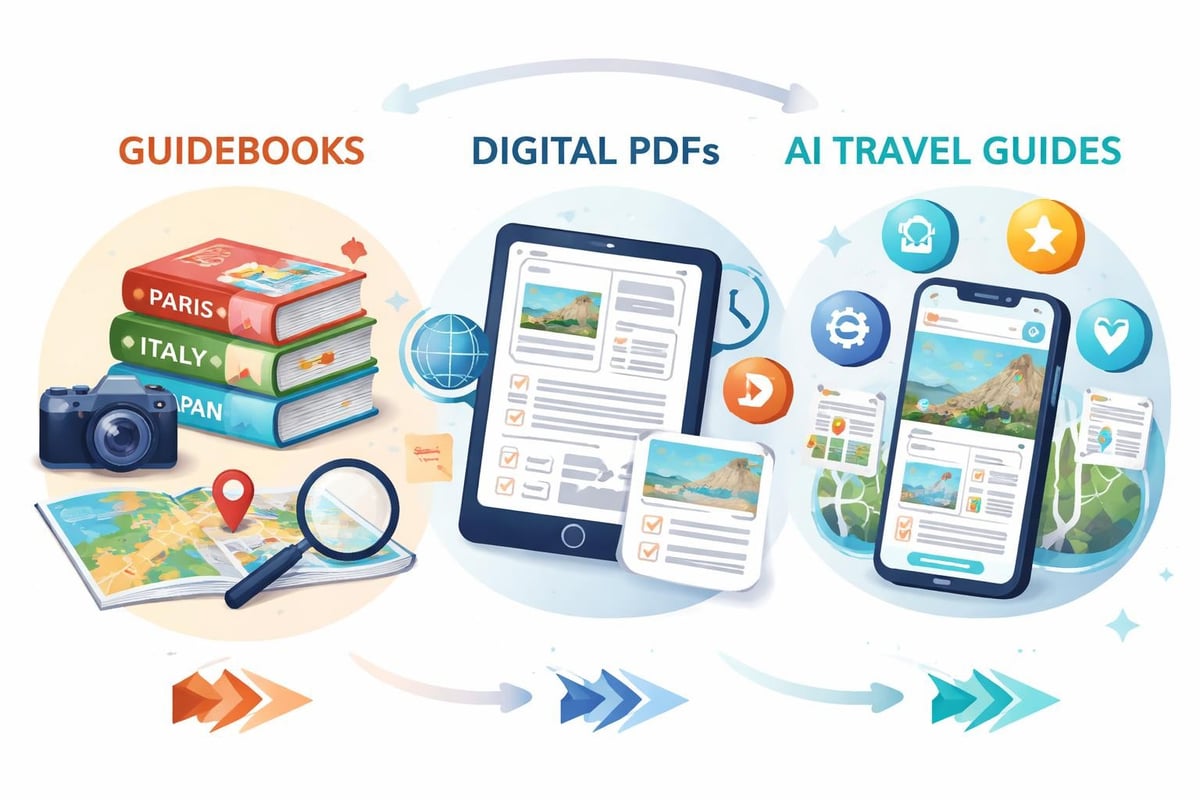
Travel planning has undergone a remarkable transformation over the past two decades. Traditional guidebooks required months of production time, resulting in outdated information by the time they reached readers' hands. An electronic travel guide eliminates this lag, offering continuously updated content that reflects current conditions, new attractions, and changing travel advisories.
From Paper to Pixels
The transition from physical to digital travel resources began with simple PDF downloads and basic mobile apps. Early versions merely replicated printed guides in digital format, offering limited functionality beyond searchable text. Today's sophisticated platforms integrate multiple technologies including GPS navigation, augmented reality features, and artificial intelligence-powered recommendations.
Key advantages of digital transformation include:
- Instant updates reflecting real-time conditions
- Interactive maps with turn-by-turn navigation
- Multimedia content including videos and audio guides
- Personalization based on traveler preferences
- Offline access for areas with limited connectivity
Modern travelers exploring destinations like those covered in Awesome Travel Guides' comprehensive collection benefit from this digital revolution. Whether planning a trip to historic European cities or remote natural wonders, electronic travel guides provide unprecedented access to local knowledge and expert recommendations.
Features That Define Modern Electronic Travel Guides
Contemporary electronic travel guides offer far more than simple destination descriptions. They serve as comprehensive travel management systems that address every aspect of the journey, from initial planning through post-trip reflection.
Personalization Through Artificial Intelligence
AI technology continues reshaping the tourism industry by enabling electronic travel guides to learn from user behavior and preferences. These intelligent systems analyze your interests, budget constraints, travel style, and past experiences to curate customized recommendations.
| Feature | Traditional Guide | Electronic Travel Guide |
|---|---|---|
| Content Updates | Annual editions | Real-time continuous updates |
| Personalization | Generic for all readers | AI-customized for individual travelers |
| Navigation | Static maps | GPS-enabled turn-by-turn directions |
| Language Options | Single language | Multiple languages with instant translation |
| Offline Access | Always available | Downloadable for offline use |
Advanced systems now incorporate wearable device integration, allowing your electronic travel guide to adjust recommendations based on factors like your current location, time of day, weather conditions, and even your physical activity levels. This context-aware functionality ensures suggestions remain relevant and practical throughout your journey.
Real-Time Updates and Dynamic Content
One of the most significant advantages of an electronic travel guide over traditional resources involves the ability to receive immediate updates. Restaurant closures, event cancellations, weather warnings, and safety alerts reach travelers instantly, preventing wasted time and potential disappointments.
Dynamic content features include:
- Current wait times for popular attractions
- Live event calendars and festival schedules
- Transportation delays and alternative routes
- Price fluctuations for tours and activities
- User-generated reviews and recent photos
When preparing for international adventures with resources like the comprehensive guide to France or the detailed guide to Italy, having access to current information proves invaluable for maximizing your experience.
Planning Capabilities and Trip Organization
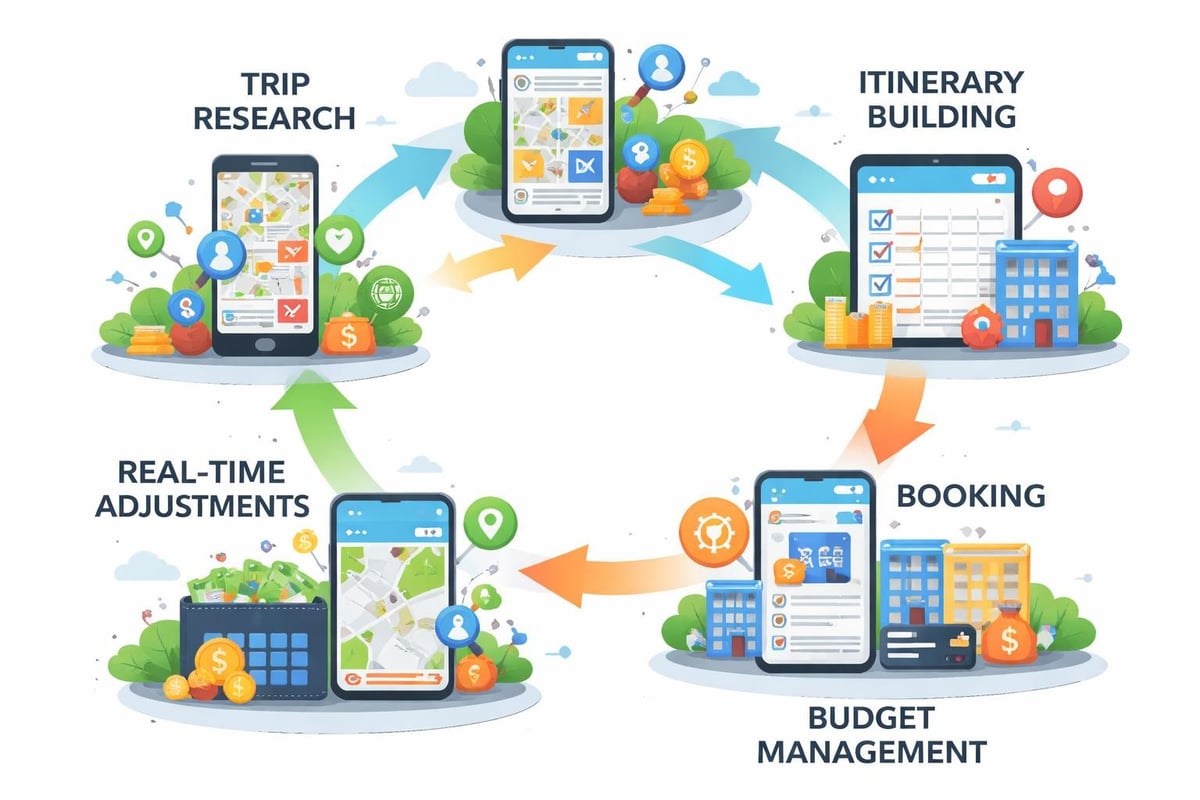
An effective electronic travel guide extends beyond destination information to encompass complete trip planning functionality. Modern platforms integrate booking capabilities, itinerary management, budget tracking, and collaborative planning features.
Comprehensive Itinerary Management
Building a well-structured travel itinerary requires balancing interests, time constraints, and logistical considerations. Electronic travel guides streamline this process through intelligent scheduling algorithms that optimize routes, minimize backtracking, and suggest appropriate time allocations for each activity.
Travelers can organize their days by dragging and dropping attractions, restaurants, and activities into a timeline view. The system automatically calculates travel time between locations, flags scheduling conflicts, and recommends backup options when popular venues book up quickly.
Itinerary features that enhance trip planning:
- Multi-day planning with daily route optimization
- Time-based recommendations (morning activities versus evening entertainment)
- Budget tracking across accommodations, dining, and activities
- Shared itineraries for group travel coordination
- Export options for offline reference
Booking Integration and Practical Tools
Modern electronic travel guides increasingly incorporate direct booking capabilities for accommodations, tours, transportation, and dining reservations. This integration eliminates the need to switch between multiple apps and websites, creating a seamless planning experience.
Before departure, tools like the comprehensive pre-trip checklist ensure travelers address essential preparations. Once on the ground, features like currency converters, phrase books, tipping calculators, and emergency contact directories provide practical support.
Offline Functionality and Accessibility
Connectivity challenges represent a significant concern for international travelers. Roaming charges, limited data plans, and areas with poor network coverage can leave travelers stranded without access to critical information. A well-designed electronic travel guide addresses these challenges through robust offline functionality.
Downloadable Content Packages
Premium electronic travel guides allow users to download complete destination packages before departure. These comprehensive files include detailed maps, attraction descriptions, restaurant recommendations, walking tour routes, and emergency information-all accessible without an internet connection.
| Offline Feature | Benefit for Travelers |
|---|---|
| Downloadable Maps | Navigation without data usage |
| Cached Restaurant Info | Dining decisions without connectivity |
| Saved Itineraries | Access to daily plans anywhere |
| Emergency Contacts | Critical information always available |
| Translation Tools | Basic communication offline |
Storage efficiency has improved dramatically, with modern compression allowing entire city guides to occupy minimal device space. Travelers exploring multiple destinations can maintain several guide packages simultaneously, switching between them as they move through different regions.
Accessibility Considerations
Inclusive design ensures electronic travel guides serve diverse user needs. Features supporting travelers with disabilities include screen reader compatibility, adjustable text sizes, high-contrast display options, and audio descriptions of visual content. Innovations like NaviGPT demonstrate how AI-driven navigation systems can specifically enhance experiences for visually impaired travelers.
Interactive Maps and Navigation Features
Geographic orientation represents a fundamental travel challenge that electronic travel guides address through sophisticated mapping and navigation tools. These features transform how travelers explore unfamiliar destinations, building confidence and enabling spontaneous discovery.
Layered Information Display
Advanced mapping systems display multiple information layers simultaneously, showing attractions, dining options, accommodations, transportation hubs, and user-generated points of interest. Travelers customize these layers based on current needs, simplifying complex urban environments into digestible visual information.
Navigation enhancement features include:
- Augmented reality overlays identifying nearby landmarks
- Saved locations and custom waypoints
- Multiple route options (fastest, scenic, accessible)
- Public transportation integration with schedules
- Walking tour routes with audio narration
Whether exploring the historic streets featured in the guide to England or navigating the winding paths described in the guide to Greece, integrated mapping turns navigation from a stressful obligation into an enjoyable aspect of travel.
Location-Based Recommendations
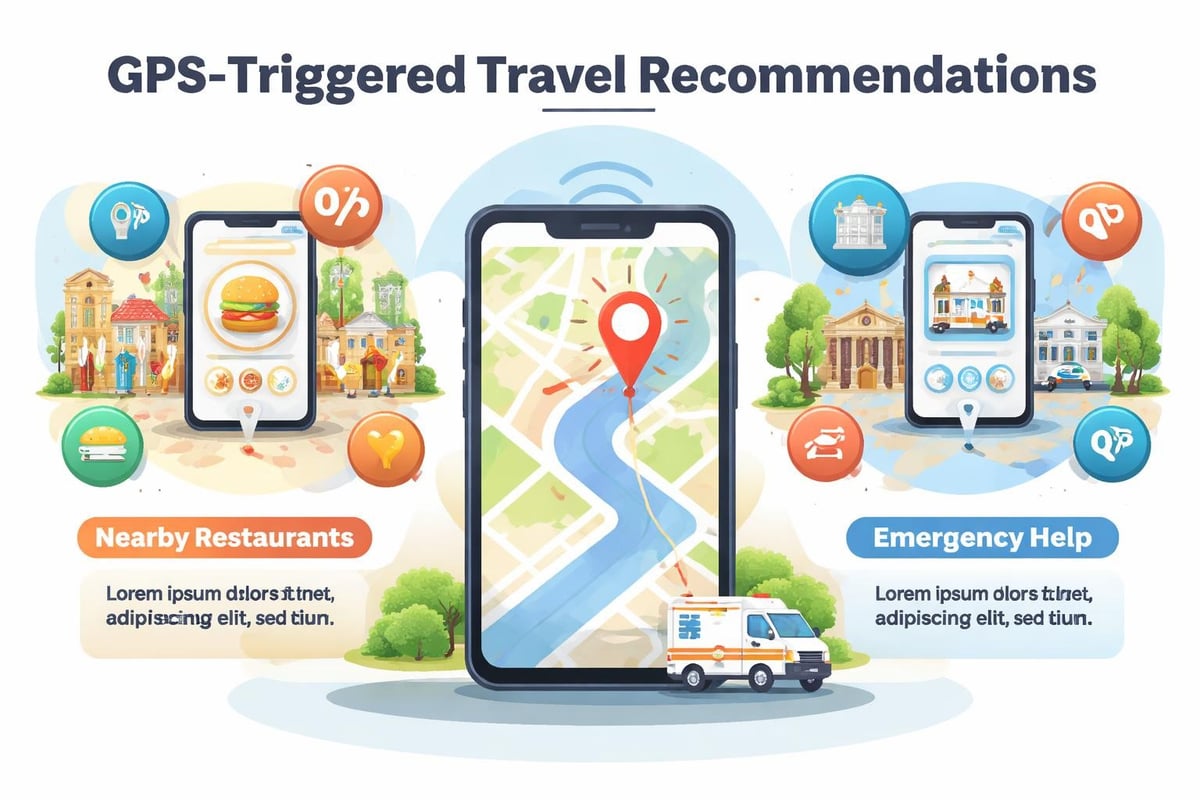
GPS integration enables electronic travel guides to provide context-aware suggestions based on your precise location. Walking past a neighborhood restaurant district might trigger dining recommendations, while proximity to a museum could prompt information about current exhibitions and optimal visiting times.
This location intelligence extends to practical considerations like finding nearby ATMs, pharmacies, restrooms, or emergency services. The electronic travel guide becomes a knowledgeable local companion, anticipating needs and offering timely assistance throughout your journey.
Community Features and User-Generated Content
The social dimension of electronic travel guides adds tremendous value through community insights and shared experiences. User reviews, photos, tips, and recent updates provide perspectives that complement professional editorial content.
Crowdsourced Intelligence
Travelers contribute real-time observations about wait times, crowd levels, service quality, and hidden discoveries. This collective intelligence helps users make informed decisions and adjust plans based on current conditions rather than potentially outdated professional reviews.
Community contribution types:
- Recent photos showing current conditions
- Timing recommendations (best time to visit)
- Money-saving tips and insider knowledge
- Accessibility observations and challenges
- Seasonal variation notes
Expert Curation Meets Local Knowledge
The most effective electronic travel guides balance professional editorial expertise with community contributions. Expert writers provide comprehensive destination overviews, historical context, and cultural insights, while user-generated content adds freshness and diverse perspectives.
This hybrid approach ensures travelers benefit from both thorough research and practical, current experiences. Travel technology trends increasingly emphasize this balance between authoritative content and community-driven updates.
Safety and Emergency Resources
Travel inevitably involves unpredictable situations requiring quick access to emergency information. An electronic travel guide serves as a critical safety resource, consolidating essential contacts, medical information, and crisis protocols.
Comprehensive Safety Information
Beyond standard emergency numbers, quality electronic travel guides provide country-specific safety advice, common scams awareness, health precautions, and embassy contact information. This centralized resource proves invaluable during unexpected situations when stress levels run high.
Travelers can reference detailed safety guidance through resources like the travel safety handbook, which complements the real-time capabilities of electronic platforms with comprehensive preparedness information.
Essential safety features include:
- Emergency contact numbers by country
- Nearest embassy and consulate locations
- Medical facility directories with language capabilities
- Insurance claim procedures and contacts
- Lost document replacement protocols
Travel Alerts and Warnings
Electronic travel guides can push critical notifications about developing situations affecting travelers' safety or plans. Natural disasters, political unrest, transportation strikes, or health advisories reach users immediately, enabling proactive response rather than reactive crisis management.
Cost Efficiency and Value Proposition
Investing in an electronic travel guide delivers measurable financial benefits beyond the initial purchase price. Money-saving recommendations, optimized routing, and insider tips help travelers maximize their budgets while enhancing overall experience quality.
Budget Optimization Tools
Integrated budget tracking features allow travelers to monitor expenses across categories, comparing actual spending against planned allocations. The electronic travel guide can suggest alternatives when travelers approach budget limits, recommending free attractions, affordable dining options, or cost-effective transportation methods.
| Cost Category | Traditional Planning | Electronic Travel Guide Approach |
|---|---|---|
| Guidebook Purchase | $20-40 per destination | Single platform, multiple destinations |
| Internet Research Time | 10-20 hours | Curated recommendations save time |
| Missed Opportunities | Undiscovered experiences | Comprehensive coverage reveals hidden gems |
| Navigation Errors | Wasted time and transportation costs | GPS accuracy prevents wrong turns |
| Outdated Information | Money spent on closed venues | Real-time updates prevent disappointments |
Multi-Destination Value
Travelers visiting multiple locations benefit exponentially from electronic travel guides that cover numerous destinations within a single platform. Rather than purchasing separate guidebooks for each city or country, one comprehensive digital resource serves all travel needs.
Multimedia Integration and Enhanced Learning
Contemporary electronic travel guides transcend text-based information through rich multimedia integration. Video tours, audio guides, interactive timelines, and photo galleries create immersive learning experiences that deepen destination understanding.
Audio and Video Content
Walking tours accompanied by professional narration transform sightseeing into educational experiences. Historical sites come alive through storytelling, while cooking demonstrations introduce travelers to local cuisine preparation techniques. This multimedia approach caters to diverse learning styles and preferences.
Multimedia content types:
- Video introductions to destinations and neighborhoods
- Audio walking tours with cultural commentary
- Interactive museum guides synchronized to exhibits
- Language pronunciation assistance
- Virtual reality previews of attractions
Photography and Visual Discovery
High-quality photography helps travelers visualize destinations, set realistic expectations, and identify photo-worthy locations. Many electronic travel guides now incorporate user-submitted photos showing attractions from multiple angles and under various conditions, providing authentic representations beyond professional marketing images.
Travelers preparing trips with resources like the guide to Spain or the guide to Portugal benefit from visual previews that inform packing decisions, activity planning, and photography goals.
Sustainable and Responsible Travel Support
Modern travelers increasingly prioritize sustainability and responsible tourism practices. Electronic travel guides support these values by highlighting eco-friendly accommodations, suggesting low-impact activities, and educating users about cultural sensitivities and environmental considerations.
Environmental Impact Reduction
The shift from printed guidebooks to digital formats represents an obvious environmental benefit, eliminating paper production, printing, and distribution. Beyond this direct impact, electronic travel guides promote sustainable choices through curated recommendations and impact awareness.
Sustainability features include:
- Eco-certified accommodation listings
- Public transportation routing priority
- Walking and cycling tour suggestions
- Local business emphasis over international chains
- Waste reduction tips and recycling information
Cultural Sensitivity Guidance
Respecting local customs, traditions, and social norms enhances both traveler experiences and community relationships. Electronic travel guides provide essential cultural context, explaining appropriate behavior, dress codes, photography restrictions, and tipping customs for each destination.
Future Developments in Electronic Travel Guides
The electronic travel guide continues evolving rapidly as new technologies emerge and traveler expectations shift. Emerging travel tech trends point toward increasingly sophisticated personalization, seamless integration across devices and platforms, and enhanced predictive capabilities.
Artificial Intelligence Advancement
Next-generation electronic travel guides will leverage advanced AI to provide increasingly accurate predictions about traveler preferences, optimal timing, and personalized recommendations. Machine learning algorithms will analyze vast datasets to suggest experiences aligned with individual interests that users might never discover through conventional search methods.
Research into personalized travel recommendation systems demonstrates how wearable technology and contextual data can create truly adaptive travel companions that respond to real-time conditions and user states.
Virtual and Augmented Reality Integration
Emerging technologies promise to transform how electronic travel guides present destination information. Augmented reality features will overlay historical contexts onto current views, showing how locations appeared in different eras or revealing hidden architectural details. Virtual reality previews will allow travelers to experience destinations before booking, reducing uncertainty and enhancing decision confidence.
Voice-Activated Assistance
Hands-free interaction through voice commands will make electronic travel guides even more accessible while exploring destinations. Travelers can request restaurant recommendations, ask for navigation assistance, or learn about nearby landmarks without removing devices from pockets or bags.
Anticipated future capabilities:
- Conversational AI for natural language queries
- Predictive recommendations based on behavioral patterns
- Cross-platform synchronization (phone, tablet, smartwatch, smart glasses)
- Blockchain-based verification for reviews and ratings
- Enhanced offline AI functionality
Electronic travel guides have fundamentally transformed how we explore the world, offering unprecedented access to information, personalized recommendations, and real-time support throughout every journey. These digital companions combine expert knowledge with community insights, advanced technology with practical functionality, creating comprehensive resources that enhance travel experiences while reducing stress and uncertainty. Whether you're planning your first international adventure or seeking to elevate your seasoned travel expertise, Awesome Travel Guides provides the comprehensive digital resources you need to discover hidden gems, navigate confidently, and create unforgettable memories across destinations worldwide.