

England Travel Guide: Essential Tips for 2026 Visitors
England remains one of the world's most captivating destinations, offering travelers an extraordinary blend of rich history, diverse landscapes, vibrant cities, and charming countryside villages. From the bustling streets of London to the serene beauty of the Lake District, this england travel guide provides comprehensive insights to help you navigate your journey with confidence. Whether you're drawn to royal palaces, ancient castles, world-class museums, or quintessentially English afternoon tea, understanding the essentials of traveling through England will transform your experience from ordinary to extraordinary.
Understanding England's Geographic Diversity
England's compact size belies its remarkable geographic variety. The country spans approximately 50,000 square miles, yet within this relatively small area, you'll discover everything from rugged coastlines to rolling green hills, bustling metropolitan areas to sleepy market towns.
The north of England features dramatic landscapes including the Yorkshire Dales and the Lake District, both designated as National Parks that showcase England's natural beauty. These regions offer exceptional hiking, stunning vistas, and traditional villages where time seems to move more slowly. Meanwhile, the southwest peninsula encompasses Cornwall and Devon, renowned for their spectacular coastlines, surfing beaches, and unique cultural heritage.
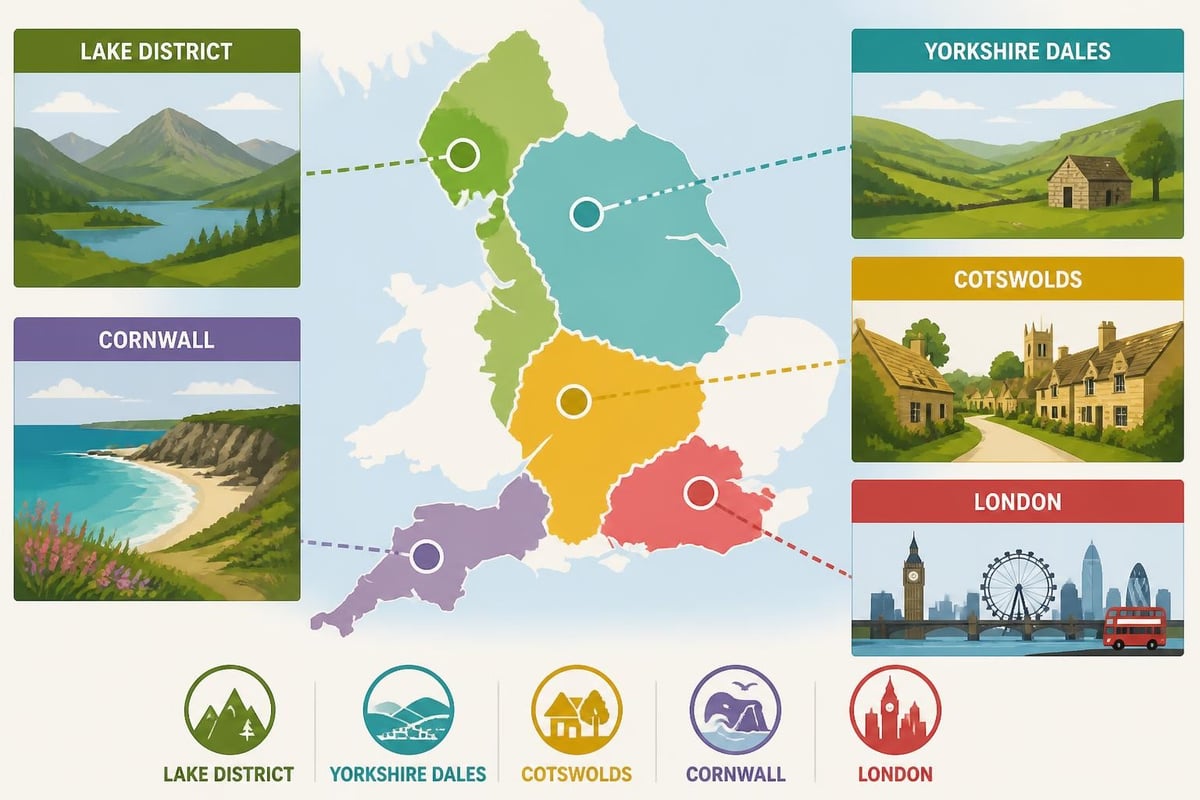
Central England, often called the Midlands, represents the country's industrial heartland but also contains hidden treasures like the Cotswolds, an Area of Outstanding Natural Beauty famous for honey-colored stone villages. The southeast, anchored by London, serves as England's economic and cultural powerhouse, while the east features the historic university cities of Cambridge and the unique fenland landscapes.
Climate Considerations for Your England Travel Guide
England's weather famously defies predictability, making proper preparation essential for any visitor. The temperate maritime climate means relatively mild temperatures year-round, but rainfall can occur during any season. Summer months (June through August) typically see temperatures between 15-25°C (59-77°F), while winter temperatures hover around 2-8°C (36-46°F).
Rather than expecting long periods of consistent weather, travelers should prepare for variability. Layered clothing proves invaluable, allowing you to adapt throughout the day. Checking the UK Met Office weather forecasts before and during your trip helps you plan activities appropriately and pack the right gear.
Navigating Transportation Across England
England's transportation infrastructure ranks among the most developed in the world, offering visitors multiple convenient options for exploring the country. Understanding these systems enhances your ability to move efficiently between destinations and maximizes your time experiencing rather than traveling.
Rail Travel Excellence
The train network provides extensive coverage throughout England, connecting major cities, regional towns, and many smaller communities. National Rail services operate frequent departures between primary destinations, with journey times often proving faster than driving when accounting for traffic and parking challenges.
Key rail travel tips include:
- Booking advance tickets significantly reduces costs compared to same-day purchases
- Railcards offer discounts for specific demographics (youth, seniors, families)
- Off-peak travel provides both lower fares and less crowded carriages
- Major stations in London include King's Cross, Paddington, Euston, and Victoria, each serving different regions
For authentic experiences beyond major cities, branch lines often reveal England's hidden gems. Scenic routes like the Settle-Carlisle Railway traverse breathtaking landscapes that motorways bypass entirely.
Alternative Transportation Methods
| Transport Type | Best For | Considerations |
|---|---|---|
| Rental Car | Rural exploration, flexibility | Left-side driving, narrow roads, parking costs |
| Coach Services | Budget travel between cities | Longer journey times, less comfort |
| Domestic Flights | Long-distance travel (e.g., London to Newcastle) | Environmental impact, airport time |
| Cycling | Short distances, countryside | Weather dependent, fitness required |
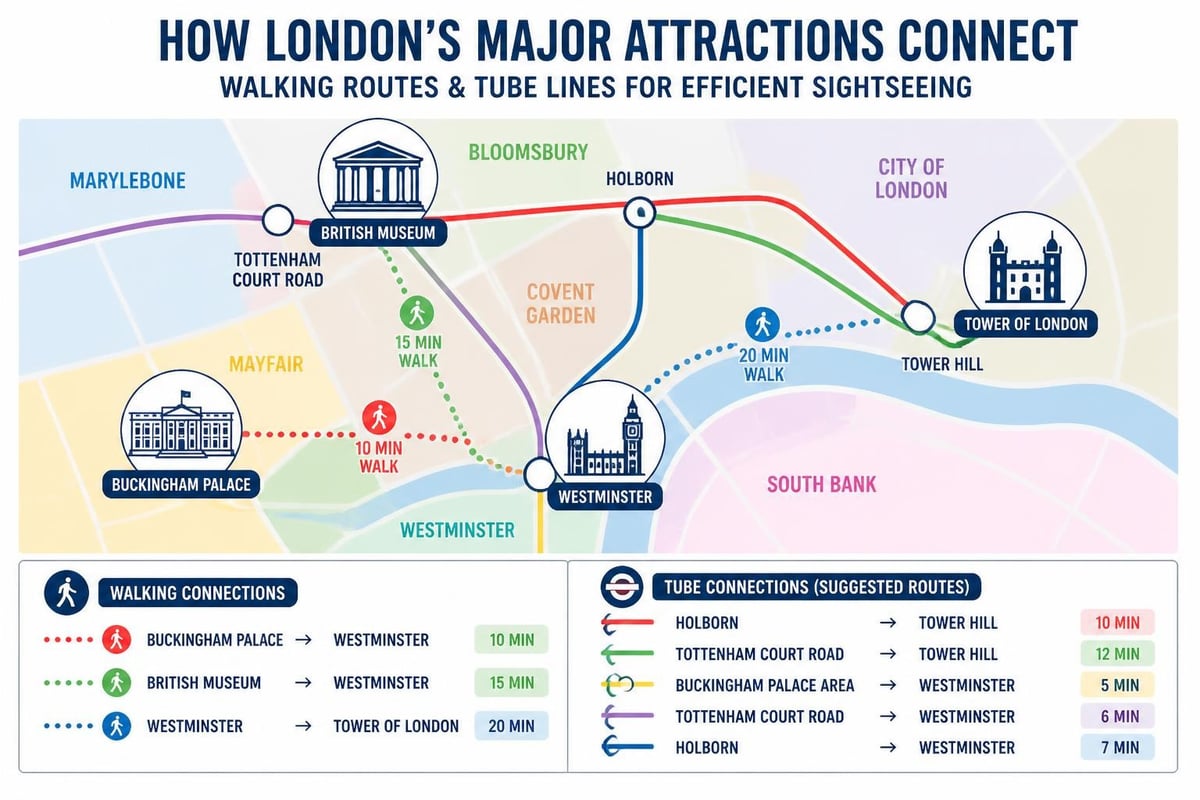
Public transportation within cities varies by location. London's Underground (Tube) system represents the most extensive metro network, while other cities operate buses, trams, or light rail systems. Contactless payment cards work across most urban public transport, simplifying the payment process.
Iconic Destinations in Your England Travel Guide
England's attractions span millennia of human history and encompass natural wonders, architectural marvels, and cultural institutions. Prioritizing destinations based on your interests ensures a satisfying experience rather than attempting to see everything.
London: The Essential Starting Point
As England's capital and largest city, London deserves substantial time in any england travel guide. The city combines world-renowned museums, royal palaces, diverse neighborhoods, and cutting-edge contemporary culture. Many visitors allocate 3-5 days to explore London's highlights properly.
Must-see attractions include the Tower of London, British Museum, Westminster Abbey, and Buckingham Palace. However, London's true character emerges in its neighborhoods-from the multicultural markets of Borough and Camden to the Georgian elegance of Bloomsbury and the creative energy of Shoreditch.
The Visit England website provides updated information on opening times, special events, and seasonal attractions across London and beyond. This official resource helps travelers plan efficiently and discover current offerings they might otherwise miss.
Historic Cities Beyond the Capital
England's regional cities each possess distinct identities shaped by their unique histories and industries. Bath showcases stunning Georgian architecture and Roman baths, while York's medieval walls encircle a city dominated by its magnificent Gothic cathedral. Oxford and Cambridge compete not just academically but as destinations offering beautiful college architecture, punting on rivers, and excellent museums.
- Bath: Roman heritage meets Georgian elegance; UNESCO World Heritage Site
- York: Viking history, medieval streets, and York Minster cathedral
- Oxford: Historic university colleges, Bodleian Library, literary connections
- Cambridge: River Cam punting, King's College Chapel, scientific heritage
- Liverpool: Beatles heritage, maritime history, cultural renaissance
Countryside and Coastal Treasures
The National Trust properties scattered throughout England preserve countless historic houses, gardens, and landscapes. These sites offer insights into England's aristocratic past, agricultural traditions, and conservation efforts. From Blenheim Palace's grandeur to the dramatic coastline of the Jurassic Coast, National Trust destinations provide depth to any england travel guide itinerary.
The Cotswolds exemplify English countryside charm with villages like Bourton-on-the-Water, Bibury, and Stow-on-the-Wold. These communities feature thatched cottages, traditional pubs, and landscapes that inspired countless artists and writers. Meanwhile, Cornwall's rugged coast offers dramatic clifftop walks, hidden coves, and fishing villages that maintain authentic character despite tourism.
Practical Essentials for England Visitors
Successfully navigating any destination requires understanding practical considerations beyond just sightseeing. This england travel guide addresses common questions and provides actionable information for smooth travels.
Entry Requirements and Documentation
Visitors from most countries require either a valid passport for visa-free entry or must obtain appropriate visas before arrival. Following Brexit, EU citizens face the same entry requirements as other international visitors, though short stays remain visa-free for most nationalities.
Healthcare considerations deserve attention, particularly regarding insurance coverage. The NHS guidance for international visitors clarifies what medical services are available and under what circumstances costs apply. Comprehensive travel insurance provides peace of mind for medical emergencies and other unforeseen circumstances.
Currency and Financial Considerations
England uses the British Pound Sterling (£), with coins in denominations of 1p, 2p, 5p, 10p, 20p, 50p, £1, and £2, plus banknotes of £5, £10, £20, and £50. Contactless payment has become nearly universal, with many establishments preferring card payments over cash.
Financial tips for England travel:
- Notify your bank of travel dates to avoid card blocks
- ATMs widely available but may charge fees
- Tipping customs: 10-15% in restaurants if service not included, round up for taxis, £1-2 per bag for hotel porters
- VAT (Value Added Tax) included in displayed prices
Accommodation Options
England offers accommodation spanning every budget level and travel style. Understanding the options helps match your preferences with available choices:
| Accommodation Type | Price Range | Best For |
|---|---|---|
| Luxury Hotels | £200-500+ per night | Special occasions, premium amenities |
| Mid-Range Hotels | £80-200 per night | Comfortable stays, reliable quality |
| Budget Hotels/Chains | £40-80 per night | Cost-conscious travelers, basic needs |
| Bed & Breakfasts | £60-120 per night | Local character, breakfast included |
| Hostels | £15-40 per night | Solo travelers, social atmosphere |
| Vacation Rentals | £70-300+ per night | Families, longer stays, self-catering |
Booking well in advance secures better rates and ensures availability, particularly during peak summer months and holiday periods. Our travel tips section offers strategies for finding accommodation that balances quality and value.
Cultural Insights and Local Customs
Understanding England's cultural nuances enhances interactions with locals and deepens your appreciation of daily life. While English people are generally welcoming to visitors, certain customs and behaviors reflect deeply ingrained traditions.
The Art of Queuing and Politeness
Perhaps no cultural trait defines English behavior more than queuing (standing in line). English people form orderly queues for everything from buses to bakeries, and cutting in line represents a serious social transgression. This extends to abstract queuing-at pub bars, people maintain mental queues based on arrival order.
Politeness pervades English interactions. "Please," "thank you," and "sorry" appear frequently in conversation, even when no actual apology is warranted. This linguistic politeness reflects cultural values rather than literal meaning.
Pub Culture and Dining Traditions
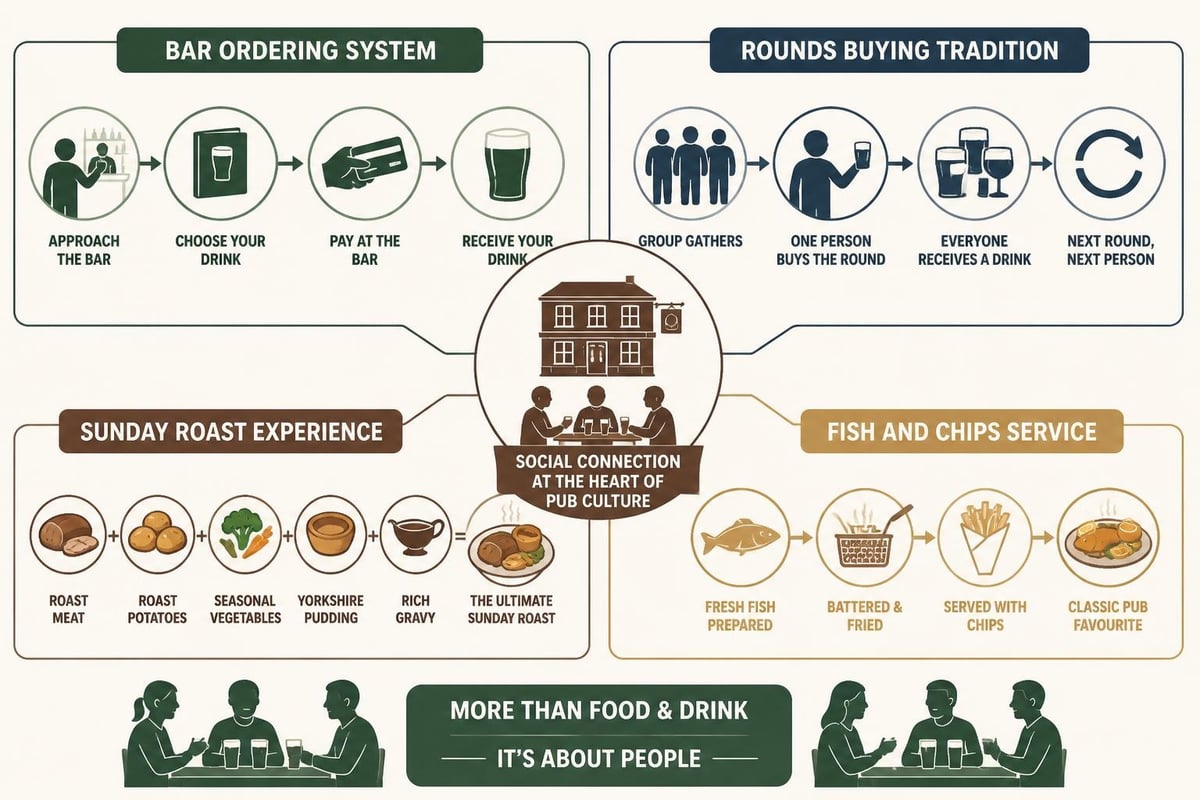
Traditional pubs serve as community gathering places, not merely drinking establishments. Pub etiquette includes ordering at the bar rather than expecting table service, understanding that "rounds" mean taking turns buying drinks for your group, and respecting locals' regular spots at the bar.
English dining has evolved significantly, with contemporary restaurant scenes rivaling any in the world. Traditional dishes like fish and chips, Sunday roast, and full English breakfast remain popular, but multicultural influences have created diverse culinary landscapes, particularly in cities.
Seasonal Considerations for Your England Travel Guide
Each season offers distinct advantages for visiting England, with no universally "best" time that suits all travelers. Understanding seasonal variations helps align your visit with your priorities and interests.
Spring Awakening (March-May)
Spring brings England's gardens to life, with daffodils, bluebells, and cherry blossoms creating spectacular displays. English Heritage sites often look their finest during this period, with historic gardens showcasing centuries of horticultural tradition.
Temperatures moderate, crowds remain manageable before summer peak season, and accommodation prices stay reasonable. Easter holidays bring some increased visitor numbers, but nothing compared to summer levels.
Summer Peak Season (June-August)
Summer offers the longest daylight hours, warmest temperatures, and most outdoor festivals and events. However, this popularity creates challenges including higher prices, crowded attractions, and necessary advance booking for popular sites.
School holidays (mid-July through August) see domestic tourism peak, making seaside destinations and family attractions particularly busy. If summer travel is essential, early June or late August provide better value and smaller crowds while maintaining pleasant weather.
Autumn Colors (September-November)
Autumn represents an underrated season for England travel. September often delivers surprisingly good weather, while October and November showcase spectacular foliage, particularly in wooded areas and parks. Fewer tourists mean better deals and more relaxed experiences at major attractions.
Cultural calendars fill with harvest festivals, bonfire night celebrations (November 5th), and the beginning of theater and concert seasons. The Lonely Planet England guide highlights seasonal events worth planning around.
Winter Charm (December-February)
Winter in England brings festive markets, cozy pub atmospheres, and fewer crowds at indoor attractions. While daylight hours shorten and weather turns colder and wetter, this season offers unique experiences unavailable other times.
Christmas markets transform cities like Bath, York, and Manchester into festive destinations. Boxing Day (December 26th) kicks off sales season, and New Year celebrations occur throughout the country. Museum visits, theater performances, and historic house tours become particularly appealing during inclement weather.
Regional Highlights Worth Exploring
While this england travel guide emphasizes well-known destinations, venturing beyond obvious choices reveals England's authentic character. Regional exploration allows deeper cultural immersion and discovery of places that maintain traditional ways of life.
The Lake District
England's largest National Park encompasses dramatic mountain scenery, pristine lakes, and villages that inspired Romantic poets like Wordsworth and Coleridge. Hiking ranges from gentle lakeside strolls to challenging mountain climbs. Towns like Windermere, Keswick, and Ambleside provide excellent bases for exploration.
The Cotswolds
This designated Area of Outstanding Natural Beauty stretches across six counties, featuring rolling hills, traditional dry-stone walls, and villages built from distinctive honey-colored limestone. Market towns like Cirencester and Stow-on-the-Wold offer antique shopping, while country walks connect picturesque villages.
Yorkshire Dales and Moors
Yorkshire's two National Parks showcase contrasting landscapes-the Dales' limestone valleys and the Moors' heather-covered uplands. Historic market towns like Skipton and Helmsley provide access to spectacular scenery, while traditional pubs serve locally produced food and ales.
Cornwall and Devon
England's southwestern peninsula maintains a distinct identity, with Celtic heritage, unique dialect influences, and dramatic coastlines. Surfing beaches, fishing villages like St. Ives and Padstow, and cream tea traditions define this region. The coastal path offers some of England's finest walking.
Maximizing Your England Experience
Creating a memorable journey requires balancing famous attractions with authentic local experiences. This england travel guide recommends strategies that enhance satisfaction while avoiding common tourist pitfalls.
Essential planning strategies:
- Prioritize quality over quantity-deeply exploring fewer places beats superficial coverage of many
- Mix popular attractions with lesser-known alternatives
- Allow unscheduled time for spontaneous discoveries
- Engage with locals through markets, pubs, and community events
- Venture beyond city centers into residential neighborhoods
Digital resources have transformed travel planning, making comprehensive information readily accessible. Our digital travel guides provide regularly updated content that addresses changing conditions, new attractions, and evolving travel advice. Unlike static printed guides, digital formats ensure you access current information throughout your journey.
For travelers seeking connections to other UK destinations, exploring our guides to Scotland and Ireland helps plan comprehensive British Isles itineraries. These resources maintain the same detailed approach, ensuring consistent quality across your travel planning.
Food and Drink Experiences
English cuisine has undergone remarkable transformation over recent decades, moving far beyond its historically bland reputation. While traditional favorites remain available, contemporary English dining embraces global influences and local, seasonal ingredients.
Traditional English Foods to Try
The full English breakfast-featuring eggs, bacon, sausages, baked beans, mushrooms, tomatoes, and toast-provides substantial fuel for sightseeing days. Regional variations add black pudding, fried bread, or hash browns.
Sunday roast represents quintessential English dining: roasted meat (beef, lamb, chicken, or pork), roast potatoes, Yorkshire pudding, vegetables, and gravy. Many pubs serve excellent Sunday roasts at reasonable prices, creating convivial communal dining experiences.
Fish and chips, when properly prepared with fresh fish in crisp batter alongside hand-cut chips, represents comfort food at its finest. Coastal towns generally offer superior versions compared to inland locations.
Contemporary Dining Scene
England's restaurant landscape now includes numerous Michelin-starred establishments, innovative street food markets, and chef-driven gastropubs. London alone hosts restaurants representing virtually every global cuisine, while regional cities increasingly develop sophisticated dining scenes.
Afternoon tea, whether traditional or contemporary interpretations, offers delightful experiences combining tea, sandwiches, scones with clotted cream and jam, and pastries. Hotels and tearooms throughout England serve afternoon tea, from simple village offerings to elaborate hotel presentations.
Practical Communication and Connectivity
Staying connected while traveling ensures access to navigation, translation, booking systems, and communication with home. England's communication infrastructure supports seamless connectivity for international visitors.
Modern smartphones work throughout England, though international roaming charges vary by carrier. Purchasing a local SIM card upon arrival provides cost-effective data and calling. Major providers include EE, Vodafone, O2, and Three, all offering tourist-friendly pay-as-you-go options.
Free WiFi appears widely in accommodations, cafes, restaurants, and many public spaces. However, relying exclusively on WiFi limits flexibility and proves inconvenient when navigating unfamiliar areas.
Understanding how digital travel guides keep you current highlights advantages of mobile-accessible information. Real-time updates, offline map access, and integrated booking links streamline travel logistics.
Safety and Common Sense Precautions
England ranks among the world's safest travel destinations, with violent crime rates relatively low and infrastructure generally reliable. However, sensible precautions protect against opportunistic theft and common travel mishaps.
Major tourist areas attract pickpockets, particularly on crowded public transportation and around popular attractions. Keep valuables secure, remain aware of surroundings, and avoid displaying expensive electronics unnecessarily.
Emergency services (police, fire, ambulance) reach via 999 or 112. These calls are free from any phone, including mobiles without credit. Non-emergency police assistance uses 101.
Traffic flows on the left side of the road, which disorients visitors from right-hand traffic countries. Pedestrian crossings clearly mark look-right or look-left directions, and paying attention when crossing streets prevents accidents.
Planning an England adventure involves balancing iconic attractions with hidden gems, understanding practical logistics, and preparing for England's unique character and seasonal variations. Whether you're exploring London's world-class museums, hiking through Lake District mountains, discovering Cotswolds villages, or experiencing coastal Cornwall, thorough preparation transforms good trips into extraordinary journeys. Ready to explore England with confidence and discover experiences beyond typical tourist trails? Visit Awesome Travel Guides for comprehensive digital resources that keep you informed, inspired, and equipped for unforgettable English adventures throughout 2026 and beyond.