

France Trip Guide: Your Essential Travel Companion 2026
Imagine wandering through fragrant lavender fields in Provence, sipping espresso in cozy Parisian cafés, and marveling at majestic castles along the Loire. France in 2026 is ready to captivate every traveler’s senses. Our france trip guide is designed to be your essential companion, offering up-to-date insights, practical advice, and expert tips for a seamless journey.
This guide captures France’s allure and highlights upcoming 2026 events. Discover unique travel trends, learn essential planning strategies, and unlock authentic experiences. Use this resource to confidently plan your adventure, covering the best times to visit, top destinations, cultural etiquette, transportation, accommodations, budgeting, and safety tips.
Planning Your France Trip: When, Where, and How
Embarking on your France adventure begins with smart planning. The france trip guide provides a step-by-step approach to help you decide when to visit, where to go, and how to navigate logistics for a seamless experience. Let’s break down each aspect for your 2026 journey.

Choosing the Best Time to Visit France
Selecting the ideal season is crucial for any france trip guide. Spring brings vibrant blooms and mild weather, while summer offers lively festivals and long days. Autumn is perfect for vineyard tours and stunning foliage, and winter attracts skiers to the Alps.
In 2026, France will still feel the energy of the Paris Olympics legacy, with special events and major art exhibitions drawing visitors. Weather varies by region, so pack accordingly. Expect higher crowds and prices in summer, especially as France is projected to remain the world's most visited country (France to be most visited country by 2025). Traveling in shoulder seasons can mean fewer tourists and better deals.
Top Destinations and Regions to Explore
Your france trip guide wouldn’t be complete without a look at key regions. Paris dazzles with the Eiffel Tower, Montmartre, and hidden gems like Canal Saint Martin. Provence offers lavender fields, hilltop villages, and bustling markets.
The French Riviera is famed for its beaches and glamorous cities such as Nice and Cannes. The Loire Valley promises fairy-tale castles, picturesque cycling routes, and wine tours. Don’t overlook Alsace’s half-timbered towns, Normandy’s dramatic coastline, or the adventure-rich French Alps. Each region brings its own unique flavor and experiences.
Essential Travel Documents and Entry Requirements
A successful france trip guide must cover entry essentials. Ensure your passport is valid for at least six months beyond your travel date. Many nationalities benefit from Schengen Zone access, but check for any 2026 policy updates.
From 2025, non-EU travelers will need an ETIAS authorization before arrival. Health insurance covering your stay is strongly advised. Stay updated on any health-related protocols or COVID-19 requirements, as these may change. Always carry copies of vital documents and keep digital backups for peace of mind.
Booking Flights and Getting to France
Efficient arrival is key in the france trip guide. Paris Charles de Gaulle remains the main international gateway, with direct flights from the US, UK, Australia, and Asia. Other major airports include Lyon, Nice, and Marseille, each offering convenient access to regional highlights.
Consider train or ferry options when arriving from neighboring countries. For the best fares, book flights early and compare prices across booking platforms. Remember, summer 2026 may see a spike in visitors following Olympic events, so plan ahead to secure your preferred travel dates.
Creating a Flexible Itinerary
Flexibility is the hallmark of an effective france trip guide. Balance must-see icons with authentic local encounters. Sample itineraries might include:
- 7 days: Paris, Loire Valley, Normandy
- 10 days: Paris, Provence, French Riviera, Lyon
- 14 days: Paris, Loire, Bordeaux, Dordogne, Alps, Provence
Mix day trips with multi-region journeys to maximize variety. Use digital tools and travel apps for real-time updates and easy adjustments. Staying adaptable helps avoid over-scheduling and lets you seize spontaneous opportunities along the way.
Getting Around France: Transportation and Connectivity
Traveling across France is seamless with a range of efficient transportation options, making your journey as memorable as your destinations. This section of the france trip guide helps you navigate trains, cars, flights, and digital connectivity, ensuring every step of your trip is smooth and well-informed.
Navigating French Railways and Public Transport
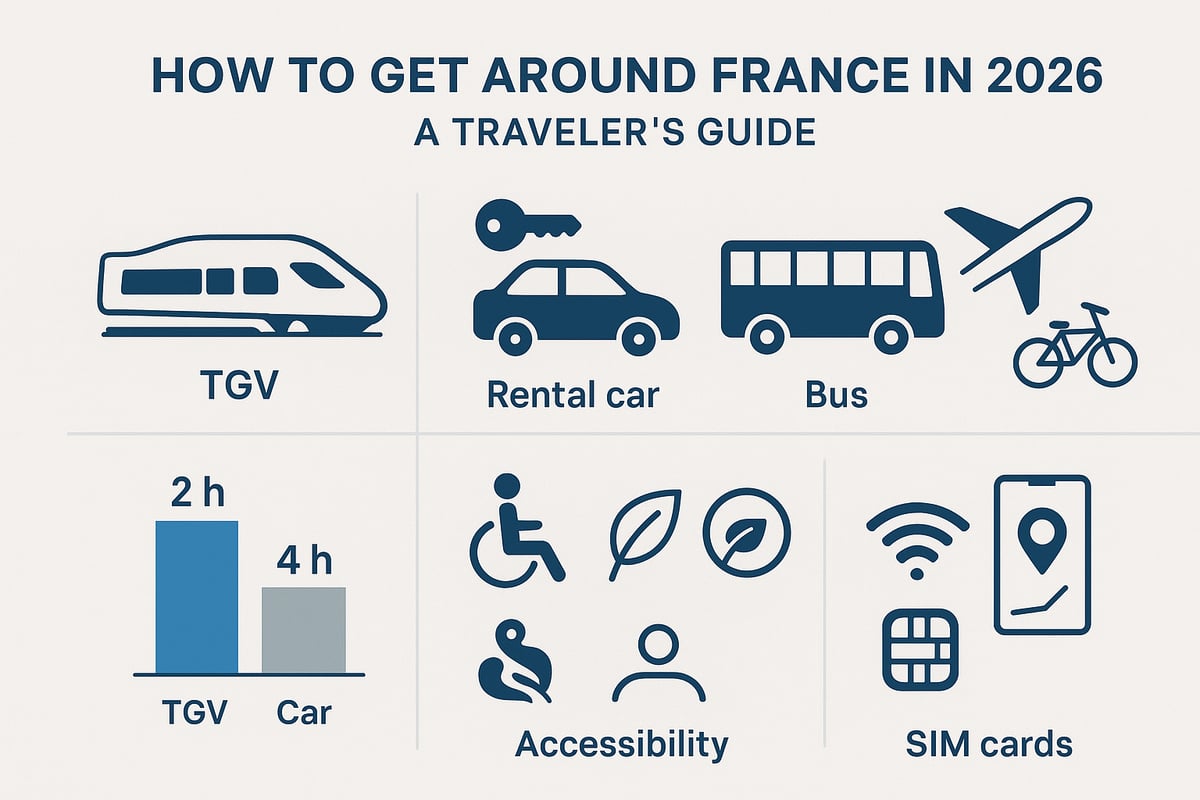
France’s rail system is the backbone of national travel. The SNCF high-speed TGV network connects major cities, while TER and Intercités trains reach smaller towns. Booking tickets is easy via official websites, mobile apps, or station kiosks. Consider a France Rail Pass for unlimited journeys, or a Eurail Pass if you plan to visit neighboring countries as part of your france trip guide.
TGV trains, for example, link Paris to Lyon in under two hours, offering both speed and comfort. Regional metros, trams, and buses are reliable in urban centers, and most cities offer contactless payment options. Plan routes in advance, especially during busy periods.
Renting Cars and Driving in France
Exploring rural regions like Provence or the Loire Valley is best done by car. Renting a vehicle gives you flexibility, but remember to follow French road rules, including speed limits and roundabout etiquette. Tolls are common on highways, and parking in city centers can be challenging.
When using this france trip guide, ensure you have a valid driver’s license, an International Driving Permit if required, and proper insurance. Scenic routes such as those through vineyard country make driving a rewarding experience. Always check your rental agreement for mileage limits and fuel policies.
Domestic Flights and Alternative Transport
For long distances, domestic flights can save time, especially between Paris and coastal cities like Nice or Marseille. Budget airlines often offer competitive fares, but booking early is crucial for the best deals. Long-distance buses, such as FlixBus or BlaBlaBus, provide affordable alternatives, connecting major towns and cities.
Ferries operate to Corsica and some coastal destinations, adding variety to your france trip guide. Compare travel times and costs to choose the best option for your itinerary. Use online platforms to check schedules and availability.
Staying Connected: SIM Cards, WiFi, and Apps
Staying connected is essential for navigation and updates throughout your france trip guide. Local SIM cards from providers like Orange, SFR, and Bouygues offer affordable data plans for tourists. Many cities provide free WiFi at transport hubs and public spaces.
Essential travel apps include SNCF Connect for train updates, Google Maps for directions, and translation tools for language support. To enhance your experience, consider maximizing travel with digital guides for curated tips and real-time insights as you explore.
Accessibility and Sustainable Travel Options
France is increasingly accessible for travelers with disabilities, offering step-free access and support at most major stations and attractions. Many cities feature bike-sharing programs, such as Vélib’ in Paris, and an expanding network of electric vehicle charging stations.
As you follow this france trip guide, opt for eco-friendly travel by using public transport, cycling, or choosing electric car rentals. Look for green-certified transport providers and use apps to locate sustainable options. Prioritizing accessibility and sustainability ensures a more inclusive and responsible journey.
Where to Stay: Accommodation Guide for Every Traveler
Finding the perfect place to stay is a cornerstone of any successful france trip guide. France offers something for every traveler's taste, from the charm of historic city hotels to the serenity of vineyard guesthouses. This section will help you compare options, plan for comfort and safety, and blend urban excitement with rural tranquility.
Hotels, Hostels, and Guesthouses
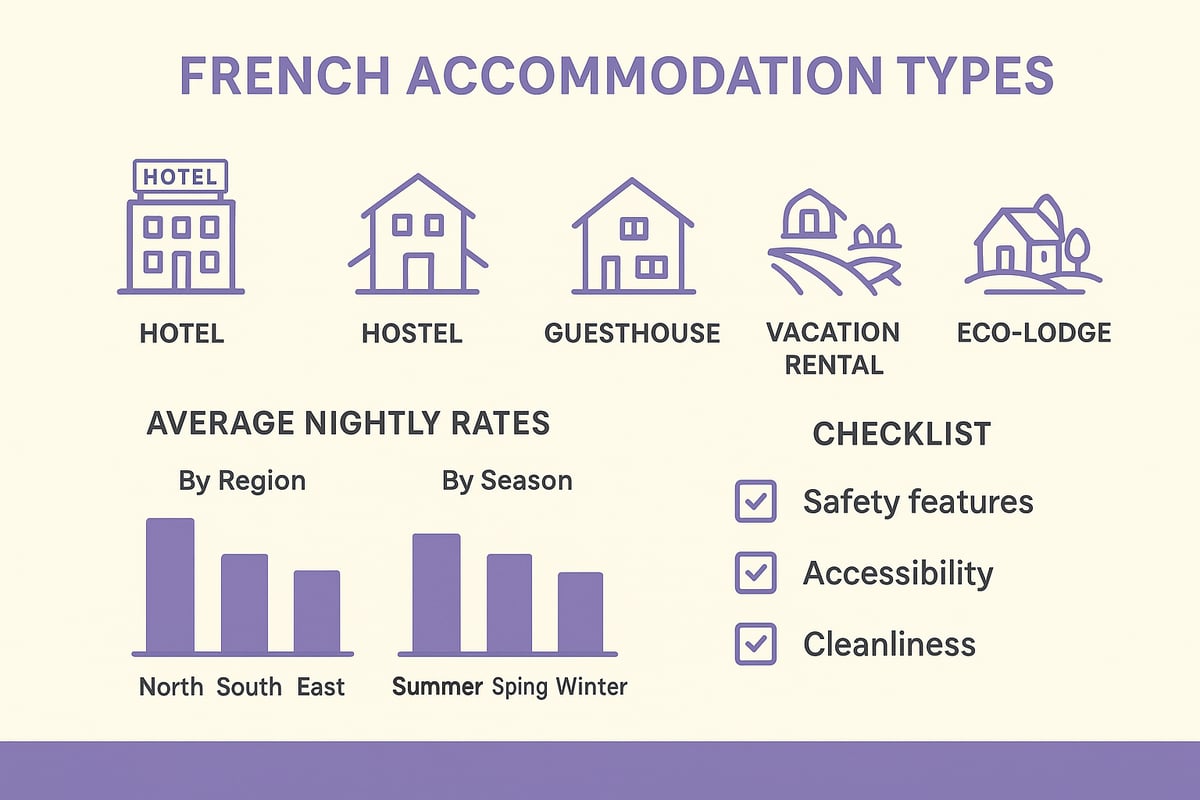
France boasts a diverse accommodation landscape, making it easy to tailor your france trip guide to your preferences. Choose from luxury hotels in Paris, boutique inns in Lyon, or budget-friendly hostels in Marseille.
Major hotel chains like Accor offer loyalty programs, while boutique Parisian hotels deliver unique flair. Average nightly rates range widely: expect higher prices in Paris during peak season, and more affordable options in smaller cities or off-peak months.
- Luxury, boutique, and budget options
- Loyalty rewards with major chains
- Central locations and varied amenities
Guesthouses (chambres d’hôtes) are popular for personal service and local insights, often including breakfast and friendly hosts.
Vacation Rentals and Unique Stays
Vacation rentals expand the possibilities in your france trip guide. Platforms like Airbnb and Vrbo provide access to city apartments, countryside cottages, and even historic châteaux.
Staying in a vineyard B&B in Bordeaux or a rustic gîte in Provence offers a different pace and authentic experiences. Many rentals come with kitchens, ideal for families or longer stays.
- Self-catering flexibility
- Unique properties: castles, farmhouses, wine estates
- Pros: space, privacy, local immersion
- Cons: Less daily service, variable cancellation policies
These options are well-suited for travelers seeking independence and a taste of French daily life.
Sustainable and Eco-Friendly Lodging
Sustainability is increasingly important for travelers planning their france trip guide. France features a growing number of certified eco-hotels, farm stays, and lodges that minimize environmental impact.
Look for Green Key or European Ecolabel certifications when booking. Farm stays and eco-lodges offer a chance to support local communities and adopt green habits. For more advice on reducing your accommodation footprint, explore these eco-friendly travel tips.
- Certified eco-accommodations in major cities and rural areas
- Practical steps: reuse towels, limit energy use, recycle
- Farm stays connect you with regional traditions
Choosing sustainable lodging lets you enjoy France responsibly and authentically.
Accommodation Safety, Accessibility, and Booking Tips
Safety and accessibility are vital parts of any france trip guide. Always check guest reviews and look for properties with clear safety standards.
Accessible options are available in many hotels and rentals, but confirm features like step-free access or adapted bathrooms before booking. Consider these tips:
- Use reputable platforms or book directly with trusted hotels
- Review cancellation policies and deposit requirements
- Beware of deals that seem too good to be true
Booking in advance is wise, especially for peak travel periods or major events.
Staying in Major Cities vs. Rural France
Balancing city energy with countryside calm is a hallmark of a well-rounded france trip guide. Urban stays in Paris, Lyon, or Nice offer convenience, easy transport, and proximity to top attractions.
In contrast, rural accommodations deliver peace, scenic views, and a slower pace. Staying in a Loire Valley village or Provence farmhouse provides a taste of authentic hospitality and local cuisine.
- Urban: Fast access, nightlife, museums
- Rural: Nature, local markets, warm welcomes
Combining city and rural stays in your itinerary ensures a rich and memorable French journey.
French Culture, Cuisine, and Etiquette: Immersive Experiences
France offers a tapestry of rich traditions, culinary delights, and timeless etiquette. To make the most of your france trip guide, immerse yourself in local customs, savor authentic cuisine, and embrace the rhythms of daily life. Whether you are wandering through art-filled streets or engaging in lively festivals, understanding French culture will elevate your journey.
Understanding French Customs and Social Etiquette
Mastering French etiquette is key to a memorable france trip guide. Greeting with a polite “Bonjour” is essential before any request or conversation. A light handshake suffices in formal settings, while friends may exchange cheek kisses. When dining, keep hands visible on the table, and wait for “Bon appétit” before starting your meal.
Dress codes lean toward smart casual, especially in urban areas and fine dining establishments. Avoid loud voices and respect personal space in public. Tipping is appreciated but not mandatory, as service charges are included.
Common etiquette tips:
- Always greet shopkeepers.
- Use “S’il vous plaît” (please) and “Merci” (thank you).
- In restaurants, leave small change as a gesture.
Embracing these customs ensures your france trip guide leads to positive local interactions.
French Cuisine: Must-Try Dishes and Food Experiences
No france trip guide is complete without exploring the culinary landscape. French cuisine is deeply regional, with specialties like bouillabaisse in Provence, cassoulet in Toulouse, and crêpes in Brittany. Parisian cafés are perfect for people-watching over a croissant or café crème.
Markets brim with artisanal cheeses, fresh bread, and seasonal produce. Do not miss a wine and cheese tasting—Lyon, the gastronomic capital, offers exceptional bistros and bouchons for authentic dining.
Must-try dishes:
- Coq au vin
- Ratatouille
- Tarte Tatin
- Camembert and Roquefort cheeses
Savoring these flavors is a highlight of any france trip guide, connecting you to the heart of French culture.
Festivals, Events, and Local Traditions in 2026
France’s 2026 calendar is brimming with cultural events for every france trip guide. Bastille Day celebrations light up cities nationwide with parades and fireworks. The Cannes Film Festival attracts global stars, while the Fête de la Musique fills streets with live music each June.
Regional festivities, such as the Lavender Festival in Provence and wine harvests in Bordeaux, offer authentic local experiences. New for 2026, Paris will host post-Olympics celebrations, art exhibitions, and the Paris Marathon, drawing visitors from around the world.
Participating in these events adds depth to your france trip guide, offering memories that last long after your journey ends.
Language Tips and Communication
A france trip guide should include essential language tips for smooth travels. While many French people speak English, learning basic phrases shows respect and fosters goodwill. Start with greetings like “Bonjour” (hello) and “Au revoir” (goodbye), and use “Excusez-moi” when seeking help.
Useful phrases:
| French | English |
|---|---|
| Où est...? | Where is...? |
| Combien ça coûte ? | How much does it cost? |
| Je ne comprends pas | I do not understand |
| Parlez-vous anglais ? | Do you speak English? |
Translation apps like Duolingo and Google Translate can bridge communication gaps. With these tools, your france trip guide becomes even more accessible and enjoyable.
Art, History, and Architecture Highlights
The france trip guide takes you through centuries of artistic achievement. Paris boasts world-class museums like the Louvre, Musée d’Orsay, and Centre Pompidou. Historic sites such as Mont Saint-Michel, the Château de Chambord, and Roman ruins in Provence reveal layers of the nation’s past.
Modern art thrives in cities like Marseille, with its MUCEM museum, and Lyon’s vibrant street art scene. Gothic cathedrals, medieval villages, and Haussmannian boulevards showcase architectural diversity.
Exploring these landmarks, your france trip guide unlocks stories at every turn, enriching your understanding of French heritage.
Shopping, Souvenirs, and Local Markets
A france trip guide would not be complete without shopping in bustling districts like Paris’s Marais, Nice’s old town, and Lyon’s Presqu’île. Local markets are treasure troves for perfume, wine, cheese, and Provençal textiles.
Tips for shopping:
- Visit morning markets for fresh produce.
- Bargain politely in flea markets, but not in fixed-price shops.
- Look for regional specialties as unique souvenirs.
Marché Bastille in Paris is a favorite for foodies and souvenir hunters alike. Let your france trip guide lead you to authentic finds and memorable keepsakes.
Explore with Confidence: Digital Travel Guides
In 2026, digital resources have transformed travel planning. A france trip guide is now more powerful with curated apps and real-time updates. Digital guides provide instant access to maps, hidden gems, and cultural insights.
With the closure of traditional tourist offices, online platforms have become essential for up-to-date information. Using a digital travel guide ensures you navigate France confidently, discover off-the-beaten-path attractions, and adapt quickly to changes.
These comprehensive guides keep your france trip guide flexible, informed, and tailored to your interests.
Budgeting, Money, and Practical Tips for France 2026
Planning your expenses is essential for a successful france trip guide. Understanding costs, payment methods, safety, and preparation will help you navigate France with confidence. Let’s break down the essentials for smart and seamless travel.
Estimating Your France Trip Budget
A well-structured france trip guide starts with realistic budgeting. On average, daily costs range from €80 to €300, depending on your travel style. Paris tends to be pricier than rural Normandy, with accommodation and dining accounting for the largest share of expenses.
- Budget travelers: €80–120/day (hostels, street food, public transit)
- Mid-range: €150–220/day (3-star hotels, bistros, some taxis)
- Luxury: €250–300+/day (boutique hotels, fine dining, private tours)
You can save by booking early, traveling off-season, and using resources like Budget travel with digital guides for insider tips and self-guided tours. Carefully planning your france trip guide ensures you enjoy France’s highlights without overspending.
Managing Money: Currency, Cards, and Payments
The euro is the official currency across France. Most shops, hotels, and restaurants accept credit or debit cards, especially in cities. However, carrying some cash is still wise for markets, rural areas, and small purchases.
Contactless payments are widely accepted, making transactions quick and secure. ATMs are plentiful, but check your bank’s fees for international withdrawals. Currency exchange services are available at airports and train stations, though rates can vary.
A france trip guide should always include tips for avoiding hidden charges and keeping your funds safe. Notify your bank of travel dates to prevent card blocks and consider a backup payment option.
Safety, Health, and Emergency Information
Safety is a top priority in any france trip guide. France is generally safe, but like any popular destination, it’s wise to be alert in crowded areas and tourist hotspots where pickpocketing can occur.
Key safety tips:
- Keep valuables secure and avoid displaying wealth.
- Use hotel safes for passports and extra cash.
- Be cautious in busy transit hubs and markets.
For emergencies, dial 112 for police, fire, or medical help. Healthcare is excellent, but travel insurance is strongly recommended. Carry any required prescriptions and check if your coverage includes France.
Essential Packing and Travel Preparation Tips
Smart packing is vital for a smooth france trip guide. Pack according to the season: lightweight clothing in summer, layers for spring and autumn, and a rain jacket for unpredictable weather.
Don’t forget:
- Universal power adapter (France uses 230V, type C/E sockets)
- Copies of passports, visas, and insurance documents
- Sturdy walking shoes for cobblestone streets
Prepare digital and physical backups of all important documents. Packing light and focusing on essentials makes moving between cities and regions much easier and more enjoyable.
As you begin mapping out your dream journey through France for 2026, having the right resources can turn a good trip into an unforgettable adventure. With so many regions to explore, local customs to experience, and practical details to manage, you deserve a guide that brings it all together seamlessly. That’s why I recommend turning to expertly crafted digital guides filled with real insider tips and up to date recommendations. They’ll help you discover authentic cafés in Paris, hidden villages in Provence, and more, all while keeping your plans flexible and stress free. Ready to travel with confidence? Explore Guides
Article written using RankPill.