

Germany Guide 2026: Insider Tips for Exploring Like a Local
Imagine strolling through cobblestone alleys, sipping craft beer in secluded gardens, and uncovering castles untouched by mass tourism. With this germany guide, you gain more than a travel checklist—you unlock authentic local experiences that reveal the true heart of Germany.
This guide equips you to navigate diverse regions confidently, embrace local customs, and discover hidden gems beyond the usual sights. From travel logistics and etiquette to insider food tips and seasonal highlights, every section offers practical strategies. Prepare to explore Germany like a local, connect with its vibrant communities, and craft your most memorable adventure yet.
Essential Travel Logistics for Germany 2026
Planning a smooth, local-style adventure starts with mastering the logistics. The germany guide helps you navigate transport, communication, accommodations, and cultural nuances, ensuring every moment in Germany feels authentic and stress-free.
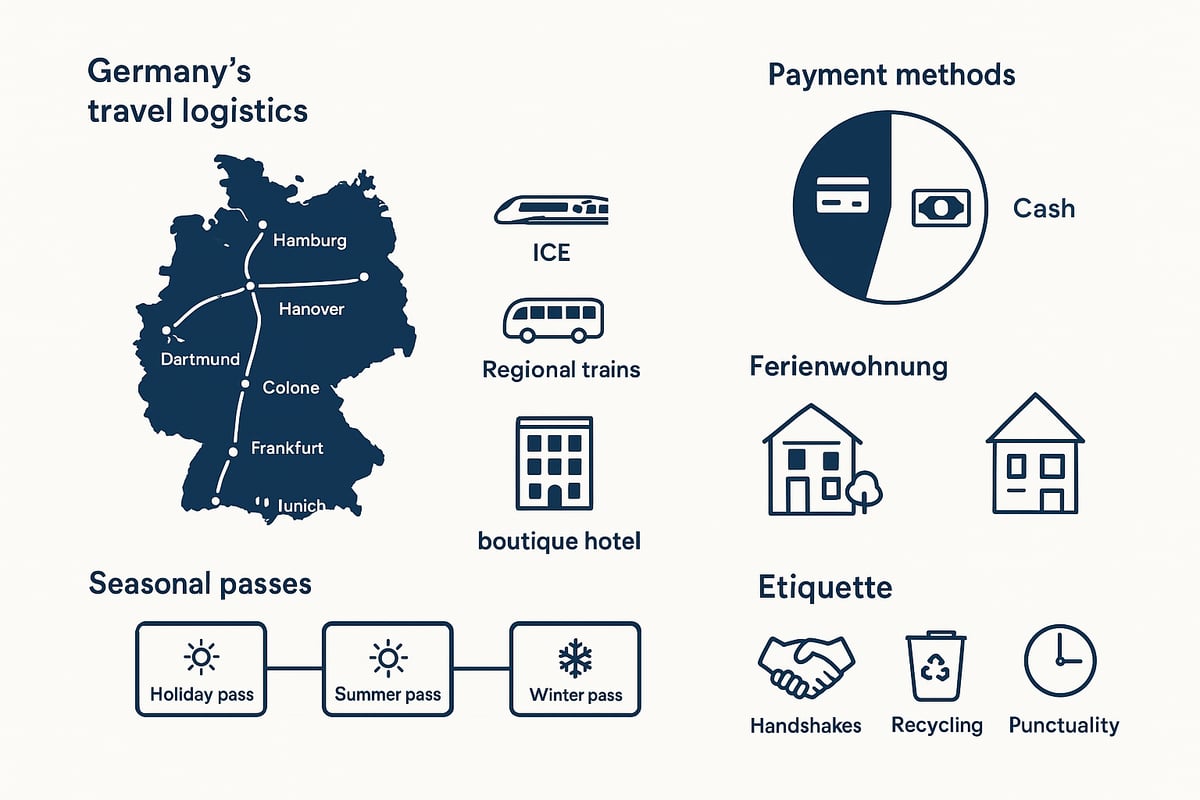
Navigating Germany’s Transport Network
Germany boasts one of Europe’s most efficient public transport systems, making it easy to explore both cities and countryside. The Deutsche Bahn connects over 300 destinations daily, with high-speed ICE trains linking major hubs in comfort and speed.
For regional travel, consider using local trains, buses, and trams, which are all integrated for seamless connections. Digital apps like Omio simplify route planning and ticket booking. If you’re venturing into rural regions, renting a car can offer flexibility, while major cities provide extensive cycling infrastructure and easy bike rentals.
A popular tip from the germany guide is to use regional tickets like the Bayern Ticket, offering unlimited daily travel within Bavaria. With over 54 UNESCO World Heritage Sites accessible via public transport, getting around is truly convenient.
Language, Currency, and Practical Basics
German is the official language, but English is commonly spoken in urban areas and tourist spots. Knowing a few phrases such as “Danke” (thank you), “Bitte” (please), or “Wo ist die toilette?” (Where is the bathroom?) is always appreciated by locals.
Currency is the euro, with contactless card payments gaining popularity, though cash remains essential in smaller establishments. SIM cards for travelers are widely available, and most cities offer reliable Wi-Fi in hotels and cafes. Keep emergency numbers handy and understand that healthcare access for visitors is of high quality.
A quirky local idiom you might hear, and is highlighted in the germany guide, is “Ist mir wurst,” meaning “I don’t mind.” Learning small cultural details enriches your journey.
Accommodation: Where Locals Stay
Staying in local-style accommodations adds depth to your experience. Boutique hotels, traditional guesthouses (Gasthäuser), and Ferienwohnungen (holiday apartments) are popular choices among Germans.
Opting for neighborhoods outside tourist centers lets you experience daily life and often means better value. Booking platforms like Booking.com and specialized Ferienwohnung portals are commonly used for reservations. Unique stays include historic inns, vineyard lodges, and eco-friendly hotels.
A memorable tip from the germany guide is to try a family-run Gasthaus in the Black Forest, where hospitality and tradition come together for an authentic night’s rest.
Money-Saving Tips and Passes
Traveling on a budget is easy with the right strategies. Regional and city transport passes, such as the Berlin WelcomeCard or Munich CityTourCard, provide unlimited rides and discounts on attractions. Museum passes and cultural cards unlock savings, and many museums offer free or €1 entry on specific days.
Affordable dining is everywhere, from Imbiss stands and bakeries to lunch menus (Mittagstisch) in local restaurants. The deutschland-ticket, if available in 2026, is a game-changer for unlimited nationwide travel.
A quick look at the germany guide reveals even more insider tips on making your budget go further, ensuring you can experience more for less.
Safety, Etiquette, and Local Customs
Germany is renowned for its safety and efficiency, making it welcoming for travelers. Punctuality, recycling, quiet hours, and tipping (round up or give 5–10%) are important etiquette points. Always validate your public transport ticket and respect rules at crosswalks.
Social customs include greeting with a handshake and using the formal “Sie” when addressing strangers. Participating in recycling systems, like returning bottles for Pfand, is both eco-friendly and expected.
For a deeper dive into practical travel tips and authentic experiences, consult the Germany Travel Guide 2026, which brings together everything you need to explore like a local.
Seasonal Highlights and Events: When to Visit Germany
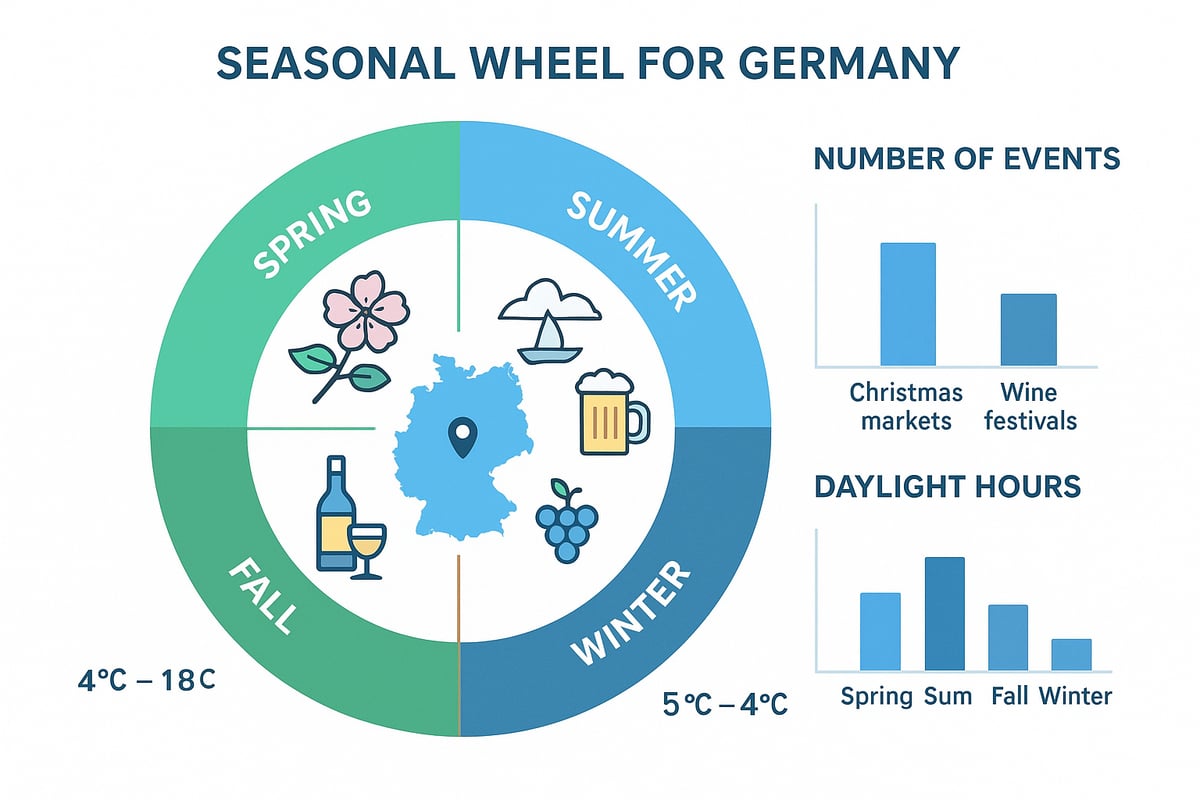
When planning your adventure with the germany guide, timing can transform your trip from ordinary to unforgettable. Germany's seasons each offer distinctive experiences, from vibrant festivals to tranquil escapes. Understanding what each season brings helps you immerse yourself in local culture and make the most of every moment.
Spring: Blossoms, Festivals, and Outdoor Adventures
Spring in Germany feels like a fresh start, and the germany guide recommends this season for those who love nature and local flair. Cities such as Bonn transform with cherry blossoms, painting streets in soft pinks.
Frühlingsfest in Munich offers a lively alternative to Oktoberfest, with fewer crowds and an authentic community feel. Hikers find the Bavarian Alps and Black Forest at their best, with trails lined by wildflowers.
- Cherry blossom hotspots: Bonn, Hamburg, Berlin
- Local festivals: Frühlingsfest (Munich), Maifest (nationwide)
- Outdoor highlights: Edelweiss spotting, river walks
With temperatures ranging from 10°C to 20°C, spring is ideal for exploring on foot or by bike.
Summer: Lakes, Beer Gardens, and Urban Exploration
According to the germany guide, summer is when the country truly comes alive. Long daylight hours let you explore from sunrise to late evening. Locals flock to lakes like Lake Constance and Eibsee for swimming and boating.
Beer gardens become the heart of social life, with friends gathering under chestnut trees to enjoy local brews. Open-air festivals and city events fill calendars, making every weekend special.
- Top lakes: Lake Constance, Eibsee, Chiemsee
- Summer events: Open-air concerts, film festivals, street parties
- Local experiences: Sunset drinks along the Elbe River in Hamburg
Warm weather and energetic cities make summer perfect for both relaxation and adventure.
Fall: Harvests, Wine Festivals, and Oktoberfest
The germany guide highlights autumn as the season of abundance. Vineyards in the Rhine and Moselle regions buzz with grape harvests, while apple orchards invite visitors for tastings.
Oktoberfest in Munich draws global crowds, but smaller Volksfests across Germany offer a more intimate glimpse into tradition. Ludwigsburg’s pumpkin festival and the world’s largest wine festival, Wurstmarkt in Bad Dürkheim, showcase the season’s flavors.
- Wine regions: Rhine, Moselle, Franconia
- Major events: Oktoberfest, Wurstmarkt, pumpkin festivals
- Nature: Colorful foliage in parks and forests
Crisp air and golden landscapes create a magical backdrop for every activity.
Winter: Christmas Markets, Snow Sports, and Cozy Traditions
For those using the germany guide, winter is synonymous with festivity and warmth. Over 2,500 Christmas markets light up towns big and small, offering handcrafted gifts, roasted nuts, and mulled wine.
Bavaria’s mountains attract skiers and snowboarders, while cities celebrate Starkbier season and Fasching (Carnival) with local traditions. Cozy up in a café or sip Glühwein at a small-town market for a truly authentic experience.
- Top markets: Nuremberg, Dresden, Cologne
- Winter sports: Skiing in the Alps, tobogganing hills
- Seasonal treats: Lebkuchen, mulled wine, roasted chestnuts
Winter in Germany combines sparkling lights with a welcoming, communal spirit.
Year-Round Events and Local Experiences
No matter when you travel, the germany guide ensures access to unforgettable events and traditions. Karneval in Cologne and the Rhineland brings color and music to the streets, while Museum Night events in cities like Berlin and Munich invite exploration after dark.
Local flea markets and street food festivals offer chances to mingle with residents and sample regional specialties. Stadtfests (city festivals) showcase the unique culture of each region, making every visit distinct.
Germany’s appeal is consistent throughout the year, as shown by Germany's tourism industry achieves record overnight stays, with stable demand even during off-peak seasons. This means travelers can find vibrant experiences and welcoming communities, regardless of the calendar.
Off-the-Beaten-Path Destinations & Local Favorites
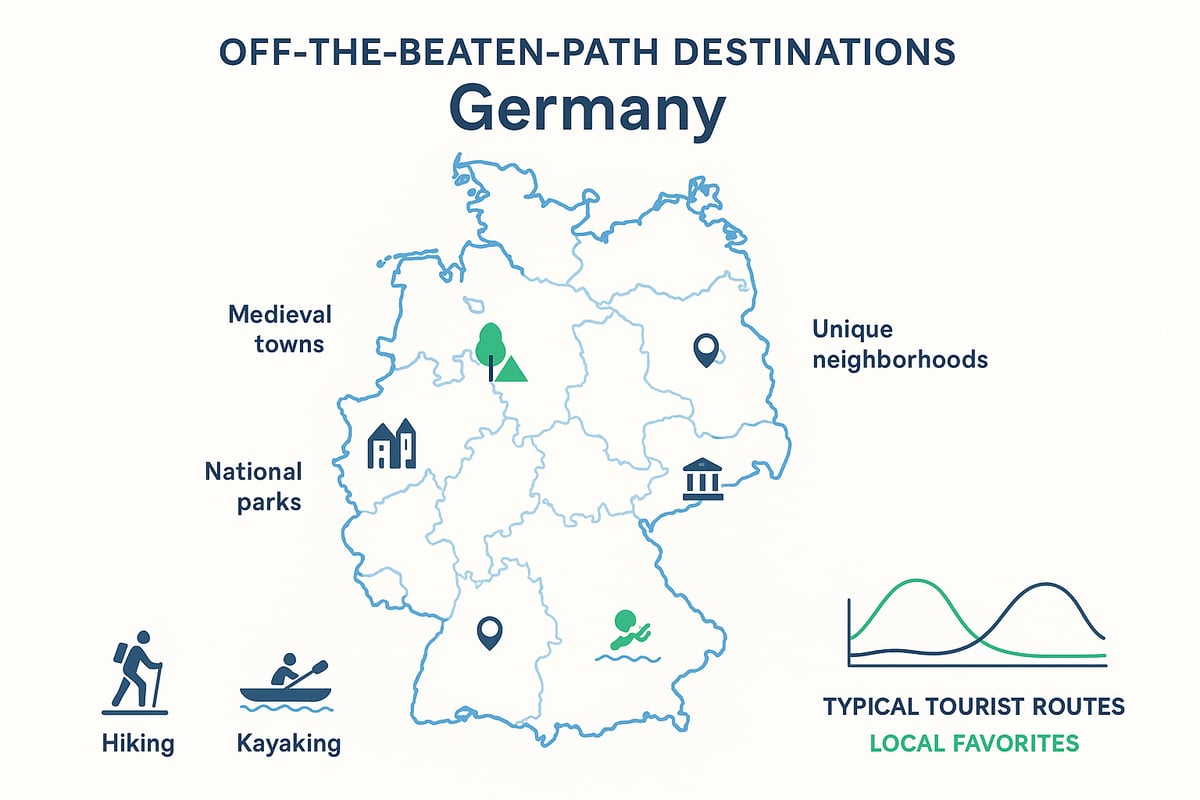
Germany rewards curious travelers with a tapestry of hidden gems and authentic local favorites. This section of the germany guide leads you away from the crowds, revealing enchanting villages, dramatic landscapes, and vibrant neighborhoods where true German culture thrives.
Beyond Berlin and Munich: Hidden Towns and Villages
While Berlin and Munich headline most travel plans, the germany guide encourages a detour to storybook towns like Bamberg, known for its half-timbered houses and smoky beer traditions. Bayreuth charms with its Baroque architecture and music heritage, while Monschau offers cobbled lanes and a riverside setting near the Belgian border.
In Thuringia, Erfurt’s medieval bridges and vibrant public art create a lively atmosphere distinct from larger cities. For a truly immersive experience, spend a night in a historic inn in Rothenburg ob der Tauber, where the old town walls transport you back in time. These destinations offer a window into regional traditions and warm hospitality.
Natural Wonders Not in the Guidebooks
Germany’s landscapes are as diverse as its culture. The germany guide highlights Berchtesgaden National Park, where emerald lakes and alpine trails await hikers and nature lovers. Saxon Switzerland, southeast of Dresden, is a paradise for climbers, with sandstone pillars and forested valleys forming a unique natural playground.
Closer to Berlin, the Spreewald’s labyrinth of waterways invites visitors to kayak through peaceful canals and spot rare wildlife in a UNESCO biosphere reserve. Each of these natural escapes offers tranquility and adventure, providing a refreshing contrast to urban sightseeing.
Urban Neighborhoods with Local Vibes
To experience Germany’s creative pulse, venture into neighborhoods celebrated by locals. Hamburg’s Sternschanze buzzes with indie boutiques, street art, and craft breweries, making it a favorite for young creatives. In Düsseldorf, Little Tokyo blends Japanese and German cultures, offering unique dining and shopping experiences.
For a fairytale ambiance, the germany guide recommends exploring the towns surrounding Stuttgart, such as Esslingen and Tübingen, where medieval squares and riverside walks set the scene. Sampling street food at a weekly market in Stuttgart is a delicious way to connect with the city’s community spirit.
Unique Cultural and Historical Sites
Beyond the well-known castles, Germany’s rich history unfolds in remarkable sites recognized by UNESCO. Quedlinburg, Regensburg, and Goslar preserve centuries-old architecture and vibrant town centers. Wartburg Castle, linked to Martin Luther, offers insight into pivotal moments in German history.
Industrial heritage shines at the Zollverein Coal Mine in Essen, now a cultural venue and museum. The germany guide also suggests touring Bauhaus sites in Weimar and Dessau, where innovative design and artistic experimentation shaped the modern world. These sites reveal the depth and diversity of German heritage.
Outdoor Escapes and Local Recreation
Active travelers will find endless opportunities for local adventures. Cycling routes along the Rhine, Moselle, and Elbe rivers pass through vineyards, castles, and charming villages. Forest bathing in the Black Forest and Harz Mountains provides both relaxation and a deep connection to nature.
Vineyard walks in Rheingau and Franconia offer scenic views and wine tasting with local producers. For a true local experience, join Munich residents for a riverside picnic along the Isar. Every recommendation in this germany guide is designed to help you explore, unwind, and discover the authentic rhythms of German life.
Insider Food & Drink Experiences: Eat Like a German
For many travelers, the heart of any germany guide beats in its kitchens, markets, and beer gardens. Germany’s culinary landscape is as diverse as its regions, offering a blend of time-honored traditions and modern flavors. Whether you are sampling street food in Berlin or savoring a leisurely dinner in a family-run Gasthaus, eating like a local is a highlight of the journey.
Regional Dishes and Where to Find Them
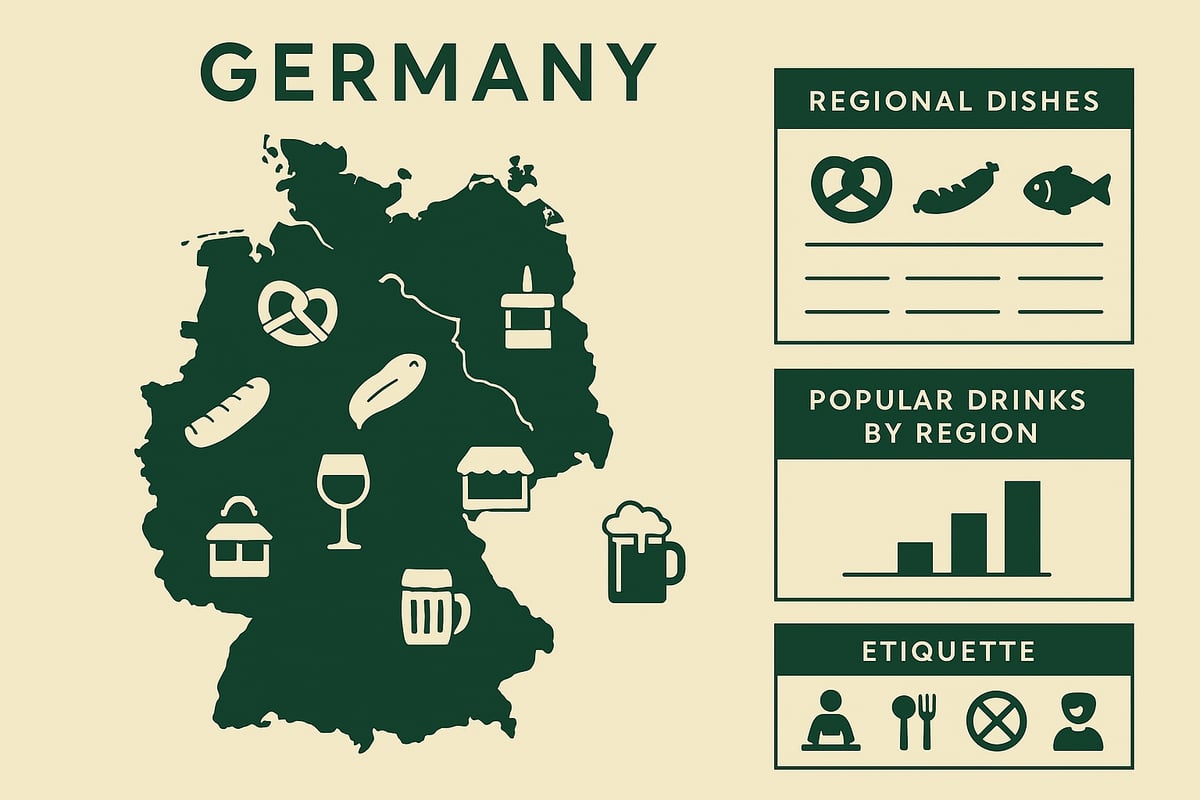
Each region in Germany boasts its own specialties, making every meal an adventure. In Bavaria, hearty plates of Weißwurst and Schweinshaxe are staples, often paired with freshly baked pretzels. Venture to Stuttgart for Swabian classics like Spätzle and Maultaschen, or explore Hamburg for seafood favorites such as Labskaus.
Franconia is celebrated for its bratwurst and Bamberg’s distinctive Rauchbier, a smoked beer found nowhere else. For the most authentic taste, seek out local Gasthäuser or traditional taverns. The germany guide always recommends asking locals about their favorite spots, as many gems are tucked away from main tourist areas.
| Region | Signature Dish | Where to Try |
|---|---|---|
| Bavaria | Weißwurst, Pretzel | Munich Beer Halls |
| Swabia | Spätzle, Maultaschen | Stuttgart Gasthaus |
| Franconia | Bratwurst, Rauchbier | Bamberg Breweries |
| Hamburg | Labskaus, Fish | Harbor Restaurants |
Street Food and Quick Bites
Street food culture is vibrant across Germany, with every city offering something unique. Currywurst stands in Berlin are legendary, serving sliced sausage with tangy curry ketchup. Döner kebab, introduced by Turkish immigrants, has become a national street food staple.
Bakeries, or Bäckereien, are everywhere and ideal for fresh bread, pastries, and sandwiches. Imbiss stands offer affordable, quick meals for travelers on the go. If you are following a germany guide, do not miss the chance to grab a Leberkäse sandwich at a Munich train station for a true local experience.
- Currywurst in Berlin
- Döner kebab in nearly every city
- Fresh sandwiches from Bäckereien
- Imbiss stands for hot snacks
Quick bites are perfect for busy days of sightseeing, and they provide a taste of everyday life in Germany.
Local Drinks: Beyond Beer
Beer may be Germany’s most famous beverage, but the drinks scene is far more diverse. Regional breweries craft unique lagers and seasonal brews like Starkbier. The wine regions along the Moselle and Rhine produce world-class Riesling and Silvaner, while Franconia offers its own wine traditions.
Sekt, a sparkling wine, is popular for celebrations, and Apfelwein is a tangy cider found in Hesse. Craft spirits, such as botanical gins and herbal liqueurs, are also gaining popularity. According to every comprehensive germany guide, visiting a small winery in the Rhine Valley or a local brewery in Franconia offers insights into centuries-old traditions.
| Drink Type | Region | Experience |
|---|---|---|
| Beer | Bavaria, Franconia | Beer Gardens, Breweries |
| Wine | Moselle, Rhine | Winery Tours, Tastings |
| Sekt | Nationwide | Celebrations, Aperitifs |
| Apfelwein | Hesse | Traditional Taverns |
| Craft Spirits | Various | Distillery Visits |
Must-Visit Markets and Food Halls
Markets are the soul of German towns and cities. Munich’s Viktualienmarkt offers a dazzling array of fresh produce, cheeses, and gourmet foods. In Berlin, Markthalle Neun is famous for its street food Thursdays, drawing locals and visitors alike.
Almost every city holds weekly farmers’ markets, which are perfect for picking up picnic supplies. During the Christmas season, markets transform into festive wonderlands, with specialties like Lebkuchen and mulled wine. Any germany guide suggests starting your food adventure at a market to discover local flavors and connect with residents.
- Viktualienmarkt (Munich)
- Markthalle Neun (Berlin)
- Weekly farmers’ markets in all cities
- Christmas market treats: Lebkuchen, roasted nuts, Glühwein
Markets are also excellent places to find gifts and regional specialties to take home.
Dining Like a Local: Customs and Etiquette
Understanding dining customs is essential for a genuine experience. Reserving tables at popular restaurants and beer gardens is common, especially on weekends. Tipping is appreciated, with 5 to 10 percent or rounding up the bill considered polite.
Sharing tables, or joining a Stammtisch, is normal in communal settings and a great way to meet locals. Meal times may differ from what you are used to, with breakfast (Frühstück) being a cherished ritual. Every germany guide emphasizes learning a few German phrases and observing local etiquette to make dining more enjoyable.
Dining Etiquette Tips:
- Reserve tables in advance
- Tip by rounding up or adding 5–10 percent
- Greet with “Guten Appetit” before meals
- Join communal tables when invited
Embracing these customs will help you connect with local culture and leave a lasting impression.
Authentic Local Experiences: How to Explore Like a German
Unlocking authentic local experiences is the heartbeat of any great germany guide. To truly explore like a German, embrace their pace, connect with communities, travel responsibly, and use the best digital tools to uncover hidden gems. Let’s break down the essentials for meaningful immersion.
Embracing Slow Travel and Local Routines
Slow travel is a pillar of the germany guide approach. Germans value quality over quantity, favoring meaningful routines and relaxed exploration. To follow their lead:
- Take time for Kaffee und Kuchen in the afternoon at a local café.
- Join a Spaziergang (leisurely walk) in a city park or along riverbanks.
- Participate in community events, such as open-air concerts or workshops.
- Shop at weekly markets for fresh, local products.
For example, attending a Stammtisch—a regulars' table at a pub or café—offers the perfect chance to converse with locals and observe everyday life. By slowing down, you absorb the unique rhythm and character each region offers, deepening your connection to the places featured in any germany guide.
Connecting with Local Culture and People
A standout germany guide encourages you to engage with the culture and people around you. Start by learning simple German phrases, which goes a long way in breaking the ice. Locals appreciate visitors who show genuine interest in their customs and traditions.
Ways to connect include:
- Attending festivals, from Karneval parades to village Volksfests.
- Visiting markets and mingling with vendors or shoppers.
- Respecting local customs, such as greeting with a handshake or using formal address (Sie).
- Participating in public gatherings or cultural workshops.
Dancing at a village event or joining a parade allows you to experience Germany's joyful side. These interactions transform your trip from sightseeing into a story of shared moments, making every germany guide recommendation come alive.
Sustainable and Responsible Travel Practices
Modern travelers using a germany guide are increasingly aware of their impact. Germany is a leader in sustainability, and following local practices ensures your visit is both enjoyable and responsible.
Adopt these eco-friendly habits:
- Use public transport, bike rentals, or walk whenever possible.
- Stay at eco-certified accommodations, such as those recognized by Green Key or Blaue Engel.
- Support small, family-run businesses, artisans, and markets.
- Separate waste and participate in the Pfand system for recycling bottles and cans.
By adopting these habits, you not only follow the advice of a quality germany guide but also contribute to preserving the environment and supporting local communities for future visitors.
Exploring with Digital Tools and Local Guides
The modern germany guide leverages technology for seamless, authentic exploration. German-language apps for transport, dining, and events streamline your experience, while digital travel guides provide up-to-date insights and curated itineraries.
Enhance your trip by:
- Booking walking tours with local experts for insider knowledge.
- Using event apps to find concerts, exhibitions, and markets nearby.
- Accessing digital guides on your phone for real-time tips and hidden gems.
For step-by-step help on accessing and using digital travel resources, see How to Download Your Guide for straightforward instructions. With the right digital tools, you’ll navigate Germany confidently and unlock experiences that only a well-crafted germany guide can deliver.
Step-by-Step Guide: Planning Your Local Germany Adventure
Embarking on a journey through Germany can be seamless and deeply rewarding with thoughtful planning. This germany guide breaks down the process into five actionable steps, empowering you to craft an itinerary that feels authentic, flexible, and uniquely yours.
Step 1: Choose the Best Time and Region for Your Interests
Begin your germany guide by aligning your travel dates with the experiences you want most. Research seasonal highlights, such as spring blossom festivals or autumn wine harvests, to match your preferences with what Germany offers throughout the year.
Consider the distinct character of each region. For culture and nightlife, Berlin stands out. If you love nature, look to Bavaria or the Black Forest. Food enthusiasts will find Franconia’s culinary scene delightful. For example, plan a visit to the Rhine Valley during wine harvest season or time your trip to Munich’s Frühlingsfest for a vibrant local celebration.
Step 2: Build Your Itinerary with Local Insights
A successful germany guide mixes iconic landmarks with lesser-known gems. Allocate time for must-see sites like Neuschwanstein Castle or the Berlin Wall, but reserve space for spontaneous discovery in small towns or city neighborhoods.
Rely on digital travel guides, local blogs, and recommendations from residents for up-to-date tips. Embrace flexibility, allowing you to wander through a medieval village after a busy city day. For instance, after exploring Nuremberg, dedicate a day to Bamberg for its unique atmosphere and smoked beer tradition.
Step 3: Book Accommodation and Transport Like a Local
Your germany guide should encourage staying in local neighborhoods to experience authentic daily life. Opt for boutique hotels, family-run guesthouses, or Ferienwohnungen rather than large tourist hotels. Pre-book train tickets for the best fares and consider renting a car to reach rural destinations.
Take advantage of city cards for transport and attraction discounts. For example, staying in a Ferienwohnung in the Black Forest not only supports local hosts but also immerses you in regional traditions and cuisine.
Step 4: Plan for Food, Culture, and Community
To make your germany guide truly special, prioritize local food, cultural events, and community engagement. Reserve tables at popular restaurants and beer gardens in advance, especially for dinner or weekend brunch.
Scan event calendars for concerts, art exhibitions, or public festivals during your stay. Join group tours or workshops for deeper cultural immersion. For example, participating in a cooking class in Stuttgart offers an authentic window into Swabian cuisine and local life.
Step 5: Pack Smart and Prepare for Local Customs
Packing wisely is essential for any germany guide. Bring layers to adapt to changing weather, along with comfortable shoes for cobblestone streets. Download essential apps for transport and translation, and remember reusable shopping bags for market visits.
Familiarize yourself with basic etiquette, such as polite greetings and recycling rules. For a comprehensive packing strategy, consult the Packing Guide for German Travel, which details what to bring for every season, local custom, and activity.
Now that you’re ready to experience Germany like a true local—whether that means finding hidden bakeries in small villages, planning scenic train journeys, or discovering vibrant neighborhood festivals—you’ll want the right resources at your fingertips. I’ve found that having expert-curated, up-to-date digital guides makes all the difference for seamless planning and deeper cultural immersion. If you’re excited to step off the beaten path and explore Germany’s authentic side with confidence, take a look at the comprehensive travel guides available here:
Explore Guides
They’re designed to help you travel smarter, connect with local life, and truly make every moment count.