

Guide to Greece: Essential Tips for Your 2026 Adventure
Imagine yourself exploring ancient ruins, relaxing on sunlit beaches, and tasting the vibrant flavors of Mediterranean cuisine. Greece in 2026 promises timeless wonders and new surprises for every traveler.
This comprehensive guide to greece is designed to help you plan an unforgettable journey. Here, you will find essential tips, practical advice, and the latest insights for a seamless adventure.
From trip planning and cultural etiquette to must-see sights, local food, and insider recommendations, this guide covers everything you need. Start your journey and let your dream Greek escape become a reality.
Planning Your Trip to Greece in 2026
Embarking on your journey with a comprehensive guide to greece ensures you make the most of your 2026 adventure. Proper planning helps you enjoy the country's beauty, culture, and history without unnecessary stress. Let's break down the essentials for a seamless trip.
Best Time to Visit and Weather Patterns
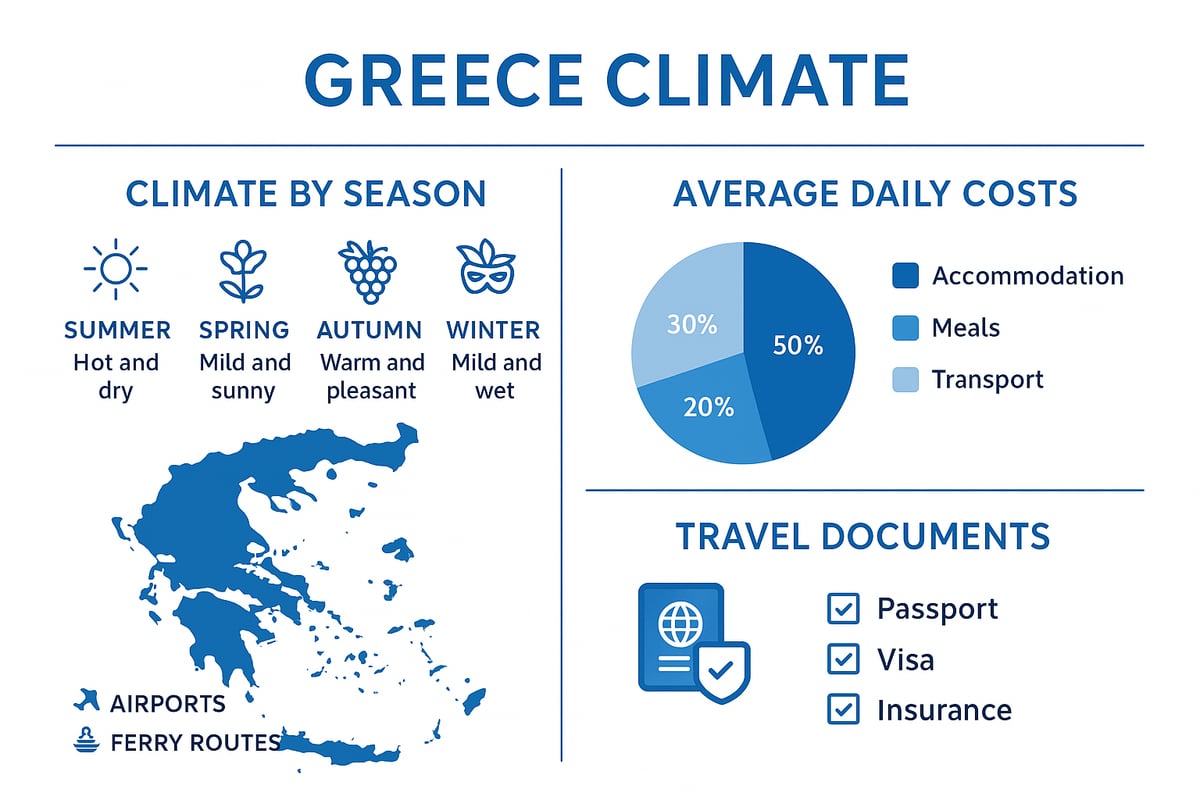
Greece’s climate varies between the mainland and its islands, making timing crucial when following any guide to greece. The mainland experiences hot, dry summers and cooler winters, while the islands typically offer milder breezes and warmer temperatures year-round.
Spring (April to June) brings wildflowers and fewer crowds, while summer (July to August) is vibrant with festivals but sees peak tourism. Autumn (September to October) is ideal for grape harvests and pleasant weather, offering a quieter, authentic experience. To avoid the busiest months, consider traveling during the shoulder seasons, when both weather and prices are favorable.
Keep in mind public holidays and special events in 2026, such as Orthodox Easter and local festivals, which can influence availability and pricing. For reference, Greece welcomed 33 million visitors in 2019, with July and August as peak months for tourist influx.
Entry Requirements, Visas, and Travel Documents
Staying informed about entry requirements is essential for a smooth trip. Non-EU travelers need to check Schengen visa regulations, and your passport should be valid for at least six months beyond your planned departure. For 2026, the European Union is introducing the ETIAS system, requiring U.S. and other non-EU citizens to obtain electronic travel authorization before arrival. For a detailed overview, see Do US Citizens Need a Visa for Europe? ETIAS is Coming in 2026.
COVID-19 protocols may still influence travel, so review health regulations as your trip approaches. Travel insurance is highly recommended, covering health emergencies and unexpected changes. E-visas and digital authorizations are becoming more common, making pre-arrival preparation even more important in any guide to greece.
Budgeting and Currency Tips
Smart budgeting is a cornerstone of every guide to greece. The Euro (€) is the official currency, and both cash and cards are widely accepted, though having some cash on hand is useful for small purchases in rural areas or on islands.
| Expense Type | Average Cost (per day) |
|---|---|
| Accommodation | €50–€80 |
| Meals | €20–€40 |
| Transport | €10–€30 |
| Total (mid-range) | €100–€150 |
ATMs are plentiful in cities and tourist areas, but fees may apply. For currency exchange, use official banks or reputable exchange offices to avoid tourist traps. Booking major expenses in advance can help lock in better rates and keep your trip within budget.
Booking Flights and Transportation
Efficient travel starts with understanding your options. Greece’s major international airports are in Athens, Thessaloniki, and Heraklion, each serving as a gateway for your guide to greece. Use flight comparison tools to secure the best fares and consider booking early for popular travel periods.
For domestic journeys, ferries connect most islands, while trains and buses are reliable for exploring the mainland. Car rentals offer flexibility, especially for reaching remote regions. Booking transportation ahead, especially for ferries and peak routes, saves both time and money.
Planning your trip with these insights from a guide to greece ensures your 2026 adventure will be smooth, enriching, and memorable.
Essential Travel Tips for a Smooth Greek Adventure
Planning a seamless trip with the guide to greece involves more than just booking flights. Smart preparation ensures you enjoy every moment, from sun-kissed beaches to bustling city streets. Here are essential travel tips to help you navigate Greece in 2026 with confidence.
Packing Smart for Greece’s Climate and Culture
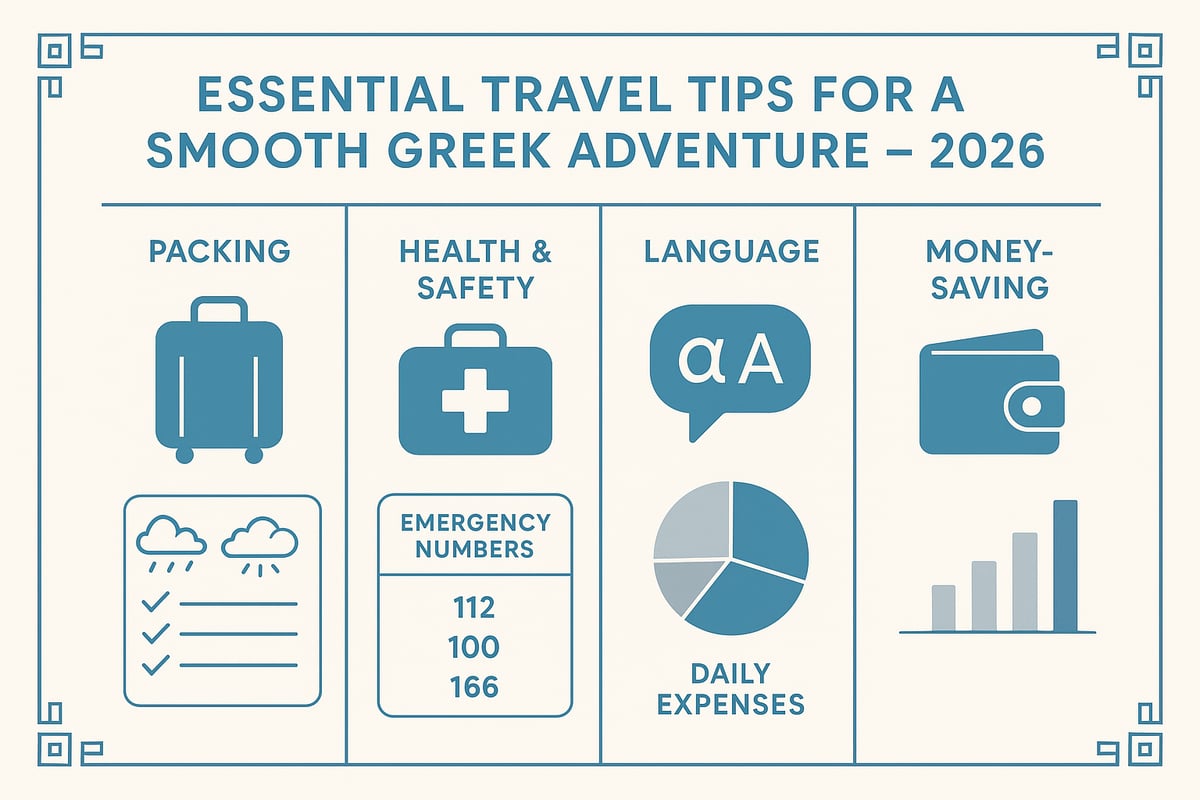
Packing wisely is a cornerstone of the guide to greece. The climate varies, so lightweight, breathable clothing is best for summers, while a light jacket is useful for cooler evenings in spring or autumn. Always include sun protection: sunglasses, hats, and high-SPF sunscreen.
For religious sites, modest attire is essential. Bring a scarf or shawl and avoid sleeveless tops or shorts when visiting monasteries or churches. Comfortable walking shoes are a must for exploring ruins and cobblestone streets.
Island-hopping? Pack a swimsuit, water shoes, and a foldable daypack. For city stays, smart-casual outfits work well for evenings out. Remember a universal power adapter (Type C or F) for your electronics. A packing list tailored to your itinerary saves space and keeps you ready for every adventure.
Health, Safety, and Emergency Preparedness
The guide to greece emphasizes well-being. Greece offers excellent healthcare, with pharmacies widely available in cities and towns. EU citizens should bring their European Health Insurance Card (EHIC), while all travelers are advised to have comprehensive travel insurance.
For emergencies, dial 112, the universal number for police, fire, or medical help. Greece is considered one of Europe’s safest destinations for tourists, but basic precautions apply: safeguard valuables, especially in crowded areas or on public transport.
Solo travelers, families, and LGBTQ+ visitors will find Greece welcoming. For the latest health updates and travel advisories, consult reliable resources like Greece travel tips and advice. Preparing in advance ensures peace of mind throughout your journey.
Navigating Language and Communication
A practical guide to greece recognizes that language barriers are less daunting than you might expect. Greek is the official language, but English is widely spoken in tourist centers, hotels, and restaurants. Still, learning a few basic Greek phrases, such as "kalimera" (good morning) and "efcharisto" (thank you), is appreciated by locals.
Translation apps can bridge gaps in remote areas. For connectivity, local SIM cards and eSIMs are affordable and provide reliable data for navigation and messaging. Wi-Fi is prevalent in most hotels and cafes, keeping you connected as you explore.
Money-Saving Strategies
Smart budgeting is key in any guide to greece. Use public transportation where possible—Athens’ metro and intercity buses are efficient and cost-effective. Multi-attraction passes offer discounts at museums and historical sites.
Dine at local tavernas for authentic flavors and better prices than tourist hotspots. Take advantage of free walking tours and seek out museum free-entry days, like those offered at the Acropolis Museum on select dates.
ATMs are common, and cards are widely accepted, but carrying some cash is wise for small purchases or rural areas. These strategies let you experience more of Greece without overspending.
Must-See Destinations and Experiences in Greece
Greece is a land where history, beauty, and vibrant culture converge. Whether you are a first-timer or a seasoned traveler using this guide to greece, the country offers a wealth of destinations and unforgettable experiences. Let us journey through the essential highlights you should not miss in 2026.
Athens: Ancient Wonders and Modern Life
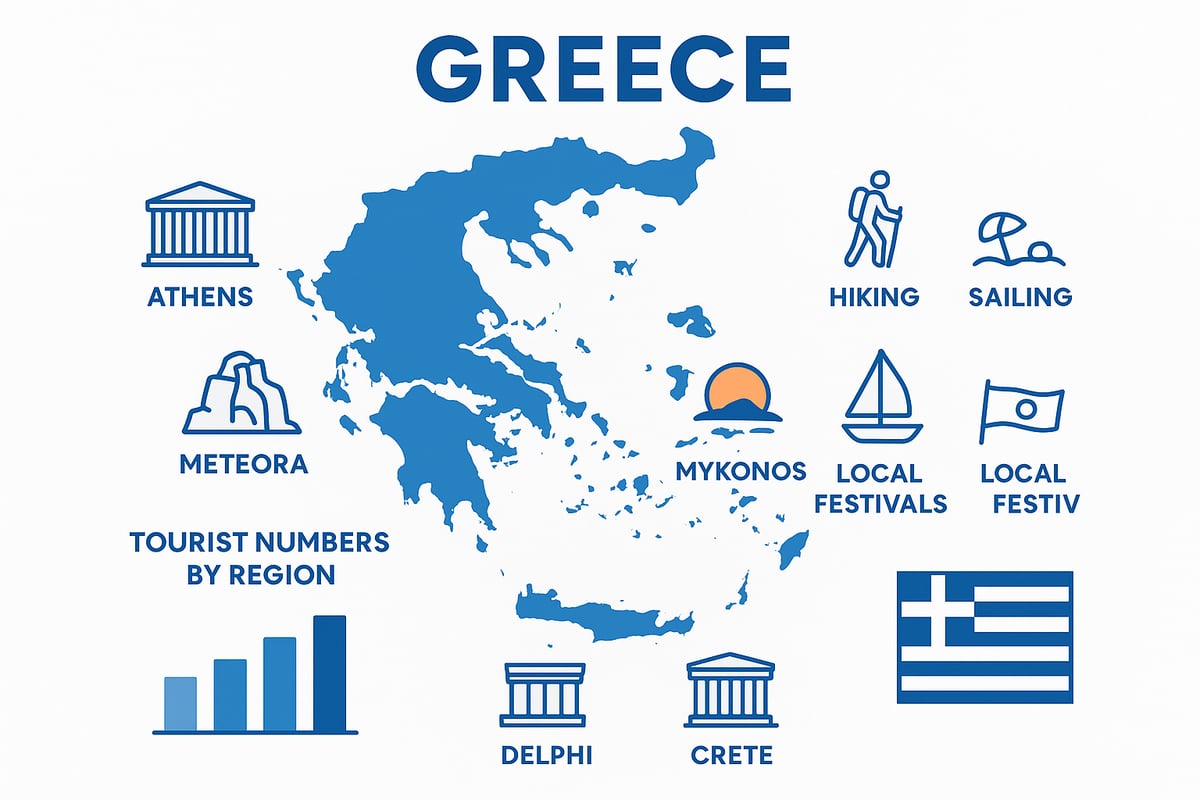
Athens is the beating heart of any guide to greece, fusing ancient marvels with a dynamic urban spirit. The city’s crown jewel is the Acropolis, where the Parthenon stands as a timeless symbol. Wander through the historic Plaka neighborhood, filled with neoclassical houses and lively cafes.
Dive into culture at the National Archaeological Museum, home to treasures that span millennia. Athens is not just about the past; its present is alive with street art, bustling food markets, and a thriving nightlife scene. Savor local flavors at Central Market, or seek out rooftop bars for panoramic city views. Whether you are a history buff or a culture seeker, Athens sets the tone for a memorable Greek adventure.
The Greek Islands: Choosing Your Paradise
No guide to greece is complete without exploring its legendary islands, each with its own charm. The Cyclades, including Santorini, Mykonos, and Naxos, offer a blend of iconic sunsets, volcanic beaches, and vibrant nightlife. Santorini’s blue-domed churches and caldera views are world-famous, while Mykonos attracts with luxury and energy.
If you seek Venetian flair, the Ionian Islands like Corfu beckon, and Zakynthos stuns with its turquoise waters at Navagio Beach. In the Dodecanese, Rhodes boasts a medieval old town, and Crete invites you to discover ancient Knossos and hike the Samaria Gorge. Island-hopping is easy with frequent ferries, making it simple to craft your perfect itinerary.
Mainland Marvels Beyond Athens
A guide to greece should lead you beyond the capital to the mainland’s wonders. Delphi, once home to the Oracle, offers awe-inspiring ruins set against mountain backdrops. Meteora’s monasteries, perched atop towering rock pillars, create a surreal landscape ideal for photography and reflection.
Venture to the Peloponnese to uncover Ancient Olympia, birthplace of the Olympic Games, or stroll Nafplio’s elegant streets. Northern Greece surprises with Thessaloniki’s Byzantine treasures and Halkidiki’s golden beaches. Each region presents a unique blend of history, scenery, and local culture.
Outdoor Adventures and Nature Escapes
For travelers seeking nature, the guide to greece highlights thrilling outdoor pursuits. Hike breathtaking trails like the Samaria Gorge in Crete or Vikos Gorge in Epirus, both boasting dramatic landscapes and rare wildlife. The country’s coastlines are a paradise for water sports: try windsurfing in Paros or sailing the Saronic Gulf.
National parks offer birdwatching, mountain biking, and serene lakes. Whether you crave adrenaline or quiet moments in nature, Greece’s diverse terrain delivers. Remember to pack comfortable gear and respect the environment while exploring these natural treasures.
Unique Cultural Experiences
Immersing yourself in Greek culture transforms any trip into a lasting memory. The guide to greece encourages participation in traditional festivals, from lively Easter celebrations to local panigyria, where music and dance fill the air. Wine tours in Santorini and olive oil tastings in the Peloponnese provide delicious insights into regional flavors.
Browse local markets for handmade crafts, or join artisan workshops to learn ancient techniques. For those seeking deeper knowledge or inspiration, The Awesome Guide to Greece offers comprehensive resources for every type of traveler. Embrace authentic experiences and connect with welcoming communities for a truly unforgettable 2026 journey.
Greek Culture and Etiquette: What Every Traveler Should Know
Exploring the rich traditions and customs of Greece is essential for any traveler seeking a meaningful journey. This guide to greece ensures you experience the warmth and authenticity of Greek culture while respecting local norms. Understanding etiquette not only enriches your adventure but also builds genuine connections with locals.
Social Customs and Politeness
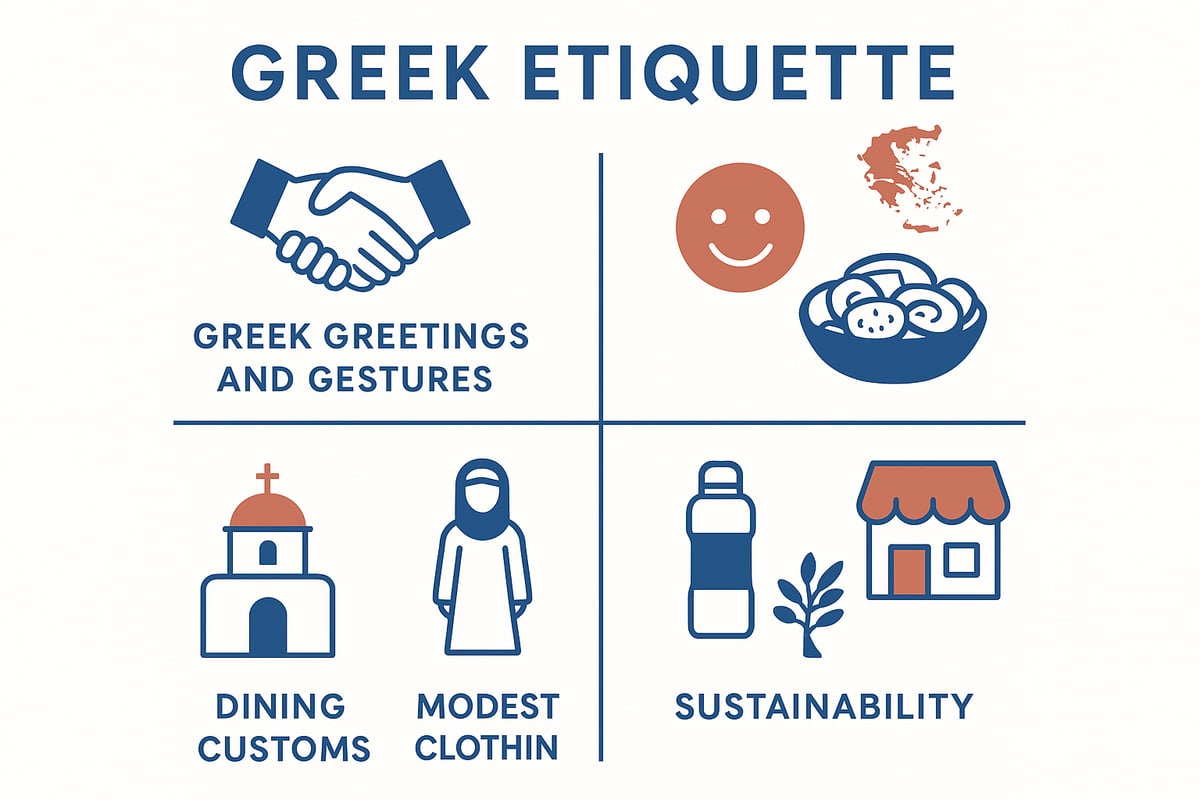
Greek society is known for its legendary hospitality, or "filoxenia." When you follow this guide to greece, be prepared for friendly welcomes and warm exchanges. Greetings typically include a firm handshake, direct eye contact, and a smile. In more familiar settings, a light cheek kiss is common.
Politeness is highly valued. Use titles like "Kyrie" (Mr.) or "Kyria" (Mrs.) when addressing elders. Avoid abrupt gestures or pointing, as these can be considered rude. Tipping is customary in restaurants, taxis, and hotels, usually rounding up or leaving 5-10% for good service.
Dining Etiquette and Food Culture
Meals in Greece are social events meant to be savored. According to this guide to greece, sharing dishes, known as "mezze," is standard practice. Expect meals to unfold at a relaxed pace, often lasting hours in the company of friends or family.
To order like a local, ask for recommendations, enjoy an ouzo aperitif, and finish with strong Greek coffee. Vegetarian and vegan options are increasingly available, reflecting Greece's Mediterranean diet, which UNESCO recognizes for its cultural importance. Enjoy every bite and embrace the communal spirit at the table.
Respecting Sacred Sites and Traditions
Sacred sites, such as monasteries and churches, require respectful behavior. As the guide to greece highlights, modest clothing is essential: shoulders and knees should be covered, and hats removed before entering. Photography is often restricted, especially during services or ceremonies.
Participate quietly in religious events, observing rather than intruding. If invited to a celebration, accept with gratitude and be open to learning about local traditions. Respect for sacred spaces and customs ensures a welcoming atmosphere for all visitors.
Environmental and Sustainable Tourism Tips
Responsible travel is vital for preserving Greece’s natural and cultural treasures. This guide to greece suggests reducing plastic waste by carrying a refillable bottle and reusable bags. Support local businesses, from family-run tavernas to artisan workshops, to help communities thrive.
Be mindful of your impact on archaeological sites and fragile habitats. For deeper insight into the challenges and rewards of sustainable tourism in the islands, see For the Cyclades, mass tourism is a financial windfall, but it's also a cause for concern. By traveling thoughtfully, you help protect Greece for future generations.
Greek Food and Drink: Culinary Essentials for 2026
Greek cuisine is an essential part of any guide to greece, offering an incredible blend of tradition, flavor, and regional variety. In 2026, travelers can look forward to a culinary journey that goes beyond the classics, with new tastes and local experiences waiting in every corner. Whether you are a foodie or simply curious, Greece’s food scene promises to be a highlight of your adventure.
Must-Try Dishes and Street Foods
No guide to greece is complete without sampling its iconic dishes. Start with moussaka, a layered eggplant and meat casserole, and souvlaki, skewered grilled meats served with pita and fresh veggies. Spanakopita, a flaky spinach and feta pie, and a traditional Greek salad with juicy tomatoes and feta are menu staples.
Venture into regional flavors: try Cretan dakos (barley rusk salad), Santorini’s creamy fava, or Thessaloniki’s sweet bougatsa. For street food, grab a gyros wrapped in pita, savor crispy loukoumades drizzled with honey, or snack on koulouri, a sesame bread ring often sold by street vendors.
Greek cuisine’s regional diversity means every destination in your guide to greece offers something new to taste. Be sure to explore local markets for fresh and authentic bites.
Greek Wines, Spirits, and Non-Alcoholic Drinks
Pairing food with local drinks is a must in any guide to greece. Santorini’s Assyrtiko wine is famous for its crisp, mineral notes, while Nemea produces robust Agiorgitiko reds. Visit wineries for tastings and discover how geography shapes each variety.
Signature Greek spirits like ouzo and tsipouro offer a distinct anise or grape flavor, perfect for sipping alongside mezze. Greek coffee, strong and aromatic, is a daily ritual, often enjoyed in cafes or after meals.
For non-alcoholic options, try local herbal teas or soft drinks such as soumada (almond-based). The beverage culture in Greece is as rich and varied as its cuisine, adding depth to your culinary journey in any guide to greece.
Where to Eat: From Taverns to Fine Dining
Dining in Greece is an experience in itself, and every guide to greece should encourage travelers to try both traditional tavernas and modern restaurants. Tavernas serve home-style meals in a relaxed setting, with dishes meant for sharing. Contemporary eateries in cities like Athens and Thessaloniki offer creative takes on classics, often with a focus on local, seasonal ingredients.
Food markets are a hub for fresh produce, cheeses, and olives. Athens Central Market is a must-visit for its vibrant atmosphere and variety. The growing popularity of Greek cuisine attracts millions, as highlighted by recent tourism statistics, underscoring the country’s appeal as a top food destination.
Seek out local recommendations to avoid tourist traps, and do not hesitate to ask for the house specialty—many culinary surprises await in your guide to greece.
Dietary Needs and Food Safety
A thoughtful guide to greece addresses dietary preferences and safety. Vegetarians and vegans will find plenty of options, from stuffed vegetables (gemista) to lentil soups and fresh salads. Many menus now highlight gluten-free and allergen-friendly choices, especially in larger cities and resorts.
Food labeling has improved, but when in doubt, ask staff about ingredients. Tap water is safe to drink in most urban areas, but bottled water is recommended on some islands. Only eat raw seafood at reputable restaurants to avoid health risks.
Greece’s Mediterranean diet is known for its health benefits, and with a little planning, everyone can enjoy the flavors of the country safely and deliciously.
Insider Tips and Hidden Gems for an Authentic Greek Experience
Unlocking the true spirit of Greece means seeking experiences beyond the classic highlights. This guide to greece goes beneath the surface, revealing lesser-known treasures and authentic encounters that will make your 2026 journey stand out.
Off-the-Beaten-Path Destinations
While Santorini and Athens draw the crowds, Greece’s charm thrives in its secret corners. Venture to islands like Milos, Symi, or Ikaria for tranquil beaches and vibrant local life. On the mainland, discover the stone villages of Zagori or the wild Mani Peninsula, where traditions remain strong.
For rural escapes, consider agrotourism stays in olive groves or mountain hamlets. These destinations offer a slower pace and a deeper connection to Greek heritage.
Local Festivals and Seasonal Events in 2026
To truly immerse yourself, time your visit with local festivals and seasonal celebrations. The Athens Epidaurus Festival showcases world-class theater in ancient settings, while island panigyria (village feasts) invite travelers to dance, dine, and celebrate with locals.
Harvest seasons bring grape stomping and olive picking workshops, ideal for hands-on memories. By referencing this guide to greece, you can plan your trip around these authentic events and experience Greece like a local.
Shopping for Unique Souvenirs
Skip the mass-produced trinkets and explore artisan boutiques for meaningful mementos. Seek out handmade ceramics, traditional jewelry, and olive oil products at local markets. In places like Crete or Naxos, you’ll find crafts that reflect centuries-old techniques.
Use the guide to greece for tips on where to shop, ensuring you support genuine artisans and avoid tourist traps.
Connecting with Locals and Community Tourism
Genuine connection is at the heart of Greek hospitality. Join cooking classes, language lessons, or even volunteer for a day to enrich your stay. Many villages offer homestays or farm stays, providing insight into daily life and time-honored customs.
Participating in these experiences helps foster cultural exchange and makes your trip more memorable. For up-to-date safety guidelines and local protocols, consult the Greece Travel Advisory.
Responsible and Respectful Travel
Travel responsibly by supporting small businesses and choosing ethical tours. Reduce waste by carrying a refillable bottle, and always respect archaeological sites and natural habitats.
The guide to greece encourages mindful travel—be aware of your impact on communities and the environment. Every small action contributes to preserving Greece’s wonders for future generations.
After exploring Greece’s timeless wonders, practical travel tips, and hidden gems, you might feel ready to start mapping out your own adventure. With so much to consider—from local customs to the best times to visit—having a reliable resource makes all the difference. If you want to travel with confidence and make the most of every moment, I highly recommend checking out these expertly crafted digital guides. They are packed with insider knowledge and real, practical advice to help you discover authentic experiences and avoid common pitfalls. Begin planning your unforgettable journey today by visiting Explore Guides.