

9 Must-Know Ireland Tips for an Amazing 2026 Adventure
Ireland’s emerald landscapes, lively traditions, and renowned hospitality have long enchanted travelers seeking more than just a destination. With a surge in authentic travel experiences, Ireland is set to become a top adventure hotspot for 2026. To make the most of your trip, expert ireland tips are essential for steering clear of common mistakes and uncovering the country’s best-kept secrets. This guide delivers up-to-date advice for planning, navigating, and experiencing Ireland like a local. From smart itinerary strategies to understanding local customs and transport, discover the main essentials that will turn your Irish journey into something truly unforgettable.
Essential Planning for Your 2026 Ireland Adventure
Planning a trip to Ireland in 2026 is more exciting than ever, but it requires careful attention to detail. With visitor numbers rising and interest in authentic experiences at an all-time high, being strategic ensures a smooth, memorable journey. These ireland tips will help you avoid common missteps and uncover the best the Emerald Isle has to offer.
Create a Realistic Itinerary and Understand Road Conditions
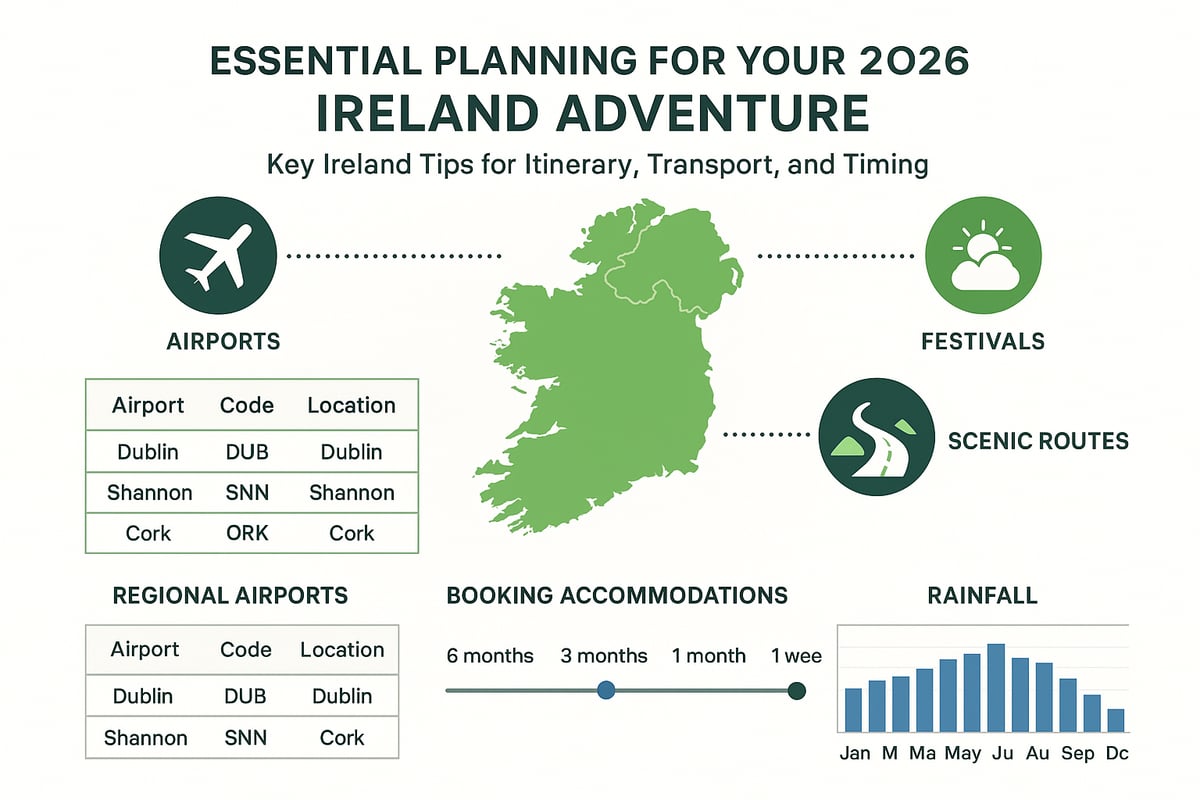
Ireland may appear compact, but travel times can surprise even seasoned explorers. Winding rural roads, narrow lanes, and scenic detours mean journeys often take longer than expected. One of the top ireland tips is to plan routes with extra time for unexpected stops, photo moments, and spontaneous adventures.
Cluster your destinations to minimize daily driving. Instead of racing from Dublin to the Cliffs of Moher and back in one day, consider breaking up your trip with overnight stays in key regions. This approach allows you to savor the landscape and enjoy authentic local experiences.
Book Accommodations and Transportation Early
Demand for accommodations and rental cars is set to surge in 2026, especially during festivals and summer months. Secure your bookings several months in advance to access the best rates and options. According to the Inbound Tourism March 2025 Report, visitor arrivals continue to climb, making early planning crucial.
Ireland tips for booking include comparing local guesthouses, boutique hotels, and B&Bs for a more personal experience. When reserving transport, review cancellation policies and insurance coverage to avoid surprises.
Choose Your Airports and Routes Wisely
Ireland boasts several international airports: Dublin, Shannon, Cork, and Belfast. Selecting the best entry and exit points can save significant time, especially if your itinerary spans multiple regions.
For example, arriving in Shannon is ideal for exploring the west coast and Wild Atlantic Way, while Dublin caters to those starting in the vibrant capital. Internal flights and regional connections can also streamline travel between distant locations.
Know the Difference: Republic of Ireland and Northern Ireland
Crossing between the Republic of Ireland and Northern Ireland is seamless, but there are notable differences to keep in mind. The Republic uses the euro, while Northern Ireland operates with pound sterling. Road signs, speed limits, and some laws also differ.
Ireland tips for border crossings include checking your mobile provider for roaming fees and being aware of public holidays, which might affect opening hours and services on either side.
Consider Seasonal Factors and Festivals
Daylight hours, weather, and festival schedules play a big role in trip planning. Summer brings long evenings and lively events, but also more crowds and higher prices. Off-peak seasons, such as spring and autumn, offer milder weather and fewer tourists.
Aligning your travels with major festivals like St. Patrick’s Day or local heritage weeks can enhance your cultural immersion, but remember to book accommodations well in advance during these periods. Always pack for changeable weather, as rain and sunshine can alternate quickly.
Balance Famous Sites with Hidden Gems
While icons like the Cliffs of Moher and the Ring of Kerry are must-sees, Ireland rewards those who seek out lesser-known treasures. Dedicate time in your itinerary for off-the-beaten-path villages, scenic drives, and local markets.
Ireland tips for a richer journey include changing your base every few days to explore new regions deeply. Engage with local guides or join small group tours to discover stories and places beyond the guidebooks.
Use Digital Resources and Travel Guides
Modern travel apps and digital guides are invaluable for up-to-date information on attractions, transport, and weather. Download offline maps, store digital tickets, and join online travel communities for real-time advice.
Stay flexible by checking schedules and conditions daily. This way, you can adjust your plans and make the most of every moment, regardless of the weather or last-minute changes.
Sample 10-Day Ireland Itinerary
| Day | Region/Base | Highlights |
|---|---|---|
| 1-2 | Dublin | Trinity College, Temple Bar, museums |
| 3-4 | Kilkenny/Cashel | Medieval castles, Rock of Cashel |
| 5-6 | Killarney | Ring of Kerry, National Park |
| 7-8 | Doolin/Galway | Cliffs of Moher, Burren, live music |
| 9-10 | Connemara/Westport | Wild Atlantic Way, lakes, hiking |
This balanced route avoids excessive backtracking and maximizes your time in each location.
9 Must-Know Ireland Tips for an Amazing 2026 Adventure
Ireland is a land of wild coastlines, rolling green hills, and a culture that welcomes every traveler. To make the most of your journey, you need more than just a list of landmarks. These 9 must-know ireland tips will help you navigate the Emerald Isle with confidence, avoid classic pitfalls, and discover the magic that makes Ireland unforgettable.
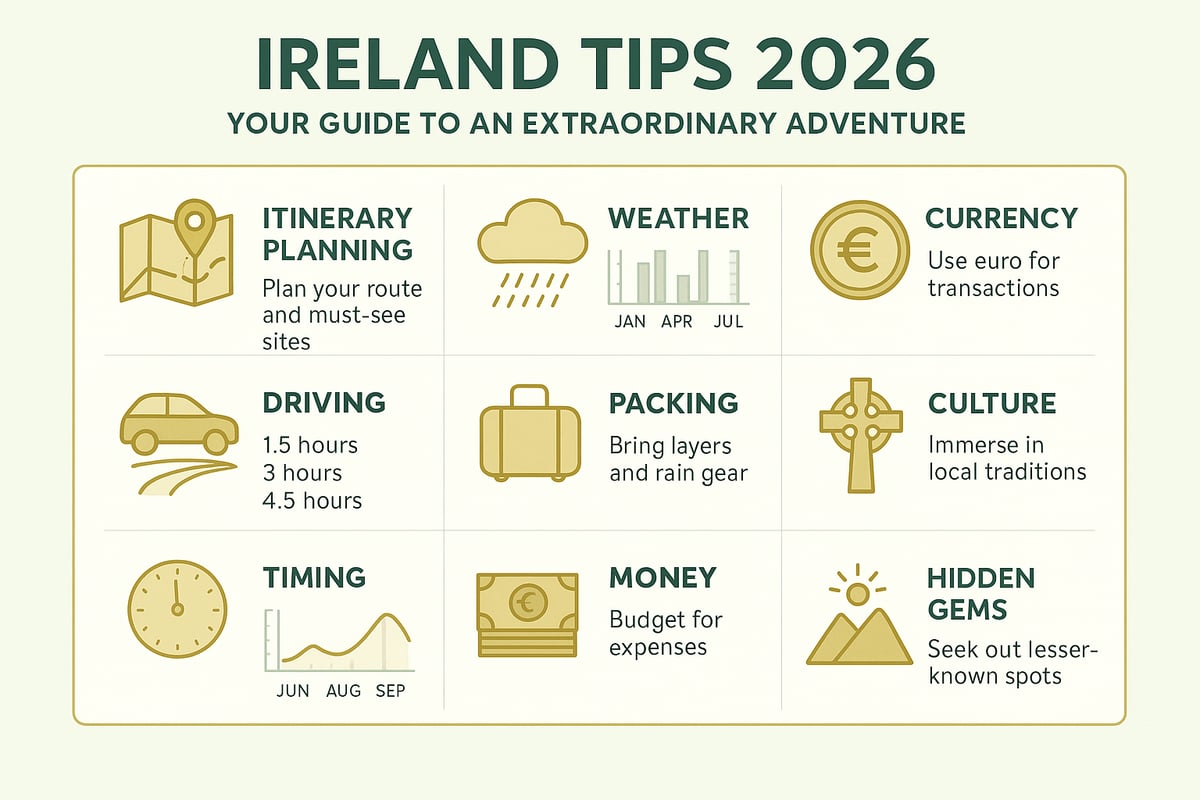
1. [Plan Realistically—Don’t Overpack Your Itinerary]
Many travelers arrive with ambitious plans, only to discover that Ireland’s roads and relaxed pace require a different approach. One of the most important ireland tips is to avoid overpacking your itinerary.
Ireland might look small on a map, yet travel times can be deceptive. Winding rural roads, scenic detours, and narrow lanes mean journeys often take longer than expected. For example, trying to drive from Dublin to the Cliffs of Moher and back in one day is exhausting and leaves little room for enjoyment.
Instead, choose a few clustered bases and explore locally. This approach lets you experience the real Ireland, from spontaneous chats in village pubs to unplanned walks along wild coastlines. Plan for rest days or slower travel, so you can soak in the charm and “the craic” without feeling rushed.
Check local transport schedules and be aware that attractions may have seasonal hours. Remember, the average speed on rural roads is often under 50km/h, so adjust your expectations. With these ireland tips, your trip will be richer and more relaxed.
2. [Prepare for Four Seasons in One Day—Pack Smart]
Ireland’s weather is famously unpredictable. Sun, rain, and wind can all greet you in a single afternoon. One of the top ireland tips is to pack for every possibility, no matter the season.
Always bring light, waterproof layers and sturdy walking shoes. Even in July, a sudden shower or a brisk Atlantic breeze can catch you off guard, especially along the Wild Atlantic Way. Moisture-wicking clothes and quick-dry fabrics will keep you comfortable throughout your journey.
A compact umbrella and a reliable rain jacket are essentials. Weather apps like Met Éireann offer real-time updates, helping you adjust plans on the go. Data shows Ireland receives 800 to 1200mm of rain annually, with over 150 rainy days each year.
By following these ireland tips, you’ll be ready for whatever the Irish skies deliver, ensuring your adventure continues rain or shine.
3. [Understand the North-South Divide—Currency, Culture, and Borders]
Traveling between the Republic of Ireland and Northern Ireland is seamless, but subtle differences matter. Among crucial ireland tips is knowing that the Republic uses the Euro, while Northern Ireland uses Pound Sterling.
There are no passport checks, yet you’ll notice changes in road signs, accents, and even shop currencies. For example, crossing from Donegal to Derry may require exchanging money for small purchases. Check with your mobile provider, as roaming charges can apply between the two regions.
Be aware of differing public holidays and event calendars. Local customs and slang also vary, offering a chance to embrace Ireland’s rich diversity. There are 6 counties in Northern Ireland and 26 in the Republic, each with its own character.
These ireland tips help you navigate the border with ease, making your journey smoother and more culturally rewarding.
4. [Master Irish Roads—Driving and Public Transport Tips]
Driving in Ireland is an adventure in itself. Remember, driving is on the left, and rural roads can be narrow, winding, and sometimes single-lane. One of the most practical ireland tips is to read rental car terms carefully, as insurance and excess fees can be complex.
Google Maps may suggest scenic backroads that are beautiful but challenging. Always double-check routes, especially if you’re unfamiliar with local driving conditions. Public transport works well in cities but is limited in rural areas, so plan accordingly.
Consider combining trains, buses, and day tours for flexibility without needing a car. In winter, daylight can last only 7 to 8 hours, so start activities early. These ireland tips ensure you travel safely and efficiently, whether you’re behind the wheel or on public transport.
5. [Pack Light and Layered—Year-Round Essentials]
When it comes to packing, less is more in Ireland. One of the most valuable ireland tips is to focus on layers: base layers, fleece, and waterproof outerwear. Heavy suitcases can be a burden, especially in accommodations with stairs or limited storage.
Avoid packing only summer clothes, even in June. A cold snap can surprise you at any time. Bring adapters for Irish/UK plugs (Type G), and carry both cash and cards. Some rural shops are cash-only, while urban spots may prefer cards.
A reusable water bottle and eco-friendly bags are encouraged. According to surveys, 70% of travelers regret overpacking for Irish trips. With these ireland tips, you’ll travel lighter and smarter, making room for souvenirs along the way.
6. [Embrace Irish Culture—Humor, Conversation, and Pub Etiquette]
Irish culture is warm, witty, and deeply social. One of the most memorable ireland tips is to embrace the local humor and pub life. Irish humor is often dry and self-deprecating, so don’t take “slagging” personally—it’s a sign of affection.
Traditional pubs are the heart of the community. Enjoy live music, storytelling sessions, and authentic experiences. Tipping is not obligatory; if you receive table service, a 10% tip is appreciated, but not for bar orders.
Avoid discussing sensitive topics like politics or the Troubles. Instead, chatting about the weather is always safe. With over 7,000 pubs across Ireland, many with live music, these ireland tips will help you connect with locals and immerse yourself in the culture.
7. [Time Your Visit—When to Go for the Best Experience]
Each season in Ireland offers something unique. Spring brings wildflowers, summer features lively festivals, autumn offers fewer crowds, and winter delivers great deals. Among the most strategic ireland tips is to visit during the shoulder seasons—April to May or September to October—when the weather is pleasant and crowds are thinner.
For example, September offers mild temperatures and vibrant landscapes. Major events like St. Patrick’s Day can impact accommodation and prices. If you’re interested in experiencing Ireland’s biggest celebration, learn more in this detailed Celebrate St. Patrick's Day in Ireland guide.
Short winter days require careful planning, with sunrise after 8:30am and sunset before 4:30pm. Data shows that shoulder seasons see 20 to 30% fewer visitors. Use these ireland tips to choose the best time for your adventure.
8. [Maximize Value—VAT Refunds and Currency Tips for Non-EU Visitors]
Traveling to Ireland does not have to break the bank. One of the smartest ireland tips for non-EU visitors is to claim VAT refunds on eligible purchases (excluding hotels and food). Keep all receipts and use airport refund desks or kiosks to process claims.
Avoid airport currency exchange counters—ATMs and cards provide better rates. Cards like Wise or Revolut can help you save on transaction fees. Always carry a small amount of cash for rural areas, but rely on cards in cities.
Remember, VAT in Ireland is 23%, so the savings can add up quickly. With these ireland tips, you can maximize value and stretch your travel budget further.
9. [Explore Beyond Dublin—Venture Into Ireland’s Hidden Gems]
While Dublin is vibrant and energetic, the true spirit of Ireland is found in its countryside. Two to three days in Dublin is usually enough; after that, use these ireland tips to discover hidden gems like the Wild Atlantic Way, Ring of Kerry, Connemara, Donegal, and the Causeway Coast.
Changing your base two or three times allows you to explore more deeply without unnecessary backtracking. Local guides and tours can reveal lesser-known sites and stories. Consider travel passes, such as the Heritage Card, for savings on multiple attractions.
Data shows that 60% of visitors spend most of their trip outside Dublin, seeking a richer and more authentic experience. By following these ireland tips, you’ll uncover the real magic of the Emerald Isle.
Digital Resources for Smart Ireland Travel
Navigating Ireland in 2026 is easier than ever thanks to the surge in digital resources designed for travelers. Whether you are seeking itinerary inspiration, practical ireland tips, or local secrets, the right online tools can elevate every part of your journey.
Essential Travel Apps and Digital Tools
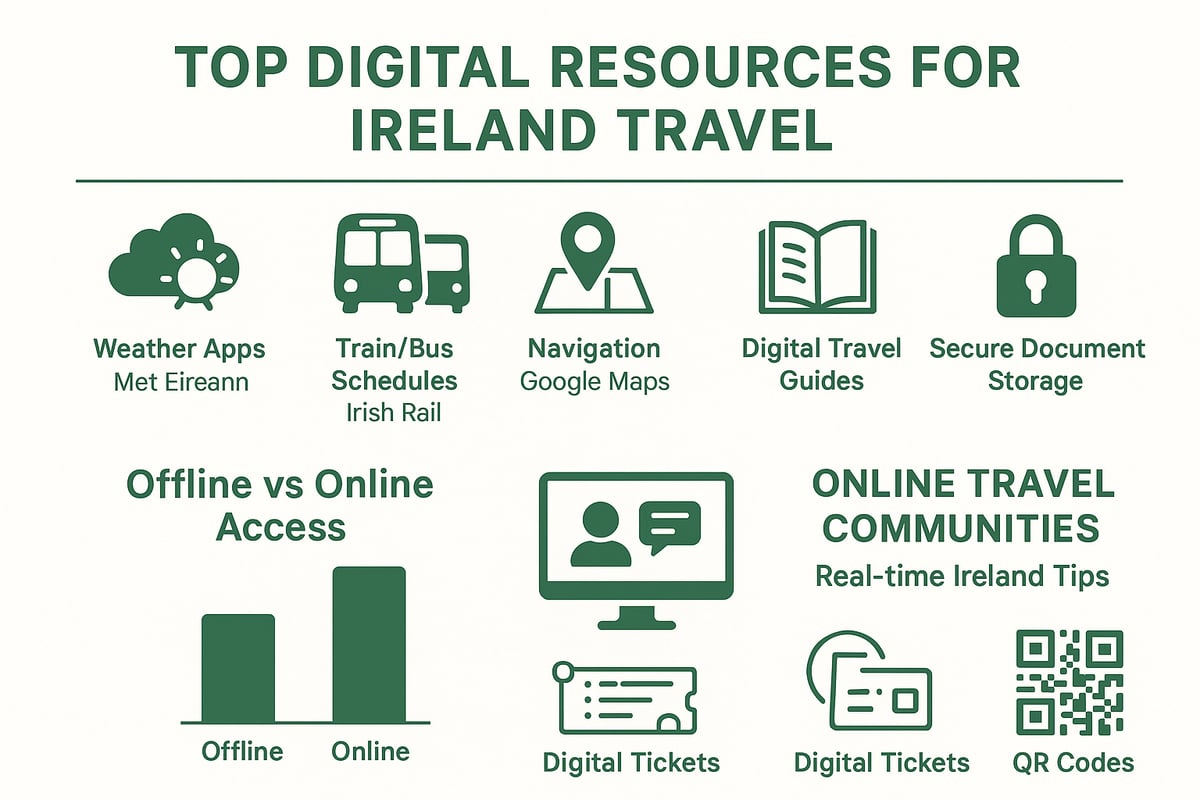
Planning with the right digital tools is one of the top ireland tips for 2026. Start with weather apps like Met Éireann for up-to-the-minute forecasts. Google Maps is essential for rural navigation, as it covers even the most remote Irish roads.
For public transport, Irish Rail and Bus Éireann apps offer real-time schedules and ticketing. Digital travel guides are invaluable for discovering hidden gems, up-to-date opening hours, and local recommendations. If budget is a priority, the Budget trips to Ireland guide provides digital strategies for saving money while exploring more.
Many attractions now use digital tickets or QR codes, so organizing these on your phone or in cloud storage ensures easy access. Always download essential maps and confirmations for offline use in rural areas with spotty service.
Community Wisdom and Real-Time Advice
One of the most valuable ireland tips is to tap into online travel communities. Forums, dedicated Ireland travel groups on social media, and review platforms are goldmines for current advice, local warnings, and last-minute recommendations.
Joining these networks allows you to ask questions, get feedback on your itinerary, and adapt plans based on real traveler experiences. Digital communities are especially helpful for discovering local events, updated transport info, and new attractions.
With digital-first planning, you can confidently adjust your trip on the go, ensuring every day brings something new and authentic.
Secure Storage and Smart Planning
Storing digital documents securely is essential for a hassle-free trip. Use cloud services or dedicated travel apps to keep copies of passports, tickets, and reservation details. Set up folders for each travel segment, and back up essential files for peace of mind.
These ireland tips ensure you are prepared for any situation, from lost tickets to unexpected changes. With flexible, digital-first planning, your Ireland adventure will be smoother, safer, and more memorable.
Budgeting, Money, and Practicalities for Ireland 2026
Planning your finances is essential for any trip, and smart ireland tips can make all the difference. From daily expenses to payment methods and VAT refunds, knowing what to expect ensures you stay on budget and avoid surprises in 2026.
Estimating Your Daily Costs
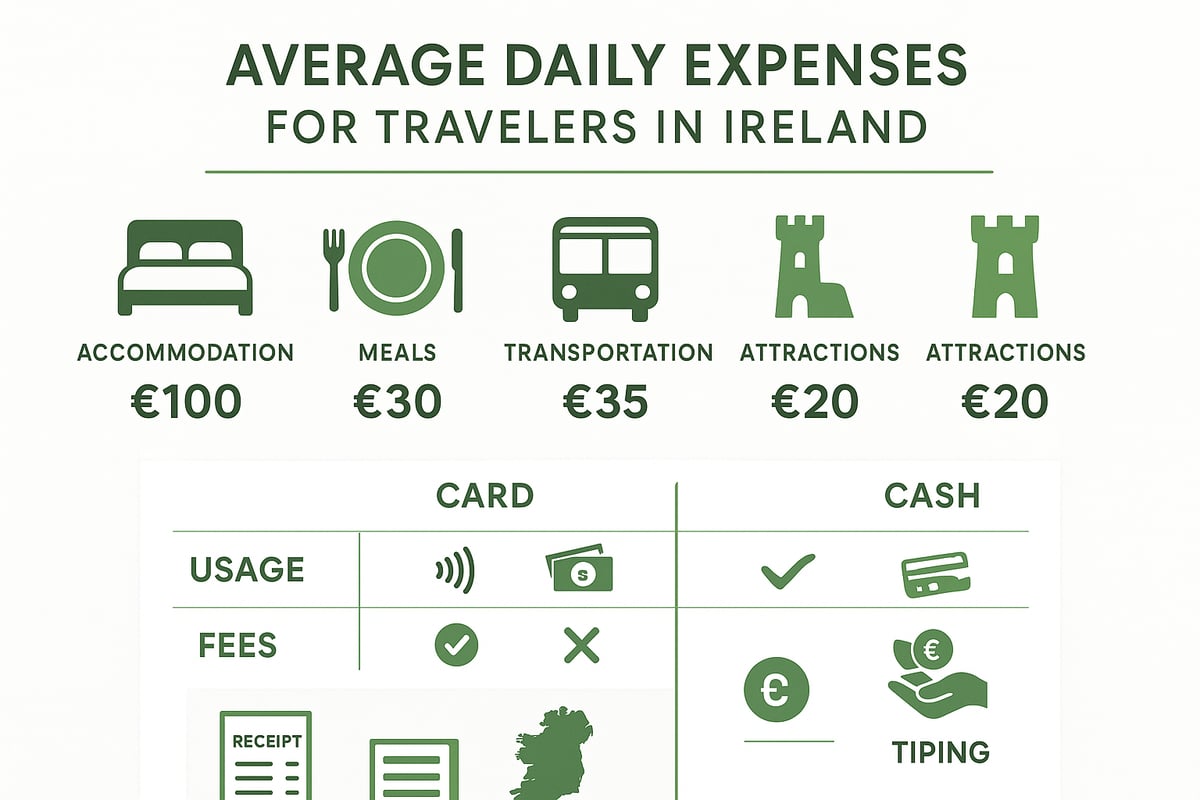
Understanding average expenses helps you allocate your funds effectively. Depending on your travel style, daily costs in Ireland typically fall between €80 and €150 per person. Accommodation, meals, transport, and sightseeing all influence your budget.
| Expense | Budget (€) | Mid-range (€) | Luxury (€) |
|---|---|---|---|
| Accommodation | 35 | 70 | 150+ |
| Meals | 20 | 35 | 70+ |
| Transport | 10 | 20 | 40+ |
| Attractions | 15 | 25 | 50+ |
Factor in extra for festivals or high season. Use ireland tips to find deals on passes or off-peak rates.
Cards, Cash, and Payment Tips
Both cards and cash are widely accepted, but rural shops may be cash-only, while cities favor contactless payments. To maximize convenience and minimize fees, use cards with low foreign transaction charges. Always carry a small amount of cash for emergencies or remote areas.
- Use contactless payments for public transport and attractions.
- Withdraw cash from ATMs for better rates, not airport kiosks.
- Bring a backup card in case of loss or technical issues.
Following these ireland tips ensures smooth transactions across the country.
Tipping and VAT Refunds
Tipping is not mandatory in Ireland. For table service in restaurants, a 10% tip is appreciated if you are satisfied, but it is not expected for bar orders or taxis. Some bills may include a service charge, so check before tipping.
Non-EU travelers can claim VAT refunds on eligible shopping, but not on hotels or meals. Keep your receipts and process refunds at airport kiosks before departure. This is one of the most overlooked ireland tips for saving money.
Currency Exchange and Smart Spending
The Republic of Ireland uses the euro, while Northern Ireland uses pound sterling. Exchange rates can fluctuate, so plan ahead. Use ATMs or cards for better conversion rates, and avoid exchanging large sums at airports or hotels.
Contactless payment is the fastest option for city transport and attractions. Always check for hidden fees when using foreign cards.
Staying informed and using practical ireland tips will help you make every euro count and enjoy a worry-free adventure.
Now that you have these essential tips for planning an incredible Ireland adventure in 2026, you can travel with greater confidence and curiosity. Whether you are mapping out realistic routes, preparing for the ever-changing weather, or seeking out local culture beyond Dublin, having expert advice at your fingertips makes all the difference. If you want even more practical insights and hidden gems to enrich your journey, check out the digital travel guides designed to help you explore Ireland like a local. Ready to unlock your best trip yet? Explore Guides