

Ireland Tourist Guide: Plan Your Perfect Emerald Isle Trip
Ireland's enchanting landscapes, rich cultural heritage, and warm hospitality make it one of the world's most captivating destinations. From the dramatic Cliffs of Moher to the vibrant streets of Dublin, the Emerald Isle offers travelers an unforgettable blend of natural beauty and authentic experiences. Whether you're planning your first visit or returning to explore hidden corners, a comprehensive ireland tourist guide helps you navigate the country's diverse regions, understand local customs, and maximize every moment of your adventure. This guide provides essential insights into planning, exploring, and experiencing Ireland like a local.
Understanding Ireland's Geographic Regions
Ireland's compact size belies its incredible diversity. The island spans approximately 32,595 square miles, divided into four distinct provinces that each offer unique characteristics and attractions.
The Ancient East and Dublin
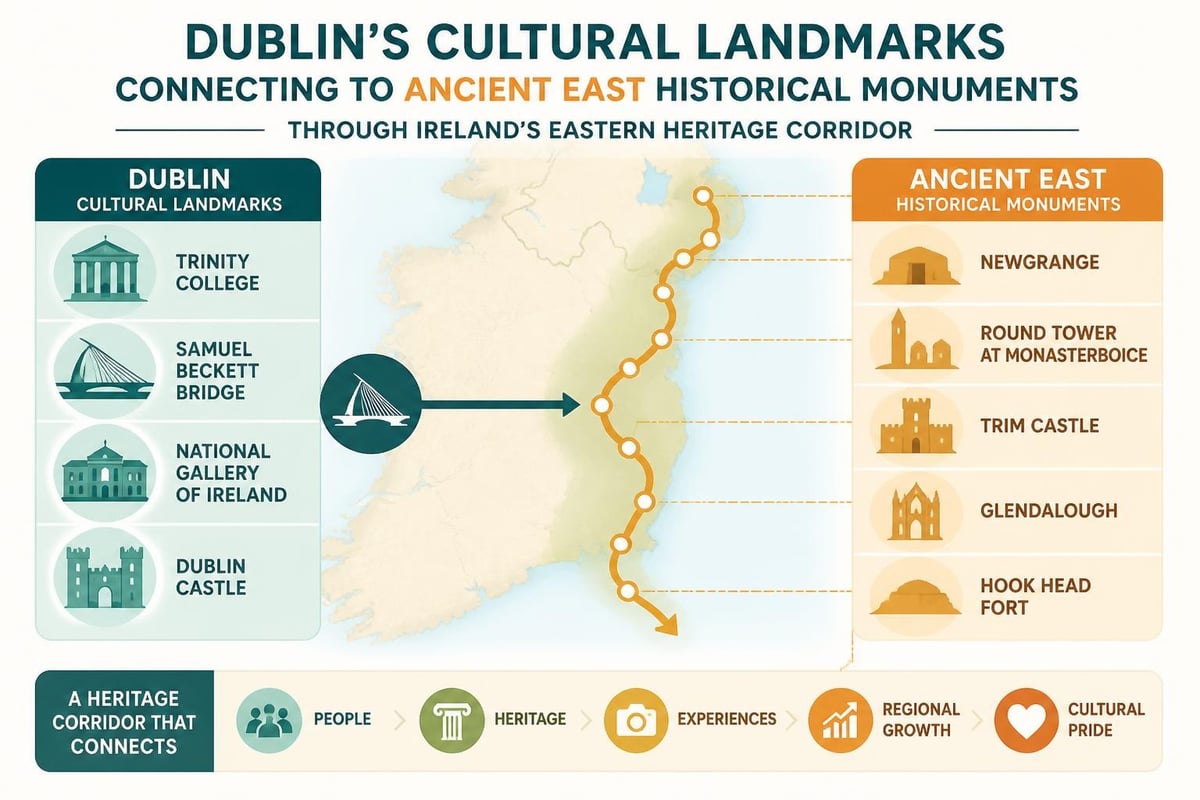
The eastern region centers around Dublin, Ireland's capital and cultural heart. This area combines over 5,000 years of history with modern urban energy, making it an essential starting point for any ireland tourist guide.
Key highlights include:
- Trinity College and the Book of Kells
- Temple Bar district for nightlife and entertainment
- Kilmainham Gaol historical prison
- Georgian architecture throughout the city center
- Easy access to Wicklow Mountains National Park
Beyond Dublin, the Ancient East stretches south through counties Meath, Louth, and Waterford. This region holds Ireland's oldest monuments, including Newgrange, a passage tomb older than Stonehenge and the Egyptian pyramids.
The Wild Atlantic Way
Ireland's western coastline presents some of Europe's most dramatic scenery. The Wild Atlantic Way stretches 1,600 miles from Donegal's rugged headlands to Cork's gentle harbors, offering countless opportunities for exploration.
| Region | Must-See Attractions | Best For |
|---|---|---|
| Donegal | Slieve League Cliffs, Glenveagh National Park | Hiking, solitude |
| Galway | City culture, Connemara, Aran Islands | Arts, traditional music |
| Clare | Cliffs of Moher, The Burren | Photography, geology |
| Kerry | Ring of Kerry, Dingle Peninsula | Scenic drives, coastal villages |
| Cork | Kinsale, Beara Peninsula | Culinary experiences, sailing |
The National Geographic guide to visiting Ireland emphasizes the Wild Atlantic Way as a transformative journey that showcases Ireland's untamed beauty.
Northern Ireland and the Causeway Coast
While politically distinct, Northern Ireland forms an integral part of the island's tourism landscape. The Causeway Coastal Route rivals any scenic drive globally, connecting Belfast to Derry-Londonderry.
Notable destinations:
- Giant's Causeway UNESCO World Heritage Site
- Titanic Belfast museum
- Game of Thrones filming locations
- Carrick-a-Rede Rope Bridge
- The Dark Hedges
Planning Your Ireland Journey
Successful travel requires thoughtful preparation. An effective ireland tourist guide addresses practical considerations that ensure smooth experiences throughout your visit.
Best Times to Visit
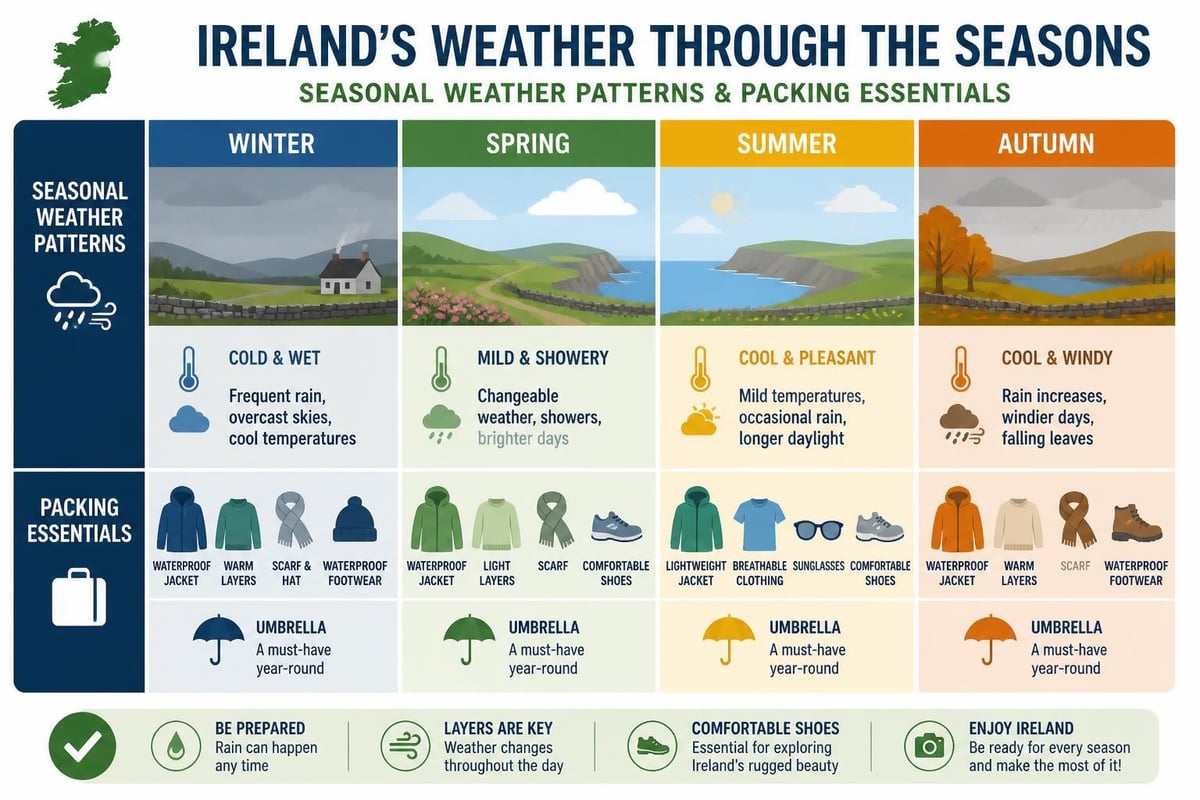
Ireland's temperate climate means year-round tourism, but each season offers distinct advantages. Summer (June through August) brings the longest days and warmest temperatures, typically ranging from 60°F to 68°F. However, this peak season also means higher prices and crowded attractions.
Spring (March through May) and autumn (September through November) provide ideal conditions for many travelers. You'll encounter milder crowds, competitive pricing, and pleasant weather. Winter visits offer unique charm through festive celebrations and cozy pub experiences, though expect shorter daylight hours and frequent rain.
The European tourism guide for Ireland provides current information about seasonal considerations and travel costs for 2026.
Transportation Options
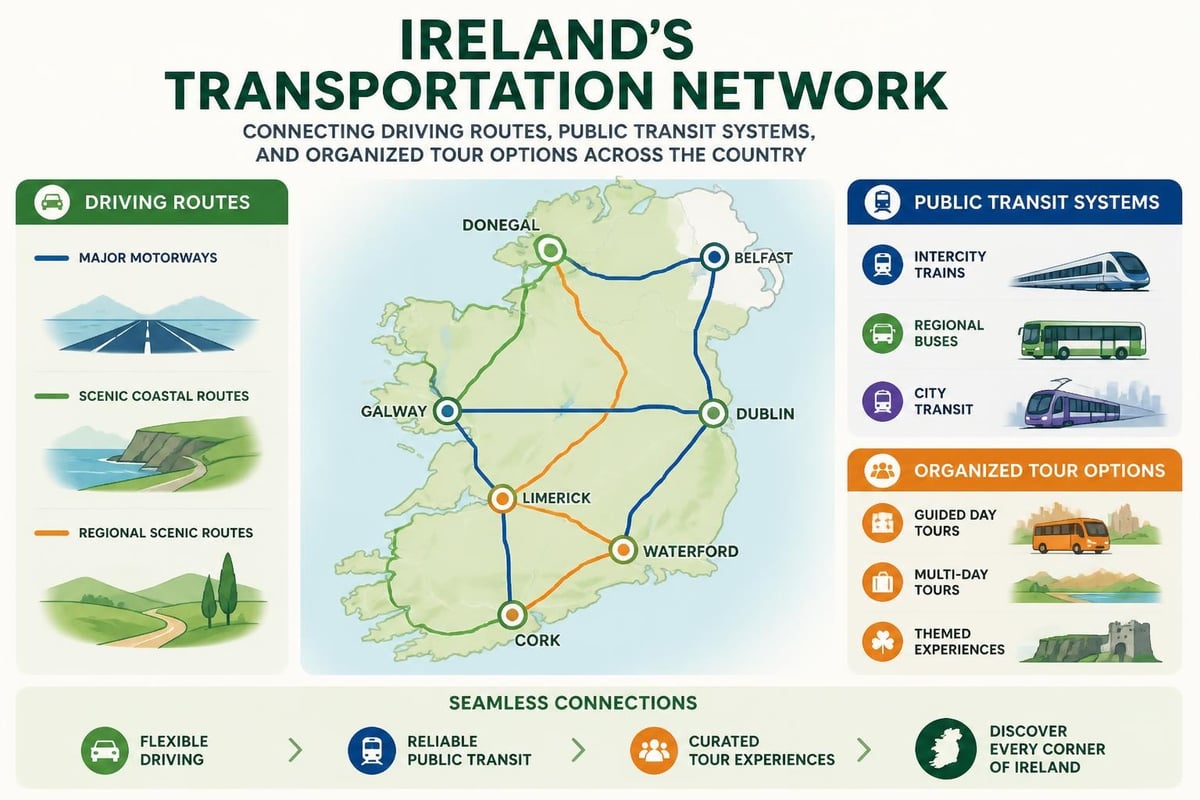
Driving provides maximum flexibility for exploring Ireland's countryside and remote attractions. However, driving on the left side of narrow, winding roads requires adjustment for many visitors. The Rules of the Road in Ireland offers essential information for those planning to drive.
Public transportation connects major cities efficiently. Irish Rail serves primary routes, while Bus Éireann reaches smaller towns throughout the Republic. For Northern Ireland, Translink operates comprehensive bus and rail networks.
Organized tours offer stress-free alternatives, particularly for first-time visitors. These range from multi-day coach tours to specialized experiences like culinary tours highlighted by Go Ahead Tours.
Budgeting Your Trip
Ireland ranks among Europe's more expensive destinations, but strategic planning helps control costs. Accommodation represents the largest expense, with Dublin hotels averaging $150-$300 per night during peak season. Budget options include hostels ($30-$60), guesthouses ($80-$120), and vacation rentals.
| Expense Category | Budget Range (Daily) | Mid-Range | Luxury |
|---|---|---|---|
| Accommodation | $30-$60 | $100-$150 | $250+ |
| Meals | $25-$40 | $50-$80 | $100+ |
| Transportation | $20-$40 | $50-$100 | $150+ |
| Attractions | $15-$30 | $40-$60 | $80+ |
Dining costs vary significantly. Supermarket meals and pub lunches cost $10-$15, while restaurant dinners range from $20-$50 per person. Traditional Irish breakfasts at B&Bs often include substantial portions that reduce lunch expenses.
Experiencing Irish Culture and Traditions
Ireland's cultural richness extends far beyond stereotypical images of shamrocks and leprechauns. A thoughtful ireland tourist guide explores authentic traditions that define the Irish experience.
Music and Entertainment
Traditional Irish music thrives in pubs across the country. Sessions occur spontaneously, particularly in western regions like Galway, Clare, and Kerry. Musicians gather to play fiddles, tin whistles, bodhráns, and uilleann pipes in informal settings that welcome respectful observers.
Dublin's Temple Bar district offers concentrated entertainment options, though locals often prefer quieter neighborhood pubs. For genuine experiences, venture beyond tourist hotspots to venues where locals gather.
Literary Heritage
Ireland has produced four Nobel Prize winners in Literature and countless influential authors. Literary enthusiasts can explore James Joyce's Dublin, visit the Oscar Wilde House, or tour W.B. Yeats's tower in Galway. The country celebrates Bloomsday each June 16th, commemorating Joyce's "Ulysses" through readings, performances, and costume events.
Gaelic Language and Sports
Irish (Gaeilge) remains Ireland's first official language, though English dominates daily conversation. You'll encounter Irish signage throughout the country, particularly in Gaeltacht regions where Irish is the primary community language.
Gaelic sports define Irish athletic culture:
- Hurling, one of the world's fastest field sports
- Gaelic football, combining soccer and rugby elements
- Camogie, the women's version of hurling
- Handball, played in traditional alleys
Attending a match at Croke Park Stadium in Dublin provides unforgettable cultural immersion.
Must-Visit Destinations and Hidden Gems
Every ireland tourist guide features iconic locations, but discovering lesser-known treasures creates the most memorable experiences.
Beyond the Tourist Trail
While attractions like the Cliffs of Moher and Ring of Kerry deserve their popularity, Ireland's hidden gems offer equally rewarding experiences with fewer crowds. The Beara Peninsula in southwest Cork provides stunning coastal scenery without Ring of Kerry's tour buses. Achill Island in County Mayo combines dramatic landscapes with authentic island culture.
The Boyne Valley, easily accessible from Dublin, encompasses ancient monuments including Newgrange, Knowth, and Dowth. These megalithic passage tombs predate the pyramids and demonstrate sophisticated astronomical knowledge.
For those seeking authentic local experiences through comprehensive digital guides, Ireland's smaller towns and villages provide genuine connections with Irish life. Places like Westport, Kenmare, and Kinsale balance charm with quality amenities.
Natural Wonders
Ireland's landscapes range from lunar-like limestone pavements to lush green valleys. The Burren in County Clare presents unique geology where Arctic, Alpine, and Mediterranean plants grow side by side. Wicklow Mountains National Park offers hiking, waterfalls, and monastic ruins just south of Dublin.
Top natural attractions include:
- Skellig Michael (UNESCO World Heritage Site and Star Wars filming location)
- Connemara National Park's mountains and bogs
- Killarney National Park's lakes and woodlands
- Glendalough's glacial valley and monastic settlement
- Slieve League cliffs, among Europe's highest sea cliffs
Practical Tips for First-Time Visitors
Understanding Irish customs and practical considerations enhances every traveler's experience. This section of our ireland tourist guide addresses common questions and concerns.
Currency and Payments
The Republic of Ireland uses the Euro (€), while Northern Ireland uses British Pounds Sterling (£). Most establishments accept credit and debit cards, but carrying cash helps in rural areas and smaller shops. ATMs are widely available in towns and cities.
Tipping practices differ from American standards. Restaurant servers appreciate 10-15% for good service, though it's not mandatory. Taxi drivers expect rounding up to the nearest euro, while hotel porters receive €1-2 per bag.
Weather Preparedness
"There's no such thing as bad weather, only unsuitable clothing" applies perfectly to Ireland. The maritime climate brings frequent weather changes, often experiencing "four seasons in one day." Even summer visits require layered clothing and waterproof outerwear.
The Ireland travel tips for first-time visitors emphasizes preparation for variable conditions, regardless of season.
Cultural Etiquette
Irish people value friendliness and conversation. Don't be surprised when strangers strike up conversations in queues, pubs, or shops. This sociability represents genuine warmth rather than nosiness.
Key etiquette points:
- Respect queue systems (cutting in line is deeply frowned upon)
- Avoid loud or boastful behavior in public spaces
- Say "please" and "thank you" generously
- In pubs, buying rounds is customary when drinking with groups
- Religious sites deserve respectful attire and quiet behavior
Connectivity and Communication
Ireland offers excellent mobile coverage and WiFi availability. EU visitors can use their home plans without roaming charges. Other international travelers should purchase local SIM cards or activate international plans before arrival.
Most accommodations, cafés, and restaurants provide free WiFi. For remote areas with limited connectivity, digital travel guides from Awesome Travel Guides work offline, ensuring access to essential information regardless of signal strength.
Culinary Experiences Across Ireland
Irish cuisine has evolved dramatically beyond traditional meat-and-potatoes fare. Contemporary Irish chefs celebrate local ingredients through innovative preparations while honoring culinary heritage.
Traditional Irish Foods
Understanding traditional dishes enhances cultural appreciation. Irish breakfast includes bacon, sausages, black and white pudding, eggs, mushrooms, tomatoes, and toast. This substantial meal often sustains travelers until evening.
Classic dishes to try:
- Boxty (potato pancakes)
- Colcannon (mashed potatoes with cabbage)
- Irish stew (lamb or mutton with root vegetables)
- Seafood chowder (particularly in coastal regions)
- Brown bread (served with nearly every meal)
Contemporary Dining Scene
Ireland's food revolution centers around farm-to-table principles and artisan producers. The country boasts numerous Michelin-starred restaurants, particularly in Dublin, Cork, and Galway. However, exceptional meals don't require fine dining budgets.
Farmers' markets showcase regional specialties every weekend. These markets offer opportunities to sample artisan cheeses, smoked salmon, organic vegetables, and handcrafted breads while meeting the producers directly.
Beverages Beyond Guinness
While Guinness remains iconic, Ireland's beverage landscape extends much further. The craft beer movement has exploded, with microbreweries operating throughout the country. Irish whiskey enjoys global renaissance, with distilleries offering tours and tastings from Bushmills in the north to Midleton in the south.
Tea culture runs deep, with Irish people consuming more tea per capita than almost any other nation. Afternoon tea services at historic hotels provide elegant experiences combining tradition with indulgence.
Seasonal Events and Festivals
Ireland's festival calendar offers year-round opportunities for cultural immersion. Planning around these events enriches any ireland tourist guide itinerary.
Major Annual Celebrations
St. Patrick's Day (March 17th) transforms the entire country into celebration mode. While Dublin hosts the largest parade, smaller towns often provide more intimate, authentic festivities. The multi-day festival includes concerts, cultural events, and traditional céilí dancing.
Summer brings countless festivals celebrating music, arts, and heritage. Galway International Arts Festival (July) ranks among Europe's premier cultural events. The Puck Fair in Killorglin (August) represents one of Ireland's oldest festivals, crowning a goat as king for three days of traditional celebration.
Notable festivals include:
- Bloomsday (June 16th) - Literary celebration in Dublin
- Cork Jazz Festival (October) - International musicians in intimate venues
- Halloween in Derry-Londonderry (October) - Spectacular celebrations at the holiday's birthplace
- New Year's Eve festivals in Dublin, Belfast, and Galway
Seasonal Advantages
Each season presents unique experiences. Spring showcases newborn lambs dotting hillsides and gardens bursting with rhododendrons and azaleas. Summer's extended daylight allows exploration until 10 PM, perfect for photographing landscapes in golden evening light.
Autumn brings harvest festivals, particularly in agricultural regions. Winter, despite shorter days, offers cozy pub sessions, festive markets, and opportunities to experience Ireland as locals do. The comprehensive travel resources from Awesome Travel Guides help travelers optimize visits regardless of season.
Accommodation Options Throughout Ireland
Where you stay significantly impacts your Irish experience. This ireland tourist guide section explores diverse accommodation styles suited to different preferences and budgets.
Traditional Irish B&Bs
Bed and breakfasts epitomize Irish hospitality. These family-run establishments provide comfortable rooms, hearty breakfasts, and insider knowledge about local attractions. Hosts often share recommendations unavailable in published guides, from secret viewpoints to authentic music sessions.
B&B prices range from $80-$150 per night, typically including substantial breakfasts that easily substitute for lunch. Standards vary, so reading recent reviews helps ensure quality experiences.
Historic and Unique Stays
Ireland offers extraordinary accommodation alternatives. Castle hotels allow guests to sleep in genuine fortresses, from intimate tower houses to sprawling estates. These range from luxury properties like Ashford Castle to more modest options like castle B&Bs.
| Accommodation Type | Price Range | Best For |
|---|---|---|
| Hostels | $30-$60 | Budget travelers, social atmosphere |
| B&Bs | $80-$150 | Traditional experience, breakfast included |
| Hotels | $100-$300+ | Full amenities, city centers |
| Vacation Rentals | $100-$250 | Families, longer stays, self-catering |
| Castle Hotels | $200-$600+ | Special occasions, luxury experiences |
Lighthouse conversions, restored cottages, and working farm stays provide immersive rural experiences. These unique properties often occupy spectacular locations far from tourist crowds.
Location Strategies
Choosing accommodation locations requires balancing convenience with atmosphere. Staying in city centers provides walking access to attractions but costs more and lacks tranquility. Suburban or rural locations offer better value and authentic experiences but require transportation.
For road trips along the Wild Atlantic Way, booking accommodations in advance during peak season prevents disappointment. However, leaving flexibility for spontaneous stops during shoulder seasons often leads to unexpected discoveries.
Maximizing Your Ireland Adventure
Strategic planning transforms good trips into exceptional journeys. These final ireland tourist guide insights help travelers optimize their Irish experiences.
Itinerary Building
Ireland's compact size tempts visitors to pack too much into limited time. Resist this urge. Constantly moving between destinations reduces enjoyment and increases stress. Instead, select regions that match your interests and explore them thoroughly.
Sample regional focuses:
- Historical enthusiasts: Ancient East, Belfast, Derry
- Nature lovers: Wild Atlantic Way, Wicklow, Connemara
- Cultural immersion: Galway, West Cork, Dingle Peninsula
- Urban exploration: Dublin, Cork, Belfast
A week-long visit might combine three or four regions. Two weeks allows deeper exploration or broader geographic coverage. Understanding how to plan budget-friendly adventures with digital guides helps maximize value regardless of trip duration.
Connecting with Locals
Irish people's friendliness isn't tourism marketing hyperbole. Genuine conversations happen naturally in pubs, shops, and countryside encounters. Asking locals for recommendations yields insider knowledge that guidebooks can't replicate.
Participating in community events, attending church services, or shopping at local markets provides authentic cultural exchanges. Many rural areas maintain traditional practices increasingly rare in urban centers.
Photography and Documentation
Ireland's landscapes demand photographic attention. Golden hour light (early morning and late evening) illuminates the countryside magnificently. Coastal regions benefit from dramatic weather, creating atmospheric conditions that enhance rather than diminish image quality.
Respect private property and sensitive sites when photographing. Some locations prohibit photography or request donations for heritage preservation. Always ask permission before photographing people, particularly in cultural or religious settings.
Sustainable Tourism Practices
Ireland faces increasing tourism pressure, particularly at iconic sites. Responsible travelers help preserve the country's beauty for future generations. This includes staying on marked trails, removing all litter, supporting local businesses, and respecting wildlife.
Consider visiting popular attractions during shoulder seasons or exploring equivalent lesser-known alternatives. The Beara Peninsula offers experiences comparable to the Ring of Kerry with fraction of visitors. Slieve League rivals the Cliffs of Moher for dramatic coastal scenery.
Ireland's combination of natural beauty, rich heritage, and welcoming culture creates transformative travel experiences that resonate long after returning home. Whether exploring ancient monuments, hiking coastal paths, or simply enjoying conversation over a pint in a local pub, the Emerald Isle rewards thoughtful travelers with authentic connections and unforgettable memories. For comprehensive, offline-accessible resources packed with insider tips and hidden gems, Awesome Travel Guides provides the ultimate digital companion for planning and experiencing your perfect Irish adventure with confidence.