

Local Travel: Discover Hidden Gems Near Home in 2026
The allure of exotic destinations and international adventures often dominates travel conversations, yet some of the most rewarding journeys happen closer to home. Local travel has emerged as a transformative approach to exploration that combines convenience, affordability, and authenticity in ways that distant trips cannot always match. As travelers increasingly seek meaningful experiences over passport stamps, the practice of discovering what lies within a few hours of home has gained remarkable momentum. This shift represents more than just a trend; it reflects a deeper understanding of how travel enriches our lives through connection, discovery, and presence rather than distance alone.
The Rising Appeal of Staying Close to Home
Local travel encompasses journeys within your region, state, or neighboring areas that don't require extensive planning or long-distance flights. This approach has gained significant traction as travelers recognize that adventure doesn't demand crossing oceans.
The benefits extend far beyond simple logistics. Supporting the local economy through regional tourism creates a positive economic impact in your community while allowing you to discover places you've overlooked. Many travelers report feeling more relaxed when exploring nearby destinations, knowing they can return home quickly if needed.
Key advantages of exploring nearby destinations include:
- Lower transportation costs and reduced environmental impact
- Flexibility to extend or shorten trips based on weather or circumstances
- Opportunity to become a tourist in your own backyard
- Easier planning with familiar time zones and currencies
- More frequent travel opportunities throughout the year
The psychological benefits prove equally compelling. Discovering hidden gems near home creates a renewed appreciation for your region while building deeper connections with local culture and history.
Planning Your Regional Adventures
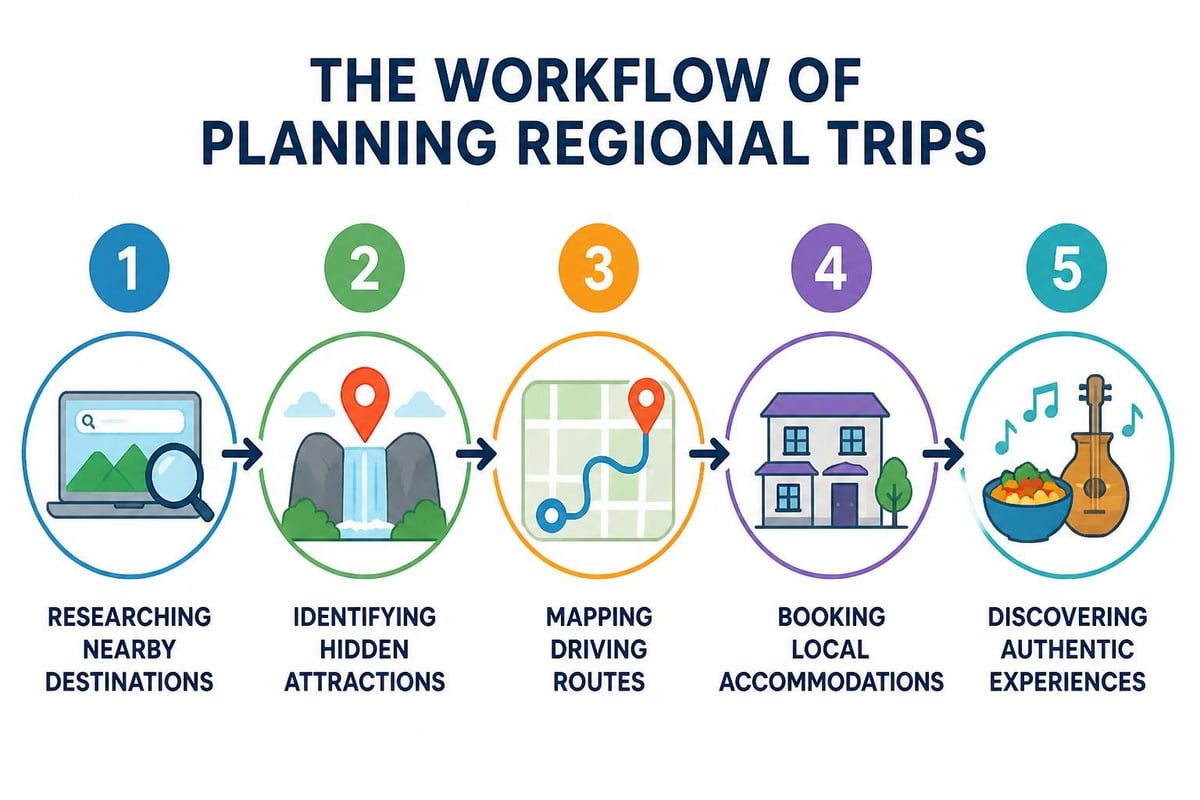
Successful local travel requires a shift in mindset from traditional vacation planning. Rather than focusing on bucket-list destinations, regional exploration thrives on curiosity and openness to unexpected discoveries.
Research Methods That Uncover Hidden Treasures
Start by exploring resources you might typically reserve for international trips. Digital travel guides offer structured approaches to regional exploration, providing insider tips and comprehensive information about nearby destinations. These resources help you discover attractions and experiences that locals cherish but tourists often miss.
Social media platforms and local tourism boards reveal seasonal events, festivals, and temporary exhibitions that make ordinary weekends extraordinary. Historical societies and cultural centers provide context that transforms simple sightseeing into meaningful learning experiences.
Creating Flexible Itineraries
Unlike international travel, local trips benefit from loose structures that allow spontaneity. Plan one or two anchor activities per day, leaving room for unexpected discoveries and recommendations from locals you meet along the way.
| Planning Approach | International Travel | Local Travel |
|---|---|---|
| Advance Booking | 3-6 months | 1-2 weeks |
| Daily Activities | Packed schedule | 1-2 anchors |
| Flexibility | Limited | High |
| Research Depth | Extensive | Moderate |
| Backup Plans | Essential | Optional |
The beauty of regional exploration lies in its forgiveness. Missed opportunities don't feel as costly when you can easily return next weekend or next month.
Embracing the Slow Travel Philosophy
Slow travel naturally complements local journeys, encouraging deeper engagement with places rather than superficial tourism. This philosophy transforms how you experience familiar regions.
Spending more time in fewer places allows genuine connection with communities, landscapes, and cultural traditions. A weekend spent thoroughly exploring one small town often proves more memorable than a whirlwind tour of multiple cities.
Immersive Activities That Deepen Experience
Consider these approaches to enrich your local travel experiences:
- Attend local workshops or classes to learn regional crafts, cooking techniques, or artistic traditions
- Visit farmers markets and food producers to understand agricultural heritage and seasonal rhythms
- Take guided historical walking tours that reveal stories behind familiar buildings and streets
- Participate in community events that showcase authentic local culture
- Stay in locally-owned accommodations where hosts share insider knowledge and recommendations
The slower pace creates space for reflection and presence. You notice architectural details, overhear conversations, and observe daily rhythms that rushed tourism overlooks.
Culinary Exploration in Your Region
Food represents one of the most accessible and rewarding aspects of local travel. Regional cuisines reflect geography, history, and cultural exchange in delicious, tangible ways.
Supporting Local Food Systems
Consuming local food offers environmental and health benefits while connecting you with agricultural traditions. Visiting farms, vineyards, breweries, and artisan food producers transforms meals into educational experiences.
Plan trips around harvest seasons, food festivals, or restaurant weeks that celebrate regional specialties. Many areas offer culinary trails or food tourism routes that guide you through signature dishes and their origins. Resources like the travel photography guide help you document these gastronomic adventures beautifully.
Popular local food experiences worth seeking:
- Farm-to-table dining at restaurants sourcing from nearby producers
- Cooking classes featuring regional ingredients and traditional techniques
- Food hall explorations showcasing diverse local vendors
- Seasonal u-pick farms offering fresh produce experiences
- Historic markets where communities have gathered for generations
These culinary journeys provide conversation starters and shared experiences that bond travelers with communities in meaningful ways.
Budget-Friendly Advantages of Regional Exploration
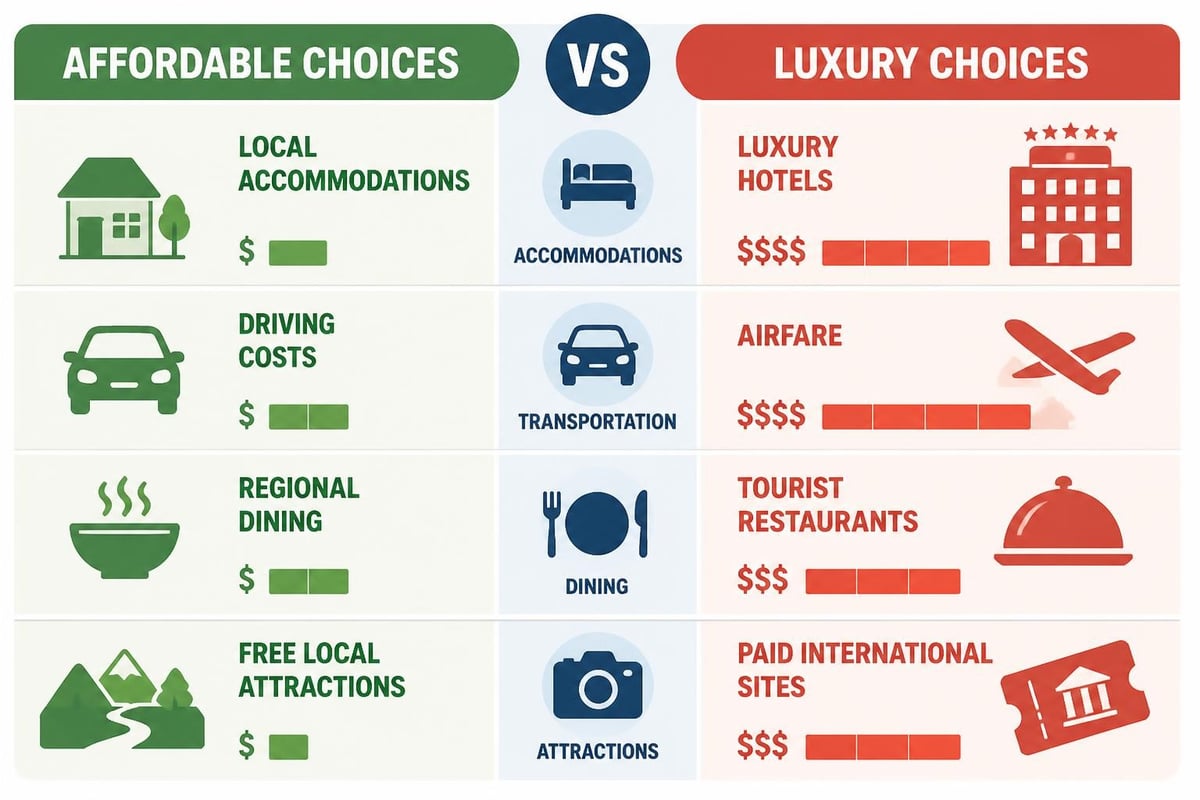
Financial accessibility represents one of local travel's most practical benefits. Traveling close to home dramatically reduces the largest expenses associated with traditional vacations.
Cost Comparison Breakdown
Transportation savings alone can cut travel budgets by 40-60 percent. Driving to destinations eliminates airfare while providing flexibility to bring more gear, make spontaneous stops, and adjust schedules without penalty fees.
| Expense Category | Long-Distance Trip | Local Travel | Savings |
|---|---|---|---|
| Transportation | $800-1500 | $100-300 | 60-80% |
| Accommodation | $150/night | $75-125/night | 20-50% |
| Food | $75/day | $50/day | 33% |
| Activities | $100/day | $50/day | 50% |
Accommodation costs decrease when you can choose budget-friendly options knowing you're only a few hours from home if comfort falls short. Many travelers also leverage day trips, eliminating lodging expenses entirely for certain excursions.
The travel safety handbook provides peace of mind for any adventure, whether across oceans or across state lines, ensuring your budget stretches further without compromising security.
Maximizing Value Through Frequency
Lower costs enable more frequent adventures. Instead of one expensive international trip annually, local travel allows monthly or even weekly escapes that maintain work-life balance while satisfying wanderlust.
This frequency compounds learning and discovery. Regular exploration builds comprehensive knowledge of your region, transforming you into a resource for friends and visitors seeking authentic experiences.
Practical Preparation for Regional Adventures
Even nearby destinations benefit from thoughtful preparation. The right planning ensures comfortable, efficient trips without the stress of extensive international travel logistics.
Essential Packing Strategies
Pack lighter than you would for distant travel, knowing you can easily retrieve forgotten items. Focus on versatile clothing suitable for variable weather and multiple activities.
Consider investing in quality travel accessories that enhance comfort during shorter trips. The packing guide offers systematic approaches to efficient preparation, while practical items improve the journey itself.
Must-have items for local adventures:
- Reusable water bottles and coffee cups for sustainability
- Comfortable walking shoes broken in before departure
- Weather-appropriate layers for unpredictable conditions
- Phone chargers and portable batteries for navigation and photography
- First aid supplies and any personal medications
The pre-trip checklist helps ensure nothing important gets overlooked, even for spontaneous weekend getaways.
Navigation and Documentation
Modern technology simplifies local travel navigation, but having backup plans proves wise. Download offline maps for areas with limited cell service and research parking options in advance for urban destinations.
Document your experiences through photos, journals, or social media to build a personal archive of regional discoveries. These records help you make the most of each trip while providing inspiration for future adventures.
Building Sustainable Travel Habits
Local travel inherently supports environmental sustainability through reduced carbon emissions and smaller ecological footprints. Short-distance journeys by car produce significantly fewer emissions than flights, particularly for trips under 300 miles.
Environmental Considerations
Choose accommodations with green certifications or sustainable practices. Support businesses that prioritize local sourcing, waste reduction, and community investment. These choices amplify the positive impact of your tourism dollars.
Walking, cycling, or using public transportation within destinations further reduces environmental impact while providing authentic street-level perspectives impossible from car windows.
- Select eco-conscious lodging options that minimize resource consumption
- Bring reusable containers and bags to reduce single-use plastic waste
- Respect natural areas by staying on marked trails and following Leave No Trace principles
- Support conservation efforts through park fees and donations to preservation organizations
- Choose human-powered or electric transportation options when available
These practices model responsible tourism that protects the places you love for future visits and generations.
Overcoming Common Misconceptions
Despite its benefits, local travel faces skepticism from those who equate meaningful travel with exotic destinations. Several misconceptions prevent people from fully embracing nearby exploration.
Addressing the "Real Travel" Debate
Some travelers dismiss regional trips as less legitimate than international journeys. This perspective overlooks how travel's true value lies in engagement, learning, and perspective-shifting rather than distance covered.
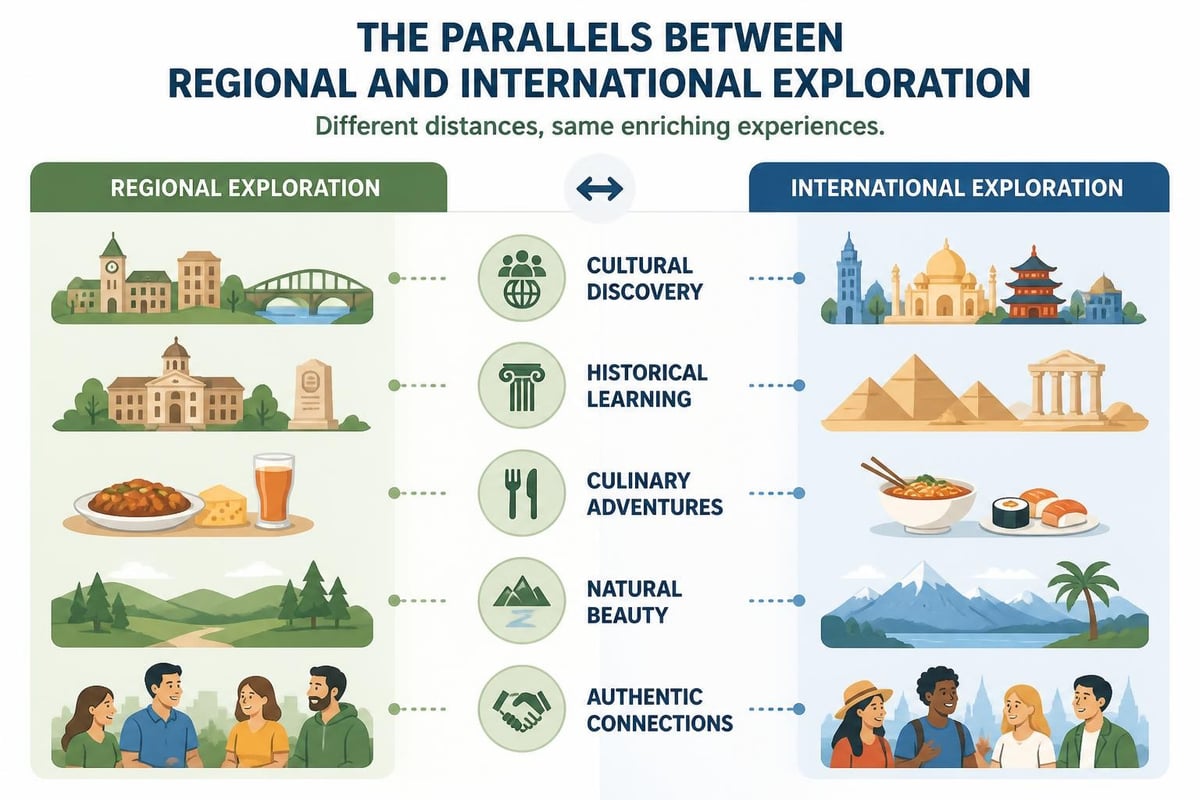
Challenging yourself to see familiar places with fresh eyes often requires more intention and creativity than following established tourist trails abroad. The skills developed through local travel-curiosity, flexibility, cultural sensitivity-transfer directly to international adventures.
Common myths about regional exploration:
- Myth: Local destinations lack excitement and novelty
- Reality: Unfamiliar places exist within hours of nearly everyone, offering genuine discovery
- Myth: Regional trips don't provide cultural enrichment
- Reality: Every region contains diverse communities, traditions, and histories worth understanding
- Myth: Local travel won't impress others or build social capital
- Reality: Authentic stories and unique experiences resonate more than generic tourist snapshots
Reframing local travel as valuable exploration rather than mere tourism helps overcome these mental barriers.
Seasonal Opportunities and Year-Round Planning
Each season reveals different aspects of regional landscapes and cultures. Strategic planning across calendar months ensures continuous discovery without repetition.
Spring and Summer Adventures
Warmer months invite outdoor activities like hiking, kayaking, and beach visits. Agricultural regions showcase growing seasons, while coastal areas buzz with maritime culture. Music festivals, outdoor markets, and community celebrations peak during these seasons.
Plan trips around wildflower blooms, bird migrations, or harvest festivals that make ordinary destinations extraordinary. The awesome guide to Scotland demonstrates how comprehensive planning resources help travelers time visits for optimal experiences, principles that apply equally to local journeys.
Autumn and Winter Discoveries
Fall foliage transforms landscapes into natural art galleries, while winter sports open mountain regions to different visitor demographics. Holiday markets, theater seasons, and indoor cultural attractions thrive during colder months.
Consider these seasonal activities:
- Autumn: Apple picking, wine tastings, harvest dinners, fall festivals
- Winter: Skiing, snowshoeing, holiday light displays, museum exhibitions
- Spring: Garden tours, bird watching, spring training, renewal festivals
- Summer: Beach trips, hiking, outdoor concerts, farmers markets
Year-round exploration prevents the post-vacation blues that follow single annual trips while building comprehensive regional knowledge.
Creating Meaningful Travel Rituals
Establishing regular local travel practices enriches life beyond individual trips. These rituals provide structure, anticipation, and continuity that deepen your relationship with surrounding regions.
Monthly Mini-Adventures
Commit to one local trip monthly, whether a day excursion or weekend getaway. This frequency maintains travel momentum without overwhelming schedules or budgets. Rotate through different types of experiences-nature, culture, food, history-to ensure variety.
Document each journey through consistent formats like photo series, written reflections, or rating systems. Over time, these records reveal personal growth and changing perspectives as you return to previously visited places with new understanding.
The practice of regular local travel builds confidence and skills that enhance all future journeys, near or far. You develop navigation abilities, communication techniques, and adaptability that serve you whether exploring neighboring counties or distant continents.
Connecting with Fellow Local Travelers
Community enhances local travel through shared discoveries and collective wisdom. Connecting with others passionate about regional exploration multiplies opportunities and insights.
Finding Your Travel Tribe
Join local hiking clubs, food tourism groups, or historical societies that organize regular excursions. Social media groups dedicated to regional travel provide inspiration, recommendations, and occasionally travel companions for those exploring solo.
Share your discoveries generously. Writing reviews, posting recommendations, and offering advice to fellow travelers contributes to collective knowledge while cementing your own memories and observations. The reviews section at Awesome Travel Guides demonstrates how shared experiences benefit entire communities of explorers.
Consider organizing trips for friends or family, introducing others to local gems you've discovered. Teaching others about regional attractions deepens your own appreciation while spreading the benefits of local travel throughout your social network.
Local travel offers accessible, affordable, and meaningful ways to satisfy wanderlust while building deeper connections with the regions you call home. By embracing nearby destinations with the same curiosity and intention you'd bring to international adventures, you unlock continuous opportunities for discovery, learning, and joy. Whether you're planning weekend getaways or day trips, Awesome Travel Guides provides the comprehensive resources and insider tips you need to transform every regional journey into an unforgettable experience worth cherishing.