

Local Travel Guides: The Insider's Handbook for 2026
Imagine stepping off a plane and immediately knowing the city’s best-kept secrets, from hidden cafes to vibrant local markets. In 2026, local travel guides are redefining how we explore the world, offering travelers genuine access to authentic adventures. This handbook is designed to help you unlock deeper, more meaningful experiences by leveraging the latest innovations in local travel guides. Get ready to discover how these guides have evolved, what features matter most, strategies for choosing the right one, and future trends that will shape your journeys.
The Evolution of Local Travel Guides: From Print to Digital
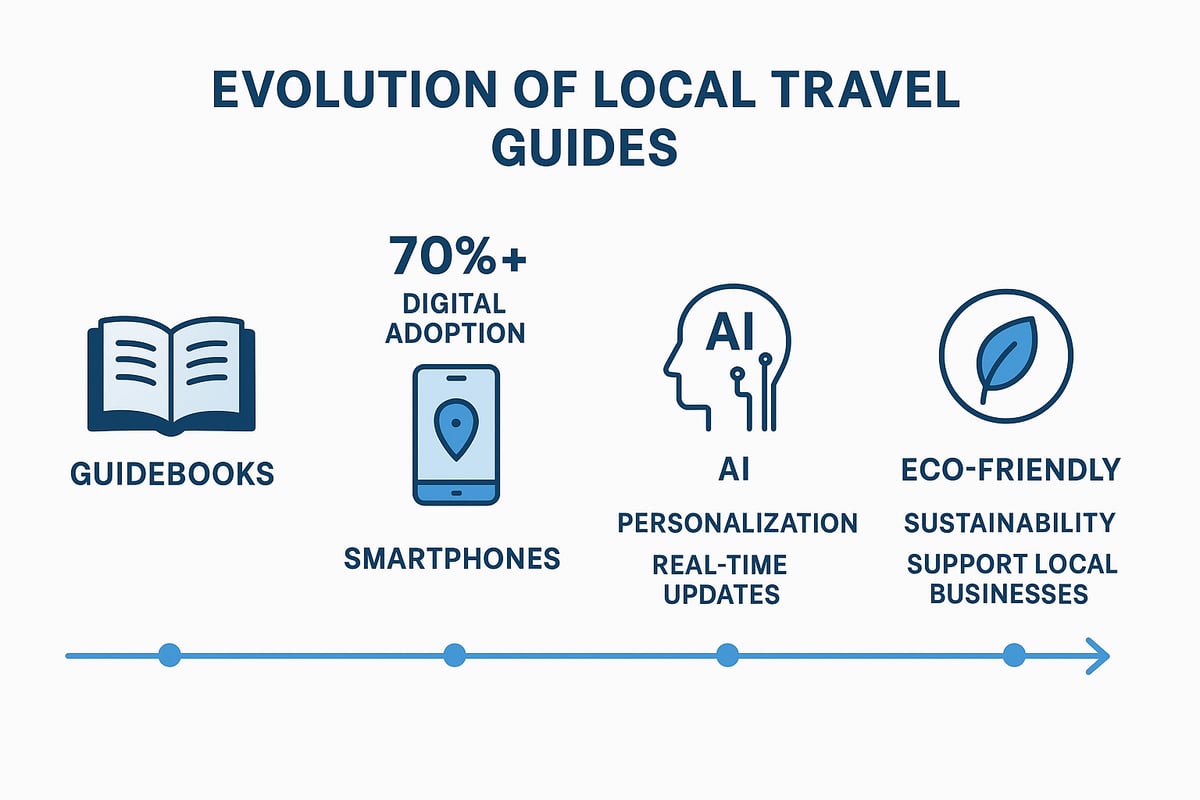
Travel has always been shaped by the resources we use to explore new places. As technology advances, the journey from classic print to dynamic digital local travel guides reveals a story of innovation, adaptability, and a relentless drive for authentic experiences.
The Golden Age of Print Guides
For decades, travelers relied on trusted print local travel guides like Lonely Planet, Rick Steves, and Fodor’s. These books offered meticulously researched insights, maps, and recommendations, helping adventurers navigate unfamiliar cities with confidence.
Print guides shaped how people planned their journeys, often serving as both inspiration and on-the-ground reference. Travelers would leaf through chapters, highlight must-see spots, and follow suggested routes, feeling prepared for every step.
However, these guides had notable limitations. Information could quickly become outdated, especially with restaurant closures or changing attractions. The lack of customization meant each traveler received the same generic advice, and the physical bulk of carrying multiple books was inconvenient. The once-popular “Top 10” series, for example, saw a decline as digital solutions emerged, unable to keep pace with travelers’ evolving needs.
The Digital Revolution and Rise of Local Experts
The shift from print to digital marked a transformative era for local travel guides. With the rise of mobile apps, travel blogs, and downloadable PDFs, travelers gained instant access to up-to-date information wherever they went.
Digital platforms enabled real-time updates and harnessed the power of user-generated content. Reviews, photos, and local insights could be shared instantly, making guides more dynamic and responsive. The influence of local experts and travel influencers grew, as they began to curate and update guides with genuine, on-the-ground perspectives.
By 2025, over 70% of travelers were using digital resources for trip planning, according to Statista. For a deeper look at the benefits driving this shift, explore Digital travel guides advantages.
Customization and Personalization in 2026
Today’s local travel guides are powered by artificial intelligence, delivering recommendations tailored to each traveler’s interests. Whether you are passionate about art, food, or adventure, AI-driven platforms analyze your preferences and suggest relevant experiences.
Integration with mobile devices ensures that these personalized guides are always within reach, even offline. Features like interactive maps and real-time notifications keep travelers informed and empowered, regardless of internet access.
Imagine embarking on a walking tour where every stop is selected based on your unique tastes—this level of customization is now a reality. Travelers can curate their journeys, mixing and matching itineraries to suit their mood and maximizing every moment abroad.
Sustainability and Ethical Travel in Modern Guides
Modern local travel guides have embraced a strong focus on sustainability and ethical tourism. These guides highlight local businesses, promote eco-friendly experiences, and encourage responsible choices at every stage of the journey.
More travelers now seek guides that showcase green accommodations, low-impact activities, and ethical attractions. According to Booking.com, 60% of travelers prefer guides prioritizing sustainable options, reflecting a growing awareness of tourism’s impact.
By supporting local artisans and community-run ventures, travelers enrich their experiences while giving back. Local travel guides, updated in real time, help users make informed decisions that benefit both the destination and the traveler. As guides continue to evolve, their role in promoting conscious travel will only grow in importance.
Key Features of an Effective Local Travel Guide
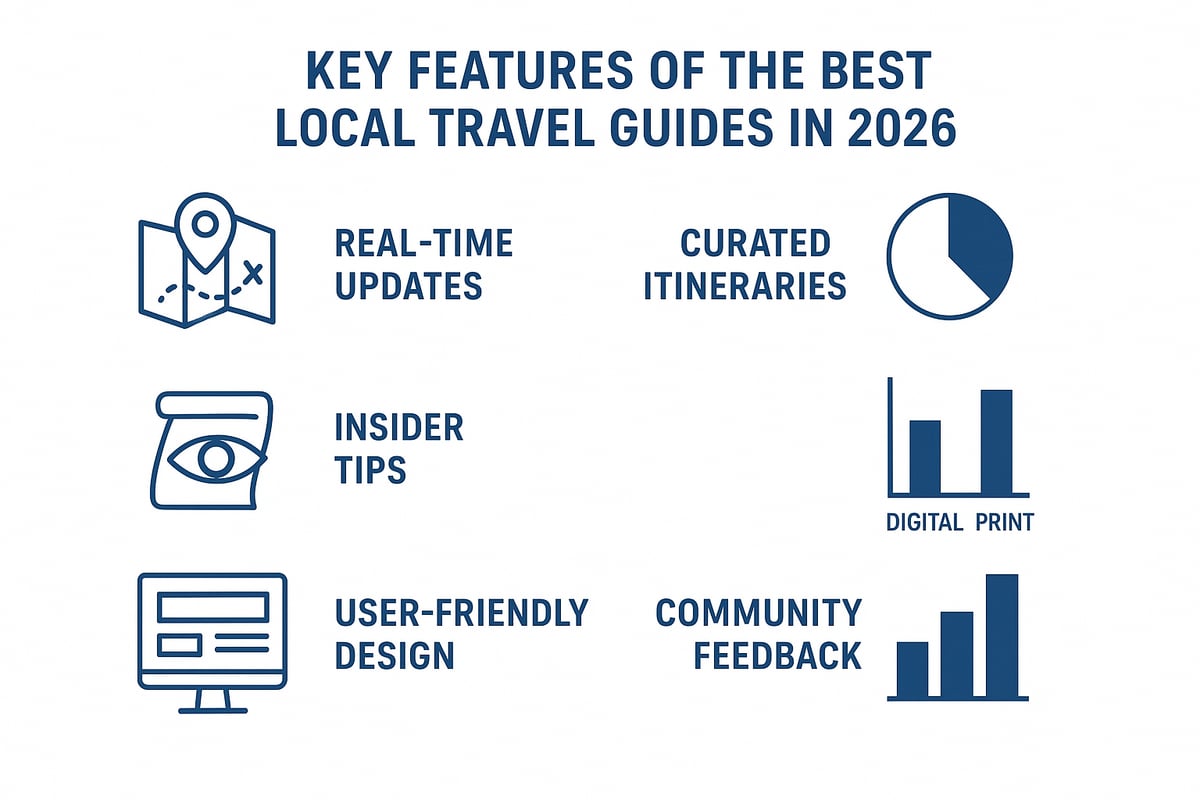
Choosing the right local travel guides can transform your journey from ordinary to unforgettable. In 2026, travelers expect guides that are not only informative but also adaptive, intuitive, and packed with real value. Let’s explore the essential features that distinguish the best local travel guides available today.
Depth and Accuracy of Information
The foundation of any trustworthy local travel guide is the reliability and depth of its information. Up-to-date content ensures travelers avoid closed restaurants or outdated attractions. The best local travel guides implement rigorous verification processes, regularly checking details like opening hours and contact information.
Meticulous research is crucial. Guides now utilize real-time data and local contributors to keep recommendations current. For example, restaurant closures are updated promptly, preventing wasted time and disappointment. Travelers should always ensure their chosen local travel guides offer this level of accuracy for a seamless experience.
Insider Tips and Hidden Gems
What sets outstanding local travel guides apart is their ability to reveal experiences beyond the tourist trail. These guides tap into local knowledge, presenting secret rooftop bars, unmarked hiking paths, or family-run eateries unknown to most visitors.
Curators source insights from residents and frequent travelers, ensuring suggestions are authentic and unique. This insider approach allows users to experience destinations like locals do. For travelers seeking authenticity, local travel guides that prioritize hidden gems are indispensable, making every adventure more memorable.
User-Friendly Design and Accessibility
A hallmark of modern local travel guides is intuitive, accessible design. Digital formats now cater to every device, from smartphones to tablets, and offer offline PDF compatibility for convenience in areas with limited connectivity.
Features like easy navigation, robust search functions, and integrated interactive maps greatly enhance usability. In fact, 85% of travelers prefer guides with built-in map features. A user-friendly layout ensures that local travel guides support quick decisions and reduce stress, allowing travelers to focus on enjoying their trip.
Curated Itineraries and Thematic Routes
Effective local travel guides provide more than just lists—they offer expertly curated itineraries and thematic routes tailored to different interests. Whether you are a family, solo explorer, or adventure seeker, these guides present flexible, mix-and-match schedules to suit any travel style.
For instance, foodie walking tours in Lisbon or art-focused strolls in Paris are pre-planned for maximum enjoyment. The ability to customize or combine these routes means local travel guides are adaptable, ensuring every trip feels personalized and efficient.
Real-Time Updates and Community Feedback
Today’s local travel guides thrive on real-time updates and active community engagement. Integration of user reviews, ratings, and live event notifications keeps content fresh and relevant. Pop-up alerts for festivals, closures, or sudden changes empower travelers to adapt plans instantly.
Community-driven tips further enrich the experience. By leveraging input from fellow travelers, local travel guides stay dynamic and reliable, ensuring each journey is informed by the latest local knowledge and collective wisdom.
How to Choose the Right Local Travel Guide for Your Trip
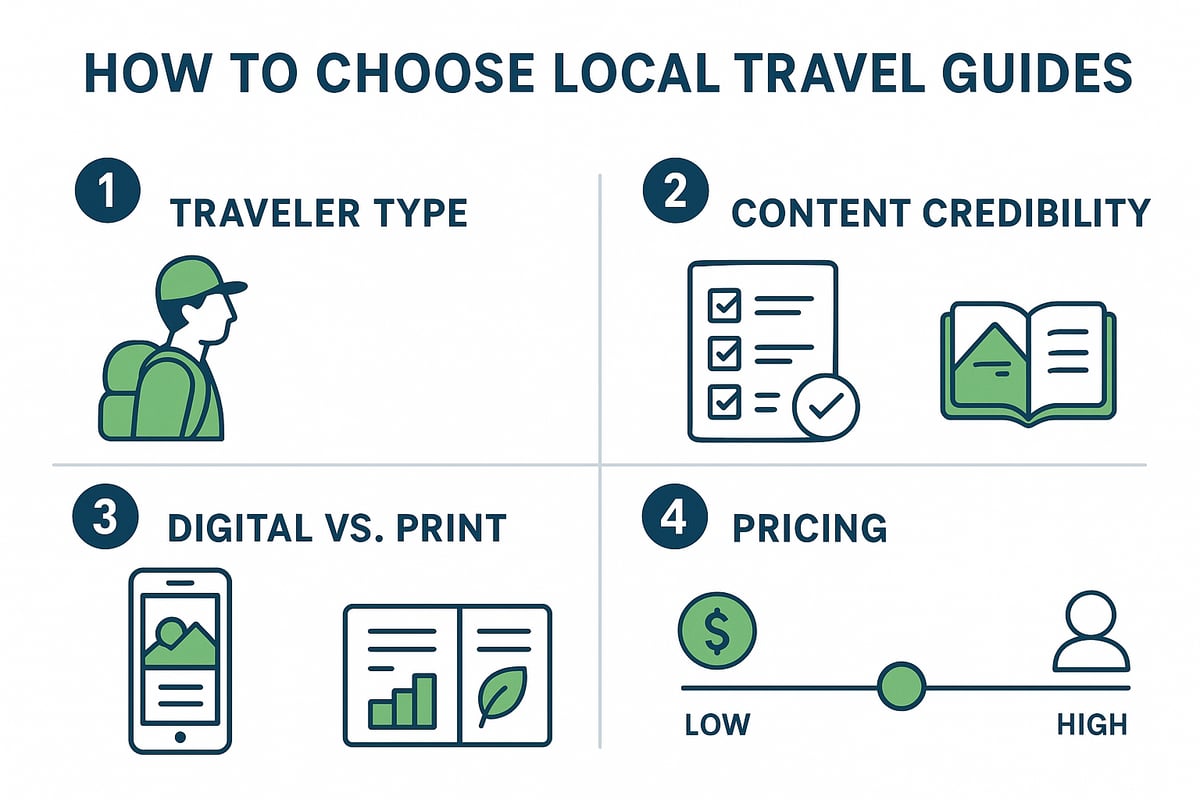
Selecting the ideal local travel guides can transform your journey from ordinary to extraordinary. With so many options available in 2026, knowing how to evaluate and pick the right guide ensures you get the most authentic and enriching experiences.
Assessing Your Travel Style and Needs
Begin by reflecting on your travel preferences. Are you an explorer who loves spontaneous adventures, or do you prefer a well-structured itinerary? Local travel guides now offer advanced personalization, letting you filter content based on your interests, such as food, culture, or adventure.
Modern guides often use AI to recommend hidden gems or thematic routes tailored to your style. If you value flexibility and want curated suggestions, consider exploring the Personalized travel guide benefits to see how digital platforms can enhance your trip. Matching guide features with your travel style ensures you get recommendations that resonate with your goals.
When reviewing local travel guides, check if they offer customizable itineraries, real-time updates, and themed recommendations. These features help you align your travel experiences with your unique interests.
Evaluating Content Credibility and Authenticity
The next step is to scrutinize the credibility of local travel guides. Reliable guides are transparent about their sources, clearly indicate local author contributions, and avoid favoring paid listings over genuine tips.
Look for guides that regularly update their recommendations, especially for restaurants, attractions, and local events. A trustworthy guide will also include user reviews and ratings, ensuring that feedback from other travelers shapes the content.
Be cautious of guides that lack transparency or prioritize commercial interests. Authenticity is key, so prioritize guides that highlight real local voices and unbiased suggestions.
Comparing Digital vs. Print Options
Deciding between digital and print local travel guides comes down to your priorities. Digital guides offer real-time updates, offline access, and interactive features, while print guides provide a tactile, distraction-free experience.
Here’s a quick comparison:
| Feature | Digital Guides | Print Guides |
|---|---|---|
| Updates | Real-time | Periodic (less frequent) |
| Portability | High (mobile devices) | Moderate (physical books) |
| Customization | Advanced (AI, filters) | Limited |
| Interactive Maps | Yes | No |
| Sustainability | Eco-friendly | Resource-intensive |
According to recent data, 78 percent of travelers in 2026 prefer digital local travel guides for their convenience and adaptability. Consider your needs for connectivity, up-to-date information, and environmental impact when making your choice.
Understanding Pricing and Value
Finally, evaluate the cost and value of local travel guides. Free guides can be a good starting point, but paid versions often provide exclusive features like offline access, detailed maps, and premium local insights.
Assess whether the guide offers supplementary resources, such as discounts, emergency contacts, or planning tools. Premium guides may include perks like curated itineraries or access to local events, adding significant value to your travel experience.
When choosing, balance your budget with the features most important to you. Investing in a comprehensive guide can save you time and enhance your journey, making every moment count.
Choosing the right local travel guides is an essential step toward a rewarding, memorable adventure. With careful consideration of your style, needs, and the features on offer, you can unlock authentic experiences wherever you go.
Insider Tips for Making the Most of Local Travel Guides in 2026
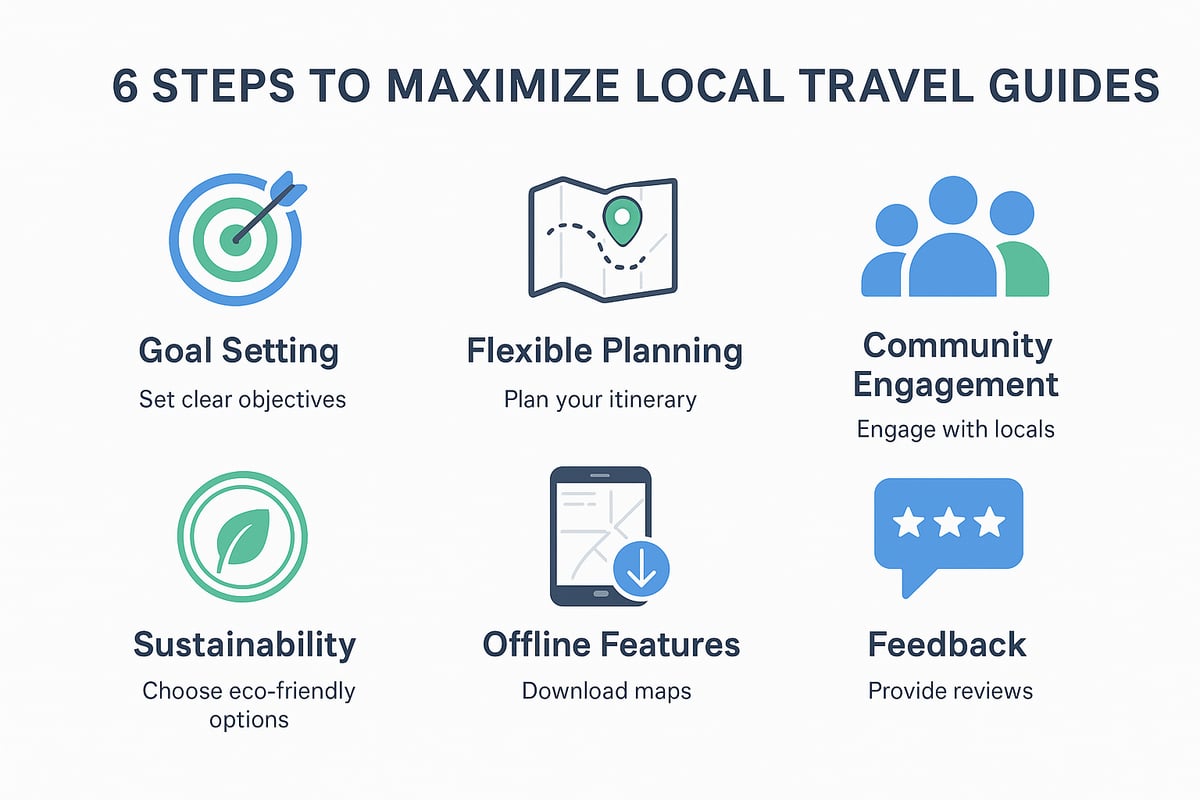
Travel in 2026 is all about authentic discovery, and local travel guides are your passport to a deeper experience. Whether you crave culinary adventures or offbeat escapes, the following steps will help you get the most from your guide—and your journey.
Step 1: Define Your Goals and Interests
Start your trip planning by clarifying what you want from your travels. Are you seeking food markets, art galleries, adventure sports, or just a relaxing getaway? Local travel guides let you filter options based on your interests, ensuring every recommendation aligns with your personal style.
For example, if you are passionate about cuisine, look for guides that spotlight street food tours or local cooking classes. If cultural immersion is your priority, select guides that highlight neighborhood festivals or artisan workshops.
By defining your goals, you unlock the full power of local travel guides, making each day of your journey more meaningful.
Step 2: Plan Ahead, But Stay Flexible
Effective travel is a blend of structure and spontaneity. Use local travel guides to reserve must-see attractions or restaurants in advance, especially during peak seasons.
However, leave gaps in your itinerary for unexpected discoveries. Real-time updates in many digital guides allow you to pivot plans quickly, whether you stumble upon a street festival or a hidden café.
For more practical ways to balance planning with flexibility, check out these essential travel guide tips.
Embracing both planning and improvisation makes local travel guides your adaptable companion throughout the trip.
Step 3: Engage with Local Communities
Immersing yourself in local culture is one of the most rewarding aspects of travel. Local travel guides often feature opportunities to join resident-led tours, workshops, or social gatherings.
- Attend a traditional cooking class hosted by a local chef.
- Join a walking tour led by a lifelong resident.
- Participate in a neighborhood art crawl.
These experiences, sourced directly from local travel guides, help you forge genuine connections and gain insider knowledge that you would otherwise miss.
Step 4: Prioritize Sustainability and Responsible Tourism
Modern travelers value ethical and eco-friendly experiences. Seek out local travel guides that highlight businesses and attractions committed to sustainability, such as green hotels, plant-based eateries, or fair-trade artisan shops.
Many guides now include eco-badges or sustainability ratings to help you make informed choices. If you want to learn more about how digital guides contribute to responsible travel, explore this post on eco-friendly digital travel guides.
By choosing responsible options, you ensure your journey leaves a positive impact on the destinations you visit.
Step 5: Utilize Offline Features and Emergency Resources
Connectivity can be unpredictable, especially in remote areas. Always download essential maps, itineraries, and emergency information from your local travel guides before departure.
Many guides offer offline access, letting you navigate unfamiliar streets, find key attractions, or access emergency contacts without internet.
- Download walking tours for offline use.
- Save restaurant and hotel addresses.
- Note local emergency numbers and medical facilities.
Offline features in local travel guides keep you safe and informed, no matter where your adventure leads.
Step 6: Share Feedback and Contribute Insights
Your experiences can make local travel guides better for everyone. After your trip, leave reviews, rate attractions, and suggest updates when you notice changes.
Many platforms encourage travelers to join online communities, exchanging tips and stories with fellow explorers. This collective feedback improves guide accuracy and reliability.
If you want to maximize your impact and help others plan memorable trips, consult these essential travel guide tips for effective ways to contribute.
Active participation ensures local travel guides remain dynamic, trustworthy, and full of authentic experiences for future travelers.
The Future of Local Travel Guides: Trends and Innovations for 2026 and Beyond
The landscape of local travel guides is evolving rapidly, shaped by technology, community, and changing traveler priorities. As we look to 2026 and beyond, travelers can expect a new era of personalization, immersion, and real-time support. Let us explore the leading-edge trends redefining what local travel guides can offer in the future.
AI and Machine Learning Personalization
Artificial intelligence is revolutionizing local travel guides by delivering hyper-personalized experiences. Modern guides analyze user preferences, travel history, and real-time behaviors to suggest tailored itineraries, dining options, and activities. Predictive algorithms anticipate needs, offering dynamic recommendations as plans evolve.
For instance, AI-powered guides can adjust suggestions on the fly, ensuring each day aligns with your interests. Real-time translation and cultural insights become seamless, making local travel guides indispensable for international adventures. According to Travel Industry Trends to Look Out for in 2026, these technologies are now central to the next generation of travel experiences.
Augmented Reality (AR) and Immersive Experiences
Augmented reality is transforming how travelers engage with destinations through local travel guides. AR-enabled guides overlay digital information on physical landmarks, museums, and city streets, unlocking rich narratives and interactive storytelling.
Imagine pointing your phone at a historic building and instantly accessing stories, facts, or even gamified challenges. As AR adoption grows, experts predict that by 2026, half of all major city guides will offer AR features, making exploration more engaging and informative. This shift brings local travel guides to life, blending the virtual and physical worlds for unforgettable journeys.
Integration with Smart Devices and Wearables
In 2026, local travel guides are no longer confined to smartphones. They seamlessly integrate with smartwatches, wireless earbuds, and voice assistants, providing hands-free navigation and instant alerts. Travelers can receive audio tours triggered by GPS, directions through haptic feedback, or safety notifications directly to their wrist.
This integration makes local travel guides more accessible, especially in busy environments or when multitasking. The convergence of smart devices ensures that essential information is always within reach, enhancing convenience and safety for every traveler.
Hyperlocal and Niche Content Expansion
The future of local travel guides is hyperlocal and highly specialized. Rather than generic overviews, guides now focus on micro-neighborhoods, niche interests, and underrepresented communities. Expect resources dedicated to LGBTQ+ travelers, vegan dining, wellness tourism, and accessible routes for those with mobility needs.
This shift allows travelers to find guides that align with their passions or requirements, leading to more meaningful and inclusive experiences. Local travel guides that offer this depth of customization empower users to explore destinations in ways previously unavailable.
Community-Driven Content and Social Integration
Community engagement is at the heart of next-generation local travel guides. User-generated reviews, photos, and real-time tips enrich the accuracy and diversity of recommendations. Social sharing features connect travelers with others on similar journeys, fostering a sense of belonging and trust.
According to the Amadeus report: 6 key travel trends for 2026, peer recommendations are now more influential than branded content. This trend ensures that local travel guides are always evolving, reflecting the latest insights and experiences from real users.
Enhanced Safety and Health Features
Safety and well-being are top priorities in the evolution of local travel guides. Advanced guides provide real-time alerts for weather, health advisories, and political developments, helping travelers make informed decisions. Integrated telemedicine contacts, local emergency numbers, and automatic protocol updates, such as for health crises, are now standard.
These features ensure that local travel guides remain essential companions, offering not only cultural and culinary suggestions but also critical support in times of need. Travelers can explore with confidence, knowing that help and information are always close at hand.
As we’ve explored, having the right local travel guide in 2026 can make the difference between a standard trip and an unforgettable adventure packed with authentic experiences, real-time updates, and insider tips. Whether you’re planning your very first journey or looking to elevate your next getaway, the key is finding a guide that’s up-to-date, easy to use, and filled with genuine local insights. If you’re ready to travel smarter and discover hidden gems with confidence, I encourage you to Explore Guides and see how your next trip can be truly extraordinary.