

Online Travel Books: Digital Guides Transform 2026 Travel
The way travelers plan and experience their journeys has fundamentally changed over the past decade. Gone are the days when tourists lugged around heavy paperback guidebooks that quickly became outdated. Today, online travel books represent the modern solution for savvy travelers who demand instant access to current information, interactive maps, and personalized recommendations. These digital resources combine the depth of traditional travel guides with the convenience and flexibility of modern technology, creating an indispensable tool for both first-time visitors and experienced globetrotters seeking authentic experiences.
The Digital Revolution in Travel Literature
The shift from physical to digital travel guides reflects broader changes in how we consume information and plan our adventures. Online travel books offer immediate access to comprehensive destination information without the weight, bulk, or environmental impact of printed materials. Modern travelers can carry dozens of detailed guides on a single device, switching between destinations as their itineraries evolve.
Advantages Over Traditional Guidebooks
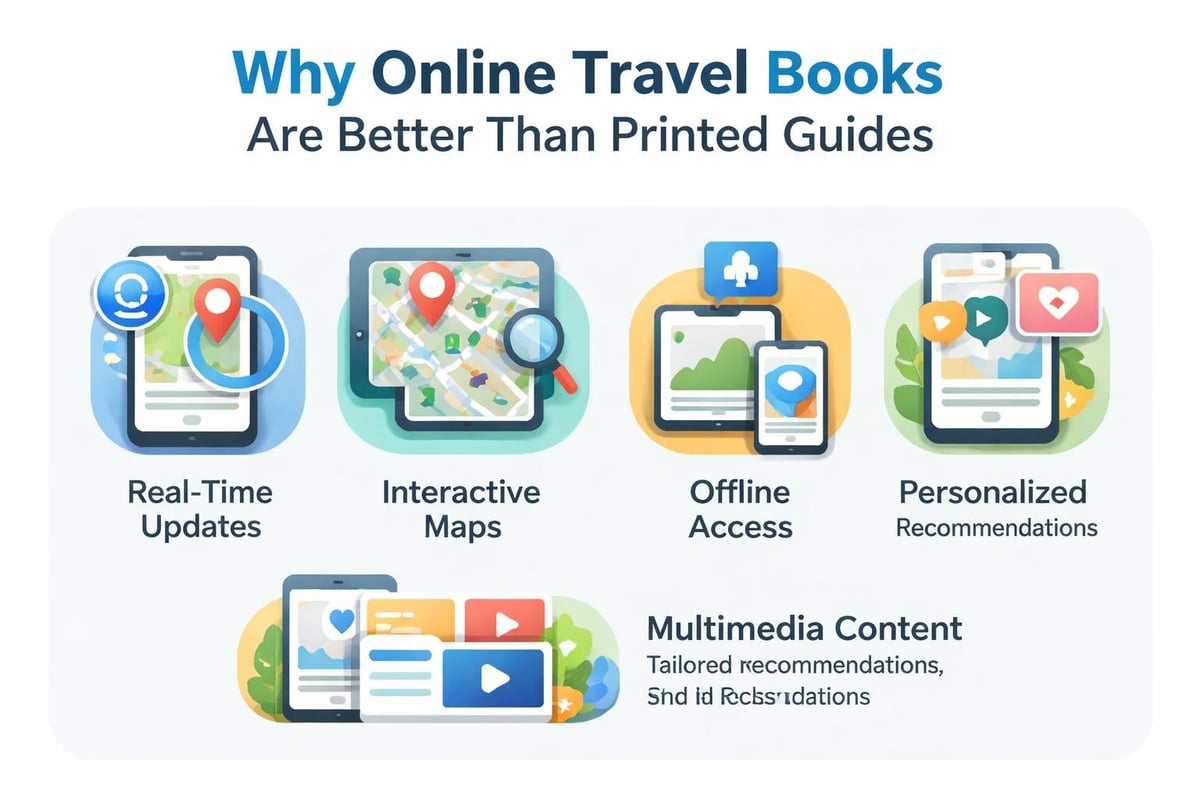
Digital travel guides provide several compelling benefits that printed books simply cannot match. Real-time updates ensure that restaurant recommendations, hotel listings, and attraction hours remain current, eliminating the frustration of arriving at a closed venue or non-existent business. Interactive features like clickable maps, embedded videos, and direct booking links streamline the planning process and enhance the travel experience.
The environmental considerations also matter to conscious travelers. By choosing online travel books, you reduce paper consumption and eliminate the need for frequent reprints when information changes. This sustainability angle resonates particularly well with younger travelers who prioritize eco-friendly choices in all aspects of their journeys.
Essential Features of Quality Digital Travel Guides
Not all online travel books deliver the same value. Understanding what separates exceptional digital guides from mediocre ones helps travelers make informed decisions about which resources to trust for their adventures.
Content Depth and Local Expertise
Comprehensive coverage distinguishes professional travel guides from basic tourist information. Quality online travel books should include:
- Detailed neighborhood breakdowns with character descriptions
- Hidden gems and local favorites beyond mainstream attractions
- Cultural context and historical background for deeper understanding
- Practical logistics including transportation, accommodation, and dining options
- Safety information and travel advisories specific to each destination
The best digital guides combine professional travel writing with authentic local insights. Resources like Fodor's Travel have adapted their decades of expertise to the digital format, maintaining editorial standards while embracing technological advantages.
Technical Functionality and User Experience
The digital format enables features impossible in printed books. Offline accessibility ensures travelers can access their guides without internet connectivity or international data charges. GPS integration allows location-based recommendations, suggesting nearby attractions, restaurants, or services based on your current position.
| Feature | Benefit | Use Case |
|---|---|---|
| Searchable content | Instant information retrieval | Finding specific restaurant types or activities |
| Bookmarking | Save favorite spots | Building custom itineraries |
| Multimedia integration | Visual and audio context | Understanding pronunciation or visualizing destinations |
| Regular updates | Current information | Avoiding closed venues or outdated prices |
How Online Travel Books Enhance Trip Planning
The planning phase determines whether a trip becomes memorable or frustrating. Online travel books transform this critical period by providing structured information that helps travelers make confident decisions.
Building Comprehensive Itineraries
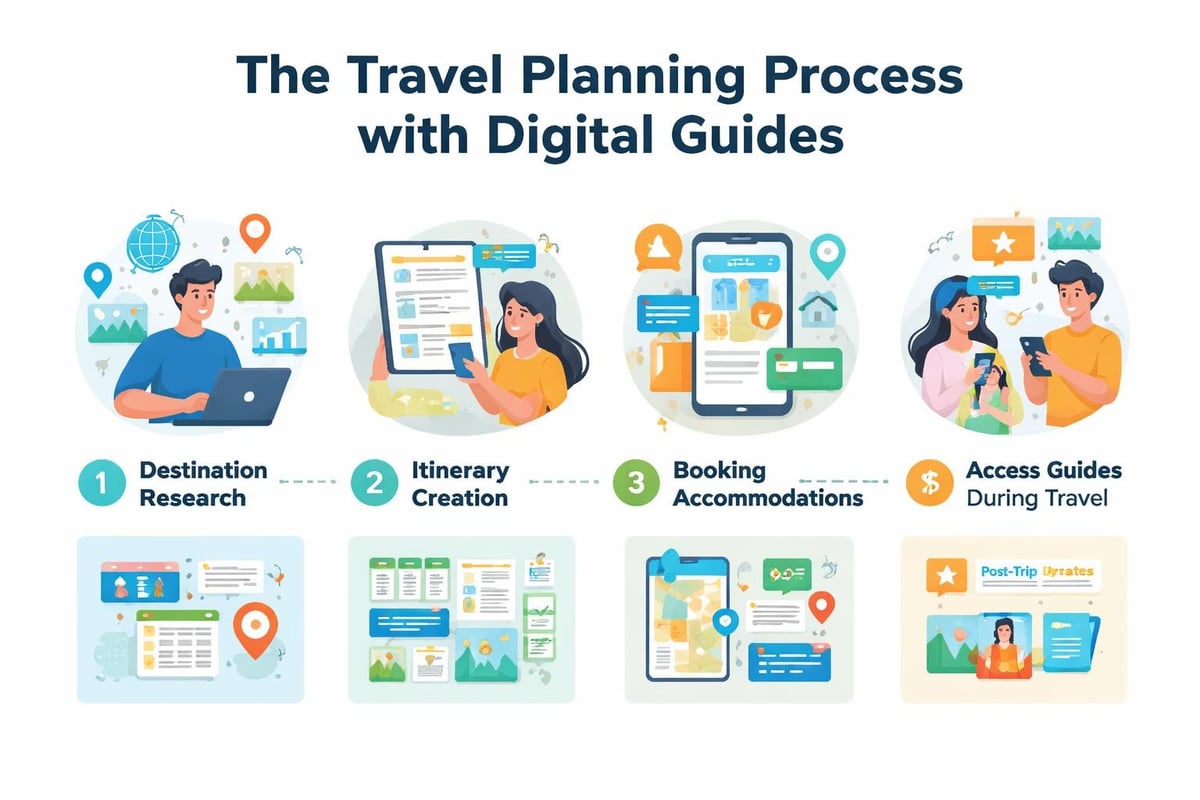
Digital guides excel at helping travelers construct realistic, enjoyable itineraries. Unlike scattered internet research that requires juggling multiple browser tabs and sources, consolidated online travel books present cohesive destination information in logical formats. Travelers can efficiently compare neighborhoods, understand geographic relationships between attractions, and allocate appropriate time for activities.
The Awesome Guides collection demonstrates this comprehensive approach by organizing destination information into digestible sections that build understanding progressively. First-time visitors gain the foundational knowledge needed to navigate confidently, while experienced travelers discover new angles on familiar destinations.
Customization and Personalization
Modern online travel books often include features that adapt to individual preferences and travel styles. Filter options help family travelers find kid-friendly activities, budget-conscious visitors identify affordable experiences, or food enthusiasts locate culinary highlights. This personalization saves time and ensures recommendations align with actual interests rather than generic tourist attractions.
Advanced digital guides may incorporate:
- Personal preference settings for activity types
- Budget calculators for realistic trip planning
- Seasonal recommendations based on travel dates
- Accessibility information for travelers with specific needs
- Local event calendars for experiencing authentic culture
Integrating Multiple Digital Resources
While comprehensive online travel books provide core destination information, savvy travelers often supplement them with specialized resources for particular interests or perspectives.
Combining Professional and Community-Generated Content
Professional travel guides offer curated, fact-checked information with editorial oversight. Community platforms like Wikivoyage provide volunteer-contributed content that can offer alternative perspectives and extremely current updates. The optimal approach combines both types, using professional guides as the foundation while incorporating community insights for recent developments or niche interests.
Travel blogs and personal journals, such as those documented in Notes from the Road, add narrative context and emotional resonance that complement fact-based guidebooks. These first-person accounts help travelers understand the emotional and experiential aspects of destinations beyond logistical details.
Specialized Guides for Deep Dives
General online travel books cover broad destination information, but travelers with specific interests benefit from specialized resources. Culinary guides focus exclusively on food experiences, adventure travel guides detail outdoor activities and extreme sports, and cultural guides emphasize museums, historical sites, and artistic heritage.
The travel tips section offers focused advice that complements broader destination guides, addressing specific challenges and opportunities that enhance overall travel experiences.
The Role of Digital Guides During Active Travel
Online travel books prove most valuable when travelers actually arrive at their destinations. The ability to access detailed information on-demand transforms how people navigate unfamiliar cities and make spontaneous decisions.
On-the-Ground Navigation and Discovery
GPS-enabled features turn digital guides into interactive companions that respond to your location. When hunger strikes or weather changes plans, travelers can quickly identify nearby options that match their preferences and budget. This flexibility encourages spontaneous exploration while maintaining the safety net of reliable information.
Offline functionality becomes critical in areas with limited connectivity or when managing data costs. Quality online travel books allow downloading complete destination information before departure, ensuring uninterrupted access regardless of network availability.
Real-Time Problem Solving
Travel inevitably involves unexpected situations: closed attractions, booked restaurants, or sudden weather changes. Digital guides enable quick adaptation by providing alternative options and contingency plans. The search functionality helps travelers find specific solutions to immediate needs without reading through entire chapters.
Emergency information sections in comprehensive guides offer crucial contact numbers, embassy locations, and local emergency services details. This practical support transforms online travel books from mere information sources into essential safety tools.
Evaluating Online Travel Book Providers
The proliferation of digital travel resources makes selecting reliable sources increasingly important. Understanding evaluation criteria helps travelers identify trustworthy guides that justify their investment of time or money.
Credibility and Update Frequency
Author credentials matter significantly. Professional travel writers and experienced local contributors bring expertise that casual bloggers may lack. Check whether guides indicate last update dates and how frequently content receives review. Platforms like WorldTravels maintain extensive databases with regular updates, though travelers should verify currency before relying on specific details.
User reviews and testimonials provide insight into actual experiences with digital guides. Look for feedback specifically addressing accuracy, usability, and value rather than generic praise.
Value Proposition and Pricing Models
Online travel books employ various business models:
- One-time purchases for permanent access to specific destinations
- Subscription services offering unlimited access to entire libraries
- Freemium models with basic free content and premium upgrades
- Advertising-supported platforms providing free access with commercial content
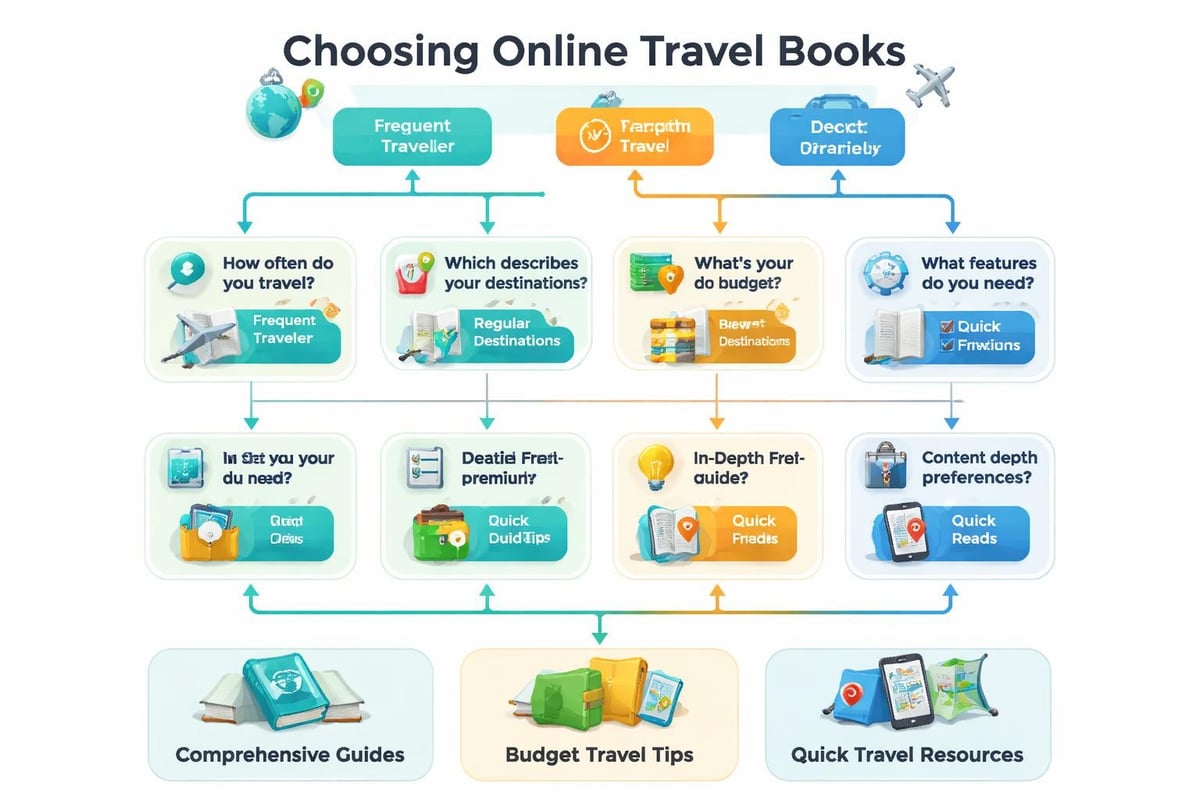
Consider your travel frequency and destination diversity when selecting a model. Frequent travelers to multiple locations benefit from subscription access, while those planning single trips may prefer targeted purchases. The FAQ section often clarifies these options and helps travelers choose appropriate formats.
Maximizing Value from Digital Travel Resources
Purchasing or accessing online travel books represents just the first step. Extracting maximum value requires strategic approaches to reading, organizing, and applying information.
Strategic Pre-Trip Preparation
Systematic reading several weeks before departure allows time to absorb information and make informed decisions. Rather than overwhelming yourself with comprehensive guides days before traveling, space out your research:
- Initial overview reading for general understanding
- Neighborhood and accommodation research for booking decisions
- Detailed activity planning for specific interests
- Final review focusing on logistics and practical details
- Download offline access versions for travel period
Create custom notes or highlight sections relevant to your specific itinerary. Many digital platforms allow annotations that transform generic guides into personalized resources reflecting your interests and plans.
Sharing and Collaborative Planning
Group travel benefits from shared access to online travel books. Digital formats enable multiple travelers to review the same information, contribute ideas, and coordinate preferences before departure. Collaborative features help couples, families, or friend groups align expectations and create itineraries that satisfy everyone's interests.
The reviews page demonstrates how travelers use digital guides to enhance group experiences, with testimonials highlighting collaborative planning benefits.
The Future of Online Travel Books
Digital travel guides continue evolving as technology advances and traveler expectations shift. Understanding emerging trends helps travelers anticipate future capabilities while appreciating current offerings.
Artificial Intelligence and Personalization
Machine learning algorithms increasingly power recommendation engines that analyze travel preferences and suggest personalized itineraries. Future online travel books may automatically adjust suggestions based on your behavior, learning which types of activities you enjoy and adapting recommendations accordingly.
Augmented reality integration promises to overlay digital information onto physical environments, providing contextual details about landmarks, historical sites, or restaurants simply by pointing your device. This technology could transform how travelers interact with destinations, blending digital guide information seamlessly into physical exploration.
Sustainability and Responsible Travel Focus
Growing awareness of tourism's environmental and social impacts influences how online travel books present destinations. Modern guides increasingly emphasize sustainable choices, highlight local businesses over international chains, and educate travelers about cultural sensitivity and environmental protection.
Resources like those found in Travelreads celebrate travel writing that explores deeper cultural connections rather than superficial tourism, reflecting this shift toward more meaningful travel experiences. Digital guides incorporating this perspective help travelers make choices that benefit local communities and minimize negative impacts.
Accessibility and Inclusive Travel Information
Quality online travel books address diverse traveler needs, recognizing that one-size-fits-all recommendations exclude many potential visitors. Accessibility information helps travelers with mobility limitations, visual or hearing impairments, or other specific requirements identify suitable destinations and accommodations.
Family-focused sections acknowledge that traveling with children requires different planning than solo adventures. Budget travelers need different recommendations than luxury seekers. Comprehensive digital guides segment information to serve these varied audiences effectively.
The About Us page often reveals a publisher's commitment to inclusive travel, indicating whether guides serve diverse audiences or target narrow demographics.
Protecting Your Investment in Digital Guides
Unlike physical books that remain accessible regardless of company changes, online travel books require consideration of long-term access and format compatibility.
Download and Backup Strategies
Ensure you understand access terms before purchasing. Can you download guides for offline use? Do you retain access after initial download periods? Creating backup copies of purchased guides (where legally permitted) protects against platform closures or technical issues.
Format compatibility matters for travelers using various devices. Check whether guides work seamlessly across smartphones, tablets, and computers, and whether different operating systems receive equal support.
Managing Digital Libraries
As your collection of online travel books grows, organization becomes essential. Develop systems for categorizing destinations, marking guides you've completed versus future plans, and archiving outdated versions. Cloud storage solutions help sync libraries across devices while maintaining accessibility.
Online travel books have fundamentally transformed how travelers plan and experience their journeys, offering unprecedented access to comprehensive, current destination information in convenient digital formats. By selecting quality digital guides, implementing strategic planning approaches, and leveraging interactive features effectively, you can transform your travel experiences from overwhelming to extraordinary. Whether you're planning your first international adventure or seeking fresh perspectives on familiar destinations, Awesome Travel Guides provides the comprehensive digital resources you need to explore with confidence, discover authentic local experiences, and create unforgettable memories on every journey.