

Portugal Vacation Guide: Everything You Need to Know
Portugal has emerged as one of Europe's most captivating destinations, offering travelers a perfect blend of historic cities, stunning coastlines, world-class cuisine, and warm hospitality. This portugal vacation guide will help you navigate the essentials of planning an unforgettable trip to this southwestern European gem. From understanding the best times to visit to discovering authentic local experiences, you'll find everything needed to craft a journey that captures the true spirit of Portuguese culture and landscape.
Planning Your Portugal Journey
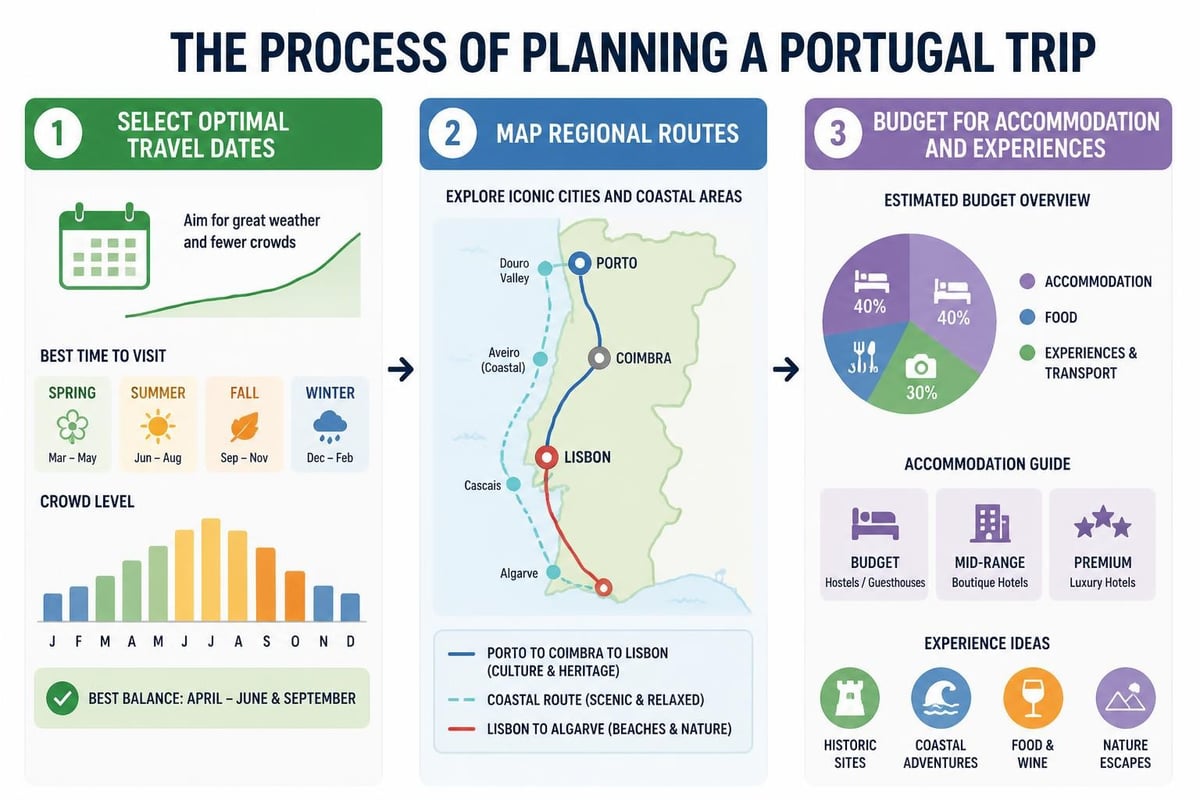
Creating a successful portugal vacation guide starts with understanding when to visit and how long to stay. Portugal enjoys a Mediterranean climate with mild winters and warm summers, making it a year-round destination with distinct seasonal advantages.
Best Time to Visit Portugal
Spring (March through May) and fall (September through October) offer the most comfortable weather conditions for exploration. During these shoulder seasons, you'll encounter:
- Moderate temperatures ranging from 60°F to 75°F
- Fewer crowds at major attractions
- Lower accommodation prices compared to peak summer
- Perfect conditions for outdoor activities and sightseeing
Summer months (June through August) bring hot weather and peak tourism, especially along the Algarve coast. Winter (November through February) provides mild temperatures ideal for city exploration, though northern regions experience more rainfall. According to Rough Guides' Portugal travel tips, winter offers excellent value for budget-conscious travelers.
Duration and Budget Considerations
A comprehensive Portugal vacation typically requires 10 to 14 days to experience both major cities and regional highlights. However, even a week-long trip can provide meaningful experiences if focused on specific regions.
| Trip Duration | Recommended Focus | Estimated Budget Range |
|---|---|---|
| 5-7 days | Lisbon and surrounding areas | $800-$1,500 per person |
| 8-10 days | Lisbon, Porto, and Douro Valley | $1,500-$2,500 per person |
| 11-14 days | Full country tour with coastal stops | $2,500-$4,000 per person |
These estimates include accommodation, transportation, meals, and activities, with mid-range preferences. Portugal remains one of Western Europe's most affordable destinations, offering excellent value without sacrificing quality.
Essential Portuguese Destinations
This portugal vacation guide wouldn't be complete without exploring the country's must-visit locations. Each region offers distinct character and attractions that contribute to Portugal's diverse appeal.
Lisbon: The Capital of Seven Hills
Lisbon combines historic charm with contemporary energy, making it an essential stop on any Portuguese itinerary. The city's hillside neighborhoods, iconic yellow trams, and vibrant tile-covered buildings create an instantly recognizable aesthetic.
Top Lisbon Experiences:
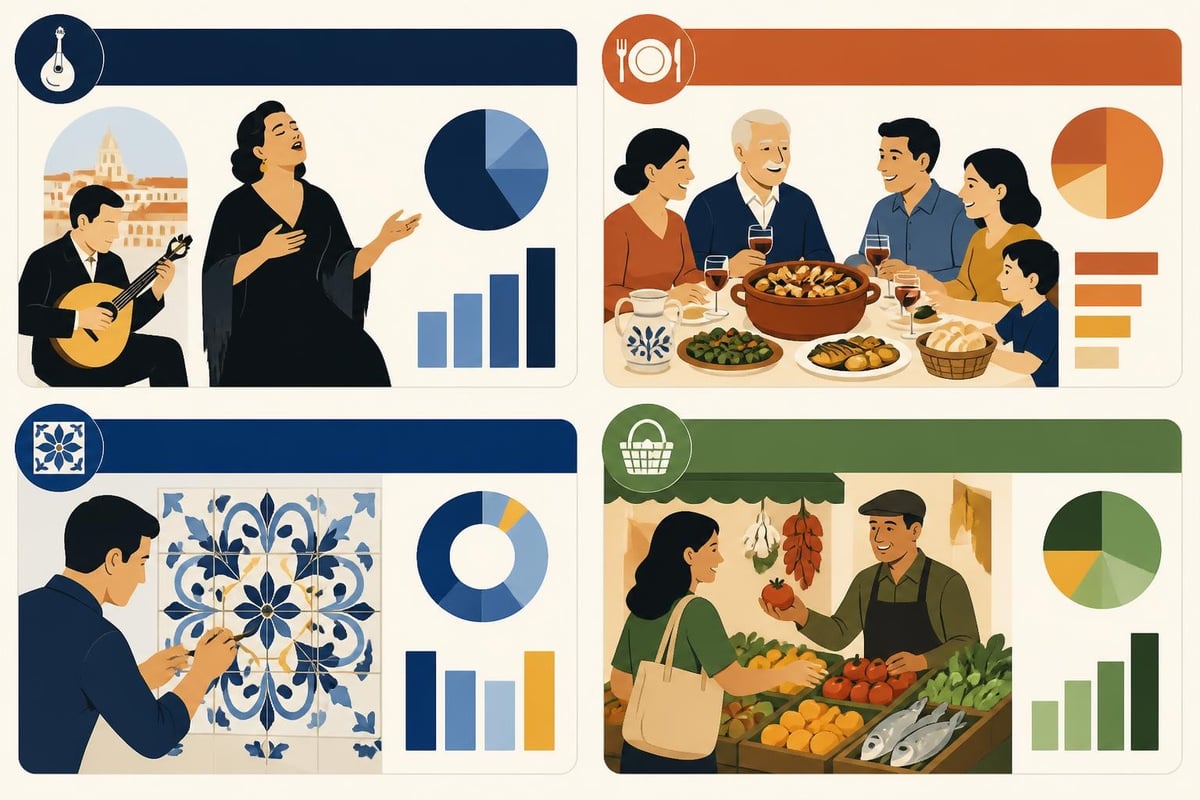
- Explore Alfama's narrow medieval streets and fado music venues
- Visit Belém's UNESCO World Heritage monuments
- Ride historic Tram 28 through multiple neighborhoods
- Enjoy panoramic views from São Jorge Castle
- Sample pastéis de nata at Pastéis de Belém
The Discover Portugal organization provides extensive resources for navigating Lisbon's districts and planning efficient sightseeing routes. Budget at least three full days to experience the capital's highlights without rushing.
Porto and the Douro Valley
Portugal's second city offers a more intimate atmosphere than Lisbon while delivering equally compelling experiences. Porto's riverside Ribeira district, port wine cellars, and Art Nouveau architecture create a romantic setting perfect for leisurely exploration.
Beyond the city, the Douro Valley presents one of Europe's most beautiful wine regions. Terraced vineyards cascade down hillsides to the Douro River, creating landscapes that have earned UNESCO World Heritage status.
- Take a river cruise along the Douro
- Tour traditional port wine cellars in Vila Nova de Gaia
- Cross the Dom Luís I Bridge for spectacular views
- Visit quintas (wine estates) for tastings and tours
- Explore Livraria Lello, one of the world's most beautiful bookstores
The Algarve Coast
Southern Portugal's Algarve region delivers the beach vacation experience many travelers seek. Golden cliffs, hidden coves, and extensive sandy beaches stretch along the Atlantic coastline, complemented by charming fishing villages and modern resort towns.
Key Algarve destinations include Lagos with its dramatic rock formations, Tavira's historic center, and the upscale resort town of Albufeira. This region works particularly well for travelers seeking a portugal vacation guide that balances cultural exploration with beach relaxation.
Cultural Insights and Local Experiences
Understanding Portuguese culture enhances every aspect of your vacation. The country's traditions, dining customs, and social norms differ from other European destinations in ways that create unique travel experiences.
Portuguese Cuisine and Dining
Portuguese food centers on fresh ingredients, seafood, and simple preparations that highlight natural flavors. Unlike some European countries, Portugal maintains affordable dining prices even in major cities.
Must-Try Portuguese Dishes:
- Bacalhau (salted cod) prepared in hundreds of variations
- Francesinha, Porto's famous hearty sandwich
- Cataplana, a seafood stew from the Algarve
- Caldo verde, traditional kale and potato soup
- Arroz de marisco, flavorful seafood rice
Portuguese restaurants typically serve lunch from noon to 3:00 PM and dinner from 7:00 PM to 10:00 PM. Many establishments close between lunch and dinner service. Tipping isn't mandatory but rounding up the bill or leaving 5-10% is appreciated for good service.
Language and Communication
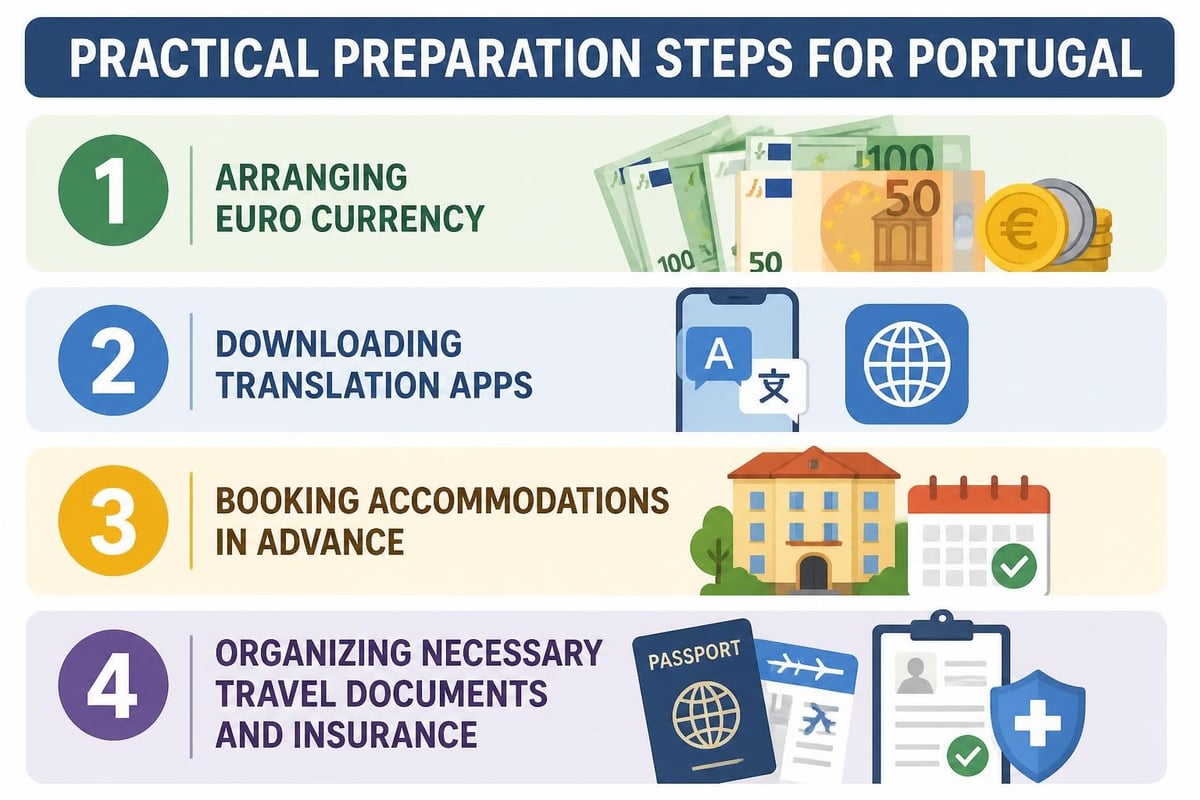
While Portuguese is the official language, English proficiency varies significantly by region and generation. Urban areas and tourist destinations generally have strong English support, but rural areas may require basic Portuguese phrases or translation apps.
Learning a few essential Portuguese phrases demonstrates respect and often opens doors to warmer interactions. "Bom dia" (good morning), "obrigado/obrigada" (thank you), and "por favor" (please) go a long way in daily interactions.
Transportation and Getting Around
An effective portugal vacation guide must address transportation, as your mobility options significantly impact trip quality and cost efficiency. Portugal offers multiple transportation methods suited to different travel styles and budgets.
Between Cities: Trains and Buses
Portugal's rail network connects major cities efficiently, with comfortable trains operated by Comboios de Portugal (CP). The Alfa Pendular high-speed service links Lisbon and Porto in approximately three hours, while regional trains serve smaller towns at lower prices.
Buses provide broader coverage than trains, reaching destinations where rail service doesn't exist. Companies like Rede Expressos operate modern coaches with competitive pricing. For comprehensive transportation advice, Portugal Internet's travel tips offer detailed guidance on navigating public transit options.
Car Rentals and Driving
Renting a car provides maximum flexibility, especially for exploring rural areas, the Douro Valley, or the Algarve's coastal villages. Portuguese highways (autoestradas) are well-maintained and use electronic tolling systems.
Driving Considerations:
- International driving permits recommended but not always required
- Speed limits: 50 km/h urban, 90 km/h rural, 120 km/h highways
- Parking can be challenging in historic city centers
- Fuel costs average €1.60-€1.80 per liter in 2026
Consider splitting your trip between public transportation for cities and car rentals for rural regions to optimize both convenience and cost.
Urban Transportation
Lisbon and Porto both offer efficient metro systems, historic trams, and extensive bus networks. Multi-day transit passes provide excellent value for tourists planning multiple daily trips.
| City | Transit Pass | Duration | Price |
|---|---|---|---|
| Lisbon | Viva Viagem | 24 hours | €6.40 |
| Porto | Andante Tour | 24 hours | €7.00 |
| Lisbon | Viva Viagem | 72 hours | €15.00 |
Ride-sharing services like Uber and Bolt operate in major cities with pricing significantly lower than traditional taxis.
Hidden Gems and Off-the-Beaten-Path Destinations
Beyond the major highlights, this portugal vacation guide introduces lesser-known destinations that provide authentic experiences away from tourist crowds.
Sintra's Magical Palaces
Just 30 minutes from Lisbon, Sintra transports visitors to a fairytale world of colorful palaces, mysterious gardens, and misty forests. The UNESCO-listed town center and surrounding hills contain some of Portugal's most photographed landmarks.
Don't miss the Pena Palace's vibrant yellow and red towers, the enigmatic Quinta da Regaleira with its initiation wells, and the Moorish Castle's ancient fortifications. Arrive early to avoid crowds, as Sintra attracts significant day-trip traffic from Lisbon.
Évora and the Alentejo Region
Central Portugal's Alentejo region offers rolling plains, cork forests, and whitewashed villages crowned with golden accents. The city of Évora serves as the region's cultural capital, featuring Roman ruins, medieval architecture, and the haunting Chapel of Bones.
This area excels for travelers seeking slower-paced exploration, wine tasting at family-owned estates, and authentic interactions with local communities. The Alentejo's vast landscapes and sparse population create a stark contrast to coastal tourist zones.
Aveiro and the Silver Coast
Often called "Portuguese Venice," Aveiro charms visitors with its network of canals, colorful moliceiro boats, and Art Nouveau architecture. The nearby beaches of Costa Nova feature striped houses that create Instagram-worthy backdrops.
The Silver Coast (Costa de Prata) stretches north from Lisbon, offering excellent surfing, medieval towns like Óbidos, and the pilgrimage site of Fátima. This region receives far fewer international visitors than the Algarve while delivering comparable coastal beauty.
Practical Tips for Portugal Travelers
Success in any destination depends on preparation and understanding local practicalities. These essential tips will smooth your Portuguese adventure and help you avoid common pitfalls.
Money and Payments
Portugal uses the euro (EUR) and widely accepts credit cards, though some small establishments and rural areas remain cash-dependent. ATMs are readily available in cities and towns, typically offering better exchange rates than currency exchange services.
Contactless payment has become standard in urban areas, and most businesses accept major credit cards. However, carrying €50-€100 in cash ensures you're prepared for situations where cards aren't accepted.
Safety and Health Considerations
Portugal ranks among Europe's safest countries, with low violent crime rates and minimal health risks. Standard travel precautions apply, particularly regarding pickpocketing in crowded tourist areas and public transportation.
Tap water is safe to drink throughout Portugal, though many locals prefer bottled water. The European Health Insurance Card (EHIC) provides healthcare coverage for EU citizens, while travelers from other countries should secure comprehensive travel insurance before departure.
Mobile Connectivity and Internet
European Union regulations abolished roaming charges for EU citizens, making mobile connectivity seamless. Non-EU travelers should investigate international plans or purchase local SIM cards from providers like MEO, NOS, or Vodafone.
Free WiFi is common in accommodations, restaurants, and cafés, though connection quality varies. Consider purchasing a portable WiFi device or data-focused SIM card if constant connectivity is essential for navigation or remote work.
Seasonal Events and Festivals
Timing your visit around Portuguese festivals adds cultural depth to your vacation. Throughout the year, cities and villages celebrate religious traditions, historical events, and seasonal harvests with distinctive enthusiasm.
Summer Festivals (June-August)
June brings the Santos Populares (Popular Saints) festivals, with Lisbon's Santo António celebrations on June 12-13 featuring street parties, grilled sardines, and neighborhood competitions. Porto honors São João on June 23-24 with fireworks and plastic hammer traditions.
Summer also delivers numerous music festivals, including NOS Alive in Lisbon, NOS Primavera Sound in Porto, and Sudoeste in the Alentejo, attracting international performers and diverse audiences.
Wine Harvest Season (September-October)
The Douro Valley's grape harvest transforms the region into a celebration of winemaking traditions. Many quintas welcome visitors to participate in grape stomping, harvest activities, and special tastings of new wines.
This period aligns perfectly with the shoulder season's pleasant weather, making it an ideal time for a portugal vacation guide focused on wine tourism and outdoor activities.
Holiday Season (December-January)
Portuguese Christmas traditions center on family gatherings, nativity scenes (presépios), and special foods like bolo rei (king cake). Cities install elaborate light displays, and many towns host Christmas markets with local crafts and seasonal treats.
New Year's Eve in major cities features fireworks displays and public celebrations, particularly impressive in Funchal, Madeira, which hosts one of the world's largest fireworks shows.
Regional Specialties and Shopping
Portugal offers distinctive products and crafts that make meaningful souvenirs while supporting local artisans. Understanding regional specialties helps you make informed purchasing decisions and discover authentic Portuguese craftsmanship.
Traditional Portuguese Crafts
- Azulejos: Hand-painted ceramic tiles available as decorative pieces or functional items
- Cork products: Portugal produces over 50% of the world's cork, transformed into bags, wallets, and accessories
- Pottery: Each region maintains distinct ceramic traditions, from Barcelos roosters to Alentejo earthenware
- Textiles: Linen from Guimarães and wool products from mountain regions showcase traditional weaving techniques
Port Wine and Gourmet Products
Port wine remains Portugal's most famous export, available at vinhos do Porto cellars in Vila Nova de Gaia or directly from Douro Valley producers. Quality olive oils, tinned seafood, and specialty salts from the Algarve make excellent culinary souvenirs.
Consider visiting local markets like Lisbon's Mercado da Ribeira or Porto's Mercado do Bolhão for authentic products at fair prices. These venues also provide insight into daily Portuguese life and seasonal product availability.
Accommodation Options Across Portugal
Your portugal vacation guide should address lodging options, as accommodation choice significantly impacts both budget and experience quality. Portugal offers diverse options from historic pousadas to modern boutique hotels and budget-friendly hostels.
Historic and Boutique Properties
Pousadas de Portugal operate historic buildings converted into hotels, including former monasteries, castles, and palaces. These properties deliver unique experiences with modern amenities, though prices reflect their premium positioning.
Boutique hotels in renovated townhouses populate Lisbon's Bairro Alto and Chiado districts, Porto's Ribeira, and Algarve coastal towns, offering personalized service and distinctive design.
Apartments and Vacation Rentals
Short-term apartment rentals provide excellent value for families or groups, particularly for stays exceeding three days. Kitchen facilities enable grocery shopping at local markets, reducing dining costs while supporting exploration of Portuguese ingredients.
Choose locations carefully, prioritizing walkability to attractions and access to public transportation. Historic centers offer atmosphere but may involve stairs and narrow streets challenging for large luggage.
Budget-Friendly Options
Portugal's hostel scene has evolved beyond basic dormitories to include private rooms, social programming, and quality facilities. Many hostels offer communal kitchens, organized activities, and knowledgeable staff who provide insider recommendations.
Guesthouses (pensões) represent traditional budget accommodation, particularly common outside major tourist areas. These family-run establishments often include breakfast and provide authentic interaction with Portuguese hosts.
Making the Most of Your Portugal Vacation
Maximizing your Portuguese experience requires balancing planned activities with spontaneous exploration. Leave room in your itinerary for unexpected discoveries, extended café stops, and conversations with locals who share insider perspectives.
Use Awesome Travel Guides' comprehensive resources to access detailed neighborhood information, restaurant recommendations, and activity suggestions that go beyond standard tourist guides. Digital guides allow real-time access to updated information as you explore.
Consider these strategies for enhancing your trip:
- Book popular attractions in advance during peak season
- Explore neighborhoods on foot to discover hidden restaurants and shops
- Attend local events and festivals when possible
- Try regional specialties rather than international cuisine
- Learn basic Portuguese phrases to facilitate interactions
- Take day trips to smaller towns and natural areas
- Allow flexibility for weather-dependent activities
Portugal rewards travelers who venture beyond major attractions to engage with local culture, whether through market visits, neighborhood cafés, or conversations with residents eager to share their country's stories.
Sustainable and Responsible Tourism
As Portugal's popularity grows, practicing responsible tourism helps preserve the qualities that make it special. Support local businesses, respect residential neighborhoods, avoid overcrowded attractions during peak hours, and dispose of waste properly.
Consider visiting during shoulder seasons to reduce pressure on infrastructure and popular sites. Explore lesser-known regions like the Alentejo or Trás-os-Montes, distributing tourism benefits more equitably across the country.
Portugal offers an exceptional vacation destination that combines accessibility, affordability, and authenticity in ways few European countries match. This portugal vacation guide has covered essential planning considerations, must-visit destinations, cultural insights, and practical tips to prepare you for an unforgettable journey. Whether you're drawn to historic cities, coastal beauty, culinary excellence, or cultural immersion, Portugal delivers experiences that exceed expectations. For comprehensive digital resources that enhance every aspect of your Portuguese adventure, explore Awesome Travel Guides, where detailed destination information, insider tips, and practical advice help you discover Portugal's authentic character and hidden treasures with confidence.