

Through Italy Guide: Your Essential Handbook for 2026
Imagine embarking on the adventure of a lifetime as you travel through italy in 2026, where timeless ruins, sleek cityscapes, and irresistible cuisine await at every turn. This essential handbook is crafted to guide you through italy’s wonders, offering expert insights for a seamless, unforgettable journey. Whether you are planning, exploring, or savoring local flavors, our step-by-step advice ensures you make the most of each moment. Discover new events, upgraded travel options, and authentic experiences unique to 2026. Let this guide inspire your confidence and curiosity as you set out to explore through italy with ease and excitement.
Planning Your 2026 Italian Adventure
Understanding Italy in 2026: What’s New and Noteworthy
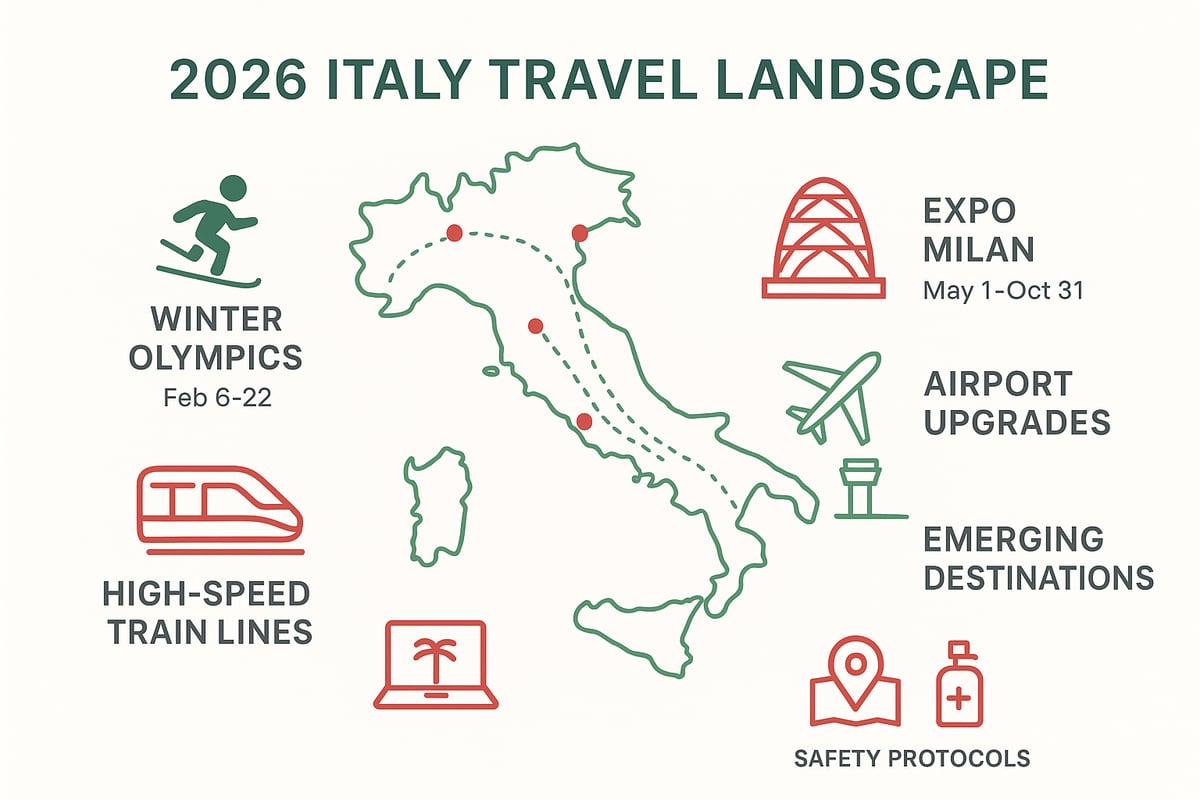
Italy in 2026 promises an exciting blend of tradition and innovation. The country will host major events like the Winter Olympics and Milan’s Expo, drawing visitors from across the globe. Cities are upgrading transportation, with new high-speed rail lines and expanded airport facilities. Travelers moving through italy will notice improved sustainability efforts, digital nomad-friendly spaces, and emerging destinations gaining popularity. Safety and health protocols reflect lessons from recent years, ensuring peace of mind. Milan, for example, is undergoing citywide enhancements ahead of Expo 2026, making it a vibrant hub for culture and business. Stay updated to maximize your journey.
Step-by-Step Trip Planning
Planning a journey through italy begins with setting clear goals. Decide if you want to focus on art, food, history, or a mix, then choose your trip duration. Research the best time to visit, balancing weather, crowd levels, and event calendars. Budget carefully for accommodation, transport, and experiences. Booking flights and trains early can unlock significant savings. Craft a flexible itinerary, including both iconic and lesser-known stops. For example, compare costs between peak and shoulder seasons to optimize value. By thinking ahead, you’ll find your experience through italy is both rewarding and stress-free.
Essential Travel Documents and Insurance
Before traveling through italy, check your passport’s validity and review visa requirements. In 2026, many travelers—including U.S. citizens—will need to comply with new ETIAS regulations; learn more about these updates at ETIAS Requirements for U.S. Citizens. Digital IDs and e-visas are simplifying entry procedures. Travel insurance covering health, trip cancellations, and theft is essential. Some vaccinations or health certificates may be required, especially for extended stays. Schengen visa rules for non-EU visitors might differ, so confirm details in advance. Preparation ensures a smooth journey through italy.
Packing Smart for Italy
Packing for a trip through italy depends on the season and your planned activities. In spring and autumn, bring layers for variable weather. Summers call for breathable fabrics, while winters require warmer attire. For religious sites or upscale venues, pack modest outfits. Don’t forget tech essentials like adapters, eSIMs, and reliable travel apps. Sustainable packing—such as reusable bottles and eco-friendly toiletries—reduces your environmental impact. If you’re exploring multiple cities by train, packing light makes travel through italy easier. A well-packed bag ensures comfort and convenience throughout your adventure.
Booking Accommodation: Where to Stay
Accommodation through italy ranges from historic hotels to cozy agriturismos and modern vacation rentals. Boutique stays in city centers offer authentic, local experiences. For something unique, consider a Tuscan villa or a Roman boutique hotel. Use trusted booking platforms to compare prices and read reviews. Choosing the right place to stay enhances your journey through italy, whether you prefer countryside retreats or vibrant urban hubs. Always book early during peak seasons for the best selection and value. Each region offers distinctive lodging, making every night a memorable part of your trip.
Getting Around Italy: Transportation Essentials
Exploring through italy in 2026 is both inspiring and efficient, thanks to a blend of modern upgrades and timeless travel routes. Whether gliding across the country by train, venturing into the countryside by car, or hopping between islands by ferry, your journey will be seamless with the right preparation. Let’s break down the essential transportation options for your adventure.
Navigating Italy by Train
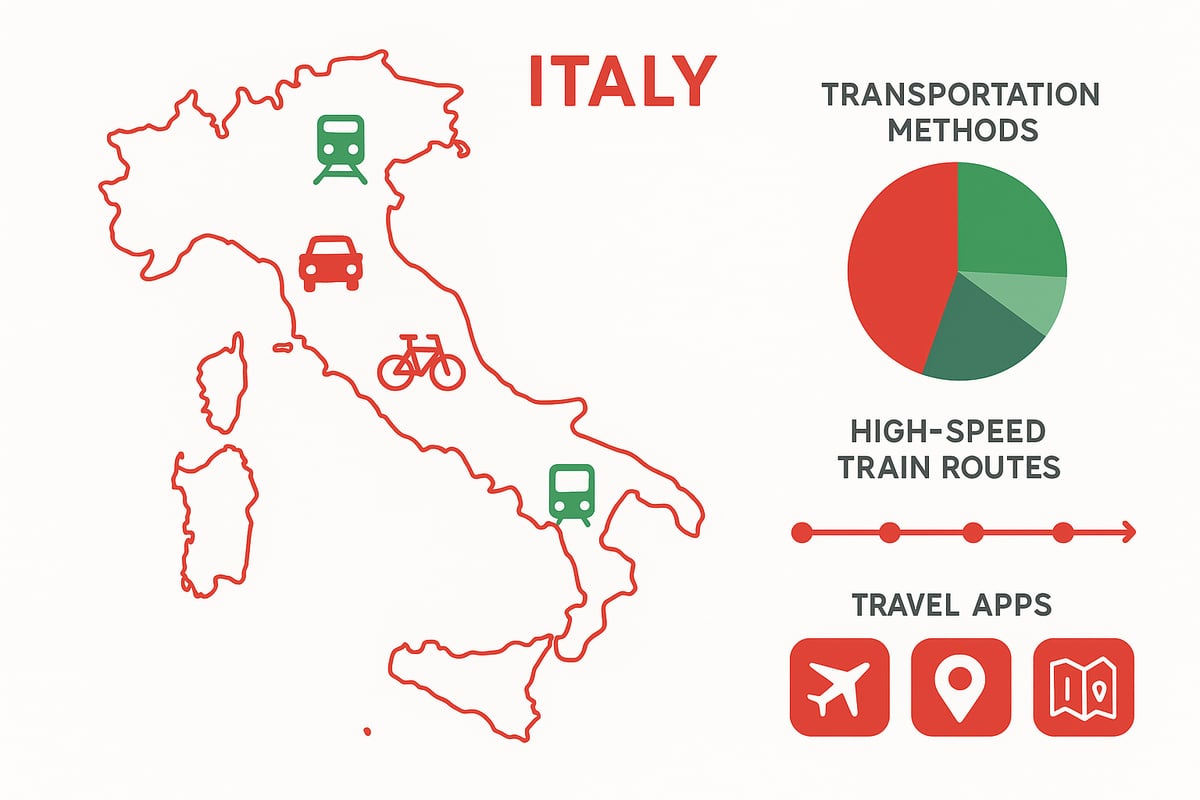
Traveling through italy by train remains one of the most efficient and scenic ways to connect major cities and charming towns. The high-speed rail network, including Frecciarossa and Italo, links iconic destinations such as Rome, Florence, Milan, and Naples in just a few hours.
Purchase tickets online, via official apps, or at station kiosks. Regional trains offer flexibility, while high-speed services guarantee speed and comfort. Seat reservations are often required on national lines, and travelers can save by booking passes or taking advantage of 2026 discounts. For example, a Rome to Florence journey can take under two hours, offering panoramic countryside views along the way. For in-depth travel tips, consult The Awesome Guide to Italy.
Renting a Car vs. Public Transport
Renting a car is ideal for discovering through italy’s scenic countryside, remote villages, and renowned wine regions. It provides flexibility to explore places that trains and buses don’t reach. However, city centers enforce ZTL (limited traffic zones), so always check local restrictions.
Costs include rental fees, insurance, and fuel. Driving rules are strictly enforced, and signage is in Italian. If you’re exploring the Amalfi Coast, a car allows for spontaneous stops, but public transport is recommended within cities to avoid parking hassles. Compare your needs and consider combining both options for maximum freedom.
Domestic Flights and Ferries
For longer routes through italy, especially when traveling to islands like Sicily or Sardinia, domestic flights can save time. Major carriers and budget airlines offer frequent connections, often with competitive fares if booked early.
Ferries connect the mainland with popular islands and coastal towns. Routes such as Naples to Capri or Sicily to the mainland are scenic and practical. Be mindful of luggage policies and book in advance during peak seasons. Domestic flights are best for covering large distances, while ferries add a unique perspective to your itinerary.
Urban Mobility: Metro, Buses, and Biking
Major cities across through italy, including Rome, Milan, and Naples, feature extensive metro systems, making urban exploration straightforward. Bus networks cover neighborhoods and suburbs, with ticketing apps simplifying the purchase process.
Bike and e-scooter sharing programs are available in most metropolitan areas, offering eco-friendly ways to navigate city streets. Accessibility has also improved, with many stations and vehicles accommodating travelers with disabilities. Always validate tickets and plan routes in advance for a smooth journey.
Navigating Like a Local: Apps and Tools
Mastering travel through italy is simpler with the right digital tools. Essential apps such as Trenitalia for trains and Moovit for public transit help you plan and track routes in real time.
Digital payment options, including contactless cards and mobile wallets, are widely accepted on public transport. Translation and mapping apps bridge any language gaps, making day-to-day travel stress-free. Embrace technology to move confidently from city to countryside.
Top Destinations and Regions to Explore
Exploring through italy in 2026 reveals a tapestry of vibrant cities, tranquil villages, and breathtaking landscapes. Each region offers a unique experience, blending centuries-old heritage with fresh cultural energy. This section will guide you through italy’s top destinations, ensuring you capture the essence of your journey.
Iconic Cities: Rome, Florence, Venice, Milan
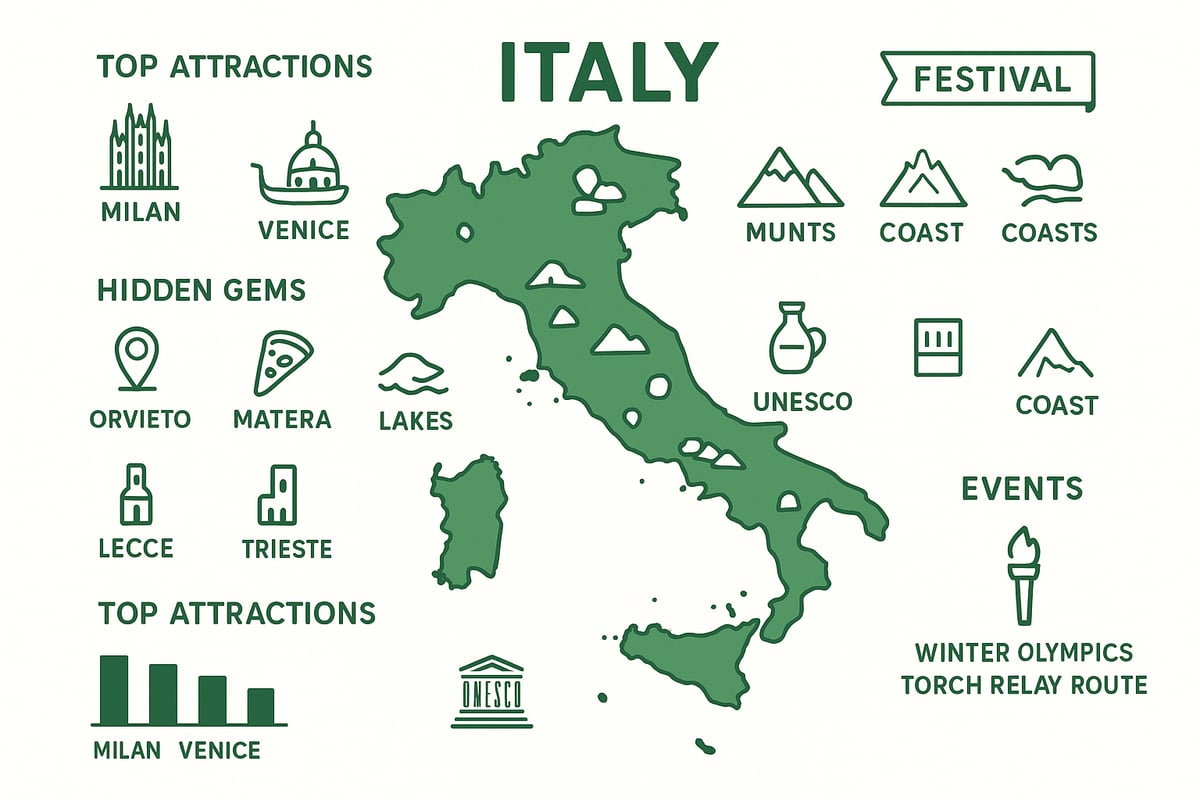
Begin your journey through italy in its legendary cities. Rome, the Eternal City, dazzles with the Colosseum, Roman Forum, and awe-inspiring Vatican treasures. Florence, the cradle of the Renaissance, invites you into the Uffizi Gallery and bustling San Lorenzo Market. Venice enchants with St. Mark’s Basilica, quiet canals, and gondola rides, while Milan pulses with fashion, the Duomo, and the refined ritual of aperitivo.
In 2026, these cities will be more vibrant than ever. Rome celebrates the Jubilee Year, filling its streets with global pilgrims and special events. Florence hosts contemporary art exhibitions alongside its classical masterpieces. Venice’s cultural calendar is packed with regattas and film festivals. Milan is a focal point for 2026 Winter Olympics Torch Relay Route, showcasing citywide improvements and international festivities. No matter your interests, exploring through italy’s iconic cities guarantees unforgettable sights and experiences.
Hidden Gems and Off-the-Beaten-Path Towns
Beyond the main cities, through italy leads you to towns where time seems to pause. Matera’s ancient cave dwellings, a UNESCO site, immerse you in history and cinematic charm. Lecce’s baroque architecture and vibrant piazzas create a distinctly southern ambiance. Orvieto, perched atop volcanic rock, reveals medieval alleys and legendary wine. Trieste, at the crossroads of cultures, blends Italian, Slavic, and Austrian influences in its coffeehouses and seaside promenades.
Traveling through italy’s less-explored towns offers authentic festivals, local crafts, and a slower pace. These destinations invite you to savor daily life, avoid crowds, and discover regional traditions that make your journey truly unique.
Breathtaking Landscapes: Lakes, Mountains, and Coasts
Through italy, you’ll encounter extraordinary natural beauty. The northern lakes—Como, Garda, and Maggiore—reflect villa-dotted shores and snow-capped peaks. The Dolomites enchant with dramatic cliffs, hiking trails, and winter sports. Along the coasts, the Amalfi Drive, Cinque Terre, and Sardinia’s pristine beaches beckon with azure waters and rugged cliffs.
For outdoor lovers, through italy offers endless adventures. Hike the Path of the Gods above Positano, cycle around Lake Garda, or ski in the Dolomites. Each landscape promises a fresh perspective and a deeper connection to nature.
Culinary Hotspots Across Italy
A journey through italy is a feast for the senses. Every region boasts its own culinary treasures—Neapolitan pizza in Naples, rich bistecca alla fiorentina in Tuscany, and sweet cannoli in Sicily. Explore bustling food markets, cozy trattorias, and Michelin-starred restaurants to sample the country’s diverse flavors.
Wine lovers can follow through italy’s famed routes: sip Chianti in rolling Tuscan hills, taste Barolo in Piedmont, or enjoy Prosecco along the Strada del Prosecco. From pasta-making classes in Bologna to seafood feasts in Venice, culinary experiences will be a highlight of your trip.
Art, History, and UNESCO Sites
Through italy, history and art are everywhere. Marvel at the Vatican Museums’ treasures, Michelangelo’s David at Florence’s Accademia, and Turin’s Egyptian Museum. Ancient ruins like Pompeii, Herculaneum, and Paestum transport you back in time.
Italy boasts more UNESCO World Heritage Sites than any other country. Visit the Valley of the Temples in Sicily, the historic centers of Florence and Rome, and the unique trulli houses of Alberobello. Each stop along your journey through italy reveals layers of culture, creativity, and tradition.
Experiencing Local Life: Festivals and Traditions
Traveling through italy means immersing yourself in vibrant festivals and cherished traditions. Celebrate the Venice Carnival with elaborate masks, cheer at Siena’s thrilling Palio horse race, or join the Festa della Repubblica parades.
Participate in olive harvests in Puglia, taste new wines during autumn festivals, or join locals in lively piazzas. These moments make your adventure through italy personal, memorable, and truly Italian.
Italian Culture, Customs, and Etiquette
Italy’s charm is inseparable from its rich culture, timeless customs, and unspoken etiquette. To journey smoothly through italy, understanding these social nuances is essential. From language basics to handling official procedures, this guide ensures you interact like a local and make the most of your adventure.
Language Basics and Communication
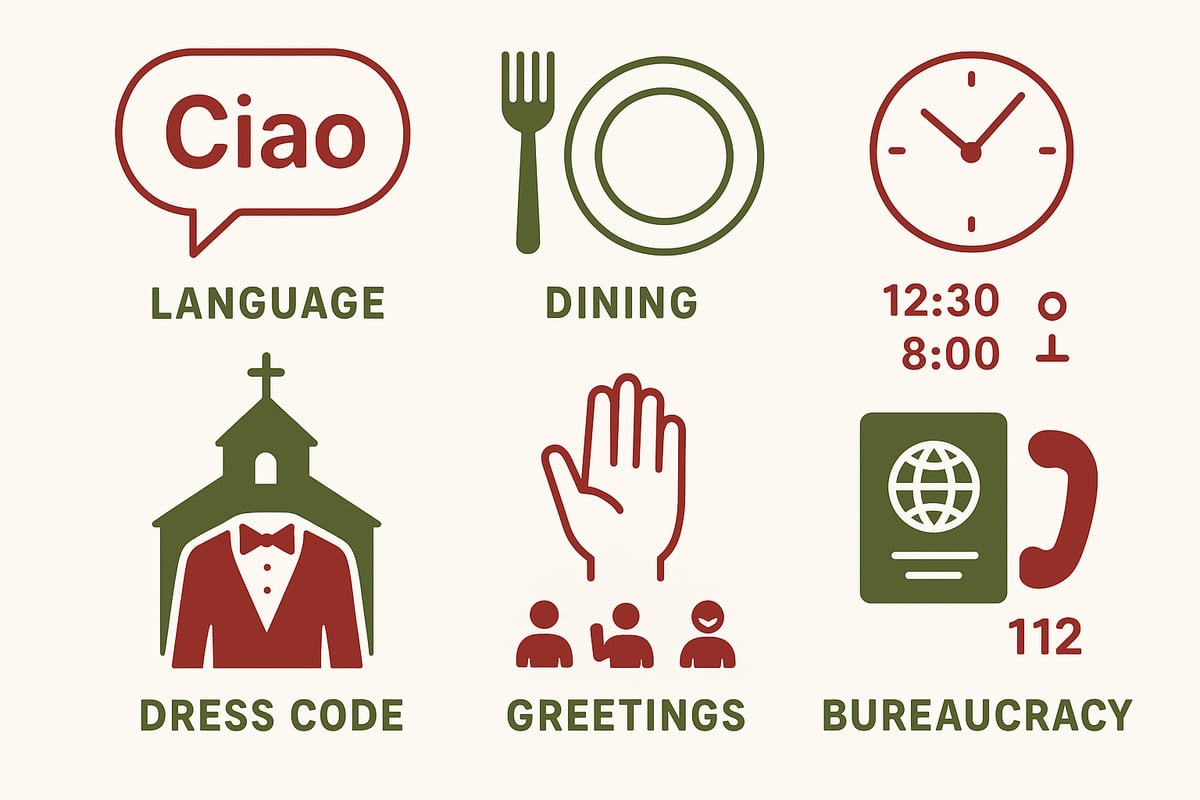
When traveling through italy, a few Italian phrases will open many doors. “Buongiorno” (good morning), “Per favore” (please), and “Grazie” (thank you) are universally appreciated. English is spoken in tourist hubs, but locals value efforts to speak Italian, especially in smaller towns.
Translation apps and phrasebooks are invaluable tools. Use them for menus, directions, or casual chats. Italians greet with a handshake or a friendly “Ciao” among peers. In formal settings, “Signore” or “Signora” is polite. Remember, body language and eye contact are important in Italian conversation.
Dining Etiquette and Food Culture
Dining is a highlight as you travel through italy. Meals are social events, not rushed affairs. Lunch (pranzo) is usually from 1 to 3 pm, while dinner (cena) starts after 8 pm. Restaurants may close in the afternoon, so plan accordingly.
Ordering follows a structure: antipasto (starter), primo (pasta), secondo (meat or fish), contorno (side), and dolce (dessert). Tipping is modest, as service is often included. Enjoy coffee standing at the bar in the morning, but avoid ordering cappuccino after noon. Savor each bite and embrace Italy’s culinary rhythm.
Social Norms and Dress Codes
Respect for tradition shapes how you move through italy. Modest attire is expected in churches and sacred sites—cover shoulders and knees. In cities, Italians dress elegantly, even casually, so neat, clean clothing is recommended.
Personal space is smaller than in some cultures, and animated conversation is common. When meeting, a kiss on both cheeks is typical among friends. Public displays of affection are accepted, but loud behavior is frowned upon in historic areas. For Vatican visits, strict dress codes apply: no shorts, sleeveless tops, or hats.
Navigating Italian Bureaucracy and Social Systems
Practical know-how is crucial for a smooth journey through italy. Shops and offices often close for lunch, typically from 1 to 4 pm. Banks have limited hours, and pharmacies rotate opening times—look for posted schedules.
Keep emergency numbers handy: 112 for police, 118 for medical assistance, and 115 for fire. If you lose your passport, report it at the nearest police station. For more on safety and handling unexpected situations, consult resources like the Travel Safety Handbook, which offers practical advice for travelers. Always check holiday schedules, as public services may be unavailable during national celebrations.
Insider Tips for a Seamless Italian Journey
Traveling through italy in 2026 is not just about seeing landmarks, but about moving smoothly from city to coast, and savoring every local moment. A seamless journey means mastering the small details that make all the difference. These insider tips will help you avoid common pitfalls, manage your budget, stay connected and safe, and travel responsibly as you explore through italy.
Avoiding Common Travel Mistakes
Even seasoned travelers can stumble on their journey through italy. One common error is overpacking your itinerary, which leaves little room for spontaneous discoveries. It's tempting to see every highlight, but rushing from city to city can mean missing out on authentic experiences.
Other pitfalls include forgetting to validate train tickets or misreading ZTL zones, resulting in fines. Many underestimate distances between destinations, leading to long, tiring transfers. Booking accommodation last minute, especially in peak season, can also drive up costs and limit your options.
To make the most of your time through italy, plan flexibly, check local regulations, and allow for unexpected joys.
Money Matters: Currency, Payments, and Costs
Handling finances through italy is straightforward with some preparation. The euro is the main currency, and most cities accept credit cards, but small towns may prefer cash. Currency exchange is best done at banks or ATMs for better rates, while airport kiosks often charge higher fees.
Budget carefully for meals, attractions, and souvenirs. Many museums and city sights offer passes that provide discounts or skip-the-line access, which can save both time and money.
| Tip | Recommendation |
|---|---|
| Currency | Euro (€) |
| Cash vs. Card | Carry both |
| City Passes | Use for savings |
Through italy, always keep small bills handy, and check if your card incurs foreign transaction fees.
Staying Connected and Safe
Reliable connectivity is essential for your journey through italy. Most urban areas offer free Wi-Fi, but investing in a local SIM or eSIM ensures coverage in rural spots. Download essential apps for maps, translation, and public transit to navigate with confidence.
Safety is generally high in italian cities, though pickpockets can be active in crowded sites. Keep valuables secure and be aware of your surroundings. For emergencies, save local contacts and know the nearest embassy or consulate locations.
Solo and LGBTQ+ travelers find italy welcoming, but it's wise to research local customs. Through italy, staying connected and informed keeps your adventure smooth and secure.
Sustainable and Responsible Travel
Traveling responsibly through italy not only preserves its beauty but enriches your experience. Choose eco-friendly transport like trains or shared bikes whenever possible, and opt for accommodations certified for sustainability.
Support local artisans and businesses by shopping at regional markets and dining in family-run trattorias. Bring a reusable water bottle and avoid single-use plastics, especially in coastal or historic areas.
Respect heritage sites by following posted guidelines and avoiding off-limit areas. Participating in agritourism or slow food experiences deepens your connection to local culture. Through italy, small mindful actions help protect this beloved destination for future travelers.
Essential Resources and Practical Information
Traveling through italy in 2026 is easier than ever with the right resources at your fingertips. This section gathers the most vital information to ensure a smooth journey, from emergency contacts to digital tools. Whether you are exploring bustling cities or rural escapes, these practical tips will help you navigate every step of your through italy adventure.
Emergency Contacts and Health Services
Safety is a top priority when traveling through italy. Memorize these national emergency numbers:
| Service | Number |
|---|---|
| Police | 112 |
| Ambulance | 118 |
| Fire | 115 |
Pharmacies, called “farmacia,” are abundant and marked with a green cross. For non-urgent health issues, many cities offer English-speaking doctors. Always carry your European Health Insurance Card (EHIC) or valid travel insurance documentation.
COVID-19 protocols in 2026 continue to emphasize hygiene and recommended vaccinations. If you need medical help, visit a local pharmacy first for minor issues or ask your accommodation for clinic referrals. For lost passports, contact your embassy or nearest consulate immediately. Preparedness is key to a worry-free through italy trip.
Connectivity and Internet Access
Staying connected through italy is straightforward. Most cities and towns offer public Wi-Fi hotspots in piazzas, cafes, and train stations. For broader coverage, consider purchasing a local SIM card or an eSIM before arrival.
Major providers like TIM, Vodafone, and WindTre offer tourist packages with data and call options. To avoid roaming charges, disable mobile data and rely on Wi-Fi when possible. In Florence and Milan, city-wide Wi-Fi networks are reliable and fast, making it easy to share your through italy moments instantly.
Pro tip: Download offline maps and translation apps before you travel. This ensures you can navigate even when connectivity is limited.
Accessibility and Inclusive Travel
Italy has made significant strides in inclusive tourism. Many attractions, hotels, and transportation options across through italy are wheelchair accessible. Look for the official accessibility symbol when booking accommodation or tours.
Major cities have accessible metro stations and buses equipped for travelers with disabilities. Venice, for instance, offers wheelchair-friendly routes and accessible water buses. Always check ahead for ramps, lifts, and adapted facilities.
For travelers with visual or hearing impairments, museums and public spaces increasingly provide braille guides and audio descriptions. Inclusive travel resources make exploring through italy enjoyable for everyone.
Useful Apps, Websites, and Tools
Harness technology to get the most out of your through italy journey. Essential travel apps include:
- Navigation: Google Maps, Moovit (public transport)
- Translation: Google Translate, iTranslate
- Tickets & Booking: Trenitalia, Italo, Italia.it
- Weather: Il Meteo
- Events & News: Eventbrite, local news apps
Official tourism websites like Italia.it offer up-to-date guides and event calendars. For real-time train schedules, Trenitalia’s app is indispensable. Bookmark these tools before your trip to streamline your through italy experience and stay informed wherever you go.
As you look ahead to your Italian adventure in 2026, having the right resources at your fingertips makes all the difference. With so much to discover—from planning your route and navigating transportation to uncovering hidden gems and local traditions—preparation is key to a trip filled with unforgettable moments. That’s why I recommend exploring digital guides that offer up-to-date insights, curated itineraries, and practical tips tailored for modern travelers. You can confidently plan every step and enjoy authentic experiences with a reliable companion by your side. Ready to make your journey seamless Start here: Explore Guides.