

Essential Tips and Travel Advice for 2026 Adventures
Travel has evolved dramatically over the past few years, bringing new opportunities and challenges for modern explorers. Whether you're planning a European adventure, an American road trip, or a journey to remote corners of the globe, understanding essential tips and travel strategies can transform your experience from stressful to seamless. Today's travelers need to navigate evolving regulations, master smart packing techniques, and leverage digital resources to make the most of every journey. This comprehensive guide provides actionable advice to help you travel with confidence and create memorable experiences in 2026.
Planning Your Journey with Purpose
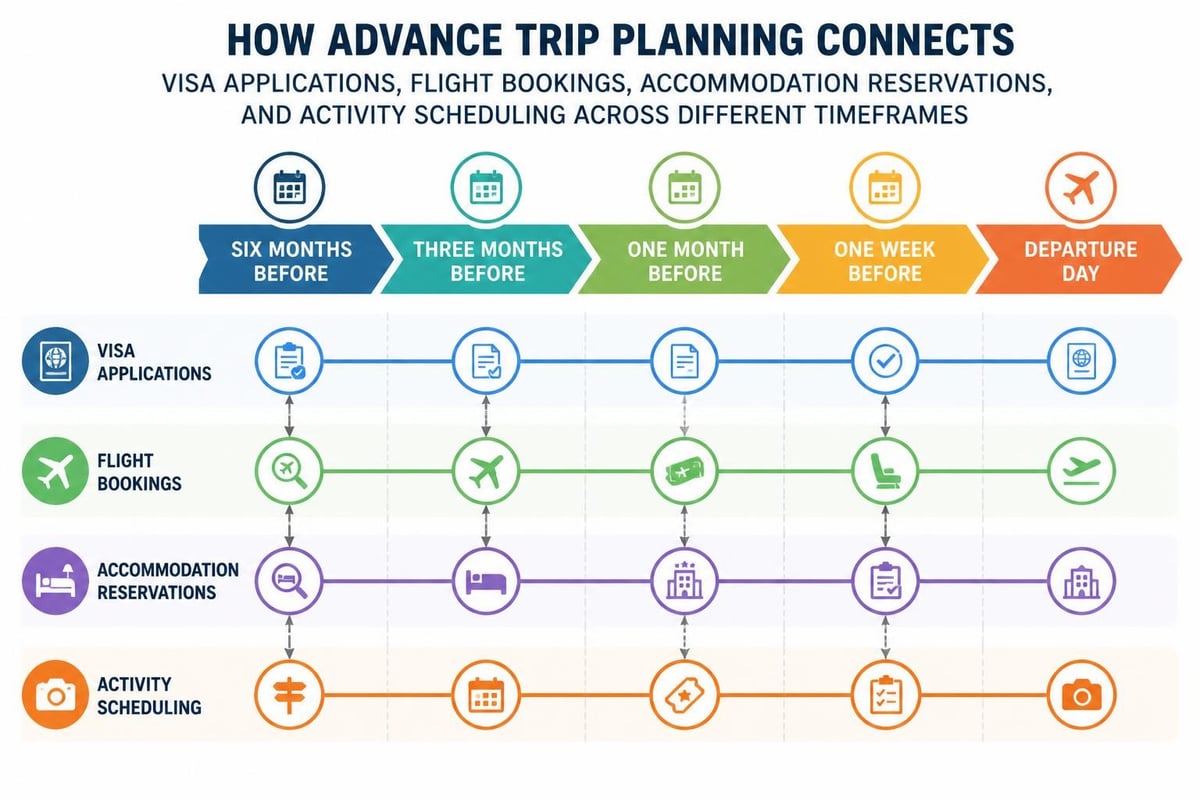
Strategic trip planning separates memorable adventures from forgettable vacations. Before booking flights or accommodations, invest time in thorough destination research that goes beyond tourist brochures.
Research That Makes a Difference
Start by identifying your travel priorities. Are you seeking cultural immersion, outdoor adventures, culinary experiences, or historical exploration? Understanding your goals shapes every subsequent decision. Digital travel guides offer curated insights that help you discover hidden gems beyond mainstream attractions.
- Define your budget parameters early
- Research visa requirements and processing times
- Identify seasonal weather patterns and crowd levels
- Book accommodations in strategic locations for easy exploration
- Create flexible itineraries with buffer time for spontaneity
The travel tips section provides destination-specific advice that helps you avoid common pitfalls. Many first-time international travelers underestimate how much advance planning certain destinations require, from vaccination records to international driving permits.
Timing and Seasonal Considerations
Travel seasons dramatically impact both costs and experiences. Shoulder seasons (the periods between peak and off-peak) often provide the perfect balance of favorable weather and manageable crowds.
| Season Type | Advantages | Considerations |
|---|---|---|
| Peak Season | Best weather, all attractions open | Higher prices, larger crowds |
| Shoulder Season | Lower costs, pleasant weather, fewer tourists | Some attractions may have reduced hours |
| Off-Season | Significant savings, authentic local experiences | Weather challenges, limited services |
Understanding these patterns helps you align your tips and travel budget with your desired experience level.
Navigating Flight Regulations and Airport Procedures
Air travel regulations continue evolving, making it essential to stay informed about current requirements. The FAA's Flying Safe guidelines outline critical protocols for U.S. flights, including electronic device policies and safety procedures that every traveler should understand before boarding.
Electronic Devices and Lithium Batteries
Modern travelers carry multiple electronic devices, each powered by lithium batteries that require specific handling. Understanding lithium battery transportation rules prevents delays and potential safety hazards at airport security.
Key battery regulations for 2026:
- Spare lithium batteries must travel in carry-on luggage only
- Power banks exceeding 100 watt-hours require airline approval
- Damaged or recalled batteries are prohibited on all flights
- Devices in checked bags must be completely powered off
These tips and travel regulations apply globally, though individual airlines may impose additional restrictions. Always verify requirements with your specific carrier before departure.
Understanding Passenger Rights
European travelers benefit from comprehensive protections under EU Regulation 261/2004. The EU air passenger rights framework establishes clear compensation standards for flight disruptions, including cancellations, significant delays, and denied boarding situations. Even travelers connecting through European airports may qualify for these protections, making awareness valuable for international journeys.
Knowing your rights empowers you to navigate disruptions confidently. Document everything during travel interruptions: take photos of delay boards, save all communications from airlines, and keep receipts for necessary expenses incurred during extended delays.
Packing Strategies for Efficient Travel
Smart packing transforms travel experiences by eliminating unnecessary stress and baggage fees. The art of efficient packing balances preparation with practicality, ensuring you have essentials without excess weight.
The Capsule Wardrobe Approach
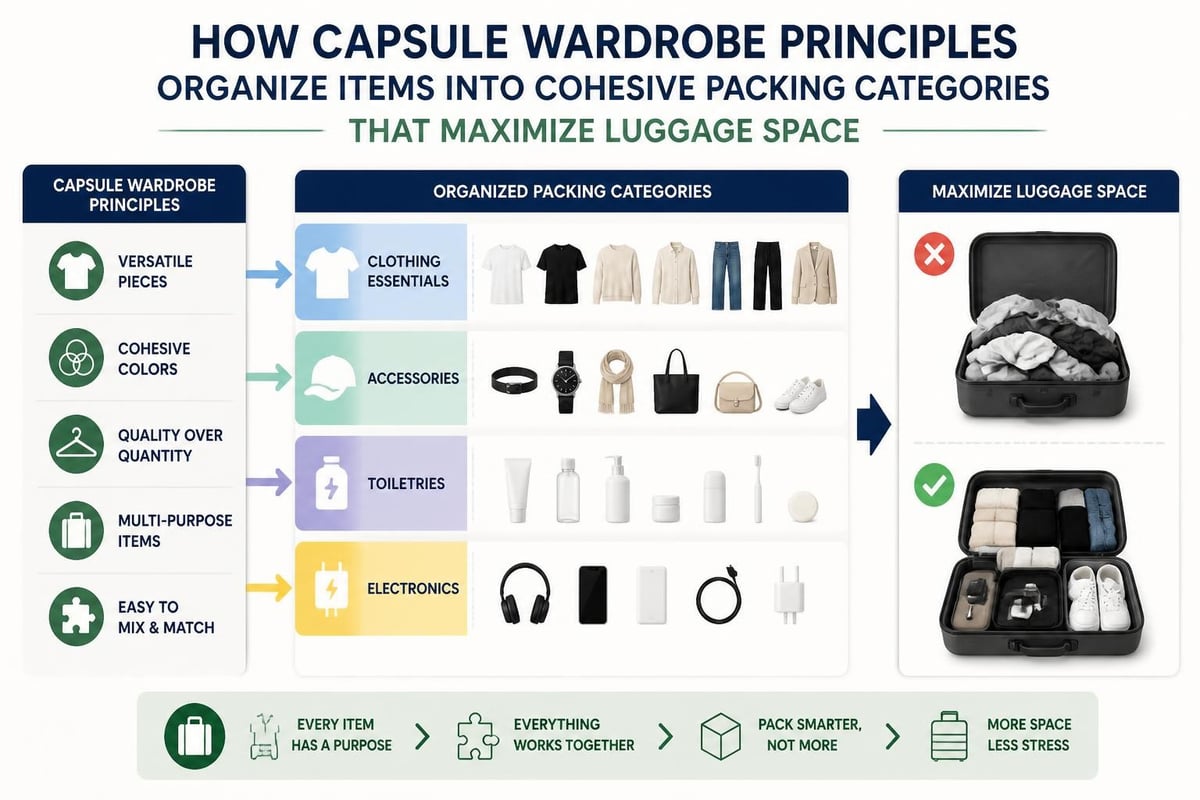
Creating a versatile travel wardrobe requires selecting pieces that coordinate seamlessly and serve multiple purposes. This approach reduces luggage volume while maintaining style flexibility.
- Choose a neutral color palette (black, navy, gray, beige)
- Select clothing items that layer effectively
- Include one statement piece for variety
- Pack wrinkle-resistant fabrics when possible
- Limit shoes to three pairs maximum: walking shoes, casual shoes, dressy option
Rolling clothes instead of folding maximizes space and minimizes wrinkles. Compression bags offer additional volume reduction for bulkier items like jackets or sweaters.
Essential Packing List Framework
| Category | Must-Have Items | Optional Additions |
|---|---|---|
| Documents | Passport, tickets, insurance, copies | International driving permit, vaccination records |
| Electronics | Phone, chargers, universal adapter | Portable battery, backup cables, e-reader |
| Health | Prescription medications, first-aid basics | Motion sickness remedies, allergy medications |
| Toiletries | Travel-size essentials, sunscreen | Laundry detergent packets, stain remover pen |
These tips and travel packing fundamentals apply across destinations, though specific locations may require specialized additions. The Scotland travel guide emphasizes waterproof layers, while Mediterranean destinations prioritize sun protection and lightweight fabrics.
Managing Travel Finances and Security
Financial preparedness prevents disruptions and protects against unexpected expenses. Modern travelers need strategies for accessing funds internationally while safeguarding against theft and fraud.
Multi-Currency Financial Planning
Notify your bank and credit card companies about international travel dates and destinations. This simple step prevents fraud alerts that could freeze your accounts during your trip. Carry multiple payment methods: at least two credit cards from different networks, a debit card for ATM withdrawals, and small amounts of local currency for immediate arrival needs.
Financial security best practices:
- Store payment cards in separate locations
- Photograph card numbers (store securely in cloud)
- Use RFID-blocking wallets or sleeves
- Avoid exchanging currency at airports (poor rates)
- Research whether your destination prefers cash or cards
Building travel tips and financial strategies into your planning reduces stress when navigating foreign transactions. Many destinations still operate primarily on cash, particularly for small vendors, public transportation, and rural areas.
Travel Insurance Considerations
Comprehensive travel insurance represents a wise investment for international journeys. Medical emergencies, trip cancellations, lost luggage, and unexpected delays can cost thousands without proper coverage.
Compare policies based on your specific needs. Adventure travelers require different coverage than leisure tourists. Medical evacuation coverage becomes critical in destinations with limited healthcare infrastructure. Trip cancellation insurance provides peace of mind when booking non-refundable accommodations and flights months in advance.
Leveraging Digital Resources for Seamless Travel
Technology has revolutionized how we navigate unfamiliar destinations. Digital travel guides, translation apps, and offline maps enable independent exploration with unprecedented ease.
Digital Guide Advantages
Comprehensive digital guides offer several advantages over traditional guidebooks. They're updated regularly with current information, searchable for quick reference, accessible across multiple devices, and often include interactive maps with GPS functionality. The Awesome Travel Guides collection provides destination-specific insights that help travelers discover authentic local experiences beyond mainstream tourist attractions.
- Download guides before departure for offline access
- Bookmark key locations and restaurants for easy reference
- Review transportation options and pricing
- Identify neighborhood characteristics for accommodation selection
- Note cultural customs and etiquette guidelines
These resources integrate seamlessly with modern travel planning, providing curated recommendations based on traveler preferences and interests.
Essential Travel Apps
| App Category | Purpose | Example Uses |
|---|---|---|
| Navigation | Offline maps, public transit | Finding walking routes, identifying landmarks |
| Translation | Real-time language assistance | Reading menus, conversing with locals |
| Accommodation | Booking management | Accessing confirmations, contacting hosts |
| Finance | Currency conversion, expense tracking | Understanding local prices, budgeting |
Combining these digital tools with expert tips and travel guides creates a powerful resource ecosystem for confident exploration.
Cultural Awareness and Local Etiquette
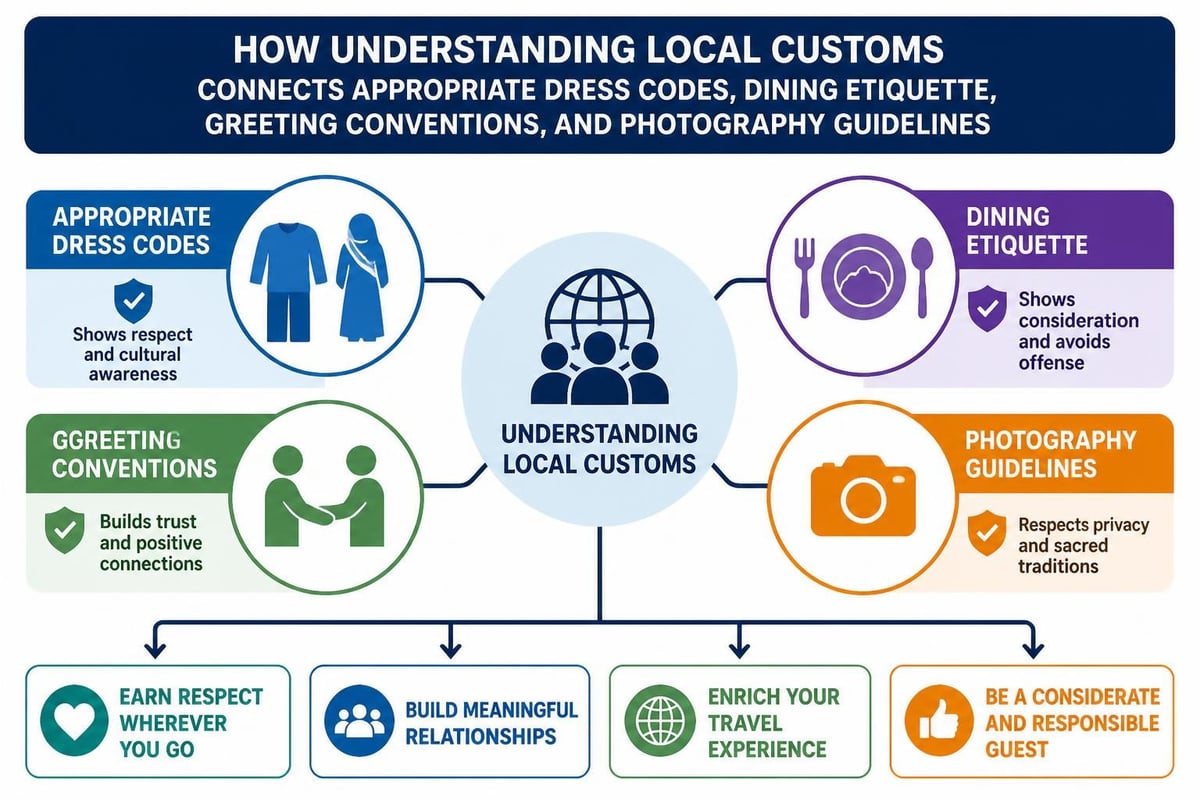
Respecting local customs demonstrates cultural sensitivity while enhancing travel experiences. Small gestures of awareness create positive interactions and open doors to authentic connections.
Research Cultural Norms
Every destination has unique social conventions regarding greetings, dining, dress codes, and appropriate behavior in sacred spaces. Understanding these expectations prevents unintentional offense and shows respect for local traditions.
Common etiquette considerations:
- Appropriate clothing for religious sites
- Tipping customs and expectations
- Photography restrictions at cultural locations
- Acceptable public behavior and personal space norms
- Dining customs and table manners
The England travel guide details British social conventions, while resources focused on other regions provide region-specific guidance. These details enrich your understanding and facilitate smoother interactions with local communities.
Language Preparation
Learning basic phrases in the local language transforms travel experiences. Even simple attempts at speaking the native language generate goodwill and often elicit helpful responses from locals.
Focus on essential phrases: greetings, please and thank you, excuse me, basic directions, numbers for transactions, and how to ask if someone speaks English. Download offline translation apps before departure for situations requiring more complex communication.
Health and Safety Preparedness
Protecting your health and safety abroad requires proactive planning and situational awareness. Understanding destination-specific risks enables appropriate preparation.
Medical Preparations
Schedule a travel medicine consultation six to eight weeks before international trips. Certain vaccinations require multiple doses over several weeks, while others need time to reach full effectiveness. Research whether your destination poses risks for specific diseases and whether preventive medications are recommended.
Pack a comprehensive travel medical kit including prescription medications (in original containers), over-the-counter remedies for common ailments, first-aid supplies, and any destination-specific items like altitude sickness medication or antimalarial drugs.
Safety Awareness Strategies
Maintaining situational awareness protects against opportunistic crime. Research neighborhood safety in your destination, avoid displaying expensive jewelry or electronics conspicuously, and keep valuables secured in hotel safes when not needed.
- Register with your embassy for international travel alerts
- Share detailed itineraries with trusted contacts at home
- Keep emergency contact information readily accessible
- Understand local emergency services numbers
- Trust your instincts about unsafe situations
These fundamental tips and travel safety practices apply universally, though specific destinations may require additional precautions. The travel adventures blog shares real-world experiences that illustrate practical safety considerations.
Sustainable and Responsible Travel Practices
Modern travelers increasingly prioritize minimizing environmental impact and supporting local communities. Sustainable travel choices benefit destinations while often providing more authentic experiences.
Supporting Local Economies
Choose locally-owned accommodations, restaurants, and tour operators when possible. These businesses reinvest earnings within communities, creating sustainable economic benefits. Purchasing souvenirs directly from artisans ensures fair compensation for their work.
Responsible travel guidelines:
- Respect wildlife by maintaining appropriate distances and avoiding exploitative attractions
- Minimize plastic waste through reusable water bottles and shopping bags
- Support conservation efforts through entrance fees and donations
- Choose tour operators with strong environmental and social responsibility practices
- Offset carbon emissions from flights when feasible
Incorporating sustainability into your tips and travel philosophy creates positive impacts extending beyond your immediate journey.
Respecting Natural and Cultural Sites
Popular destinations face challenges from overtourism. Visit during shoulder seasons, explore lesser-known alternatives to famous landmarks, and follow all posted guidelines at protected sites. Stay on designated paths, avoid touching ancient structures or artifacts, and pack out all waste from natural areas.
Maximizing Travel Experiences Through Local Connections
The most memorable travel moments often arise from authentic interactions with local residents. Creating opportunities for these connections enriches understanding and provides insights no guidebook can match.
Strategies for Authentic Engagement
Participate in community-based tourism initiatives, attend local festivals or events during your visit, shop at neighborhood markets, and dine where locals eat rather than exclusively at tourist-oriented restaurants. Consider staying in residential neighborhoods instead of hotel districts to experience daily rhythms of local life.
Learning about local history deepens appreciation for destinations. The Scotland history articles illustrate how understanding a region's past enriches present-day explorations, from recognizing architectural influences to appreciating cultural traditions.
Documentation and Memory Preservation
Capturing travel memories requires balancing present-moment experiences with documentation for future enjoyment. Strategic approaches preserve highlights without sacrificing engagement.
Photography Best Practices
Photograph thoughtfully rather than constantly. Identify key moments worth documenting, then put devices away to fully experience surroundings. Wake early for optimal lighting and fewer crowds at popular sites. Ask permission before photographing people, respecting cultural sensitivities around photography.
Organize photos promptly using cloud storage and descriptive folder names. This practice prevents overwhelming backlogs and makes memories more accessible. Consider creating daily journal entries describing experiences, emotions, and details photographs cannot capture.
Successful travel combines thorough preparation with flexibility, cultural awareness with adventurous spirit, and practical planning with openness to spontaneity. These essential strategies help you navigate the complexities of modern travel while maximizing opportunities for authentic experiences and meaningful connections. Whether you're exploring historic Scottish Highlands or vibrant Mediterranean cities, Awesome Travel Guides provides the comprehensive digital resources you need to travel with confidence and discover the hidden gems that transform ordinary trips into extraordinary adventures.