

Tips Guides: The Essential Guide for Success in 2026
Unlock your full potential in 2026 by using proven strategies and expert-backed advice. This essential guide is designed for ambitious individuals who want to achieve lasting success, no matter how the world changes.
Here, you will find tips guides that break down key factors for success, strategic planning methods, and practical steps you can apply right away. Discover actionable insights, learn from real-world examples, and gain the confidence to thrive in a rapidly evolving environment.
Ready to transform your goals into reality? Let’s explore what it takes to succeed in 2026.
Understanding the Key Success Factors for 2026
Unlocking success in 2026 means understanding the dynamic shifts shaping our world. The right tips guides can make all the difference as you navigate emerging challenges and opportunities.
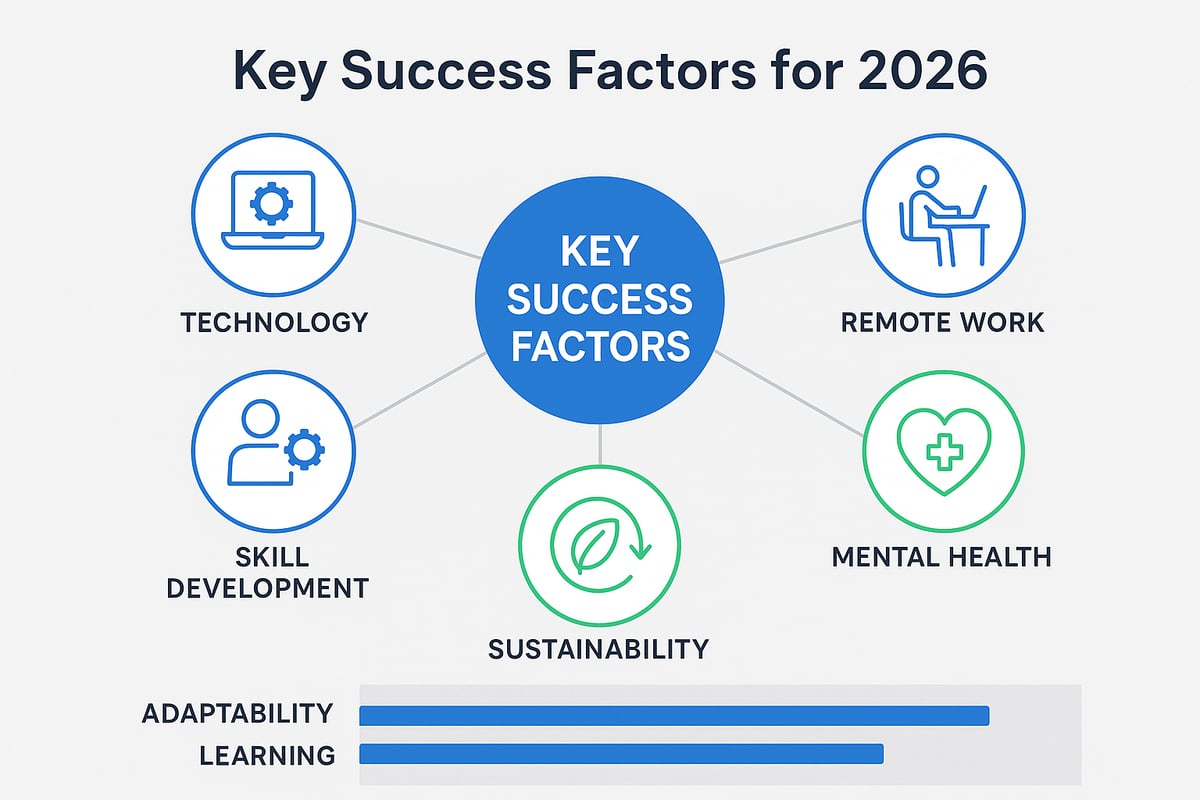
Influential Trends for 2026
Technology is evolving at a rapid pace, redefining industries and ways of working. Remote work is here to stay, with global connectivity enabling real-time collaboration across continents. Businesses and individuals using tips guides to adapt to these changes are setting themselves up for long-term achievement.
Adaptability and Resilience
In a fast-paced, unpredictable environment, adaptability stands out as a core trait. Those who embrace change and stay flexible can pivot quickly when challenges arise. Resilience, the ability to recover from setbacks, is equally vital. Practical tips guides often stress building routines that foster mental strength and flexibility.
Continuous Learning and Upskilling
The future workforce demands continuous learning. According to the World Economic Forum's Future of Jobs Report 2025, 54% of employees will require significant reskilling by 2026. Investing in new skills ensures you stay relevant, and consulting trusted tips guides can direct your learning journey effectively.
| Success Factor | Why It Matters in 2026 |
|---|---|
| Adaptability | Navigates rapid change |
| Upskilling | Meets new job demands |
| Emotional Intelligence | Enhances teamwork and leadership |
| Work-Life Balance | Supports sustained performance |
| Digital Literacy | Powers innovation and transformation |
| Sustainability | Aligns with global priorities |
Emotional Intelligence and Communication
The human touch is more important than ever. Emotional intelligence enables you to understand and manage emotions, fostering trust and collaboration. Effective communication, a frequent focus in tips guides, bridges gaps in both personal and professional spheres.
Innovation and Change
Success stories from leading companies show that innovation pays off. Organizations that encourage creativity and experimentation adapt faster to market shifts. Individuals who seek out tips guides on embracing change often discover new pathways to growth.
Work-Life Balance and Mental Health
Long-term achievement depends on sustainable habits. The growing emphasis on work-life balance and mental health signals a shift toward well-being as a foundation for productivity. Tips guides now routinely include strategies for managing stress, setting boundaries, and prioritizing self-care.
Digital Transformation
Traditional career paths are being reshaped by digital transformation. Automation, artificial intelligence, and online business models open new doors but require new competencies. By following up-to-date tips guides, professionals can navigate these transitions with confidence.
Sustainability and Ethics
Sustainability and ethical decision-making are now critical success factors. Consumers and employers alike value responsible actions that benefit society and the planet. Tips guides increasingly highlight the importance of integrating these principles into your daily work.
As you prepare for 2026, consider these key success factors as your personal roadmap. Leveraging the right tips guides will help you adapt, thrive, and achieve meaningful progress in a rapidly changing world.
Step-by-Step Guide to Strategic Planning for Success
Strategic planning is your compass for achieving success in 2026. By following proven tips guides, you can break your ambitions into clear, actionable steps and adapt to whatever the future holds. This section delivers a practical blueprint to help you assess, plan, and achieve your goals.
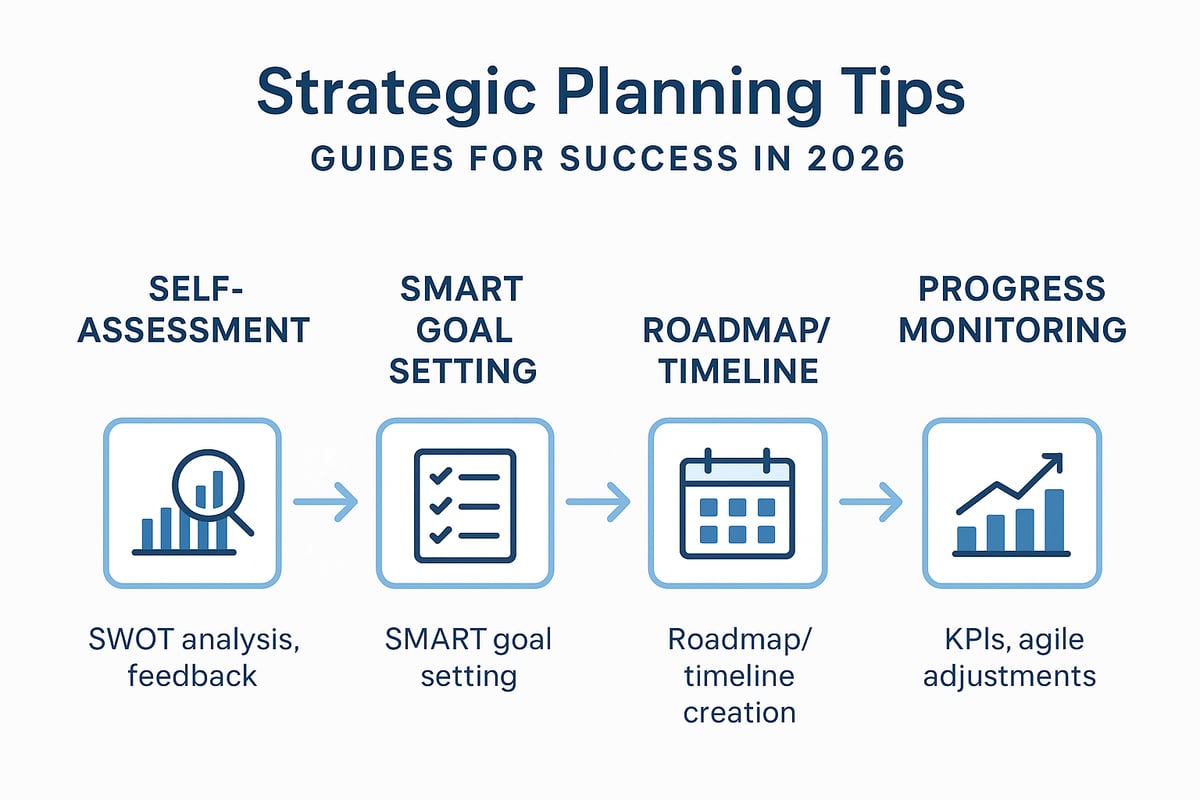
Assessing Your Current Situation
The first step in any effective tips guides strategy is honest self-assessment. Understanding your strengths, weaknesses, opportunities, and threats (SWOT) sets a strong foundation for growth. Use a SWOT analysis to map out where you stand today, both personally and professionally.
Gather feedback from colleagues, mentors, or clients. This outside perspective often reveals blind spots and areas for improvement. Consider using surveys or 360-degree reviews to gather data.
Rely on metrics—such as performance ratings, customer feedback, or personal achievement records—to inform your next moves. Data-driven decision making is a cornerstone of modern tips guides, ensuring that your strategic plan is rooted in reality, not just intuition. Frameworks like the Johari Window or GROW model can further clarify your position.
Regular self-assessment keeps your plan relevant and focused, preparing you for the next steps in your journey.
Setting Clear, Actionable Goals
Clear goals are the backbone of all successful tips guides. The SMART framework—Specific, Measurable, Achievable, Relevant, and Time-bound—remains essential in 2026. Begin by defining what you want to achieve in both the short and long term.
For example, instead of setting a vague goal like "improve productivity," specify "increase weekly project completion by 20% within six months." This clarity drives motivation and focus.
Research shows that high performers are 42% more likely to achieve goals when they write them down and track progress. Break big objectives into smaller milestones to maintain momentum.
Use tables or checklists to visualize your goals and track progress. This approach, central to the most effective tips guides, ensures that you remain accountable and proactive as you work toward success.
Developing a Roadmap and Timeline
After setting goals, tips guides recommend breaking them into actionable steps. Create a detailed roadmap, outlining each phase and assigning deadlines. This process transforms ambitions into a series of manageable tasks.
Prioritization is key. Use time management tools like Gantt charts or digital planners to allocate resources and stay on track. Many professionals find that visual templates enhance clarity and prevent overwhelm.
Digital guides and planning platforms can streamline this phase. For more insight on how digital planning tools can maximize your results, review Maximizing your travel experience, which explores how strategic planning and digital resources offer more than just directions—they provide structure, flexibility, and efficiency.
A clear timeline, supported by proven tips guides, keeps you focused and makes complex goals attainable.
Monitoring Progress and Adjusting Strategies
Success demands ongoing attention. The best tips guides stress the importance of monitoring progress with key performance indicators (KPIs) that reflect your objectives. Regularly review your metrics to identify trends, challenges, and opportunities.
Adopt an agile mindset. If something is not working, adjust your strategies promptly rather than waiting until problems escalate. Schedule monthly or quarterly reviews to stay aligned with your roadmap.
Draw inspiration from iterative success stories—companies that pivoted quickly during market shifts often outperformed their competition. Embrace feedback loops, adapt to new information, and celebrate small wins.
By integrating these habits into your tips guides, you ensure that your strategic plan remains dynamic, relevant, and effective throughout 2026.
Essential Skills and Competencies for the Future
Success in 2026 will be determined by your ability to adapt and grow. As the world transforms, knowing which skills to prioritize is essential. This section of our tips guides will help you focus on the most impactful competencies for the future.

Top Skills for 2026
The workplace is rapidly evolving, and digital literacy, critical thinking, and creativity are at the forefront. According to LinkedIn's 2024 Future of Skills Report, these competencies will remain in high demand through 2026.
| Skill | Demand Growth (%) |
|---|---|
| Digital Literacy | 25 |
| Critical Thinking | 22 |
| Creativity | 18 |
Incorporating these abilities into your daily routine, as outlined in our tips guides, will help you stay ahead of the curve.
Cross-Cultural Competence & Global Collaboration
Companies are increasingly global, making cross-cultural competence vital. Being able to work effectively with diverse teams is a core focus in modern tips guides.
Building global collaboration skills means understanding different perspectives and adapting communication styles. This not only enhances teamwork but also increases your value within international organizations.
Adapting to AI & Automation
AI and automation are reshaping job requirements. To future-proof your career, tips guides recommend learning the basics of AI, staying updated on automation trends, and identifying areas where human creativity adds value.
Consider enrolling in online courses or participating in workshops. By doing so, you will remain relevant and competitive, no matter how technology shifts the landscape.
Leadership, Networking & Relationship Building
Strong leadership and networking are key differentiators. Tips guides suggest focusing on:
- Active listening and clear communication
- Building relationships through authentic connections
- Seeking mentors and offering support to peers
Effective relationship building, especially in digital spaces, can open doors to new opportunities and accelerate your career growth.
ROI of Professional Development
Investing in professional development brings measurable benefits. Studies show that individuals who regularly upskill can see up to a 30 percent increase in earning potential. Tips guides highlight real-world examples of professionals who have pivoted careers by focusing on continuous learning and embracing new competencies.
Online learning platforms have made acquiring new skills more accessible than ever. Prioritizing growth today ensures you are prepared for the challenges and opportunities of 2026.
Building Effective Habits and Routines for Lasting Achievement
Effective habits are the true engine behind sustained achievement. In the fast-moving world of 2026, adopting the right routines can make all the difference. Whether you are following tips guides or developing your own process, understanding the building blocks of success is essential.
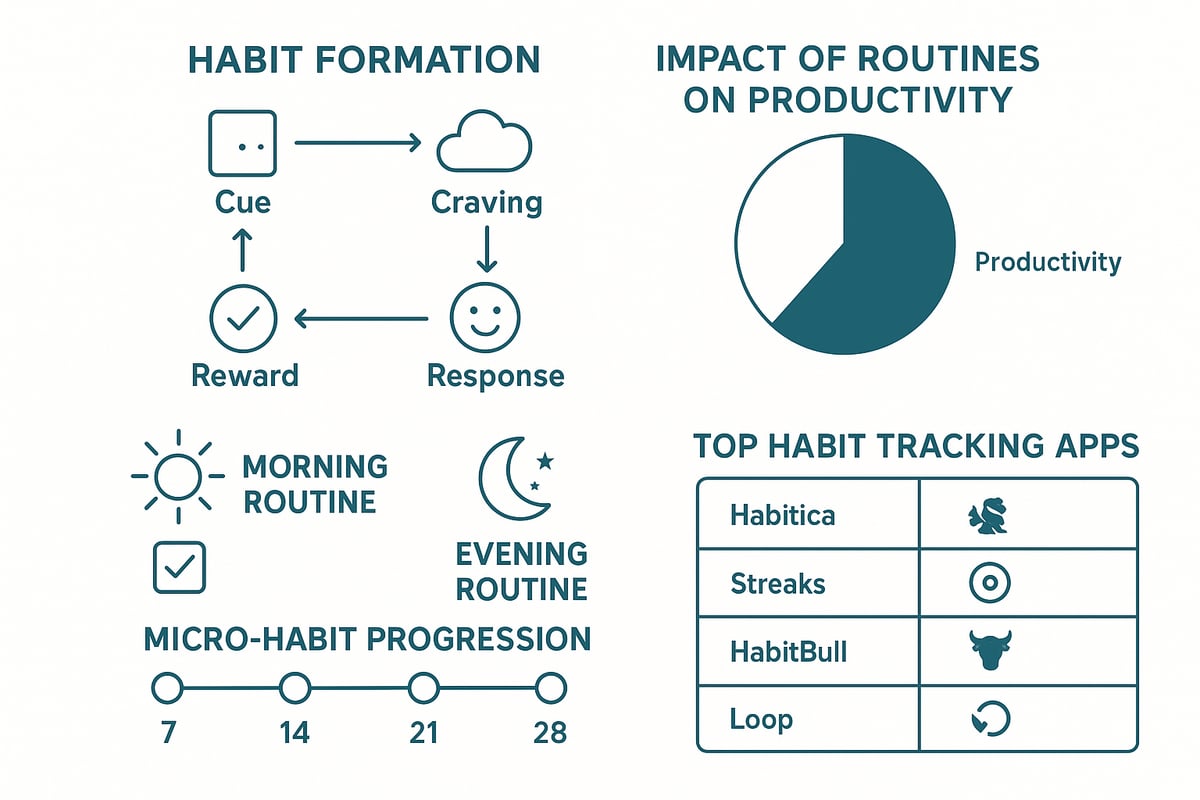
The Science of Habit Formation
Building lasting habits starts with understanding how the brain forms routines. Research shows that when you repeat an action in a consistent context, your brain creates neural pathways, making the action automatic over time. This is why so many tips guides emphasize starting small and being consistent.
A well-established routine reduces decision fatigue, allowing you to focus your energy on high-priority tasks. According to studies, people who follow structured habits are up to 40% more likely to reach their goals. By applying insights from neuroscience, you can turn productive actions into automatic behaviors.
Practical Routines for Success
Creating effective morning and evening routines is a proven strategy for boosting productivity. Morning routines might include journaling, exercise, or planning your day. Evening routines can involve reflecting on achievements, preparing for tomorrow, or winding down with meditation.
To make routines stick, use the "cue-routine-reward" approach found in many tips guides. For example, place your workout clothes by your bed as a cue to exercise in the morning. Over time, these small actions compound, leading to significant improvements in performance and well-being.
Accountability and Micro-Habits
Accountability partners can help you stay on track with your goals. Sharing your progress with someone you trust increases your sense of responsibility and motivation. Support systems, whether friends, family, or professional coaches, are often recommended in expert tips guides.
Start with micro-habits, such as reading one page of a book each night or drinking a glass of water after waking up. These tiny changes are less intimidating and easier to maintain. Over weeks and months, micro-habits stack up, creating momentum and leading to larger transformations.
Tools, Data, and Overcoming Obstacles
Modern productivity tools and apps make habit tracking easier than ever. Popular options include Habitica, Streaks, and Todoist, which let you set reminders, track streaks, and visualize progress. Data from these apps show that users who track their habits regularly are 60% more likely to achieve their goals.
Obstacles like procrastination and burnout are common. To overcome them, break tasks into smaller steps, celebrate small wins, and adjust routines as needed. If you seek a comprehensive approach, The awesome travel guide overview demonstrates how structured guides can help you build habits that last.
Conclusion
Building effective habits and routines is the foundation of lasting achievement in 2026. By following evidence-based tips guides, understanding the science of habit formation, and using the right tools, you set yourself up for sustained success. Remember, progress is built on small actions repeated consistently. Embrace support systems, track your growth, and never underestimate the power of a single positive routine. Your journey to achievement begins with the habits you build today.
Leveraging Technology and Tools for Success in 2026
Navigating the future landscape requires a proactive approach to technology. With the right tips guides, you can leverage digital tools to enhance productivity, make informed decisions, and maintain security. Let’s explore how to harness the most impactful platforms and strategies for 2026.
Harnessing Productivity and Collaboration Platforms
In 2026, adopting the right productivity and collaboration tools is essential for any professional or team striving for success. Platforms like Asana, Trello, and Slack have become indispensable, supporting seamless communication and efficient workflow management.
Consider this comparison table of popular platforms:
| Platform | Key Feature | Best For |
|---|---|---|
| Asana | Task Tracking | Project Management |
| Trello | Visual Boards | Agile, Kanban Style Projects |
| Slack | Real-time Messaging | Team Communication, Integrations |
Using these tools, tips guides recommend setting up automated reminders, shared calendars, and clear channels for feedback. This approach boosts accountability and ensures everyone stays aligned. For distributed or remote teams, collaboration platforms help bridge the physical gap, making teamwork more agile and responsive. Integrating these tools into your daily routine, as suggested by leading tips guides, sets a strong foundation for achieving your goals.
Using Data Analytics and AI for Decision Making
Data analytics and AI are transforming how individuals and organizations make decisions. With advanced algorithms, you can forecast trends, identify opportunities, and optimize performance in real time. According to the Forbes Analysis on Future Job Trends, AI-driven insights are expected to drive significant changes in job roles and business models by 2026.
Tips guides emphasize the importance of using metrics and dashboards to monitor progress. For example, setting up KPIs in your preferred analytics platform allows you to spot patterns and make adjustments quickly. AI-powered recommendations can help refine your strategy, minimize risks, and maximize outcomes. By incorporating these technologies, you ensure your decision-making process is both data-informed and future-ready.
Embracing Continuous Learning with Online Resources
Keeping your skills current is a non-negotiable part of long-term success. Top tips guides suggest leveraging leading online learning platforms such as Coursera, Udemy, and LinkedIn Learning. These resources offer microlearning, certifications, and self-paced courses that align with the evolving demands of the workforce.
As highlighted in Coursera's Analysis of WEF Future of Jobs Report 2025, the necessity for upskilling and reskilling will only intensify as we approach 2026. By dedicating time each week to learning, you can stay ahead of industry trends and open up new career opportunities. Investing in professional development through tips guides ensures you remain competitive and agile in a rapidly changing environment.
Ensuring Digital Security and Privacy
With increased connectivity comes greater responsibility to secure your personal and professional information. Tips guides recommend best practices such as using strong passwords, enabling two-factor authentication, and regularly updating software to protect against threats.
Recent statistics show a sharp rise in cyber incidents, making cybersecurity knowledge essential for everyone. Staying informed about the latest threats and solutions helps you safeguard your digital footprint. Prioritizing security is a vital step in any comprehensive tips guides strategy for 2026.
Mastering Adaptability and Resilience in a Changing World
In a world where rapid transformation is the norm, mastering adaptability and resilience has become a cornerstone of success. As you follow tips guides for 2026, it is crucial to understand how these traits empower individuals and organizations to thrive, no matter the challenges ahead.
Understanding the Nature of Change in 2026
Change in 2026 is expected to accelerate, driven by advances in technology, shifts in the global economy, and evolving social dynamics. Automation, artificial intelligence, and remote work are reshaping industries, while global connectivity brings new opportunities and challenges.
To navigate this landscape, tips guides recommend staying informed about major trends. Economic volatility, environmental concerns, and digital transformation are influencing traditional career paths. Organizations are restructuring, and workers must adapt to new roles and expectations.
Consider the following summary table of key global shifts:
| Trend | Impact on Success |
|---|---|
| Digital Transformation | New skills, remote work |
| Economic Volatility | Need for flexibility |
| Social Dynamics | Diverse teams, global market |
Adapting to these changes requires more than just technical skills. Tips guides stress the importance of cultivating a mindset ready for uncertainty and growth.
Developing a Growth Mindset
A growth mindset is the belief that abilities and intelligence can be developed through effort and learning. According to tips guides, this perspective is essential for overcoming challenges and embracing new opportunities in 2026.
Research by Dr. Carol Dweck shows that individuals with a growth mindset achieve greater long-term success. They view setbacks as learning experiences, not failures. This approach fosters innovation, persistence, and creativity—traits highly valued in a dynamic environment.
To build a growth mindset, start by reframing challenges as chances to grow. Seek feedback, celebrate progress, and stay curious. Tips guides suggest integrating continuous learning into your daily routine. By doing so, you position yourself to adapt quickly, no matter how the world changes.
Building Emotional Resilience
Emotional resilience is the ability to manage stress, recover from setbacks, and maintain well-being in the face of adversity. Tips guides highlight that resilience is not just innate; it can be developed through intentional practice.
Studies show that high-performing individuals often engage in regular mindfulness, set healthy boundaries, and seek support when needed. Building resilience involves recognizing emotions, practicing self-care, and focusing on solutions rather than problems.
Here are a few strategies promoted in leading tips guides:
- Practice daily reflection or journaling
- Develop a consistent exercise routine
- Build supportive relationships
The more resilient you become, the better equipped you are to navigate uncertainty and maintain productivity in any setting.
Cultivating Flexibility and Openness to New Opportunities
Embracing flexibility means being open to change, learning from failure, and pivoting when necessary. In 2026, tips guides encourage professionals to step out of their comfort zones and experiment with new approaches.
Successful individuals often share stories of how unexpected setbacks led to better opportunities. When a project does not go as planned, those who adapt quickly find alternative paths to success. Flexibility also involves staying updated on industry trends and acquiring new skills as needed.
Consider these ways to foster flexibility:
- Volunteer for cross-functional projects
- Attend industry workshops or webinars
- Reflect on lessons learned after setbacks
By following tips guides that promote adaptability, you can turn challenges into stepping stones for growth.
Networking and Seeking Mentorship
Building a strong professional network is a critical component of adaptability. Tips guides recommend connecting with peers, industry leaders, and mentors who can provide guidance and support.
To expand your network, attend conferences, join professional groups, and engage in online communities. Finding a mentor can accelerate your growth by offering personalized advice and helping you navigate complex situations.
Tips guides suggest setting clear expectations with mentors and maintaining regular communication. A robust network not only opens doors to new opportunities but also provides a safety net during times of change.
Real-World Examples of Adaptability Leading to Success
Many individuals and organizations have demonstrated exceptional adaptability in recent years. For example, companies that swiftly shifted to remote work during global disruptions were able to maintain productivity and even expand their markets.
On a personal level, professionals who embraced digital skills and sought continuous improvement found themselves in high demand. These real-world stories, highlighted in various tips guides, reveal that adaptability is not just a survival skill but a pathway to thriving in uncertainty.
The key takeaway is clear: those who invest in adaptability and resilience position themselves for lasting achievement, no matter what the future holds.
As you look ahead to achieving your goals in 2026, remember that success is built on a foundation of knowledge, adaptability, and strategic planning. We’ve explored essential skills, habits, and tools that can help you thrive in a rapidly changing world. If you’re ready to turn these insights into action and make your next adventure unforgettable, you’ll find even more practical tips and hidden gems in our comprehensive digital travel guides. Let’s make your journey as rewarding as your destination—take the next step and Explore Guides for a truly empowered travel experience.