

The Ultimate Guide to Tourist Experience in 2026
Imagine stepping into a world where every tourist experience is crafted just for you, shaped by technology and your unique values. In 2026, travel is more immersive, authentic, and sustainable than ever before. This guide explores the trends and innovations that will transform your adventures, from hyper-personalization to the pursuit of meaningful connections. Are you ready to discover how the future of travel will inspire unforgettable journeys and empower you to explore with confidence?
The Evolution of the Tourist Experience: From Past to 2026
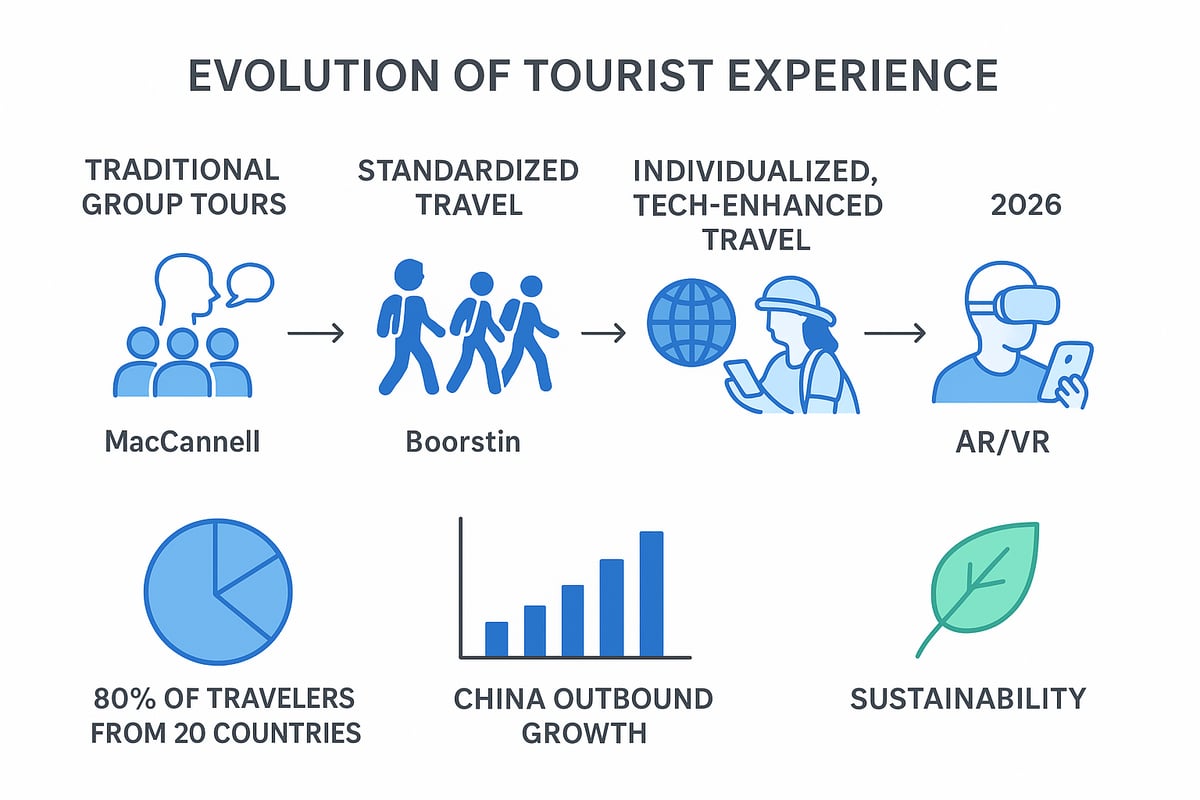
Tourism has transformed dramatically over the past few decades. The tourist experience, once defined by standard group tours and fixed itineraries, has evolved into a journey that prioritizes authenticity, personalization, and meaning.
The Changing Definition of Tourist Experience
Not long ago, the typical tourist experience meant joining a large group, following a guide, and checking off famous sights. Travelers often felt like outsiders, observing local culture from a distance. As expectations changed, so did the approach to tourism.
Scholars like Dean MacCannell introduced the idea that travelers seek authenticity, craving real connections with people and places. Daniel Boorstin, on the other hand, warned that many experiences are “pseudo-events,” staged for tourists rather than reflecting genuine culture. Erik Cohen added nuance, suggesting that there are different modes of tourist experience, from recreational to existential, each offering a unique level of engagement.
Today’s travelers reject the one-size-fits-all model. There is a clear shift from mass tourism to meaningful, individualized journeys. Modern tourists want more than just sightseeing; they seek transformation, learning, and self-discovery. The rise of experiential tourism is fueled by this desire for deeper involvement.
A powerful example is the move from group package tours to self-curated adventures. Now, travelers use digital tools to plan unique routes, connect with locals, and shape their own narratives. This approach has become a defining feature of the tourist experience in the digital age. For a deeper dive into how digital tools empower personalized journeys, see Unlock the power of personalized travel.
Research shows that 80% of international travelers from 20 countries actively seek customized and meaningful experiences. The tourist experience is no longer passive; it is a journey of growth and personal discovery.
Major Forces Driving Change
Several powerful forces drive the ongoing transformation of the tourist experience. Technology leads the way. Artificial intelligence, augmented and virtual reality, and digital platforms have redefined how travelers plan, book, and enjoy their trips.
Sociocultural factors also play a key role. The expanding middle class in Asia, especially China, means new traveler demographics and rising outbound tourism. In fact, China was projected to produce 1 billion international tourists by 2020, highlighting the scale of this shift.
Growing environmental concerns and the drive for sustainability shape travel choices. Travelers are more aware of their impact and seek eco-friendly options, pushing the industry toward greener practices.
Global events, such as pandemics and climate change, have had profound effects. These events have altered traveler behavior, making safety, flexibility, and responsible tourism priorities.
The convergence of technology, societal shifts, environmental awareness, and global events is fundamentally reshaping what travelers expect. The tourist experience in 2026 will be defined by adaptability, deeper connections, and a focus on both personal and collective well-being.
Key Trends Shaping Tourist Experiences in 2026
The landscape of the tourist experience in 2026 is being shaped by transformative trends. Travelers are demanding more than just sightseeing—they expect journeys that are tailored, meaningful, and environmentally conscious. Let us explore the key trends redefining what it means to travel in this new era.
Personalization and Hyper-Customization
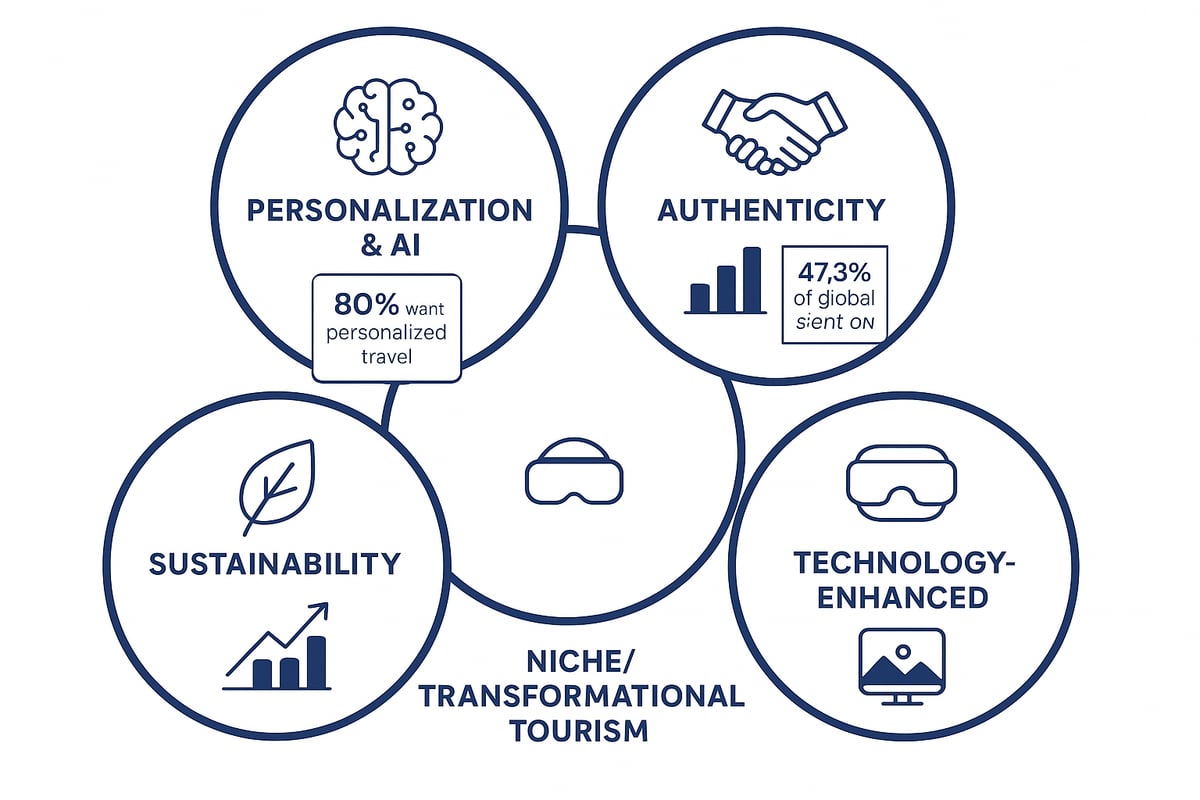
In 2026, personalization is at the heart of the tourist experience. AI-driven itinerary planners and smart recommendation engines use big data to understand each traveler's preferences. These advanced tools offer dynamic pricing and real-time adjustments, ensuring that every trip is unique.
Travelers can expect adaptive apps that adjust schedules based on weather, local events, or personal interests. For example, AI-powered travel assistants curate daily plans that evolve as you move through your journey.
According to 2026 Travel and Hospitality Trends, this level of customization makes travel more memorable and satisfying. As a result, the tourist experience becomes deeply individualized, creating lasting value for every explorer.
Authenticity vs. Pseudo-Events
The quest for authenticity remains central to the tourist experience. Modern travelers seek genuine encounters, yet the line between authentic and staged has blurred. MacCannell’s theory highlights the search for the "real," while Boorstin critiques the rise of pseudo-events—experiences crafted specifically for tourists.
In 2026, travelers are increasingly aware of these distinctions. Many choose to participate in local festivals or guided tours, fully knowing some elements are curated for visitors. The documentary “Cannibal Tours” illustrates how tourists often seek reconstructed cultural moments.
Ultimately, the tourist experience now hinges on perceived authenticity. Travelers value experiences that feel meaningful, whether entirely original or thoughtfully designed.
Sustainability and Responsible Tourism
Sustainability is no longer optional—it is an expectation integrated into the tourist experience. Travelers look for eco-friendly transport, carbon offset options, and accommodations that support local communities. Green certifications and ethical practices are now central to travel planning.
Tour operators respond by offering carbon-neutral packages and promoting local conservation efforts. For instance, some companies bundle carbon offsetting directly into the booking process. Data shows that 47.3% of global tourism spending comes from the top ten countries, emphasizing the industry's significant impact.
Responsible tourism enriches the tourist experience by aligning personal values with travel choices. This shift ensures both destinations and their cultures are preserved for future generations.
Technology-Enhanced Experiences
Technology is a powerful catalyst in shaping the tourist experience. Augmented reality (AR) and virtual reality (VR) provide immersive previews and in-destination enhancements. Travelers can explore historic sites with AR overlays or take VR tours before booking.
Smart devices and the Internet of Things (IoT) simplify logistics, from contactless check-ins to real-time translation. Social media platforms and digital storytelling turn every journey into a shareable narrative.
For example, AR walking tours reveal hidden stories in urban environments, deepening engagement. In 2026, technology is not just a tool but a bridge to a richer tourist experience, making exploration more accessible and inspiring.
The Rise of Niche and Transformational Tourism
Niche tourism is flourishing, transforming the tourist experience into a journey of self-discovery and purpose. Adventure travel, wellness retreats, culinary journeys, and heritage tours cater to diverse interests and foster meaningful connections.
Travelers are drawn to experiences that promise learning and personal growth. Participating in a local cooking class or volunteering on a conservation project can be deeply transformative. These opportunities elevate the tourist experience from simple entertainment to profound transformation.
In 2026, the desire for unique, life-changing journeys is stronger than ever. The tourist experience is about returning home not just with photos, but with new perspectives and lasting memories.
The Anatomy of a Memorable Tourist Experience in 2026
What makes a tourist experience truly unforgettable in 2026? Today, travelers expect more than simple sightseeing. They seek journeys that resonate on multiple levels and create lasting impressions. Understanding the anatomy of a memorable tourist experience helps you intentionally craft trips that are both meaningful and enjoyable.
Core Elements of Memorable Experiences
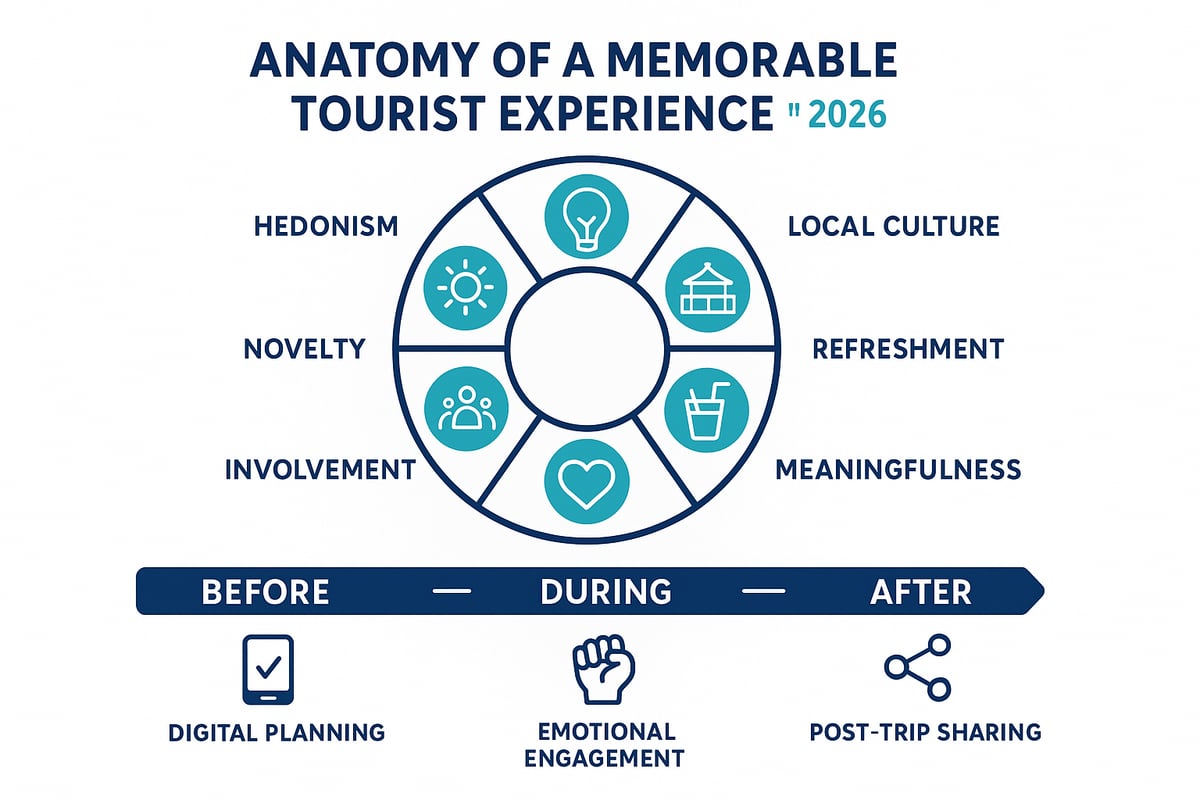
A memorable tourist experience in 2026 is shaped by several essential components. These elements work together to transform an ordinary trip into an impactful journey.
- Hedonism: Pleasure and enjoyment remain strong motivators. Whether it's savoring local cuisine or relaxing at a spa, positive emotions are central.
- Novelty: Travelers crave new and unique activities. Unexpected discoveries and surprising moments make the tourist experience stand out.
- Local Culture: Genuine engagement with local traditions, food, and people provides depth and authenticity.
- Refreshment: Escaping routine and finding rejuvenation are key goals. A change of scenery can provide a fresh perspective.
- Meaningfulness: Experiences that align with personal or social values leave a lasting mark. Travelers often seek journeys that contribute to their sense of purpose.
- Involvement: Active participation, such as hands-on workshops or guided adventures, helps travelers feel connected and invested.
- Knowledge: Opportunities for learning foster personal growth and enrich the tourist experience.
According to Kim et al. (2012), these seven areas are supported by 24 underlying factors that together create lasting memories. By focusing on these elements, travelers can design trips that are both enjoyable and transformative. This approach ensures that every tourist experience is more than just a checklist of attractions—it becomes a journey of discovery.
The Three Phases: Before, During, and After the Trip
A memorable tourist experience unfolds across three distinct phases. Each stage plays a crucial role in shaping overall satisfaction and memory retention.
Before the Trip: Anticipation builds as travelers research, plan, and imagine their upcoming journeys. Digital tools and travel guides are increasingly used to personalize and streamline this phase. For example, using resources like Maximizing your travel experience helps travelers uncover hidden gems and tailor their plans.
During the Trip: On-site, the tourist experience is defined by emotional engagement, active participation, and adaptation to new environments. Immersive activities and real-time adjustments make each day unique and meaningful. Capturing moments through journaling or digital media further enriches this stage.
After the Trip: Reflection and sharing complete the cycle. Travelers revisit their experiences, share stories, and consolidate memories. Post-trip actions like creating digital scrapbooks or posting reviews help reinforce the journey’s impact.
Each phase is interdependent. Anticipation enhances enjoyment, engagement amplifies memories, and reflection turns experiences into lifelong lessons. Recognizing these stages allows travelers to maximize every aspect of their tourist experience.
The Role of Social and Environmental Interactions
Social and environmental interactions are pivotal in shaping the tourist experience. Encounters with locals, other travelers, and service providers often create the most vivid memories.
Positive interactions foster a sense of belonging and connection. Engaging with local communities, attending cultural events, or simply having a meaningful conversation can elevate the tourist experience from routine to remarkable.
The physical environment, or “servicescape,” also matters. Clean, welcoming, and unique destinations contribute to comfort and satisfaction. Sustainable and responsible practices, such as supporting local businesses or respecting natural habitats, further enhance the overall tourist experience.
Research shows that social and emotional value, as well as authentic interaction, are among the strongest predictors of memorable journeys. By seeking out genuine connections and mindful engagement, travelers can ensure their tourist experience in 2026 is both impactful and rewarding.
Navigating Authenticity and Inauthenticity in Modern Tourism
The pursuit of an authentic tourist experience has become a defining feature of modern travel. As travelers seek deeper meaning from their journeys, questions about what is “real” and what is staged have moved to the forefront. Understanding the evolving nature of authenticity is essential for anyone looking to make the most of their tourist experience in 2026.
Understanding the Authenticity Debate
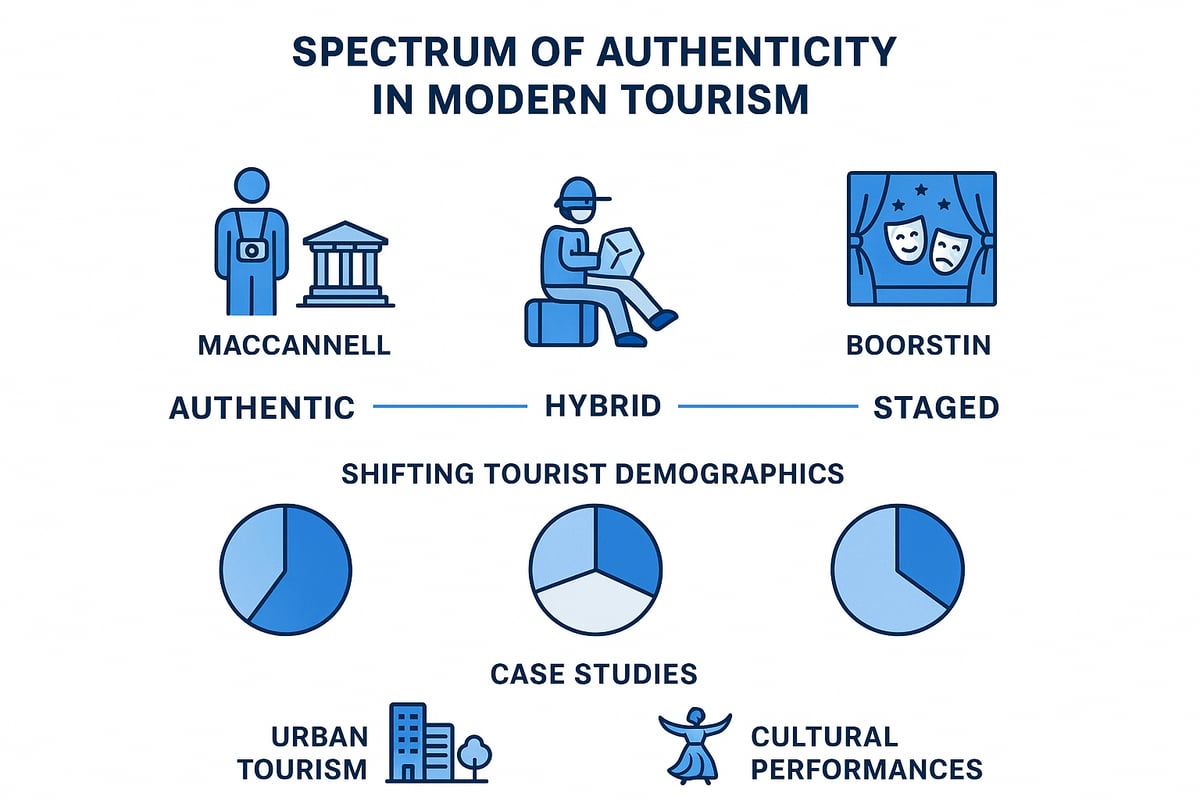
The meaning of authenticity in the tourist experience has always been complex. Early theorists like Dean MacCannell argued that tourists are driven by a desire to find authenticity in cultures and places that feel untouched by modernity. In contrast, Daniel Boorstin introduced the idea of “pseudo-events,” where experiences are carefully staged for visitors, creating an illusion of authenticity.
Erik Cohen expanded this conversation by suggesting that authenticity is not binary. Instead, he described modes of tourist experience ranging from recreational to existential, showing that travelers’ needs and expectations vary widely. As a result, what feels authentic to one person may seem artificial to another.
In the digital age, the line between real and simulated experiences has grown even more blurred. Many travelers knowingly participate in events or performances designed for tourists, yet still find value and satisfaction. The tourist experience is increasingly defined by personal perception, with travelers weighing the emotional and social impact of their interactions over strict notions of what is “real.”
This shift means that for many, the most meaningful tourist experience is not about finding untouched traditions, but about engaging in moments that resonate on a personal level. As new technologies and global influences shape destinations, authenticity becomes a subjective and evolving concept.
Case Studies and Examples
Examples from around the world reveal the diversity of approaches to authenticity in tourism. In urban tourism, city centers are often transformed into leisure landscapes, blending local heritage with curated attractions. These spaces offer a hybrid tourist experience, where history and entertainment intersect.
Ethnic and heritage tourism also illustrate the complexity of authenticity. In some destinations, cultural performances or reconstructed traditions are presented for visitors, inviting them to participate in experiences that may be partly staged. The documentary “Cannibal Tours” famously depicted tourists seeking encounters with the “primitive” in New Guinea, highlighting the ongoing negotiation between authenticity and performance.
Demographics play a significant role in shaping these trends. Most international tourists have traditionally come from the Global North, but shifting patterns mean that new perspectives are influencing what is considered authentic. Guides such as the Best places to visit in Scotland showcase how travelers can access both iconic sites and hidden gems, balancing curated experiences with genuine local engagement.
As we look to 2026, the tourist experience will continue to balance the desire for authenticity with an understanding that curated and staged elements can still offer meaningful value. The key is for travelers to embrace both, seeking out experiences that align with their own values and expectations.
The Role of Technology in Shaping Tourist Experiences
Technology is now at the heart of every tourist experience, transforming how travelers plan, explore, and share their journeys. The integration of artificial intelligence, mobile applications, and immersive platforms is reshaping expectations, making travel more personalized, efficient, and engaging. As we look toward 2026, understanding how these innovations influence the tourist experience is essential for both travelers and industry leaders.
Digital Tools for Planning and Exploration
Today’s travelers rely on digital tools to shape every aspect of their tourist experience. AI-powered travel assistants can generate personalized itineraries based on user preferences, while mobile apps offer real-time navigation, translation, and local recommendations.
- AI itinerary generators adapt to changing schedules and interests.
- Translation devices break down language barriers, fostering deeper local connections.
- Navigation apps provide safe, efficient routes and up-to-date transport options.
These advanced platforms empower travelers to explore destinations independently and confidently. According to recent studies, digital technology's impact on tourism growth is profound, driving greater accessibility and economic development in the sector. By leveraging these tools, the tourist experience becomes more seamless and tailored, ensuring that every journey is both informative and enjoyable.
Immersive and Interactive Technologies
Immersive technologies are redefining what it means to discover a new place. Virtual reality allows travelers to preview destinations before booking, helping them make informed choices and fueling anticipation. Once on-site, augmented reality overlays historical, cultural, or natural information directly onto the environment.
- VR tours offer pre-trip inspiration and education.
- AR walking tours reveal hidden stories and local insights in real time.
- Interactive museum guides enhance learning and engagement.
These innovations deepen the tourist experience by making information accessible and interactive. Travelers can immerse themselves in local history, art, and nature, transforming passive sightseeing into active exploration. As a result, each trip becomes a richer, more memorable adventure.
Social Media and Experience Sharing
Social media platforms are now integral to the tourist experience, influencing every stage of travel. User-generated content, such as reviews and recommendations, shapes perceptions and helps travelers make confident decisions.
- Instagrammable moments drive destination popularity.
- Influencers introduce new trends and hidden gems.
- Peer reviews offer authentic perspectives and build trust.
Sharing stories, photos, and videos not only preserves memories but also inspires others to embark on similar journeys. The cycle of sharing and discovery encourages continuous engagement, making social media a powerful tool for both travelers and destinations. Ultimately, technology ensures that the tourist experience is not only personal but also part of a global conversation.
Practical Steps to Create Your Ultimate Tourist Experience in 2026
Crafting a memorable tourist experience in 2026 requires a thoughtful approach and a keen awareness of evolving trends. By following these practical steps, you can ensure every journey is enriching, personalized, and unforgettable.
Step 1: Define Your Travel Goals and Preferences
Start by clarifying what you want from your tourist experience. Are you seeking adventure, relaxation, cultural immersion, or personal growth? Pinpointing your motivations will help you filter travel options and make decisions that align with your values.
Assess whether sustainability, authenticity, luxury, or budget is most important. For example, solo travelers may prioritize flexibility and self-discovery, while families might focus on safety and convenience. This self-awareness is the foundation of a rewarding tourist experience.
By understanding your personal drivers, you set the stage for a journey that truly resonates. Remember, a well-defined purpose transforms travel from a routine trip into a transformative tourist experience.
Step 2: Research Destinations with 2026 Trends in Mind
Utilize AI-driven platforms and digital guides to gather up-to-date insights on destinations. Look for places that prioritize sustainability, safety, and authentic encounters. Evaluate emerging destinations, especially those off the beaten path, for unique opportunities.
Consider the rapid growth in Asian outbound tourism and shifting traveler demographics. Digital research tools now highlight eco-friendly hotspots and lesser-known locations suited to your interests. For deeper insights into how artificial intelligence is shaping travel planning, explore AI's Role in 2026 Travel Planning.
A mindful approach to research ensures your tourist experience is both relevant and forward-thinking.
Step 3: Plan and Personalize Your Itinerary
Leverage smart tools to create a customized itinerary that balances must-see attractions with unique, local experiences. Use AI-based travel apps that adapt to your preferences and make real-time adjustments if needed.
Balance structured activities with downtime for spontaneous discovery. For instance, combine visits to iconic landmarks with hidden gems only locals know about. Personalization is key—an itinerary tailored to your desires leads to a more fulfilling tourist experience.
Consider dynamic pricing and flexible bookings to adjust plans as you go. The right blend of planning and adaptability enhances satisfaction and engagement.
Step 4: Engage with Technology for Seamless Travel
Download essential digital travel guides and apps to access real-time updates, navigation, and translation. Augmented reality can enrich museum visits and walking tours, while virtual reality offers pre-trip inspiration and context.
Stay connected for instant bookings, safety alerts, and local recommendations. Smart devices and contactless services streamline logistics and add convenience. Embracing technology not only improves efficiency but also enriches your tourist experience.
Keep your devices charged and updated for smooth, informed journeys from start to finish.
Step 5: Practice Responsible and Sustainable Tourism
Opt for eco-friendly accommodations and low-impact transportation. Support local businesses and participate in community-focused activities. Adhering to environmental and cultural guidelines is essential for preserving destinations for future travelers.
Digital travel guides can help you reduce your carbon footprint by steering you toward sustainable options and responsible practices. For practical advice, read Eco-friendly travel with digital guides.
A responsible approach ensures your tourist experience contributes positively to the places and people you encounter.
Step 6: Maximize On-Site Engagement and Interaction
Seek meaningful connections with locals and fellow travelers through hands-on activities, workshops, or guided tours. Participate in cultural events, cooking classes, or conservation projects to deepen your understanding and enjoyment.
Document your experiences through journaling or sharing photos with friends and family. Social and environmental interactions not only enhance your tourist experience but also create lasting memories.
Active participation leads to greater fulfillment and a richer understanding of each destination.
Step 7: Reflect, Share, and Revisit Your Experience
After your journey, take time to reflect on what you learned and how you grew. Use digital platforms to share stories, photos, and reviews, inspiring others and preserving your memories.
Consider creating a digital scrapbook or travel blog to document your tourist experience. Reflecting on your trip helps solidify personal growth and informs future travel choices.
Revisit your favorite moments and plan new adventures with the insights gained from each unique tourist experience.
The Future of Tourist Experience: What to Expect Beyond 2026
The future of tourist experience will be deeply influenced by rapid advances in technology. Artificial intelligence, augmented and virtual reality, and the Internet of Things will become standard tools for travelers. These technologies will offer seamless planning, real-time translation, and immersive encounters with destinations, making every tourist experience smarter and more interactive.
Demographic shifts will also reshape the landscape. As outbound tourism from developing regions continues to rise, the demand for unique and transformative journeys will grow. Travelers will seek deeper connections, prioritizing personal growth and meaningful engagement. The tourist experience will increasingly focus on learning, wellness, and cultural discovery, moving beyond traditional sightseeing.
Sustainability will move to the forefront of travel choices. Eco-friendly transport, ethical accommodations, and community-based tourism options will be essential for travelers who want their tourist experience to have a positive impact. Learn more about Sustainable Travel Trends for 2026 to see how responsible practices are shaping the industry.
Looking ahead, next-generation smart destinations will offer hyper-personalized services, adapting in real time to each visitor’s needs. The tourist experience will become even more immersive, blending the physical and digital worlds. As innovation and responsibility drive the industry forward, travelers can expect their future journeys to be more memorable, meaningful, and sustainable than ever before.
Key Trends Shaping the Post-2026 Tourist Experience
| Trend | Impact on Tourist Experience |
|---|---|
| AI & Immersive Tech | Personalized, interactive journeys |
| Demographic Shifts | Diverse, transformative travel |
| Sustainability | Eco-conscious, ethical choices |
| Smart Destinations | Hyper-personalized services |
As you look ahead to your travels in 2026, imagine exploring destinations with confidence, authenticity, and a touch of local insight—just as we discussed throughout this guide. Navigating new trends and embracing the latest technology can transform every trip into a truly memorable experience. If you’re ready to make your next journey unforgettable, why not start by finding a travel companion that brings all these benefits together? With digital travel guides designed for modern explorers, you can unlock hidden gems and travel smarter, every step of the way.
Explore Guides