

Tourist Guide to Germany: Essential Tips & Must-See Places
Germany stands as one of Europe's most captivating destinations, blending centuries of history with cutting-edge innovation and natural beauty. From fairy-tale castles perched on hilltops to vibrant cities pulsing with contemporary culture, this central European nation offers experiences that cater to every type of traveler. This tourist guide to Germany will navigate you through the country's diverse regions, cultural treasures, and practical travel considerations, ensuring you make the most of your German adventure. Whether you're drawn to Bavaria's Alpine charm, Berlin's creative energy, or the romantic Rhine Valley, understanding what makes Germany unique will transform your visit into an unforgettable journey.
Understanding Germany's Geographic Diversity
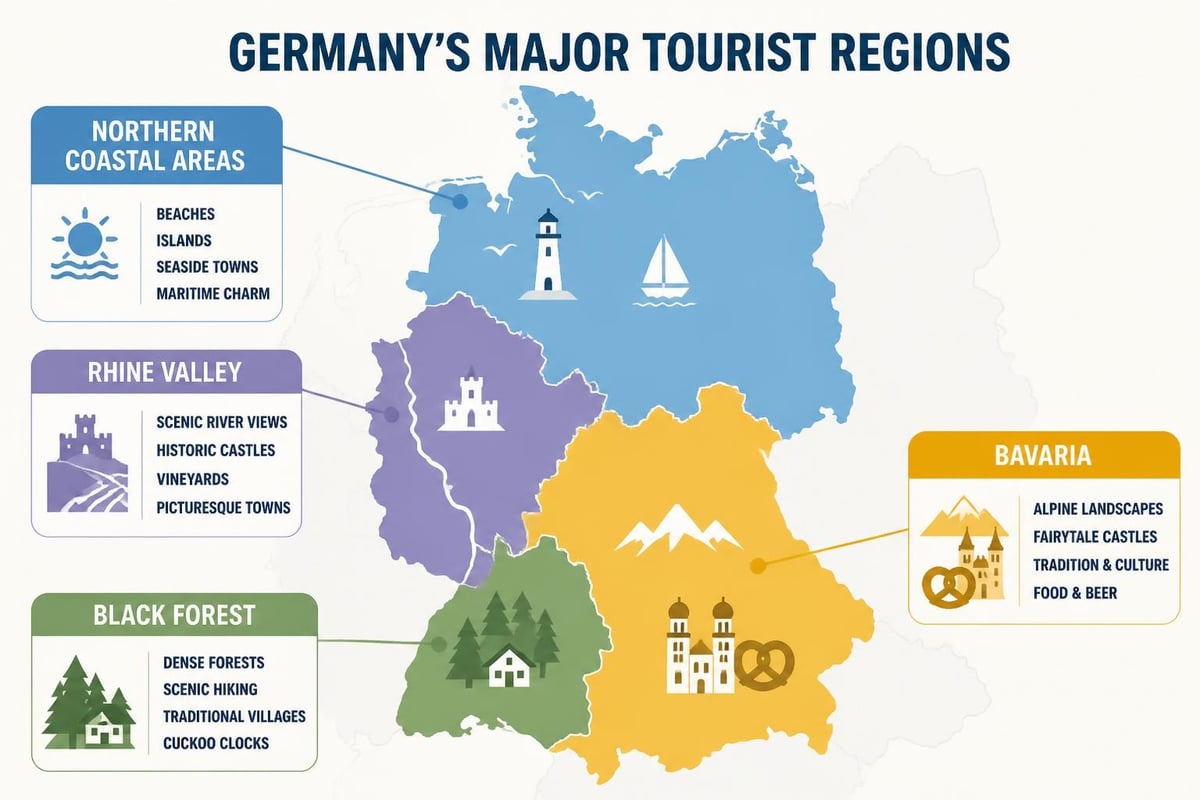
Germany's landscape varies dramatically across its 16 federal states, each offering distinct characteristics and attractions. The southern regions showcase the Bavarian Alps, where dramatic mountain peaks meet crystal-clear lakes and traditional villages maintain centuries-old customs. Central Germany features rolling hills, dense forests, and historic towns that seem frozen in medieval times. The northern regions offer coastal experiences along the Baltic and North seas, with sandy beaches and maritime culture creating a completely different atmosphere.
Regional Highlights Worth Exploring
Bavaria and the South present the Germany many travelers envision, complete with beer gardens, lederhosen, and ornate baroque churches. Munich serves as the region's cultural capital, while smaller towns like Rothenburg ob der Tauber preserve medieval architecture with remarkable authenticity. The Romantic Road connects numerous picturesque villages, making it a favorite route for those seeking quintessential German experiences.
The Rhine Valley stretches between Mainz and Koblenz, offering one of Europe's most scenic river journeys. Vineyards cascade down steep hillsides, punctuated by castle ruins and charming wine villages. This region produces exceptional Riesling wines and provides opportunities for river cruises, hiking, and exploring historic fortifications.
- Black Forest: Dense woodlands, cuckoo clocks, and hiking trails
- Saxon Switzerland: Dramatic sandstone formations near Dresden
- Moselle Valley: Winding river routes through wine country
- Harz Mountains: Medieval towns and narrow-gauge railways
Essential Cities in This Tourist Guide to Germany
Berlin stands as Germany's political and cultural heart, where history remains visible on every corner. The Brandenburg Gate symbolizes German reunification, while remnants of the Berlin Wall serve as powerful reminders of the country's divided past. Museum Island houses world-class collections, and neighborhoods like Kreuzberg and Prenzlauer Berg showcase contemporary creativity through street art, independent galleries, and innovative restaurants.
Munich and Southern Urban Centers
Munich combines Bavarian tradition with cosmopolitan sophistication. The city's beer halls buzz with energy year-round, reaching peak enthusiasm during Oktoberfest in September and early October. Beyond beer culture, Munich offers exceptional museums, elegant shopping districts, and the expansive English Garden, where locals surf on artificial river waves and gather for sunny afternoon picnics.
Hamburg presents Germany's maritime face, with its massive port, canals, and warehouse district. The city's music scene rivals Berlin's, and the newly constructed Elbphilharmonie concert hall has become an architectural landmark. Frankfurt serves as Germany's financial center, its modern skyline contrasting sharply with the reconstructed medieval old town.
| City | Population | Primary Appeal | Days Needed |
|---|---|---|---|
| Berlin | 3.7 million | History, culture, nightlife | 4-5 days |
| Munich | 1.5 million | Bavarian culture, museums | 3-4 days |
| Hamburg | 1.9 million | Port city, architecture | 2-3 days |
| Cologne | 1.1 million | Cathedral, Rhine views | 1-2 days |
| Dresden | 560,000 | Baroque architecture | 2 days |
According to recent tourism statistics, Germany continues attracting increasing numbers of international visitors who appreciate these urban destinations.
Cultural Insights for International Visitors
German culture values punctuality, efficiency, and directness in communication. Business hours tend to be structured, with most shops closing by 8 PM on weekdays and remaining closed on Sundays, except for restaurants and bakeries. Understanding these cultural norms enhances your experience and helps avoid common misunderstandings that first-time visitors sometimes encounter.
Language and Communication
While many Germans speak English, particularly in urban areas and tourist regions, learning basic German phrases demonstrates respect and often opens doors to warmer interactions. Simple greetings, please and thank you, and numbers for shopping prove invaluable. Regional dialects vary significantly-Bavarian German differs substantially from what's spoken in Hamburg-but standard German (Hochdeutsch) remains universally understood.
Essential phrases to know:
- Guten Tag (Good day)
- Bitte (Please/You're welcome)
- Danke (Thank you)
- Entschuldigung (Excuse me)
- Sprechen Sie Englisch? (Do you speak English?)
The practical travel tips from experienced guides emphasize that Germans appreciate when visitors make efforts to communicate in their language, even if those attempts remain basic.
Transportation Networks Across Germany
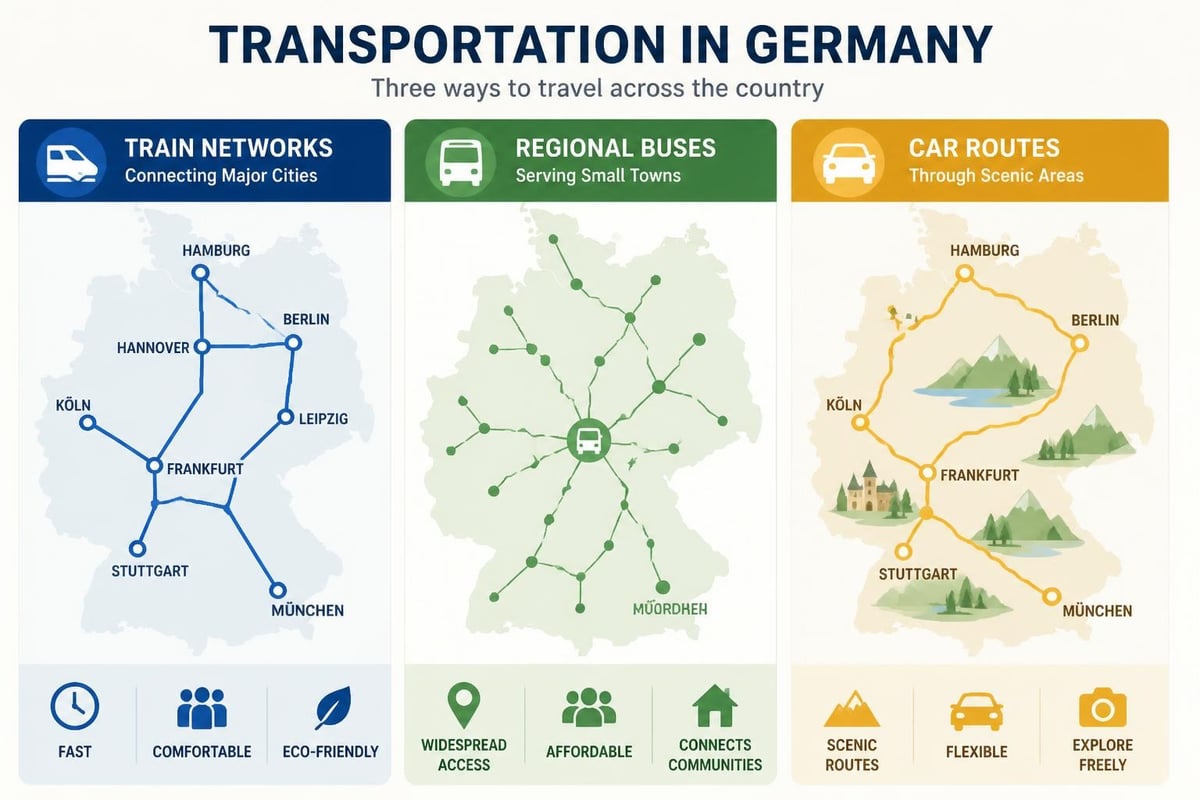
Germany's transportation infrastructure ranks among the world's most efficient and comprehensive. The Deutsche Bahn railway system connects cities and towns with remarkable punctuality and comfort. High-speed ICE trains whisk passengers between major cities at speeds exceeding 200 kilometers per hour, while regional trains serve smaller communities with frequent connections.
Getting Around Like a Local
Public transportation in German cities operates on an honor system, with occasional ticket inspections carrying significant fines for fare evaders. Purchase tickets before boarding and validate them at designated machines. Many cities offer day passes or tourist cards that include museum admissions alongside unlimited public transport, providing excellent value for active explorers.
Transportation options comparison:
| Method | Best For | Cost Level | Flexibility |
|---|---|---|---|
| Train (ICE/IC) | City-to-city travel | Medium | High |
| Regional train | Small towns, scenic routes | Low-Medium | Medium |
| Bus (FlixBus) | Budget travel | Low | Medium |
| Car rental | Rural areas, flexibility | High | Very High |
| Bicycle | Cities, bike-friendly regions | Low | High |
Renting a car makes sense for exploring rural areas, the Romantic Road, or Alpine regions where public transport becomes less frequent. Germany's autobahn system includes sections without speed limits, though construction zones and traffic often limit actual speeds regardless of legal restrictions.
Seasonal Considerations in Your Tourist Guide to Germany
Germany experiences four distinct seasons, each offering unique advantages for visitors. Summer (June through August) brings warm weather and extended daylight hours, perfect for hiking, festivals, and outdoor exploration. However, this season also attracts the largest crowds and highest prices, particularly in popular destinations like Neuschwanstein Castle and the Rhine Valley.
When to Visit for Optimal Experiences
Spring (April-May) reveals Germany at its most beautiful, with blooming flowers, pleasant temperatures, and fewer tourists than summer months. Easter markets appear in many towns, offering charming alternatives to the more famous Christmas markets. Asparagus season creates culinary excitement, with restaurants featuring special white asparagus dishes on seasonal menus.
Autumn (September-October) combines comfortable weather with harvest festivals and wine celebrations throughout wine-producing regions. The changing foliage creates spectacular scenery in forested areas, while Oktoberfest in Munich draws millions of visitors celebrating Bavarian beer culture.
Winter transforms Germany into a wonderland of Christmas markets, skiing opportunities in the Alps, and cozy indoor experiences. Cities compete to create the most enchanting holiday markets, with Nuremberg, Dresden, and Cologne offering particularly memorable versions. Those seeking more detailed insights can explore resources like this comprehensive video guide showcasing Germany's seasonal attractions.
- January-February: Lowest prices, winter sports, fewer crowds
- March-May: Moderate temperatures, spring blooms, shoulder season pricing
- June-August: Peak season, festivals, longest days
- September-November: Harvest festivals, comfortable weather, autumn colors
- December: Christmas markets, winter atmosphere, holiday spirit
Culinary Experiences Beyond Bratwurst
German cuisine extends far beyond sausages and sauerkraut, though both remain delicious staples worth trying. Each region boasts specialties reflecting local ingredients, traditions, and historical influences. Coastal areas feature fresh fish preparations, while southern regions emphasize hearty meat dishes and dumplings. The quality of German bread deserves special mention, with hundreds of varieties available at local bakeries.
Regional Specialties to Sample
Bavaria's Schweinshaxe (roasted pork knuckle) pairs perfectly with a large Maß (liter) of beer in traditional beer gardens. Spätzle, soft egg noodles from Swabia, appear alongside various meat dishes or cheese variations. Northern Germany's Labskaus, though visually unusual, represents authentic maritime cuisine combining corned beef, potatoes, and beetroot.
Must-try dishes by region:
- Bavaria: Weißwurst (white sausage), Obatzda (cheese spread), Leberkäse
- Rhineland: Sauerbraten (marinated roast), Reibekuchen (potato pancakes)
- Berlin: Currywurst, Döner kebab, Berliner (jelly doughnut)
- Swabia: Maultaschen (filled pasta), Spätzle, Zwiebelrostbraten
- Northern coast: Fischbrötchen (fish sandwich), Matjes (herring), Rote Grütze
Beer culture permeates German social life, with regional breweries producing distinctive styles. Bavaria's wheat beers differ significantly from Cologne's Kölsch or Düsseldorf's Altbier. Wine regions along the Rhine and Moselle produce world-class Rieslings that challenge preconceptions about German wines being predominantly sweet.
Practical Planning for Your German Adventure
Visa requirements vary based on nationality, with many countries' citizens enjoying visa-free access for stays up to 90 days within the Schengen Area. Travelers from the United States, Canada, Australia, and New Zealand fall into this category, requiring only a valid passport. Those planning longer stays or from countries requiring visas should check requirements well before departure.
Money Matters and Budgeting
Germany uses the euro, and credit cards receive wide acceptance in cities, though many smaller establishments, particularly restaurants and shops in rural areas, prefer cash. ATMs (Geldautomaten) are readily available, typically offering better exchange rates than currency exchange offices. Budget approximately 100-150 euros daily for mid-range travel, including accommodation, meals, and activities.
Daily budget breakdown:
| Category | Budget | Mid-Range | Luxury |
|---|---|---|---|
| Accommodation | €30-50 | €80-150 | €200+ |
| Meals | €20-30 | €40-60 | €100+ |
| Transport | €10-15 | €20-30 | €50+ |
| Activities | €10-20 | €30-50 | €100+ |
| Total | €70-115 | €170-290 | €450+ |
Those seeking comprehensive planning resources should consider digital travel guides that provide detailed itineraries, local recommendations, and practical tips consolidated in one convenient format.
Must-See Attractions and Hidden Gems
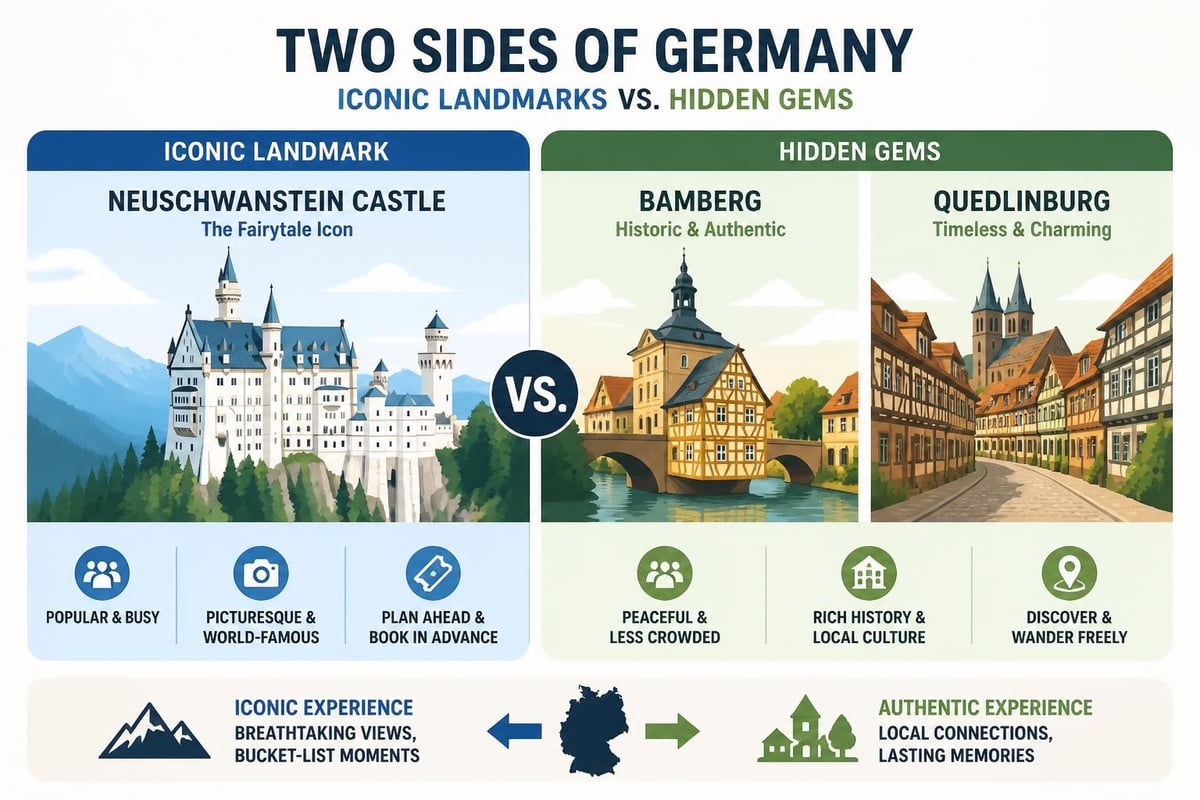
Neuschwanstein Castle remains Germany's most photographed building, drawing millions annually to witness King Ludwig II's romantic vision materialized in stone. While undeniably spectacular, arriving early or visiting during shoulder seasons helps avoid overwhelming crowds. The nearby Hohenschwangau Castle, where Ludwig spent his childhood, receives fewer visitors despite offering equally fascinating insights into Bavarian royal history.
Beyond the Tourist Hotspots
Bamberg's medieval old town, recognized as a UNESCO World Heritage site, preserves an extraordinary collection of historic buildings across seven hills. The city's unique smoked beer (Rauchbier) offers a taste experience found nowhere else. Quedlinburg, a half-timbered town in Saxony-Anhalt, transports visitors to medieval times with its remarkably preserved architecture and cobblestone streets.
The Wadden Sea along Germany's northern coast creates a unique natural environment where visitors can walk across the seabed during low tide, guided by experts who explain the ecosystem's fascinating characteristics. The Spreewald, southeast of Berlin, features a network of waterways where traditional punts still deliver mail and transport visitors through peaceful forested channels.
For those interested in how technology enhances modern tourism experiences, research into digital tourism applications demonstrates innovative approaches to destination discovery.
Safety and Health Considerations
Germany ranks among Europe's safest countries for travelers, with low crime rates and excellent healthcare infrastructure. Standard precautions against pickpocketing in crowded tourist areas and public transportation suffice for most situations. Emergency services respond quickly, and the number 112 connects to police, fire, and medical assistance throughout the European Union.
Healthcare and Insurance
European Health Insurance Card (EHIC) holders from EU countries receive necessary medical care at reduced costs, while travelers from other countries should secure comprehensive travel insurance before departure. Pharmacies (Apotheken), identified by red "A" signs, provide over-the-counter medications and professional advice for minor ailments. Tap water throughout Germany meets high quality standards and remains perfectly safe to drink.
Essential items to pack:
- Valid passport (valid for at least 6 months beyond travel dates)
- Travel insurance documentation
- Prescription medications in original containers
- European power adapter (Type C/F, 230V)
- Comfortable walking shoes for cobblestone streets
- Weather-appropriate clothing layers
- Portable phone charger for navigation and photos
Similar to resources available for other European destinations, having essential information readily accessible enhances safety and confidence while traveling.
Festivals and Cultural Events Throughout the Year
Germany's festival calendar extends far beyond Oktoberfest, though the Munich beer celebration certainly deserves its international reputation. Carnival (Karneval or Fasching) transforms Cologne, Mainz, and Düsseldorf into massive street parties each February, with elaborate costumes, parades, and revelry lasting several days. Christmas markets (Weihnachtsmärkte) appear in virtually every town from late November through December, each offering regional specialties alongside mulled wine and handcrafted goods.
Music and Arts Celebrations
The Wagner Festival in Bayreuth attracts opera enthusiasts worldwide each summer, while Berlin's numerous music festivals span genres from classical to electronic music. The Rhine in Flames events feature firework displays along the river, with illuminated castles creating magical evening spectacles. Literary festivals, film screenings, and art exhibitions occur year-round in major cities, reflecting Germany's commitment to cultural expression.
Wine festivals throughout Rhine and Moselle regions celebrate harvest season, offering tastings directly from local vintners in festive atmospheres. These events provide authentic experiences away from major tourist circuits, allowing genuine interaction with German traditions and hospitality.
Sustainable Tourism Practices
Germany leads Europe in environmental consciousness, with extensive recycling programs, renewable energy adoption, and sustainable transportation options. Travelers can minimize their environmental impact by choosing trains over flights for domestic travel, staying in eco-certified accommodations, and supporting local businesses that prioritize sustainability.
Responsible Travel Tips
Respecting quiet hours (Ruhezeit) between 10 PM and 6 AM, particularly in residential areas and on Sundays, demonstrates cultural awareness and consideration for local residents. Germany's comprehensive recycling system includes separate bins for paper, plastic, glass by color, and general waste. Taking time to sort waste correctly shows respect for environmental values Germans hold dear.
Sustainable choices for conscious travelers:
- Use public transportation or bicycles for urban exploration
- Choose accommodations with environmental certifications
- Shop at local markets for regional products
- Carry reusable water bottles and shopping bags
- Support small, family-owned restaurants and businesses
Resources like the travel photography guide help capture memories responsibly while respecting local customs and privacy.
Making the Most of Your German Experience
This comprehensive tourist guide to Germany provides the foundation for planning an exceptional journey through one of Europe's most rewarding destinations. Germany rewards curious travelers who venture beyond headline attractions to discover regional variations, local traditions, and authentic experiences. Whether spending weeks exploring thoroughly or condensing highlights into a shorter visit, approaching Germany with cultural awareness and practical preparation ensures memorable experiences.
The country's excellent infrastructure, safety standards, and diverse attractions make it ideal for both first-time international travelers and experienced adventurers. From Alpine hikes to urban art scenes, medieval towns to cutting-edge technology museums, Germany offers depth and variety that justify multiple visits across different seasons and regions. First-time visitors can benefit from watching this collection of essential Germany travel tips before departure.
Each region maintains distinct identity while contributing to the broader German cultural tapestry. Understanding these regional differences, respecting local customs, and embracing new experiences transforms tourism into genuine cultural exchange. The memories created exploring Germany's landscapes, tasting regional specialties, and connecting with its people become treasures that far outlast the journey itself.
Planning your German adventure becomes significantly easier with the right resources at your fingertips. From understanding regional differences to navigating cultural nuances, having comprehensive information readily available transforms potential challenges into seamless experiences. Awesome Travel Guides provides digital resources designed specifically for travelers who want authentic experiences backed by practical, detailed information. Whether exploring Germany or other destinations across Europe, these guides serve as your trusted companion for creating unforgettable journeys filled with confidence, discovery, and genuine connection to the places you visit.