
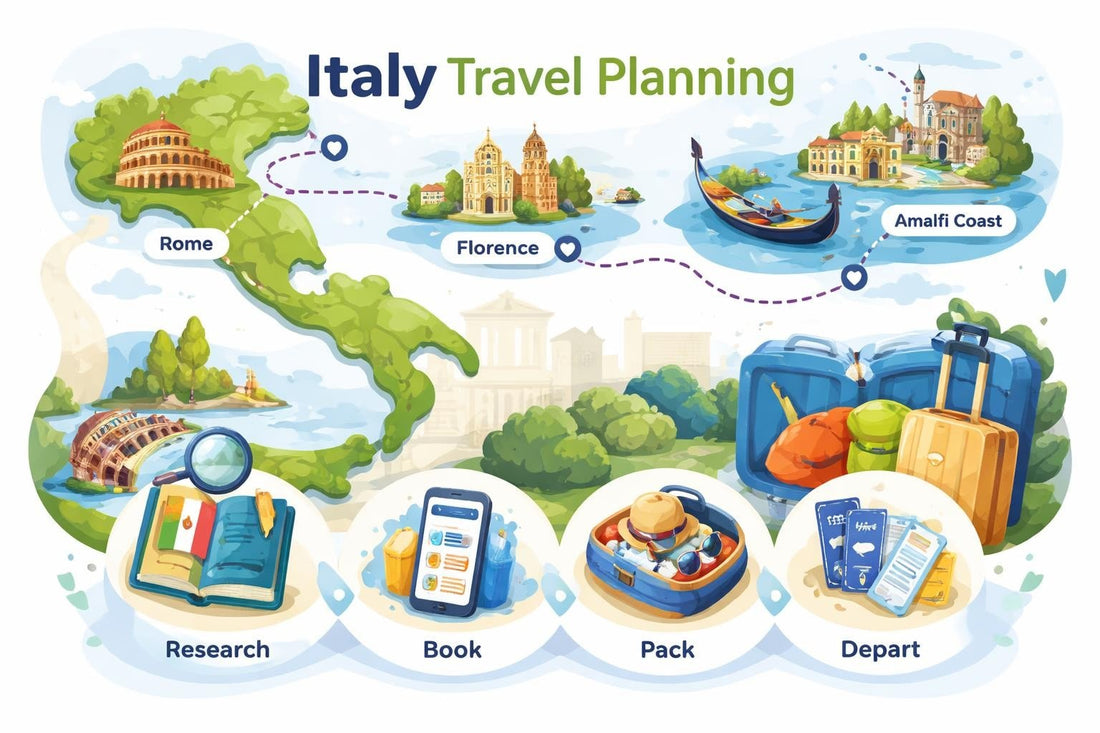
Travel for Italy: Essential Guide to Planning Your Trip
Italy captivates travelers with its unparalleled blend of ancient history, Renaissance art, stunning coastlines, and world-renowned cuisine. Planning travel for Italy requires careful consideration of regional diversity, seasonal variations, and logistical details that can transform a good trip into an extraordinary adventure. Whether you're dreaming of exploring Roman ruins, savoring authentic pasta in Tuscany, or cruising along the Amalfi Coast, understanding the essential elements of Italian travel ensures you'll experience this magnificent country like a well-informed insider rather than a typical tourist.
Understanding Italy's Regional Diversity
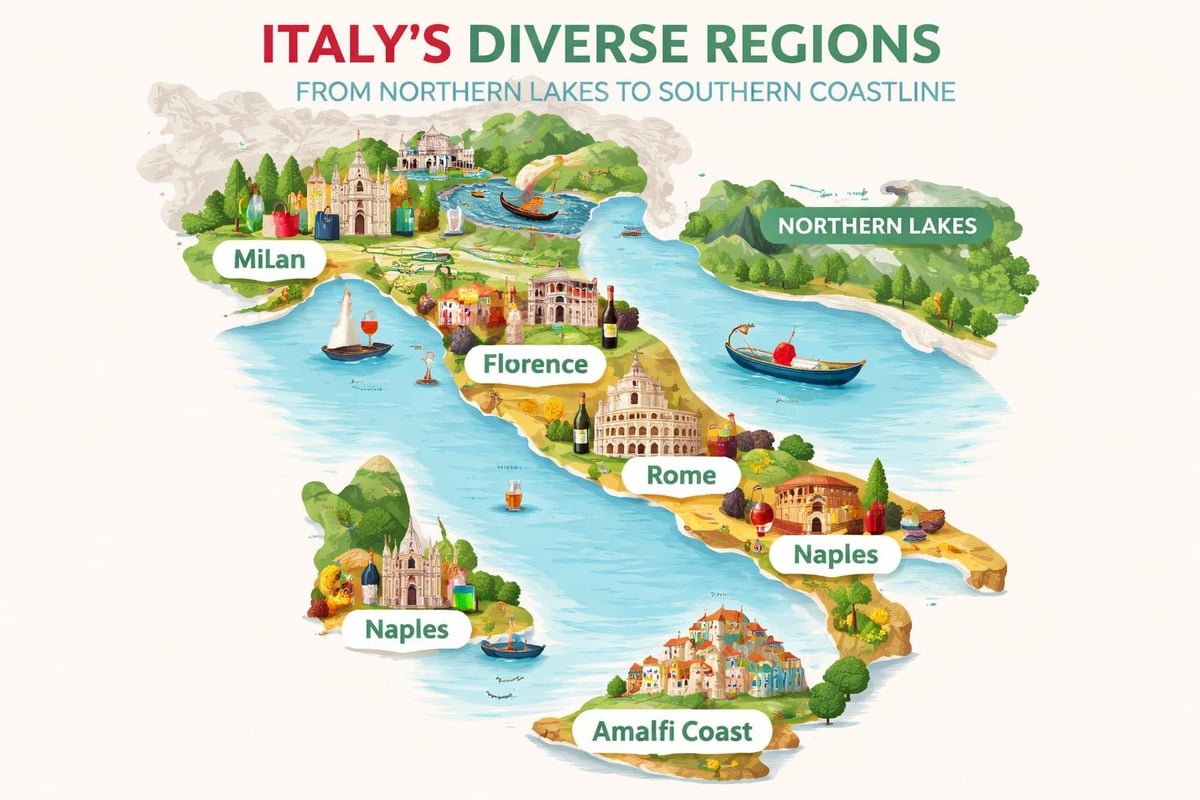
Italy comprises twenty distinct regions, each offering unique cultural traditions, culinary specialties, and historical attractions. When planning travel for Italy, recognizing these regional differences helps you craft an itinerary that matches your interests and travel style.
Northern Italy's Cultural Powerhouses
Northern Italy showcases industrial innovation alongside historical grandeur. Milan serves as the fashion and design capital, where contemporary style meets medieval architecture. Milan's fashion and design scene offers travelers an insider perspective on Italian luxury and creativity. Venice mesmerizes visitors with its canal-lined streets and Byzantine palaces, while Turin combines royal heritage with automotive excellence.
The Lake District provides serene escapes with Lake Como, Lake Garda, and Lake Maggiore offering mountain-backed waters and charming villages. These northern destinations require different preparation compared to southern regions, particularly regarding climate and transportation options.
Central Italy's Renaissance Heart
Tuscany and Umbria form the cultural core of Italy, where Renaissance art reaches its zenith. Florence houses masterpieces by Michelangelo, Leonardo da Vinci, and Botticelli in galleries like the Uffizi and Accademia. The rolling Tuscan countryside dotted with vineyards and medieval hilltop towns creates postcard-perfect landscapes.
Rome stands apart as both a modern capital and an ancient wonder. The city layers millennia of history with the Colosseum, Roman Forum, Vatican City, and countless churches and fountains. Successful travel for Italy often centers around spending adequate time in Rome, as rushing through the Eternal City means missing profound experiences.
Southern Italy and the Islands
Southern Italy offers a different rhythm, where life moves slower and traditions run deeper. Naples serves as the birthplace of pizza and the gateway to Pompeii's preserved ruins. The Amalfi Coast stretches along dramatic cliffs with pastel-colored villages cascading toward azure waters.
Sicily and Sardinia provide island experiences combining beach relaxation with archaeological treasures. Sicily's Greek temples, Norman cathedrals, and volcanic landscapes contrast with Sardinia's pristine beaches and mysterious nuraghe stone structures. These southern destinations typically offer better value than northern cities while delivering equally memorable experiences.
Optimal Timing for Travel for Italy
Seasonal considerations significantly impact your Italian experience, affecting everything from crowd levels to weather conditions and pricing.
| Season | Advantages | Disadvantages | Best For |
|---|---|---|---|
| Spring (April-May) | Pleasant weather, blooming landscapes, manageable crowds | Some rain, Easter crowds | First-time visitors, countryside |
| Summer (June-August) | Long days, beach weather, festivals | Peak crowds, high prices, extreme heat | Coast, lakes, outdoor activities |
| Fall (September-October) | Harvest season, fewer tourists, warm weather | Shorter days, occasional rain | Wine regions, cities, cultural sites |
| Winter (November-March) | Low prices, no crowds, ski season | Cold weather, shorter hours, some closures | Cities, skiing, budget travel |
The shoulder seasons of April through May and September through October provide the optimal balance for most travelers. Weather remains pleasant, attractions operate on full schedules, and you'll encounter fewer tourists competing for space at popular sites. According to Condé Nast Traveler's Italy guide, these periods offer the most authentic experiences as locals reclaim their cities from summer crowds.
Essential Planning Considerations
Successful travel for Italy begins months before departure with strategic decisions about transportation, accommodation, and itinerary structure.
Transportation Strategies
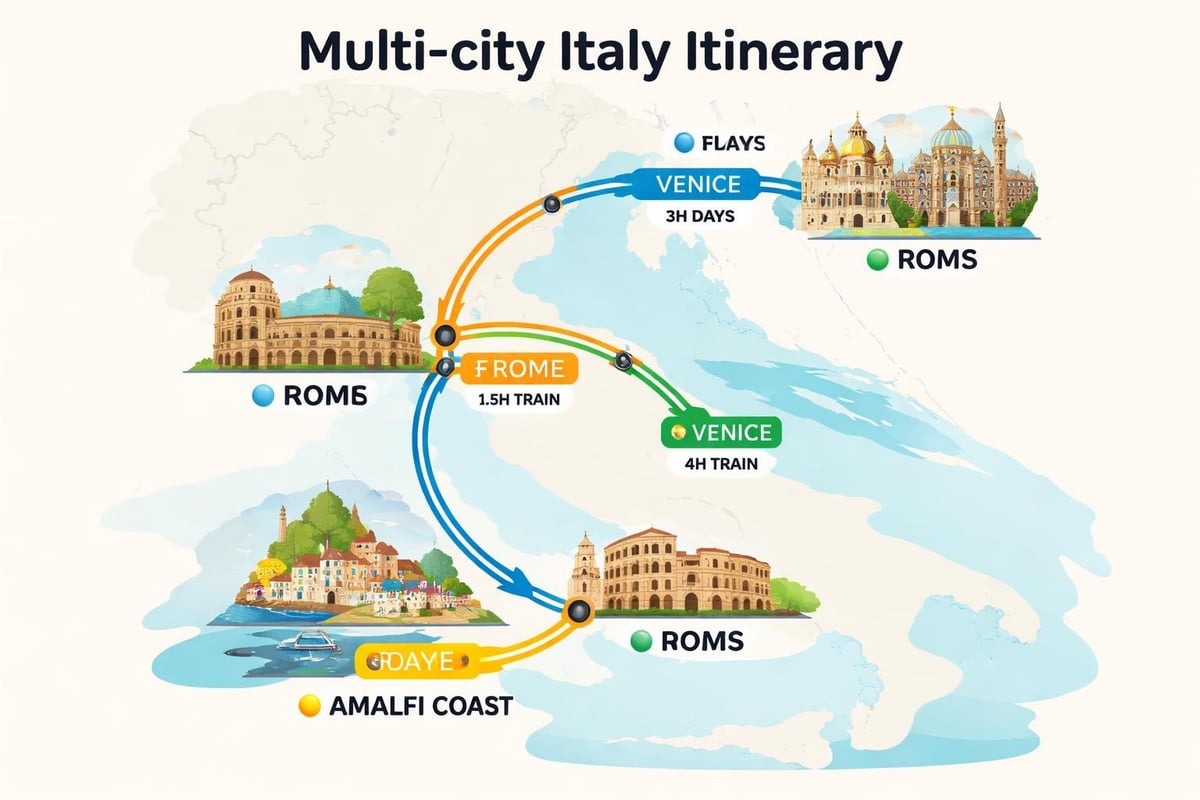
Italy's transportation network connects cities efficiently through high-speed trains, regional rail, buses, and domestic flights. The Trenitalia and Italo train systems make intercity travel comfortable and scenic, with routes connecting major destinations in under three hours.
Key transportation tips include:
- Book high-speed train tickets in advance for significant savings
- Validate regional train tickets before boarding to avoid fines
- Rent cars only for countryside exploration, not cities
- Use Rome's airport trains rather than taxis for city transfers
- Purchase city metro passes for unlimited daily travel
Within cities, walking remains the best way to discover hidden piazzas, local restaurants, and unexpected architectural gems. Italian cities designed for pedestrians centuries ago reveal their magic to travelers willing to wander beyond main thoroughfares.
Accommodation Selection
Where you stay influences your entire Italian experience. Hotels in historic centers cost more but save transportation time and place you within walking distance of major attractions. Alternatively, vacation rentals provide authentic neighborhood experiences with kitchen facilities for preparing market-fresh ingredients.
Consider these accommodation strategies when planning travel for Italy:
- Book historic center locations in major cities to maximize exploration time
- Choose countryside agriturismos for immersive rural experiences
- Research neighborhood characteristics to match your travel style
- Verify amenities like air conditioning, elevators, and breakfast inclusion
- Read recent reviews focusing on cleanliness and location accuracy
The pre-trip checklist helps ensure you've covered all accommodation essentials before finalizing reservations.
Cultural Preparation and Practical Tips
Understanding Italian cultural norms and practical realities prevents common frustrations and enhances local interactions.
Language and Communication
While English is widely spoken in tourist areas, learning basic Italian phrases demonstrates respect and often results in warmer encounters. Essential phrases include greetings, numbers, directions, and dining vocabulary. Practical tips for first-time visitors emphasize that even minimal language effort significantly improves travel experiences.
Italians appreciate proper etiquette in various situations. Greet shopkeepers upon entering stores, dress modestly when visiting churches, and avoid loud conversations in restaurants. These small considerations mark you as a thoughtful traveler rather than an oblivious tourist.
Dining Customs and Food Culture
Italian dining follows distinct patterns different from American conventions. Breakfast remains light, typically consisting of cappuccino and a pastry. Lunch traditionally served between 1:00 and 2:30 PM represents the main meal, though this varies by region and occupation. Dinner starts later than American standards, rarely before 7:30 PM in restaurants.
Key dining guidelines:
- Cappuccino is a morning drink; order espresso after meals
- Cover charges (coperto) are standard, appearing as separate line items
- Tipping remains optional, with rounding up or 5-10% considered generous
- Water isn't automatically free; specify "acqua del rubinetto" for tap water
- Restaurants close between lunch and dinner service
The Awesome Guide to Italy provides comprehensive dining recommendations and etiquette details for various regions.
Must-Experience Italian Attractions
Planning travel for Italy means prioritizing attractions among an overwhelming abundance of options. Strategic selection based on interests ensures you experience highlights without exhausting yourself rushing between sites.
Ancient Rome and Classical Heritage
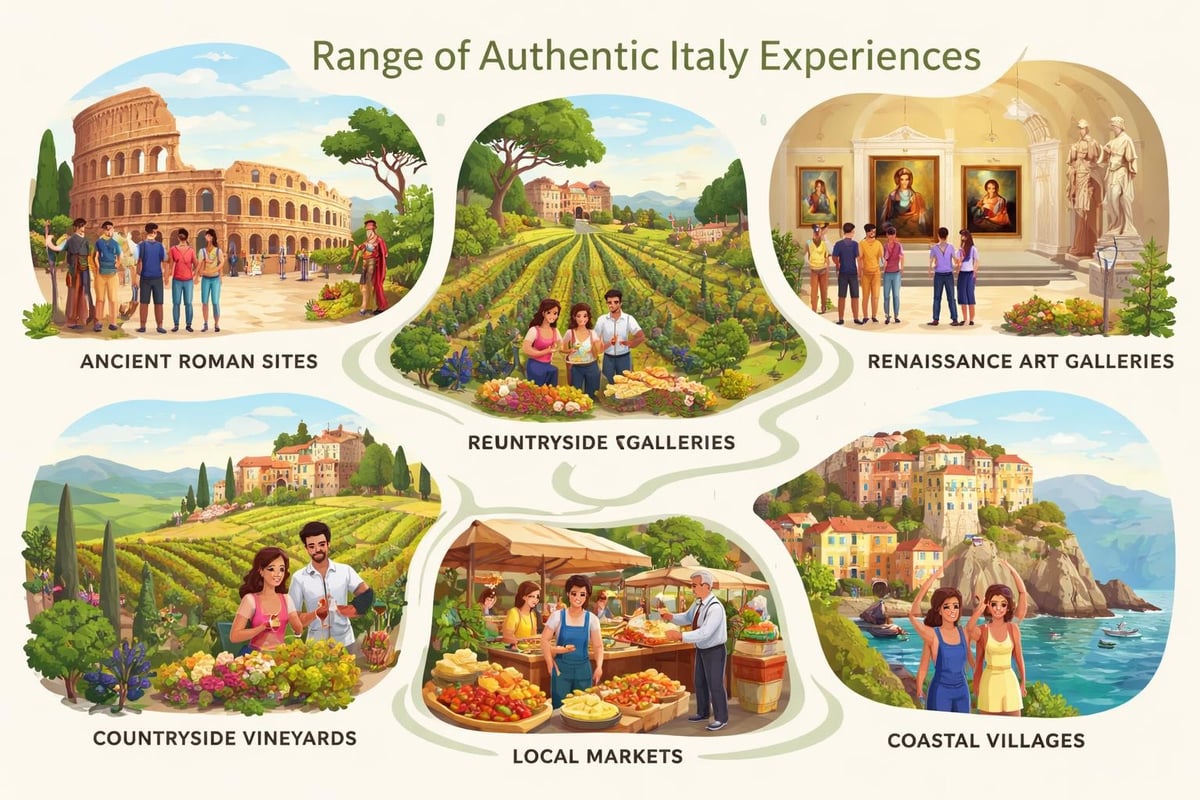
Rome's archaeological sites transport visitors through millennia of Western civilization. The Colosseum, Roman Forum, and Palatine Hill form an interconnected complex requiring half a day minimum. Purchasing combined tickets and booking timed entries eliminates long queues.
The Vatican Museums culminate in the Sistine Chapel, where Michelangelo's ceiling frescoes inspire awe regardless of religious affiliation. Arriving at opening time or booking late-afternoon entries avoids peak crowds. St. Peter's Basilica entry is free, though climbing the dome requires tickets and considerable stamina.
Beyond Rome, classical sites include Pompeii's remarkably preserved city, Herculaneum's intimate ruins, and Sicily's Valley of the Temples. National Geographic's Italy guide features unique archaeological experiences often overlooked by mainstream itineraries.
Renaissance Art and Architecture
Florence concentrates Renaissance masterpieces within walkable distances. The Uffizi Gallery requires advance reservations during peak seasons, while the Accademia Gallery houses Michelangelo's David. The Duomo complex, including the cathedral, baptistery, and bell tower, dominates the skyline with Brunelleschi's engineering marvel.
Beyond Florence, Renaissance gems include:
- Siena's medieval center and striking cathedral
- Pisa's famous leaning tower and surrounding monuments
- Mantua's Palazzo Ducale with Mantegna's Camera degli Sposi
- Urbino's ducal palace and artistic heritage
- Bologna's porticoed streets and university traditions
Natural Wonders and Coastal Beauty
Italy's diverse landscapes extend far beyond urban centers. The Dolomites offer dramatic alpine scenery with excellent hiking and skiing. Lonely Planet's comprehensive coverage details outdoor adventures throughout Italian regions.
The Amalfi Coast provides Mediterranean beauty with clifftop villages like Positano and Ravello offering stunning views. The Cinque Terre's five colorful villages connected by coastal trails attract hikers and photographers. The Italian Riviera extends beyond these famous spots with quieter seaside towns worthy of exploration.
Regional Culinary Experiences
Italian cuisine varies dramatically by region, with each area specializing in distinct dishes, ingredients, and preparation methods. Authentic travel for Italy involves seeking regional specialties rather than generic "Italian" restaurants.
Northern Italian Flavors
Northern cuisine emphasizes butter, cream, rice, and polenta over the tomato-based dishes Americans associate with Italian food. Lombardy produces risotto alla Milanese with saffron, while Piedmont offers tajarin pasta with white truffles. Veneto specializes in seafood risottos and the beloved dish of sarde in saor.
Emilia-Romagna earns recognition as Italy's food capital, producing Parmigiano-Reggiano cheese, Prosciutto di Parma, traditional balsamic vinegar from Modena, and fresh egg pasta like tagliatelle and tortellini.
Central Italian Traditions
Tuscan cuisine celebrates simplicity with high-quality ingredients. Bistecca alla Fiorentina, ribollita soup, and pappa al pomodoro showcase this philosophy. Umbrian specialties include black truffles, porchetta, and lentils from Castelluccio.
Roman cooking features the "quattro grandi" pasta dishes:
- Carbonara with guanciale, egg, and Pecorino Romano
- Amatriciana with tomato, guanciale, and Pecorino
- Cacio e pepe with just Pecorino and black pepper
- Gricia combining guanciale and Pecorino
Southern Italian and Island Cuisine
Southern Italy and the islands emphasize vegetables, seafood, and olive oil. Neapolitan pizza achieved worldwide fame, but Naples also excels at seafood preparations and pastries like sfogliatella. Calabria brings spicy heat with 'nduja spreadable salami.
Sicilian cuisine blends Italian, Arab, and Mediterranean influences with dishes like pasta con le sarde, caponata, and arancini. The island produces exceptional desserts including cannoli, cassata, and granite.
Practical Safety and Logistics
While Italy ranks as a safe destination, travelers should remain aware of common issues and take sensible precautions.
Security Considerations
Pickpocketing occurs in crowded tourist areas, public transportation, and popular attractions. Keep valuables secure using anti-theft bags, money belts, or hotel safes. The travel safety handbook provides comprehensive strategies for protecting belongings while traveling.
Essential safety practices:
- Carry copies of important documents separately from originals
- Avoid displaying expensive jewelry, cameras, or electronics unnecessarily
- Stay alert in crowded metro stations and tourist sites
- Use ATMs inside banks during business hours
- Keep emergency numbers saved in your phone
Health and Travel Insurance
European Health Insurance Card (EHIC) holders receive basic coverage, but international visitors should secure comprehensive travel insurance. Italy's pharmacies provide excellent service for minor ailments, with pharmacists authorized to recommend treatments.
Tap water is safe throughout Italy despite locals' preference for bottled water. Summer heat requires consistent hydration, especially when exploring archaeological sites with limited shade.
Budget Planning for Italian Travel
Travel for Italy accommodates various budget levels from backpacker to luxury, with strategic choices determining overall costs.
| Expense Category | Budget Range | Mid-Range | Luxury |
|---|---|---|---|
| Accommodation (per night) | $30-60 | $100-200 | $300+ |
| Meals (per day) | $25-40 | $60-100 | $150+ |
| Transportation (per day) | $10-20 | $30-50 | $100+ |
| Attractions (per day) | $15-30 | $40-70 | $100+ |
| Total Daily Cost | $80-150 | $230-420 | $650+ |
Significant savings come from traveling during shoulder seasons, booking accommodations with kitchens, using public transportation, and seeking out local trattorias rather than tourist-focused restaurants. Useful travel tips help travelers maximize value without sacrificing experiences.
Free experiences abound in Italy, from exploring churches filled with masterpieces to wandering historic neighborhoods, enjoying sunset views from public spaces, and visiting parks and gardens. Many museums offer free entry on specific days each month.
Creating Your Perfect Itinerary
First-time visitors planning travel for Italy often struggle with balancing ambition and reality. Italy rewards depth over breadth, with quality time in fewer places creating more meaningful memories than rushed visits to numerous destinations.
Sample Two-Week Itinerary
A balanced two-week introduction might include:
- Rome (4 nights): Ancient sites, Vatican, Trastevere neighborhood
- Florence (3 nights): Renaissance art, day trip to Tuscany
- Venice (2 nights): Canals, islands, St. Mark's Square
- Cinque Terre (2 nights): Coastal hiking, village exploration
- Amalfi Coast (3 nights): Positano, Ravello, Capri day trip
This itinerary allows for both major cities and coastal beauty while maintaining a sustainable pace. Adjust based on specific interests, with art lovers spending more time in Florence, food enthusiasts exploring Emilia-Romagna, or history buffs extending Rome.
Specialized Interest Itineraries
Wine enthusiasts might focus on Tuscany's Chianti region, Piedmont's Barolo and Barbaresco vineyards, or Veneto's Prosecco hills. Architecture lovers could trace Baroque magnificence through Lecce, Syracuse, and Noto. Beach seekers might concentrate on Sardinia's Costa Smeralda or Puglia's Adriatic coastline.
The collections of Awesome Guides provide detailed itineraries for various travel styles and interests throughout European destinations.
Packing Essentials for Italian Travel
Proper packing for travel for Italy depends on seasons, planned activities, and regional destinations. Italian fashion tends toward polished, coordinated outfits rather than athletic wear or casual shorts.
Core packing list includes:
- Comfortable walking shoes broken in before departure
- Modest clothing for church visits (covered shoulders and knees)
- Light layers for variable temperatures and air-conditioned spaces
- Universal power adapter for Italian three-prong outlets
- Refillable water bottle for staying hydrated
- Small day bag for daily excursions
The packing guide offers comprehensive checklists tailored to different trip lengths and travel styles. Consider packing cubes for organization and a portable charger for devices.
Summer requires sun protection including hats, sunglasses, and high-SPF sunscreen. Spring and fall benefit from rain jackets and umbrella. Winter travel demands warm layers, though southern regions remain relatively mild.
Planning travel for Italy in 2026 opens doors to extraordinary experiences blending ancient history, artistic masterpieces, culinary excellence, and natural beauty. Success comes from understanding regional diversity, timing your visit strategically, and balancing famous attractions with authentic local discoveries. Whether you're exploring for the first time or returning to dig deeper into specific regions, comprehensive preparation transforms good trips into unforgettable journeys. Awesome Travel Guides provides the detailed insights and practical advice you need to navigate Italy with confidence, discover hidden gems, and create memories that last a lifetime.