

Guide to Travel From Ireland to Scotland: Tips for 2026
Dreaming of the perfect travel from ireland to scotland in 2026? Imagine exploring ancient castles, vibrant cities, and breathtaking coastlines, all while experiencing the distinct charm of two Celtic neighbors.
This comprehensive guide is your key to a seamless journey, offering the latest tips, practical steps, and expert advice for every stage. Whether you prefer quick flights, scenic ferries, or adventurous train rides, you’ll find clear options to suit your travel style.
Discover up-to-date entry requirements, the best times to visit, must-see destinations, and insider budgeting strategies. Get ready to plan confidently and create unforgettable memories as you embark on your cross-country adventure.
Understanding Travel Routes from Ireland to Scotland
Choosing the right route for your travel from ireland to scotland in 2026 is the first step toward an unforgettable journey. Whether you seek speed, scenery, or simplicity, a variety of transportation options connect these two iconic Celtic nations.
Direct Flights: Fastest and Most Frequent Option
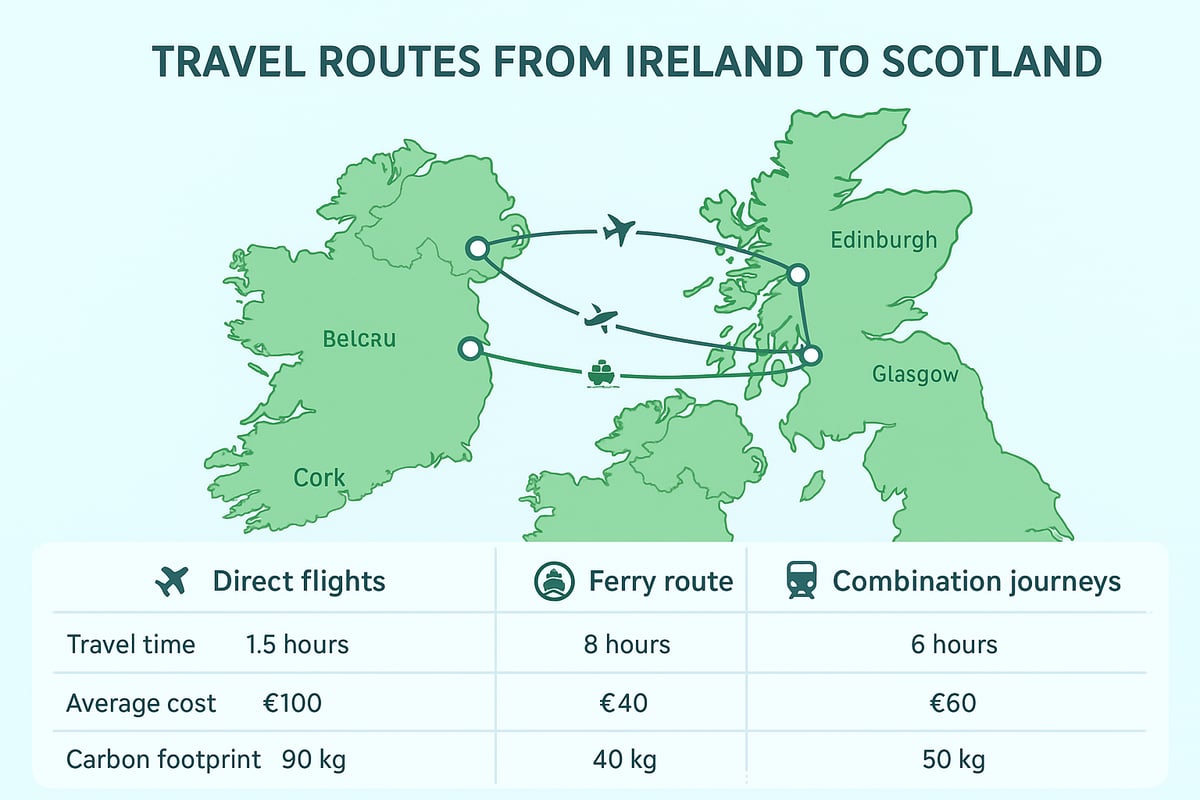
For those prioritizing speed, direct flights are the most popular way to travel from ireland to scotland. Main departure airports include Dublin, Belfast, and Cork, with arrivals into Edinburgh and Glasgow. Airlines such as Aer Lingus and Ryanair offer around 20 daily flights between major cities, with journey times averaging just one hour.
Flight prices typically range between €40 and €150 depending on season and how far in advance you book. Flights are frequent, making it easy to fit your travel from ireland to scotland into any itinerary, whether for business or leisure.
Ferry Options: Relaxed Crossings and Scenic Views
Ferry travel from ireland to scotland appeals to those who value comfort and the journey itself. The most direct ferry route is Belfast to Cairnryan, bringing you straight into Scotland in about two and a half hours. Alternatively, sail from Dublin to Holyhead in Wales, then continue by train or bus northward.
Ferries offer both foot passenger and vehicle booking options, with prices ranging from €30 to €70. Schedules are regular throughout the year, and onboard amenities help make the crossing pleasant. Many travelers enjoy the relaxed pace and scenic sea views while making their travel from ireland to scotland.
| Route | Duration | Cost (€) | Frequency | Environmental Impact |
|---|---|---|---|---|
| Flight (Dublin–Edinburgh) | ~1 hour | 40–150 | 20/day | Higher |
| Ferry (Belfast–Cairnryan) | 2–3 hours | 30–70 | 6–8/day | Lower |
| Ferry+Train (Dublin–Glasgow) | 6–8 hours | 50–120 | Multiple/day | Lower |
Combination Journeys: Scenic and Flexible
If you want to blend comfort, value, and scenery, consider a combination journey for your travel from ireland to scotland. A classic route is Dublin to Holyhead by ferry, then a train through Wales and England to Glasgow or Edinburgh. This method takes longer, typically six to eight hours, but offers a chance to see more of the countryside en route.
Combination tickets can be cost-effective, especially when booked as a package. The flexibility of train and ferry travel also suits those who wish to stop in multiple cities or explore lesser-known towns along the way.
Accessibility and Environmental Considerations
Accessibility is a key factor when planning travel from ireland to scotland. Airports and ferry terminals in both countries offer support for families, seniors, and travelers with limited mobility. Ferries, in particular, provide ample space, accessible cabins, and easy boarding processes.
Environmentally conscious travelers may prefer ferry or train routes, as these have a lower carbon footprint compared to air travel. In recent years, ferry bookings have increased by 15 percent, reflecting growing interest in sustainable travel from ireland to scotland. For detailed planning and practical tips once you arrive, consult Scotland Travel Tips and Resources.
Recent Trends and Travel Patterns
According to 2024 statistics, direct flights from Dublin to Edinburgh and Glasgow averaged 20 departures daily, giving travelers unmatched flexibility. Meanwhile, ferry travel from ireland to scotland saw a notable uptick, with bookings rising 15 percent over the previous year. These trends suggest that travelers are seeking both speed and experience, tailoring their routes to fit individual needs.
No matter your priorities, understanding the range of travel from ireland to scotland options ensures your journey is smooth and memorable. Take time to compare, plan early, and choose the route that best matches your style.
Entry Requirements, Visas, and Travel Documents for 2026
Planning to travel from ireland to scotland in 2026? Understanding the latest entry and documentation rules is essential for a seamless journey. The post-Brexit landscape has introduced new requirements that every traveler should know before setting out.
Passport and Visa Requirements
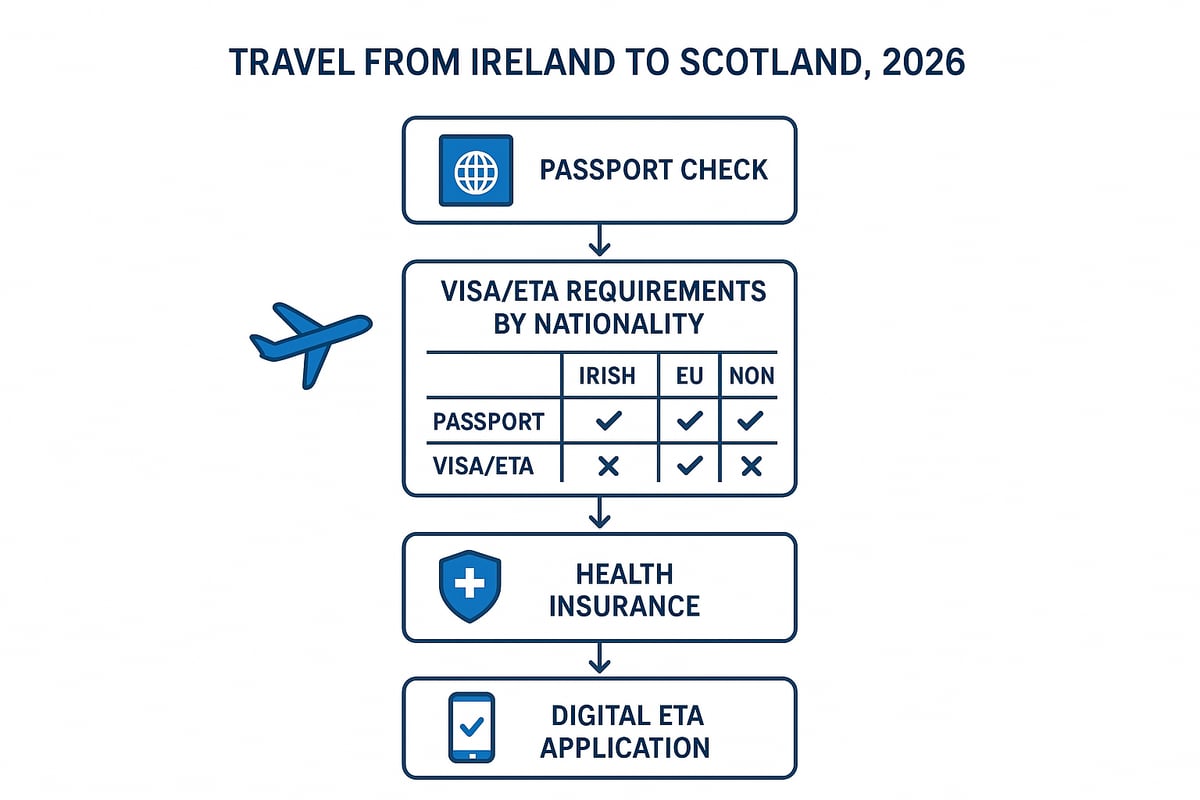
All travelers planning to travel from ireland to scotland must carry a valid passport. Both Ireland and the UK recommend that your passport remain valid for at least six months from your entry date. The following table summarizes the main requirements by traveler type:
| Traveler Type | Passport Needed | Visa Needed | Notes |
|---|---|---|---|
| Irish Citizens | Yes | No | Direct travel allowed |
| UK Citizens | Yes | No | Standard entry |
| EU Citizens | Yes | No/ETA* | ETA may apply |
| Non-EU Citizens | Yes | ETA/visa | ETA from 2026 |
*From 2026, some non-EU and non-British travelers will require an Electronic Travel Authorisation (ETA).
Electronic Travel Authorisation (ETA) for Scotland
For many visitors, a major update in 2026 is the UK ETA system. Depending on your nationality, you may need to apply for an ETA before you travel from ireland to scotland. The ETA is a digital permission required for non-visa nationals entering the UK, including Scotland. It can be applied for online and typically costs around £10. For the latest updates and a detailed guide, see the official UK Electronic Travel Authorisation (ETA) requirements.
Health, Travel Insurance, and COVID-19 Protocols
Travelers should always have comprehensive health and travel insurance when they travel from ireland to scotland. Check for any updated COVID-19 entry rules, though as of early 2026, no additional health checks are expected. Carry proof of insurance, and ensure it covers both countries.
Customs, Duty-Free, and Prohibited Items
When you travel from ireland to scotland, be aware of customs regulations. You can bring personal goods for your trip, but there are limits on alcohol, tobacco, and certain foods. Duty-free allowances and prohibited items may change, so review current guidelines before packing.
Practical Summary
Before you travel from ireland to scotland, verify your passport’s validity, check if you need an ETA or visa, and secure health insurance. Staying informed about the latest rules will help you cross borders smoothly and enjoy your trip with confidence.
Best Times to Travel and Key Events in 2026
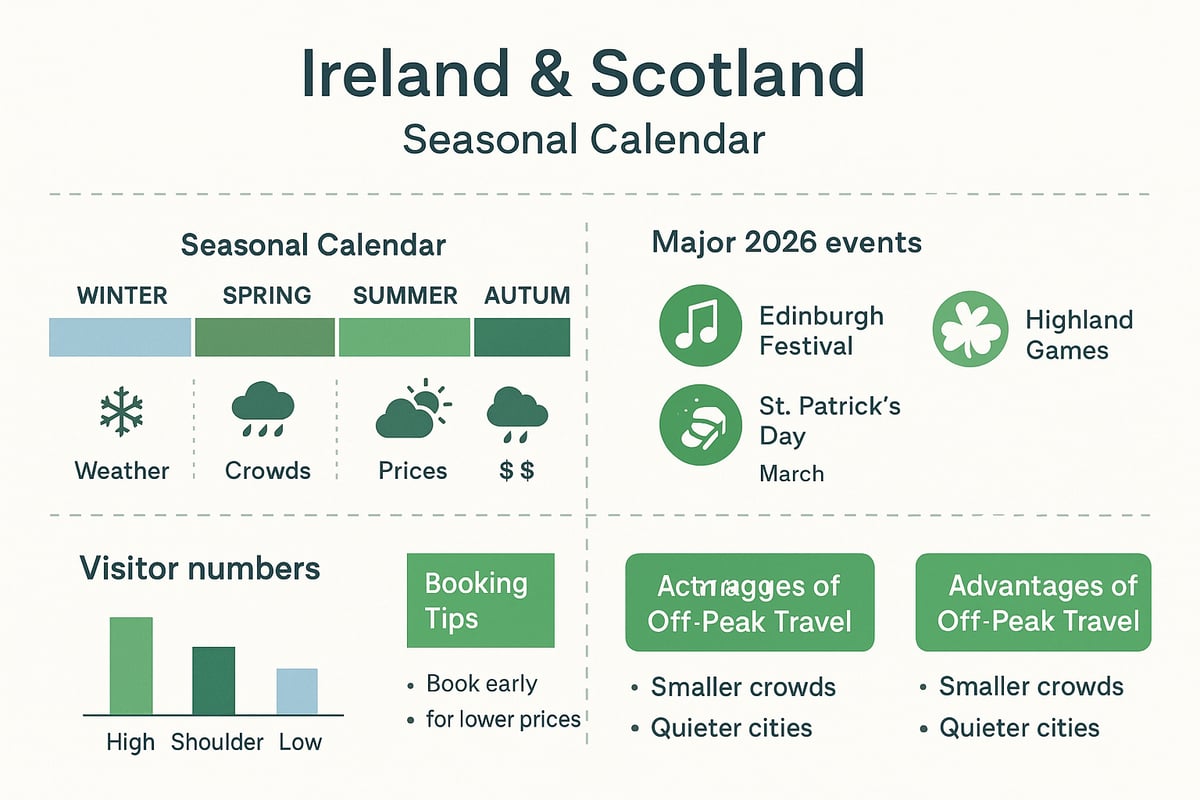
Planning the best time to travel from ireland to scotland starts with understanding the region’s climate and seasonal rhythms. Both countries feature temperate weather, with mild springs, warm but not hot summers, crisp autumns, and cool, often wet winters. While rainfall is common year-round, late spring and early autumn often offer the best mix of pleasant temperatures and manageable crowds.
| Season | Weather | Crowds | Price Level |
|---|---|---|---|
| High (Jun–Aug) | 15–20°C, mild, occasional rain | Very busy | Highest |
| Shoulder (Apr–May, Sep–Oct) | 10–16°C, mixed sun and showers | Moderate | Moderate |
| Low (Nov–Mar) | 5–10°C, frequent rain, short days | Low | Lowest |
If you want to avoid the largest crowds and highest prices as you travel from ireland to scotland, consider the shoulder seasons. April to May and September to October strike a balance between favorable weather and quieter attractions. During these months, you’ll find more availability in hotels and transport, and a greater chance to mingle with locals.
Major 2026 events will shape your travel from ireland to scotland. August brings the world-renowned Edinburgh Festival, which in 2023 drew over 2 million visitors and caused hotel prices to double. The Highland Games, scattered throughout summer, showcase Scottish tradition and pageantry. In March, Dublin’s St. Patrick’s Day celebrations offer a festive kick-off to the season. Football fans will want to check European fixtures, as matches can impact accommodation and transport availability.
For up-to-date statistics on visitor numbers and event impacts, refer to Scotland's international tourism statistics 2024, which highlight peak periods and local trends.
School and public holidays in both countries also affect your travel from ireland to scotland. UK and Irish school breaks, especially in late July and August, lead to increased demand for flights, ferries, and rooms. Booking in advance is essential if your trip coincides with these times or with major festivals.
Traveling off-peak offers several advantages for those planning to travel from ireland to scotland. You’ll enjoy fewer crowds, lower prices, and the chance to experience authentic local life. Winter months bring cozy pubs, festive markets, and dramatic landscapes, while spring and autumn are ideal for scenic drives and wildlife spotting. No matter when you go, aligning your journey with or around key events will help you make the most of your cross-country adventure.
Step-by-Step Guide: Traveling from Ireland to Scotland
Embarking on travel from ireland to scotland in 2026 promises both excitement and ease, provided you know the right steps. This guide walks you through the process, whether you are flying, taking a ferry, or combining multiple modes for a memorable journey.
Step 1: Choose Your Travel Method
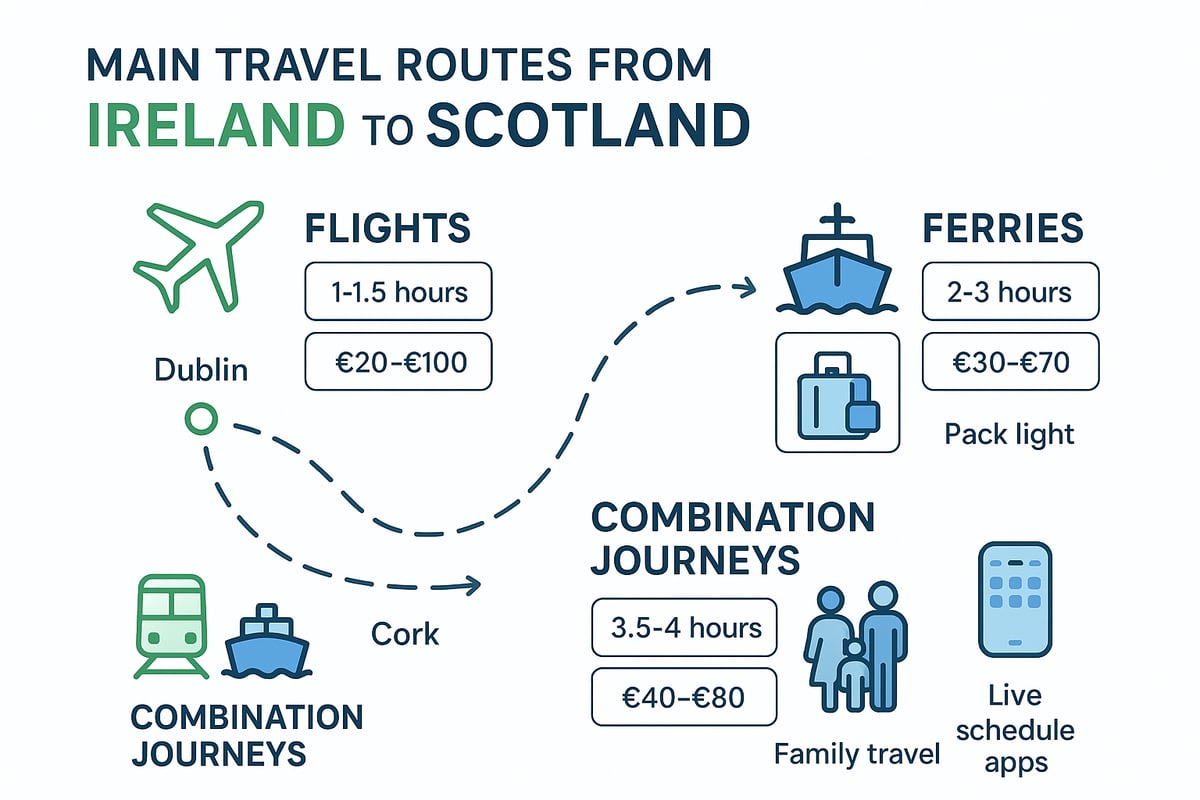
Begin by deciding how you want to travel from ireland to scotland. Your main choices are direct flights, ferry crossings, or a combination of train and ferry. Each has unique advantages for different budgets, schedules, and preferences.
Flights: Quick and Convenient
For most travelers, flights offer the fastest way to travel from ireland to scotland. Major airports in Dublin, Belfast, and Cork provide frequent departures to Edinburgh and Glasgow. Airlines such as Aer Lingus and Ryanair operate multiple daily flights, with average journey times of about one hour.
Arrive at the airport at least two hours before departure. Check in online if possible, and have your boarding pass and travel documents ready. Security procedures are straightforward, but allow extra time during peak summer travel from ireland to scotland.
After landing, both Edinburgh and Glasgow airports have express bus and tram services to city centers. Taxis and ride-sharing are also available.
Ferry Crossings: Scenic and Relaxed
If you prefer a scenic journey, consider a ferry for your travel from ireland to scotland. The Belfast to Cairnryan route is the only direct ferry link between the two countries. Ferries usually take 2-3 hours and offer amenities such as lounges, cafes, and free Wi-Fi.
For those departing from Dublin, take the ferry to Holyhead in Wales, then continue by train or bus to Scotland. Book your ferry tickets online and arrive at the terminal 45-60 minutes before departure. Vehicle passengers will be directed to boarding lanes, while foot passengers check in at the terminal building.
Onboard, enjoy spacious seating, views of the Irish Sea, and family-friendly facilities. Upon arrival in Cairnryan, direct buses connect to Glasgow, making this travel from ireland to scotland route both comfortable and practical.
Combination Journeys: Train, Ferry, and Scenic Views
Some travelers opt for a combination journey, blending train travel with ferry crossings for a more immersive travel from ireland to scotland experience. A popular option is Dublin to Holyhead by ferry, then a train from Holyhead to Glasgow or Edinburgh via Crewe.
Book combination tickets in advance for seamless connections. Trains in Wales and Scotland are modern and accessible, with luggage storage and snack services. This method is ideal if you enjoy relaxed travel, want to see the countryside, or prefer lower carbon emissions.
Sample Day Itinerary: Dublin City Center to Edinburgh City Center by Air
| Step | Details | Travel Time |
|---|---|---|
| Taxi/Bus to Airport | Dublin city center to Dublin Airport | 30-40 min |
| Check-In/Security | Arrive 2 hours early; boarding procedures | 2 hrs |
| Flight | Dublin to Edinburgh | 1 hr |
| Arrival Transfers | Edinburgh Airport to city center by tram/bus/taxi | 30-40 min |
| Total Door-to-Door | 4-5 hrs |
This is the fastest way to travel from ireland to scotland, with minimal transfers and straightforward logistics.
Luggage, Accessibility, and Family Travel Tips
Most airlines and ferries allow one cabin bag plus a personal item; check your ticket for size and weight restrictions. For train-ferry combos, keep essentials handy and use station luggage storage if you have a layover.
All major airports, ferry terminals, and trains are equipped for travelers with mobility needs. Request assistance when booking, and allow extra time for boarding. Families will find baby-changing facilities, family lounges, and kid-friendly menus at most terminals.
Managing Delays and Staying Informed
Weather can occasionally impact travel from ireland to scotland, especially on ferry routes. Check live updates on airline and ferry operator websites or use travel apps like Trainline, National Rail Enquiries, and Transport for Ireland.
If your journey is disrupted, staff at terminals and stations can help you rebook or provide alternative routes. Having travel insurance is highly recommended.
Useful Resources and Expert Guides
Booking early ensures the best prices and availability, particularly during festivals or peak summer. Use official airline, ferry, and train websites for schedules and fares.
For in-depth planning, The Awesome Guide to Scotland provides detailed tips on exploring Scotland, from city breaks to Highland adventures.
No matter how you choose to travel from ireland to scotland, following these step-by-step tips will help you enjoy a smooth and memorable journey in 2026.
Top Destinations and Experiences to Include in Your Itinerary
Embarking on travel from ireland to scotland opens a world of legendary cities, breathtaking landscapes, and unforgettable experiences. Both countries offer a perfect blend of vibrant urban life, ancient history, and wild natural beauty, making every journey uniquely rewarding.
To help you make the most of your travel from ireland to scotland, here’s a comparison of the must-visit cities on both sides of the Irish Sea:
| City | Country | Highlights |
|---|---|---|
| Dublin | Ireland | Trinity College, Temple Bar, Guinness Storehouse |
| Belfast | Ireland | Titanic Belfast, Giant’s Causeway, Cathedral Quarter |
| Edinburgh | Scotland | Edinburgh Castle, Royal Mile, Arthur’s Seat |
| Glasgow | Scotland | Kelvingrove Museum, live music, street art |
| Inverness | Scotland | Loch Ness, Culloden Battlefield, gateway to Highlands |
While planning the Irish leg of your journey, consider resources like The Awesome Guide to Ireland for curated tips on top attractions and local essentials.
Iconic Attractions Not to Miss
No travel from ireland to scotland is complete without exploring these world-famous sites:
- Giant’s Causeway: Marvel at the basalt columns and coastal views near Belfast.
- Edinburgh Castle: Discover centuries of royal history atop Castle Rock.
- Loch Ness: Enjoy the myths and scenic boat tours in the Scottish Highlands.
- Isle of Skye: Experience dramatic cliffs, fairy pools, and traditional villages.
- Stirling Castle: Step into Scotland’s storied past in this historic stronghold.
Scenic Drives and Train Journeys
If you love the journey as much as the destination, travel from ireland to scotland offers some of Europe’s most scenic routes. The West Highland Line train from Glasgow to Mallaig is renowned for its rolling hills and lochs, while the Causeway Coastal Route from Belfast to Derry showcases rugged cliffs and charming villages.
Unique Experiences and Local Flavors
Immerse yourself in culture by attending the Highland Games, joining a traditional Irish music session, or touring a whisky distillery. For food lovers, savor haggis, fresh Atlantic seafood, Irish stew, and artisan cheeses. Each region brings its own flavors, making culinary exploration a highlight of travel from ireland to scotland.
Island Hopping Adventures
Extend your adventure by ferry to islands like Arran, Islay, Mull, and Skye. Each offers unique wildlife, walking trails, and local crafts. Fora Travel even recommends a day trip to the Isle of Skye from Inverness for those seeking dramatic scenery.
Sample 7-Day Itinerary
To balance city excitement and natural wonders, try this sample route:
- Day 1-2: Dublin – Explore Georgian streets, museums, and nightlife.
- Day 3: Belfast – Visit Titanic Belfast and stroll the Causeway Coast.
- Day 4-5: Edinburgh – Tour the castle, hike Arthur’s Seat, enjoy festivals.
- Day 6: Highlands – Venture to Inverness and Loch Ness.
- Day 7: Isle of Skye – Take a guided tour, then end in Glasgow for arts and dining.
For more inspiration on multi-country journeys and combining hidden gems, check out Ultimate Trips Across Europe for expert-curated itinerary ideas.
With careful planning, you can enjoy the best of both countries and create memories that last a lifetime. Whether you crave city lights or misty glens, travel from ireland to scotland promises discovery at every turn.
Budgeting, Money-Saving Tips, and Practical Advice for 2026
Careful planning is essential for a smooth and affordable travel from ireland to scotland. Understanding typical expenses, smart budgeting, and practical tips will help you make the most of your adventure without breaking the bank.
Cost Overview: What to Expect
Budgeting for travel from ireland to scotland means estimating your main expenses. Below is a summary table of average 2026 costs per person:
| Expense Type | Typical Range (€ / £) |
|---|---|
| Flights | €40–€150 (one way) |
| Ferries | €30–€70 |
| Trains | £15–£60 |
| Accommodation | €40–€150 per night |
| Daily Expenses | €50–€100 |
Recent inbound tourism statistics show travelers are increasingly seeking value, with many opting for ferry-train combos to save up to 25% on cross-country journeys.
Money-Saving Strategies and Booking Tips
To keep travel from ireland to scotland affordable, book flights and ferries 3–6 months in advance for the best prices, especially during peak summer. Consider traveling during shoulder or off-peak seasons for lower fares and fewer crowds.
Rail and ferry passes offer excellent value if you plan multiple legs. Booking combo tickets (like ferry plus train) can unlock further savings. Students, seniors, and families are often eligible for special discounts, so always check fare rules.
Use comparison websites to monitor price trends and set fare alerts. Flexible dates can also help you snag deals.
Currency, Payments, and Practical Advice
Ireland uses the Euro, while Scotland uses Pound Sterling. Exchange some currency before departure, but most visitors prefer using cards for convenience. Visa and Mastercard are widely accepted, and contactless payments or mobile wallets are standard in both countries.
ATMs are plentiful in cities and towns, but rural areas may have limited access, so carry a small cash reserve. Avoid exchanging large sums at airports where rates are less favorable.
Pack layered, weatherproof clothing, and bring a UK/Ireland plug adapter. Comprehensive travel insurance is highly recommended for peace of mind.
Discounts, Safety, and Essential Resources
Look for student, youth, and senior discounts on transport and attractions. Families can benefit from group or child fares. When packing, keep valuables secure and use anti-theft bags.
Familiarize yourself with local emergency numbers (112 or 999). Respect local laws and customs, and stay updated on any new travel regulations.
Useful resources include official tourism websites, mobile travel apps for live schedules, and helplines for emergencies or lost property. With the right preparation, travel from ireland to scotland can be both economical and stress-free.
After exploring the best routes, entry requirements, and insider tips for traveling from Ireland to Scotland in 2026, you’re now equipped to start planning an unforgettable journey. Whether you’re drawn to iconic landmarks or hidden gems, having up to date, trustworthy guidance makes all the difference. If you want to feel confident exploring every corner, I recommend taking a look at digital guides designed for travelers just like us. They offer detailed itineraries, local advice, and practical tips to help you make the most of your trip. Ready to discover more and plan with ease Explore Guides