

Travel Guide Essentials for Modern Explorers in 2026
Modern travel has transformed dramatically over the past decade, but one constant remains: the value of a well-crafted travel guide. Whether you're planning a weekend getaway or a month-long expedition across multiple countries, having reliable information at your fingertips makes the difference between a stressful trip and an unforgettable adventure. Today's travelers demand more than generic recommendations; they seek authentic experiences, hidden gems, and practical insights that help them navigate destinations with confidence. The digital revolution has made accessing this information easier than ever, yet the fundamental purpose of a quality travel guide remains unchanged: to empower travelers with knowledge that enhances every moment of their journey.
Understanding the Modern Travel Guide Landscape
The travel industry continues to show remarkable resilience, with industry growth and optimism heading into 2026 despite global challenges. This growth reflects how travelers increasingly value comprehensive planning resources that help them make informed decisions about their adventures.
Digital travel guides have revolutionized how we explore the world. Unlike static printed versions, digital formats offer real-time updates, interactive features, and the convenience of carrying dozens of destination guides without additional luggage weight. The shift to digital has democratized travel planning, making expert insights accessible to everyone with a smartphone or tablet.
Key Components of an Effective Travel Guide
A comprehensive travel guide should address multiple aspects of your journey:
- Destination overview and cultural context
- Practical logistics including transportation and accommodation
- Curated recommendations for attractions, restaurants, and activities
- Safety tips and emergency contact information
- Budget planning and cost-saving strategies
- Local customs, etiquette, and language essentials
The best resources go beyond surface-level tourist information. They provide context that helps you understand why certain experiences matter, how to respect local communities, and when to visit specific attractions for optimal experiences.
Choosing the Right Travel Guide for Your Journey
Not all travel guides serve the same purpose. Your choice should align with your travel style, destination, and specific needs. First-time international travelers require different information than seasoned adventurers seeking off-the-beaten-path experiences.
Consider these factors when selecting a travel guide:
| Factor | Questions to Ask | Why It Matters |
|---|---|---|
| Destination Coverage | Does it cover my specific location in depth? | Generic guides miss local nuances |
| Update Frequency | When was it last updated? | Outdated information creates problems |
| User Experience | Is it easy to navigate and search? | Frustrating interfaces waste valuable travel time |
| Offline Access | Can I use it without internet? | Many destinations have limited connectivity |
| Customization | Can I save favorites and build itineraries? | Personalization enhances relevance |
Regional specialization matters significantly. A guide dedicated entirely to Scotland, like The Awesome Guide to Scotland, offers deeper insights than a general European overview that dedicates just one chapter to the country.
Digital Versus Traditional Format Considerations
While some travelers still prefer physical books, digital guides offer undeniable advantages. They're searchable, updatable, and portable. You can carry comprehensive guides for multiple destinations without adding weight to your luggage. Digital formats also enable interactive features like maps integration, real-time updates about closures or events, and multimedia content including videos and audio guides.
However, digital guides require device battery management and occasional internet connectivity for full functionality. Smart travelers download content for offline access and carry portable charging solutions to ensure continuous access to their resources.
Maximizing Value from Your Travel Guide
Owning a travel guide represents just the first step. Effective utilization requires strategic planning and active engagement with the content before, during, and even after your trip.
Pre-Trip Planning Strategies
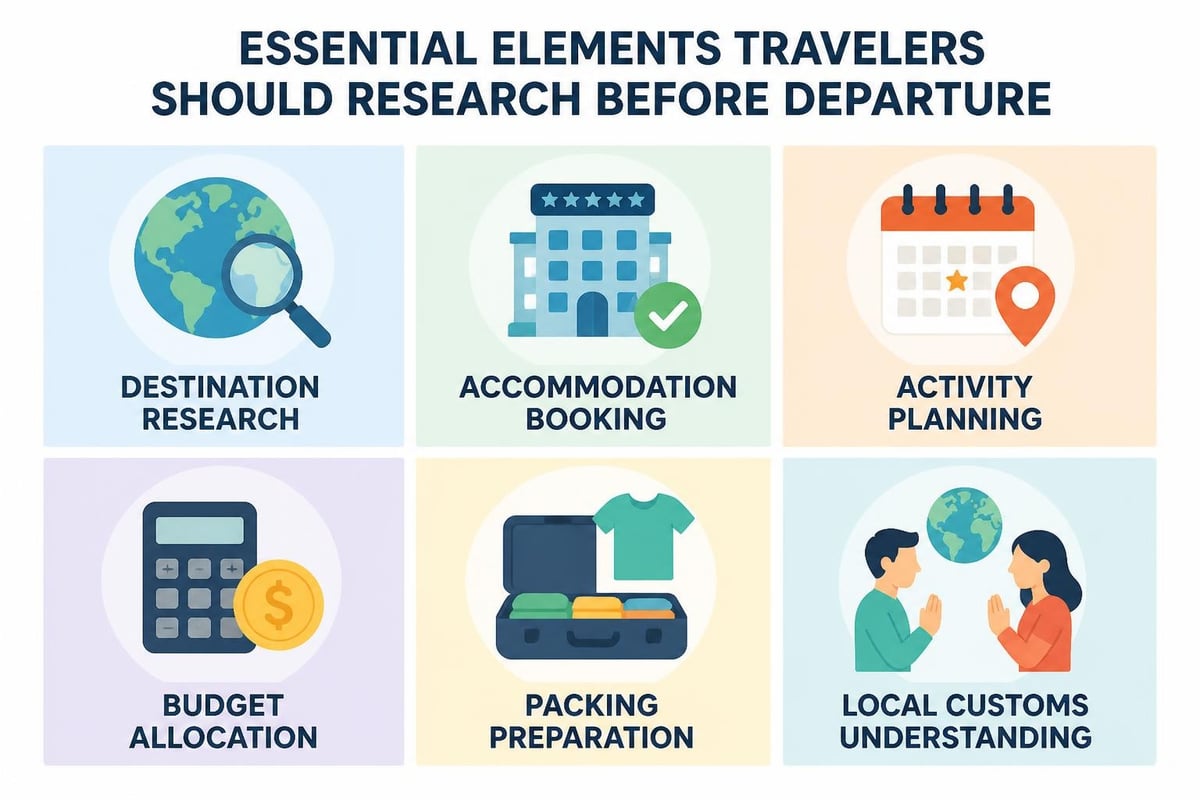
Begin researching your destination at least six to eight weeks before departure. This timeline allows you to:
- Identify must-see attractions and book necessary tickets
- Understand seasonal considerations and pack accordingly
- Research local transportation options and purchase passes
- Make restaurant reservations at popular establishments
- Learn basic phrases in the local language
- Identify neighborhoods that match your interests
Creating a flexible itinerary based on your travel guide prevents decision fatigue during your trip. However, leave room for spontaneity and unexpected discoveries. The goal isn't to schedule every minute but to have informed options available when making daily decisions.
A pre-trip checklist can help ensure you've addressed all essential planning elements before departure, from documentation to packing considerations.
During-Trip Application Techniques
Your travel guide becomes most valuable when you're actually exploring. Reference it strategically rather than constantly, allowing genuine experiences to unfold while having expert backup when needed.
Smart usage patterns include:
- Morning planning sessions to review the day's neighborhood and nearby attractions
- Quick reference checks before entering restaurants or shops to understand pricing and customs
- Evening reflection to mark completed activities and adjust upcoming plans
- On-the-go searches when you discover unexpected free time or weather changes
Many travelers find success with a hybrid approach: broad planning from their travel guide combined with spontaneous local recommendations. This balance creates structured flexibility that maximizes both efficiency and authentic discovery.
Regional Specialization and Niche Travel Guides
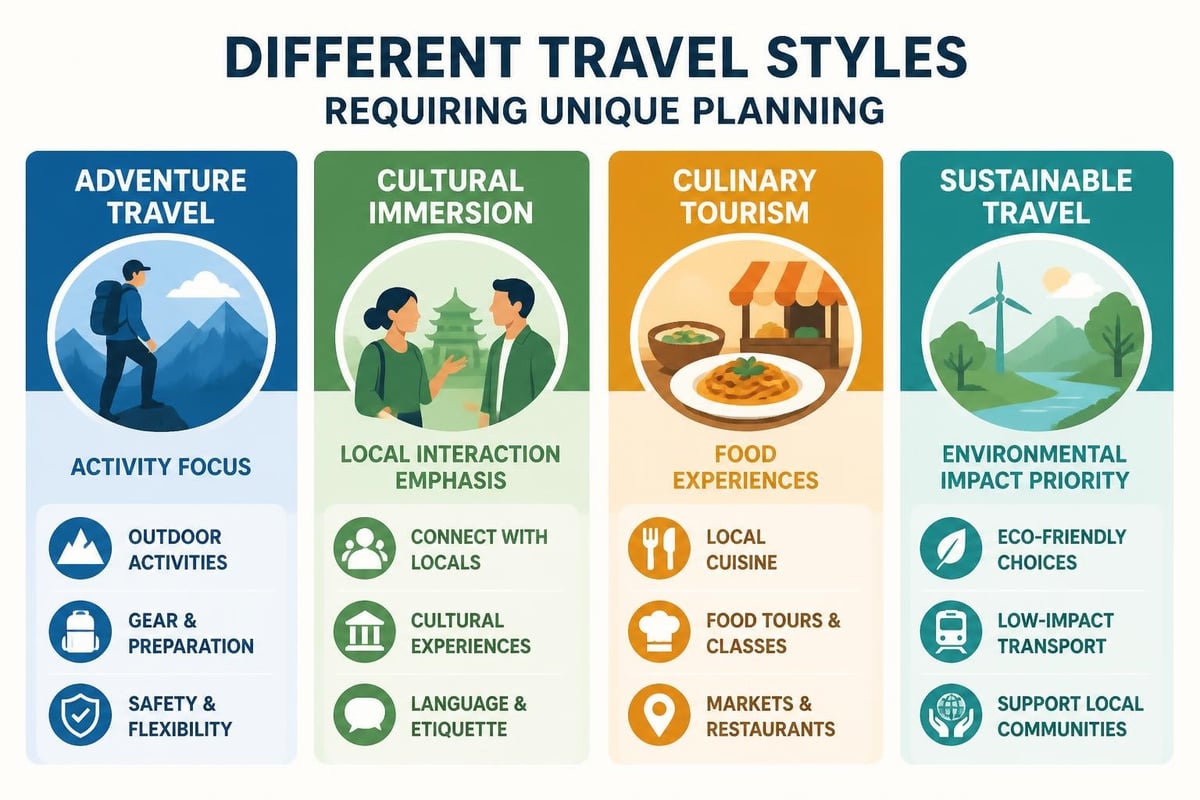
The travel industry outlook for 2026 highlights increasing demand for personalized, immersive experiences. This trend emphasizes the importance of specialized guides that cater to specific interests, travel styles, or destination types.
Destination-Specific Deep Dives
Generic continental guides serve broad overviews but lack the depth serious travelers need. Country-specific resources provide richer context about history, culture, regional variations, and practical considerations that vary significantly even within small geographic areas.
For example, planning a trip to the British Isles requires understanding the distinct character of each nation. England, Scotland, Wales, and Ireland each offer unique experiences, and comprehensive guides like The Awesome Guide to England or The Awesome Guide to Ireland recognize these differences with tailored content.
Thematic and Activity-Based Guides
Beyond destination-specific resources, thematic guides address particular interests:
Photography-focused guides help travelers capture stunning images by identifying optimal shooting locations, ideal times for lighting, and compositional opportunities. A travel photography guide transforms casual snapshots into meaningful visual stories.
Food and wine trails guide culinary enthusiasts to authentic local experiences, from street food markets to Michelin-starred restaurants, with context about regional specialties and dining customs.
Adventure and outdoor activity guides provide essential information about hiking trails, water sports, climbing routes, and seasonal considerations for active travelers.
Safety and Practical Considerations
Every comprehensive travel guide must address safety without creating unnecessary anxiety. Informed travelers make better decisions and enjoy more confident, relaxed experiences.
Essential safety information includes:
| Safety Category | Key Information Needed |
|---|---|
| Health Preparation | Required vaccinations, water safety, altitude considerations |
| Emergency Services | Local emergency numbers, hospital locations, embassy contacts |
| Common Scams | Tourist-targeting schemes, how to recognize and avoid them |
| Transportation Safety | Taxi regulations, public transit security, driving considerations |
| Secure Storage | Hotel safe usage, portable security options, document protection |
A dedicated travel safety handbook provides comprehensive guidance on protecting yourself and your belongings while traveling. Understanding risks doesn't mean living in fear; it means taking reasonable precautions that become second nature.
Financial and Logistical Planning
Budget management significantly impacts travel enjoyment. Your travel guide should help you understand:
- Realistic daily costs for accommodation, food, transportation, and activities
- Money-saving strategies including free attractions, local dining, and transportation passes
- Payment methods accepted locally and optimal currency exchange approaches
- Tipping customs and service expectations
- Seasonal pricing variations that might affect your budget
Technology has simplified many logistical challenges, but understanding local systems before arrival prevents confusion and frustration. Know how public transportation works, whether ride-sharing apps operate in your destination, and what documentation you need for various activities.
Emerging Travel Trends Shaping 2026 Guides
The travel landscape constantly evolves, and effective travel guides must reflect current trends and traveler priorities. Travel trends for 2026 emphasize slow travel, sustainability, and cultural immersion over rapid destination hopping.
Remote Work Impact on Travel Patterns
The rise of remote work has fundamentally altered how people travel. Research on remote work's impact on travel patterns reveals that flexibility enables longer trips, mid-week travel, and destination choices based on work-friendly amenities rather than just tourist attractions.
Modern travel guides increasingly address digital nomad needs:
- Coworking spaces and reliable wifi hotspots
- Time zone considerations for meeting schedules
- Accommodation with dedicated workspaces
- Balance strategies for productivity and exploration
This shift doesn't mean constant work during vacation. Instead, it recognizes that many travelers now blend work and leisure, requiring resources that support both aspects of extended trips.
Sustainable and Responsible Travel
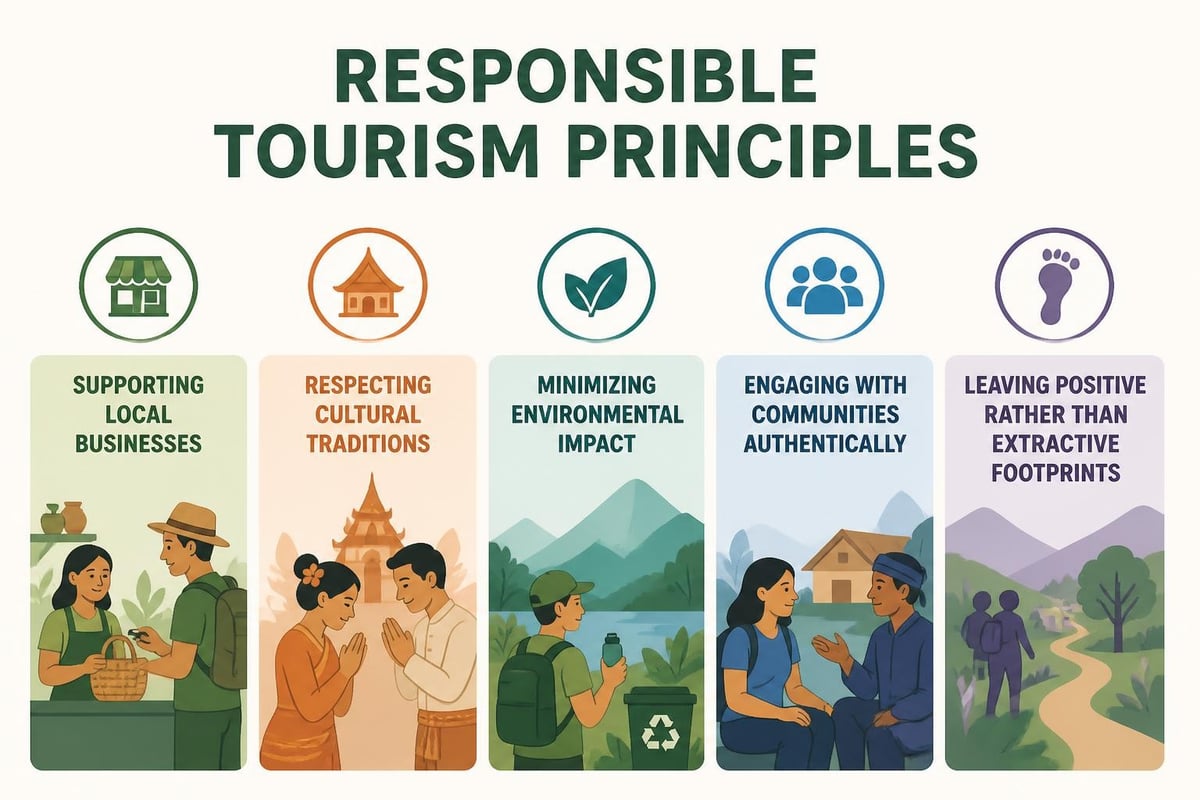
Environmental consciousness shapes destination choices and travel behaviors. Quality guides now include:
- Carbon footprint considerations for transportation options
- Eco-certified accommodations and tour operators
- Responsible wildlife interaction guidelines
- Supporting local economies through ethical spending
- Minimizing plastic waste and respecting natural resources
Sustainable travel extends beyond environmental concerns to cultural respect and economic equity. The best travel guide resources help you make choices that benefit local communities while minimizing negative impacts.
Building Your Personal Travel Resource Library
Serious travelers benefit from curating a collection of complementary resources. A well-rounded library addresses different aspects of travel and supports various trip types throughout the year.
Consider assembling guides for:
- Primary destinations you visit frequently or plan to explore thoroughly
- Dream destinations for future trip inspiration and long-term planning
- Nearby regions for weekend getaways and spontaneous travel
- Skill development such as language learning, photography, or cultural understanding
European travelers might build a collection including The Awesome Guide to France, The Awesome Guide to Spain, and The Awesome Guide to Italy to support multiple trips across the continent.
Supplementary Resources for Complete Preparation
Beyond destination information, practical guides address universal travel challenges:
Packing guides eliminate the stress of deciding what to bring, ensuring you have essentials without overpacking. A comprehensive packing guide helps you pack efficiently for different climates, trip durations, and activities.
Gear recommendations help you invest wisely in travel equipment that enhances comfort and convenience without creating unnecessary baggage.
Document organization systems ensure you can quickly access reservations, tickets, and important information when needed.
Leveraging Technology Without Losing Human Connection
Digital travel guides excel at information delivery, but the most memorable travel experiences involve genuine human connections. Technology should enhance rather than replace authentic interactions with local people and cultures.
Use your travel guide to understand cultural context and appropriate behavior, then set aside devices to engage fully with your surroundings. The goal is informed awareness that allows confident participation in local life, not constant screen reference that isolates you from genuine experiences.
Smart integration means:
- Researching before arrival so you understand context without constant checking
- Saving favorite locations offline for quick reference without extended searches
- Using navigation features to reach destinations, then exploring organically
- Documenting experiences through notes and photos that preserve memories
Balance comes from treating your travel guide as a tool that empowers exploration rather than a script that dictates every moment.
The right travel guide transforms uncertainty into confidence, enabling you to explore destinations with awareness and appreciation for local culture. Whether you're planning your first international adventure or your fiftieth trip abroad, comprehensive resources tailored to your specific destination provide the foundation for remarkable experiences. Awesome Travel Guides delivers the detailed, expertly curated information modern travelers need, combining practical logistics with cultural insights and hidden gems that turn ordinary trips into extraordinary journeys. Start planning your next adventure with digital resources designed specifically to enhance every aspect of your travel experience.