

Travel Ireland Guide 2026: Discover Hidden Gems
Imagine stepping beyond the well-worn tourist paths and uncovering a side of Ireland that few travelers ever see. Picture vibrant green hills, hidden ruins, and warm welcomes from locals eager to share their stories. The 2026 travel ireland guide is your key to discovering these authentic experiences.
This guide reveals the country’s hidden gems, blending up-to-date advice with practical tips for every type of traveler. Inside, you’ll find essential planning insights, the best times to visit, and unique destinations far from the crowds.
Ready to experience the magic of travel ireland in a whole new way? Let this guide inspire your unforgettable Irish adventure.
Essential Planning for Your 2026 Ireland Adventure
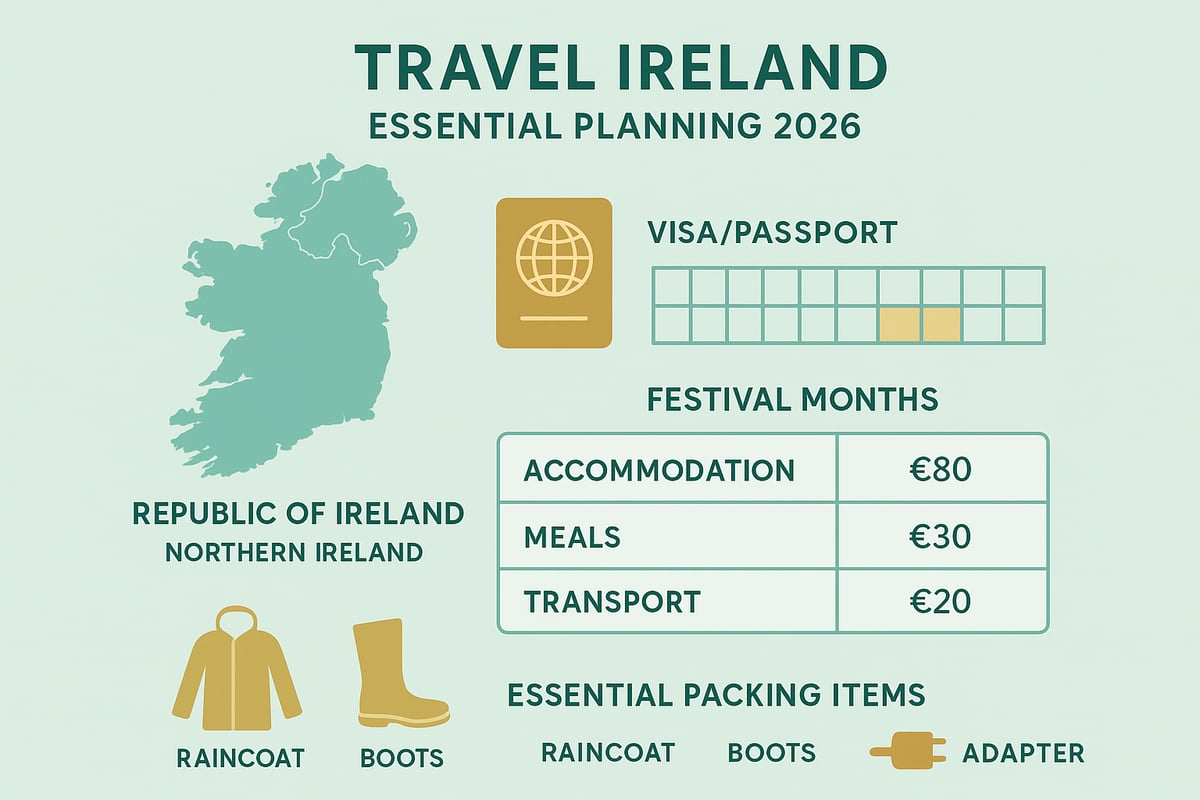
Planning the perfect travel ireland experience in 2026 means preparing for a land rich in variety, culture, and ever-changing weather. Careful preparation ensures you make the most of your journey, avoid common pitfalls, and enjoy authentic moments across the Emerald Isle.
Understanding Ireland’s Regions and Culture
Ireland offers two distinct yet intertwined destinations: the Republic of Ireland and Northern Ireland. While both share a love for storytelling and hospitality, each region brings its own language, traditions, and customs to the travel ireland experience.
English is widely spoken, but Irish (Gaeilge) thrives in the Gaeltacht areas, where music and folklore remain central. Respect for local etiquette, such as greeting with a friendly “hello” and showing interest in regional identity, will enhance your travels.
Over 1.7 million visitors each year explore both regions, discovering that understanding cultural nuances leads to deeper, more memorable travel ireland moments.
Entry Requirements and Travel Updates for 2026
To enjoy a seamless travel ireland adventure in 2026, check the latest entry rules for your nationality. EU travelers will need valid passports, while non-EU visitors may require ETIAS authorization. The Republic of Ireland uses the Euro, while Northern Ireland uses Pound Sterling.
COVID-19 protocols have eased, but health safety measures remain important. US travelers benefit from preclearance at Dublin and Shannon airports, making arrivals smoother. Dublin Airport is Ireland’s busiest, serving millions annually.
Advance planning helps avoid border confusion, ensuring your travel ireland journey starts stress-free and efficient.
Choosing the Best Time to Visit Ireland
Selecting the right season for your travel ireland itinerary shapes your experience. Spring brings wildflowers and mild weather, summer offers lively festivals and long days, autumn features harvest celebrations like the Púca Festival in County Meath, and winter is filled with cozy festivities.
Ireland is famous for its frequent rain, gentle temperatures, and rare snowfall. Summer is peak for international arrivals, but traveling in the off-season often means fewer crowds and more authentic local connections.
Check the festival calendar for highlights such as St. Patrick’s Day, Galway Arts Festival, and Cork Jazz Festival when planning your travel ireland adventure.
Budgeting & Trip Costs in 2026
Managing your travel ireland budget is crucial for a comfortable trip. Expect average B&B rates outside Dublin from $70–$100 per night, and restaurant meals between €15–€18 per person. Book early, use travel passes, and opt for B&Bs for savings.
Credit cards are widely accepted, but carry cash for small businesses. Consider using The Awesome Guide to Ireland for up-to-date advice and practical itineraries tailored to your budget.
Balancing comfort with authenticity ensures your travel ireland experience is both memorable and affordable.
Packing Essentials for Ireland
Travel ireland demands smart packing for unpredictable weather. Bring a reliable raincoat, waterproof shoes, and layered clothing. Ireland’s power outlets use 230V/50Hz with UK-style plugs, so a suitable adapter is necessary.
Pack hiking boots for countryside walks, a reusable water bottle, and a compact umbrella. Note that many accommodations lack bathroom outlets for hairdryers. Sim cards may not work across both Ireland and Northern Ireland.
Thoughtful packing keeps you comfortable and prepared for every aspect of your travel ireland journey.
Hidden Gems: Ireland’s Secret Destinations
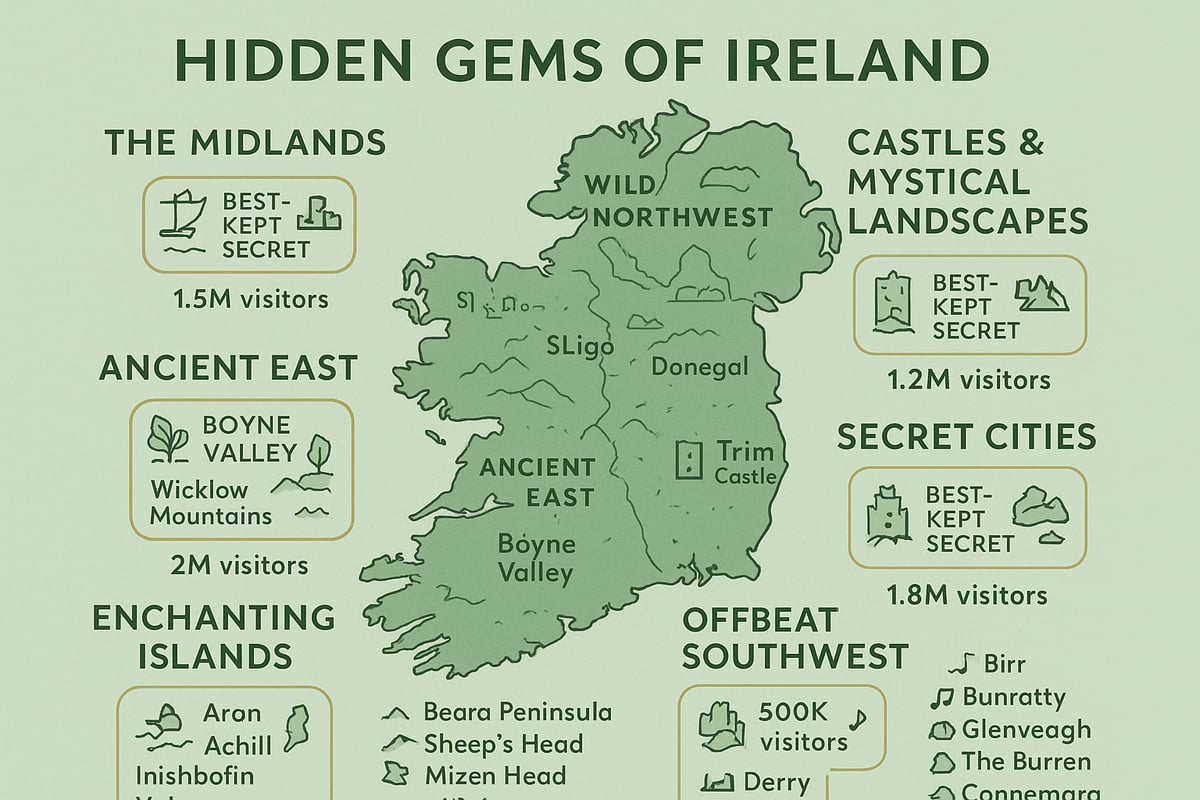
Ireland’s true magic often lies away from the crowds. If you crave authentic discovery on your travel ireland adventure, set your sights on these secret destinations. Each region promises distinct landscapes, local stories, and the kind of experiences that linger long after you return home.
The Midlands: Ireland’s Hidden Heartlands
In the center of the island, the Midlands offer a tranquil escape from busier routes. Travel ireland explorers can meander along the River Shannon or unwind beside Lough Derg’s serene waters. Clonmacnoise, a 6th-century monastic site, stands as a testament to Ireland’s ancient spiritual roots.
Athlone and Birr, with their friendly pubs and Georgian architecture, provide a window into rural life. The Shannon Blueway invites cycling and boating adventures, perfect for those who prefer slow travel. This region remains one of Ireland’s best-kept secrets, drawing fewer tourists than the coasts but offering immense heritage and natural beauty. Notably, Tipperary was recognized as a top destination for 2026 by Lonely Planet, further cementing the Midlands’ appeal for those seeking hidden gems.
The Wild Northwest: Sligo and Donegal
Venture northwest to encounter some of the most rugged scenery in travel ireland. Sligo’s dramatic Ben Bulben and Knocknarea mountains rise beside golden beaches, inviting surfers and hikers alike. Donegal, renowned for its untamed charm, boasts the towering Sliabh Liag sea cliffs and the tranquil expanse of Glenveagh National Park.
Here, you’ll find Gaelic culture alive in music, language, and local festivals. National Geographic once named Donegal among the world’s coolest places, underscoring its global appeal. For travelers seeking unspoiled landscapes and true Irish spirit, the northwest delivers unforgettable moments.
Ancient East: Boyne Valley and Wicklow
History comes alive in Ireland’s Ancient East. Travel ireland enthusiasts can explore the Boyne Valley’s Neolithic treasures, including Newgrange and Knowth, which predate Stonehenge. Loughcrew Cairns add further mystery to this storied landscape.
The Wicklow Mountains National Park offers scenic trails through heather-clad hills and tranquil forests. Powerscourt and Mount Usher Gardens provide bursts of color and calm. Trim Castle, famed for its role in “Braveheart,” is a highlight for history and film buffs. This region is a haven for both heritage seekers and nature lovers.
Enchanting Islands: Aran, Achill, and Beyond
Ireland’s islands promise a slower pace and authentic encounters. With a travel ireland itinerary, you can ferry to the Aran Islands to hear Irish spoken daily, cycle windswept lanes, and marvel at Dún Aonghasa’s ancient stone fort. Achill Island, accessible via the Great Western Greenway, is famed for its cliffs and beaches.
Lesser-known gems like Inishbofin and Valentia Island offer solitude and striking seascapes. Thousands visit the Aran Islands each year seeking a taste of Gaelic heritage, but the islands’ charm remains refreshingly untouched.
Offbeat Southwest: Beara, Sheep’s Head & Mizen Peninsulas
For those wishing to travel ireland beyond the famous Ring of Kerry, the Beara, Sheep’s Head, and Mizen peninsulas are a revelation. The Beara Peninsula’s winding coastal roads reveal wild vistas at every turn. Sheep’s Head Way offers panoramic Atlantic views on quiet walking trails.
Mizen Head, with its dramatic cliffs and historic signal station, is a must-see. Allihies village, with its colorful houses and copper mining heritage, adds a splash of character. These peninsulas remain less touristy, making them perfect for explorers seeking solitude and scenery.
Secret Cities and Towns: Beyond Dublin and Galway
Ireland’s cities have more to offer than the usual suspects. On your travel ireland journey, linger in Westport, known for its Georgian charm and vibrant music scene. Cobh’s seaside beauty and Titanic connections tell poignant stories from Ireland’s maritime past.
Kilkenny’s Medieval Mile and Waterford’s Viking Triangle reveal layers of history on every street. Derry, with its iconic walls and lively street art, showcases Northern Ireland’s creative pulse. Smaller cities offer rich culture and warmth, often without the crowds found in bigger hubs.
Castles, Ruins, and Mystical Landscapes
No travel ireland experience is complete without venturing into its legendary landscapes. Explore lesser-known castles like Birr, Bunratty, and Glenveagh, where history is carved in stone. Rural counties are dotted with ancient ruins and mysterious stone circles.
The wild beauty of The Burren and Connemara invites reflection and wonder. Ballycarbery Castle and the ancient church on Inishmore provide memorable moments for photographers and history lovers alike. With over 30,000 castles and ruins across Ireland, every region reveals its own slice of magic.
Immersive Irish Experiences: Culture, Food, and Adventure
Discovering the real Ireland means diving deep into its vibrant culture, sampling local flavors, and seeking out adventure at every turn. The journey goes far beyond iconic sights. In this part of the travel ireland guide, you’ll find inspiration to connect with the heart and soul of the Emerald Isle.
Traditional Music, Festivals & Local Life
Irish culture is alive in every corner, especially where music and storytelling flourish. Step into a village pub, and you might find yourself swept up in an impromptu trad session. Local musicians gather with fiddles, bodhráns, and flutes, creating a warm, communal atmosphere.
- Attend the Galway Arts Festival or Cork Jazz Festival for world-class performances.
- Experience ancient lore at the Púca Festival or winter magic at Waterford’s Winterval.
- Join a storytelling night or folklore walk.
Across the country, hundreds of festivals celebrate everything from music to food, each reflecting unique regional traditions. To deepen your travel ireland adventure, you can find more Ireland travel inspiration and tips that highlight secret venues and local events.
Culinary Discoveries: From Farm to Table
The food scene in Ireland is a revelation for travelers. Enjoy fresh Atlantic seafood, hearty stews, and artisan cheeses, all rooted in the country’s farm-to-table ethos. Visit bustling farmers’ markets in Limerick, Cork, or Galway for organic produce and handmade treats.
Sample specialties like soda bread, black and white pudding, and oysters straight from the coast. Gastropubs and Michelin-starred restaurants offer modern twists on Irish classics, while traditional tea rooms invite you to slow down and savor.
A travel ireland journey isn’t complete without exploring markets like the English Market in Cork or the Milk Market in Limerick. Sustainability is at the forefront, with local ingredients and ethical sourcing shaping the culinary landscape.
Outdoor Adventures: Hiking, Cycling & Waterways
Ireland’s wild landscapes beckon adventurers. Lace up your boots for hikes through Connemara, Wicklow, or Glenveagh National Parks. Cycle scenic routes like the Great Western Greenway, or paddle along blueways and the River Shannon.
- Over 1,500 km of marked walking trails
- 2,000 km of cycle paths
- Surfing, kayaking, and boating opportunities
Travel ireland is best experienced in motion, whether you’re trekking clifftop paths or exploring tranquil waterways. National parks offer panoramic views and a chance to spot wildlife, while the Atlantic coast promises golden beaches and dramatic sea cliffs.
Literary, Mythical & Artistic Heritage
Ireland’s storytelling tradition is legendary. Walk in the footsteps of literary giants such as Yeats and Joyce, or visit sites steeped in Celtic myth. Dublin, a UNESCO City of Literature, houses treasures like the Book of Kells at Trinity College.
- Explore ancient sites linked to legends
- Visit local art galleries and craft studios
- Join guided tours on literary themes
Travel ireland is a journey through stories, art, and myth. Each region has its own tales, from the giants of Sligo to the warriors of the Boyne Valley. Creative expression thrives in towns and cities, offering endless inspiration for visitors.
Authentic Stays: B&Bs, Castles, and Farmhouses
Where you stay shapes your experience of Ireland. Choose from cozy B&Bs, historic castle hotels, or rustic farmhouses for an authentic welcome. Hosts often share local tips and stories, making every night a cultural exchange.
- Over 3,000 registered B&Bs
- Glamping and eco-lodges in scenic locations
- Castle stays in Clare, Kerry, and beyond
A travel ireland adventure is enhanced by these unique accommodations. Enjoy home-cooked breakfasts, warm hospitality, and the chance to immerse yourself in Ireland’s rural charm. Many properties offer views of rolling hills, lakes, or ancient ruins.
Explore with Awesome Travel Guides: Your Digital Companion
Planning a travel ireland journey has never been easier. Awesome Travel Guides provides digital tools tailored to independent explorers seeking hidden gems and real experiences.
Benefit from curated itineraries, local insights, and practical tips updated for 2026. Digital access means you can plan on the move and find off-the-beaten-path adventures with confidence. Expert recommendations, affordability, and unbiased advice make these guides invaluable for anyone wanting to go beyond the usual tourist trail.
Getting Around Ireland: Transportation & Travel Logistics
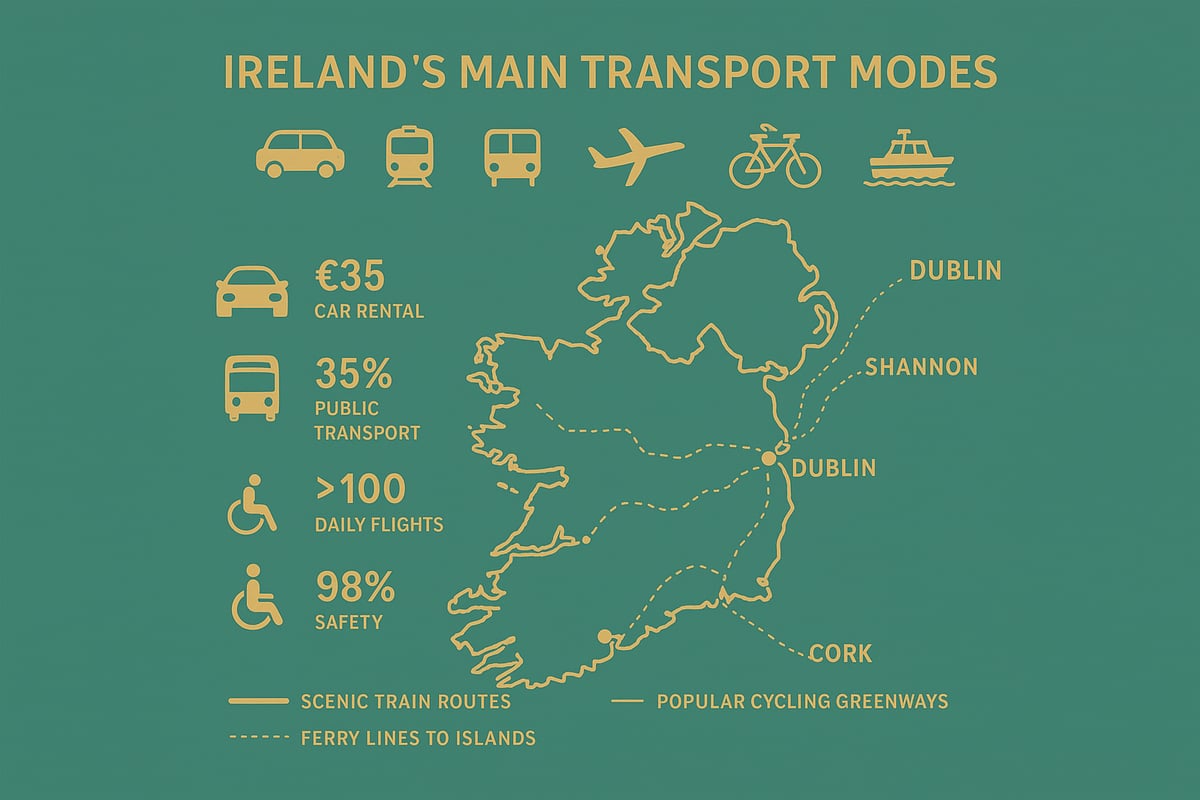
Exploring Ireland’s varied landscapes and historic towns is easier than ever, thanks to a range of reliable transport options. Whether you are seeking the freedom of the open road, the convenience of public transit, or the charm of cycling along scenic greenways, travel ireland offers solutions for every style and itinerary.
Navigating Ireland by Car
Renting a car gives you unmatched flexibility to discover travel ireland’s rural gems and hidden corners. Most vehicles are manual, and driving is on the left. The country’s road network includes motorways, national, regional, and local roads, each varying in width and traffic.
When planning to drive, consider these tips:
- Opt for a compact car for narrow countryside lanes.
- Watch for toll roads, especially around Dublin and on the M50.
- Parking in cities can be limited and metered.
- Fuel is sold by the liter, and petrol stations are common, even in remote areas.
Car rentals start from €10–€20 per day for manuals, making them an affordable choice for small groups. With a car, you can access off-the-beaten-path villages and enjoy the freedom to set your own pace.
Public Transport: Buses, Trains, and Ferries
Ireland’s public transport system connects major cities and towns, making it practical for those who prefer not to drive. Bus Éireann, Expressway, and Irish Rail/Iarnród Éireann operate frequent services, while private bus companies cover popular tourist routes. Ferries link the mainland to islands and connect Ireland with the UK and Europe.
For example, the direct train from Dublin to Galway takes just 2.5 hours. Over 100,000 passengers use Irish public transport daily. While buses and trains are reliable, they may not reach some remote destinations, so plan connections carefully. Travel ireland by public transport is efficient for city-hopping and island visits.
Domestic Flights and Regional Airports
For travelers covering long distances or reaching remote areas, domestic flights can save time. Ireland’s key airports include Dublin, Shannon, Cork, Belfast, Kerry, and Donegal. Flights are especially useful for accessing the northwest or southwest quickly.
A notable update for 2026 is the launch of direct flights between Pittsburgh and Dublin, expanding transatlantic access for travel ireland. Dublin Airport serves over 30 million passengers annually, making it the primary gateway. Consider flights when your itinerary spans distant regions or time is limited.
Biking, Walking, and Eco-Friendly Travel
Active travelers will find Ireland ideal for cycling and walking. The country boasts over 2,000 km of cycle paths, including the Great Western Greenway and Waterford Greenway. City bike-share schemes are available in Dublin, Cork, and Galway.
National parks and coastal paths offer well-marked walking trails, perfect for slow exploration. Eco-conscious options are growing, with green accommodations and low-impact tours. The 26-mile Great Western Greenway, stretching from Westport to Achill, is a highlight for those seeking sustainable travel ireland experiences.
Accessibility and Safety Tips
Ireland is renowned for its welcoming atmosphere and high safety standards. Most towns and tourist sites are accessible for travelers with disabilities, with ongoing improvements to transport and attractions. Violent crime rates are among the lowest in the EU, and emergency services are responsive, reachable at 112 or 999.
Mobile coverage is strong in most populated areas, but rural black spots do occur. SIM cards are widely available for seamless navigation. Travel ireland with peace of mind, knowing that both safety and support are prioritized for visitors.
Expert Tips for a Memorable Irish Journey
Planning an unforgettable travel ireland adventure means more than just seeing the sights. It is about connecting deeply with the country, making smart choices, and traveling with intention. Here are expert tips to help you get the most from your journey.
Making the Most of Local Interactions
One of the true joys of travel ireland is meeting local people and engaging in genuine conversations. The Irish are known for their warmth and wit, making it easy for visitors to feel welcome.
To deepen your experience, join community events or take part in guided local tours. Even learning a few basic Irish phrases like "Dia dhuit" (hello) can open doors and spark smiles.
- Attend a storytelling night in a rural pub.
- Participate in a céilí (traditional dance) if you have the chance.
- Ask locals for recommendations on hidden spots.
These authentic interactions will enrich your travel ireland memories and often lead to unexpected adventures.
Avoiding Tourist Traps and Overcrowded Spots
Popular destinations often draw crowds, but travel ireland offers countless alternatives if you know where to look. Plan visits to top sites like the Cliffs of Moher or Blarney Castle early in the morning or during the off-season for a quieter experience.
Consider exploring lesser-known regions such as The Burren, which rivals famous sites in beauty and atmosphere. Take the time to research alternative attractions and routes.
- Visit small museums and heritage centers.
- Discover local markets instead of only visiting crowded shopping streets.
- Embrace off-the-beaten-path trails.
By seeking out hidden gems, you will find travel ireland more rewarding and personal.
Maximizing Value: Passes, Discounts, and Free Attractions
A travel ireland journey can be affordable with a bit of planning. Take advantage of heritage cards, city passes, and discount tickets for buses and trains. Many of Ireland's parks, museums, and historic sites offer free entry.
| Pass Type | Coverage | Approximate Price |
|---|---|---|
| Heritage Ireland Card | 45+ sites nationwide | €40 (adult) |
| Leap Visitor Card | Public transport in cities | €19.50 (1 day) |
| Free Walking Tours | Major cities | Tips only |
For more detailed strategies on stretching your budget, see How to plan a budget-friendly adventure. Smart choices ensure your travel ireland experience is rich without overspending.
Photography and Storytelling: Capturing Your Adventure
Ireland is a photographer's dream, with its dramatic coastlines, ancient ruins, and ever-changing skies. For the best photos, head out at sunrise or sunset when the light is magical.
Always be mindful of local etiquette, especially when photographing sacred sites or private property. Share your stories and images on social media or travel blogs, joining in Ireland's age-old tradition of storytelling.
- Best spots: Dark Hedges, Connemara, Dingle Peninsula.
- Respect boundaries and ask permission where needed.
- Try capturing everyday moments for a personal touch.
Let your travel ireland journey inspire others through your unique perspective.
Practical Advice: Health, Connectivity, and Emergencies
Being prepared is key to a smooth travel ireland trip. Ireland has excellent healthcare, but always carry travel insurance. EU or UK visitors should bring their health cards, while all travelers should know emergency numbers (112 or 999).
Bring a SIM card or arrange a data plan for reliable connectivity, especially in rural areas where coverage can be spotty. Download offline maps in advance.
- Keep emergency contacts handy.
- Pack a small first aid kit.
- Watch for weather alerts and adapt plans as needed.
Preparation will give you peace of mind throughout your travel ireland adventure.
Sustainable and Responsible Travel in Ireland
Travel ireland responsibly by supporting local businesses, choosing eco-friendly accommodations, and respecting natural and cultural sites. Reduce your footprint by bringing a reusable water bottle, minimizing plastic use, and opting for public transport or cycling when possible.
Over 500 accommodations are certified for sustainability in 2026, making it easy to travel consciously. For more tips on minimizing your carbon impact, read Eco-friendly travel with digital guides.
Every action, from where you stay to how you explore, helps preserve the magic of travel ireland for generations to come.
As you dream about wandering Ireland’s untamed coastlines, charming villages, and ancient ruins, remember that planning the perfect journey is all about having the right insights at your fingertips. With careful preparation and a spirit of discovery, you can unlock authentic local experiences and explore hidden gems far from the usual tourist paths. If you want practical tips, curated itineraries, and expert recommendations tailored for 2026, I recommend you Explore Guides. With these digital companions, you’ll travel Ireland with confidence, making every moment memorable and every adventure uniquely yours.