

Ultimate Guide to Travel Through Ireland in 2026
Imagine yourself winding along Ireland’s wild coasts, discovering ancient castles, and soaking up vibrant local culture at your own pace. The magic of travel through ireland in 2026 promises new adventures, whether you are a history buff, nature lover, or seeking authentic experiences.
This ultimate guide delivers everything you need to plan and enjoy a memorable journey. You will find essential steps, top destinations, expert transportation tips, budgeting advice, and the latest travel updates.
Ready to unlock the best of Ireland? Use this guide to craft a personalized, stress-free itinerary and make every moment count.
Step-by-Step Planning for an Ireland Trip in 2026
Dreaming of how you’ll travel through ireland in 2026? Start your journey with a clear vision and a plan tailored to your interests. Careful preparation ensures you make the most of your trip, balancing iconic sights with authentic local experiences.
Visualizing Your Ideal Irish Adventure
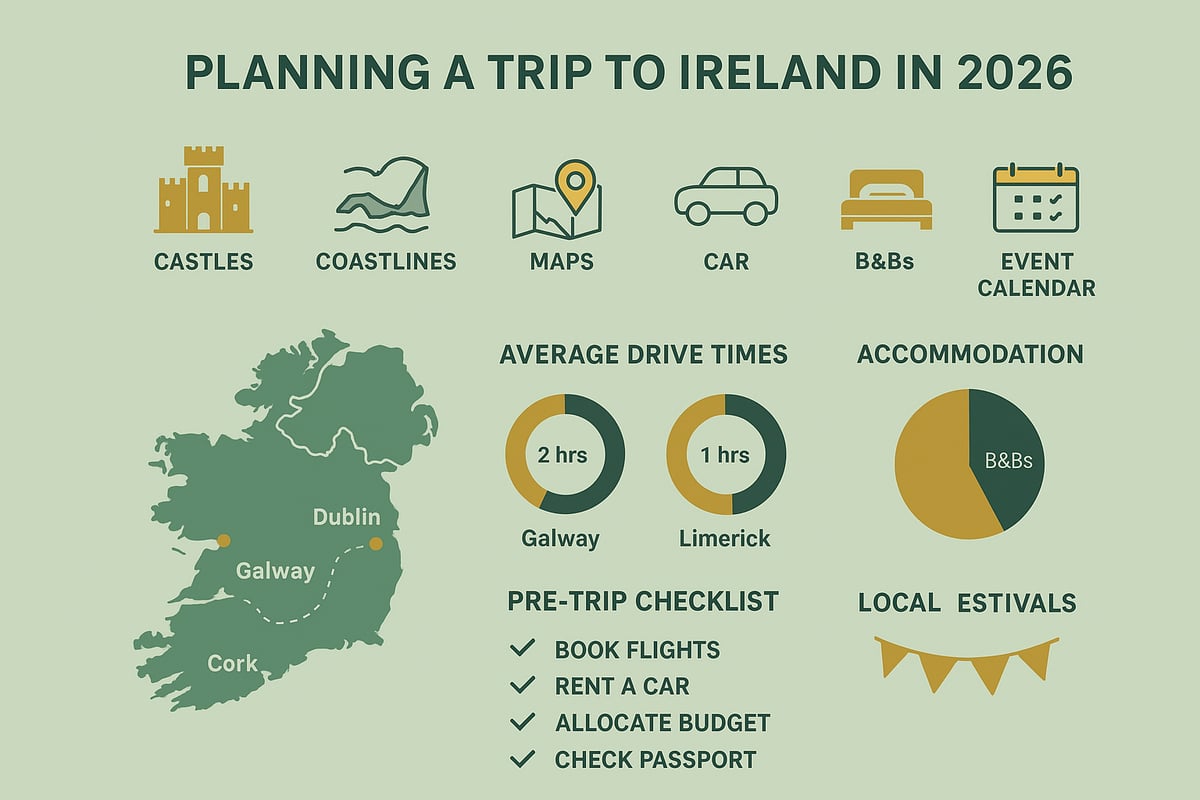
The first step to travel through ireland is defining what you want from your trip. Are you seeking ancient history, breathtaking nature, culinary delights, or vibrant culture? Use digital maps to highlight must-see places.
If you’re traveling with family or friends, consider everyone’s interests and needs. Plan your trip’s duration and pace, allowing time to truly enjoy each stop. For example, a family might prioritize castles and scenic coastal drives, mapping out a relaxed route that entertains all ages.
This early vision helps set your priorities and ensures your travel through ireland is meaningful and memorable.
Dividing the Island and Grouping Attractions
Ireland is best explored by dividing it into manageable regions. For a successful travel through ireland itinerary, break the country into areas such as Dublin & East, South & Cork, West & Galway, and North & Belfast.
Group attractions within each region to minimize backtracking. Spend two or three days in each area for a deeper experience. For instance, after exploring Dublin, head west to Galway, then south to Cork. According to recent data, the average drive from Dublin to Galway is about 2.5 hours.
Avoid the urge to cram too many regions into one trip. Focusing on fewer areas will make your travel through ireland more enjoyable and less tiring.
Calculating Realistic Drive Times and Routes
Accurate drive times are vital when you travel through ireland. Always use up-to-date GPS apps for planning. Ireland’s scenic routes often include narrow roads, unexpected stops, and variable traffic.
Plan your arrival day with jet lag in mind by keeping the first drive under 90 minutes. For example, landing at Shannon Airport and heading to Galway is a shorter, easier start than traveling from Dublin Airport to Kilkenny.
Build in buffer time for spontaneous discoveries along the way. This flexibility is key to a relaxed and rewarding travel through ireland.
Deciding on Accommodation and Booking Strategy
Choosing where to stay shapes your experience as you travel through ireland. Consider hotels, B&Bs, Airbnbs, or even castle stays. Each offers unique pros and cons.
It’s best to spend at least two nights in each location to avoid constant packing. For peak season, book accommodations several months in advance. Outside busy periods, many stays can be reserved last-minute, offering flexibility.
For a local experience, try booking a cottage in Dingle. This approach lets you connect with Irish hospitality and enriches your travel through ireland.
Crafting a Personalized Itinerary
Personalizing your journey is the heart of travel through ireland. Focus on sites that genuinely inspire you, rather than just ticking off popular attractions. Consider themed itineraries, such as food trails, music journeys, or family adventures.
Don’t hesitate to skip some sites in favor of spending more time in your favorite spots. Research local events and festivals to add unique experiences to your trip. For example, attending a summer music festival can be a highlight.
Competitors agree: you’re unlikely to miss what you skip, but you might regret rushing. Make every day of your travel through ireland count.
Essential Pre-Trip Considerations for 2026
Before you travel through ireland, check passport and visa requirements for 2026. Review travel insurance policies and stay updated on health guidelines. Understand currency differences, payment methods, and VAT refund options.
Stay alert for upcoming events or changes in Ireland, such as major cultural festivals or new attractions scheduled for 2026. For example, a major music festival might be added to your itinerary.
For more detailed guidance, explore Ireland travel tips and inspiration to ensure your planning is up to date and comprehensive.
Top Destinations and Hidden Gems in Ireland
Ireland’s landscapes, historic treasures, and vibrant culture create unmatched opportunities to travel through ireland. Whether you crave iconic sights or hidden gems, 2026 promises new experiences at every turn. Let’s explore the destinations and moments that will define your journey.
Iconic Sights: The Classics You Can’t Miss
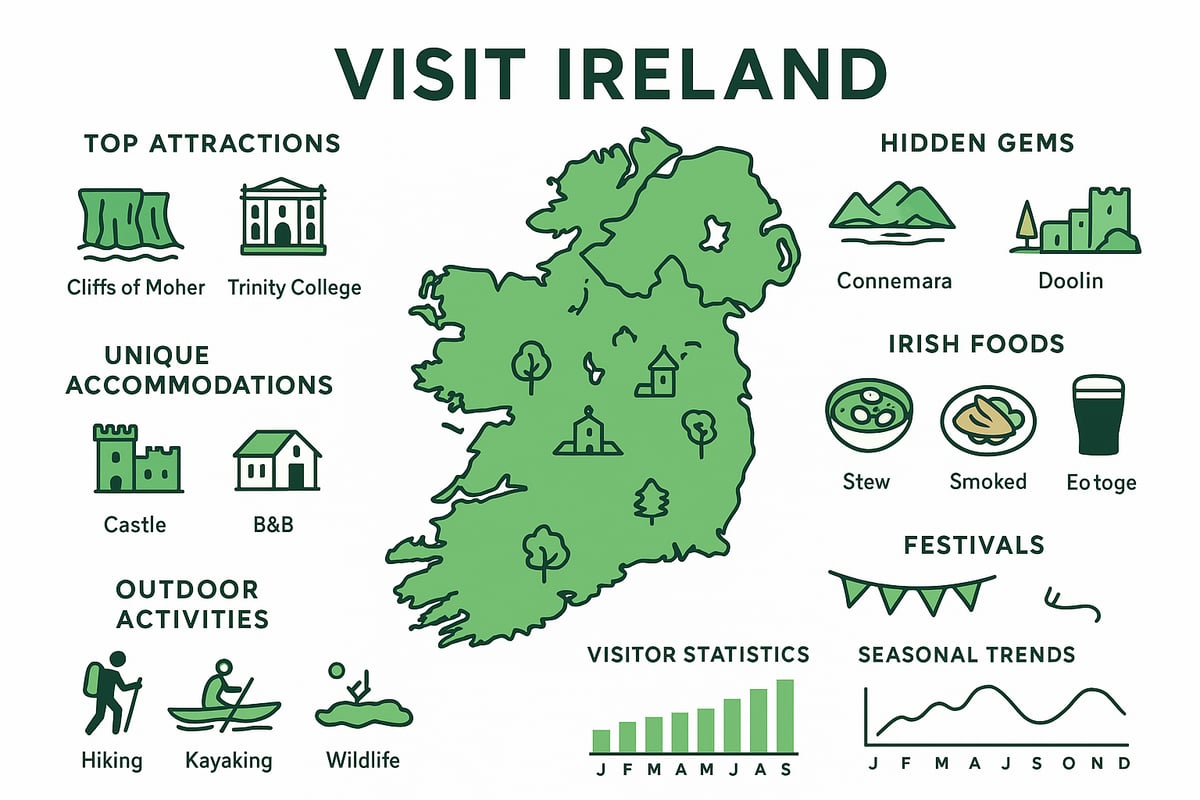
No journey to travel through ireland is complete without visiting its legendary landmarks. The Cliffs of Moher, Dublin’s Trinity College with the Book of Kells, and Blarney Castle remain favorites for their breathtaking views and rich stories. These sites continue to draw millions, with Visitor statistics showing steady growth each year.
| Attraction | Annual Visitors (2024) | Best Visiting Time |
|---|---|---|
| Cliffs of Moher | 1.6 million | Late spring mornings |
| Trinity College | 1 million | Early weekdays |
| Giant’s Causeway | 900,000 | Sunrise or sunset |
For a magical start, visit the Giant’s Causeway at dawn and watch the basalt columns glow in the morning light.
Off-the-Beaten-Path Experiences
To truly travel through ireland, venture beyond the crowds. Explore the raw beauty of Connemara’s mountains, stroll Donegal’s untouched beaches, or enjoy a quiet pint in Abbeyleix or Doolin. Seek out lesser-known castles such as Doonagore or Cahir for history without the crowds.
- Hike Glenveagh National Park’s peaceful trails
- Discover artisan shops in small towns
- Experience heartfelt pub sessions in rural villages
Slow travel reveals the authentic spirit of Ireland, making each moment more memorable.
Unique Accommodation Experiences
The way you travel through ireland shapes your memories. Why not stay in a historic castle, eco-lodge, or family-run B&B? Options like Ashford Castle offer luxury, while farm stays in Tipperary or thatched cottages in County Clare provide warmth and local flavor.
- Castle hotels: grandeur and history
- Eco-lodges: sustainable comfort
- B&Bs: personalized hospitality
Average nightly rates in 2026 range from €80 for B&Bs to €400 for castle stays. Booking early ensures the best options, especially in peak season.
Food & Drink: Savoring Irish Flavors
A highlight as you travel through ireland is sampling its renowned cuisine. Enjoy traditional Irish stew, fresh seafood chowder, and homemade soda bread. Seek out bustling food markets like the Kilkenny Saturday Market for local cheese and baked goods.
- Visit top-rated restaurants in Galway and Cork
- Experience live music in cozy pubs
- Sample oysters along the Wild Atlantic Way
Ireland’s food scene is thriving, with new venues and tastes emerging each year to delight every palate.
Festivals, Music, and Local Culture
Festivals bring the soul of travel through ireland to life. In 2026, immerse yourself in St. Patrick’s Day, World Music Day, and the Galway Arts Festival. Join local music sessions, dance in the streets, or attend a poetry reading.
- Find authentic cultural events through community centers
- Participate in traditional music nights in Clifden
- Enjoy colorful parades and artisan fairs
Festival attendance has continued to rise, reflecting Ireland’s dynamic and welcoming spirit.
Nature and Outdoor Adventures
Adventure seekers who travel through ireland will find endless options. Hike the Wicklow Way for panoramic mountain views, cycle the Great Western Greenway, or kayak in Killarney National Park. Surf the waves in Sligo or watch puffins and whales along the coast.
- Rent equipment easily in major towns
- Book guided Burren walks for insider knowledge
- Follow safety tips and respect nature
Ireland’s wild beauty is best explored outdoors, offering unforgettable moments in every season.
Getting Around Ireland: Transportation Tips for 2026
Planning how to travel through ireland in 2026 starts with understanding your options. Efficient transportation choices will help you maximize your time, budget, and experiences as you explore the Emerald Isle.
Renting a Car vs. Public Transport
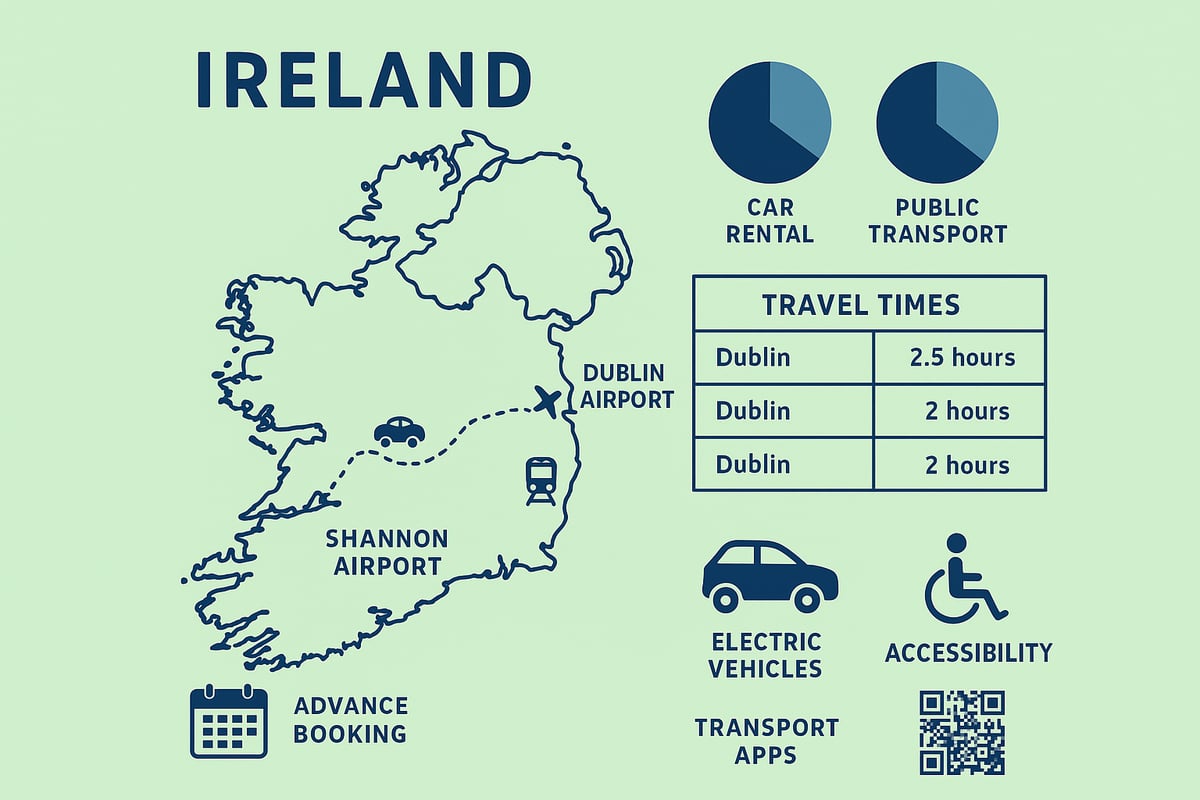
Choosing between driving and public transport is a key decision for anyone planning to travel through ireland. Renting a car offers unmatched flexibility, especially for rural areas and spontaneous stops. However, you will need a valid license, credit card, and insurance, and be comfortable driving on the left.
Public transport, including trains and buses, is reliable between major cities and towns. It is eco-friendly and cost-effective for solo travelers or those not keen on driving. Organized tours also cater to those who prefer guided experiences.
Here is a quick comparison:
| Option | Pros | Cons |
|---|---|---|
| Car Rental | Flexible, access remote areas | Driving on left, narrow roads, parking |
| Public Transport | Affordable, no driving stress | Less flexible, rural coverage limited |
| Tours | Expert guides, social | Fixed schedules, less independence |
In 2026, expect increased airport passenger numbers and evolving travel patterns, as highlighted by Ireland Sees 7% Passenger Growth as UK and Spain Top Travel Destinations, so booking early is wise.
Navigating Irish Roads and Scenic Routes
If you want to travel through ireland by car, familiarize yourself with local road rules. Drive on the left, and expect narrow, winding rural roads. Patience is key, especially when encountering sheep or tractors. Always use up-to-date GPS or offline maps, as mobile signal can be patchy in remote regions.
Top scenic routes include the Wild Atlantic Way and the Causeway Coastal Route. Plan extra time for photo stops and unexpected discoveries. Many travelers underestimate distances due to the landscape and small villages.
- Drive slowly through villages
- Watch for cyclists and walkers
- Allow buffer time for scenic detours
For those preferring public transport, trains and buses cover most major routes, but car travel remains the best way to reach hidden gems.
Sustainable and Accessible Travel Options
Travel through ireland is evolving with a growing focus on sustainability and accessibility. Electric vehicle rentals are expanding, with more charging stations along main routes. Bike hire and walking tours are popular in cities and scenic areas, ideal for eco-conscious explorers.
Accessible travel is improving, with more buses and trains offering step-free access, and many attractions catering to mobility needs. In 2026, expect more green initiatives, such as low-emission zones in cities and incentives for using public transport.
Consider using the Leap Card for savings on buses, trams, and trains in Dublin and beyond. Walking tours and cycling paths like the Great Western Greenway offer immersive, low-impact ways to see the countryside.
Booking and Managing Transport in Advance
To ensure a smooth journey as you travel through ireland in 2026, plan your transport bookings in advance. Reserve rental cars, train tickets, and intercity buses as soon as your dates are set, especially during festivals and summer months.
Leverage mobile apps for real-time updates, e-tickets, and route planning. Irish Rail and Bus Éireann offer reliable online booking, while ferry and tour operators often provide early-bird discounts.
If you encounter strikes or service changes, these apps will alert you to alternatives. Booking ahead is crucial for popular routes and during major events. For special trips, like attending a summer festival, secure your seat well before arrival.
Authentic Irish Experiences: How to Travel Like a Local
Immersing yourself in the local culture is the heart of any journey, especially when you travel through ireland. To experience the Emerald Isle authentically, go beyond sightseeing and connect with people, traditions, and communities.
Connecting with Local Culture and People
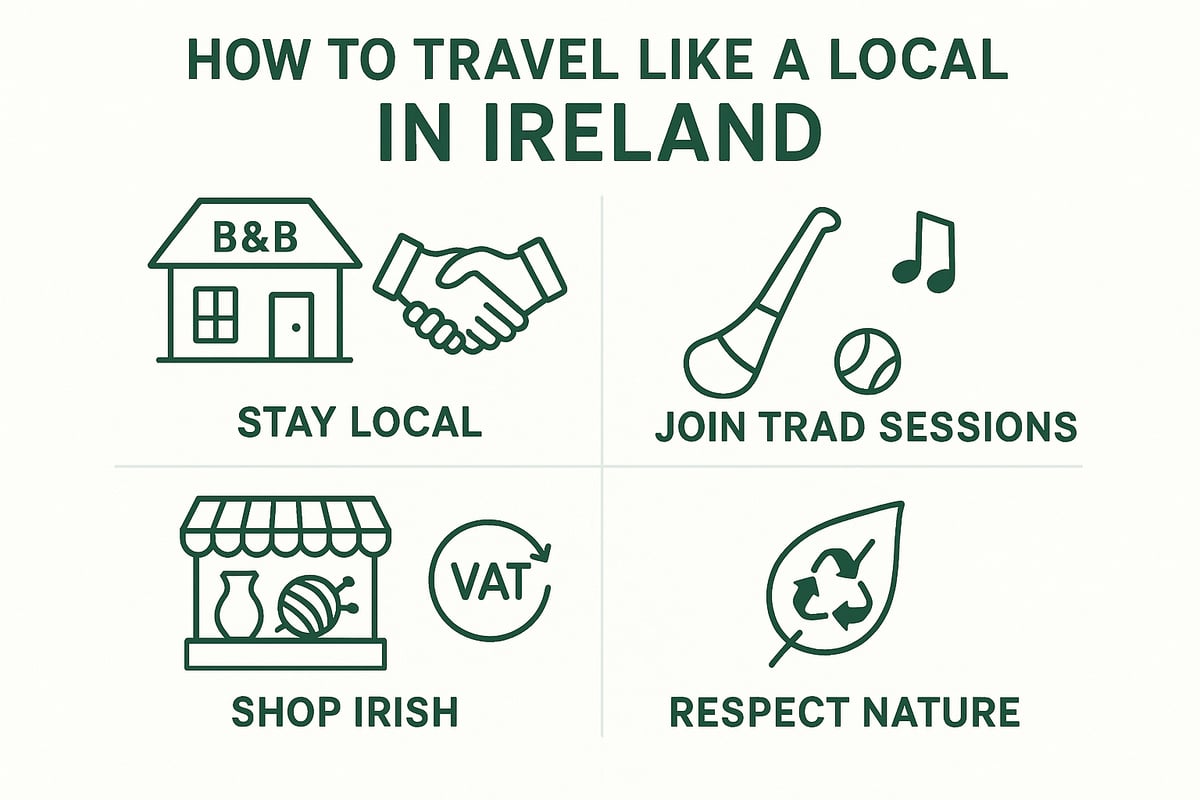
To truly travel through ireland like a local, choose accommodations that offer genuine hospitality. Family-run B&Bs and guesthouses provide warm welcomes and insider tips on hidden gems.
Explore towns with guided food walks, history strolls, or even a pub crawl. Local guides share stories you won't find in any book. Try learning a few Irish phrases, such as “Dia duit” for hello, to make meaningful connections.
Imagine sharing a pint and conversation at Morrissey’s Pub in Abbeyleix. These moments create lasting memories and turn your travel through ireland into an enriching personal experience.
Participating in Irish Traditions and Activities
Dive deeper into Irish heritage as you travel through ireland by embracing local traditions. Attend a Gaelic football or hurling match to feel the energy of Ireland’s favorite sports.
Join a traditional music session or take an Irish dance class in a welcoming community hall. For hands-on fun, consider a cooking class or a pottery workshop led by local artisans.
Picture yourself baking brown bread alongside a friendly chef, learning stories behind the recipe. These activities bring your travel through ireland to life with authentic flavor and rhythm.
Shopping Local: Markets, Crafts, and Souvenirs
Support Ireland’s creative spirit when you travel through ireland by shopping at local markets and artisan shops. The Kilkenny Saturday Market is perfect for discovering handmade crafts, fresh foods, and unique souvenirs.
Look for Aran sweaters, hand-thrown pottery, and Celtic jewelry as meaningful mementos. Remember to ask about VAT refunds for eligible purchases, which can help you save on your travel through ireland.
Meeting artists in villages like Inistioge, County Kilkenny, adds a personal touch to your shopping experience and supports local talent.
Responsible and Respectful Travel Practices
Responsible travel through ireland means caring for the land and its communities. Practice leave-no-trace principles at natural sites, taking only memories and leaving nothing behind.
Respect local customs, especially in rural areas, by being courteous and supporting sustainable tourism efforts. Consider joining a beach clean-up along the Wild Atlantic Way or volunteering with conservation groups.
By traveling thoughtfully, you help preserve Ireland’s beauty and culture for future generations, ensuring every travel through ireland is as rewarding as the last.
Budgeting and Money Matters for Your 2026 Ireland Trip
Planning a budget for your travel through ireland in 2026 is essential for a smooth and enjoyable journey. Costs can vary widely depending on your travel style, destinations, and the time of year. Whether you are exploring Dublin’s vibrant streets or relaxing in rural villages, knowing what to expect financially helps you avoid surprises and make the most of your adventure.
Estimating Your Ireland Travel Costs
Understanding the average daily expenses is the first step in budgeting for travel through ireland. Here is a quick breakdown of typical costs for three travel styles:
| Expense | Backpacker | Mid-range | Luxury |
|---|---|---|---|
| Accommodation | €35 | €100 | €300 |
| Meals | €20 | €50 | €120 |
| Transport | €15 | €40 | €100 |
| Total/Day | €70 | €190 | €520 |
Prices in Dublin are generally higher than in rural areas, with rural stays often offering better value. In 2025-2026, expect a slight increase in rates, especially during festivals or peak seasons. Comparing costs between a week in Dublin and the countryside can reveal significant savings for those who venture off the beaten path.
Saving Money Without Missing Out
There are plenty of ways to save while you travel through ireland without sacrificing experiences. Consider these tips:
- Book flights and accommodation early to secure the best deals.
- Take advantage of free attractions like public parks, museums on free days, and self-guided walking tours.
- Use city passes for discounted entry to top sights.
- Enjoy free live music sessions in local pubs.
For more practical strategies on stretching your budget, check out these budget-friendly travel planning tips. Smart planning ensures you get the most value from your trip.
Managing Currency, Payments, and VAT Refunds
When you travel through ireland, it is important to understand currency and payment options. The Republic of Ireland uses the Euro, while Northern Ireland uses Pound Sterling. Most places accept credit cards and contactless payments, but it is wise to carry some cash for small towns or markets.
ATMs are widely available, and paying by card is common in cities. If you shop for goods over €75 in one store, you may qualify for a VAT refund. File your VAT paperwork at Dublin Airport before departure to reclaim some of your spending. Keeping receipts and asking vendors about VAT forms will streamline the process.
Travel Insurance and Financial Safety
Travel insurance is vital for anyone planning to travel through ireland in 2026. Look for a policy that covers trip cancellations, health emergencies, and theft. With changing travel conditions, comprehensive coverage provides peace of mind.
Protect your money by using secure travel apps, keeping valuables close, and avoiding common scams. Always review your insurance policy details before departure to ensure you are covered for all planned activities. A little preparation goes a long way in safeguarding your finances abroad.
Essential Tips and Updates for Ireland Travel in 2026
Staying informed and prepared is key to making the most of your travel through ireland in 2026. With new rules, changing seasons, and evolving technology, a well-planned approach ensures a smooth trip. Let’s break down the latest tips and updates for your Irish adventure.
Latest Travel Regulations and Entry Requirements
Travel through ireland in 2026 means staying up to date with entry rules. Ensure your passport is valid for at least six months beyond your trip. Most visitors from the US, Canada, EU, and Australia do not need a visa for short stays, but always check for updates, especially with changes in digital travel documents and e-visas.
Health and safety guidelines may still reflect post-pandemic protocols, so be prepared for possible health checks or proof of insurance. If you are arriving from the US, keep an eye on new direct flight routes, such as those recently added from Pittsburgh to Dublin, which can simplify your journey (Pittsburgh Lands Direct Flights to Dublin). Stay informed on current Schengen visa policies, as these can impact border crossings.
Booking and Timing Your Trip for the Best Experience
To get the most from your travel through ireland, timing matters. The best months to visit are May, June, September, and early October, offering mild weather, lively festivals, and fewer crowds. Booking flights and accommodations several months in advance is advised for peak summer and major events, while shoulder seasons often allow more flexibility.
Monitor seasonal visitor trends, as Ireland continues to grow in popularity. Early bookings help secure the best rates and availability. Consider new air routes and event dates for 2026, as these can influence demand and pricing. Smart timing ensures your trip is comfortable and memorable.
Packing Smart for Ireland’s Climate
Ireland’s weather is famously unpredictable, making smart packing a must for anyone planning to travel through ireland. Include a waterproof jacket, comfortable walking shoes, and layered clothing to handle changing conditions. Do not forget a universal adapter for electronics.
To simplify your preparation, consult a reliable packing guide for Ireland trips with detailed checklists and tips tailored to local weather and activities. Pack light to make moving between cities and countryside easier. Essentials for hiking and city exploring should always be on your list.
Staying Connected and Navigating Tech in Ireland
Modern technology makes it much easier to travel through ireland with confidence. Purchase a local SIM card or eSIM on arrival for affordable data and calls. Wi-Fi is widely available in hotels, cafes, and public spaces, but having offline maps and translation apps is invaluable, especially in rural areas.
Top travel apps help with navigation, event updates, and local recommendations. Staying in touch with home is simple with messaging apps and free Wi-Fi spots. Good connectivity ensures you can easily adapt to changes and make the most of every moment in Ireland.
As you start mapping out your dream journey through Ireland in 2026, remember that every detail—whether it’s choosing the perfect region to explore, finding authentic local experiences, or managing travel logistics—can truly transform your adventure. I know how overwhelming planning can feel, especially with so many incredible destinations and hidden gems to uncover. That’s why having a comprehensive, trustworthy guide at your side makes all the difference. If you’re ready to dive deeper, gather insider tips, and craft an itinerary that’s uniquely yours, take the next step and Explore Guides for your Irish adventure.