

Travel Tips for England: Your Essential 2026 Guide
England offers a captivating blend of historic landmarks, charming countryside, vibrant cities, and rich cultural experiences that attract millions of travelers each year. Whether you're planning to explore the bustling streets of London, wander through the picturesque Cotswolds, or discover the rugged beauty of the Lake District, preparation is essential for making the most of your journey. This comprehensive guide provides practical travel tips for England that will help you navigate transportation, understand local customs, manage your budget, and uncover hidden gems that make your visit truly memorable. From seasoned globetrotters to first-time visitors, these insights will ensure your English adventure exceeds expectations.
Understanding England's Transportation Network
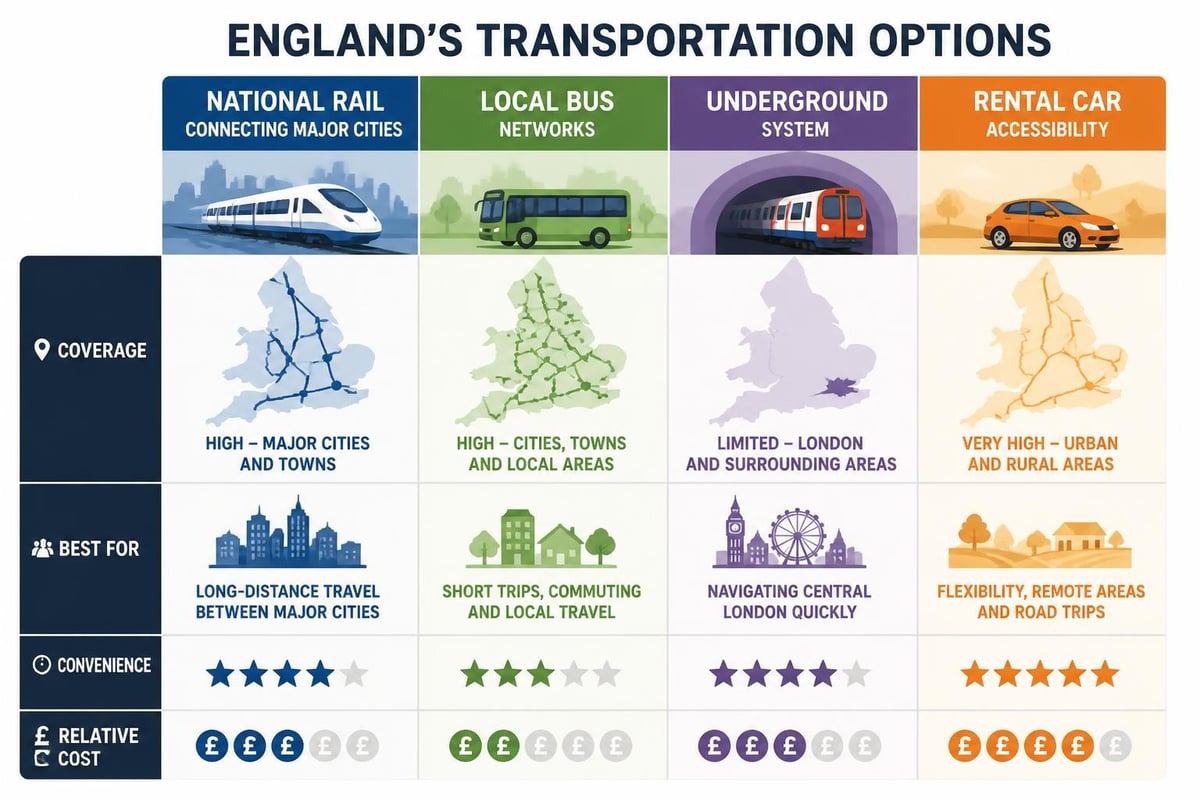
Navigating England efficiently requires familiarity with the country's extensive transportation infrastructure. The railway system stands as one of the most comprehensive in Europe, connecting major cities and rural destinations alike.
Mastering the Rail System
England's rail network offers convenience and scenic routes that make train travel particularly appealing. National Rail services connect London to cities like Manchester, Edinburgh, Liverpool, and Bristol with remarkable frequency. Booking tickets in advance typically saves 30-50% compared to purchasing on the day of travel.
Consider these essential rail travel strategies:
- Purchase a railcard if you're under 30, over 60, or traveling as a family for 1/3 off most fares
- Book split tickets through specialized websites to reduce costs on longer journeys
- Travel during off-peak hours (typically after 9:30 AM on weekdays) for cheaper fares
- Download the National Rail app for real-time updates and digital tickets
The national rail service provides educational insights that enhance your understanding of the transportation landscape. For comprehensive guidance on various transportation methods within England, including trains, buses, and rental cars, detailed resources help you make informed decisions.
Navigating London's Underground and Buses
The London Underground, affectionately known as "the Tube," operates 11 lines covering 272 stations across the capital. An Oyster card or contactless payment method proves essential, offering daily caps that prevent overspending.
| Transport Option | Best For | Average Cost | Booking Advice |
|---|---|---|---|
| National Rail | Inter-city travel | £30-80 | Book 12 weeks ahead |
| London Underground | Central London | £2.50-7.00/day | Use contactless for daily cap |
| Regional buses | Rural areas | £5-15 | Consider day passes |
| Car rental | Countryside exploration | £35-70/day | Book online in advance |
Bus services complement rail networks beautifully, particularly in areas where trains run infrequently. National Express and Megabus offer affordable long-distance coach services between major cities, though journey times exceed rail alternatives.
Packing Smart for England's Variable Weather
England's weather reputation for unpredictability holds merit throughout the year. The climate features four distinct seasons, yet rain remains possible during any month.
Essential Clothing and Gear
Layering becomes your best strategy when packing for England. Temperatures in summer (June-August) range from 15-25°C (59-77°F), while winter (December-February) typically sees 2-8°C (36-46°F).
Pack these essentials regardless of season:
- Waterproof jacket with hood
- Comfortable walking shoes with good grip
- Lightweight umbrella that fits in your day bag
- Layers including cardigans, sweaters, or fleece
- Adapter plugs for Type G sockets (three rectangular pins)
Avoiding common packing mistakes ensures you travel efficiently without unnecessary weight. Smart packing means bringing versatile pieces that work across multiple occasions and weather conditions.
Spring and autumn present particular challenges with morning chill giving way to afternoon warmth. A scarf serves multiple purposes: warmth, style accessory, and emergency blanket during outdoor events.
Seasonal Considerations
Each season offers distinct advantages for visitors. Summer brings long daylight hours (sunset around 9 PM) and numerous outdoor festivals, though accommodation prices peak. Winter features Christmas markets and festive decorations, with shorter days encouraging cozy pub visits and museum explorations.
For travelers interested in exploring beyond England, our guides on Scotland and Ireland provide valuable insights for extending your British Isles adventure.
Budgeting and Money Management
England, particularly London, ranks among Europe's more expensive destinations. Strategic planning helps maximize your budget without compromising experiences.
Daily Budget Expectations
Budget travelers can manage on £60-80 daily by staying in hostels, eating at casual establishments, and using public transportation. Mid-range travelers should budget £120-180 for comfortable hotels, restaurant meals, and attraction entries. Luxury experiences start around £300 daily.
- Accommodation: Book directly with hotels or use aggregator sites, checking multiple platforms for best rates
- Dining: Lunch menus ("set lunch") offer better value than dinner at the same restaurants
- Attractions: Many museums in London offer free admission, including the British Museum, National Gallery, and Tate Modern
- Transportation: Daily caps on Oyster cards prevent overspending in London
Payment Methods and Tipping
Contactless payment has become ubiquitous across England. Credit and debit cards work virtually everywhere, though carrying £20-40 cash proves useful for small purchases at markets or rural establishments.
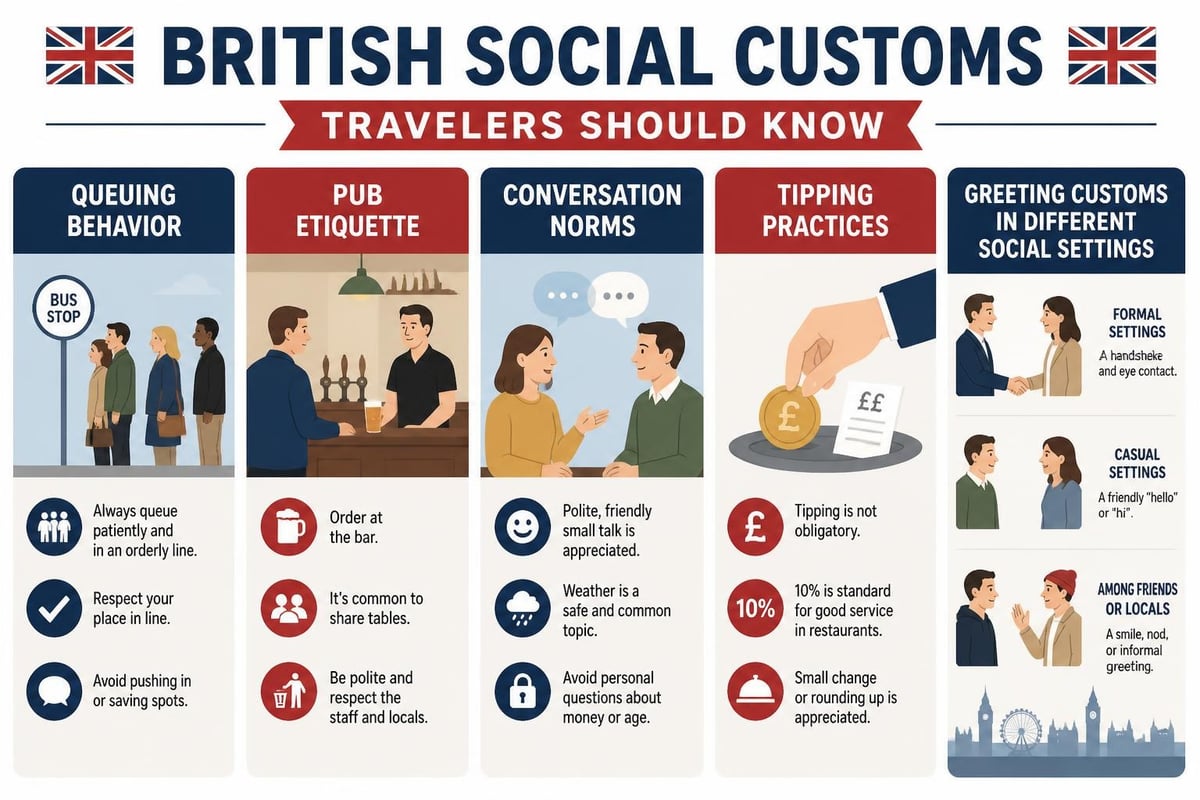
Tipping practices differ from American standards. In restaurants, 10-12.5% is customary if service isn't included. Pub table service doesn't require tips. Taxi drivers appreciate rounding up to the nearest pound.
Cultural Etiquette and Local Customs
Understanding English social norms enhances interactions and demonstrates respect for local culture. These travel tips for England regarding etiquette prove invaluable for smooth experiences.
Queuing and Public Behavior
The British take queuing (standing in line) seriously. Always join the end of a queue and wait patiently. Cutting in line, called "queue jumping," ranks among the most offensive social violations.
Key cultural considerations include:
- Apologizing frequently (even when not at fault) is normal British behavior
- Personal space matters-maintain appropriate distance in conversations
- Volume control in public spaces shows consideration
- Punctuality is valued, particularly for reservations and tours
Pub Culture and Dining Norms
Pubs form the social heart of English communities. Order at the bar rather than waiting for table service in traditional pubs. When someone offers to buy a round, accepting and reciprocating is expected.
Meal times typically occur later than some visitors expect. Lunch runs 12:00-2:00 PM, while dinner reservations usually start from 6:00 PM onwards. Sunday roast, a traditional meal of roasted meat with vegetables and Yorkshire pudding, represents quintessential English dining best enjoyed at a country pub.
For comprehensive insights on essential things to know about England, including entry requirements and cultural considerations, authoritative resources help ensure you're well-prepared.
Exploring Beyond London
While London captivates with world-class museums, historic palaces, and diverse neighborhoods, England's regions offer equally compelling experiences that many travelers overlook.
Regional Highlights Worth Discovering
The Cotswolds present honey-colored stone villages, rolling hills, and quintessential English countryside. Bath combines Roman history with Georgian architecture and natural hot springs. The Lake District offers dramatic mountain scenery and hiking opportunities that inspired Romantic poets.
| Region | Distance from London | Top Attractions | Best Season |
|---|---|---|---|
| Cotswolds | 90 minutes | Villages, gardens, walking trails | May-September |
| Bath | 90 minutes | Roman Baths, Royal Crescent | Year-round |
| Lake District | 4-5 hours | Hiking, lakes, Beatrix Potter sites | May-October |
| Cornwall | 5-6 hours | Coastal paths, beaches, seafood | June-September |
| York | 2 hours | York Minster, Viking history | April-October |
Transportation for Regional Exploration
Renting a car provides maximum flexibility for countryside exploration, though driving on the left requires adjustment. Narrow country lanes and roundabouts challenge unfamiliar drivers initially. Consider these alternatives:
- Organized day tours from London reach popular destinations like Stonehenge, Bath, and Oxford
- Regional train passes offer unlimited travel within specific areas
- Local bus services connect smaller villages, though schedules may be limited
- Cycling routes, particularly in flat areas like Norfolk, provide immersive experiences
Those planning multi-destination European adventures might find our travel tips section helpful for broader planning strategies that apply across various countries.
Accommodation Strategies
Choosing the right accommodation significantly impacts your travel experience and budget. England offers diverse lodging options catering to different preferences and price points.
Types of Accommodation
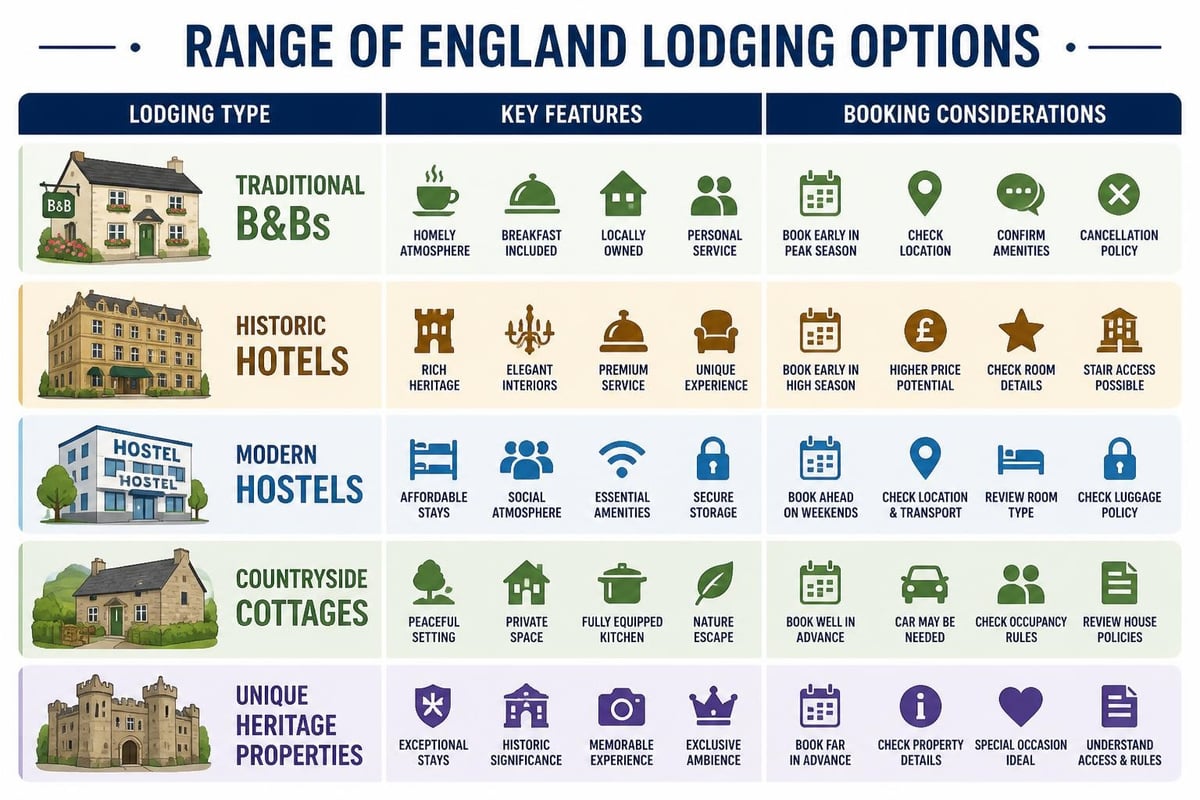
Traditional hotels range from budget chains to luxury properties in historic buildings. Bed and breakfasts (B&Bs) provide personal service and hearty English breakfasts, often in charming period homes. Hostels aren't just for backpackers-many modern hostels offer private rooms with ensuite bathrooms.
Consider these accommodation tips for optimal value:
- Location matters more than luxury-central locations reduce transportation time and costs
- Compare hotel booking sites thoroughly, as prices vary significantly between platforms
- Read recent reviews focusing on cleanliness, noise levels, and staff responsiveness
- Book refundable rates when possible to maintain flexibility
- Contact properties directly after finding online deals to request matching prices with perks
Alternative Lodging Options
Home rental platforms provide apartments suitable for families or longer stays. Historic properties through the National Trust or Landmark Trust offer unique overnight experiences in castles, lighthouses, and heritage buildings.
Rural areas feature farm stays where you can experience working agricultural life. Glamping sites combine outdoor experiences with comfortable amenities, particularly popular in national parks.
Timing Your Visit and Managing Crowds
Strategic timing transforms your English adventure from merely good to exceptional. Understanding peak seasons, weather patterns, and local events helps optimize your itinerary.
Best Times to Visit
Shoulder seasons (April-May and September-October) offer ideal conditions with moderate weather, smaller crowds, and reasonable prices. Spring brings blooming gardens and lamb births in countryside farms. Autumn features harvest festivals and stunning foliage.
Summer (June-August) draws maximum tourists, particularly to London and popular attractions. Book accommodations and restaurant reservations well in advance during this period. However, long daylight hours and outdoor festivals justify the crowds for many travelers.
Winter brings advantages beyond lower prices. Christmas markets transform cities into festive wonderlands. Theater productions peak during holidays. Indoor attractions like museums become more appealing. January sales offer significant shopping discounts.
Avoiding Peak Crowds at Popular Sites
Arriving at major attractions when they open reduces wait times substantially. Tower of London, Stonehenge, and Windsor Castle see far fewer visitors during early entry periods.
Crowd management strategies:
- Purchase timed-entry tickets online weeks ahead for popular sites
- Visit major London museums on weekday mornings
- Explore neighborhoods like Greenwich, Richmond, or Hampstead instead of central tourist zones
- Consider lesser-known alternatives: Winchester instead of Bath, Durham instead of York
Our England-specific content provides deeper insights into regional timing and seasonal considerations that enhance trip planning.
Food and Drink Experiences
England's culinary scene has transformed dramatically in recent decades. While traditional dishes remain beloved, international influences and innovative chefs have created a diverse food landscape.
Traditional English Cuisine
Full English breakfast fuels morning adventures with eggs, bacon, sausage, beans, mushrooms, tomatoes, and toast. Fish and chips remains the quintessential takeaway meal-find quality versions at dedicated chippies rather than tourist-trap restaurants.
Sunday roast represents traditional family dining at its finest. Afternoon tea, featuring sandwiches, scones, and pastries, ranges from casual café versions to elaborate hotel affairs requiring reservations and proper dress.
Modern Dining Scene
London's restaurant diversity rivals any global city. Borough Market and other food halls showcase artisan producers and international cuisines. Regional cities increasingly feature Michelin-starred establishments and creative casual dining.
Dining money-savers include:
- Lunch menus offering main courses 30-40% cheaper than dinner prices
- "Eat Out to Help Out" style promotions during quieter periods
- Supermarket meal deals providing sandwich, snack, and drink for £3-5
- Market food stalls offering authentic international cuisines at reasonable prices
Pub dining has elevated significantly. Many establishments serve locally-sourced, seasonally-changing menus that compete with formal restaurants at lower prices.
Practical Information and Resources
Successful travel requires attention to logistical details that might seem minor but significantly impact your experience. These practical travel tips for England address essential considerations.
Health and Safety
England presents minimal safety concerns for travelers. NHS (National Health Service) provides emergency care regardless of residency, though comprehensive travel insurance remains advisable for non-emergency situations.
Tap water is safe to drink throughout England. Pharmacies (called "chemists") stock familiar medications, though brand names may differ. Boots pharmacy offers convenient locations across cities.
Connectivity and Communication
Free Wi-Fi is widely available in hotels, cafés, restaurants, and many public spaces. For consistent connectivity, consider purchasing a local SIM card from providers like EE, Vodafone, or Three. Alternatively, verify your home carrier's international roaming rates.
UK phone numbers use area codes starting with 0. When calling from abroad, replace the 0 with +44. Emergency services respond to 999 or 112.
Entry Requirements and Documentation
US citizens don't require visas for tourist visits under six months. Valid passports must remain valid for the duration of your stay. While not mandatory, travel insurance covering medical emergencies, trip cancellation, and lost belongings provides valuable protection.
Detailed information about entry requirements and essential preparations ensures you arrive properly documented and informed. Additionally, comprehensive guides covering travel tips and cultural insights help first-time visitors prepare thoroughly.
Hidden Gems and Off-the-Beaten-Path Destinations
Seasoned travelers know that England's most memorable experiences often occur away from famous landmarks. Discovering lesser-known locations provides authentic encounters with local culture.
Underrated Towns and Villages
Rochester in Kent combines medieval architecture, Charles Dickens connections, and riverside walks without overwhelming crowds. Ludlow in Shropshire offers castle ruins, independent shops, and exceptional food scene recognition. Whitby in Yorkshire presents Gothic atmosphere, Abbey ruins, and fish-and-chips excellence by the harbor.
The Seven Sisters chalk cliffs near Eastbourne rival Dover's white cliffs with dramatic coastal hiking and fewer tourists. Rye in East Sussex features cobbled streets, antique shops, and medieval charm that transport visitors back centuries.
Local Experiences Worth Seeking
Farmers markets reveal regional specialties and provide opportunities to interact with producers. Markets in places like Ludlow, Bury St Edmunds, and Borough (London) showcase England's agricultural diversity.
Traditional festivals celebrating local heritage occur throughout the year. Well-dressing ceremonies in Derbyshire, cheese-rolling in Gloucestershire, and bonfire celebrations in Lewes offer authentic cultural experiences rarely found in guidebooks.
Public footpaths create access to private land through ancient rights-of-way. The Countryside Code governs behavior on these paths, allowing exploration of landscapes otherwise inaccessible.
For travelers who appreciate comprehensive planning resources, Awesome Travel Guides offers digital formats perfect for on-the-go reference without the weight of physical books.
Technology and Digital Tools for Travel
Modern travel tips for England must address digital resources that enhance contemporary journeys. Smartphone apps and online tools provide real-time information that previous generations couldn't access.
Essential Apps for England Travel
Citymapper simplifies London navigation with multi-modal journey planning incorporating Underground, buses, walking, and cycling. Trainline consolidates rail ticket purchasing across all UK operators with digital ticket storage.
Google Maps works excellently for navigation, though downloading offline maps ensures accessibility without data connection. What3Words provides precise location sharing using three-word addresses, particularly useful in rural areas.
Digital Guides and Resources
Traditional guidebooks provide valuable background information, but their static nature limits usefulness for dynamic aspects like opening hours, temporary closures, or new openings. Digital alternatives offer regular updates ensuring current information.
Mobile guides can integrate maps, reservation capabilities, and personalized recommendations based on your interests and location. The convenience of digital travel guides becomes particularly apparent when plans change unexpectedly.
Restaurant booking through platforms like OpenTable or Resy secures tables at popular establishments. Many high-demand restaurants release limited walk-in spaces daily, rewarded to those arriving when doors open.
Making the Most of Free Attractions
Budget-conscious travelers appreciate that many of England's finest experiences cost nothing. Strategic planning around free attractions extends travel budgets significantly.
London's Free Museums and Galleries
Major national museums including the British Museum, Natural History Museum, Science Museum, Victoria & Albert Museum, National Gallery, Tate Modern, and Tate Britain offer free general admission. Special exhibitions may charge fees, but permanent collections provide days of exploration without cost.
Walking tours led by knowledgeable guides operate on a tips-only basis in major cities. Quality varies, but highly-rated tours offer excellent value and local insights that enhance your understanding of neighborhoods and history.
Parks, Markets, and Public Spaces
Royal Parks including Hyde Park, Regent's Park, and Richmond Park provide beautiful green spaces for picnics, walks, and wildlife observation. Changing of the Guard at Buckingham Palace (11:00 AM most days) remains free, though arrive early for good viewing positions.
Markets like Portobello Road, Columbia Road Flower Market, and Greenwich Market offer atmospheric browsing and people-watching. Street performers in Covent Garden provide entertainment without entrance fees.
Coastal paths, particularly the South West Coast Path, provide spectacular scenery accessible to anyone willing to walk. National Trust properties charge for entry to buildings and gardens, but many car parks and surrounding landscapes remain accessible.
Navigating England successfully requires understanding its transportation networks, respecting cultural norms, and balancing famous attractions with hidden discoveries. These travel tips for England equip you with practical knowledge for creating memorable experiences whether exploring London's museums, hiking Lake District trails, or discovering charming Cotswold villages. When you're ready to enhance your journey with comprehensive, regularly-updated guidance, Awesome Travel Guides provides digital resources packed with insider tips and detailed information that transform good trips into extraordinary adventures, ensuring you explore with confidence and discover authentic local experiences that create lasting memories.