

Traveling Adventure: Your Complete Guide to 2026
The desire for a traveling adventure has never been stronger as we navigate through 2026. More individuals are seeking experiences that push boundaries, create lasting memories, and offer authentic connections with cultures and landscapes worldwide. Whether you're planning a trek through mountain ranges, exploring ancient ruins, or diving into crystal-clear waters, the foundation of any successful traveling adventure lies in thoughtful preparation, safety awareness, and a willingness to embrace the unexpected. This comprehensive guide provides the essential knowledge you need to transform your travel dreams into reality.
Understanding the Modern Traveling Adventure
Adventure travel has evolved significantly over the past decade. Today's travelers seek more than passive sightseeing. They want immersive experiences that challenge their comfort zones while providing meaningful engagement with local communities and natural environments.
The Adventure Travel Trade Association identifies numerous adventure activities ranging from soft adventures like cultural tours and wildlife viewing to hard adventures including mountaineering and white-water rafting. Understanding where your interests align helps shape realistic expectations and appropriate preparation levels.
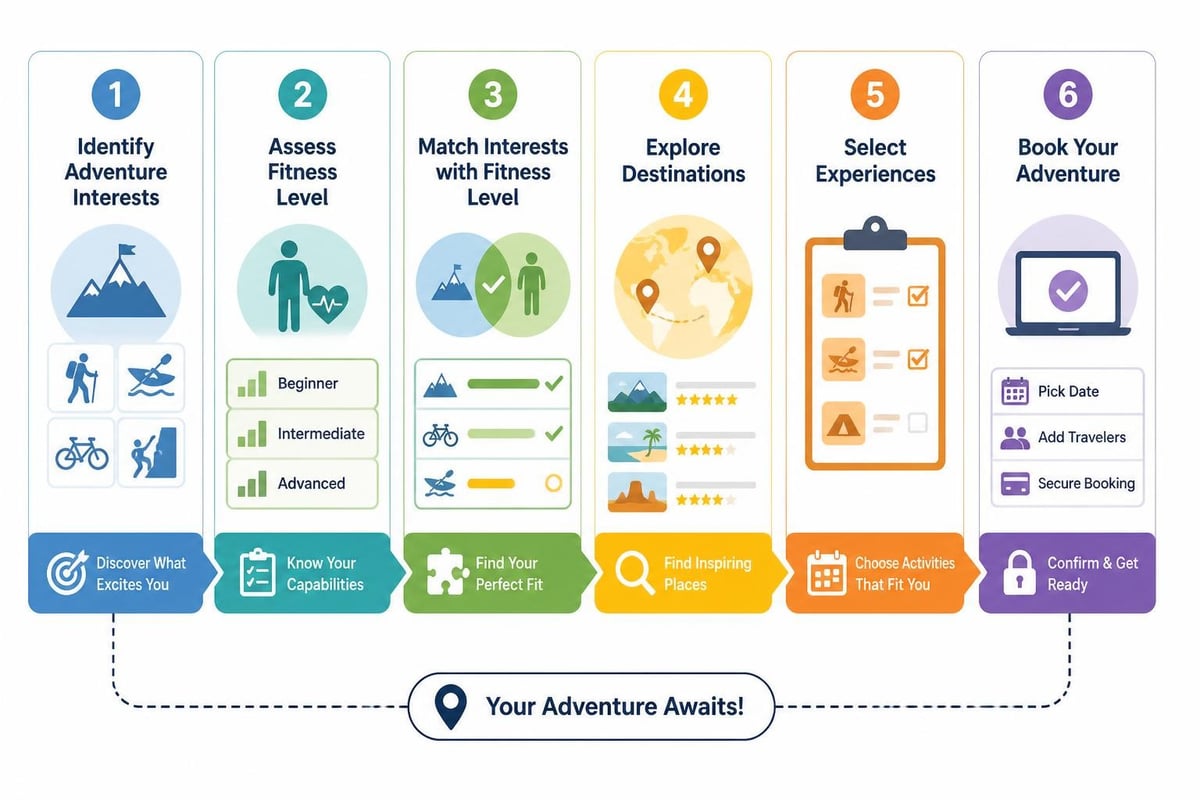
Defining Your Adventure Style
Every traveler approaches adventure differently. Some prioritize physical challenges, while others focus on cultural immersion or wildlife encounters. Consider these common adventure travel categories:
- Physical Adventures: Hiking, cycling, climbing, skiing, kayaking
- Cultural Immersion: Homestays, cooking classes, language learning, volunteer work
- Wildlife Experiences: Safari tours, marine exploration, birdwatching expeditions
- Extreme Sports: Skydiving, bungee jumping, paragliding, scuba diving
- Exploration Travel: Remote destinations, off-grid locations, archaeological sites
Your traveling adventure should align with your fitness level, interests, and available time. First-time adventure travelers often benefit from guided experiences that provide structure and safety oversight, while seasoned adventurers may prefer independent exploration.
Essential Planning for Adventure Travel
Proper planning separates successful adventures from potential disasters. The preparation phase demands attention to multiple factors, including destination research, health precautions, and logistical arrangements.
Research and Destination Selection
Begin your planning by thoroughly researching potential destinations. Awesome Travel Guides offers comprehensive digital resources that provide insider knowledge about destinations worldwide, helping you discover hidden gems and authentic experiences that generic guidebooks often miss.
Consider these research priorities:
- Seasonal Timing: Weather patterns, peak tourist seasons, natural phenomena
- Entry Requirements: Visa regulations, passport validity, customs restrictions
- Local Conditions: Political stability, infrastructure quality, communication systems
- Cost Considerations: Daily budgets, activity expenses, currency exchange rates
- Health Requirements: Vaccinations, medical facilities, travel insurance needs
The CDC's adventure travel health guidelines provide valuable information about destination-specific health risks and recommended preventive measures. Review this information at least six weeks before departure to allow time for necessary vaccinations.
Building Your Adventure Itinerary
A well-structured itinerary balances planned activities with flexibility for spontaneous discoveries. Overscheduling eliminates the serendipitous moments that often become trip highlights, while insufficient planning can lead to missed opportunities and wasted time.
| Planning Element | Recommended Approach | Common Mistake to Avoid |
|---|---|---|
| Daily Activities | Plan 1-2 major activities | Booking every hour of every day |
| Transportation | Research options, pre-book key routes | Assuming transportation is readily available |
| Accommodations | Book first/last nights, flexibility between | Booking everything in advance with no flexibility |
| Meals | Identify must-try restaurants, leave room for discovery | Eating only at tourist-oriented establishments |
| Rest Days | Include 1 rest day per week | Maintaining constant high-intensity pace |
The balance between structure and spontaneity defines memorable traveling adventure experiences. Digital travel guides allow you to access information on-the-go, making it easier to adapt plans based on local recommendations and changing conditions.
Safety and Health Considerations
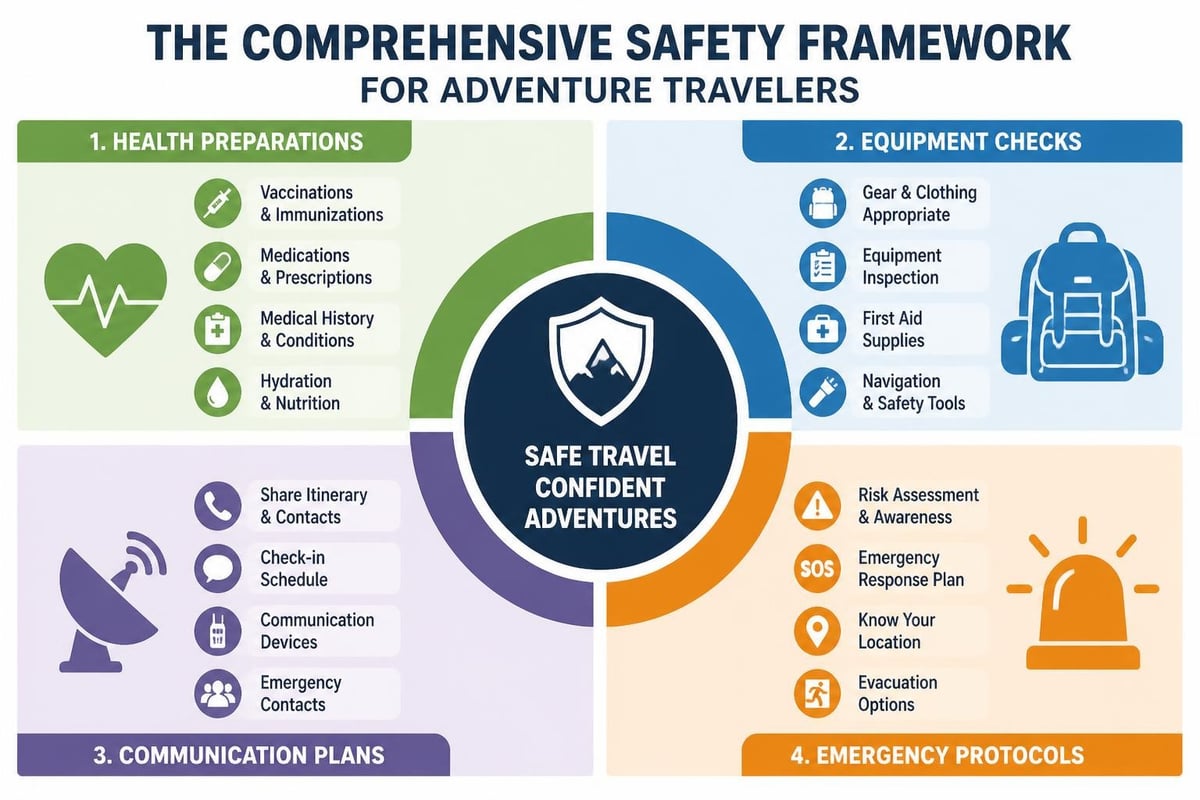
Adventure travel inherently involves calculated risks. Proper safety measures minimize dangers while preserving the excitement that makes these experiences worthwhile.
Pre-Trip Health Preparations
Schedule a travel medicine consultation 4-6 weeks before departure. Medical professionals can recommend destination-specific vaccinations, prescribe preventive medications for conditions like malaria or altitude sickness, and provide guidance on managing chronic health conditions while traveling.
The Government of Canada's adventure traveler health resources offer excellent information about preventing common travel-related illnesses and injuries. These precautions apply regardless of nationality and provide evidence-based recommendations for adventure travelers.
Essential health preparations include:
- Comprehensive travel insurance covering adventure activities and medical evacuation
- Copies of prescriptions and medical records stored digitally
- First aid knowledge specific to your planned activities
- Understanding of nearest medical facilities at your destination
- Awareness of altitude sickness symptoms and prevention for high-elevation destinations
Risk Management Strategies
Every traveling adventure involves assessing and managing various risks. Experienced adventure travelers develop systematic approaches to risk evaluation that enhance safety without eliminating excitement.
Environmental Hazards: Research weather patterns, wildlife encounters, terrain challenges, and natural disaster risks. Proper equipment and knowledge significantly reduce environmental dangers.
Activity-Specific Risks: Each adventure activity carries unique hazards. Professional instruction, appropriate gear, and gradual skill development minimize activity-related injuries. Never attempt advanced activities without proper training and supervision.
Personal Security: Political instability, petty crime, and transportation accidents pose risks in many destinations. Register with your embassy, maintain situational awareness, and trust your instincts when situations feel unsafe.
Packing for Adventure Travel
Efficient packing maximizes mobility while ensuring you have essential items for safety and comfort. The packing strategy varies based on adventure type, climate, and trip duration.
Essential Gear Categories
Adventure travel packing differs fundamentally from conventional tourism packing. Prioritize functionality, durability, and versatility over fashion and luxury.
Clothing Layers: Temperature regulation proves crucial for outdoor adventures. The layering system includes:
- Base layers for moisture management
- Insulation layers for warmth
- Outer shells for weather protection
- Quick-drying fabrics that pack efficiently
Technical Equipment: Activity-specific gear often makes or breaks adventure experiences. Research equipment requirements thoroughly and invest in quality items for safety-critical gear like climbing equipment, navigation tools, or water purification systems.
Documentation and Valuables: Protect important items through redundancy and waterproofing. Store digital copies of passports, visas, insurance policies, and important contacts in secure cloud storage accessible offline.
The Awesome Travel Guides packing guide provides detailed checklists tailored to various travel styles and destinations, helping you avoid both overpacking and forgetting essential items.
Smart Packing Techniques
Weight and space limitations demand strategic packing approaches. Roll clothing to maximize space and minimize wrinkles. Use packing cubes to organize items by category, making it easier to locate specific items without unpacking everything.
- Weight Distribution: Place heavy items closest to your back in backpacks
- Accessibility: Keep frequently needed items in outer pockets
- Compression: Use compression bags for bulky clothing
- Multi-Purpose Items: Choose items serving multiple functions
- Local Purchasing: Plan to buy consumables at destinations rather than carrying from home
Quality travel gear investments pay dividends across multiple trips. Durable luggage, reliable footwear, and weather-appropriate outerwear justify higher initial costs through longevity and performance.
Maximizing Your Adventure Experience
The difference between adequate and extraordinary traveling adventure experiences often lies in mindset and approach rather than destination or budget.
Embracing Local Culture
Authentic cultural engagement transforms standard trips into profound traveling adventure experiences. Rough Guides suggests eight ways to find more adventure when you travel, emphasizing that adventure stems from mindset shifts rather than merely activity selection.
Learning basic phrases in the local language demonstrates respect and opens doors to interactions impossible for tourists who remain linguistically isolated. Even imperfect communication attempts are typically appreciated and reciprocated with patience and hospitality.
Local Interaction Strategies:
- Stay in locally-owned accommodations rather than international chains
- Eat where local residents eat, not where guidebooks recommend
- Use public transportation to observe daily life rhythms
- Participate in community events, markets, and festivals
- Hire local guides who provide insider perspectives and economic benefit to communities
Sustainable Adventure Travel Practices
Responsible adventure travel preserves destinations for future generations while supporting local economies. The adventure travel industry increasingly emphasizes sustainability as both ethical imperative and practical necessity.
| Sustainable Practice | Implementation | Impact |
|---|---|---|
| Leave No Trace Principles | Pack out all waste, minimize campfire impact | Preserves natural environments |
| Local Business Support | Choose local operators, buy local products | Strengthens community economies |
| Wildlife Respect | Maintain safe distances, avoid feeding animals | Protects animal behavior patterns |
| Cultural Sensitivity | Dress appropriately, ask permission for photos | Maintains community dignity and traditions |
| Resource Conservation | Minimize water/energy use, avoid single-use plastics | Reduces environmental footprint |
Small individual actions aggregate into significant collective impact. Every traveler who commits to sustainable practices contributes to destination preservation and community wellbeing.
Documenting Your Journey
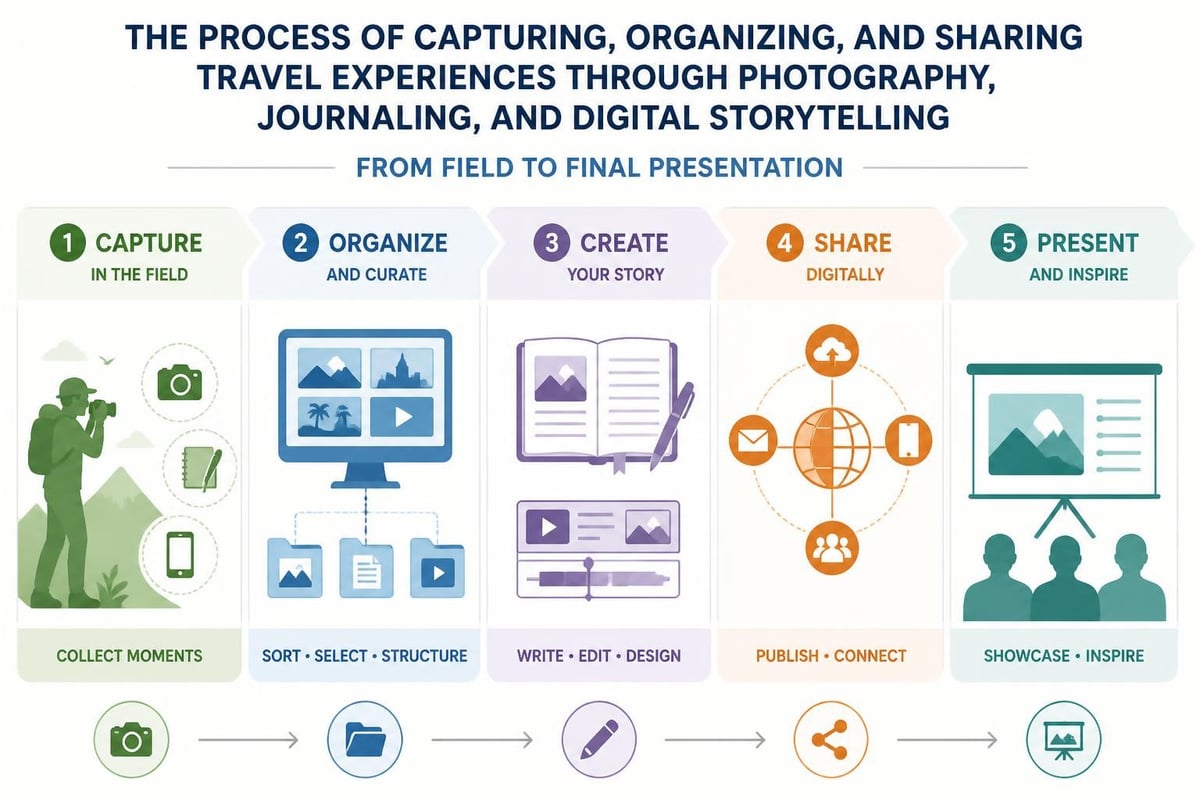
Capturing memories enhances immediate experiences and provides lasting value long after returning home. Modern technology offers numerous documentation methods beyond traditional photography.
Photography and Videography
Adventure travel photography presents unique challenges and opportunities. Dynamic lighting conditions, action sequences, and harsh environments demand technical knowledge and durable equipment.
Consider investing in the Awesome Travel Guides photography guide for comprehensive instruction on capturing professional-quality travel images. Proper composition, lighting understanding, and storytelling techniques transform snapshots into compelling visual narratives.
Equipment Considerations:
- Weather-sealed cameras for harsh environments
- Multiple batteries and portable charging solutions
- Protective cases for transport and storage
- Lightweight tripods for stability in low light
- Backup storage solutions to prevent data loss
Balance photography with presence. Constantly viewing experiences through a camera lens diminishes immediate engagement with moments unfolding around you.
Journaling and Reflection
Written documentation captures details that photographs cannot convey: sounds, smells, emotions, conversations, and personal insights. Daily journaling requires minimal time investment but generates tremendous value for memory preservation and personal growth.
Digital journaling apps offer advantages like easy editing, photo integration, and location tracking. Traditional handwritten journals provide tactile satisfaction and function without battery power or internet connectivity.
Reflect on lessons learned, challenges overcome, and perspectives shifted. These reflections often prove more valuable than destination-specific memories, as they represent personal development through traveling adventure experiences.
Financial Planning for Adventure Travel
Budget considerations significantly influence destination selection, trip duration, and activity options. Strategic financial planning maximizes value without compromising safety or core experience elements.
Cost Categories and Budgeting
Adventure travel costs vary dramatically based on destination, accommodation choices, activity selection, and travel style. Expert financial planning strategies for adventure travel abroad help travelers manage expenses while avoiding financial stress.
Typical cost categories include:
- Transportation: Flights, ground transportation, activity transfers
- Accommodations: Hotels, hostels, camping, homestays
- Activities: Guided tours, equipment rentals, entrance fees
- Food and Beverages: Meals, snacks, water, special dietary needs
- Equipment: Gear purchases, technical clothing, safety equipment
- Insurance: Travel insurance, activity-specific coverage, medical evacuation
- Contingency: Emergency funds for unexpected situations
Build 15-20% buffer into budgets for unexpected expenses. Adventure travel particularly demands financial flexibility as weather, health issues, or opportunity discoveries may require plan modifications.
Money-Saving Strategies
Strategic choices reduce costs without diminishing experience quality. Travel during shoulder seasons when prices drop but weather remains favorable. Book accommodations with kitchen facilities to reduce meal expenses. Research free or low-cost activities that provide authentic experiences.
Group travel often generates cost efficiencies through shared accommodations, transportation splitting, and group activity discounts. However, ensure travel companions share compatible expectations, fitness levels, and adventure appetites to avoid conflicts.
Building Adventure Travel Skills
Developing relevant skills enhances safety, confidence, and enjoyment across multiple traveling adventure experiences. Skill acquisition represents investment in future adventures rather than single-trip preparation.
Navigation and Wilderness Skills
Basic navigation abilities prove invaluable when technology fails or becomes unavailable. Map reading, compass use, and natural navigation techniques provide backup systems for electronic devices.
Wilderness skills appropriate for adventure travelers include:
- Fire starting in various conditions
- Water purification methods
- Shelter construction basics
- Weather pattern recognition
- Wildlife awareness and response protocols
Formal instruction through outdoor education organizations provides structured skill development with expert feedback. Adventure Life's 20 essential adventure travel tips emphasize gradual skill building and realistic self-assessment.
Physical Preparation
Physical fitness directly impacts adventure travel enjoyment and safety. Activities demanding sustained exertion, altitude adaptation, or technical skills require specific conditioning.
Begin fitness preparation 8-12 weeks before demanding trips. Focus on:
- Cardiovascular Endurance: Hiking, cycling, swimming for sustained energy
- Strength Training: Core stability, leg strength, upper body functionality
- Flexibility: Injury prevention, movement efficiency
- Activity-Specific Training: Simulating trip demands when possible
Gradual progression prevents injuries while building confidence in physical capabilities. Consulting fitness professionals familiar with adventure travel demands optimizes training effectiveness.
Choosing the Right Adventure Partners
Travel companions profoundly influence adventure experiences. Compatible partners enhance enjoyment and safety, while mismatched expectations create friction and disappointment.
Evaluating Compatibility
Honest conversations before committing to joint travel prevent mid-trip conflicts. Discuss budget expectations, fitness levels, accommodation preferences, and activity interests explicitly.
Compatibility Assessment Areas:
| Factor | Questions to Discuss | Why It Matters |
|---|---|---|
| Budget | Daily spending limits, splurge priorities, cost sharing | Prevents financial friction |
| Pace | Activity intensity, rest day frequency, daily schedules | Ensures mutual satisfaction |
| Interests | Must-do activities, flexible options, solo time needs | Balances group and individual desires |
| Risk Tolerance | Acceptable danger levels, adventure boundaries | Maintains everyone's comfort and safety |
| Problem-Solving | Conflict resolution approaches, decision-making processes | Facilitates smooth operations when issues arise |
Solo travel offers maximum flexibility and self-directed experiences. Guided group tours provide structure, safety support, and built-in social connections. Consider which approach aligns with your personality and trip objectives.
Working with Professional Guides
Professional guides bring expertise, local knowledge, and safety oversight that independent travelers cannot replicate. Quality guides enhance experiences through insider access, cultural translation, and risk management.
Verify guide credentials, safety records, and insurance coverage before booking. Read recent reviews focusing on safety protocols and guide knowledge rather than merely entertainment value. The investment in qualified professional guides pays dividends through enhanced safety and deeper understanding.
Leveraging Digital Resources
Modern technology transforms adventure travel planning, execution, and documentation. Digital tools provide real-time information, navigation assistance, and communication capabilities that previous generations of adventurers lacked.
Digital Travel Guides
Comprehensive digital travel guides like those available through Awesome Travel Guides offer significant advantages over traditional printed guidebooks. Digital formats allow regular updates reflecting current conditions, interactive maps, and multimedia content that static books cannot provide.
Digital guides remain accessible offline once downloaded, ensuring information availability without internet connectivity. This combination of comprehensive content and offline functionality proves ideal for adventure travel contexts where connectivity may be limited or unavailable.
Apps and Technology Tools
Strategic app selection enhances traveling adventure experiences without creating technology dependence. Essential categories include:
- Navigation tools with offline map capabilities
- Language translation for communication assistance
- Weather forecasting for activity planning
- Emergency communication systems
- Expense tracking for budget management
- Photo editing and organization applications
Balance technology use with present-moment awareness. Devices serve as tools enhancing experiences rather than barriers separating travelers from authentic engagement.
Post-Adventure Integration
The traveling adventure experience continues after returning home. Integration of lessons learned, relationship cultivation with people met, and application of new perspectives generates lasting value beyond immediate trip memories.
Sharing Your Experiences
Thoughtful experience sharing inspires others while processing your own adventure. Create photo essays, write detailed blog posts, or deliver presentations to interested groups. Focus on storytelling that conveys emotional and educational aspects rather than merely listing activities completed.
Maintain connections with people met during travels. These relationships often evolve into lasting friendships, future travel partnerships, or professional collaborations. Social media and messaging apps make international relationship maintenance easier than ever before.
Planning Your Next Adventure
Many travelers find that completing one traveling adventure immediately inspires planning the next. This enthusiasm should be channeled into thoughtful consideration rather than impulsive booking.
Reflect on what worked well and what you would change. Consider how each adventure builds skills and confidence for more ambitious future trips. The progression from guided group tours to independent exploration to truly remote adventures represents natural evolution for many adventure travelers.
Utilize resources like the comprehensive travel guide collection to explore new destinations and discover opportunities aligned with developing interests and capabilities. The world offers unlimited traveling adventure possibilities for those willing to pursue them thoughtfully and responsibly.
Successful traveling adventure experiences combine careful planning, appropriate skill development, and openness to unexpected opportunities. Whether you're exploring European historical sites, trekking through Asian mountains, or discovering hidden gems closer to home, the principles outlined in this guide provide the foundation for safe, meaningful, and memorable journeys. Awesome Travel Guides stands ready to support your adventure planning with comprehensive digital resources, insider tips, and destination-specific knowledge that transforms good trips into extraordinary experiences.