

Travelling Through Italy: Complete 2026 Planning Guide
Italy stands as one of the world's most enchanting destinations, drawing millions of travelers annually with its unparalleled combination of history, culture, cuisine, and natural beauty. Travelling through Italy requires thoughtful planning to maximize your experience across diverse regions, each offering distinct characteristics and attractions. From the ancient ruins of Rome to the romantic canals of Venice, from Tuscany's rolling hills to Sicily's dramatic coastlines, the country presents an extraordinary tapestry of experiences that reward both meticulous planners and spontaneous adventurers. Understanding how to navigate Italy's transportation networks, cultural heritage, regional diversity, and practical considerations will transform your journey from merely good to absolutely unforgettable.
Planning Your Italian Journey
Strategic route planning forms the foundation of successful travel experiences in Italy. The country's boot-shaped geography stretches over 700 miles from north to south, encompassing 20 distinct regions that each maintain unique cultural identities, dialects, and traditions.
When travelling through Italy, most visitors focus on one of several classic itineraries:
- The Classic Triangle: Rome, Florence, and Venice
- Northern Cultural Tour: Milan, Venice, Verona, and the Lakes Region
- Southern Adventure: Naples, Amalfi Coast, and Sicily
- Central Treasures: Tuscany, Umbria, and Le Marche
Timing Your Visit
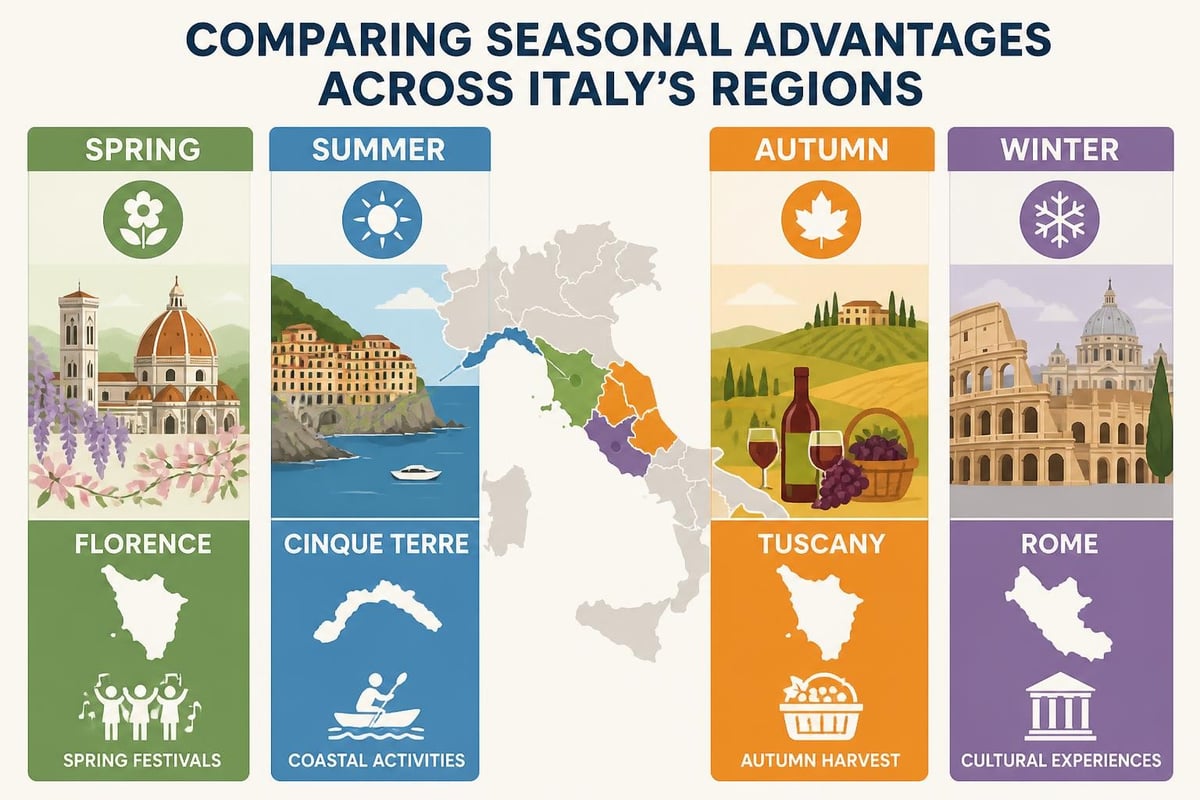
Seasonal considerations dramatically impact your Italian experience. Spring (April-May) and fall (September-October) offer ideal weather conditions, fewer crowds, and more authentic interactions with locals. Summer brings peak tourism, elevated prices, and intense heat, particularly in southern regions and major cities.
Winter travelling through Italy reveals a different character. While northern regions experience cold temperatures and occasional snow, southern areas maintain mild climates. December offers magical Christmas markets and seasonal specialties, while January and February present the lowest prices and smallest crowds.
| Season | Advantages | Disadvantages | Best For |
|---|---|---|---|
| Spring | Perfect weather, blooming landscapes | Easter crowds, rising prices | First-time visitors |
| Summer | Long days, festival season | Extreme crowds, heat | Beach destinations |
| Fall | Harvest season, ideal temperatures | Variable weather | Food and wine tours |
| Winter | Lowest prices, authentic experiences | Limited hours, cold weather | Budget travelers |
Navigating Transportation Networks
Italy's comprehensive transportation infrastructure makes travelling through Italy remarkably accessible. The country's transportation system combines high-speed trains, regional railways, extensive bus networks, and well-maintained highways.
Train Travel Excellence
Trenitalia and Italo operate Italy's premier high-speed rail services, connecting major cities with remarkable efficiency. The Frecciarossa trains reach speeds of 300 km/h, reducing Rome-to-Milan travel time to just three hours. Regional trains serve smaller towns and villages, though they operate at slower speeds with more frequent stops.
Purchasing train tickets in advance typically yields significant savings, particularly for high-speed services. The official transportation guide from Italia.it provides comprehensive, current information about train schedules, ticket validation requirements, and connection strategies.
Advanced booking through Trenitalia's website or app allows price comparisons between different train categories. Super Economy fares can cost 70% less than standard tickets but come with strict change and cancellation policies.
Regional Mobility Options
Beyond trains, regional buses serve areas where rail connections prove limited or nonexistent. SITA, FlixBus, and regional operators maintain extensive networks throughout Italy. Coastal areas and islands rely heavily on ferry services, with companies like Tirrenia and Moby connecting Sicily, Sardinia, and smaller islands to the mainland.
Renting a car opens possibilities for exploring rural areas, hilltop villages, and wine regions where public transportation remains sparse. However, driving in major Italian cities presents challenges including restricted traffic zones (ZTL), limited parking, and aggressive driving styles. Consider renting cars only for countryside exploration while using public transportation in urban areas.
Exploring Cultural Heritage
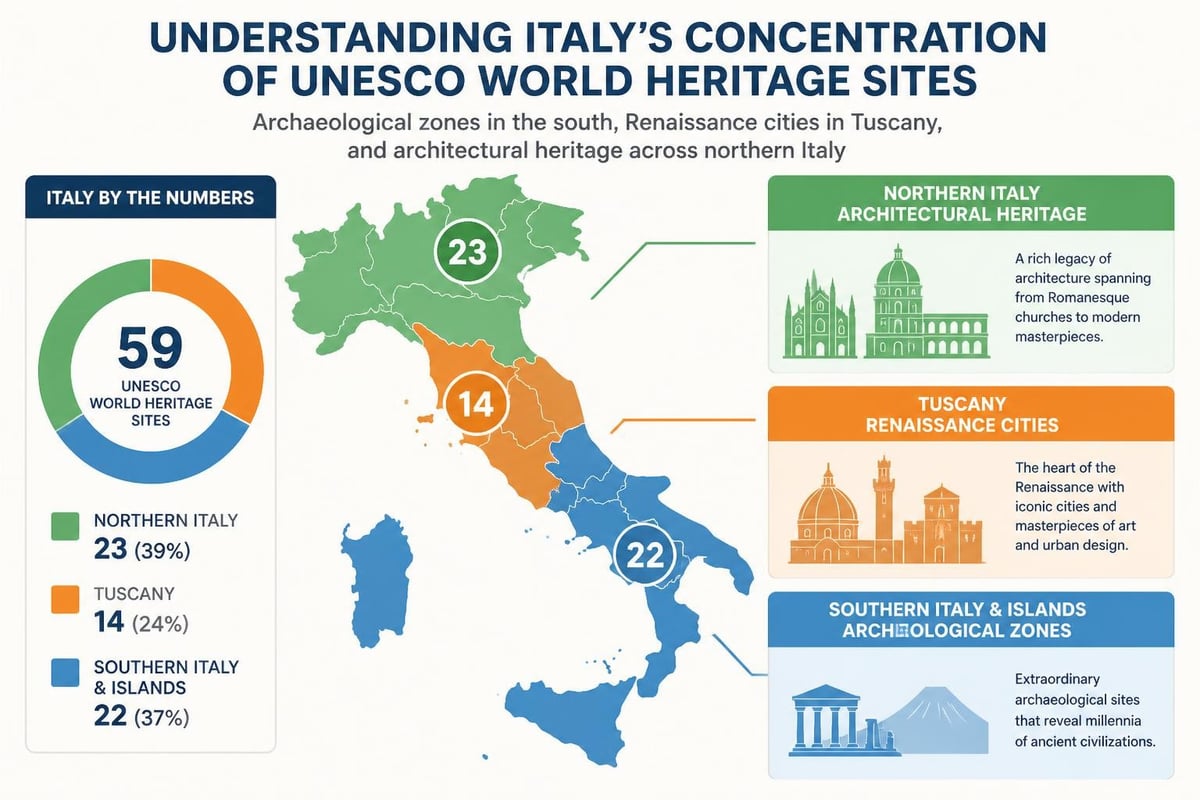
Italy possesses more UNESCO World Heritage Sites than any other country, with 59 inscribed properties ranging from archaeological areas to historic city centers. The official UNESCO Cultural Heritage site provides authoritative documentation about these extraordinary locations.
Archaeological Wonders
Travelling through Italy means encountering layers of history at every turn. Rome's ancient monuments include the Colosseum, Roman Forum, and Pantheon. Pompeii and Herculaneum offer frozen moments in time, preserved by Mount Vesuvius's catastrophic 79 AD eruption.
The Valley of the Temples in Sicily showcases remarkably preserved Greek architecture, while Tuscany's Etruscan necropolises reveal Italy's pre-Roman civilizations. Each archaeological site contributes pieces to understanding Italy's role in shaping Western civilization.
Renaissance Masterpieces
Florence serves as the Renaissance epicenter, housing Michelangelo's David, Botticelli's Birth of Venus, and Brunelleschi's revolutionary dome. The Uffizi Gallery requires advance reservations during peak seasons, as do many major museums throughout Italy. Booking tickets online several weeks ahead prevents disappointment and reduces waiting times.
Venice's architectural treasures include St. Mark's Basilica with its stunning Byzantine mosaics and the Doge's Palace showcasing Venetian Gothic splendor. The Ministry of Tourism's UNESCO sites page lists both natural and cultural heritage locations with official endorsements and visitor information.
Regional Diversity and Character
Each Italian region maintains distinct identity, from cuisine and wine to dialects and traditions. Travelling through Italy reveals how geography, history, and local culture combine to create unique regional personalities.
Northern Sophistication
Lombardy centers on Milan, Italy's fashion and finance capital, while also encompassing Lake Como's elegant villas and the Alps' dramatic peaks. Veneto balances Venice's romance with Verona's operatic heritage and Prosecco wine country. Piedmont offers Turin's baroque architecture, Barolo wine estates, and Alba's white truffles.
Emilia-Romagna earns recognition as Italy's gastronomic heartland, producing Parmigiano-Reggiano, Prosciutto di Parma, and balsamic vinegar. Bologna's medieval towers, porticoed streets, and renowned university create an atmosphere that blends history with vibrant contemporary life.
Central Italy's Heart
Tuscany embodies many travelers' Italian dreams with cypress-lined roads, hilltop villages, and world-class wines. Florence anchors the region culturally, while Siena, San Gimignano, and Montepulciano offer medieval perfection. Umbria provides similar landscapes with fewer tourists, centered on Assisi's spiritual heritage and Perugia's artistic treasures.
Lazio encompasses Rome and its overwhelming historical significance. However, the region also includes medieval villages like Viterbo, ancient Etruscan sites, and coastal areas that remain largely undiscovered by international visitors.
Southern Soul
Campania delivers intense experiences from Naples' chaotic energy to the Amalfi Coast's breathtaking beauty. Pompeii and Herculaneum provide unparalleled archaeological insights, while Capri represents Mediterranean glamour.
Puglia's whitewashed towns, trulli houses, and baroque churches create visual splendor, while its olive groves and coastline offer authentic southern Italian experiences. Sicily combines Greek temples, Norman palaces, baroque cities, and Mount Etna's volcanic landscapes into one extraordinary island.
Culinary Experiences and Regional Specialties
Italian cuisine varies dramatically by region, reflecting local ingredients, historical influences, and traditional practices. The UNESCO recognition of Italian cooking acknowledges how culinary traditions connect to environment, sustainability, and community.
Understanding Regional Cuisines
Northern regions favor butter, rice, and polenta, while southern cooking emphasizes olive oil, tomatoes, and pasta. Coastal areas naturally showcase seafood, whereas inland regions specialize in meat dishes and game.
Piedmont celebrates white truffles, tajarin pasta, and Barolo wine. Liguria contributes pesto, focaccia, and fresh seafood. Emilia-Romagna produces tortellini, tagliatelle al ragù, and cotoletta alla bolognese. Rome's cucina povera traditions created cacio e pepe, carbonara, and amatriciana from humble ingredients.
Naples invented pizza, though modern interpretations exist throughout Italy. Campania's buffalo mozzarella, San Marzano tomatoes, and limoncello represent the region's agricultural excellence. Sicily's cuisine reflects Arab, Spanish, and Greek influences through dishes like arancini, caponata, and cannoli.
Market Experiences
Local markets provide authentic cultural immersion while travelling through Italy. Florence's Mercato Centrale, Rome's Campo de' Fiori, and Palermo's Ballarò market buzz with activity, offering fresh produce, regional specialties, and prepared foods.
Food tours and cooking classes connect travelers with local traditions and techniques. Many agriturismi (farm stays) offer hands-on experiences making pasta, cheese, or wine while staying in rural settings.
| Region | Signature Dishes | Wine Specialties | Must-Try Products |
|---|---|---|---|
| Piedmont | Tajarin, brasato | Barolo, Barbaresco | White truffles |
| Tuscany | Bistecca fiorentina | Chianti, Brunello | Pecorino cheese |
| Campania | Pizza napoletana | Greco di Tufo | Buffalo mozzarella |
| Sicily | Arancini, caponata | Nero d'Avola | Pistachios, almonds |
Practical Considerations
Successful travel requires attention to practical matters beyond itinerary planning. Understanding Italian customs, communication norms, and daily rhythms enhances your experience and reduces frustration.
Language and Communication
While English is widely spoken in major tourist areas, learning basic Italian phrases demonstrates respect and often receives warm responses. Key phrases include greetings, please/thank you, and restaurant/shopping terminology.
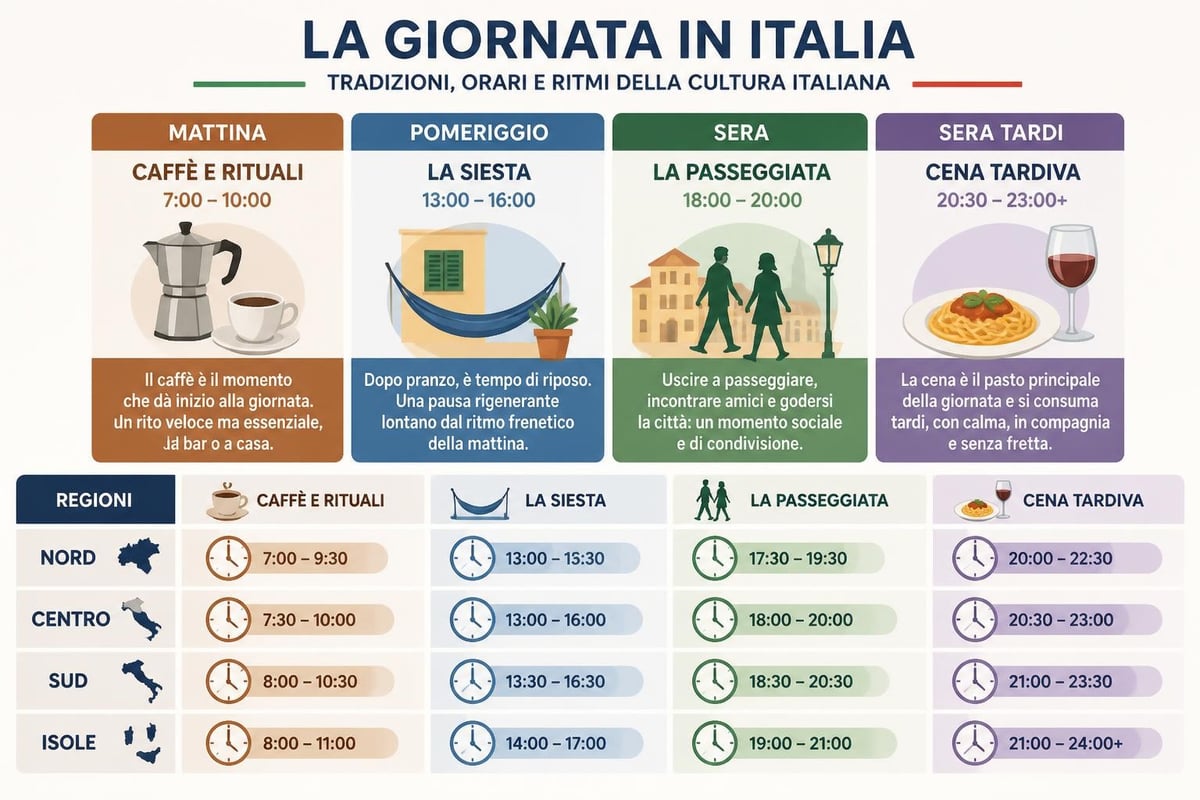
Italian dining customs differ from American practices. Lunch typically occurs between 1:00-2:30 PM, with dinner starting around 8:00 PM or later. Many restaurants close between lunch and dinner service. Cover charges (coperto) appear as separate line items on bills, while tipping remains modest compared to American standards (5-10% for excellent service).
Accommodation Strategies
Travelling through Italy offers diverse lodging options from luxury hotels to budget hostels, vacation rentals, and agriturismi. Location proves critical when selecting accommodation, as staying near major attractions or transportation hubs reduces transit time and stress.
Booking platforms like Booking.com and Airbnb dominate the market, though direct hotel bookings sometimes yield better rates or upgrades. Agriturismi provide unique countryside experiences with home-cooked meals and wine tastings, particularly attractive in Tuscany, Umbria, and Puglia.
Consider neighborhood character when booking urban accommodations. Rome's Trastevere offers medieval charm and vibrant nightlife, while Prati provides quieter residential atmosphere near Vatican City. Florence's Oltrarno maintains artisan traditions with fewer tourists than areas around the Duomo.
Safety and Health
Italy maintains high safety standards with low violent crime rates. However, pickpocketing occurs frequently in tourist areas, public transportation, and crowded spaces. Securing valuables, staying aware of surroundings, and using anti-theft bags reduces risk.
Healthcare quality remains excellent throughout Italy. EU citizens should carry European Health Insurance Cards, while travelers from other countries need comprehensive travel insurance. Pharmacies (farmacie) display green crosses and provide professional advice for minor ailments.
Hidden Gems Beyond Major Cities
While Rome, Florence, and Venice deserve their fame, countless smaller destinations offer equally rewarding experiences with fewer crowds. Travelling through Italy's lesser-known areas reveals authentic local life and unexpected treasures.
Underrated Northern Destinations
Bergamo divides into upper and lower towns, with the walled Città Alta preserving medieval architecture and spectacular viewpoints. The city serves as a base for exploring the Lombardy lakes while offering sophisticated dining and cultural attractions.
Mantua's Renaissance palaces and frescoed chambers rival Florence's masterpieces without the overwhelming crowds. The city's connection to Virgil and the Gonzaga family creates layers of historical significance. Bologna provides authentic university-town atmosphere, exceptional food, and medieval architecture without Venice's tourist intensity.
Central Italy's Treasures
Orvieto crowns a volcanic cliff with its stunning Duomo featuring Signorelli's extraordinary frescoes. The town's underground tunnels, Etruscan heritage, and white wine (Orvieto Classico) create compelling reasons to visit.
Urbino represents Renaissance urban planning ideals with its ducal palace and artistic heritage connected to Raphael. The Marche region overall receives far fewer visitors than Tuscany despite comparable beauty and cultural significance.
Southern Discoveries
Matera's ancient sassi (cave dwellings) create otherworldly landscapes recently recognized as a UNESCO World Heritage Site. The city's transformation from poverty symbol to cultural destination demonstrates southern Italy's renaissance.
Lecce earns recognition as the "Florence of the South" for its baroque architecture crafted from local limestone. Puglia's coastal towns like Polignano a Mare offer dramatic clifftop settings, while inland communities preserve traditional ways of life.
Enhancing Your Journey with Digital Resources
Modern technology transforms how we experience travel, providing instant access to information, translation services, and local recommendations. The comprehensive digital guides from Awesome Travel Guides offer curated insider knowledge that helps travelers discover authentic experiences beyond standard tourist routes.
Essential Travel Apps
Transportation apps like Trenitalia, Google Maps, and Moovit simplify navigation through Italy's complex transit systems. Restaurant apps including TheFork enable reservations and sometimes offer discounts at participating establishments.
Translation apps facilitate communication when language barriers arise, while museum apps often provide detailed audio guides that enhance cultural understanding. Money management apps help track expenses in euros and identify the best exchange rates.
Planning Tools
Digital guides provide structured information about destinations, helping travelers maximize limited time. Unlike scattered blog posts or outdated guidebooks, comprehensive resources compile current information, practical tips, and local insights in accessible formats.
Photography enthusiasts benefit from specialized travel photography guides that explain optimal shooting times, composition techniques, and equipment considerations for capturing Italy's beauty.
Before departure, pre-trip checklists ensure nothing important gets forgotten, from passport validity to travel insurance, voltage adapters to medication requirements. Systematic preparation reduces stress and allows focus on enjoyment rather than logistics.
Sustainable and Responsible Travel
Travelling through Italy responsibly means considering environmental impact, supporting local economies, and respecting cultural heritage. Over-tourism strains popular destinations, making thoughtful choices increasingly important.
Supporting Local Communities
Choosing locally-owned accommodations, restaurants, and tour operators channels money directly into communities rather than international corporations. Shopping at local markets, artisan workshops, and family businesses preserves traditional crafts and supports regional economies.
Visiting during shoulder seasons distributes tourist impact more evenly throughout the year, reducing pressure on infrastructure and improving experiences for both visitors and residents. Exploring lesser-known destinations decreases crowding at famous sites while revealing equally worthy locations.
Environmental Considerations
Italy's efficient train network offers environmentally superior alternatives to flying or driving between cities. Walking and cycling provide the most sustainable options for urban exploration while delivering deeper connection with places.
Reducing single-use plastics, carrying reusable water bottles (Italy's public fountains provide excellent free water), and choosing accommodations with environmental certifications demonstrates commitment to sustainable travel practices. Many Italian cities now charge tourist taxes that fund heritage preservation and infrastructure maintenance.
Cultural Respect
Understanding and honoring local customs shows respect for Italian culture. Dressing appropriately for church visits (covering shoulders and knees), maintaining quiet voices in sacred spaces, and following photography restrictions preserves these sites for future generations.
Learning about regional history, artistic movements, and cultural traditions enriches experiences while demonstrating genuine interest in Italian heritage beyond superficial tourism. Reading about destinations before arrival, engaging respectfully with locals, and supporting cultural institutions through admissions and donations all contribute to responsible travel.
Regional Festivals and Events
Italy's festival calendar reflects deep religious traditions, agricultural cycles, and historical commemorations. Timing visits to coincide with regional celebrations provides unique cultural insights and memorable experiences.
Traditional Celebrations
Carnevale transforms Venice into a spectacle of elaborate masks, costumes, and balls during the period before Lent. Viareggio's Carnevale features massive satirical floats in parades that attract huge crowds. Each celebration maintains distinct character reflecting local traditions.
Siena's Palio horse race (July 2 and August 16) represents intense neighborhood rivalries dating back centuries. The chaotic race around Il Campo lasts barely 90 seconds, but festivities span several days with medieval pageantry, neighborhood dinners, and passionate local pride.
Easter celebrations reach peak intensity in Sicily and southern Italy, with elaborate processions, religious ceremonies, and traditional foods. Assisi's religious festivals connect to St. Francis, drawing pilgrims alongside cultural tourists.
Food and Wine Festivals
Harvest festivals celebrate regional specialties throughout autumn. Alba's White Truffle Fair (October-November) attracts global gastronomes to Piedmont for this precious ingredient. Tuscany's wine harvest festivals occur throughout Chianti, Montalcino, and Montepulciano.
Sagre (local food festivals) celebrate specific products from chestnuts to mushrooms, olive oil to seafood. These community events offer authentic experiences, traditional recipes, and opportunities to interact with locals in festive atmospheres.
Summer brings outdoor opera seasons to Verona's Roman Arena and numerous other venues. Music festivals span genres from classical to contemporary, often staged in historically significant or naturally beautiful settings.
Travelling through Italy rewards careful planning with extraordinary experiences that blend history, culture, cuisine, and natural beauty into unforgettable journeys. From understanding regional differences to navigating transportation networks, from respecting local customs to discovering hidden gems, successful Italian adventures balance structure with spontaneity. Whether you're exploring for the first time or returning to deepen your connection with specific regions, having reliable, comprehensive information enhances every aspect of your journey. Awesome Travel Guides provides the detailed insider knowledge, practical tips, and curated recommendations that transform ordinary trips into authentic Italian adventures, helping you explore with confidence while discovering the hidden gems that make Italy endlessly fascinating.