

Trip Experiences: Creating Unforgettable Travel Memories
Travel has evolved beyond simply visiting destinations and checking items off a bucket list. Modern travelers seek deeper connections, authentic interactions, and memories that resonate long after they return home. The quality of trip experiences now defines successful journeys, transforming ordinary vacations into transformative adventures that shape perspectives and create lasting impressions. Understanding how to cultivate meaningful travel moments requires intentional planning, openness to spontaneity, and a willingness to engage with destinations on multiple levels.
Understanding What Makes Trip Experiences Memorable
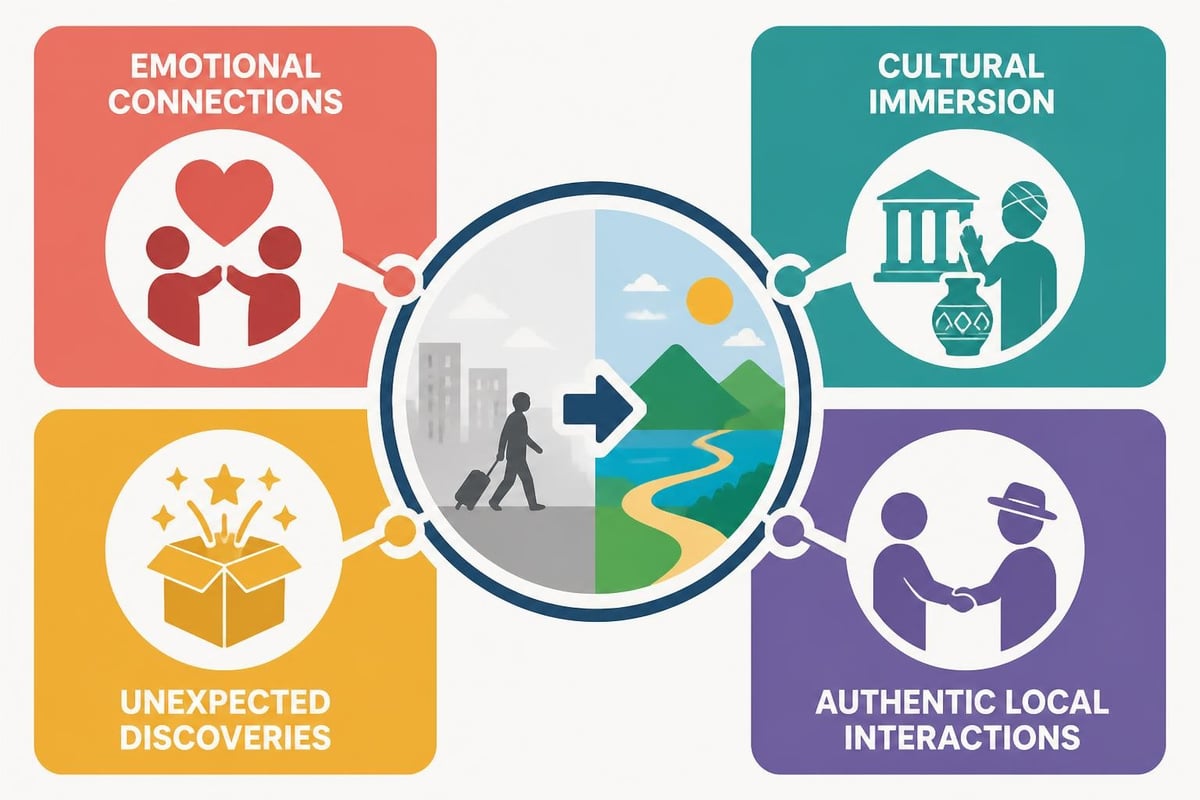
The foundation of exceptional trip experiences lies in how travelers perceive and interact with their surroundings. Research shows that specific moments during journeys significantly shape overall travel satisfaction, demonstrating that peak experiences often matter more than the cumulative duration of activities. These defining moments become the stories travelers share and the memories they cherish most.
Key elements that elevate trip experiences include:
- Emotional connection with places and people
- Unexpected discoveries that create surprise and delight
- Sensory engagement through food, music, and local culture
- Personal growth through challenges and new perspectives
- Authentic interactions that transcend typical tourist activities
The distinction between forgettable and extraordinary trip experiences often hinges on preparation meeting opportunity. Travelers who invest time researching destinations while remaining flexible enough to embrace spontaneity consistently report higher satisfaction levels. This balance allows for structured exploration of must-see attractions while leaving room for serendipitous encounters that often become highlight moments.
Planning for Authentic Trip Experiences
Strategic planning serves as the foundation for remarkable trip experiences without eliminating spontaneity. The most successful travelers approach planning as creating a framework rather than a rigid itinerary. This methodology ensures coverage of essential attractions while preserving flexibility for unplanned adventures.
Research Beyond Surface-Level Information
Deep destination knowledge transforms superficial visits into meaningful encounters. Moving beyond standard tourist information reveals layers of culture, history, and local life that enrich trip experiences substantially.
| Research Category | Surface Level | Deep Level | Impact on Experience |
|---|---|---|---|
| Attractions | Top 10 lists | Local favorites, hidden gems | Unique discoveries |
| Food | Popular restaurants | Market culture, street food | Authentic flavors |
| Culture | Famous landmarks | Festivals, traditions, customs | Genuine connections |
| History | Basic timeline | Stories, context, significance | Deeper appreciation |
Digital travel guides from Awesome Travel Guides provide comprehensive insights that bridge surface and deep-level knowledge. These resources compile local expertise with practical information, enabling travelers to access insider perspectives without spending hundreds of hours researching.
Balancing Structure and Flexibility
The most rewarding trip experiences emerge from itineraries that establish direction without constraining exploration. A well-designed travel framework identifies priority experiences while allocating unscheduled time for wandering and discovery.
Effective planning strategies include:
- Identifying three to five must-do experiences per destination
- Booking time-sensitive activities in advance
- Reserving 30-40% of each day for spontaneous exploration
- Building buffer time between scheduled activities
- Researching backup options for weather-dependent plans
This approach prevents the exhaustion that comes from over-scheduling while ensuring travelers don't miss signature experiences. The psychological benefit of having unstructured time reduces stress and increases receptivity to unexpected opportunities.
Enhancing Trip Experiences Through Local Connections
Authentic human connections transform destinations from backdrops into living communities. The difference between observing a place and experiencing it often depends on interactions with residents who share their perspectives, stories, and daily lives.
Finding Authentic Local Interactions
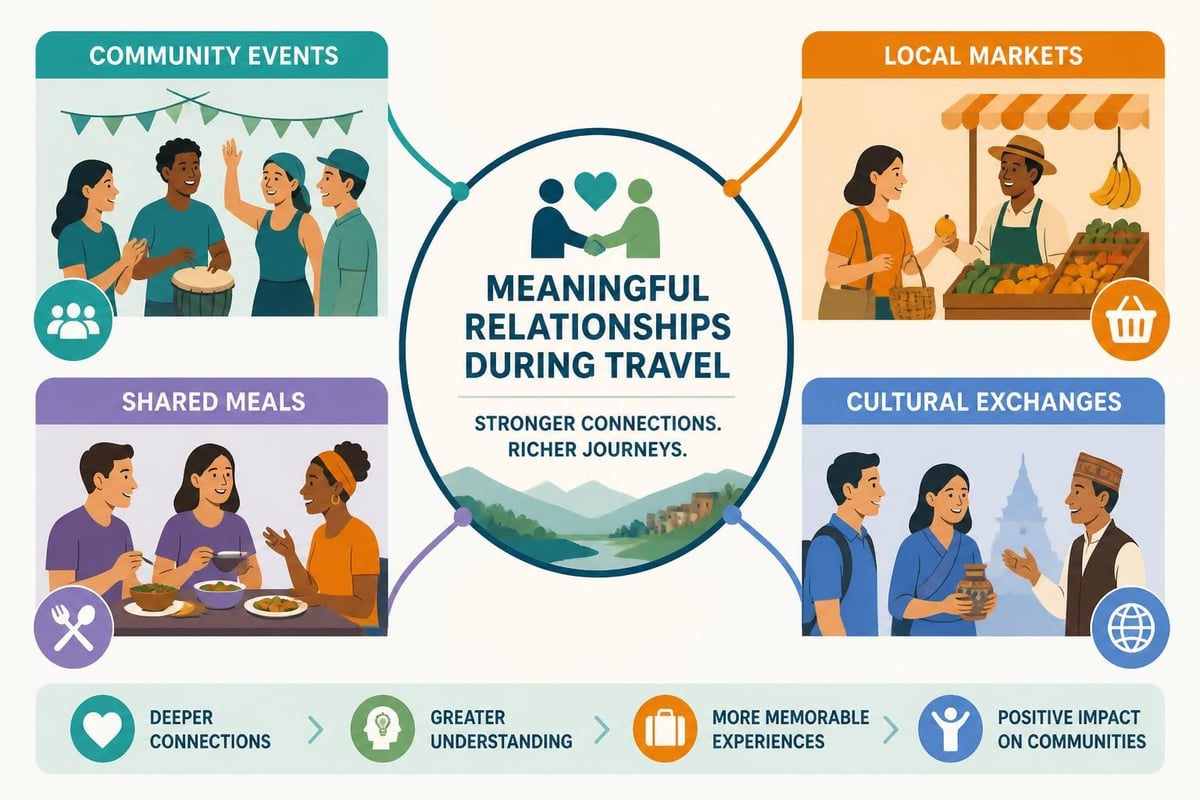
Modern travelers have numerous avenues for connecting with local communities beyond traditional tourism channels. These interactions add depth to trip experiences by revealing cultural nuances that guidebooks cannot fully capture.
Methods for fostering genuine connections include joining community events, attending local performances, shopping at neighborhood markets rather than tourist zones, and engaging in activities where residents naturally gather. Language barriers rarely prevent meaningful exchanges when travelers approach interactions with respect and genuine interest.
Studies examining real-time travel experiences and passenger feedback demonstrate how social interactions during journeys significantly influence overall satisfaction. The same principle applies to all trip experiences, where human connections create emotional resonance that purely visual experiences cannot match.
Participating in Cultural Immersion Activities
Active participation rather than passive observation creates the most impactful trip experiences. Cooking classes, craft workshops, language exchanges, and volunteer opportunities provide hands-on engagement with local culture while fostering connections with community members.
These immersive activities offer multiple benefits:
- Skill development that extends beyond the trip
- Cultural understanding through direct participation
- Personal connections with instructors and fellow participants
- Unique souvenirs created through personal effort
- Meaningful stories that transcend typical vacation narratives
The investment in participatory experiences yields disproportionate returns in memory formation and satisfaction. Travelers consistently rate hands-on cultural activities among their most cherished trip experiences, even years after completion.
Maximizing Sensory Engagement During Travel
Trip experiences become indelible when they engage multiple senses simultaneously. The combination of sights, sounds, tastes, textures, and scents creates rich memory associations that trigger vivid recollections long after returning home.
Culinary Exploration as Experience Amplifier
Food represents one of the most accessible and rewarding pathways to cultural understanding. Culinary exploration transforms nutrition into experience, revealing regional history, agricultural traditions, and social customs through flavors and preparation methods.
Strategies for meaningful food experiences:
- Prioritizing street food and local markets over tourist restaurants
- Taking cooking classes to learn preparation techniques and ingredient stories
- Exploring food halls and public markets where residents shop
- Asking locals for restaurant recommendations in their neighborhoods
- Sampling regional specialties that reflect local ingredients and traditions
The comprehensive travel guides available for various destinations often include curated food recommendations that highlight authentic culinary experiences rather than generic tourist dining.
Creating Multi-Sensory Memory Anchors
Intentional attention to sensory details enhances memory formation and enriches trip experiences. Travelers who consciously note sounds, scents, and textures alongside visual observations create more robust memory networks that facilitate vivid recollection.
Simple practices amplify sensory awareness during travel. Pausing to listen to ambient sounds in different neighborhoods, noticing aromatic differences between markets and streets, feeling varied textures of architectural materials, and observing how light changes throughout the day all contribute to richer experiences. These observations require no additional time or expense, only mindful attention to present-moment details.
Documenting Trip Experiences Effectively
Thoughtful documentation preserves memories while enhancing present-moment awareness. The key lies in finding documentation methods that complement rather than interrupt actual experiences.
Balancing Capture and Presence
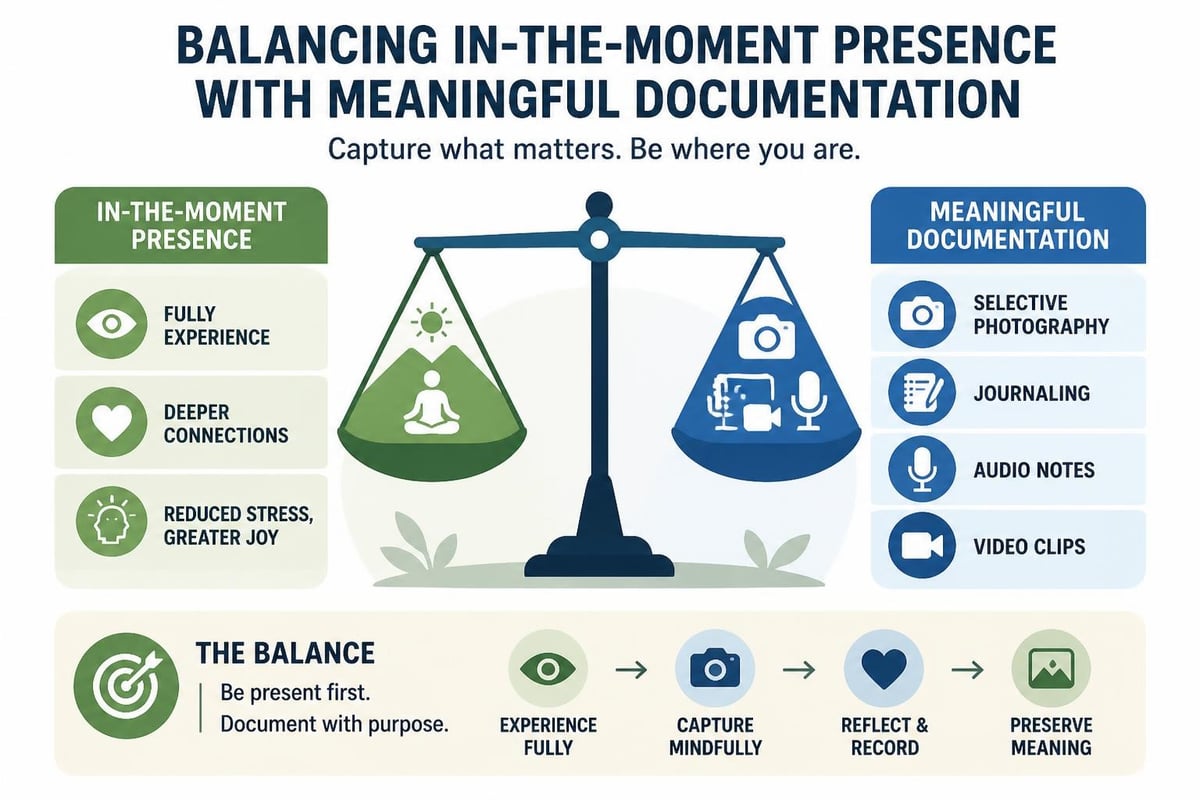
The tension between documenting experiences and fully engaging with them represents one of modern travel's persistent challenges. Excessive photography can distance travelers from actual experiences, while no documentation may result in fading memories.
| Documentation Approach | Advantages | Disadvantages | Best For |
|---|---|---|---|
| Extensive photography | Detailed visual record | Reduced presence | Architectural details |
| Minimal photography | Full engagement | Limited memory aids | Intimate moments |
| Written journals | Emotional capture | Time-intensive | Reflection periods |
| Audio recordings | Ambient preservation | Difficult organization | Soundscapes |
| Video clips | Dynamic storytelling | Storage requirements | Events, activities |
Effective documentation involves selecting specific moments worthy of capture rather than attempting to record everything. This selective approach ensures travelers remain present during peak experiences while still creating memory anchors for future reflection.
Creating Meaningful Travel Records
The most valuable documentation serves future reflection and storytelling. Rather than accumulating hundreds of similar photographs, travelers benefit from diversifying documentation methods and focusing on capturing context alongside visuals.
Enhanced documentation practices include:
- Recording brief audio notes about experiences while impressions remain fresh
- Collecting small physical items like ticket stubs, receipts, or local publications
- Writing short reflections about significant moments before sleeping
- Photographing explanatory plaques and information boards for context
- Noting names of people met and places visited for accurate future reference
These practices transform generic photo collections into rich narratives that communicate the full scope of trip experiences. The additional context enables more engaging storytelling and helps preserve details that photographs alone cannot capture.
Optimizing Different Types of Trip Experiences
Various travel styles require different approaches to maximize satisfaction and create memorable moments. Understanding how to optimize specific trip categories helps travelers align their strategies with their goals.
Urban Exploration Experiences
Cities offer dense concentrations of cultural, culinary, and historical experiences within compact areas. Urban trip experiences benefit from neighborhood-focused exploration rather than attempting to cover entire cities superficially.
Effective urban exploration strategies:
- Selecting two or three neighborhoods to explore thoroughly each day
- Using walking as the primary transportation method when feasible
- Scheduling museum visits during less crowded times
- Exploring residential areas to observe daily life
- Utilizing public transportation to experience local commuting culture
Research on multimodal travel data and complete journey analysis reveals how different transportation modes shape urban experiences. Incorporating varied transportation methods like metro systems, buses, bikes, and walking creates richer urban trip experiences by exposing travelers to diverse perspectives of city life.
Natural Environment Adventures
Nature-based trip experiences emphasize sensory immersion, physical challenge, and connection with natural systems. These experiences often require more advance planning regarding permits, equipment, and weather considerations.
Successful nature adventures balance ambition with safety while remaining flexible to environmental conditions. The most memorable outdoor experiences often come from quiet observation moments rather than constant activity. Taking time to simply sit and observe wildlife, weather patterns, or landscape details creates contemplative experiences that contrast with urban stimulation.
Cultural Heritage Journeys
Destinations rich in historical and cultural heritage demand different engagement strategies than natural or urban environments. These trip experiences benefit from substantial pre-trip education that provides context for understanding significance.
Digital resources like those found in comprehensive destination guides offer historical background and cultural context that transforms heritage sites from interesting buildings into meaningful connection points with human history. Understanding the stories behind locations dramatically enhances appreciation and emotional engagement.
Overcoming Common Trip Experience Challenges
Even well-planned journeys encounter obstacles that can diminish satisfaction. Anticipating common challenges and developing response strategies protects trip experiences from preventable disappointments.
Managing Expectations and Reality Gaps
Popular destinations often suffer from over-promotion that creates unrealistic expectations. When reality fails to match imagined scenarios, disappointment can overshadow genuinely positive aspects of experiences.
Strategies for realistic expectations include:
- Researching both positive and negative reviews to understand full picture
- Recognizing that popular attractions attract crowds for valid reasons
- Visiting famous sites during off-peak hours when possible
- Balancing iconic attractions with lesser-known alternatives
- Focusing on personal experience rather than comparison with others' accounts
The gap between expectation and reality diminishes when travelers approach destinations with curiosity rather than predetermined scripts. Openness to how places actually are rather than how they're imagined creates space for authentic appreciation.
Adapting to Unexpected Situations
Travel inherently involves uncertainty and occasional disruptions. How travelers respond to challenges often determines whether obstacles become disasters or adventures. Flexibility and problem-solving transform potential frustrations into memorable stories.
Weather changes, transportation delays, closed attractions, and communication barriers represent common travel disruptions. Maintaining calm perspective and viewing challenges as part of the authentic experience reduces stress while often leading to unexpected positive outcomes. Some of the best trip experiences emerge from navigating difficulties and discovering alternatives.
Building Trip Experiences That Last
The ultimate measure of successful travel lies not in the moment but in lasting impact. Trip experiences that continue to provide value through memories, perspectives, and personal growth represent the highest form of travel investment.
Integrating Travel Insights Into Daily Life
Exceptional trip experiences influence travelers long after returning home. Integrating insights gained during travel into daily life extends the value of journeys beyond vacation periods.
This integration takes many forms: adopting cooking techniques learned during culinary experiences, maintaining connections with people met while traveling, supporting causes discovered during trips, or applying cultural perspectives to personal challenges. These practices keep trip experiences alive and relevant rather than relegating them to past memory.
Sharing Experiences to Extend Impact
Thoughtful storytelling about trip experiences serves multiple purposes. Sharing adventures inspires others while helping travelers process and consolidate their own memories. The act of crafting narratives reinforces memory formation and often reveals insights that weren't apparent during actual experiences.
Effective travel storytelling focuses on specific moments rather than comprehensive chronologies. Detailed descriptions of particular interactions, observations, or realizations create more engaging narratives than day-by-day itinerary recitations. These focused stories communicate the essence of trip experiences while remaining accessible to audiences.
Creating truly exceptional trip experiences requires intentional planning combined with openness to spontaneity, deep engagement with destinations beyond surface-level tourism, and mindful presence that allows for full sensory and emotional immersion. These principles transform ordinary travel into transformative journeys that provide lasting value through memories, perspectives, and personal growth. Whether you're planning your first international adventure or seeking to deepen your approach to familiar destinations, Awesome Travel Guides provides the comprehensive resources and insider knowledge you need to craft unforgettable experiences that resonate long after you return home.