

Trip Through Germany: Essential Guide for 2026 Travel
Germany stands as one of Europe's most captivating destinations, offering travelers an extraordinary blend of historical landmarks, cutting-edge modernity, enchanting medieval towns, and diverse natural landscapes. A trip through Germany reveals a nation where centuries-old castles overlook pristine rivers, world-class museums showcase artistic masterpieces, and vibrant cities pulse with contemporary energy. From the cosmopolitan streets of Berlin to the fairy-tale villages of Bavaria, from the Rhine Valley's vineyard-covered hillsides to the North Sea's dramatic coastline, Germany delivers unforgettable experiences for every type of traveler. With efficient transportation systems, welcoming hospitality, and remarkable regional diversity, planning your German adventure promises both excitement and accessibility in 2026.
Planning Your German Journey
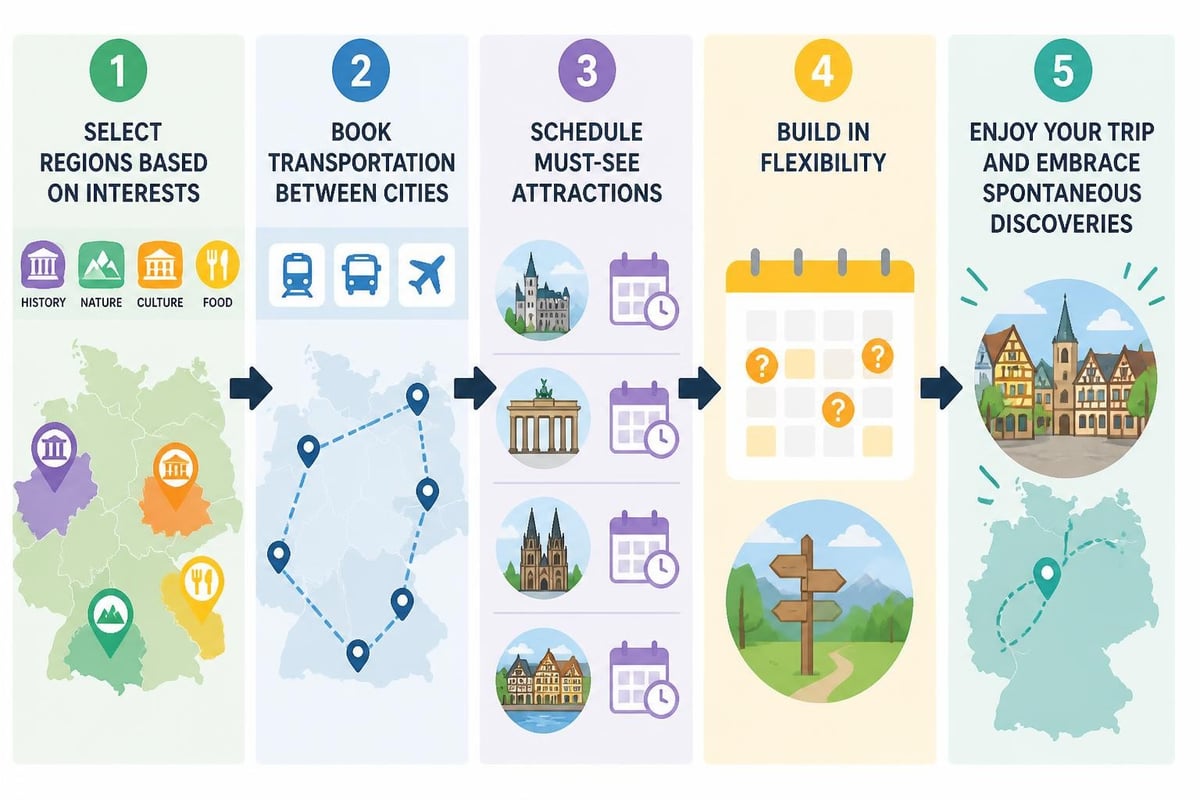
When preparing for a trip through Germany, strategic planning transforms a good vacation into an exceptional adventure. The country's geographic diversity means different regions offer distinct experiences, and understanding these variations helps travelers maximize their time and budget.
Timing considerations matter significantly:
- Spring (April-May): Blooming landscapes, fewer crowds, pleasant temperatures
- Summer (June-August): Peak season with festivals, outdoor activities, warmest weather
- Autumn (September-October): Wine harvest season, colorful foliage, moderate crowds
- Winter (November-March): Christmas markets, skiing opportunities, budget-friendly rates
Germany's central European location makes it highly accessible. Major international airports in Frankfurt, Munich, Berlin, and Hamburg connect to destinations worldwide, while the country's renowned railway system provides seamless domestic travel. A well-researched approach using the Awesome Guide to Germany ensures travelers discover both popular attractions and hidden gems throughout their journey.
Budget Considerations and Duration
| Trip Length | Recommended Budget (USD) | Ideal Coverage |
|---|---|---|
| 5-7 days | $1,500-$2,500 | Two major cities plus day trips |
| 10-14 days | $3,000-$4,500 | Three regions with deeper exploration |
| 3 weeks+ | $5,000-$8,000 | Comprehensive national tour |
Daily expenses typically range from $100-$200 for budget travelers, $200-$350 for mid-range comfort, and $400+ for luxury experiences. Accommodation, dining preferences, and entertainment choices significantly impact overall costs.
Essential German Cities and Regions
A comprehensive trip through Germany requires understanding the distinct character of each major region. The country's federal structure has preserved unique cultural identities, making regional exploration particularly rewarding.
Berlin: The Capital's Dynamic Energy
Berlin represents Germany's historical complexity and contemporary creativity. The capital combines sobering reminders of 20th-century history with Europe's most innovative arts scene and nightlife culture.
Must-experience Berlin highlights:
- Brandenburg Gate and Reichstag building with panoramic dome views
- Museum Island's world-class collections spanning ancient civilizations
- East Side Gallery preserving Berlin Wall murals
- Checkpoint Charlie and Holocaust Memorial for historical reflection
- Vibrant neighborhoods like Kreuzberg and Prenzlauer Berg
Berlin requires at least three days for meaningful exploration. The city's efficient public transportation system makes navigation straightforward, with the Berlin WelcomeCard offering unlimited transit access plus museum discounts.
Bavaria: Traditional Germany's Heartland
Bavaria embodies many travelers' quintessential German expectations. This southeastern region delivers spectacular Alpine scenery, world-famous beer culture, and architectural splendor that defines picturesque charm.
Munich anchors Bavarian exploration as the region's sophisticated capital. The city balances refined culture with hearty traditions, particularly evident during Oktoberfest season. Beyond Munich, Bavaria rewards travelers with extraordinary diversity:
- Neuschwanstein Castle: Ludwig II's fairy-tale masterpiece inspiring Disney's iconic castle
- Rothenburg ob der Tauber: Perfectly preserved medieval town along the Romantic Road
- Berchtesgaden National Park: Pristine alpine wilderness with crystal-clear König Lake
- Nuremberg: Historic city blending medieval architecture with significant WWII sites
- Bamberg: UNESCO World Heritage town famous for smoked beer and seven hills
The Rhine Valley and Western Germany
The Rhine River corridor between Mainz and Koblenz presents Germany's most romantic landscapes. Steep vineyard-covered slopes, medieval castles perched on rocky outcrops, and charming wine villages create unforgettable scenery best experienced by river cruise or scenic railway.
| City | Key Attractions | Recommended Stay |
|---|---|---|
| Cologne | Gothic cathedral, vibrant arts scene, carnival culture | 2 days |
| Heidelberg | Romantic castle ruins, historic university, old town | 1-2 days |
| Trier | Roman monuments, Germany's oldest city | 1 day |
| Frankfurt | Financial district, Römerberg square, museums | 1-2 days |
Western Germany's wine culture represents a major draw for oenophiles. The region produces exceptional Rieslings, and many wineries welcome visitors for tastings and tours throughout harvest season.
Transportation Strategies
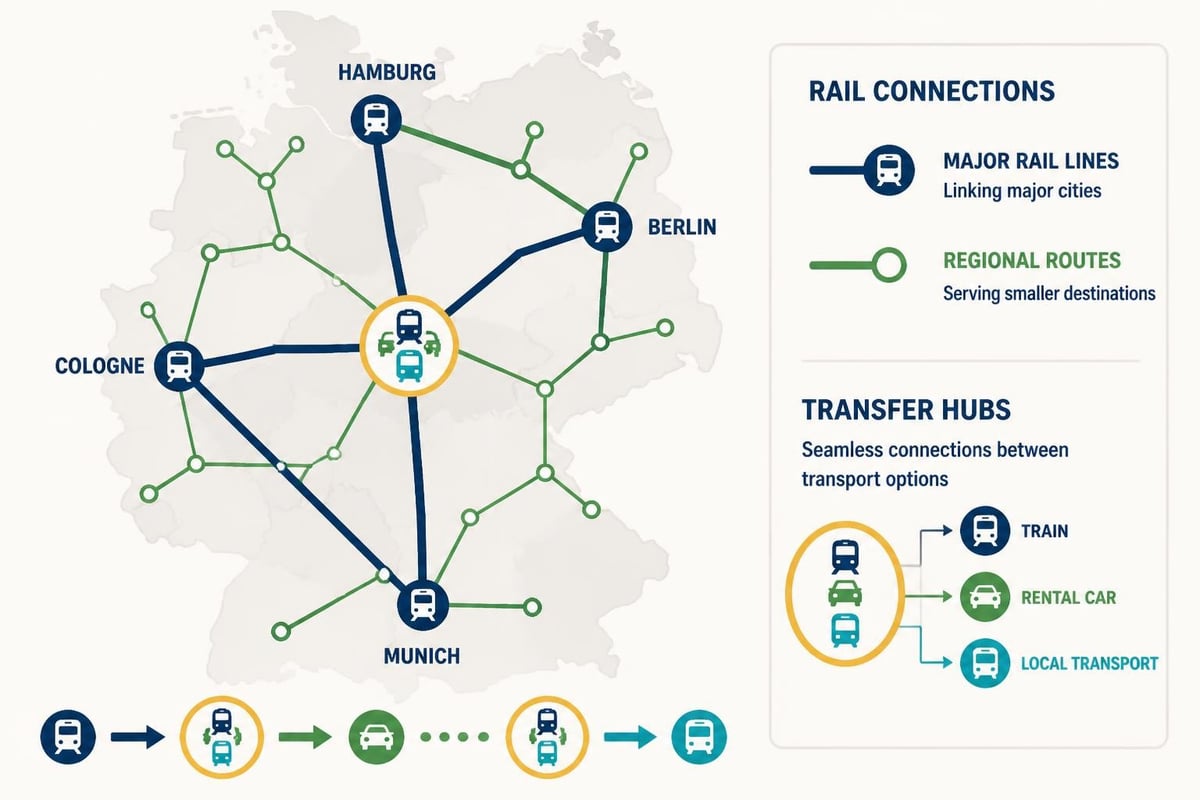
Efficient movement between destinations defines successful trip through Germany experiences. The country's transportation infrastructure ranks among the world's finest, offering travelers multiple convenient options.
Rail Travel Excellence
Deutsche Bahn operates Germany's comprehensive railway network, connecting virtually every destination worth visiting. High-speed ICE trains reach 300 km/h, making inter-city travel remarkably fast and comfortable.
Rail pass options for international visitors:
- German Rail Pass: Unlimited travel for 3-15 days within one month
- Eurail Germany Pass: Similar benefits with broader European connectivity
- Regional passes: Cost-effective for concentrated area exploration
- Point-to-point tickets: Best value when booking advance Sparpreis fares
Travelers planning extensive rail journeys should download the DB Navigator app for real-time schedules, platform information, and digital ticketing. First-class upgrades provide additional comfort and complimentary beverages on longer journeys.
Alternative Transportation
While trains excel for city-to-city connections, certain destinations require different approaches. The Romantic Road, Black Forest regions, and smaller Bavarian villages become accessible through:
- Rental cars: Essential for rural exploration and flexibility
- Regional buses: Budget-friendly connections to smaller towns
- River cruises: Scenic Rhine and Danube travel combining transportation with sightseeing
- Bicycles: Germany's extensive cycling infrastructure supports active exploration
Cultural Experiences and Local Customs
Understanding German cultural norms enhances every trip through Germany, facilitating smoother interactions and deeper appreciation of local life. Germans value efficiency, punctuality, and directness in communication, though regional variations exist.
Dining and Beer Culture
German cuisine extends far beyond sausages and sauerkraut, though regional specialties showcase impressive diversity. Each area maintains distinct culinary traditions worth exploring:
Northern Germany specialties: Fresh seafood, labskaus (corned beef hash), rote grüze (berry dessert)
Southern favorites: Weisswurst (white sausage), spätzle (egg noodles), Black Forest cake
Rhineland classics: Sauerbraten (pot roast), Himmel und Erde (apples and potatoes)
Beer culture permeates German social life, particularly in Bavaria where beer gardens serve as community gathering spaces. The Reinheitsgebot (beer purity law) from 1516 still influences brewing practices, ensuring exceptional quality standards. Wine regions along the Rhine, Mosel, and Franconia produce world-class vintages deserving equal attention.
Festival Calendar and Events
Germans celebrate enthusiastically throughout the year, with festivals providing authentic cultural immersion opportunities. Beyond Oktoberfest's international fame, countless regional celebrations showcase local traditions:
| Festival | Location | Timing | Focus |
|---|---|---|---|
| Karneval | Cologne, Mainz, Düsseldorf | February-March | Pre-Lenten celebrations |
| Christmas Markets | Nationwide | Late November-December | Holiday traditions, crafts |
| Wine Festivals | Rhine/Mosel regions | August-October | Harvest celebrations |
| Berlin International Film Festival | Berlin | February | Cinema and arts |
Similar to planning adventures elsewhere in Europe, utilizing resources like the Awesome Guide to France for neighboring country exploration helps maximize cross-border opportunities during your trip through Germany.
Hidden Gems Beyond Tourist Trails
While iconic attractions deserve their reputation, Germany's lesser-known destinations offer equally memorable experiences without overwhelming crowds. Adventurous travelers willing to venture beyond standard itineraries discover authentic local culture and stunning landscapes.
Underrated Cities Worth Visiting
Freiburg im Breisgau: This southwestern city combines environmental sustainability leadership with medieval charm. The historic old town features distinctive water channels called Bächle, while nearby Black Forest trails offer exceptional hiking.
Lübeck: The Baltic coast's former Hanseatic League capital enchants with brick Gothic architecture and marzipan traditions. Thomas Mann's birthplace preserves literary heritage alongside maritime history.
Regensburg: Bavaria's best-preserved medieval city escaped WWII damage, maintaining authentic 13th-century streetscapes. The Stone Bridge and Gothic cathedral anchor this UNESCO World Heritage site.
Weimar: Germany's cultural heart during the Classical period, this small city produced Goethe, Schiller, and the Bauhaus movement. Extraordinary cultural significance far exceeds its modest size.
Natural Wonders and Outdoor Adventures
Germany's diverse landscapes support remarkable outdoor recreation. The Alps dominate southern horizons, but northern heathlands, central forests, and dramatic coastlines provide equally compelling natural environments.
- Saxon Switzerland National Park: Dramatic sandstone formations near Dresden rival American Southwest scenery
- Wadden Sea: UNESCO-protected tidal flats supporting unique ecosystems
- Harz Mountains: Mystical forests inspiring Grimm fairy tales, with excellent hiking trails
- Spreewald: Intricate waterway network navigable by traditional punt boats
- Berchtesgaden Alps: Pristine wilderness offering world-class mountaineering
Seasonal considerations significantly impact outdoor experiences. Summer provides optimal hiking conditions, while winter transforms Alpine regions into premier skiing destinations. Spring wildflower meadows and autumn foliage create photographer's paradise conditions.
Practical Tips for Smooth Travel
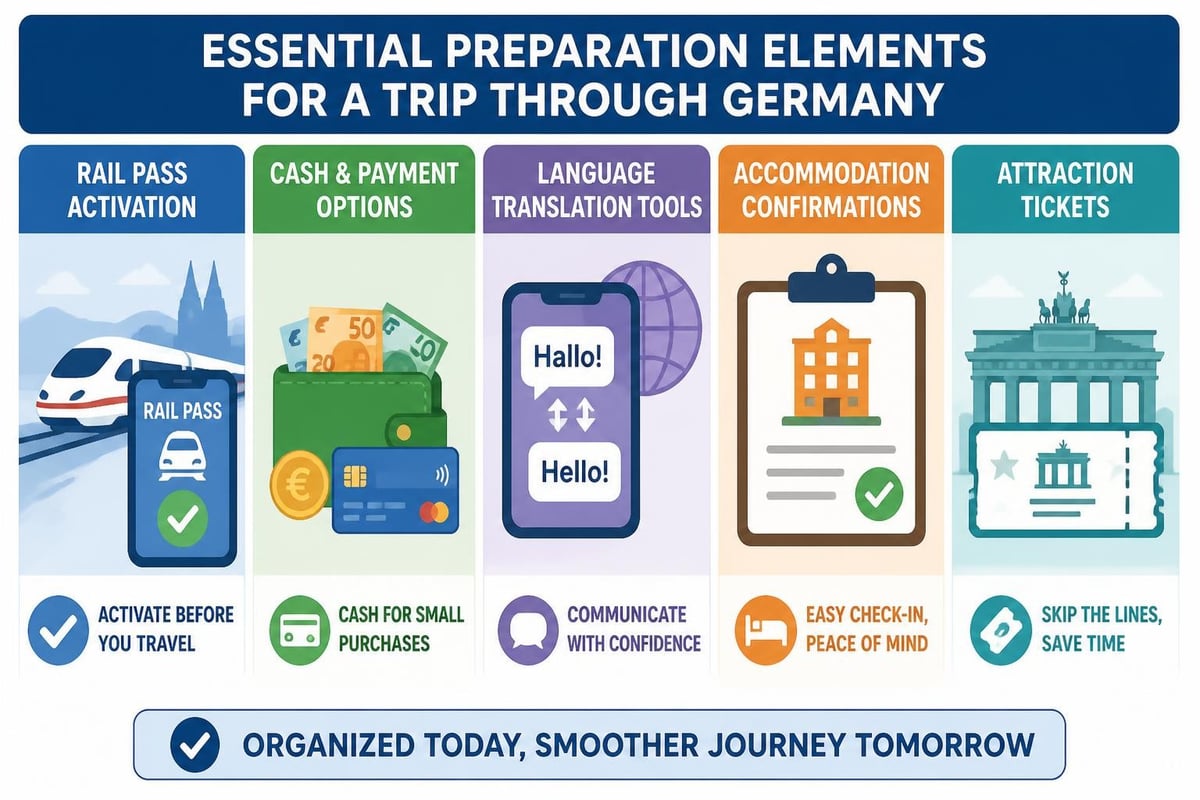
Success during any trip through Germany depends partly on understanding practical considerations that facilitate comfortable, efficient exploration. Germany's well-organized infrastructure makes travel straightforward, but certain preparations enhance the experience.
Money and Payment Systems
Germany surprisingly maintains strong cash preferences despite advanced economic development. While major establishments accept cards, smaller shops, restaurants, and market vendors often require cash payments. ATMs distribute euros widely, though withdrawal fees vary by bank relationships.
Financial preparation checklist:
- Notify banks of international travel to prevent card blocks
- Carry mix of cash and cards for payment flexibility
- Understand dynamic currency conversion fees and decline when offered
- Keep emergency cash separate from daily spending money
- Download banking apps for real-time transaction monitoring
Tipping customs differ from American practices. Restaurant service charges include gratuities, though rounding up bills or adding 5-10% for exceptional service shows appreciation. Taxi drivers expect similar consideration.
Language and Communication
German proficiency varies regionally, with younger Germans and urban residents typically speaking excellent English. However, learning basic German phrases demonstrates respect and occasionally proves necessary in rural areas or with older generations.
Essential German phrases include greetings (Guten Tag), thanks (Danke schön), apologies (Entschuldigung), and simple questions about directions or assistance. Translation apps provide backup for complex situations, though download offline language packs before departure.
Accommodation Strategies
Germany offers accommodation options spanning every budget and preference level. Strategic booking balances location convenience, comfort requirements, and cost considerations:
| Type | Price Range | Best For | Considerations |
|---|---|---|---|
| Hotels | €80-€300+ | Full service, central locations | Book early for deals |
| Pensions | €50-€120 | Local atmosphere, breakfast included | Family-run hospitality |
| Hostels | €20-€50 | Budget travel, social atmosphere | Private rooms available |
| Apartments | €60-€200 | Longer stays, kitchen access | Cleaning fees apply |
Location selection significantly impacts convenience. Central city hotels maximize walking access to attractions but command premium prices. Suburban locations connected by efficient public transit offer value while maintaining accessibility. Just as travelers might consult travel photography guides to capture their journey, selecting strategic accommodation enhances overall trip quality.
Regional Cuisine Deep Dive
Food experiences during a trip through Germany reveal regional identity and historical influences that shaped local cultures. Each area developed distinctive culinary traditions reflecting available ingredients, neighboring country influences, and historical trade connections.
Northern Coastal Traditions
Germany's northern regions bordering the North and Baltic Seas naturally emphasize seafood in local cuisine. Fresh herring, plaice, and cod appear in numerous preparations, from simple smoked fish to elaborate stews.
Hamburg's harbor location influenced its signature dishes. Labskaus combines corned beef, potatoes, beets, and pickles into a hearty sailor's meal, while fresh fish sandwiches from harbor market stalls provide quintessential local snacking. The city's café culture rivals Vienna's elegance, with historic establishments serving exceptional cakes and pastries.
Swabian Specialties
Southwestern Germany's Swabian region developed particularly refined cuisine centered on pasta-making traditions. Maultaschen (large ravioli-like pasta pockets) and spätzle (soft egg noodles) form foundation dishes served with countless variations.
Swabian cuisine earned its "ravioli of the soul" nickname when clever cooks supposedly hid meat in Maultaschen during Lent, reasoning God couldn't see what pasta concealed. This whimsical story reflects the region's creative cooking approach and lighthearted cultural character.
Franconian Wine Country
Northern Bavaria's Franconia region differs dramatically from southern Bavaria's beer culture, instead producing distinctive wines in unique bocksbeutel (flat, round bottles). The region's dry Silvaner wines complement local cuisine emphasizing freshness and subtle flavors.
Würzburg anchors Franconian wine tourism, with baroque architecture providing stunning backdrops for wine tasting. The Residenz palace and Marienberg Fortress overlook vineyards producing some of Germany's most interesting white wines, often overlooked by travelers focused on Rhine Rieslings.
Seasonal Highlights and Activities
Timing significantly influences trip through Germany experiences, with each season offering distinct advantages and unique opportunities. Understanding seasonal variations helps travelers align visits with specific interests and preferences.
Spring Awakening
Germany emerges from winter dormancy with spectacular enthusiasm each spring. Cherry blossoms blanket regions from late March through April, while tulip fields create colorful displays rivaling Dutch landscapes. Easter traditions include elaborate market celebrations and egg tree decorations adorning town squares.
May brings hiking season's comfortable start in Alpine regions, with mountain huts reopening and trails clearing of snow. Cities host spring festivals celebrating everything from asparagus harvest (Spargelzeit) to wine culture's renewal. Outdoor beer gardens reopen, and café terraces fill with locals enjoying sunshine after long winters.
Summer Vibrancy
Peak tourist season delivers Germany's warmest weather and longest days, ideal for extensive outdoor exploration. Lakes, rivers, and coastal areas attract swimmers and water sports enthusiasts, while mountain trails support serious trekking and climbing.
Summer festival season fills calendars with music events, cultural celebrations, and local traditions. Open-air concerts, theatrical performances, and food festivals occur nationwide. While crowds increase at major attractions, the energetic atmosphere and extended operating hours justify peak-season visits for many travelers.
Autumn Romance
September and October provide arguably Germany's most beautiful travel conditions. Warm days and cool evenings create comfortable exploration weather, while autumn foliage transforms forests into golden wonderlands. Wine harvest season brings vineyard tours, pressing demonstrations, and fresh wine tastings throughout western regions.
Oktoberfest dominates late September attention, but countless smaller beer and wine festivals offer authentic experiences without Munich's overwhelming crowds. Fall markets transition gradually toward Christmas themes, with pumpkin displays and harvest decorations creating charming seasonal ambiance.
Winter Magic
Germany's Christmas market tradition creates unparalleled winter atmosphere. Nearly every town hosts markets featuring handcrafted gifts, seasonal foods, and glühwein (mulled wine) from late November through December. Nuremberg, Dresden, and Cologne operate particularly famous markets, though smaller towns often provide more intimate experiences.
Winter sports enthusiasts find excellent skiing and snowboarding throughout Alpine regions and smaller mountain ranges like the Harz. Cities decorate extensively for holidays, creating magical evening atmospheres enhanced by early darkness. While weather can be cold and gray, festive cheer compensates for limited daylight.
A trip through Germany delivers extraordinary diversity within a relatively compact, highly accessible destination. From vibrant cities showcasing cutting-edge culture to timeless villages preserving medieval charm, from dramatic Alpine peaks to serene Baltic coastlines, Germany rewards travelers with rich experiences that blend historical depth and modern comfort. Whether you're drawn to world-class museums, outdoor adventures, culinary exploration, or cultural immersion, strategic planning ensures your German journey exceeds expectations. Awesome Travel Guides provides the comprehensive resources, insider tips, and detailed information needed to transform your trip through Germany from ordinary vacation into extraordinary adventure, helping you discover both iconic landmarks and hidden treasures throughout this remarkable country.