

Your Travel Guide: The Essential Companion for 2026
Planning a memorable journey requires more than booking flights and hotels. Your travel guide serves as the foundation for transformative experiences, offering carefully curated insights that help you navigate unfamiliar territories with confidence while discovering authentic local culture. As travel trends continue evolving in 2026, having comprehensive resources at your fingertips ensures you maximize every moment of your adventure, whether exploring historic European cities or venturing into uncharted territories.
Understanding the Modern Travel Landscape
The travel industry has undergone significant transformation over recent years. According to Deloitte's 2026 Travel Industry Outlook, Gen Z and millennials now dominate the U.S. travel market, fundamentally influencing how we approach destination planning and experience discovery. This generational shift emphasizes authentic experiences, cultural immersion, and sustainable tourism practices.
Your travel guide adapts to these changing preferences by providing information that resonates with contemporary travelers. Rather than focusing solely on traditional tourist attractions, modern guides incorporate local perspectives, off-the-beaten-path recommendations, and practical advice for responsible travel.
The Digital Advantage
Digital resources offer distinct advantages over traditional printed materials:
- Real-time updates for changing conditions and new recommendations
- Interactive features that enhance navigation and discovery
- Multimedia integration including maps, photos, and local audio guides
- Customization options tailored to individual interests and travel styles
- Portability without adding weight to your luggage
The convenience of accessing your travel guide on smartphones or tablets means essential information remains available whenever needed, from finding authentic restaurants to understanding local customs.
Essential Components of Comprehensive Travel Planning
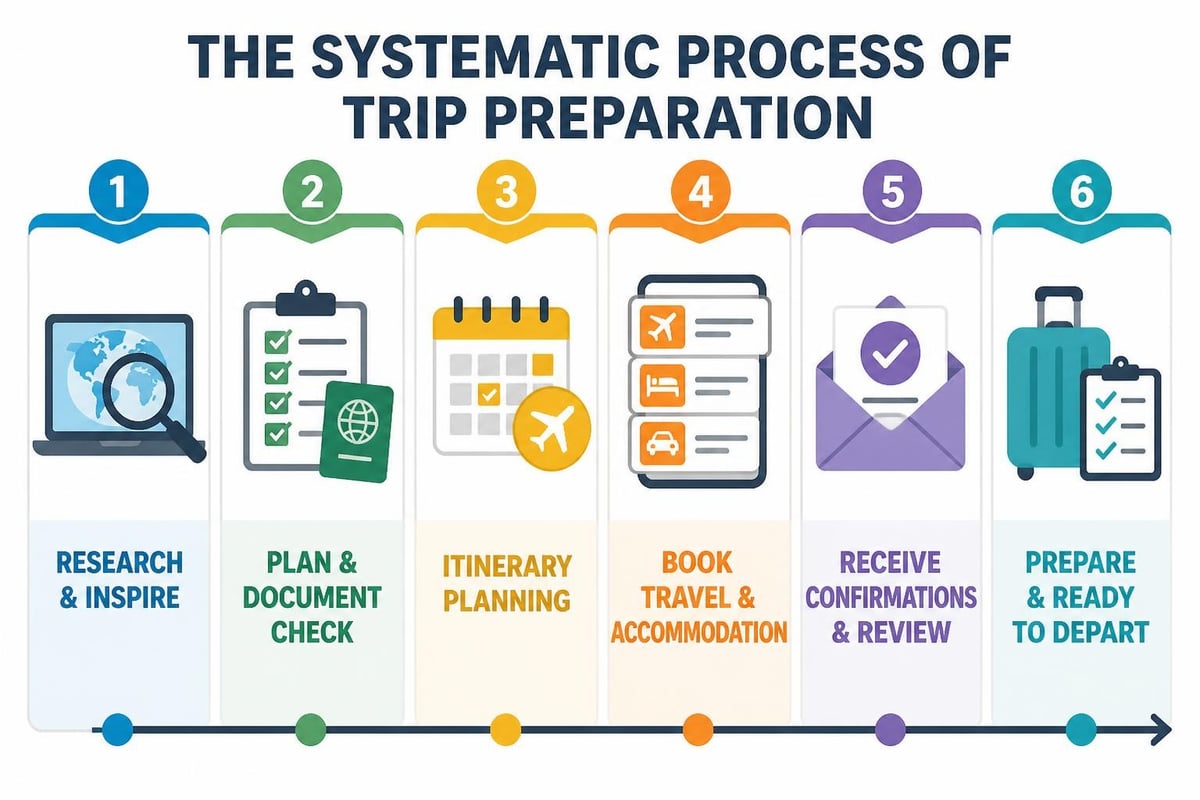
Effective trip preparation involves multiple layers of research and organization. Your travel guide should address each critical aspect of the journey, from pre-departure checklists to on-the-ground navigation.
Pre-Trip Organization
Starting with a pre-trip checklist ensures nothing gets overlooked during the planning phase. This systematic approach covers:
- Documentation verification including passports, visas, and travel insurance
- Health preparations such as vaccinations and medication planning
- Financial arrangements including currency exchange and payment methods
- Communication setup for staying connected abroad
- Accommodation confirmations and transportation bookings
Organizing these elements weeks before departure reduces stress and prevents last-minute complications that could derail your plans.
Destination-Specific Intelligence
Generic travel information rarely provides the depth needed for meaningful experiences. Your travel guide becomes invaluable when it offers destination-specific expertise that goes beyond surface-level tourist information.
| Destination Type | Key Information Needed | Local Insight Value |
|---|---|---|
| Historic Cities | Architecture periods, museum hours, walking routes | Cultural context, hidden courtyards, local artisan workshops |
| Coastal Regions | Beach access, water activities, seasonal weather | Secret coves, authentic seafood spots, tide schedules |
| Mountain Areas | Trail difficulty, elevation changes, equipment needs | Local guide recommendations, weather patterns, wildlife viewing |
| Urban Centers | Public transit, neighborhoods, safety zones | Local markets, neighborhood cafes, cultural events |
Guides like The Awesome Guide to Italy or The Awesome Guide to Spain provide this granular level of detail, transforming how you interact with each destination.
Maximizing Your Travel Experience
Your travel guide serves multiple purposes throughout the journey. Beyond basic logistics, it enables deeper cultural engagement and helps you discover experiences that align with personal interests.
Cultural Immersion Strategies
Authentic travel experiences stem from understanding local customs and traditions. Research from British Airways' 2025 Travel Trends Report reveals increasing consumer interest in culturally immersive experiences over conventional tourism.
Language basics prove invaluable even in tourist-friendly destinations. Learning essential phrases demonstrates respect and often opens doors to genuine local interactions. Your travel guide should include:
- Common greetings and polite expressions
- Restaurant and shopping vocabulary
- Emergency phrases and numbers
- Cultural etiquette guidelines
- Regional dialect variations
Local festivals and events provide windows into authentic community life. Planning your itinerary around regional celebrations, markets, or seasonal activities creates memorable moments that transcend typical sightseeing.
Safety and Preparedness
Responsible travel includes understanding potential risks and maintaining situational awareness. A comprehensive travel safety handbook addresses various scenarios:
- Emergency contact information for each destination
- Common scams and how to avoid them
- Safe transportation options and navigation tips
- Health resources and pharmacy locations
- Secure storage solutions for valuables
The FlexSafe portable travel safe exemplifies practical security tools that complement your travel guide's safety recommendations.
Regional Specialization and Expert Insights
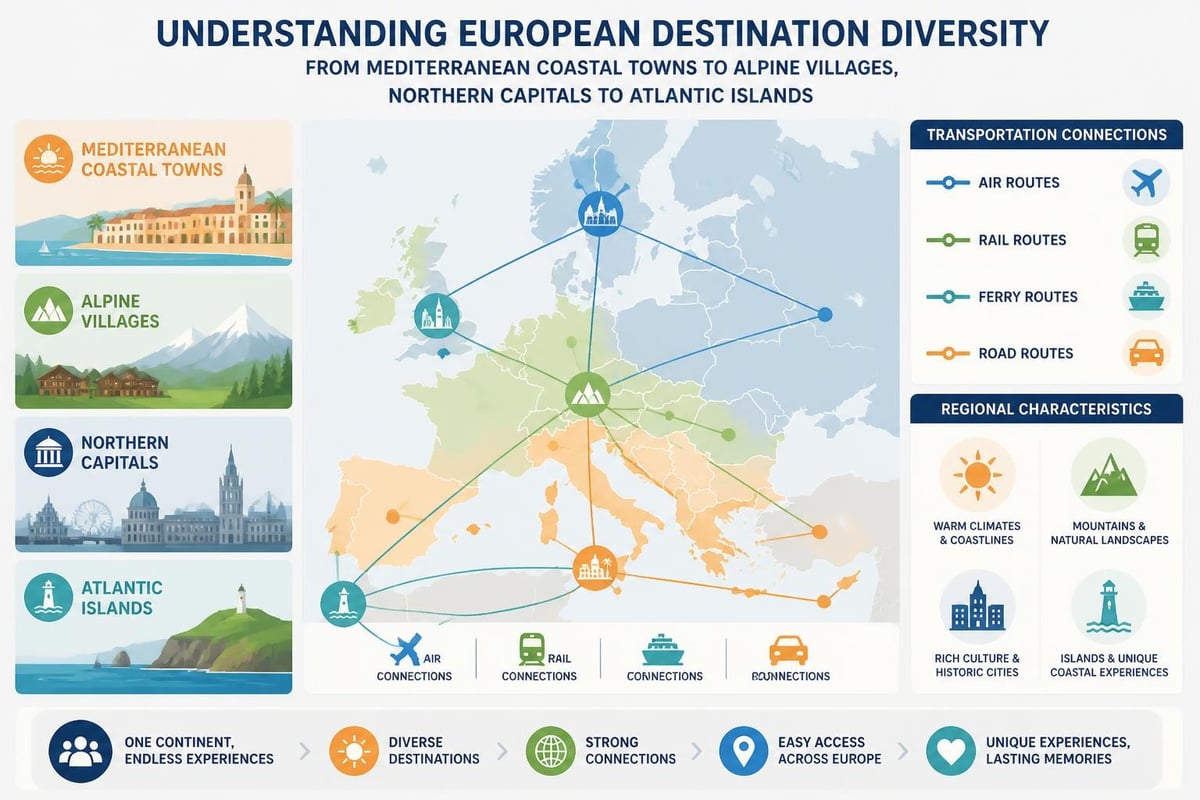
Different regions require distinct approaches to trip planning. Your travel guide should reflect regional characteristics, from transportation infrastructure to cultural norms and seasonal considerations.
European Destinations
Europe's diversity demands region-specific knowledge. The Awesome Guide to France differs substantially from The Awesome Guide to Greece, reflecting unique cultural contexts, transportation systems, and travel rhythms.
Transportation networks across Europe vary significantly. Understanding rail passes, regional airlines, and bus systems helps optimize both time and budget. Your travel guide should clarify:
- Multi-country pass options and restrictions
- Booking strategies for cost savings
- Station navigation and transfer procedures
- Alternative transportation for rural areas
- Bicycle rental systems in urban centers
Accommodation diversity ranges from historic hotels to countryside agriturismos. Each option offers distinct experiences, and your travel guide helps match lodging choices with travel goals and budgets.
Emerging Trends for 2026
Travel preferences continue evolving, with Who What Wear's 2026 travel trends analysis highlighting culturally immersive destinations influenced by pop culture and social media. Your travel guide incorporates these contemporary interests while maintaining focus on authentic experiences.
Sustainable tourism has moved from niche concern to mainstream priority. Modern guides address:
- Low-impact transportation options
- Locally-owned accommodation and restaurants
- Wildlife-friendly activities and viewing practices
- Waste reduction strategies while traveling
- Community-based tourism opportunities
Digital detox destinations attract travelers seeking meaningful disconnection. Your travel guide identifies locations offering natural beauty and cultural richness without constant connectivity demands.
Practical Resources and Tools
Beyond information, your travel guide should connect you with practical tools that enhance daily travel experiences.
Packing Optimization
Efficient packing reduces stress and increases mobility. A specialized packing guide helps create customized lists based on destination, season, and trip duration.
Climate-appropriate clothing ensures comfort across varying conditions. Your travel guide provides seasonal weather patterns and temperature ranges, informing wardrobe decisions.
Multi-purpose items maximize luggage efficiency:
- Convertible clothing suitable for different occasions
- Compact travel accessories like packable travel blankets
- TSA-compliant toiletry solutions
- Lightweight electronics with international compatibility
- Versatile footwear for varied terrain
Documentation and Organization
Digital organization tools help manage confirmations, tickets, and important documents. Your travel guide recommends systems for:
- Offline access to essential information
- Backup copies of critical documents
- Itinerary sharing with trusted contacts
- Expense tracking and budget monitoring
- Photo organization and backup strategies
Capturing and Preserving Memories
Travel memories fade without intentional preservation efforts. Your travel guide includes strategies for documenting experiences meaningfully.
Photography Best Practices
A dedicated travel photography guide transforms casual snapshots into compelling visual stories. Key principles include:
Golden hour timing for optimal natural lighting conditions Composition techniques that create visual interest and depth Local permission protocols when photographing people or private spaces Equipment considerations balancing quality with portability Storage solutions ensuring photos survive the journey home
Journal and Reflection
Written reflections capture nuances that photos miss. Your travel guide encourages maintaining travel journals through prompts and frameworks for meaningful documentation.
According to American Express Travel's 2025 Global Travel Trends Report, travelers increasingly value memorable mementos that capture authentic experiences rather than generic souvenirs.
Budget Management and Value Optimization
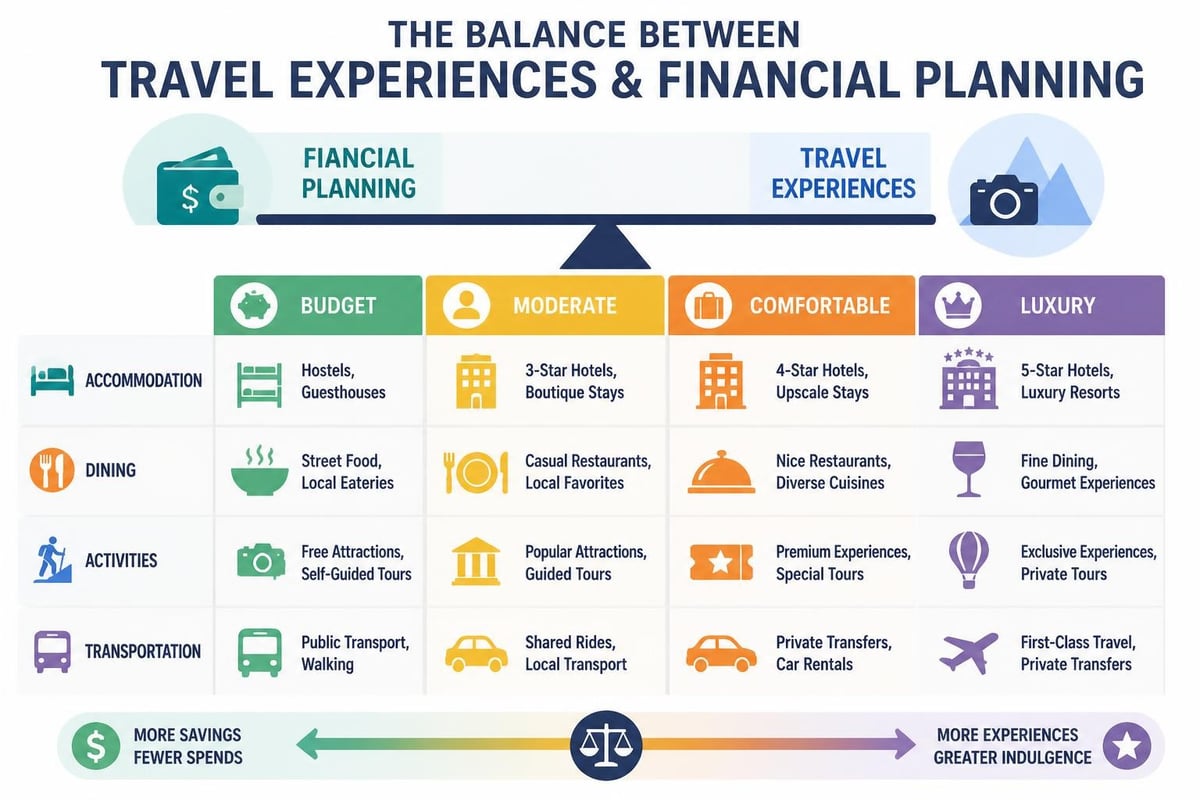
Financial planning significantly impacts travel experiences. Your travel guide provides frameworks for maximizing value without compromising quality.
Cost Categories and Allocation
| Expense Category | Typical Percentage | Optimization Strategies |
|---|---|---|
| Accommodation | 30-35% | Off-season booking, alternative lodging, loyalty programs |
| Food & Dining | 20-25% | Market shopping, lunch specials, local eateries |
| Transportation | 15-20% | Advance booking, passes, walking tours |
| Activities | 15-20% | Free attractions, local guides, combination tickets |
| Miscellaneous | 10-15% | Contingency planning, travel insurance, souvenirs |
Seasonal pricing variations dramatically affect overall costs. Your travel guide identifies shoulder seasons offering optimal weather-to-price ratios for each destination.
Local economic context influences budget planning. Understanding relative costs helps set realistic daily spending targets and prevents financial stress during trips.
Hidden Costs and Unexpected Expenses
Comprehensive budgeting accounts for easily overlooked expenses:
- Airport transfers and local transportation
- Tipping customs and service charges
- Tourist taxes and entry fees
- Communication costs and data plans
- Currency exchange fees and ATM charges
Your travel guide clarifies these destination-specific costs, enabling accurate financial planning.
Long-Term Travel Benefits and Personal Growth
The value of travel extends far beyond the journey itself. Research from Morgan Stanley on travel industry resilience demonstrates sustained consumer prioritization of travel experiences, reflecting their profound personal impact.
Skills Development Through Travel
International experiences build valuable capabilities:
Adaptability and problem-solving develop through navigating unfamiliar environments and unexpected challenges. Your travel guide prepares you for common scenarios while encouraging flexible thinking when situations deviate from plans.
Cross-cultural communication improves through authentic interactions with people from different backgrounds. These skills translate directly to professional and personal contexts beyond travel.
Independence and confidence grow as you successfully navigate foreign locations, make decisions in uncertain situations, and trust your judgment across various circumstances.
Perspective and Worldview Expansion
Exposure to different cultures, historical contexts, and living conditions challenges assumptions and broadens understanding. Your travel guide facilitates this growth by providing cultural context that helps interpret observations and experiences meaningfully.
Historical awareness deepens when visiting sites of significant events or exploring ancient civilizations. Understanding historical context enriches present-day experiences and creates lasting educational value.
Appreciation for diversity emerges naturally from encountering varied approaches to daily life, social organization, and cultural expression.
Specialized Travel Scenarios
Different trip types require tailored approaches. Your travel guide should address various travel scenarios with specific recommendations.
Solo Travel Considerations
Independent travel demands additional planning around safety, social connection, and logistical management. Guides addressing destinations like Portugal or the Netherlands should include solo traveler perspectives.
Accommodation selection for solo travelers balances privacy with opportunities for social interaction. Hostels, guesthouses, and certain hotels facilitate meeting fellow travelers while maintaining personal space.
Safety protocols become particularly important when traveling alone. Your travel guide should provide destination-specific advice on safe neighborhoods, reliable transportation, and situations to avoid.
Family Travel Dynamics
Traveling with children or multigenerational groups requires different planning approaches:
- Age-appropriate activities and pacing
- Family-friendly accommodation with necessary amenities
- Meal planning accounting for dietary restrictions
- Entertainment options during transit and downtime
- Emergency protocols and healthcare access
Extended Travel and Digital Nomadism
Longer trips spanning weeks or months involve distinct considerations around visa requirements, accommodation booking strategies, and maintaining routines while mobile. Your travel guide addresses these extended travel scenarios with practical frameworks for sustainable long-term exploration.
Technology Integration and Digital Tools
Modern travel seamlessly integrates digital resources. Your travel guide should recommend apps, platforms, and tools that enhance experiences without creating technology dependence.
Navigation and Mapping
Offline maps provide reliable navigation without data connectivity. Your travel guide identifies the most effective mapping solutions for each region, considering factors like public transit integration, hiking trail accuracy, and point-of-interest comprehensiveness.
Translation and Communication
Real-time translation apps facilitate communication across language barriers. However, your travel guide emphasizes learning basic phrases to demonstrate cultural respect and build genuine connections.
Booking and Reservation Platforms
Understanding which platforms offer best value for different services helps optimize both costs and experiences. Your travel guide provides platform recommendations based on destination-specific factors and booking scenarios.
Planning extraordinary journeys requires comprehensive resources that address every aspect of travel, from initial research through post-trip reflection. Armed with detailed destination knowledge, practical planning frameworks, and cultural insights, you can transform ordinary trips into transformative experiences that create lasting memories and personal growth. Whether you're exploring the historic streets of England, the dramatic landscapes of Scotland, or venturing to destinations across Europe and beyond, Awesome Travel Guides provides the expert insights and hidden gems that help you travel with confidence and discover authentic local experiences at every destination.