

Guide to Ireland: Ultimate Travel Tips & Hidden Gems
Ireland offers travelers an enchanting blend of dramatic landscapes, vibrant cities, ancient history, and warm hospitality that creates truly memorable experiences. Whether you're drawn to the rugged coastlines, medieval castles, or lively pub culture, this guide to Ireland will help you navigate the Emerald Isle with confidence. From planning your itinerary to discovering hidden gems away from tourist crowds, understanding what makes Ireland special ensures you make the most of every moment in this captivating destination.
Understanding Ireland's Geography and Regions
Ireland's compact size belies its remarkable diversity. The island spans approximately 32,595 square miles, making it possible to explore multiple regions during a single trip.
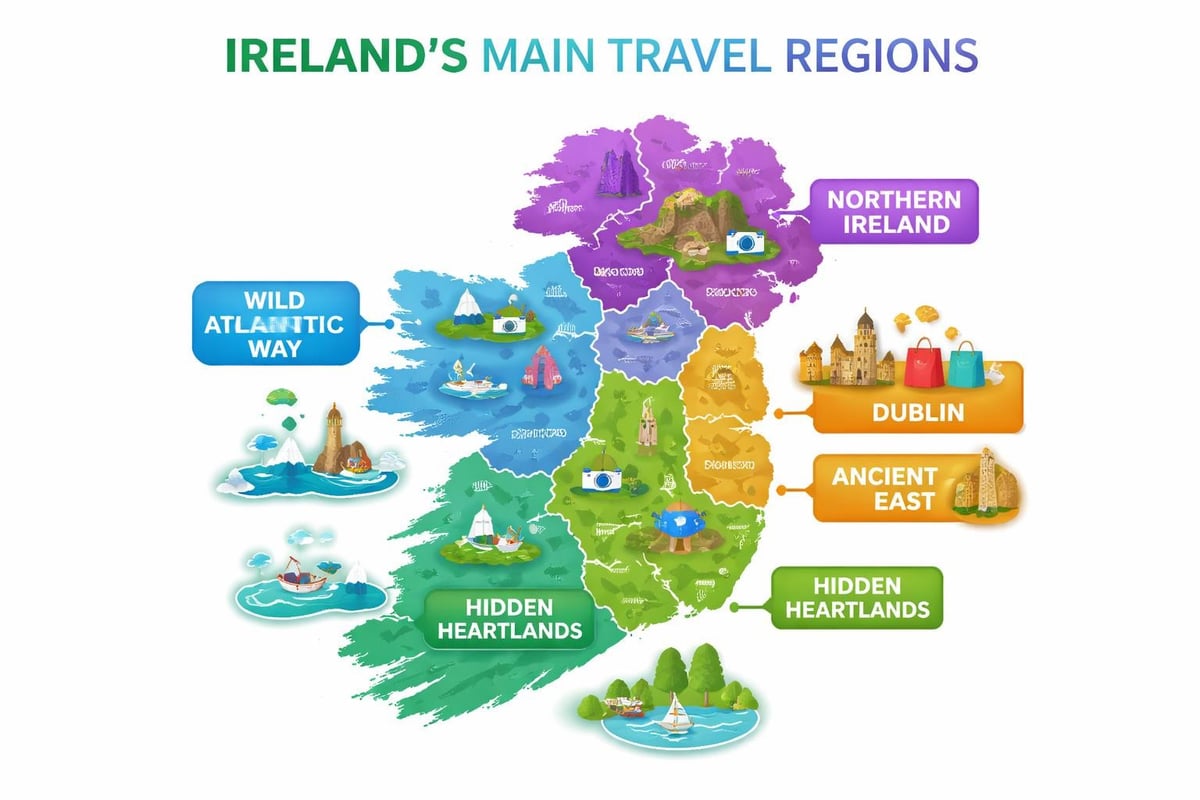
The Republic of Ireland comprises 26 counties, while Northern Ireland includes six counties. Each region offers distinct characteristics that appeal to different types of travelers. The Wild Atlantic Way stretches along the western coast, showcasing some of Europe's most dramatic ocean scenery. Ireland's Ancient East presents millennia of history through castles, monasteries, and archaeological sites.
Major Regions Worth Exploring
Understanding regional differences helps prioritize destinations based on your interests:
- Dublin and the East Coast: Urban culture, literary heritage, and coastal villages
- The West and Wild Atlantic Way: Rugged cliffs, traditional music, and Gaelic culture
- The South and Southwest: Culinary experiences, coastal beauty, and charming towns
- Northern Ireland: Giant's Causeway, Belfast's maritime history, and scenic drives
- The Midlands: Lakes, waterways, and off-the-beaten-path discoveries
The official tourism board provides detailed information about each region, helping travelers understand seasonal variations and special events throughout the year.
Planning Your Irish Adventure
Timing significantly impacts your experience when creating a comprehensive guide to Ireland. Weather patterns, tourist seasons, and local festivals all deserve consideration during the planning phase.
Best Times to Visit
| Season | Weather | Advantages | Considerations |
|---|---|---|---|
| Spring (March-May) | Mild, 45-60°F | Fewer crowds, blooming landscapes | Variable rainfall |
| Summer (June-August) | Warmest, 55-70°F | Longest days, all attractions open | Peak prices, busy sites |
| Fall (September-November) | Cool, 50-60°F | Beautiful colors, harvest festivals | Shorter days |
| Winter (December-February) | Cold, 40-50°F | Lowest prices, cozy pubs | Limited daylight, some closures |
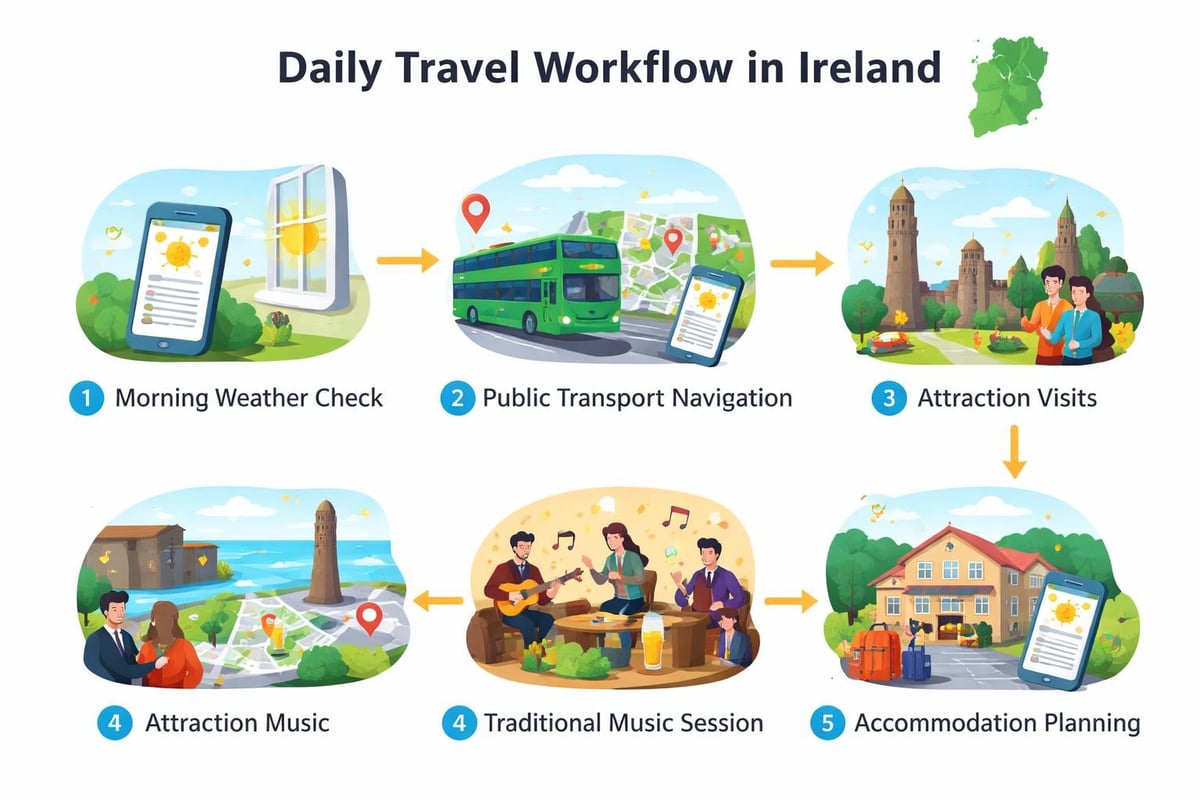
Ireland's weather remains famously unpredictable regardless of season. Checking Met Éireann before and during your trip helps you pack appropriately and adjust daily plans based on current conditions.
Transportation Considerations
Getting around requires strategic planning. Transport for Ireland coordinates public transportation options, including trains, buses, and trams across the country.
Car rental provides maximum flexibility for exploring rural areas and coastal routes. Driving occurs on the left side of the road, and roads can be narrow, particularly in countryside locations. International visitors need a valid license and should familiarize themselves with local traffic regulations.
Public transportation works well for city-to-city travel and reaching major tourist destinations. Irish Rail connects primary cities efficiently, while Bus Éireann serves smaller towns and villages throughout the country.
Many travelers find that combining transportation methods works best. Train travel between major cities, followed by car rental for regional exploration, offers both convenience and flexibility.
Must-Visit Destinations and Attractions
This guide to Ireland wouldn't be complete without highlighting essential destinations that showcase the country's diverse appeal. Balancing famous landmarks with lesser-known treasures creates a richer travel experience.
Dublin: The Cultural Capital
Dublin combines historical significance with contemporary energy. Trinity College houses the Book of Kells, a stunning illuminated manuscript from the 9th century. Temple Bar offers vibrant nightlife, though savvy travelers venture beyond this tourist hub to discover authentic local pubs in neighborhoods like Stoneybottom and Glasnevin.
The city's literary heritage runs deep. James Joyce, Samuel Beckett, and Oscar Wilde all called Dublin home, and their legacies permeate museums, walking tours, and cultural sites throughout the capital.
Natural Wonders
Ireland's landscapes provide breathtaking moments that cameras struggle to capture fully.
The Cliffs of Moher rise 702 feet above the Atlantic Ocean, stretching for five miles along County Clare's coast. Visiting during shoulder season or early morning hours helps avoid crowds while experiencing these majestic formations.
Killarney National Park encompasses 25,425 acres of mountains, lakes, and woodlands. The park includes Muckross House, Torc Waterfall, and the Gap of Dunloe, offering hiking trails suitable for various fitness levels.
The Ring of Kerry presents a 111-mile circular route through some of Ireland's most spectacular scenery. Starting early allows you to stay ahead of tour buses and enjoy peaceful moments at viewpoints and small villages along the route.
Historical and Cultural Sites
Heritage Ireland manages numerous historical sites that bring Ireland's complex past to life through well-preserved monuments and informative visitor centers.
Rock of Cashel stands as one of Ireland's most impressive historical sites. This spectacular group of medieval buildings sits on a limestone outcrop in County Tipperary, offering panoramic views and fascinating architectural details.
Newgrange predates Stonehenge and the Egyptian pyramids. This Neolithic passage tomb demonstrates sophisticated astronomical knowledge, as sunlight illuminates its inner chamber only during the winter solstice.
Cobh served as the final port of call for the Titanic. The town's heritage center tells stories of emigration, maritime history, and the millions who departed Ireland seeking new lives across the Atlantic.
Experiencing Irish Culture and Traditions
Understanding cultural nuances enriches any guide to Ireland beyond simple sightseeing. Irish hospitality, known as "céad míle fáilte" (a hundred thousand welcomes), reflects genuine warmth rather than mere tourism marketing.
Traditional Music and Dance
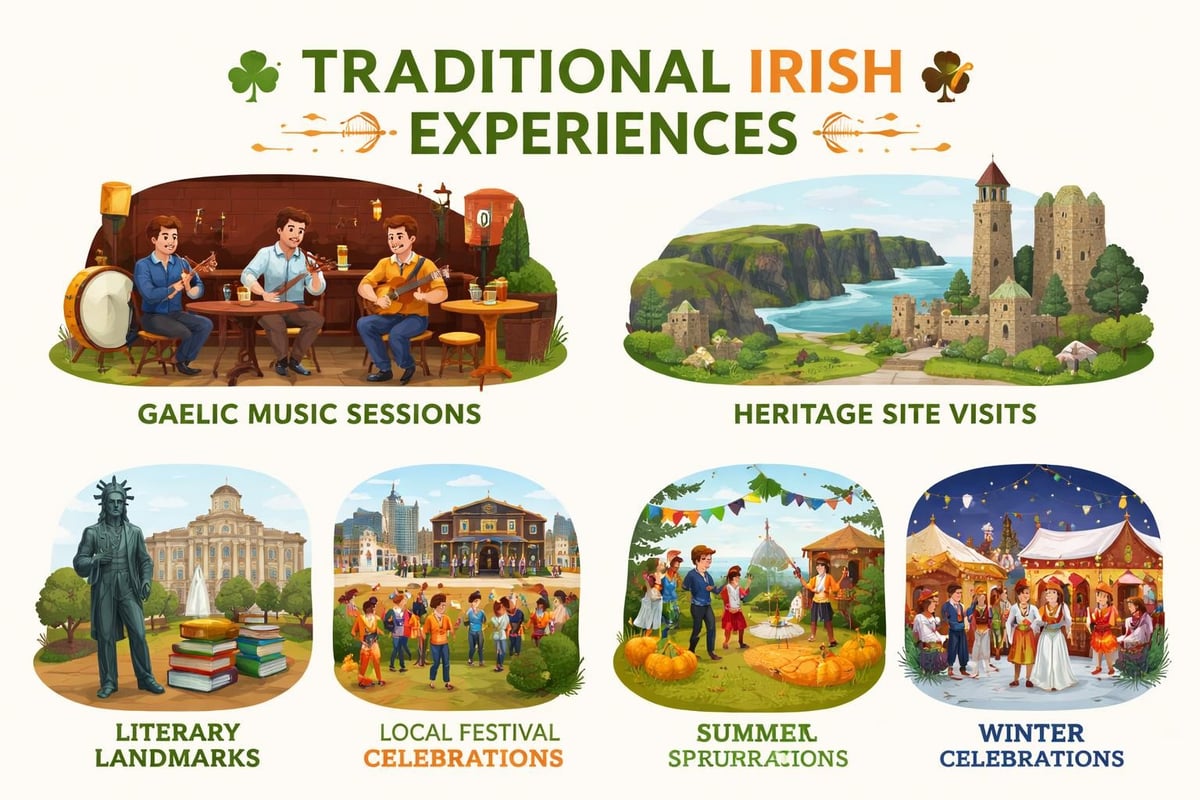
Authentic traditional music sessions occur spontaneously in pubs across Ireland. Unlike scheduled performances for tourists, these sessions welcome anyone who brings an instrument and knows the tunes. Doolin, Dingle, and Galway offer particularly strong traditional music scenes.
Asking locals for recommendations typically leads to better experiences than following generic guidebook suggestions. Bartenders and B&B hosts often know which nights feature the best musicians at neighborhood pubs.
Culinary Experiences
Irish cuisine has evolved dramatically over recent decades. Farm-to-table restaurants showcase exceptional local ingredients including grass-fed beef, Atlantic seafood, artisan cheeses, and organic vegetables.
Traditional dishes worth trying include:
- Irish stew made with lamb, potatoes, and root vegetables
- Seafood chowder featuring the day's catch
- Boxty, a traditional potato pancake
- Brown bread served with creamy Irish butter
- Full Irish breakfast to fuel a day of exploration
Food markets in cities like Cork, Dublin, and Galway present opportunities to sample local specialties while meeting producers who passionate about their craft. Similar to planning trips with an electronic travel guide, researching food destinations before arrival helps identify must-visit establishments.
Festivals and Events
Irish calendars fill with festivals celebrating everything from oysters to literature, horse racing to traditional music. St. Patrick's Day transforms cities nationwide, though locals often celebrate more quietly than international media suggests.
Galway International Arts Festival (July) showcases theater, music, visual arts, and street performances across two weeks. Puck Fair in Killorglin (August) represents Ireland's oldest festival, featuring unusual traditions dating back centuries.
Planning around regional festivals provides cultural insights impossible to gain otherwise, though advance booking becomes essential as accommodation fills quickly during popular events.
Practical Tips for Travelers
Successfully navigating Ireland requires understanding practical details that impact daily experiences. This section of our guide to Ireland addresses common questions and potential challenges.
Money and Budgeting
The Republic of Ireland uses the euro, while Northern Ireland uses the British pound sterling. Credit cards work widely, though some rural businesses and smaller establishments prefer cash.
| Category | Budget Range (Daily) | Mid-Range | Luxury |
|---|---|---|---|
| Accommodation | €30-60 | €80-150 | €200+ |
| Meals | €25-40 | €50-75 | €100+ |
| Transportation | €15-30 | €40-60 | €80+ |
| Activities | €10-20 | €30-50 | €75+ |
Tipping practices differ from American standards. Restaurant servers appreciate 10-15% for good service, while rounding up taxi fares suffices. Pub service typically doesn't require tipping unless you receive table service.
Accommodation Options
Ireland offers diverse lodging choices suited to different preferences and budgets. Traditional B&Bs provide personal service and insider knowledge from hosts familiar with their local areas. These establishments often include substantial breakfasts featuring local ingredients.
Self-catering cottages work well for families or longer stays, particularly in rural regions where restaurants may be limited. Historic castle hotels offer luxury experiences in atmospheric settings, though premium prices reflect unique amenities.
Booking ahead proves essential during summer months and festival periods. Properties in popular locations like Killarney, Galway, and the Dingle Peninsula fill months in advance during peak season.
Communication and Connectivity
English serves as the primary language, though Irish (Gaelic) appears on road signs and remains spoken in Gaeltacht regions along the western coast. Learning a few Irish phrases shows cultural respect and often delights locals.
WiFi availability has improved significantly, with most accommodations, restaurants, and cafes offering free connectivity. Mobile coverage reaches most areas, though remote coastal and mountain regions may experience gaps in service.
Regional Deep Dives
Different regions reward travelers with distinctive experiences that deserve focused attention in any comprehensive guide to Ireland.
The Wild Atlantic Way
This 1,600-mile coastal route ranks among the world's greatest road trips. Rather than attempting the entire route, focus on specific sections based on available time.
The Northern Headlands section includes Donegal's dramatic coastline, Slieve League cliffs (nearly three times higher than the Cliffs of Moher), and Glenveagh National Park. The Surf Coast around Sligo offers excellent waves and beautiful beaches, while the Bay Coast encompasses Galway city and Connemara's wild beauty.
Ireland's Ancient East
This region tells 5,000 years of history through remarkably preserved monuments and medieval towns. The Boyne Valley holds Newgrange, Knowth, and other prehistoric sites, while Kilkenny impresses with its medieval architecture and thriving arts scene.
Waterford's Viking Triangle presents well-preserved medieval walls and museums documenting Norse settlement. Nearby, the Hook Peninsula features Ireland's oldest operational lighthouse and scenic coastal villages that receive fewer visitors than western counterparts.
Northern Ireland's Treasures
The Giant's Causeway stands as Northern Ireland's only UNESCO World Heritage Site. These 40,000 interlocking basalt columns create otherworldly formations along the Antrim coast. National Geographic's Ireland guide provides stunning photography and scientific explanations for this geological wonder.
Belfast has transformed from troubled past to vibrant present. Titanic Belfast tells the story of the ill-fated ship built in the city's shipyards, while political murals throughout the city document the complex history of the Troubles.
The Causeway Coastal Route connects Belfast to Londonderry, passing through picturesque villages like Cushendall and Ballycastle. Game of Thrones filming locations dot this landscape, attracting fans seeking real-world counterparts to Westeros.
Making the Most of Your Journey
Travelers who approach Ireland with flexibility and curiosity often discover their most memorable experiences happen spontaneously. While planning provides structure, allowing time for unscheduled exploration creates opportunities for authentic connections.
Connecting with Locals
Irish people generally enjoy conversation and readily share recommendations with interested visitors. Asking questions in shops, pubs, and at attractions often yields better information than any printed guide.
Participating in community events, attending local sporting matches, or joining walking groups provides glimpses into daily Irish life beyond tourist experiences. These interactions create lasting memories and often lead to unexpected friendships.
Respecting the Environment
Ireland's natural beauty requires conscientious stewardship. Stay on marked trails, carry out all trash, and respect wildlife habitats. Popular sites like the Cliffs of Moher experience significant environmental pressure from millions of annual visitors.
Supporting local businesses, choosing eco-friendly accommodations, and minimizing single-use plastics all contribute to sustainable tourism. Many Irish businesses actively prioritize environmental responsibility, and travelers can support these efforts through informed choices.
Digital Resources for Enhanced Experiences
Modern travelers benefit from combining traditional research with digital tools. Lonely Planet's comprehensive Ireland coverage offers detailed neighborhood guides and practical advice that complements on-the-ground exploration.
Digital guides provide real-time updates, interactive maps, and the ability to save favorite locations for offline access. The Awesome Guide to Ireland offers curated recommendations and insider tips that help travelers discover both famous attractions and hidden treasures throughout the country.
Beyond the Typical Tourist Trail
Seeking experiences beyond standard itineraries reveals Ireland's authentic character. Small towns, rural landscapes, and local gatherings offer perspectives impossible to gain while rushing between major attractions.
Lesser-Known Destinations
The Beara Peninsula provides similar beauty to the Ring of Kerry with far fewer tourists. Scenic drives, walking trails, and charming villages like Castletownbere offer peaceful alternatives to crowded hotspots.
Achill Island in County Mayo features dramatic landscapes, pristine beaches, and excellent hiking opportunities. Connected to the mainland by bridge, this island maintains a remote feel while remaining accessible.
The Burren presents a unique limestone landscape unlike anywhere else in Ireland. This karst region supports rare Arctic-alpine and Mediterranean plants growing side by side, creating an ecosystem of remarkable botanical diversity.
Seasonal Activities
Winter brings opportunities for coastal storm watching, particularly along the Wild Atlantic Way. Massive waves crash against cliffs and shorelines, creating spectacular displays best viewed from safe vantage points.
Spring lambing season transforms rural landscapes as newborn sheep appear in fields throughout the countryside. Summer offers endless daylight for exploration, while autumn harvest festivals celebrate local food and agriculture.
Adapting activities to seasonal conditions ensures enjoyable experiences regardless of when you visit. Similar to how travelers use guides for other destinations like the Awesome Guide to Scotland, understanding seasonal variations helps optimize your Irish adventure.
Active Adventures
Ireland accommodates various activity levels and interests. Walking and hiking range from gentle coastal paths to challenging mountain ascents. The Wicklow Way, Kerry Way, and Dingle Way offer multi-day trekking experiences through diverse landscapes.
Cycling has grown increasingly popular, with dedicated greenways following former railway lines and canal towpaths. The Great Western Greenway in County Mayo covers 26 miles of traffic-free cycling through beautiful countryside.
Water sports thrive along Ireland's extensive coastline. Surfing, kayaking, stand-up paddleboarding, and sailing all attract enthusiasts to various coastal locations. Bundoran and Lahinch rank among Ireland's premier surfing destinations.
Practical Preparations Before Departure
Thorough preparation enhances enjoyment and minimizes potential complications during your travels. This guide to Ireland emphasizes planning elements that significantly impact your experience.
Documentation and Requirements
EU citizens need only valid identification, while visitors from other countries require passports and may need visas depending on nationality and length of stay. Checking current requirements well before departure prevents last-minute complications.
Travel insurance provides valuable protection against unexpected medical expenses, trip cancellations, or lost belongings. Comprehensive policies typically cost a small percentage of total trip expenses while offering substantial peace of mind.
Packing Essentials
Ireland's weather demands versatile clothing suitable for multiple conditions during a single day. Layering proves more effective than heavy jackets, allowing adjustment as temperatures and precipitation fluctuate.
Essential items include:
- Waterproof jacket with hood
- Comfortable walking shoes with good traction
- Quick-dry clothing layers
- Small daypack for excursions
- Universal power adapter (Type G plug)
- Reusable water bottle
Digital travelers appreciate having offline maps, downloaded guides, and backup power sources. Having important documents, reservations, and contact information accessible both digitally and in printed format provides redundancy if technology fails.
Health and Safety
Ireland presents minimal health risks for most travelers. Tap water is safe to drink throughout the country, and food safety standards meet high European Union requirements.
Pharmacies stock common medications, though bringing prescription medicines in original containers with documentation prevents potential issues. The European Health Insurance Card (EHIC) provides EU citizens access to necessary healthcare, while travel insurance covers non-EU visitors.
Crime rates remain low compared to many destinations, though standard precautions regarding valuables and awareness in crowded tourist areas apply. Emergency services use the universal 112 number throughout Ireland.
Ireland rewards travelers who approach the country with open minds and adventurous spirits, combining careful planning with spontaneous discovery. From ancient heritage sites to contemporary cultural scenes, dramatic coastlines to welcoming pubs, the Emerald Isle offers experiences that resonate long after you return home. Awesome Travel Guides provides comprehensive digital resources designed to help you navigate Ireland with confidence, uncover hidden gems, and create authentic connections that transform a simple vacation into an unforgettable journey through one of Europe's most enchanting destinations.