

Trips to Scotland: Your Complete Planning Guide for 2026
Scotland stands as one of Europe's most captivating destinations, offering travelers a remarkable blend of dramatic landscapes, rich history, and vibrant culture. From the cobblestone streets of Edinburgh to the rugged peaks of the Highlands, trips to Scotland promise unforgettable experiences for every type of adventurer. Whether you're drawn to ancient castles, world-class whisky distilleries, or breathtaking natural scenery, this northern nation delivers authenticity and wonder at every turn. Planning your journey requires understanding the unique characteristics that make Scotland special, from its unpredictable weather patterns to its deeply rooted traditions that continue to shape modern Scottish life.
Understanding Scotland's Diverse Regions
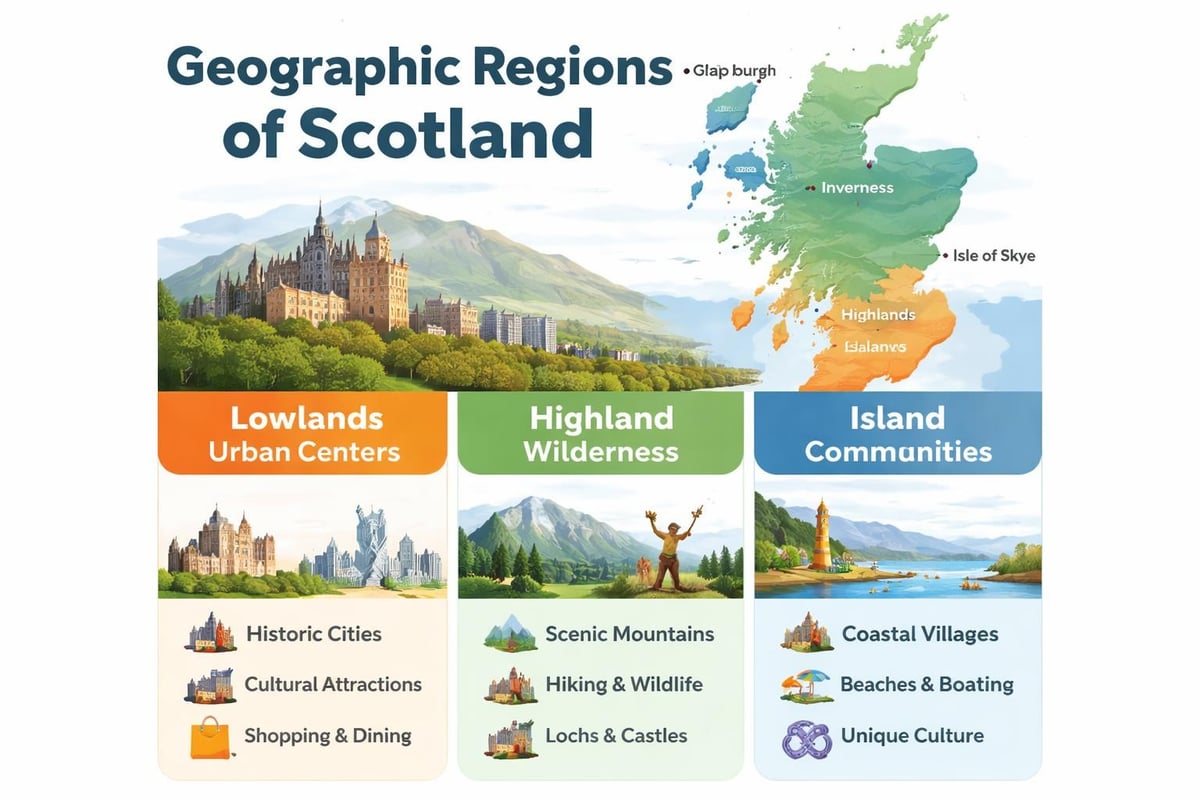
Scotland's geography divides into distinct regions, each offering unique attractions and experiences that cater to different traveler preferences. The Lowlands, encompassing Edinburgh and Glasgow, showcase urban sophistication alongside historical significance. These cities provide world-class museums, architectural marvels, and thriving culinary scenes that rival any European capital.
The Highlands represent Scotland's wild heart, where mountains, lochs, and glens create landscapes that appear unchanged for centuries. This region attracts outdoor enthusiasts, photographers, and anyone seeking solitude among nature's grandeur. Fort William, Inverness, and numerous small villages serve as gateways to adventures ranging from hiking Ben Nevis to exploring the mysterious Loch Ness.
The Scottish Islands Experience
Scotland's islands deserve special consideration when planning your itinerary. The Inner Hebrides, including Skye, Mull, and Islay, offer accessible island experiences with dramatic coastal scenery and strong cultural traditions. The Outer Hebrides present more remote adventures, where Gaelic culture thrives and pristine beaches rival tropical destinations.
Orkney and Shetland islands in the north provide archaeological wonders and Viking heritage that distinguish them from mainland Scotland. These islands reward travelers who venture beyond typical tourist routes with unique wildlife encounters, ancient stone circles, and communities that maintain distinct identities.
Essential Planning Considerations for Your Journey
Timing Your Visit
Scotland experiences four distinct seasons, each offering different advantages for travelers. Summer months (June through August) provide the longest daylight hours and warmest temperatures, making them ideal for outdoor activities and island exploration. However, this period also sees peak tourist numbers and higher accommodation prices.
Spring and autumn offer compelling alternatives:
- Fewer crowds at popular attractions
- Moderate weather conditions suitable for hiking
- Lower accommodation rates in many areas
- Beautiful natural color changes in landscapes
- Festival opportunities in major cities
Winter trips to Scotland appeal to those seeking dramatic scenery, potential snow-capped mountains, and festive celebrations. Edinburgh's Hogmanay (New Year) celebration ranks among the world's most spectacular, while the Highlands transform into a winter wonderland perfect for atmospheric castle visits.
The National Geographic guide to visiting Scotland provides comprehensive insights into seasonal variations and helps travelers determine the best timing for their specific interests.
Transportation Options and Logistics
Navigating Scotland requires understanding available transportation methods and their respective advantages. Renting a car provides maximum flexibility, particularly for exploring remote Highlands and islands accessible by ferry. Driving occurs on the left side of the road, and single-track roads in rural areas require courtesy and attention.
| Transportation Method | Best For | Limitations | Cost Level |
|---|---|---|---|
| Rental Car | Highland exploration, flexible schedules | Parking in cities, left-side driving adjustment | Medium-High |
| Train | City connections, scenic routes | Limited rural access, fixed schedules | Medium |
| Coach Tours | Hassle-free sightseeing, social travel | Less flexibility, group pace | Low-Medium |
| Public Buses | Budget travel, local immersion | Slower travel times, limited frequencies | Low |
Scotland's train network connects major cities efficiently, with particularly scenic routes like the West Highland Line from Glasgow to Mallaig offering breathtaking views. Lonely Planet's travel preparation guide discusses transportation nuances that first-time visitors should understand.
Must-Visit Destinations and Hidden Gems
Edinburgh: Scotland's Capital City
Edinburgh combines medieval history with contemporary culture in a compact, walkable city center. The Royal Mile connects Edinburgh Castle to the Palace of Holyroodhouse, passing countless historic buildings, museums, and traditional pubs along the way.
Essential Edinburgh experiences include:
- Climbing Arthur's Seat for panoramic city views
- Exploring the National Museum of Scotland
- Walking through the atmospheric Old Town wynds
- Visiting the Scottish National Gallery
- Experiencing the Edinburgh Fringe Festival (August)
The city's compact nature allows visitors to accomplish significant sightseeing within a few days, making Edinburgh an ideal base for trips to Scotland that combine urban culture with day excursions to surrounding areas.
The Scottish Highlands Adventure
The Highlands encompass Scotland's most iconic landscapes and outdoor opportunities. Glen Coe stands as perhaps the most photographed glen, where dramatic mountains frame the valley in striking compositions that change with weather and light conditions.
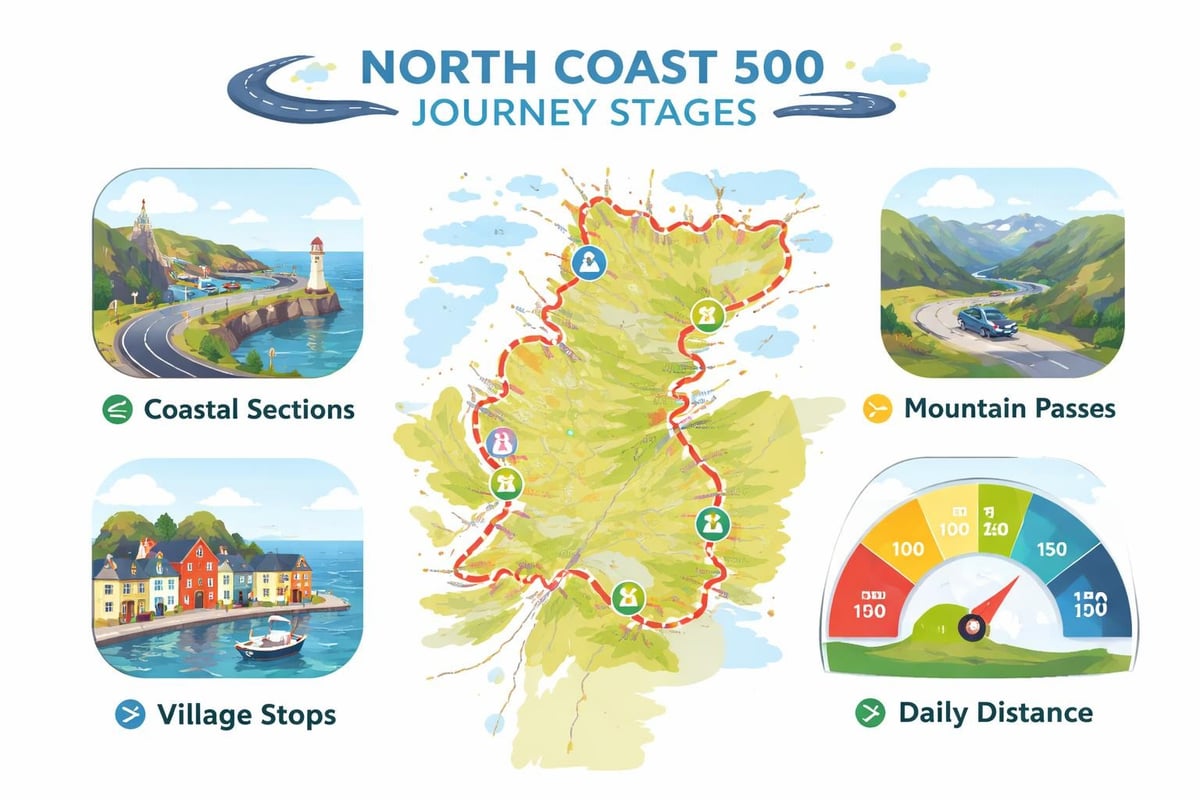
The North Coast 500 route has emerged as Scotland's answer to famous scenic drives worldwide. This 516-mile circuit around the northern Highlands showcases coastal cliffs, pristine beaches, mountain passes, and charming villages that remain largely undiscovered by international tourism.
Isle of Skye: Natural Wonder
Skye ranks among Scotland's most beloved islands, offering concentrated natural beauty accessible via bridge from the mainland. The Cuillin Mountains provide challenging climbs for experienced hillwalkers, while coastal features like the Old Man of Storr and Quiraing offer spectacular scenery for casual hikers.
Fairy Pools near Glen Brittle have become Instagram-famous but reward early morning visitors with relative solitude and crystal-clear mountain streams. Dunvegan Castle, the oldest continuously inhabited castle in Scotland, provides historical context alongside stunning loch-side gardens.
Cultural Insights and Local Customs
Scottish Hospitality and Etiquette
Scottish culture values friendliness, honesty, and respect for personal space. Pub culture plays a central role in Scottish social life, where locals gather for conversation over drinks. Engaging with bartenders and fellow patrons often yields valuable local recommendations that enhance trips to Scotland beyond guidebook suggestions.
Tipping practices in Scotland follow British conventions, with 10-15% considered appropriate in restaurants when service isn't included. Pub service typically doesn't require tips for drinks ordered at the bar, though rounding up bills is appreciated.
Language and Communication
While English serves as the primary language, travelers encounter Scots and Scottish Gaelic in various regions. The Scots dialect includes unique vocabulary and pronunciation that may initially challenge visitors. Most Scots speak standard English when addressing tourists but appreciate efforts to understand local expressions.
Common Scottish terms travelers encounter:
- "Aye" means yes
- "Wee" means small
- "Bonnie" means beautiful or pretty
- "Loch" refers to a lake
- "Glen" indicates a valley
The Scotland travel tips guide covers communication nuances that help visitors navigate conversations with confidence.
Food, Drink, and Culinary Experiences
Scotland's culinary scene has evolved dramatically in recent years, moving beyond stereotypical haggis to embrace modern gastronomy while honoring traditional ingredients. Edinburgh and Glasgow boast Michelin-starred restaurants alongside casual eateries serving elevated versions of Scottish classics.
Traditional Scottish Cuisine
Classic dishes worth trying:
- Haggis, neeps, and tatties: Scotland's national dish served with turnips and potatoes
- Cullen Skink: Creamy smoked haddock soup
- Scotch pie: Savory meat pie sold in bakeries
- Cranachan: Traditional dessert of cream, oats, whisky, and raspberries
- Black pudding: Blood sausage featured in full Scottish breakfasts
Seafood excels throughout coastal Scotland, with fresh langoustines, scallops, salmon, and oysters appearing on menus from casual fish and chip shops to fine dining establishments.
Whisky Heritage and Distillery Tours
Scotland produces whisky across five distinct regions, each imparting characteristic flavors based on local conditions and production methods. Speyside contains the highest concentration of distilleries, producing typically sweet, elegant whiskies. Islay creates heavily peated, smoky expressions that divide opinion among enthusiasts.
Distillery tours range from brief introductory visits to in-depth experiences exploring warehousing, blending, and rare cask tastings. Many trips to Scotland incorporate at least one distillery visit, providing insight into this iconic Scottish export while enjoying scenic countryside locations.
Outdoor Activities and Adventure Opportunities
Scotland's landscapes naturally lend themselves to outdoor pursuits across all skill levels. The Scottish Outdoor Access Code grants public access to most land, enabling hiking, wild camping, and exploration beyond designated trails when conducted responsibly.
Hiking and Hillwalking
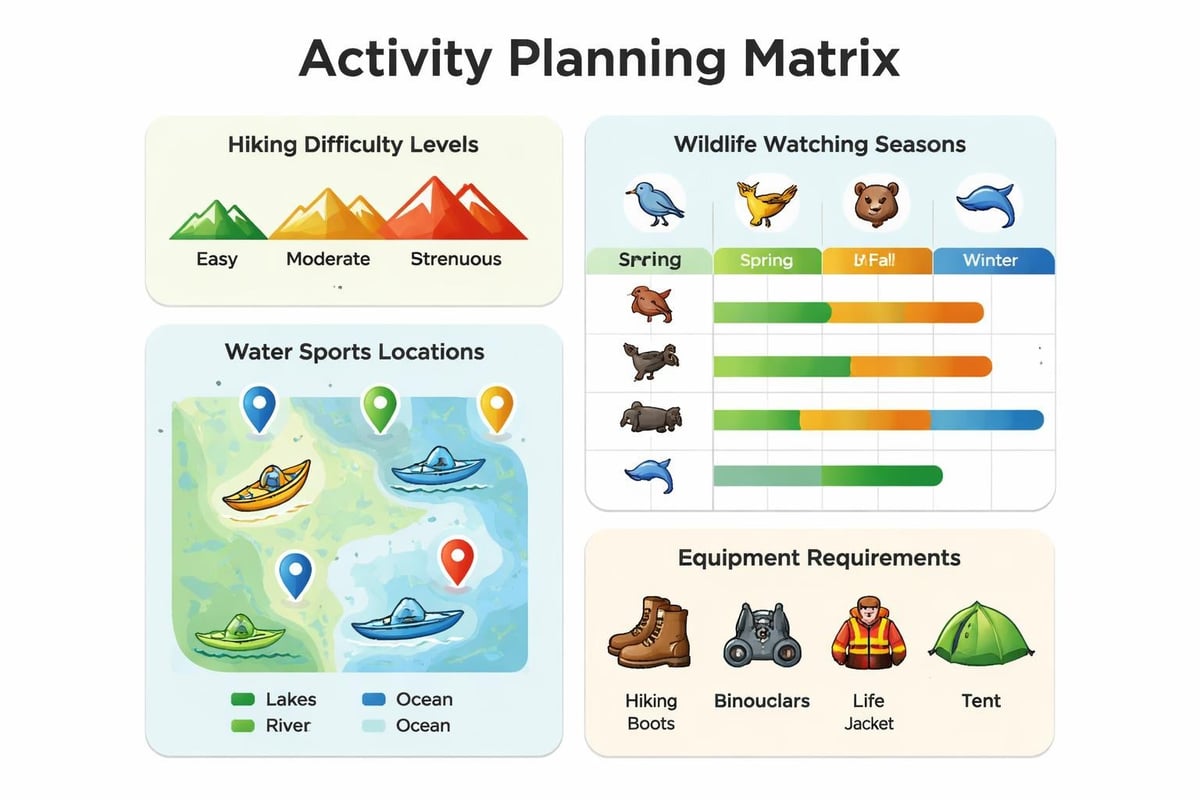
Scotland maintains hundreds of marked trails alongside countless informal routes through mountains, glens, and coastal paths. Munro bagging, the pursuit of climbing Scotland's 282 peaks over 3,000 feet, attracts dedicated enthusiasts who spend years completing the list.
Popular hiking destinations include:
- West Highland Way (96-mile long-distance trail)
- Cairngorms National Park trail network
- Ben Nevis (Britain's highest peak at 4,413 feet)
- Skye's Trotternish Ridge
- Fife Coastal Path
Weather changes rapidly in Scottish mountains, requiring proper preparation even for seemingly straightforward walks. The common mistakes guide helps visitors avoid dangerous situations through inadequate planning.
Wildlife Watching and Nature Experiences
Scotland supports remarkable wildlife populations, from red deer in the Highlands to puffins on coastal cliffs. The Cairngorms host Britain's only reindeer herd, while the Moray Firth offers opportunities to spot bottlenose dolphins from shore.
Golden eagles soar over remote glens, red squirrels inhabit pine forests, and otters frequent coastal waters and rivers. Specialized wildlife tours increase chances of sightings, though patient independent travelers often encounter memorable wildlife moments during their explorations.
Practical Information for Modern Travelers
Digital Resources and Travel Guides
Modern trips to Scotland benefit enormously from digital resources that provide real-time information and offline access. Electronic travel guides offer advantages over traditional guidebooks through regular updates, interactive maps, and searchable content that helps travelers quickly find relevant information.
Weather apps prove essential given Scotland's changeable conditions, while transportation apps help navigate public transit options and ferry schedules. Booking platforms for accommodations and activities enable flexible planning while ensuring availability during peak seasons.
Accommodation Strategies
Scotland offers diverse accommodation options spanning luxury hotels, traditional bed and breakfasts, self-catering cottages, and budget hostels. Booking advance accommodation proves essential for popular destinations during summer months and festival periods.
| Accommodation Type | Advantages | Typical Cost Range | Best For |
|---|---|---|---|
| Hotels | Amenities, city centers, consistent quality | £80-300+ per night | Short stays, urban exploration |
| B&Bs | Local hospitality, breakfast included, character | £60-120 per night | Cultural immersion, couples |
| Self-Catering | Kitchen facilities, space, value for groups | £70-200+ per night | Families, longer stays |
| Hostels | Budget-friendly, social atmosphere | £20-50 per night | Solo travelers, backpackers |
Rural accommodations often provide spectacular settings and authentic Scottish hospitality, though they may lack some urban conveniences. The Awesome Guide to Scotland includes carefully vetted accommodation recommendations across all budgets and regions.
Budgeting and Cost Considerations
Scotland presents moderate to expensive travel costs compared to other European destinations. Major cities command higher prices for accommodations and dining, while rural areas often offer better value despite limited options.
Average daily budget estimates (per person):
- Budget traveler: £50-80 (hostels, self-catering, public transport)
- Mid-range traveler: £100-180 (B&Bs, moderate restaurants, some tours)
- Luxury traveler: £250+ (hotels, fine dining, private experiences)
Entrance fees for castles and attractions typically range from £8-20, while distillery tours cost £10-50 depending on duration and tastings included. Free attractions include numerous museums, hiking trails, and natural sites that provide exceptional experiences without admission charges.
Making the Most of Limited Time
Three-Day Edinburgh Itinerary
Short trips to Scotland often focus on Edinburgh due to excellent international flight connections and concentrated attractions. Three days allows comprehensive exploration while maintaining a relaxed pace.
Day one covers Edinburgh Castle, Royal Mile exploration, and evening pub visits in Grassmarket. Day two combines Arthur's Seat hiking, National Museum visits, and Princes Street shopping. Day three ventures to either coastal Portobello, historic Rosslyn Chapel, or Holyrood Palace depending on preferences.
Week-Long Highland Circuit
Seven days enables a satisfying Highland experience combining scenery, history, and outdoor activities. Beginning in Edinburgh or Glasgow, travelers can circuit through Glencoe, Fort William, Isle of Skye, Inverness, and Cairngorms National Park before returning south.
This itinerary balances driving time with sightseeing, allowing overnight stays in distinct locations while avoiding excessive packing and unpacking. The Scotland travel page provides detailed routing suggestions and daily activity recommendations.
Extended Scottish Exploration
Two weeks or more permits comprehensive trips to Scotland incorporating islands, remote regions, and deeper cultural immersion. Extended visits allow pursuing specific interests whether whisky tourism, genealogy research, golf experiences, or nature photography.
Slower travel rhythms reduce stress while increasing authentic interactions with local communities. Spending multiple nights in strategic bases enables day trips radiating outward while maintaining comfortable accommodation familiarity.
Weather Preparation and Packing Essentials
Scotland's maritime climate produces changeable weather conditions that can shift dramatically within hours. The saying "four seasons in one day" accurately describes many Scottish weather experiences, particularly in mountainous regions.
Essential items for trips to Scotland:
- Waterproof jacket with hood (non-negotiable year-round)
- Layered clothing system allowing temperature adjustment
- Waterproof hiking boots for countryside exploration
- Compact umbrella for urban sightseeing
- Warm fleece or sweater even during summer
- Sun protection including sunscreen and sunglasses
Winter visitors require additional cold weather gear including gloves, warm hats, and thermal base layers. The updated travel tips for 2026 address current weather patterns and preparation strategies.
Sustainable and Responsible Tourism
Scotland's natural beauty faces pressure from increasing visitor numbers, making responsible tourism practices crucial for preservation. The Scottish Outdoor Access Code provides guidelines ensuring public access rights coexist with environmental protection and landowner respect.
Responsible travel practices include:
- Following Leave No Trace principles during outdoor activities
- Supporting local businesses and accommodation providers
- Respecting wildlife by maintaining appropriate distances
- Avoiding overcrowded sites during peak times when possible
- Using public transportation or car-sharing when feasible
- Properly disposing of waste and recycling materials
Many popular sites now implement visitor management systems to reduce environmental impact. Arriving early or late in the day often provides better experiences while distributing visitor pressure throughout daylight hours.
Festival and Event Opportunities
Scotland's festival calendar offers incredible opportunities for cultural immersion throughout the year. Edinburgh's August festivals transform the city into the world's largest arts celebration, with thousands of performances spanning comedy, theatre, music, and dance.
Notable annual events:
- Edinburgh Festival Fringe (August)
- Royal Edinburgh Military Tattoo (August)
- Hogmanay New Year celebrations (December 31-January 1)
- Highland Games season (May-September)
- Beltane Fire Festival (April 30)
- Up Helly Aa Viking fire festival in Shetland (January)
Festival periods require advance planning for accommodations and popular performances but reward visitors with unique cultural experiences unavailable during quieter periods.
Connecting with Scottish Heritage
Many travelers with Scottish ancestry incorporate genealogy research into their visits, exploring ancestral regions and visiting heritage sites. Scotland maintains excellent genealogical records, with resources at the National Records of Scotland in Edinburgh assisting family history research.
Clan heritage centers throughout Scotland provide information about specific clan histories, tartans, and historical territories. These sites offer meaningful connections for diaspora Scots while educating all visitors about Scotland's complex clan system and its historical significance.
Historical sites ranging from Culloden Battlefield to Stirling Castle bring Scottish history alive through excellent interpretation and immersive experiences. Understanding historical context enriches appreciation for modern Scottish culture and identity.
Planning trips to Scotland requires balancing diverse attractions, unpredictable weather, and regional variations to create itineraries matching individual interests and timeframes. The combination of natural beauty, rich history, and warm hospitality ensures memorable experiences whether exploring for three days or three weeks. Awesome Travel Guides provides comprehensive digital resources that help travelers navigate Scotland's complexities with insider knowledge, practical tips, and curated recommendations that transform good trips into extraordinary adventures. Our Scotland-focused guides deliver the detailed information and hidden gems that enable confident, authentic exploration of this remarkable destination.