

France Travel Guide: Planning Your Perfect French Adventure
France remains one of the world's most captivating destinations, drawing millions of visitors each year with its unparalleled blend of culture, cuisine, history, and natural beauty. Whether you're dreaming of exploring Parisian boulevards, sipping wine in Bordeaux vineyards, or relaxing on Mediterranean beaches, france travel offers experiences that cater to every type of traveler. Planning a trip to this diverse country requires thoughtful preparation, from understanding regional differences to navigating transportation networks and cultural customs. This comprehensive guide will equip you with the essential knowledge and practical strategies needed to create an authentic and memorable French adventure in 2026.
Understanding France's Diverse Regions
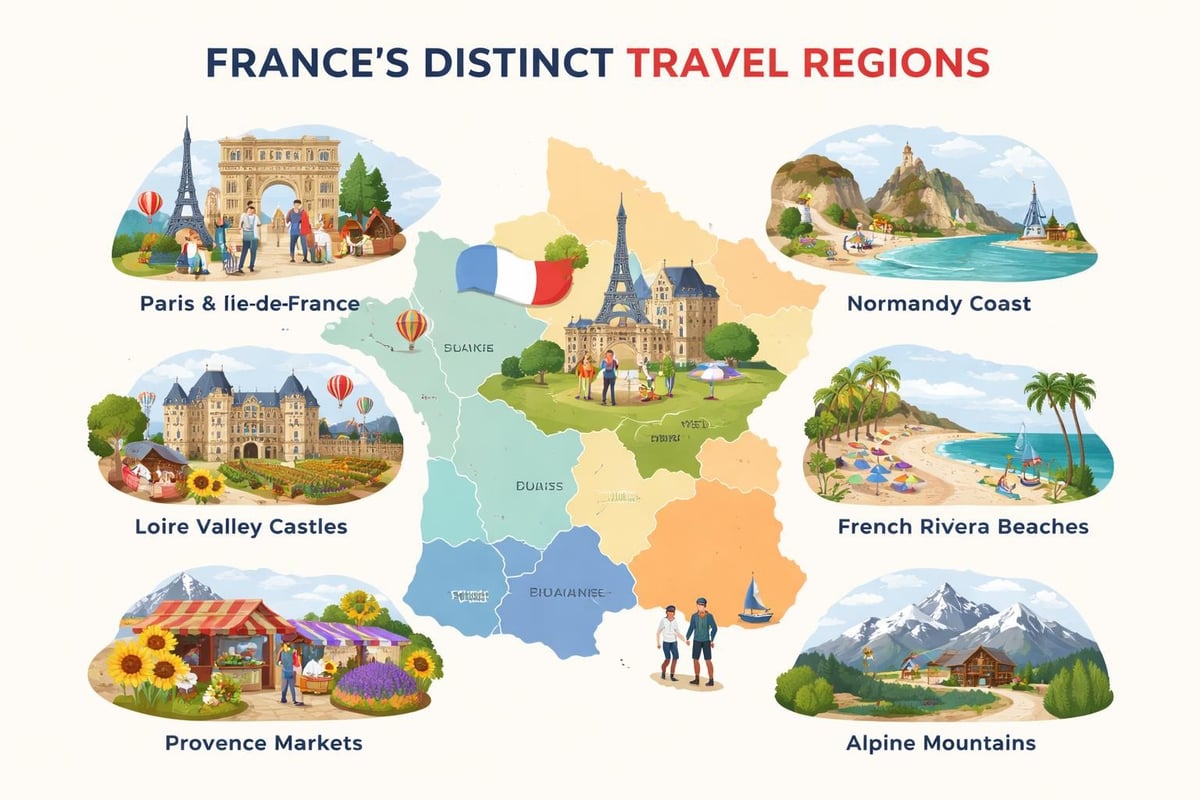
France's regional diversity is one of its greatest assets for travelers. Each area possesses distinct characteristics, from dialects and architectural styles to culinary traditions and landscapes. The country's administrative divisions include 18 regions, but for travel purposes, understanding the major cultural zones helps you prioritize destinations based on your interests.
Northern France and Paris
The northern regions center around Paris, the capital city that serves as most travelers' introduction to france travel. Beyond the Eiffel Tower and Louvre Museum, Paris offers world-class dining, fashion districts, and neighborhood charm in areas like Montmartre and Le Marais. The surrounding Île-de-France region contains the Palace of Versailles and Disneyland Paris, making it convenient for day trips.
Further north, the Normandy region holds significant historical importance with its D-Day landing beaches, while Brittany offers rugged coastlines and Celtic heritage. These areas provide a cooler climate and seafood-focused cuisine that contrasts sharply with southern France.
The Loire Valley and Central France
Often called the "Garden of France," the Loire Valley showcases over 300 châteaux set among vineyards and riverside towns. This UNESCO World Heritage site represents French Renaissance architecture at its finest, with notable castles including Château de Chambord and Château de Chenonceau. The region's moderate climate and gentle landscapes make it ideal for cycling tours and wine tasting.
Central France, including the Auvergne region, features volcanic landscapes and thermal springs that attract travelers seeking natural wellness experiences and outdoor adventures less common in typical france travel itineraries.
Southern France: Provence, Côte d'Azur, and Beyond
Southern France epitomizes the Mediterranean lifestyle that draws visitors year-round. Provence enchants with lavender fields, Roman ruins, and hilltop villages like Gordes and Roussillon. The region's markets overflow with fresh produce, herbs, and artisan goods that reflect the farm-to-table ethos of French cuisine.
The French Riviera (Côte d'Azur) stretches from Saint-Tropez to Monaco, offering glamorous beach resorts, art museums, and yacht-filled harbors. Nice serves as an excellent base for exploring the coastline, while inland areas like Grasse showcase the perfume industry's heritage.
The southwestern regions near Spain, including Occitanie, provide access to the Pyrenees mountains, medieval fortified cities like Carcassonne, and the wine region of Bordeaux. This area receives fewer international tourists, offering authentic experiences for those willing to venture beyond the standard routes.
Planning Your France Travel Timeline
| Season | Advantages | Considerations | Best For |
|---|---|---|---|
| Spring (March-May) | Mild weather, blooming gardens, moderate crowds | Occasional rain, variable temperatures | Countryside visits, wine regions |
| Summer (June-August) | Warmest weather, longest days, festival season | Peak crowds, higher prices, August closures | Beaches, outdoor activities |
| Fall (September-November) | Harvest season, comfortable temperatures, fewer tourists | Shorter days, cooling weather | Food experiences, cultural sites |
| Winter (December-February) | Lowest prices, Christmas markets, ski season | Cold weather, limited hours, some closures | Cities, Alpine skiing, budget travel |
Timing significantly impacts your france travel experience. Summer brings perfect beach weather but also overwhelming crowds at major attractions and premium pricing for accommodations. Many Parisians vacation in August, leading to restaurant and shop closures in the capital while coastal areas overflow with visitors.
Spring and fall offer the sweet spot for balanced weather, manageable crowds, and reasonable prices. Rick Steves' France guide emphasizes these shoulder seasons for their authentic local atmosphere and comfortable touring conditions.
Winter france travel appeals to budget-conscious travelers and winter sports enthusiasts. The French Alps rival Switzerland for skiing, while cities like Paris and Lyon showcase holiday decorations and festive markets. However, expect reduced operating hours at attractions and pack for cold, potentially wet weather.
Essential Practical Information
Transportation Networks
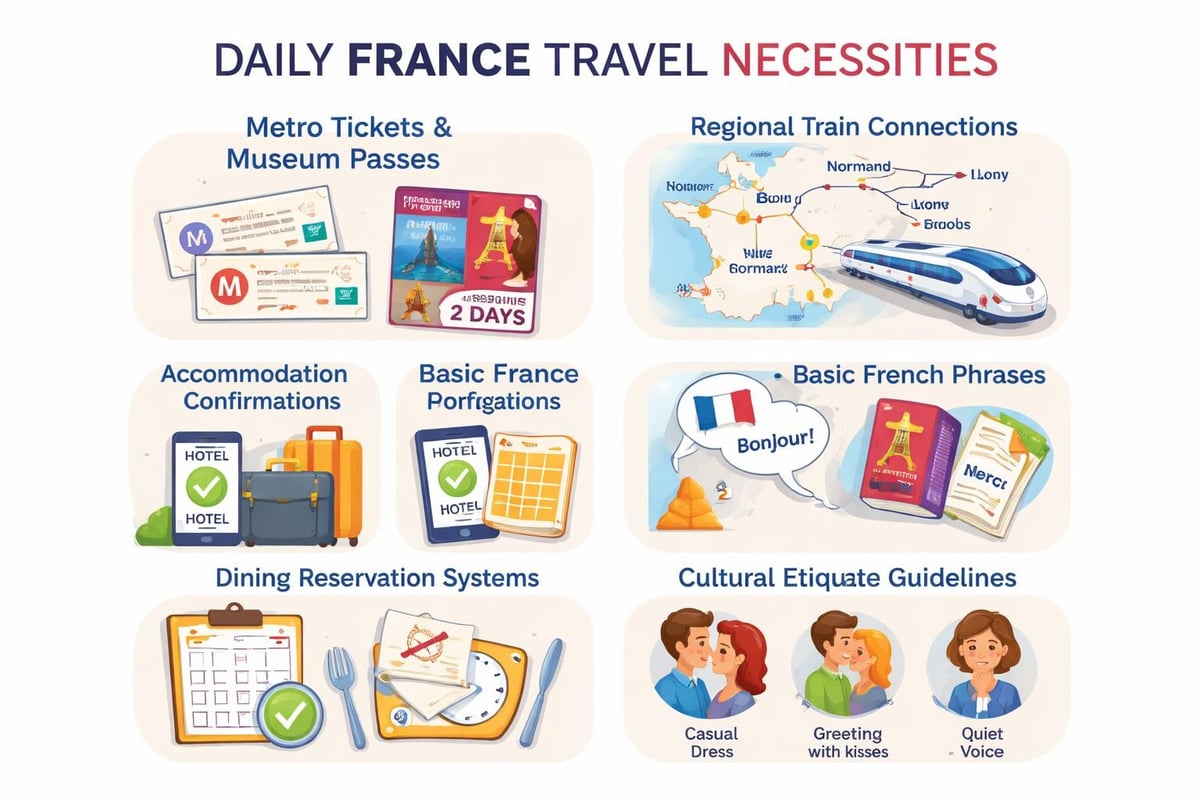
France's transportation infrastructure ranks among Europe's best, making inter-city travel efficient and comfortable. The SNCF rail network connects major cities through high-speed TGV trains, which can transport you from Paris to Lyon in two hours or Paris to Marseille in just over three hours. Booking rail tickets in advance often yields significant discounts compared to last-minute purchases.
Regional trains (TER) serve smaller towns and rural areas, though frequency may be limited in remote regions. For maximum flexibility, especially in Provence, Brittany, or the Loire Valley, renting a car opens access to villages and countryside attractions poorly served by public transit.
Within cities, metro systems in Paris, Lyon, and Marseille provide efficient urban transportation. Paris's extensive métro network remains the most comprehensive, supplemented by buses and regional RER trains. Consider purchasing multi-day transit passes for cost savings on frequent trips.
Accommodation Strategies
France offers accommodation options spanning every budget level and travel style. Paris hotels command premium prices, particularly in central arrondissements, but booking in advance or choosing boutique properties in outer districts can reduce costs substantially. The rise of vacation rentals provides apartment options ideal for families or extended stays.
Outside major cities, chambres d'hôtes (bed and breakfasts) offer intimate experiences with local hosts, often including home-cooked meals showcasing regional specialties. Rural gîtes provide self-catering cottages perfect for week-long stays exploring a specific region.
For budget france travel, hostels have evolved beyond basic dormitories to include private rooms and social spaces designed for travelers of all ages. The network spans major cities and tourist regions, with properties like Generator Paris setting new standards for design-conscious budget accommodations.
Language and Communication
While English is increasingly common in tourist areas, learning basic French phrases demonstrates respect and enhances interactions with locals. Essential expressions include greetings (bonjour, bonsoir), polite requests (s'il vous plaît, merci), and dining vocabulary. The official France tourism website provides language resources tailored for travelers.
Download translation apps before departure, as internet connectivity may be inconsistent in rural areas. Free Wi-Fi is standard in cafés and hotels, though mobile data plans specifically for European travel often prove worthwhile for navigation and on-the-go research.
Cultural Experiences and Hidden Gems
Culinary Adventures Beyond Tourist Traps
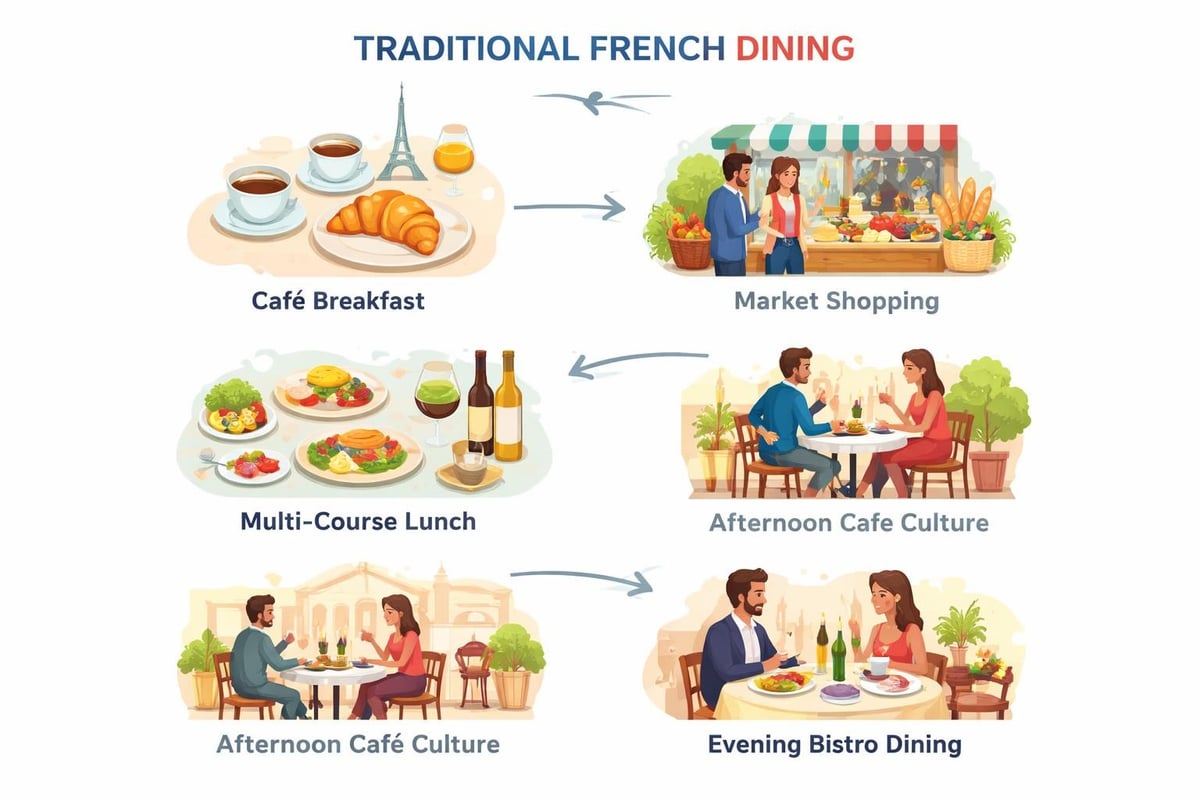
French cuisine extends far beyond Michelin-starred restaurants and tourist-focused bistros. Market visits reveal regional specialties and provide opportunities to assemble picnic ingredients showcasing local producers. Paris's Marché d'Aligre or Lyon's Les Halles de Lyon Paul Bocuse offer authentic food shopping experiences where locals actually shop.
Cooking classes have become increasingly popular for france travel itineraries, with options ranging from professional chef-led sessions to informal home cooking experiences. Learning to prepare regional dishes like bouillabaisse in Marseille or cassoulet in Toulouse creates lasting memories and practical skills.
Wine regions welcome visitors to cellars and vineyards for tastings that education while delighting the palate. Burgundy, Bordeaux, Champagne, and Alsace each offer distinct varietals and terroir characteristics. Small producers often provide more personalized experiences than large commercial operations, though appointments may be necessary.
Art and Architecture
France's artistic heritage spans prehistoric cave paintings at Lascaux to contemporary installations at Paris's Centre Pompidou. The density of museums, galleries, and historic sites can overwhelm first-time visitors, making prioritization essential. Condé Nast Traveler's France section highlights lesser-known cultural attractions that receive fewer crowds than the Louvre or Musée d'Orsay.
Gothic cathedrals showcase medieval engineering and artistry, with Notre-Dame de Paris (currently undergoing restoration following the 2019 fire), Chartres Cathedral, and Reims Cathedral among the finest examples. Romanesque churches dot the countryside, particularly along pilgrimage routes like the Camino de Santiago.
Contemporary architecture thrives in projects like Jean Nouvel's Philharmonie de Paris and Herzog & de Meuron's VitraHaus in nearby Weil am Rhein, demonstrating France's ongoing commitment to design innovation.
Festivals and Events
France's festival calendar reflects regional traditions and contemporary cultural celebrations. Summer brings music festivals like the Nice Jazz Festival and Francofolies de La Rochelle, while fall harvest celebrations occur throughout wine regions. Bastille Day (July 14) features fireworks and military parades nationwide, with Paris hosting the largest commemoration.
Local festivals offer intimate glimpses into community traditions. The Fête du Citron in Menton showcases elaborate citrus sculptures, while medieval festivals in Carcassonne and Provins transport visitors to historical periods through costumes, markets, and demonstrations.
Navigating Common Challenges
Budget Management
France can challenge budget-conscious travelers, but strategic planning controls costs without sacrificing experiences. Dining follows price tiers, with street food and bakeries offering affordable options while sit-down restaurants range from reasonable lunch menus (formules) to expensive multi-course dinners.
Museum passes provide value for intensive sightseeing. The Paris Museum Pass grants access to over 60 attractions for a flat fee, eliminating ticket lines and encouraging spontaneous visits. Many museums offer free admission on the first Sunday of each month, though expect larger crowds.
Accommodation represents the largest expense for most travelers. Booking well in advance, traveling during shoulder seasons, and considering locations slightly outside city centers all reduce lodging costs significantly. The comprehensive travel guides at Awesome Travel Guides provide detailed budget breakdowns for various travel styles.
Safety and Scams
France remains generally safe for tourists, though common-sense precautions prevent most issues. Pickpocketing occurs in crowded tourist areas, public transportation, and popular attractions in Paris, Marseille, and Nice. Using anti-theft bags, avoiding phone use in crowded metros, and staying aware of surroundings minimizes risk.
Rough Guides provides essential travel tips covering common scams, including petition signers who distract while accomplices pickpocket, friendship bracelet vendors who demand payment after tying bracelets on tourists' wrists, and gold ring "finders" who claim discovered jewelry belongs to victims.
Emergency services operate on the 112 European standard number, with operators often speaking English. Registering with your embassy before departure and maintaining copies of important documents (passport, insurance, credit cards) separated from originals provides backup if theft occurs.
Etiquette and Social Norms
Understanding French social customs enhances interactions and demonstrates cultural respect. Greetings include light cheek kisses (la bise) among acquaintances, though tourists should follow the other person's lead. Always say "bonjour" when entering shops and "au revoir" when leaving, even if no transaction occurs.
Dining etiquette follows specific norms. Bread sits directly on the table rather than on plates, wine ordering considers food pairings, and splitting checks (l'addition) item-by-item is uncommon. Tipping is appreciated but not obligatory, as service charges are included in bills, though rounding up or leaving 5-10% for exceptional service is customary.
Dress codes skew more formal than in many countries, particularly for dining and cultural events. Parisians especially favor neat, classic styles over casual athletic wear or obviously touristy clothing.
Creating Your Personalized Itinerary
First-Time Visitor Priorities
First france travel adventures typically balance iconic landmarks with authentic local experiences. A classic two-week itinerary might include:
- Paris (4-5 days): Major museums, neighborhoods, day trip to Versailles
- Loire Valley (2-3 days): Château visits, wine tasting, cycling
- Provence (3-4 days): Villages, markets, Roman sites
- French Riviera (2-3 days): Coastal towns, beaches, art museums
- Lyon or Bordeaux (2 days): Culinary experiences, wine regions
This route provides geographic diversity while allowing sufficient time to appreciate each destination without exhausting yourself through constant movement. Fodor's Travel Guide to France offers detailed itinerary suggestions adaptable to various interests and timeframes.
Regional Deep Dives
Returning visitors or those with specific interests benefit from regional focus. A Provence-focused trip might explore lesser-known villages like Lourmarin and Bonnieux, attend cooking classes, visit lavender distilleries, and hike in the Luberon mountains. Similarly, wine enthusiasts could dedicate two weeks exclusively to Burgundy, visiting multiple appellations and learning about terroir variations.
Thematic approaches work exceptionally well for france travel. Art lovers might trace Impressionist painters' locations from Giverny to Arles, while history buffs could follow World War sites from Normandy beaches through to the Alsace-Lorraine borderlands.
Seasonal Specializations
Tailoring trips to seasonal highlights maximizes unique experiences. Spring allows Giverny garden visits when Monet's water lilies bloom, while summer enables Alpine hiking and Mediterranean beach time. Fall harvest seasons offer wine regions at their most active and photogenic, with grape picking and festival atmospheres.
Winter france travel suits city exploration, Christmas market tours through Alsace, and skiing in resorts like Chamonix or Courchevel. The advantages of electronic travel guides include real-time updates for seasonal activities and weather-dependent recommendations.
Sustainable and Responsible Travel
Environmental Considerations
France has implemented numerous sustainability initiatives affecting travelers. Single-use plastic bag bans, emphasis on rail transportation over domestic flights, and protected natural areas reflect the country's environmental commitment. Travelers can support these efforts through conscious choices.
Train travel significantly reduces carbon footprints compared to flying or driving. The TGV network's expansion has made short-haul flights increasingly obsolete, with Paris to Bordeaux trains now competitive with air travel when accounting for airport transit time.
Supporting local businesses, markets, and small producers keeps tourism revenue within communities while reducing transportation impacts of imported goods. Many regions have developed sustainable tourism certifications identifying environmentally conscious accommodations and tour operators.
Cultural Preservation
Responsible france travel respects local communities and cultural heritage. Visiting popular sites during off-peak hours reduces overcrowding stress on both infrastructure and residents. The Provence village of Gordes, for example, transforms dramatically between quiet mornings and mid-afternoon tour bus arrivals.
Photography etiquette matters, particularly in sacred spaces and private establishments. Always ask permission before photographing people, respect "no photos" signs in museums, and avoid intrusive photography that disrupts others' experiences or local life.
Supporting artisan workshops, attending cultural events, and purchasing authentic regional products over mass-produced souvenirs helps preserve traditional crafts and skills threatened by tourism homogenization.
Maximizing Your France Travel Experience
Pre-Trip Preparation
Thorough preparation transforms good trips into exceptional ones. Research extends beyond booking flights and hotels to understanding cultural context, learning key phrases, and identifying specific interests worth pursuing. The pre-trip checklist from Awesome Travel Guides ensures nothing important gets overlooked.
Travel insurance provides essential protection against trip cancellations, medical emergencies, and lost belongings. European Health Insurance Card (EHIC) holders from EU countries receive reciprocal healthcare access, though travelers from other countries should verify coverage needs.
Visa requirements vary by nationality, with many countries' citizens enjoying visa-free access for stays under 90 days within the Schengen Area. Passport validity requirements mandate at least six months remaining beyond your travel dates.
Documentation and Resources
Organizing trip documents, confirmations, and important information prevents stress during travel. Digital copies stored in cloud services provide backup access if physical documents are lost. National Geographic's travel guide offers downloadable resources and planning tools.
Mobile apps enhance france travel through navigation assistance, translation services, and local recommendations. Citymapper excels for Paris public transportation, while TheFork (LaFourchette) facilitates restaurant reservations with user reviews and sometimes discounted rates.
Guidebooks remain valuable despite digital resources, particularly for areas with limited connectivity. Having offline maps downloaded before departure ensures navigation capability regardless of internet access.
Packing Strategies
France's varied climates and cultural contexts require thoughtful packing. Layers accommodate temperature fluctuations, comfortable walking shoes are non-negotiable for cobblestone streets, and modest attire suits church visits and upscale dining. The comprehensive packing guide from Awesome Travel Guides addresses specific needs for French destinations.
Electrical adapters for European Type C and E outlets are essential, as are portable chargers for maintaining device battery life during long sightseeing days. Many cafés and public spaces offer charging stations, but having backup power prevents disrupted plans.
Consider packing reusable water bottles, as public fountains throughout France provide free, safe drinking water. This reduces plastic waste while saving money on bottled water purchases.
France travel encompasses extraordinary diversity, from world-renowned museums and monuments to intimate village markets and family-run wineries that showcase authentic regional character. Success depends on balancing ambitious sightseeing with relaxed moments that allow genuine cultural immersion and spontaneous discoveries. Whether you're planning your first French adventure or returning to explore new regions, Awesome Travel Guides provides comprehensive digital resources designed to enhance every aspect of your journey with insider tips, detailed maps, and carefully curated recommendations that transform ordinary trips into unforgettable experiences.