

Greece for Travel: Essential Planning Guide 2026
Greece stands as one of the most captivating destinations in the Mediterranean, offering travelers an extraordinary blend of ancient history, stunning island landscapes, and vibrant cultural traditions. When planning greece for travel, you'll discover a country where whitewashed villages cling to cliffsides, ancient temples tell stories of gods and heroes, and turquoise waters invite endless exploration. Whether you're drawn to archaeological wonders, sun-soaked beaches, or authentic culinary experiences, Greece delivers an experience that resonates long after you return home. Modern travelers benefit from comprehensive resources that help navigate this diverse country, and understanding the essentials before departure ensures you make the most of every moment in this timeless land.
Understanding Greece's Regional Diversity
Greece encompasses far more than just Athens and a handful of famous islands. The country divides into distinct regions, each offering unique characteristics that appeal to different travel styles.
Mainland Greece features the bustling capital of Athens, where the Acropolis dominates the skyline, alongside historical gems like Delphi, Meteora's clifftop monasteries, and the Peloponnese peninsula. This region provides deep dives into classical history and mythology.
The Cyclades Islands represent the postcard-perfect Greece most travelers envision. This archipelago includes:
- Santorini with its volcanic caldera and sunset views
- Mykonos known for vibrant nightlife and beach clubs
- Paros offering traditional villages and water sports
- Naxos featuring mountainous landscapes and ancient ruins
- Milos showcasing dramatic coastal formations
The Ionian Islands along the western coast present lush, green landscapes contrasting with the arid Cyclades. Corfu, Kefalonia, and Zakynthos offer Venetian architecture, emerald waters, and a more relaxed atmosphere.
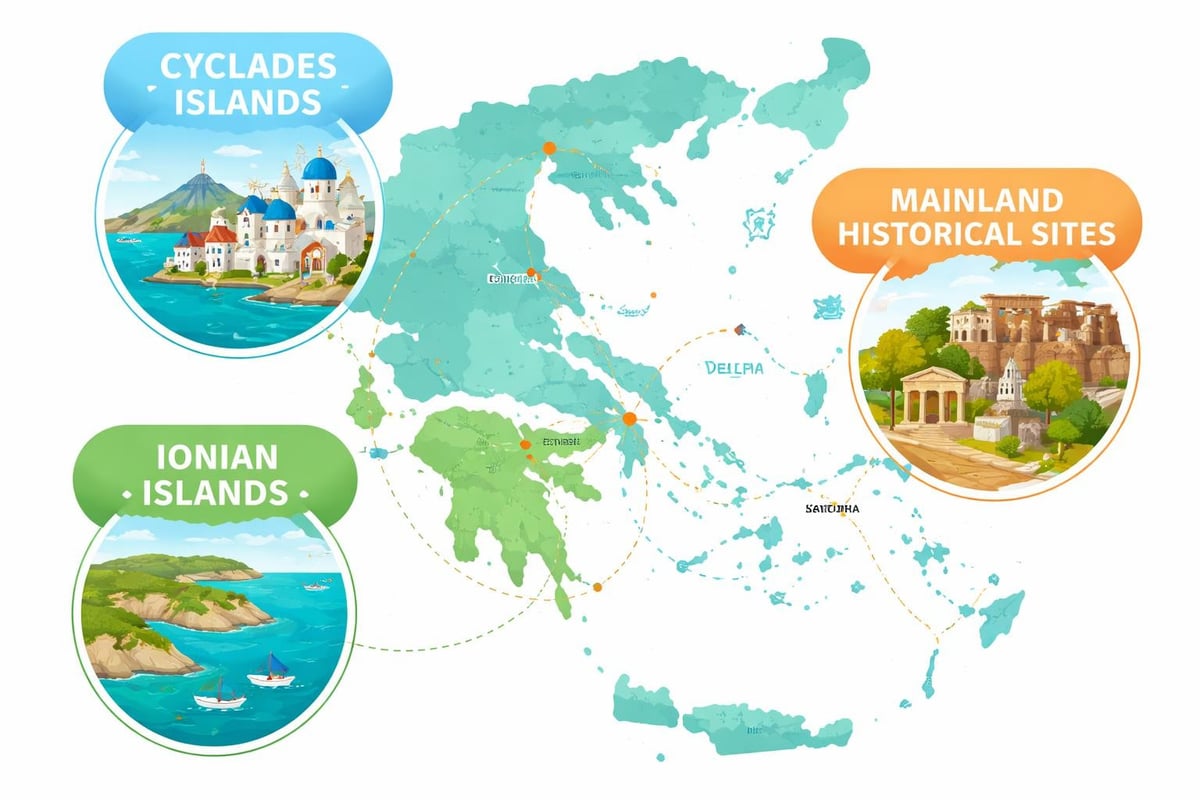
The Dodecanese Islands near Turkey's coast, including Rhodes and Kos, blend Greek and Turkish influences with medieval castles and therapeutic hot springs. Meanwhile, Crete stands alone as Greece's largest island, functioning almost as a country within a country, complete with its own dialect, cuisine, and cultural identity.
Seasonal Considerations for Your Visit
Timing dramatically affects your greece for travel experience. Each season presents distinct advantages and challenges that align with different traveler priorities.
| Season | Temperature | Crowd Level | Advantages | Considerations |
|---|---|---|---|---|
| Spring (April-May) | 60-75°F | Moderate | Wildflowers, pleasant weather, lower prices | Some facilities closed, cooler water |
| Summer (June-August) | 80-95°F | Very High | All services open, island hopping, beach weather | Extreme crowds, high prices, intense heat |
| Fall (September-October) | 70-80°F | Moderate | Warm sea, fewer tourists, harvest season | Shorter days, some routes reduce |
| Winter (November-March) | 45-60°F | Low | Authentic experiences, budget-friendly | Limited ferry service, many closures |
Summer remains peak season when greece for travel reaches maximum capacity. Ferries run frequently, every beach taverna opens, and island nightlife thrives. However, temperatures soar above 90°F, archaeological sites become uncomfortably hot, and popular destinations like Santorini feel overcrowded.
Shoulder seasons (late April through May and September through early October) offer the optimal balance. You'll find warm temperatures perfect for both sightseeing and swimming, significantly smaller crowds, and better value for accommodations. First-time visitors to Greece particularly benefit from these transitional months when the country feels more approachable and authentic.
Winter transforms Greece entirely. While many islands essentially hibernate with reduced ferry schedules and closed hotels, mainland destinations and larger islands like Crete remain vibrant. Athens, Thessaloniki, and mountain villages offer genuine cultural immersion without tourist crowds.
Navigating Transportation Across Greece
Greece's geography requires thoughtful transportation planning, particularly when combining mainland exploration with island hopping. Understanding your options helps maximize your time and budget.
Island-Hopping Strategies
Ferry travel forms the backbone of greece for travel island exploration. The system operates differently than many visitors expect, requiring advance planning during peak season.
Ferry types range from slow, economical vessels to high-speed catamarans that cut travel time in half. Slow ferries accommodate vehicles and offer deck space for budget travelers, while fast ferries provide airplane-style seating and premium comfort. As noted in practical Greece travel tips, booking popular routes weeks in advance prevents disappointment during July and August.
Major ferry companies include Blue Star Ferries, SeaJets, and Hellenic Seaways. Routes connect islands within regions relatively easily, but jumping between regions (Cyclades to Dodecanese, for example) often requires returning to Athens' Piraeus port or finding indirect multi-stop routes.
Strategic island sequencing matters enormously. Rather than zigzagging across the Aegean, plan linear routes. A logical Cyclades progression might flow: Athens → Mykonos → Paros → Naxos → Santorini → Athens. This minimizes backtracking and reduces travel time.
Mainland Transportation Options
Athens serves as the central hub for mainland travel. The extensive bus network (KTEL) connects nearly every destination affordably, though journey times stretch long on winding mountain roads.
Rental cars provide flexibility for exploring the Peloponnese, visiting Delphi, or discovering the Zagorochoria villages in Epirus. International driving permits remain technically required alongside your home license. Greek drivers have earned their spirited reputation, and narrow village streets demand confident navigation skills.
Greece's limited train network primarily serves the Athens-Thessaloniki corridor, with scenic routes through the Peloponnese offering beautiful countryside views. The modern suburban rail connects Athens to the airport and nearby attractions efficiently.
Domestic flights bridge long distances quickly. Flying from Athens to Crete, Rhodes, or Corfu saves hours compared to overnight ferries, with budget carriers like Aegean Airlines and Sky Express offering competitive fares when booked early.
Exploring Greece's Archaeological Treasures
Ancient history permeates every corner of Greece, from world-famous sites to lesser-known ruins hiding in olive groves. When planning greece for travel with historical interests, understanding how to approach these sites enhances the experience significantly.
Major Archaeological Sites
The Acropolis of Athens crowns any archaeological itinerary. Arrive at opening time (8:00 AM) to avoid crowds and scorching heat. The site includes the Parthenon, Erechtheion, and Temple of Athena Nike, all bearing 2,500 years of history. The adjacent Acropolis Museum provides essential context through masterfully displayed artifacts.
Delphi, perched on Mount Parnassus' slopes, served as ancient Greece's most important oracle. The mountainside sanctuary combines stunning natural beauty with archaeological significance. The Sacred Way winds past treasuries and monuments toward Apollo's temple, where priestesses delivered cryptic prophecies that influenced wars and political decisions.
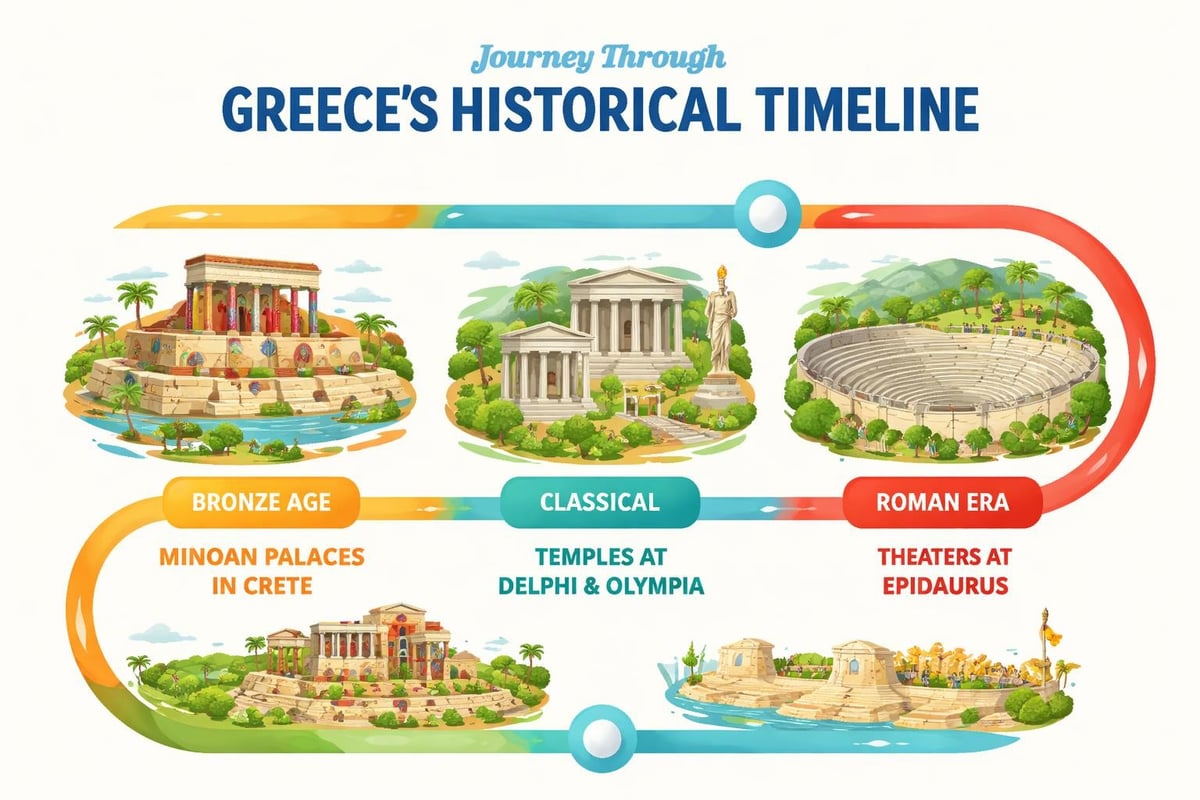
Knossos on Crete transports visitors to Bronze Age Minoan civilization. The partially reconstructed palace complex reveals advanced architecture from 1900 BCE, including sophisticated drainage systems, multi-story buildings, and vibrant frescoes. Controversy surrounds the extensive reconstruction, but it helps visualize how the palace functioned.
The theater at Epidaurus demonstrates ancient Greek acoustic engineering. Standing in the center stage, actors can be heard clearly in the top row seats, 55 meters away, without amplification. The site still hosts classical drama performances during summer festivals.
Combining History with Modern Exploration
Digital resources transform archaeological exploration. Modern travelers benefit from electronic travel guides that provide historical context, navigation assistance, and expert commentary directly on smartphones or tablets.
Many sites offer audio guides, but bringing research saves money and provides superior depth. Understanding the myths, historical events, and architectural significance before visiting allows you to notice details easily missed otherwise. National Geographic's Greece guide offers excellent background for major sites.
Lesser-known ruins often provide more intimate experiences. The Temple of Poseidon at Cape Sounion, Ancient Corinth, Mycenae's Lion Gate, and Olympia (birthplace of the Olympic Games) attract fewer crowds while offering equally powerful historical connections.
Experiencing Authentic Greek Island Life
Island culture varies dramatically from the cosmopolitan energy of Mykonos to the traditional fishing villages of smaller Cyclades. Understanding these differences helps identify which islands align with your greece for travel preferences.
Selecting Islands Based on Travel Style
For romance and luxury: Santorini's cliffside hotels, infinity pools, and sunset wine tastings create quintessential romantic settings. Folegandros offers similar dramatic landscapes with more intimacy and fewer crowds.
For party atmosphere: Mykonos reigns supreme with internationally renowned beach clubs, DJ performances, and nightlife extending until dawn. Ios attracts a younger crowd seeking similar energy at more accessible prices.
For traditional culture: Naxos, Sifnos, and Tinos preserve authentic village life where locals outnumber tourists. Marble-paved villages, working farms, and family-run tavernas showcase Greece largely unchanged by mass tourism.
For active adventures: Milos offers kayaking through sea caves and volcanic formations. Lefkada and Paros excel for kitesurfing and windsurfing. Crete's Samaria Gorge provides spectacular hiking through Europe's longest gorge.
Island Etiquette and Practical Tips
Greek islands operate on Mediterranean time, with different rhythms than northern European or North American schedules. Shops close for afternoon siesta (roughly 2:00-5:00 PM), restaurants don't fill until 9:00 PM or later, and rushing contradicts the local philosophy.
Beach culture varies by location. Organized beaches with loungers and umbrellas charge daily fees (€8-15 per set), while remote beaches require bringing your own supplies. Topless sunbathing remains common and accepted on most beaches, though full nudity restricts to designated areas.
Dining expectations differ from other European countries. Servers won't rush you or bring the check unprompted, as lingering over meals represents cultural norm rather than inefficiency. Cash still dominates on smaller islands despite card acceptance in major tourist areas. The comprehensive Lonely Planet Greece guide covers many practical details for island navigation.
Water scarcity affects many islands, particularly during summer. Quick showers, reusing towels, and conserving water demonstrate respect for limited resources. Some islands import water by tanker ship, making conservation both environmental and practical necessity.
Savoring Greek Culinary Traditions
Greek cuisine extends far beyond the Greek salad (called "horiatiki" locally) and gyros familiar internationally. Regional specialties, seasonal ingredients, and time-honored cooking methods create diverse culinary landscapes worth exploring.
Regional Specialties Worth Seeking
Each Greek region developed distinct dishes based on local products and historical influences:
- Crete: Dakos (barley rusk with tomatoes and mizithra cheese), snails in rosemary sauce, wild greens
- Cyclades Islands: Fava (split pea puree), fresh seafood, capers from volcanic soil
- Epirus: Pies (cheese, leek, or spinach) with handmade phyllo, slow-cooked lamb
- Peloponnese: Kalamata olives, local wines, orange-scented sweets
Meze culture encourages sharing small plates that allow sampling multiple flavors. Order several dishes for the table rather than individual entrees. Classic meze include tzatziki, melitzanosalata (eggplant dip), dolmades (stuffed grape leaves), grilled octopus, and saganaki (fried cheese).
Tavernas serving the freshest food often look deceptively simple. Family-run establishments with handwritten menus, plastic chairs, and waterfront locations typically outperform tourist-oriented restaurants with elaborate menus and aggressive solicitation. Watch where locals eat.
Coffee Culture and Dining Rhythms
Greek coffee culture deserves attention equivalent to meal planning. Traditional kafeneions (coffee houses) serve as social hubs where men gather for hours over tiny cups of Greek coffee, backgammon boards, and political debate.
Freddo espresso and freddo cappuccino dominate modern Greek coffee consumption, particularly during summer. These cold, frothy espresso drinks appear everywhere from beach bars to mountain villages. Don't rush the experience-Greeks nurse a single coffee for hours while socializing.
Breakfast traditionally consisted of simple bread, cheese, and coffee, though tourist areas now offer full breakfast spreads. Lunch remains the main meal, eaten between 2:00-4:00 PM after morning beach time. Dinner starts late, rarely before 9:00 PM, and extends leisurely through multiple courses and conversation.
Tipping practices fall somewhere between American and northern European standards. Rounding up or leaving 5-10% shows appreciation for good service. Card machines often lack tip functions, so carrying cash for gratuities helps. Essential Greece travel advice covers detailed etiquette including tipping customs.
Planning Your Greece Travel Budget
Greece offers remarkable value compared to Western European destinations, though costs vary dramatically based on timing, locations, and travel style. Understanding budget parameters helps set realistic expectations.
Accommodation Cost Ranges
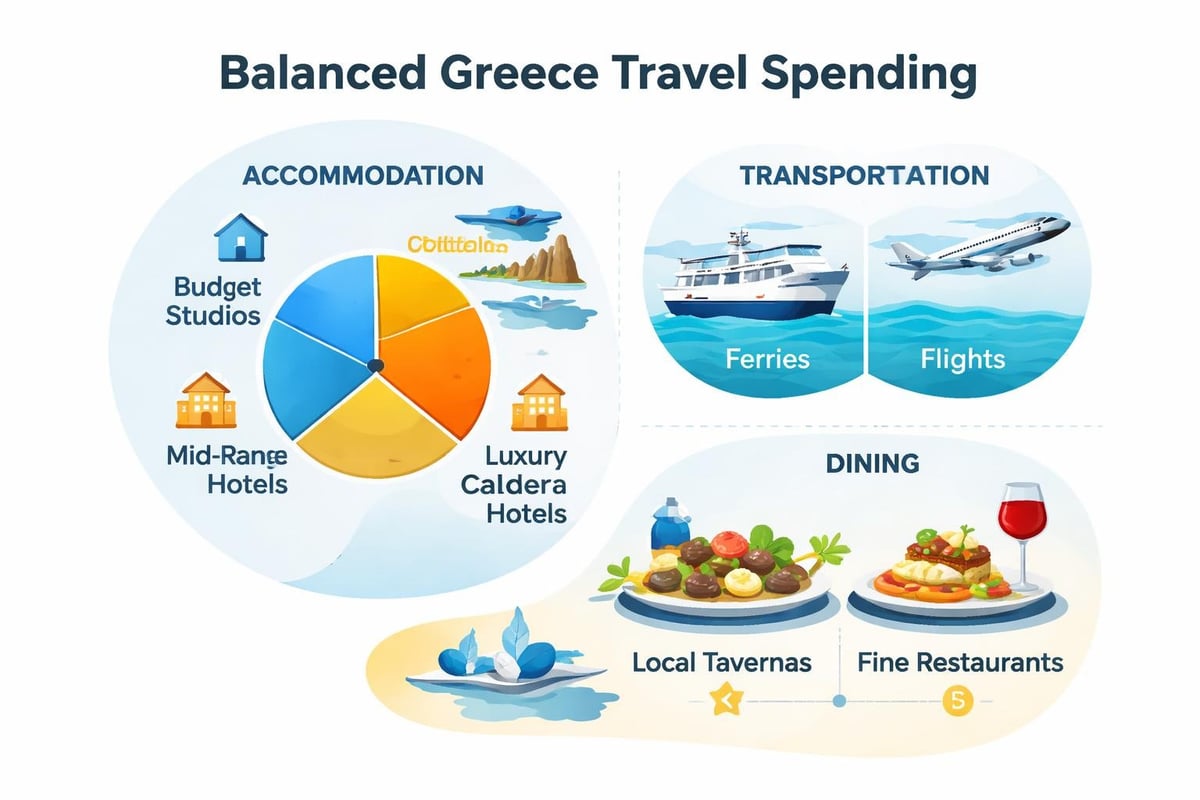
Accommodation represents the largest variable expense for greece for travel budgeting:
Budget tier (€30-60/night): Hostels in Athens, basic studios on less-touristed islands, guesthouses in mountain villages. Clean, functional, often family-run with genuine hospitality.
Mid-range tier (€80-150/night): Comfortable hotels in Athens, nice apartment rentals on popular islands, boutique guesthouses with character. Sweet spot for most travelers balancing comfort and value.
Luxury tier (€250+/night): Caldera hotels in Santorini, Mykonos beach resorts, restored mansions in historical towns. Infinity pools, private terraces, exceptional service.
Booking directly with smaller properties often yields better rates than international platforms, particularly for extended stays. Shoulder season rates drop 30-50% compared to July-August peaks.
Daily Expense Estimates
Transportation costs depend heavily on ferry versus flight choices and rental car decisions. Inter-island ferries run €30-80 per person depending on distance and speed. Budget €40-60 daily for rental cars including fuel and insurance.
Meal costs remain reasonable if you eat like locals. Breakfast costs €5-8, lunch taverna meals €10-15, dinner for two with wine €40-60 at mid-range establishments. Supermarket provisions for picnic lunches cuts costs substantially.
Archaeological site entrance fees range €6-20, with the Acropolis topping the list at €20 (€10 November-March). Multi-site tickets in Athens provide significant savings for history enthusiasts planning to visit several locations.
Many travelers find Greece delivers exceptional value when prioritizing experiences over luxury. Splurging on one spectacular Santorini hotel while staying modestly elsewhere balances budgets. Free activities abound: hiking coastal paths, swimming at public beaches, wandering village streets, watching sunsets from castle ruins.
Cultural Insights and Local Customs
Understanding Greek cultural norms enhances interactions with locals and demonstrates respect for traditions that have shaped this society for millennia. When approaching greece for travel, cultural awareness transforms you from tourist to thoughtful visitor.
Social Customs and Interaction
Greeks value personal connection and directness. Shopkeepers, taverna owners, and even strangers on ferries engage in conversation readily. This warmth represents genuine hospitality (philoxenia-love of strangers) rather than commercial manipulation.
Greetings matter. "Kalimera" (good morning), "kalispera" (good evening), and "efharisto" (thank you) earn smiles and better service. Attempting Greek phrases, however imperfectly, shows respect that Greeks appreciate far more than perfect English.
Dress codes apply at monasteries and churches: covered shoulders and knees for both genders, with women sometimes required to wear provided skirts. Major sites like Meteora monasteries enforce these rules strictly, so carrying a light scarf or shawl prevents disappointment.
Photography etiquette requires asking permission before photographing locals, particularly older villagers and monks. Some monasteries prohibit interior photography to preserve sanctity. Archaeological sites generally allow photography without flash, though specific restrictions apply at certain museums.
Understanding Religious Traditions
Orthodox Christianity deeply influences Greek culture and calendar. Name days (feast days of saints) hold more significance than birthdays for many Greeks. Religious holidays transform into multi-day celebrations with processions, special foods, and community gatherings.
Easter represents Greece's most important holiday, surpassing Christmas in religious and social significance. If visiting during Orthodox Easter (dates differ from Western Easter), expect altered schedules, closed businesses, and spectacular midnight services followed by fireworks and lamb feasting.
Churches dot every village and island hilltop, often unlocked for quiet visits. Small donations maintain these community spaces. Lighting candles and leaving icons represent common practices visitors may observe and respectfully participate in.
The comprehensive Greece travel resources provide deeper cultural context that enriches understanding of local traditions and historical influences shaping modern Greek life.
Practical Logistics and Safety Considerations
Smooth greece for travel experiences depend on understanding practical details from currency to connectivity. These logistical elements, while mundane, significantly impact daily comfort and convenience.
Money and Payment Systems
Greece uses the euro, with ATMs widely available in cities and tourist areas. Smaller islands may have limited ATM access, so withdraw cash before departing major ports. Notify your bank of travel dates to prevent card freezes.
Cash remains king outside major tourist zones. Many tavernas, small hotels, and local buses operate cash-only. Carrying €50-100 in small bills provides flexibility for situations where cards fail or aren't accepted.
Credit cards work in hotels, established restaurants, and shops, though some smaller merchants add 3-5% surcharges for card payments. Contactless payment adoption has accelerated recently, but cash backup remains essential. Check current insider tips for first-time Greece visitors for updated payment norms.
Health and Safety Essentials
Greece ranks among Europe's safest destinations, with violent crime extremely rare in tourist areas. Petty theft occurs in crowded Athens Metro stations and busy archaeological sites, making vigilance with belongings sensible.
Sun protection cannot be overstated. Mediterranean summer sun causes severe burns quickly, particularly when reflected off white buildings and water. High SPF sunscreen, wide-brimmed hats, and midday shade breaks prevent painful vacations.
Tap water safety varies by location. Athens and most large islands provide potable tap water, while smaller islands sometimes have questionable water quality or reliance on desalination. When uncertain, bottled water costs little and prevents intestinal distress.
Greece requires no special vaccinations for visitors from Western countries. European Health Insurance Cards cover EU citizens, while others should verify travel insurance includes medical coverage. Pharmacies ("farmakio") are well-stocked and pharmacists provide basic medical advice for minor ailments.
Scooter and ATV rentals tempt many visitors, but accidents involving inexperienced riders happen frequently. Greek roads can be challenging, and insurance coverage often excludes motorized two-wheelers. If renting, verify insurance details, wear helmets always, and assess your actual riding experience honestly.
Connectivity and Communication
Mobile coverage reaches most inhabited areas, with 4G/5G available in cities and major islands. EU visitors benefit from "roam like home" policies. Others should compare international roaming rates with local SIM card purchases (€10-20 for tourist packages with substantial data).
Wi-Fi availability has improved dramatically, with most accommodations, cafes, and restaurants offering connections. Quality varies, and remote islands may have slower speeds. Digital travel resources like those from Awesome Travel Guides work offline, ensuring access to maps, recommendations, and practical information regardless of connectivity.
Emergency numbers include 112 (general emergency), 100 (police), and 166 (ambulance). Tourist police operate in major destinations, providing assistance in multiple languages for issues ranging from accommodation disputes to lost documents.
Making the Most of Limited Time
Many visitors face the challenge of experiencing Greece comprehensively within typical one to two-week vacation constraints. Strategic planning maximizes experiences while maintaining the relaxed pace that makes greece for travel so restorative.
One-Week Itinerary Framework
Limited time requires focusing on either islands or mainland, not attempting both. A classic one-week introduction combines Athens with two Cyclades islands:
- Days 1-2: Athens (Acropolis, Plaka neighborhood, National Archaeological Museum)
- Days 3-4: Mykonos or Paros (beaches, village exploration, water activities)
- Days 5-6: Santorini (caldera views, wineries, archaeological sites)
- Day 7: Return Athens, departure
This framework provides archaeological depth, island beauty, and beach relaxation without excessive transit time. Alternatively, Crete alone warrants a full week, combining Heraklion's museums, Knossos palace, Chania's Venetian harbor, and Samaria Gorge hiking.
Two-Week Expanded Exploration
Two weeks allows meaningful mainland-island combinations or deeper island exploration. Consider these regional focuses:
Classical Greece circuit: Athens (3 days) → Delphi (1 day) → Meteora (2 days) → Thessaloniki (2 days) → Santorini (3 days) → Athens (1 day)
Island hopper's dream: Athens (2 days) → Mykonos (2 days) → Paros (2 days) → Naxos (2 days) → Santorini (3 days) → Crete (3 days)
Building rest days into ambitious itineraries prevents burnout. Greece rewards slowing down, spending extra time in fewer places, and allowing spontaneous discoveries rather than rushing through checklist sightseeing.
Beyond the Highlights
Awesome Travel Guides' comprehensive resources help identify hidden gems aligned with personal interests. Second-time visitors often skip Santorini and Mykonos entirely, focusing instead on Sifnos' ceramic traditions, Hydra's car-free tranquility, or Pelion Peninsula's mountain villages.
Off-season visits to major sites provide entirely different experiences. Winter Athens feels authentically Greek rather than internationally touristic. November Crete showcases harvest season, olive pressing, and raki distillation. These quieter periods suit travelers seeking cultural depth over perfect weather.
Local festivals (panigiri) celebrating patron saints transform villages with music, dancing, and communal feasting. These events rarely appear in guidebooks but represent authentic Greek life at its most vibrant. Asking accommodation hosts about upcoming festivals often reveals unexpected opportunities.
Greece rewards thoughtful planning while remaining wonderfully forgiving of spontaneous wandering, offering experiences that range from world-class archaeology to simple pleasures of fresh seafood by sunset waters. Whether you're drawn to ancient temples, island beaches, or mountain villages, understanding the practical elements of travel timing, regional differences, and cultural customs helps you navigate confidently while remaining open to unexpected discoveries. Awesome Travel Guides provides the comprehensive digital resources you need to transform your Greece adventure from a collection of tourist activities into an authentic journey filled with insider knowledge, hidden gems, and the confidence to explore beyond the obvious, ensuring your Greek travels become stories you'll share for years to come.