

Greece Tourist Guide: Essential Tips for 2026 Travel
Greece stands as one of the world's most captivating destinations, where ancient history seamlessly blends with Mediterranean beauty, vibrant culture, and warm hospitality. Whether you're dreaming of exploring iconic archaeological sites, relaxing on pristine beaches, or savoring authentic Greek cuisine, having a comprehensive greece tourist guide ensures you maximize every moment of your journey. This guide provides essential information for planning an unforgettable Greek adventure in 2026, from choosing the right destinations to understanding local customs and navigating the islands with confidence.
Understanding Greece's Diverse Regions
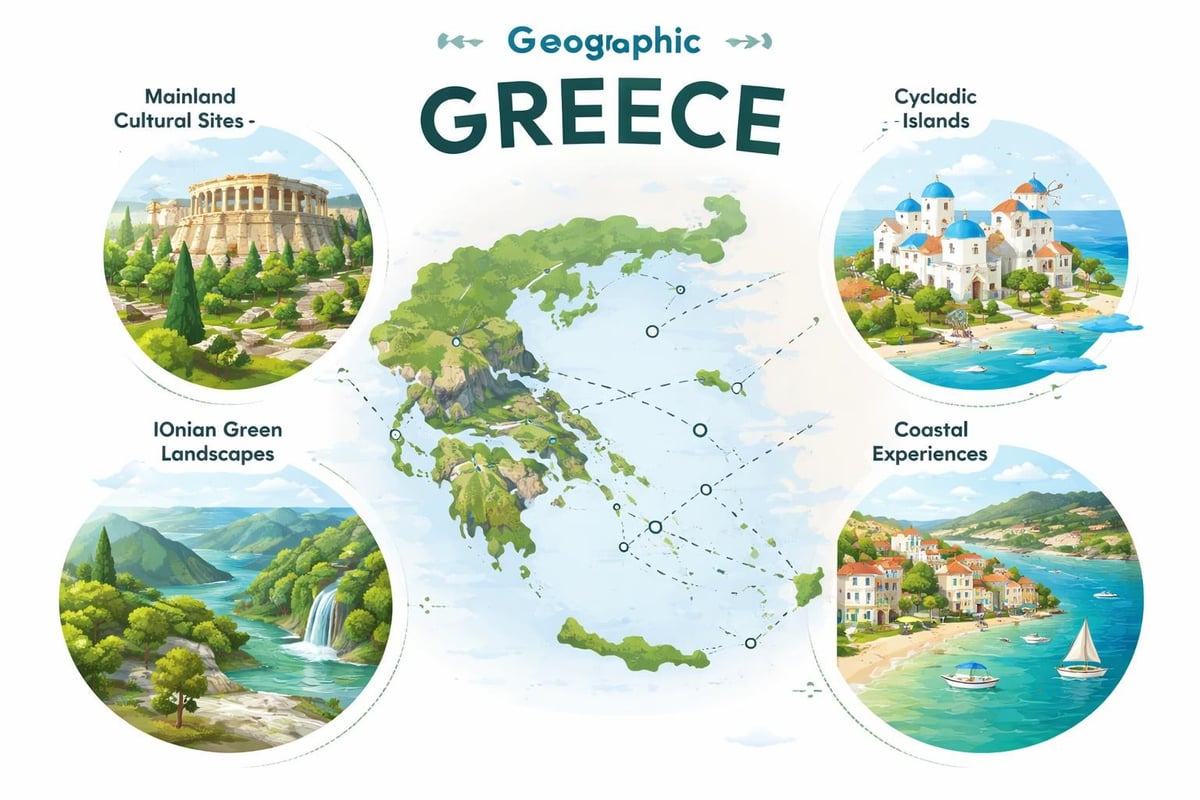
Greece offers distinct regional experiences that cater to every type of traveler. The mainland features Athens with its ancient Acropolis, while the Peloponnese peninsula showcases historic Sparta and the ancient theater of Epidaurus.
The Cyclades islands present the quintessential Greek experience with whitewashed villages, blue-domed churches, and stunning sunsets. Santorini and Mykonos attract luxury seekers, while Naxos and Paros offer more authentic, budget-friendly alternatives.
The Ionian Islands on the western coast provide lush green landscapes and Venetian architecture. Corfu, Kefalonia, and Zakynthos deliver a different aesthetic from the arid Cyclades, with verdant hillsides cascading into turquoise waters.
Mainland Greece Highlights
The mainland deserves equal attention in any greece tourist guide. Athens serves as the gateway, where the Parthenon dominates the skyline and ancient ruins coexist with contemporary street art in neighborhoods like Psyrri and Exarchia.
Northern Greece features Thessaloniki, the country's cultural capital, alongside the mystical monasteries of Meteora perched atop towering rock formations. The region offers cooler temperatures and distinct culinary traditions influenced by Ottoman and Balkan cultures.
Central Greece encompasses Delphi, once considered the center of the world in ancient times, and Mount Parnassus for winter skiing. The Lonely Planet destination guide for Greece provides detailed insights into these lesser-known mainland treasures.
Planning Your Greek Island Adventure
Island hopping represents the quintessential Greek experience, but strategic planning prevents common pitfalls. Ferry schedules vary dramatically between high season (June-September) and shoulder seasons (April-May, October), with many routes reducing frequency or suspending service entirely during winter months.
| Island Route | Travel Time | Best Season | Ferry Frequency |
|---|---|---|---|
| Athens-Santorini | 5-8 hours | May-October | Daily (multiple) |
| Santorini-Mykonos | 2-3 hours | Year-round | Daily |
| Athens-Crete | 6-9 hours | Year-round | Multiple daily |
| Mykonos-Naxos | 30-45 min | April-October | 2-4 daily |
The Greek Travel Pages maintains up-to-date ferry schedules and booking information, proving essential for coordinating your island-hopping itinerary. Book popular routes at least two weeks in advance during peak season to secure preferred departure times.
Choosing Your Island Destinations
Each Greek island offers unique characteristics. A comprehensive greece tourist guide should help you match islands to your travel style and interests.
For history enthusiasts:
- Crete: Minoan palaces and archaeological museums
- Rhodes: Medieval Old Town and ancient ruins
- Delos: Birthplace of Apollo with extensive excavations
For beach lovers:
- Zakynthos: Navagio Beach and turtle nesting sites
- Milos: Over 70 beaches with unique geological formations
- Lefkada: Caribbean-like waters and dramatic cliffs
For authentic village life:
- Naxos: Traditional mountain villages and local agriculture
- Sifnos: Renowned culinary scene and pottery traditions
- Folegandros: Clifftop Chora with minimal tourist development
Strategic island selection prevents exhaustion from excessive travel. Limit yourself to three or four islands for a two-week trip, allowing deeper exploration rather than superficial visits. If you're preparing for your journey, the pre-trip checklist helps ensure nothing gets overlooked.
Cultural Etiquette and Local Customs
Understanding Greek cultural norms enhances your experience and demonstrates respect for local traditions. Greeks value personal connections and will often engage visitors in lengthy conversations, viewing this hospitality as a point of pride.
Dining customs differ significantly from North American practices:
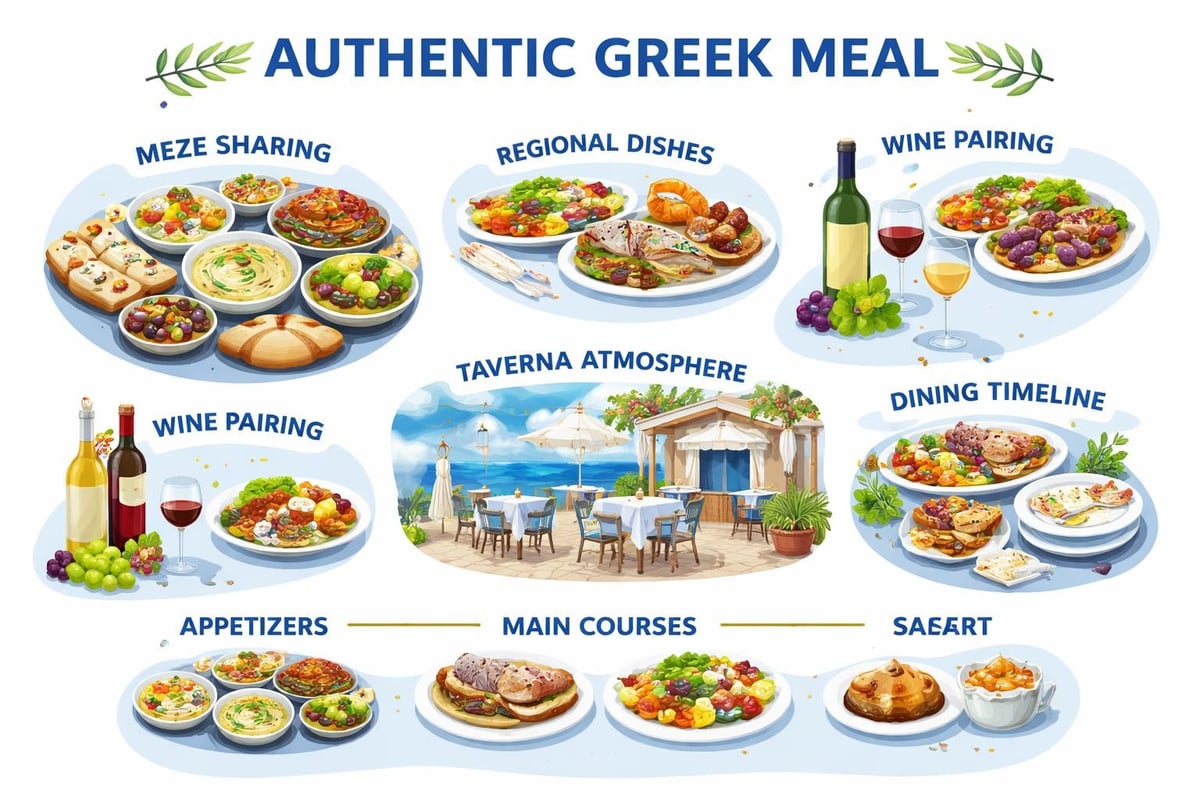
- Restaurants rarely rush diners; meals represent social events lasting several hours
- Tipping ranges from 5-10% rather than the American standard of 15-20%
- Sharing multiple dishes (mezze style) is preferred over individual entrees
- Dinner starts late, typically between 9:00 PM and 10:00 PM
The Trafalgar guide to Greek customs explores these cultural nuances in detail, helping travelers avoid unintentional faux pas.
Religious Considerations
Greece maintains strong Orthodox Christian traditions that influence daily life. When visiting churches and monasteries, appropriate dress codes apply regardless of season or temperature.
- Cover shoulders and knees (both men and women)
- Remove hats when entering sacred spaces
- Avoid visiting during services unless participating respectfully
- Photography may be restricted; always ask permission
Many archaeological sites also have dress codes due to their historical significance. Planning ahead with modest clothing options prevents disappointment at major attractions.
Navigating Greek Cuisine
Greek food extends far beyond the tourist-oriented souvlaki and moussaka available on every corner. A proper greece tourist guide introduces authentic regional specialties that locals actually eat.
Regional Specialties Worth Seeking
| Region | Signature Dishes | Where to Find Them |
|---|---|---|
| Crete | Dakos, apaki, staka | Traditional tavernas in Chania |
| Cyclades | Fava, matsata, kopanisti | Small village restaurants |
| Ionian Islands | Bourdeto, pastitsada | Corfu Town eateries |
| Northern Greece | Bougatsa, soutzoukakia | Thessaloniki food markets |
Local markets provide the most authentic culinary experiences. Athens' Varvakios Agora opens early morning, offering fresh produce, seafood, and prepared foods where Athenians actually shop. Thessaloniki's Modiano Market presents similar opportunities in the north.
Street food represents another dimension of Greek cuisine:
- Koulouri (sesame bread rings) sold by vendors each morning
- Loukoumades (honey-soaked doughnuts) from specialized shops
- Souvlaki from proper souvlatzidiko establishments, not tourist restaurants
- Gyros with pork (not the lamb/beef combination marketed to tourists)
The National Geographic travel guide to Greece features excellent photography and descriptions of regional culinary traditions worth experiencing.
Accommodation Strategies
Accommodation choices significantly impact your Greek experience and budget. Traditional options range from luxury resorts to family-run guesthouses, each offering different perspectives on Greek hospitality.
Budget-conscious travelers should consider:
- Small family hotels in residential neighborhoods
- Traditional guesthouses (xenones) in mountain villages
- Apartments for stays exceeding three nights
- Hostels in major cities like Athens and Thessaloniki
Peak season prices (July-August) often double or triple compared to shoulder season rates. Booking accommodations in May, June, September, or early October provides better value while maintaining pleasant weather and functional ferry schedules.
Alternative Accommodation Options
Agrotourism properties offer immersive experiences on working farms, particularly in Crete, Naxos, and the Peloponnese. These family-operated establishments include meals featuring ingredients from their own land, cooking classes, and authentic insights into rural Greek life.
Monastery accommodations provide unique opportunities for travelers seeking quiet reflection. Several Orthodox monasteries accept overnight guests, offering basic rooms and communal meals in exchange for donations. Reservations require advance planning and adherence to strict behavioral guidelines.
For digital nomads and extended stays, monthly apartment rentals in cities like Athens, Thessaloniki, or Heraklion offer significant savings. These arrangements often include utilities and internet, essential for remote work while experiencing Greek daily life.
Transportation and Getting Around
Greece's transportation infrastructure connects major destinations efficiently, though remote areas require more planning. Understanding your options ensures smooth transitions between locations.
Domestic flights connect Athens with major islands and cities within 45 minutes to one hour. Olympic Air and Aegean Airlines operate frequent routes, with advance booking often costing less than ferry tickets while saving considerable time.
Rental cars provide flexibility for exploring mainland regions and larger islands like Crete or Rhodes. However, Greek driving customs differ substantially from American practices, featuring narrower roads, aggressive driving styles, and sometimes unclear signage in remote areas.
Public Transportation Options
Athens features an efficient metro system connecting the airport, port of Piraeus, and major neighborhoods. The €30 three-day tourist ticket covers unlimited metro, bus, and tram rides, offering excellent value for urban exploration.
Inter-city buses (KTEL) reach virtually every Greek village, operating reliable schedules and comfortable modern coaches. This budget-friendly option works well for mainland travel, though journey times exceed car rental speeds due to multiple stops.
Local buses on islands vary from excellent (Crete, Rhodes) to sporadic (smaller Cyclades). Research specific island transportation before arrival, as some destinations essentially require rental vehicles or scooters for independent exploration. When preparing for complex logistics, comprehensive digital travel guides keep all essential information accessible offline.
Seasonal Considerations for 2026
Timing your Greek visit dramatically affects your experience, budget, and available activities. Each season presents distinct advantages and challenges that travelers should weigh carefully.
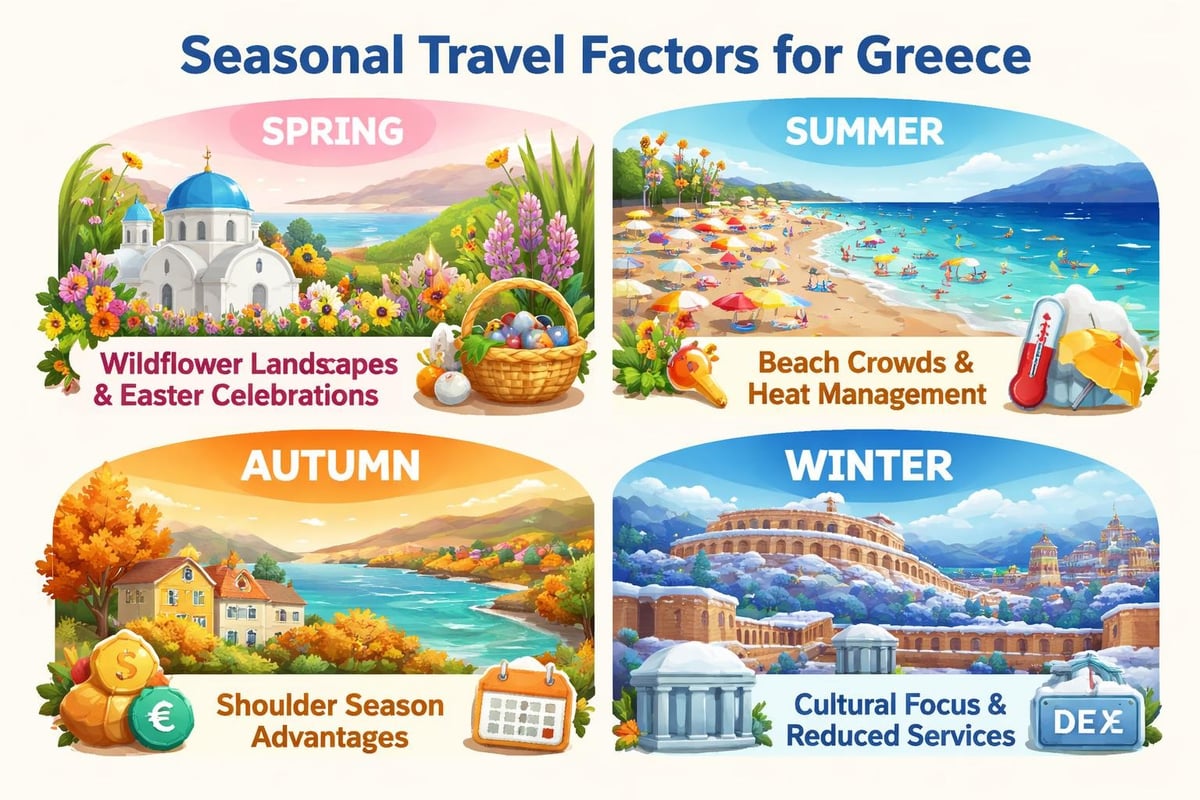
Spring (April-May) brings wildflowers, mild temperatures, and Easter celebrations. Greek Orthodox Easter falls on April 20, 2026, featuring spectacular religious processions and traditional feasts. Accommodation prices remain reasonable, though ferry schedules gradually increase frequency throughout this period.
Summer (June-August) delivers guaranteed sunshine and full operational schedules for all tourist services. However, temperatures regularly exceed 95°F (35°C), beaches become crowded, and prices reach annual peaks. The meltemi winds begin in July, affecting ferry reliability in the Cyclades.
Shoulder Season Advantages
September and October represent ideal timing for balanced greece tourist guide recommendations. Summer heat subsides to comfortable levels, sea temperatures remain warm from summer heating, and tourist crowds diminish significantly.
- Hotel rates drop 30-50% compared to August
- Restaurant reservations become unnecessary
- Archaeological sites allow peaceful exploration
- Ferry schedules maintain frequent service through mid-October
Winter (November-March) appeals to cultural travelers focusing on cities and museums. Many island hotels close entirely, and ferry service reduces to essential routes only. However, mainland destinations like Athens, Thessaloniki, and Delphi function year-round with minimal tourist crowds and substantially lower prices.
Money Matters and Budgeting
Greece operates on the Euro, eliminating currency exchange concerns for travelers from other Eurozone countries. American visitors should understand payment norms and budgeting strategies for 2026 travel.
ATMs provide the best exchange rates compared to airport currency exchange services or using credit cards for cash advances. Notify your bank before traveling to prevent fraud alerts from blocking your cards abroad.
Daily budget estimates for different travel styles:
| Travel Style | Daily Budget | Includes |
|---|---|---|
| Budget | €40-60 | Hostel dorms, street food, public transport, free attractions |
| Mid-range | €80-120 | Modest hotel, taverna meals, occasional taxis, paid sites |
| Comfortable | €150-200 | Quality hotel, varied restaurants, car rental, tours |
| Luxury | €250+ | Boutique hotels, fine dining, private transfers, experiences |
Many smaller establishments operate cash-only, particularly in villages and islands. Always maintain €50-100 in small bills for tavernas, local buses, and market purchases.
Cost-Saving Strategies
Lunch menus (mesimerianos katalogos) offer the same dishes as dinner at 30-40% lower prices. Taking your main meal at midday significantly reduces food costs while following authentic Greek eating patterns.
Museum passes provide value for culture enthusiasts. The €30 Athens multi-site pass covers the Acropolis, Ancient Agora, Roman Agora, and four additional major sites, representing substantial savings over individual admission fees.
Free activities abound in Greece: hiking the Samaria Gorge in Crete, swimming at countless public beaches, exploring atmospheric neighborhoods, attending religious festivals, and visiting smaller archaeological sites without admission charges. The travel safety handbook includes budgeting sections alongside security recommendations.
Essential Practical Information
Several practical considerations deserve attention when planning your Greek adventure. These details often get overlooked in standard greece tourist guide materials but significantly impact travel comfort.
Language: While English is widely spoken in tourist areas, learning basic Greek phrases demonstrates respect and facilitates interactions in less touristed locations. Greeks genuinely appreciate visitors attempting their language, even imperfectly.
Useful Greek phrases:
- Kalimera (good morning)
- Efharisto (thank you)
- Parakalo (please/you're welcome)
- Signomi (excuse me/sorry)
- Nero (water)
Electrical outlets use European Type C and Type F plugs with 230V electricity. American devices require both plug adapters and voltage converters unless rated for international use.
Health and Safety Considerations
Greece maintains excellent safety standards for tourists. Violent crime remains rare, though petty theft occurs in crowded tourist areas and on public transportation. Standard precautions like securing valuables and maintaining awareness prevent most incidents.
Tap water is safe to drink on the mainland and most islands, though some smaller islands experience summer water shortages affecting taste and reliability. Bottled water costs minimal amounts and provides peace of mind.
The Mediterranean sun proves intense, particularly June through September. Sunscreen rated SPF 30 or higher, wide-brimmed hats, and afternoon shade breaks prevent painful burns that could ruin your vacation. The essential Greece travel tips cover health and safety preparation comprehensively.
Pharmacies (farmakeia) are well-stocked and pharmacists can address minor health concerns without requiring doctor visits. Prescription medications should be brought from home with documentation, as Greek brand names differ from American products.
Maximizing Your Archaeological Experiences
Greece's archaeological heritage represents a primary draw for many visitors. Strategic planning ensures you appreciate these sites fully while avoiding crowds and heat exhaustion.
Major sites best visited at opening time (8:00 AM):
- The Acropolis in Athens
- Knossos Palace in Crete
- Ancient Delphi
- Palace of the Grand Master in Rhodes
Tour groups typically arrive between 10:00 AM and 2:00 PM, transforming serene morning sites into crowded tourist attractions. Late afternoon visits (after 4:00 PM) offer similar advantages with dramatic lighting for photography.
Lesser-Known Archaeological Treasures
While the Acropolis and Delphi deserve their fame, numerous exceptional sites receive minimal tourist attention. These locations provide intimate encounters with Greek history without crowds or long queues.
Underappreciated archaeological sites:
- Ancient Messene in the Peloponnese: extensive ruins with stadium and theater
- Philippi in northern Greece: Roman and early Christian remains
- Ancient Akrotiri in Santorini: Bronze Age city preserved by volcanic ash
- Mystras near Sparta: Byzantine ghost city with frescoed churches
Hiring licensed guides for major sites dramatically enhances understanding. The €50-70 cost for a two-hour private tour provides historical context impossible to gain from plaques alone. Guide availability can be confirmed through official site visitor centers.
For comprehensive planning resources, the Awesome Guide to Greece consolidates archaeological sites, practical logistics, and cultural insights into one accessible reference.
Sustainable and Responsible Travel
Greece faces environmental challenges from tourism pressure, particularly on popular islands. Responsible travelers can minimize their impact while supporting local communities.
Plastic waste represents a significant Mediterranean problem. Bringing reusable water bottles, shopping bags, and utensils reduces your contribution to this issue. Many Greek municipalities now prohibit single-use plastics, making reusable items essential rather than optional.
Supporting family-owned businesses rather than international chains keeps tourism revenue within local communities. Small tavernas, family hotels, and local guides benefit more from your spending than chain restaurants or large resorts.
Responsible beach behavior includes:
- Removing all trash, including cigarette butts
- Respecting marked sea turtle nesting areas (Zakynthos, Crete)
- Using reef-safe sunscreen to protect marine ecosystems
- Avoiding removal of shells, rocks, or archaeological fragments
Visiting during shoulder seasons distributes tourist impact more evenly throughout the year rather than concentrating pressure during July and August. This timing benefits both the environment and local communities while enhancing your experience through reduced crowding.
Connecting with Local Culture
Authentic cultural experiences require moving beyond tourist zones into neighborhoods where Greeks actually live. This approach delivers the memorable encounters that transform trips into meaningful journeys.
Local festivals (panigyria) occur throughout summer in villages across Greece, celebrating patron saints with traditional music, dancing, and communal feasts. These events welcome respectful visitors, offering genuine glimpses into community life unavailable in tourist areas.
Ways to engage with Greek culture authentically:
- Attend evening volta (traditional promenade) in town squares
- Join a traditional dance workshop in village cultural centers
- Visit during grape harvest season for winemaking experiences
- Participate in olive oil production on family farms
- Learn traditional cooking techniques through local-led classes
Language exchange meetups in Athens and Thessaloniki connect travelers with Greeks practicing English while helping visitors learn Greek. These informal gatherings often lead to friendships and insider recommendations impossible to find in any greece tourist guide.
The comprehensive travel guides collection includes resources for multiple European destinations, helping travelers understand Greece within its broader Mediterranean context.
Planning a journey to Greece requires balancing iconic experiences with authentic local encounters while navigating practical logistics across diverse islands and mainland regions. Whether you're drawn to ancient history, island beaches, or vibrant contemporary culture, thorough preparation ensures you maximize every moment in this extraordinary destination. Awesome Travel Guides provides the comprehensive digital resources you need to transform your Greek adventure from overwhelming planning into an unforgettable journey filled with confidence, insider knowledge, and authentic experiences that extend far beyond typical tourist paths.