

Greece Travel: Your Complete Guide for 2026
Greece stands as one of Europe's most captivating destinations, offering travelers an extraordinary blend of ancient history, stunning landscapes, and vibrant Mediterranean culture. From the sun-drenched islands of the Aegean Sea to the archaeological wonders of Athens, greece travel experiences deliver unforgettable memories that resonate long after you return home. Whether you're planning your first visit or returning to explore more hidden corners of this remarkable country, understanding the essentials of Greek travel will transform your journey from ordinary to extraordinary. This comprehensive guide provides the insights and practical advice you need to navigate Greece with confidence, discover authentic local experiences, and make the most of every moment in this timeless destination.
Planning Your Greek Adventure
The foundation of successful greece travel begins with strategic planning that aligns with your interests, budget, and travel style. Greece offers distinct experiences depending on when you visit, which regions you explore, and how you structure your itinerary.
Best Times to Visit Greece
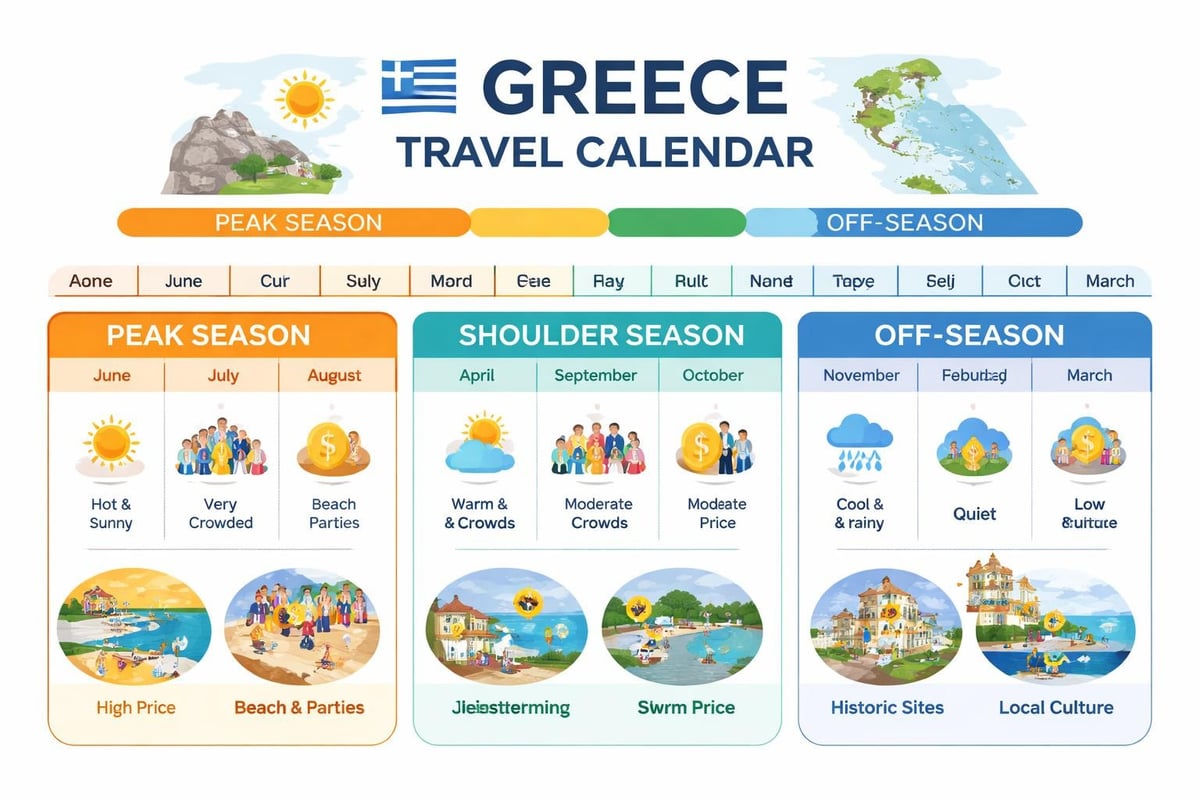
Greece's travel seasons vary dramatically in terms of weather, crowds, and pricing:
Peak Season (June-August)
- Warmest weather with temperatures often exceeding 90°F
- Highest prices for accommodations and flights
- Crowded popular islands and archaeological sites
- Vibrant nightlife and all facilities fully operational
Shoulder Season (April-May, September-October)
- Pleasant temperatures ranging from 70-85°F
- Moderate pricing and fewer crowds
- Most tourist facilities still open
- Ideal for combining beach time with cultural exploration
Off-Season (November-March)
- Significantly reduced prices
- Many island businesses closed
- Cooler, wetter weather
- Perfect for mainland cultural immersion
The National Geographic guide to Greece offers detailed seasonal insights that help travelers decide which period best matches their priorities.
Crafting Your Itinerary
Greece encompasses diverse regions that require different time allocations. A well-structured greece travel itinerary balances multiple elements:
| Region | Minimum Days | Best For | Key Highlights |
|---|---|---|---|
| Athens | 2-3 | History, Culture | Acropolis, Museums, Plaka |
| Santorini | 2-4 | Romance, Sunsets | Oia, Volcanic Beaches |
| Mykonos | 2-3 | Nightlife, Beaches | Party Scene, Little Venice |
| Crete | 5-7 | Diverse Experiences | Knossos, Beaches, Mountains |
| Meteora | 2 | Natural Wonder | Monasteries, Rock Formations |
| Peloponnese | 4-5 | History, Nature | Ancient Sites, Villages |
First-time visitors often underestimate travel time between destinations. Essential tips for visiting Greece emphasizes the importance of building buffer time into your schedule, particularly when ferry travel is involved.
Navigating Greek Transportation
Transportation logistics represent a critical component of greece travel success. Understanding your options and booking strategies will save time, money, and frustration throughout your journey.
Island Hopping Strategies
Ferry travel forms the backbone of Greek island exploration. Several key considerations will optimize your experience:
- Book ferries in advance during peak season to secure preferred departure times and seating categories
- Allow flexibility in shoulder and off-season when weather may affect schedules
- Choose between high-speed ferries and conventional options based on budget and time constraints
- Download ferry company apps for real-time updates and digital tickets
- Arrive at ports 30-45 minutes early to navigate terminals and locate your vessel
For comprehensive ferry guidance, travelers should explore resources like this first-timer's guide to Greece, which shares practical insights from experienced visitors.
Domestic Flights and Ground Transportation
While ferries connect the islands, domestic flights and ground transportation keep mainland greece travel efficient.
Domestic Flight Advantages:
- Quick connections between distant points (Athens to Santorini in 45 minutes)
- Competitive pricing when booked early
- Bypass seasickness concerns
- Time-efficient for limited vacation schedules
Ground Transportation Options:
- Rental cars provide maximum flexibility for mainland exploration
- KTEL buses connect major cities and tourist destinations affordably
- Athens metro system offers clean, efficient urban transportation
- Taxis and ride-sharing apps available in major cities
The advantages of using electronic travel guides become particularly evident when navigating complex transportation networks, as digital resources provide instant access to schedules, routes, and booking platforms.
Exploring Greece's Iconic Islands
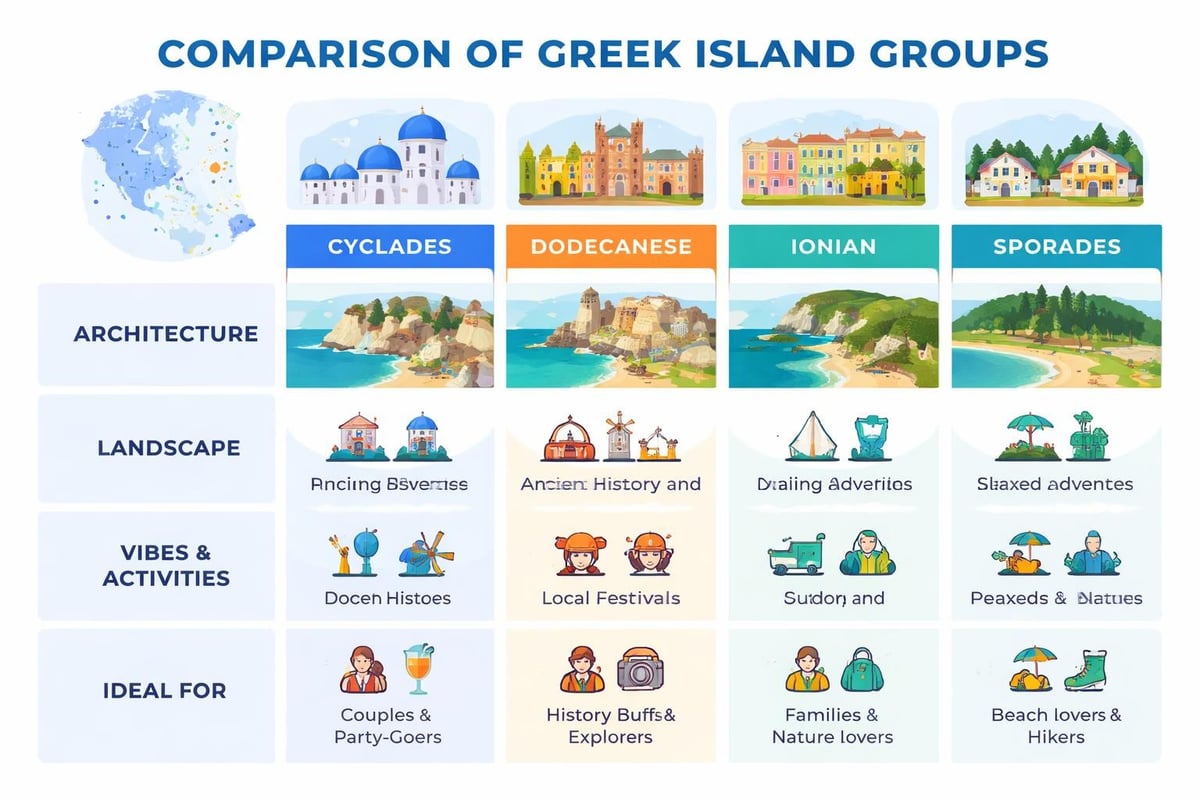
The Greek islands represent the heart of many greece travel dreams. Each island group offers distinct characteristics, and understanding these differences helps travelers select destinations that match their preferences.
The Cyclades Islands
The Cyclades embody the classic Greek island aesthetic with whitewashed villages, blue-domed churches, and dramatic coastal scenery.
Santorini draws millions for its volcanic landscapes and legendary sunsets. Beyond the crowds in Oia and Fira, explore lesser-known villages like Pyrgos and Megalochori for authentic experiences.
Mykonos balances cosmopolitan sophistication with traditional Cycladic charm. While famous for nightlife, the island also offers beautiful beaches, windmills, and the archaeological site of nearby Delos.
Paros and Naxos provide more relaxed alternatives with excellent beaches, charming villages, and lower prices than their famous neighbors. These islands appeal to travelers seeking authentic local culture without overwhelming tourist infrastructure.
Beyond the Famous Islands
Adventurous travelers who venture beyond the well-trodden path discover greece travel experiences that feel genuinely undiscovered.
The Dodecanese islands near Turkey blend Greek and Ottoman influences. Rhodes combines medieval history with beach resorts, while smaller islands like Symi and Kastellorizo offer tranquil escapes.
The Ionian islands along Greece's western coast feature lush vegetation and Venetian architecture. Corfu, Kefalonia, and Zakynthos provide stunning beaches and a different aesthetic from the arid Cyclades.
The Sporades and Northeastern Aegean islands remain relatively unknown to mass tourism. Skiathos, Skopelos, and Ikaria reward visitors with pristine nature and traditional Greek island life.
Experiencing Greek Culture and Cuisine
Authentic cultural immersion elevates greece travel from sightseeing to transformative experience. Understanding local customs, dining traditions, and social norms enriches every interaction.
Dining Like a Local
Greek cuisine extends far beyond the dishes served at tourist-oriented tavernas. Authentic dining experiences follow certain patterns:
Meal Timing:
- Greeks typically eat dinner between 9:00 PM and 11:00 PM
- Lunch remains the main meal in many traditional communities
- Coffee culture dominates morning social life
Ordering Strategies:
- Order multiple small plates (mezedes) to share family-style
- Ask servers for daily specials not listed on tourist menus
- Request house wine (hima) for excellent value
- Try local specialties unique to each region
Hidden Dining Gems:
- Look for tavernas filled with Greek families
- Avoid restaurants with multilingual menus and photo displays
- Seek recommendations from locals or accommodations hosts
- Venture into neighborhoods away from main tourist zones
The compilation of 20 Greece travel tips includes valuable dining advice that helps visitors navigate culinary experiences with confidence.
Cultural Customs and Etiquette
Respecting local customs demonstrates cultural sensitivity and often leads to warmer interactions with Greek people.
| Situation | Expected Behavior | Cultural Notes |
|---|---|---|
| Greeting | Handshake or kiss on both cheeks | Greeks appreciate warm, personal greetings |
| Dress Code | Cover shoulders/knees at religious sites | Modest dress shows respect |
| Photography | Ask permission for close-up photos of people | Privacy is valued |
| Tipping | Round up or leave 5-10% | Service charges usually included |
| Bargaining | Acceptable at markets, not shops | Done respectfully and good-naturedly |
Language Basics
While many Greeks in tourist areas speak English, learning basic phrases demonstrates respect and often results in more authentic interactions during your greece travel experience.
Essential Phrases:
- Yassas (YAH-sas): Hello/Goodbye (formal or plural)
- Efharisto (ef-ha-ree-STOH): Thank you
- Parakalo (pa-ra-ka-LOH): Please/You're welcome
- Signomi (see-GHNO-mee): Excuse me/Sorry
- Ne/Ohi (NEH/OH-hee): Yes/No
Most Greeks appreciate visitors' attempts to use their language, even if pronunciation isn't perfect.
Discovering Ancient History and Archaeological Sites
Greece's historical significance shapes much of its appeal to travelers worldwide. Strategic planning ensures you maximize these extraordinary cultural experiences.
The Acropolis and Athens
No greece travel itinerary is complete without exploring Athens' archaeological treasures. The Acropolis represents Western civilization's architectural pinnacle, but optimal visiting strategies enhance the experience:
Best Visiting Practices:
- Arrive at opening time (8:00 AM) to avoid crowds and heat
- Purchase combination tickets covering multiple sites
- Hire licensed guides for historical context and skip-the-line access
- Wear comfortable, supportive shoes for uneven ancient pathways
- Combine with the Acropolis Museum for comprehensive understanding
Athens offers numerous archaeological sites beyond the Acropolis, including the Ancient Agora, Roman Forum, and Temple of Olympian Zeus. The comprehensive resources available through platforms like Awesome Travel Guides help travelers prioritize sites based on their interests and available time.
Beyond Athens: Archaeological Wonders
Greece's mainland harbors extraordinary archaeological sites that rival Athens in historical significance.
Delphi served as ancient Greece's spiritual center, where the Oracle delivered prophecies that shaped history. The mountainside setting provides stunning views alongside remarkable ruins.
Olympia hosted the original Olympic Games and preserves the ancient stadium where athletes competed for glory. The archaeological museum houses magnificent sculptures and artifacts.
Mycenae and Epidaurus in the Peloponnese showcase Bronze Age civilization and ancient theater architecture. The acoustics at Epidaurus's amphitheater remain so perfect that performances continue today.
Meteora combines natural wonder with human achievement, as Byzantine monasteries perch atop massive rock pillars. This UNESCO World Heritage site delivers breathtaking photography opportunities and spiritual contemplation.
Practical Greece Travel Essentials
Successful greece travel requires attention to practical details that ensure smooth, enjoyable experiences from arrival to departure.
Money and Budgeting
Greece operates on the Euro, and understanding financial logistics prevents common frustrations:
Cash Considerations:
- Many small tavernas, shops, and taxis operate cash-only
- ATMs widely available but may charge fees
- Carry small denominations for easier transactions
- Credit cards accepted at hotels, larger restaurants, and major shops
Typical Daily Budgets:
- Budget travelers: €50-80 (hostels, street food, public transport)
- Mid-range travelers: €100-180 (hotels, tavernas, some tours)
- Luxury travelers: €250+ (upscale hotels, fine dining, private experiences)
Island accommodations and dining typically cost 20-40% more than mainland equivalents during peak season.
Connectivity and Communication
Staying connected during greece travel ensures you can access maps, transportation schedules, and booking platforms:
- Purchase local SIM cards at airports or mobile shops for data access
- Major European carriers offer roaming packages
- Free WiFi available at most accommodations, cafes, and restaurants
- Download offline maps and travel resources before arriving
- WhatsApp remains the preferred communication app in Greece
Digital travel guides from sources like Awesome Travel Guides provide offline access to essential information even without connectivity.
Health and Safety
Greece ranks as one of Europe's safest travel destinations, but standard precautions apply:
Health Preparations:
- European Health Insurance Card (EHIC) covers EU citizens
- Travel insurance recommended for all visitors
- Pharmacies (farmakeia) widely available and well-stocked
- Tap water generally safe in cities, bottled water preferred on islands
- Sun protection essential during summer months
Safety Considerations:
- Petty theft occurs in crowded tourist areas
- Secure valuables in accommodations
- Be cautious with personal belongings on public transportation
- Emergency number: 112 (works throughout EU)
- Tourist police available in major destinations
Packing Strategies
Greece's climate, terrain, and cultural sites require specific packing considerations:
Essential Items:
- Comfortable walking shoes with good support
- Sun protection: hat, sunglasses, high-SPF sunscreen
- Light layers for variable temperatures
- Modest clothing for religious site visits
- Reef-safe sunscreen for beach destinations
- Universal power adapter (Type C and F plugs)
- Reusable water bottle to reduce plastic waste
Photography Equipment:
- Wide-angle lens for architecture and landscapes
- Extra batteries and memory cards
- Portable charger for long exploration days
- Waterproof case for beach and boat excursions
Sustainable and Responsible Travel
Thoughtful greece travel practices help preserve the country's natural beauty and cultural heritage for future generations.
Environmental Consciousness
Greece faces environmental challenges that conscientious travelers can help address:
- Refuse single-use plastics and carry reusable bags
- Choose accommodations with environmental certifications
- Support local businesses rather than international chains
- Respect marine environments when swimming and snorkeling
- Stay on marked trails at archaeological and natural sites
- Participate in beach cleanup initiatives if opportunities arise
Supporting Local Communities
Responsible tourism distributes economic benefits more equitably:
Ways to Support Local Economies:
- Book accommodations owned by local families
- Eat at family-run tavernas instead of tourist restaurants
- Purchase souvenirs from local artisans and craftspeople
- Hire local guides for tours and experiences
- Visit during shoulder seasons to extend employment opportunities
- Learn about and respect local traditions and customs
The insights available through Lonely Planet's comprehensive Greece guide include recommendations for sustainable travel practices and community-based tourism initiatives.
Island-Specific Insider Tips
Each Greek island possesses unique characteristics that reward prepared travelers with extraordinary experiences.
Santorini Beyond the Crowds
While Santorini attracts massive visitor numbers, strategic planning reveals quieter corners:
- Stay in Imerovigli for spectacular views without Oia's crowds
- Visit Akrotiri archaeological site for Minoan history
- Explore black sand beaches like Perissa and Kamari
- Book sunset viewing at less-famous locations in Finikia
- Take wine tours through volcanic vineyards
Crete's Hidden Treasures
As Greece's largest island, Crete demands extended exploration to appreciate its diversity:
- Allocate time for both coastline and mountain villages
- Visit Samaria Gorge for spectacular hiking (May-October)
- Explore Minoan palaces at Knossos, Phaistos, and Malia
- Discover authentic culture in Sfakia and Lassithi regions
- Sample Cretan cuisine distinct from mainland Greek food
Rhodes: Medieval and Modern
Rhodes uniquely combines medieval history with beach resort amenities:
- Explore Rhodes Old Town's medieval streets early morning
- Visit Lindos before 10:00 AM to avoid cruise ship crowds
- Discover quiet beaches on the island's eastern coast
- Tour the Palace of the Grand Masters
- Experience traditional villages in the island's interior
Greece delivers travel experiences that blend ancient history, natural beauty, and warm Mediterranean hospitality into journeys that transform how we see the world. From strategic planning and transportation logistics to cultural immersion and responsible travel practices, success in greece travel comes from combining practical preparation with openness to spontaneous discovery. Whether you're exploring iconic islands, wandering through archaeological wonders, or savoring authentic taverna meals, comprehensive resources make all the difference in creating truly memorable adventures. Discover how Awesome Travel Guides can enhance your Greek journey with digital guides packed with insider tips, hidden gems, and practical advice that turns good trips into extraordinary experiences.