

The Travel Guide: Your Essential Companion for Exploration
Travel has always been about more than just getting from one place to another. It's about discovery, connection, and experiencing the world with fresh eyes. For centuries, travelers have relied on one essential tool to navigate unfamiliar territories and uncover hidden treasures: the travel guide. This indispensable resource has transformed from basic directional handbooks into sophisticated digital companions that revolutionize how we explore the world. Understanding the evolution, purpose, and modern applications of these guides reveals why they remain crucial for anyone seeking authentic, enriching travel experiences in 2026.
The Historical Evolution of Travel Literature
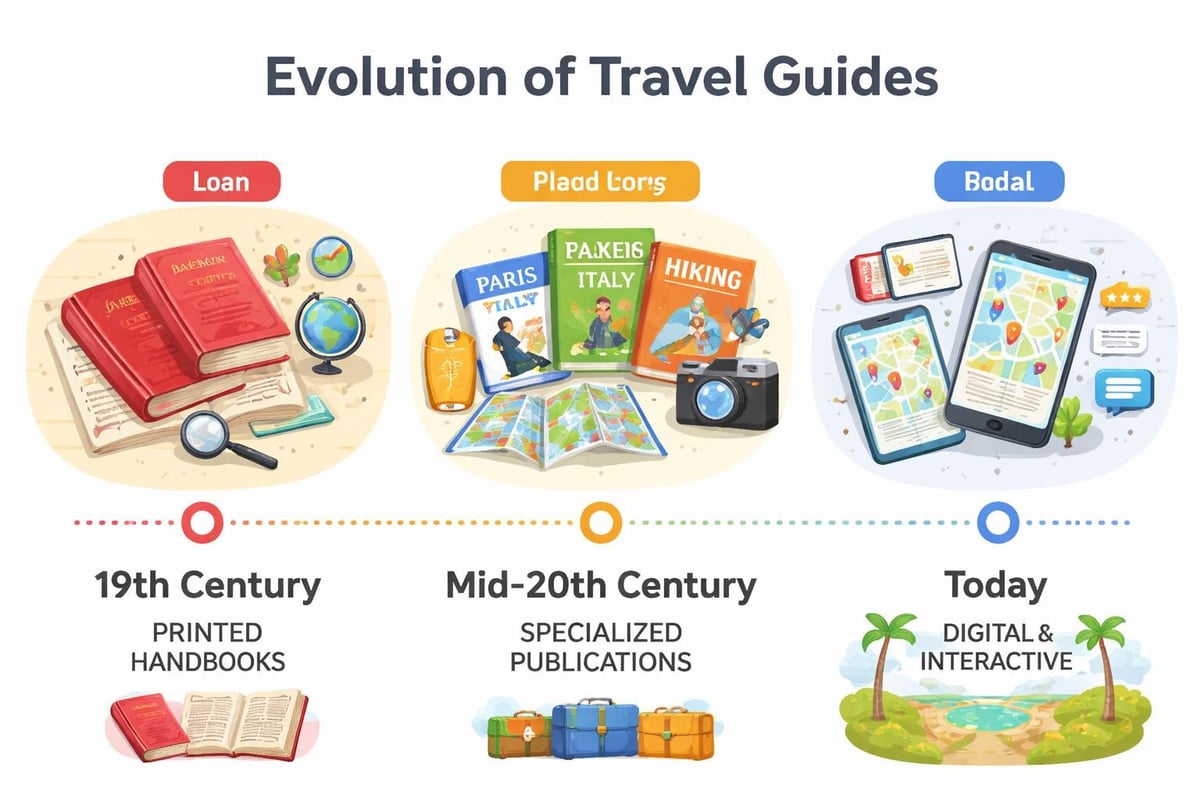
The concept of the travel guide dates back much further than most people realize. Ancient civilizations created rudimentary guides for pilgrims and merchants, but the modern iteration truly emerged during the 19th century. Baedeker guides revolutionized travel with their distinctive red covers and comprehensive, standardized information that became the gold standard for European exploration.
These pioneering publications established conventions still used today: star ratings for attractions, detailed maps, practical advice on accommodations, and cultural insights. The significance of Baedeker guides in 19th-century travel demonstrated how structured information could transform tourism from an elite activity into something accessible to middle-class travelers.
The early 20th century saw explosive growth in travel literature:
- Murray's Handbooks dominated British travel planning
- Regional guides emerged for specific destinations
- Railway companies published their own guidebooks
- Photography began supplementing written descriptions
The mid-20th century brought new players to the market. Bradt Guides pioneered coverage of lesser-known destinations, opening possibilities for adventurous travelers seeking experiences beyond mainstream tourist circuits. This diversification meant the travel guide evolved from a one-size-fits-all approach to specialized resources catering to different travel styles, budgets, and interests.
Understanding Modern Travel Guide Components
Today's travel guide, whether physical or digital, comprises multiple essential elements that work together to create comprehensive planning tools. The most effective guides balance practical information with inspirational content, helping travelers make informed decisions while sparking excitement about upcoming adventures.
Core Information Architecture
Modern guides organize information hierarchically, allowing readers to quickly locate relevant details. A well-structured guide typically includes:
- Destination overviews with geographical context and historical background
- Practical planning sections covering visas, currency, and transportation
- Accommodation options across multiple budget ranges
- Dining recommendations from street food to fine dining
- Activity suggestions including popular attractions and hidden gems
- Cultural insights explaining local customs and etiquette
The travel guide has evolved to include interactive elements that static books never could. Digital versions allow users to bookmark favorite locations, create custom itineraries, and access real-time updates about closures, events, or safety concerns. This dynamic functionality makes modern guides living documents rather than fixed references.
| Traditional Guide Features | Digital Guide Enhancements |
|---|---|
| Static maps | Interactive GPS navigation |
| Fixed recommendations | User reviews and ratings |
| Publication date information | Real-time updates |
| General advice | Personalized suggestions |
| Photo illustrations | Video content and virtual tours |
Curated vs. Crowdsourced Content
The debate between professionally curated guides and community-driven resources continues to shape the industry. Professional guides employ expert writers who visit destinations, verify information, and provide editorial oversight. Wikivoyage represents the crowdsourced approach, leveraging collective knowledge from travelers worldwide to create free, continuously updated resources.
Each approach offers distinct advantages. Curated content ensures consistency, accuracy, and a cohesive voice throughout the travel guide. Writers develop expertise in specific regions, building relationships with local communities and discovering authentic experiences. Crowdsourced platforms provide broader coverage and more frequent updates but may lack the depth and verification that professional editing provides.
Digital Transformation of Travel Resources
The shift to digital platforms represents the most significant change in travel guide history. Modern travelers carry comprehensive destination information in their pockets, accessing details instantly rather than flipping through pages. This transformation extends beyond simple format conversion-it fundamentally changes how people interact with travel information.
Digital guides offer unprecedented advantages:
- Searchable databases that instantly locate specific information
- Offline functionality for areas with limited connectivity
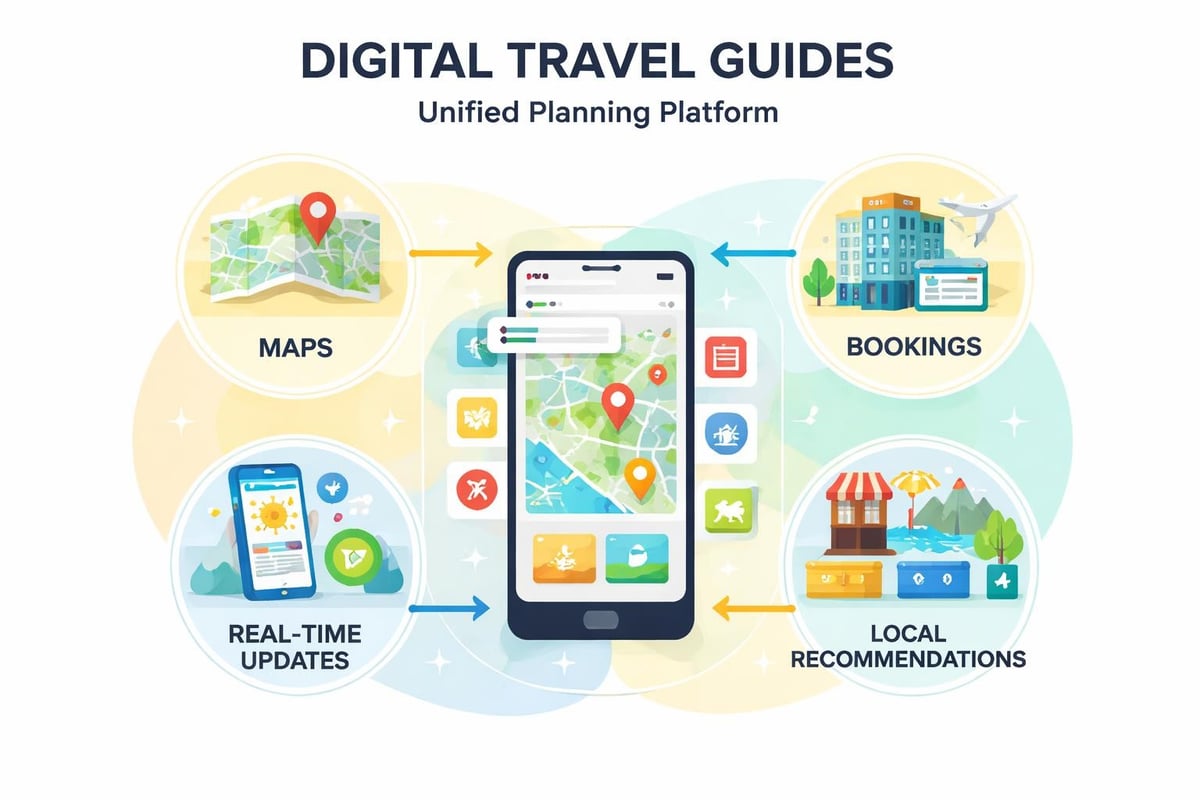
- Integration with booking platforms and mapping services
- Multimedia content including videos, audio guides, and photo galleries
- Regular updates without waiting for new editions
Those interested in electronic travel guides discover that digital formats provide flexibility impossible with printed materials. Travelers customize their experience, highlighting relevant sections, adding personal notes, and sharing recommendations with travel companions. The interactive nature transforms passive reading into active trip planning.
Integration with Modern Travel Technology
The contemporary travel guide doesn't exist in isolation. It connects seamlessly with broader travel ecosystems, linking to reservation systems, translation apps, and communication platforms. This integration creates a unified experience where travelers move fluidly from research to booking to navigation.
Smart features enhance usability beyond simple information display. Advanced guides analyze user preferences to suggest personalized recommendations, considering factors like travel style, budget constraints, dietary restrictions, and accessibility needs. Machine learning algorithms identify patterns in traveler behavior, continuously improving suggestion quality.
Regional Specialization and Cultural Expertise
Generic, one-size-fits-all approaches no longer satisfy modern travelers seeking authentic, meaningful experiences. The most valuable travel guides demonstrate deep regional knowledge, providing insights that only extended local engagement can produce. Specialized guides for destinations like Scotland or England offer comprehensive coverage impossible in broad multi-country compilations.
Regional specialization allows the travel guide to explore destinations with appropriate depth. Instead of devoting two pages to an entire country, specialized guides examine individual regions, cities, and even neighborhoods. This granular approach reveals nuances that transform ordinary visits into extraordinary experiences.
Cultural Context and Historical Depth
Understanding a destination's history enriches every travel experience. Comprehensive guides incorporate historical narratives that explain why places developed their current character. For travelers exploring Scottish destinations, knowledge about events like the Battle of Bannockburn or the Scottish Enlightenment provides context that makes visits more meaningful.
The travel guide serves as a bridge between past and present, helping visitors understand contemporary culture through historical lenses. This approach transforms sightseeing from checkbox tourism into genuine cultural education. Travelers appreciate architecture differently when they understand the periods that produced it, enjoy local cuisine more when they know its origins, and connect with residents when they demonstrate cultural awareness.
Practical Applications for Different Travel Styles
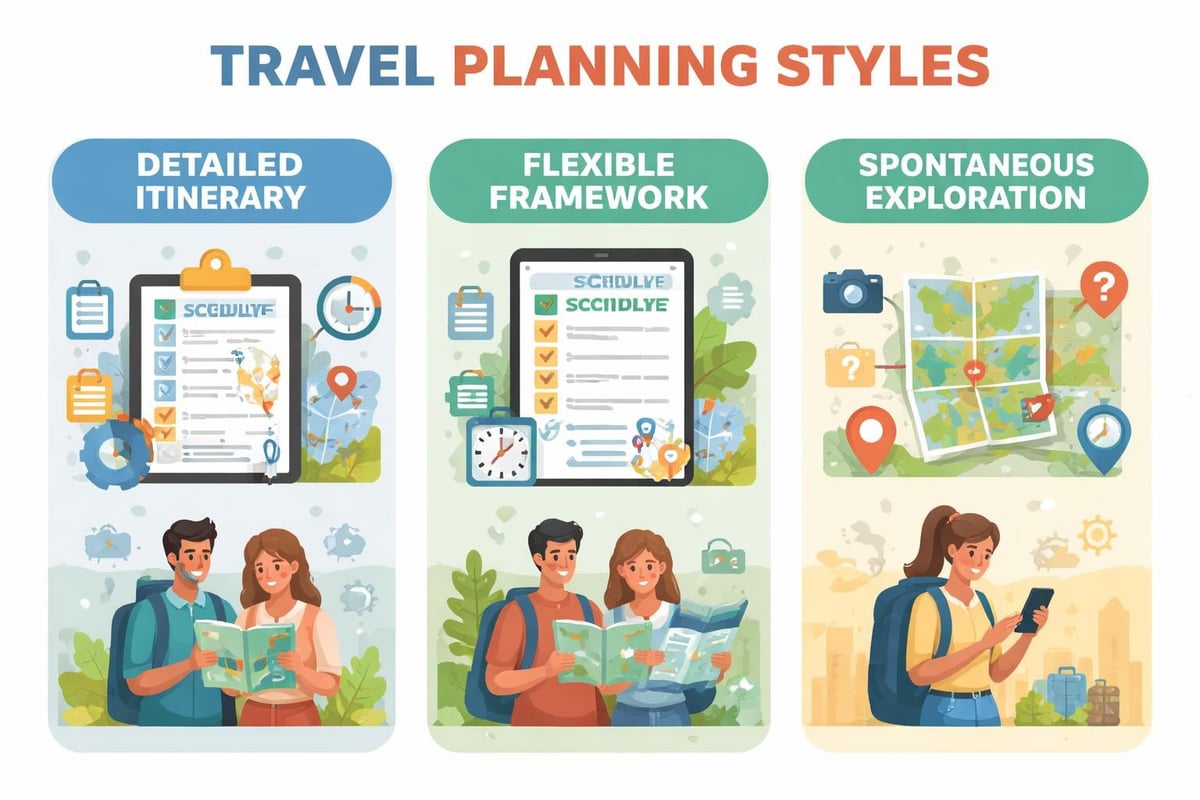
Not all travelers use guides the same way, and the most effective resources acknowledge these diverse approaches. Some meticulously plan every detail weeks in advance, while others prefer spontaneous exploration with light structure. The modern travel guide accommodates both extremes and everything between.
Common travel planning styles include:
- Structured planners who create detailed itineraries with backup options
- Flexible explorers who establish general frameworks with room for serendipity
- Weekend adventurers seeking maximum impact in limited timeframes
- Extended travelers slowly absorbing destinations over weeks or months
- Business travelers balancing work commitments with brief exploration opportunities
Maximizing Value from Your Travel Resources
Simply owning the travel guide doesn't guarantee trip success-effective use requires strategic engagement. Start by reading overview sections to understand destination context before diving into specific details. This big-picture perspective helps prioritize activities aligned with personal interests rather than blindly following popular recommendations.
Create personalized frameworks by identifying must-see attractions, then building flexible schedules around them. Leave buffer time for unexpected discoveries, local recommendations, and simple relaxation. The best travel experiences often emerge from unplanned moments, but having structured fallback options prevents wasted time when spontaneity doesn't produce results.
| Planning Approach | Best For | Guide Usage Strategy |
|---|---|---|
| Detailed Itineraries | First-time visitors, family groups | Pre-trip reading, day-by-day scheduling |
| Flexible Frameworks | Experienced travelers, couples | Overview preparation, on-the-go reference |
| Spontaneous Exploration | Solo adventurers, long-term trips | Light pre-reading, inspiration source |
| Event-Focused | Special occasions, festivals | Targeted sections, booking priorities |
Creating Authentic Local Connections
The most valuable function of the travel guide extends beyond listing attractions and restaurants-it facilitates genuine connections with local communities and cultures. Quality guides identify experiences that support local economies, respect cultural traditions, and provide meaningful interactions between visitors and residents.
Authentic travel experiences require understanding local perspectives and customs. The travel guide educates travelers about appropriate behavior, communication norms, and cultural sensitivities. This preparation prevents unintentional offense and creates opportunities for positive intercultural exchange that benefits both visitors and host communities.
Beyond Tourist Traps
Every popular destination contains attractions that deliver genuine value alongside others existing primarily to extract money from uninformed visitors. Discerning guides distinguish between these categories, steering travelers toward experiences worth their investment while warning about overpriced, underwhelming options.
The historical research guides at major universities demonstrate how travel literature has always served educational purposes beyond simple navigation. Modern guides continue this tradition, providing context that transforms sightseeing into learning experiences. Understanding why places matter creates lasting memories more valuable than superficial photo opportunities.
Sustainable and Responsible Travel Guidance
Contemporary travel guides increasingly incorporate sustainability considerations, recognizing that irresponsible tourism damages the destinations travelers love. The travel guide now educates readers about minimizing environmental impact, supporting ethical businesses, and respecting local communities facing overtourism challenges.
Responsible travel practices include:
- Choosing accommodations with verified sustainability certifications
- Supporting locally-owned restaurants, shops, and tour operators
- Respecting wildlife by maintaining appropriate distances and avoiding exploitative attractions
- Minimizing plastic waste through reusable containers and water bottles
- Traveling during shoulder seasons to reduce pressure on popular destinations
Quality guides don't just list eco-friendly options-they explain why these choices matter and how individual decisions collectively impact destinations. This educational approach helps travelers understand their role in preserving places for future visitors while ensuring local communities benefit from tourism revenue.
Specialized Interest Guides
General destination guides serve broad audiences, but specialized resources targeting specific interests have proliferated in recent years. Food-focused guides explore culinary traditions, hiking guides detail trail systems, architectural guides examine building styles, and photography guides identify optimal shooting locations and times.
The travel guide category now includes resources for virtually every interest: birdwatching, wine tourism, historical sites, adventure sports, family activities, accessible travel, and countless others. This specialization allows travelers to deeply engage with passion areas rather than settling for superficial coverage in general guides.
Combining Multiple Resources
Experienced travelers often consult multiple guides for comprehensive destination understanding. A general overview provides foundational knowledge, while specialized resources add depth in areas of particular interest. Digital formats make managing multiple sources practical, though information overload becomes a real concern.
Effective research involves balancing thoroughness with efficiency. The travel guide should inform decisions without overwhelming users with excessive detail. Focus on essential information aligned with personal priorities, using supplementary sources to explore specific interests rather than attempting to absorb everything about every destination aspect.
The Future of Travel Guides
Emerging technologies continue reshaping how travelers access and interact with destination information. Augmented reality features overlay historical images on current scenes, showing how locations appeared in different eras. Artificial intelligence provides conversational interfaces where travelers ask specific questions and receive personalized responses rather than searching through pages of generic information.
Virtual reality previews allow armchair exploration before committing to trips, helping travelers confirm destination compatibility with expectations. The travel guide increasingly becomes an immersive experience rather than a reference document, blurring lines between research, planning, and the journey itself.
Anticipated developments include:
- Real-time translation integrated directly into guide content
- Predictive algorithms suggesting optimal visit times based on personal preferences
- Blockchain verification ensuring review authenticity
- Biometric integration for seamless access to booked services
- Environmental impact calculators helping travelers make sustainable choices
These innovations won't replace fundamental guide purposes-providing accurate information, offering expert recommendations, and inspiring meaningful travel. Technology enhances delivery methods while core functions remain consistent with historical travel guides that served earlier generations of explorers.
Evaluating Guide Quality and Reliability
Not all travel resources offer equal value. Discerning travelers develop skills for assessing guide quality, considering factors like update frequency, author expertise, local knowledge depth, and review verification. The travel guide market contains everything from meticulously researched professional publications to hastily compiled cash grabs with recycled, outdated information.
Quality indicators include:
- Recent publication or update dates
- Named authors with verifiable destination experience
- Specific, detailed recommendations rather than generic suggestions
- Balanced perspectives acknowledging both positives and limitations
- Contact information for featured businesses and attractions
Be particularly skeptical of guides making everything sound perfect. Honest resources acknowledge disappointing attractions, overpriced restaurants, and challenging logistics. This transparency builds trust and helps travelers set realistic expectations, preventing disappointment when reality doesn't match promotional descriptions.
Personalizing Your Travel Guide Experience
The most effective approach treats the travel guide as a starting point for personal trip design rather than a rigid script to follow. Use professional recommendations as foundations, then customize based on individual preferences, budget constraints, time availability, and travel companions' interests.
Modern digital guides facilitate this personalization through customizable itineraries, filterable content, and bookmark features. Travelers create personalized versions highlighting relevant sections while hiding inapplicable information. This customization transforms generic resources into personally tailored planning tools.
Consider reaching out to guide publishers with specific questions about destinations, particularly for unusual circumstances or special requirements. Many companies maintain customer service teams that can provide personalized advice beyond standard guide content, helping travelers navigate unique situations.
The travel guide has evolved dramatically from its 19th-century origins, yet its fundamental purpose remains unchanged: empowering travelers to explore the world with confidence, knowledge, and cultural sensitivity. Whether you prefer detailed planning or spontaneous adventure, comprehensive destination knowledge transforms good trips into extraordinary journeys filled with authentic experiences and meaningful connections. For travelers seeking expertly curated, regularly updated digital resources packed with insider tips and hidden gems, Awesome Travel Guides provides the comprehensive destination knowledge you need to make every adventure unforgettable.