

Tourist Guide France: Your Complete Travel Companion
France remains one of the world's most captivating destinations, drawing millions of visitors annually to experience its rich cultural heritage, world-class cuisine, and stunning landscapes. Whether you're planning to wander through Parisian boulevards, explore medieval villages in Provence, or discover the lavender fields of the French countryside, having a reliable tourist guide France ensures you make the most of every moment. The right guide transforms a good trip into an extraordinary journey filled with authentic experiences and insider knowledge that standard tourism information simply cannot provide.
Understanding France's Tourism Landscape
France consistently ranks as a global tourism leader, with international tourist arrivals showing remarkable resilience even through challenging times. The country's appeal extends far beyond Paris, encompassing diverse regions that each offer unique character and experiences.
Why France Captivates Travelers
The French tourism sector represents a cornerstone of the nation's economy, with tourism contributing significantly to GDP and employment. This economic importance translates into well-maintained infrastructure, professional hospitality services, and continuous investment in cultural preservation.
- Cultural diversity across regions: From Brittany's Celtic heritage to Alsace's Germanic influences
- Culinary excellence: Michelin-starred restaurants alongside authentic local bistros
- Historical significance: Centuries of architecture, art, and monuments
- Natural beauty: Mediterranean coastlines, Alpine peaks, and rolling vineyards
- World-class museums: The Louvre, Musée d'Orsay, and countless regional collections
A comprehensive tourist guide France helps navigate this richness by providing context, recommendations, and practical information that transforms sightseeing into meaningful exploration.
Essential Regions Every Tourist Guide France Should Cover
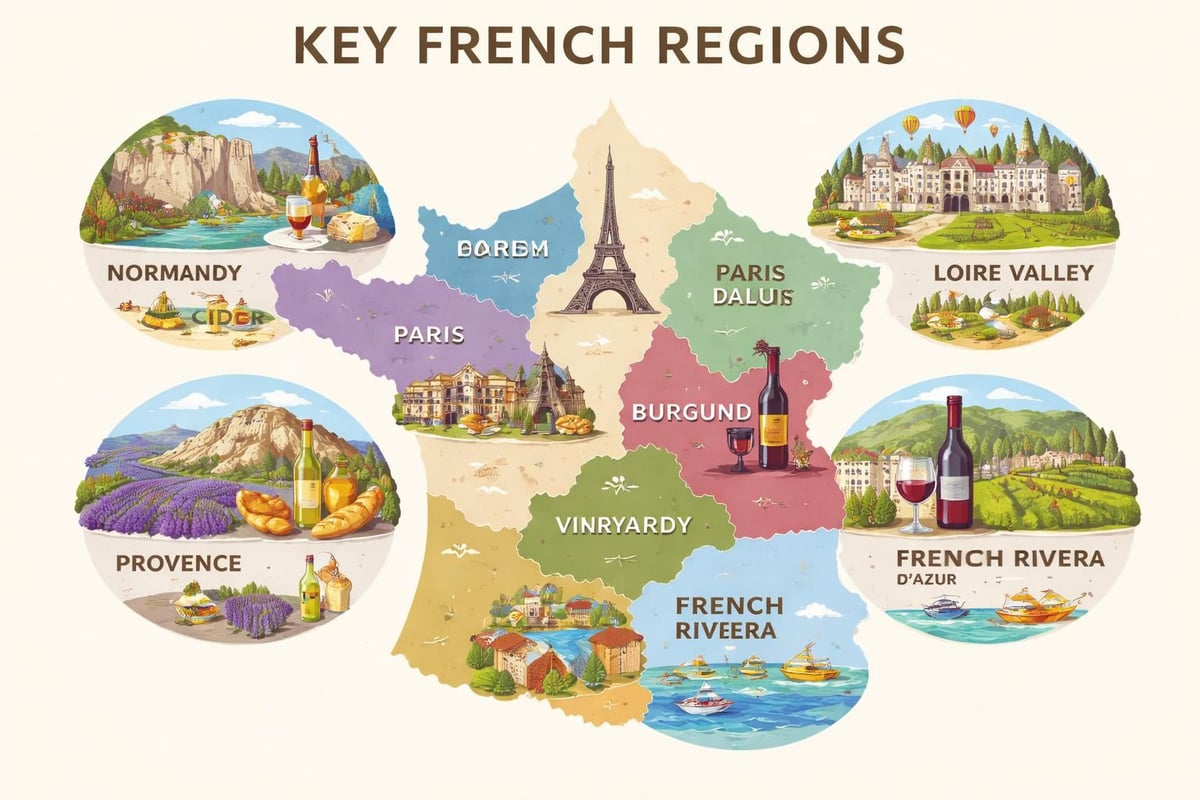
France's regional diversity demands careful planning to maximize your experience. Each area offers distinct landscapes, culinary traditions, and cultural attractions that deserve proper attention.
Paris and Île-de-France
The capital region combines iconic landmarks with neighborhood charm. Beyond the Eiffel Tower and Notre-Dame, discovering authentic Parisian life requires local insight. A quality tourist guide France reveals which arrondissements offer the best markets, where locals actually eat, and how to navigate the efficient métro system.
However, Paris faces unique challenges from overtourism, making strategic planning essential. Visiting popular attractions during off-peak hours and exploring lesser-known neighborhoods creates a more enjoyable experience while supporting local businesses.
Provence and the French Riviera
Southern France captivates with Mediterranean charm, Roman ruins, and artistic heritage. The region offers everything from glamorous Nice and Cannes to rustic hilltop villages like Gordes and Roussillon.
| Destination | Best For | Ideal Season |
|---|---|---|
| Nice | Beach culture, museums | May-September |
| Aix-en-Provence | Markets, Cézanne sites | April-October |
| Avignon | Medieval architecture | June-September |
| Luberon Villages | Rural charm, lavender | June-July |
Loire Valley
Known as the "Garden of France," the Loire Valley showcases Renaissance châteaux, world-class wines, and gentle countryside. A tourist guide France focused on this region should detail the best castle routes, wine tasting opportunities, and cycling paths along the river.
Normandy and Brittany
These northern regions offer dramatic coastlines, World War II history, and Celtic culture. From the D-Day beaches to Mont-Saint-Michel, the area combines historical significance with natural beauty.
Cultural Experiences That Define France
France's cultural landscape extends beyond museums and monuments into living traditions that shape daily life. Understanding these elements enriches any visit and helps travelers connect authentically with French culture.
Culinary Traditions and Regional Specialties
French cuisine varies dramatically by region, with each area proudly maintaining distinct culinary identities. A proper tourist guide France should map these gastronomic territories, explaining what to eat where and when.
Regional specialties worth seeking:
- Burgundy: Coq au vin, escargots, Dijon mustard
- Lyon: Quenelles, saucisson, bouchon restaurants
- Brittany: Crêpes, galettes, cidre
- Provence: Bouillabaisse, ratatouille, tapenade
- Alsace: Choucroute, tarte flambée, Riesling wines
Markets remain central to French food culture. Every town hosts weekly markets where vendors sell regional cheeses, charcuterie, produce, and specialties. These markets offer authentic experiences and opportunities to interact with local producers.
Arts and Cultural Performances
France's cultural sector has demonstrated remarkable vitality, with live performances drawing increasing audiences. From opera at Palais Garnier to contemporary theater in Avignon, the performing arts scene thrives across the country.
Festivals and Seasonal Events
A temporal dimension adds richness to travel planning. France celebrates countless festivals throughout the year, from lavender festivals in Provence to wine harvests in Burgundy. Timing your visit to coincide with these events creates memorable experiences that standard tours cannot replicate.
Practical Navigation and Transportation
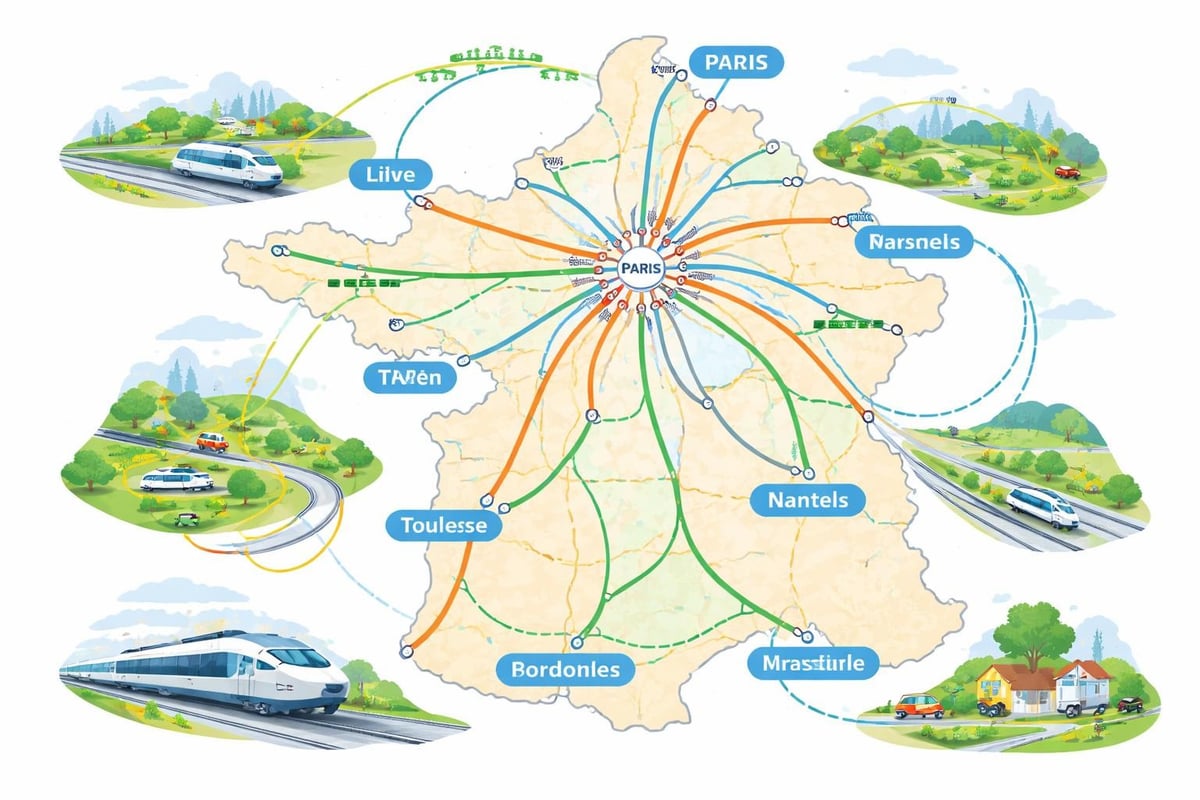
Efficient transportation systems make France highly accessible, though understanding the options requires proper guidance. A tourist guide France should demystify travel logistics while highlighting opportunities for scenic journeys.
High-Speed Rail Networks
The TGV (Train à Grande Vitesse) connects major cities at speeds exceeding 300 kilometers per hour. Paris serves as the hub, with routes radiating to Lyon, Marseille, Bordeaux, Strasbourg, and beyond. Advance booking often yields significant savings.
Regional Transportation
Each region maintains its own transportation character:
- Paris: Extensive métro, RER, and bus systems make car ownership unnecessary
- Rural Provence: Car rental becomes essential for village exploration
- Loire Valley: Cycling routes follow the river between châteaux
- Alpine regions: Cable cars and mountain trains access remote areas
Digital Resources and Modern Tools
The shift toward digital tourist services reflects changing traveler needs. Modern digital guides offer real-time updates, offline maps, and personalized recommendations that paper guides cannot match. Having comprehensive digital resources accessible on your smartphone enhances flexibility while exploring.
Accommodation Strategies Across France
Lodging options span from luxury palace hotels to countryside gîtes, each offering distinct experiences. A comprehensive tourist guide France helps match accommodation style with travel goals and budget considerations.
Urban Hotels and Apartments
Paris and major cities offer everything from boutique hotels in historic buildings to modern chains near transit hubs. Apartment rentals provide authentic neighborhood experiences, though recent regulations have limited availability in some areas.
Considerations for urban accommodation:
- Location relative to transit: Métro access transforms travel efficiency
- Neighborhood character: Saint-Germain differs dramatically from Montmartre
- Seasonal pricing: Summer and major events increase rates significantly
- Advance booking: Popular periods require early reservations
Rural Properties and Character Hotels
Outside cities, options expand to include château hotels, converted farmhouses, and chambres d'hôtes (bed and breakfasts). These properties often provide the most memorable experiences, with hosts sharing local knowledge and regional specialties.
| Property Type | Average Cost | Best For |
|---|---|---|
| Château hotel | €200-500 | Luxury, romance |
| Gîte rural | €80-150 | Families, groups |
| Chambre d'hôtes | €70-120 | Cultural immersion |
| Village hotel | €60-100 | Budget travelers |
Planning Your France Itinerary
Creating an effective itinerary balances popular attractions with authentic experiences while accounting for practical realities like travel time and seasonal factors. A tourist guide France should provide frameworks rather than rigid schedules, allowing personalization based on interests and travel style.
First-Time Visitor Priorities
First visits typically focus on iconic experiences while establishing familiarity with French travel rhythms. Paris deserves at least three to four days, allowing proper exploration without exhausting marathon days at museums.
Classic first-time itinerary framework:
- Days 1-4: Paris (major museums, neighborhoods, day trip to Versailles)
- Days 5-7: One regional destination (Loire châteaux or Provence)
- Days 8-10: Second region or extended Paris exploration
Themed Journeys
Experienced travelers often organize trips around specific interests, creating focused experiences that deliver deeper engagement.
- Wine tourism: Burgundy, Bordeaux, Champagne, Rhône Valley
- Historical journeys: D-Day beaches, medieval cities, Roman sites
- Culinary exploration: Market tours, cooking classes, restaurant pilgrimages
- Artistic heritage: Impressionist trails, Van Gogh sites, contemporary galleries
- Outdoor adventures: Alpine hiking, coastal paths, cycling routes
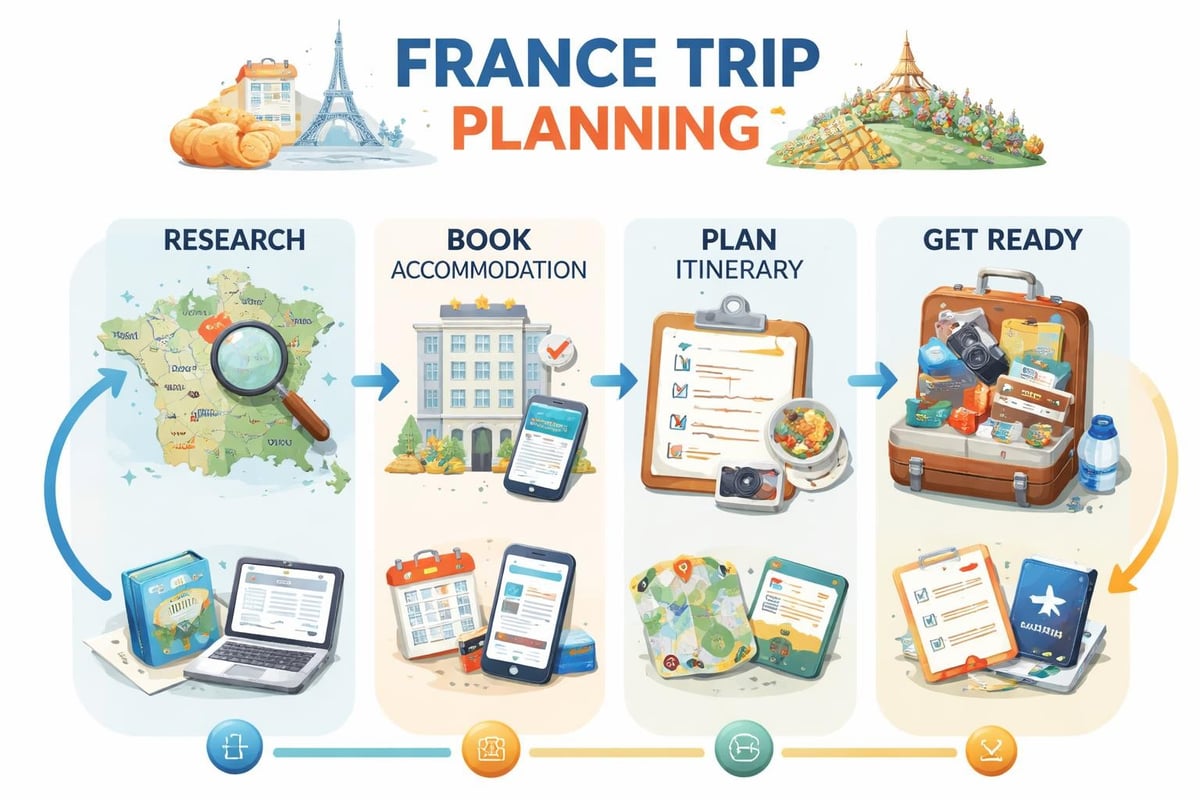
Seasonal Considerations for France Travel
France transforms dramatically across seasons, each period offering distinct advantages and challenges. Strategic timing enhances experiences while potentially reducing costs and crowds.
Spring (April-June)
Spring brings moderate temperatures, blooming gardens, and increasing daylight hours. This period offers excellent weather before summer crowds arrive. Markets overflow with fresh produce, and outdoor cafés reopen after winter.
Summer (July-August)
Peak season brings warm weather, long days, and maximum cultural programming. However, this period also sees the highest prices, largest crowds, and many Parisians departing for vacation. France's tourism success means popular destinations can feel overcrowded during summer months.
Autumn (September-November)
Many travelers consider autumn the ideal season. Weather remains pleasant, harvest festivals celebrate regional bounty, and cultural venues operate fully without summer crowds. Wine regions particularly shine during grape harvest season.
Winter (December-March)
Winter offers the lowest prices and smallest crowds, though some rural properties close until spring. Christmas markets create festive atmospheres, while Alpine regions attract skiers. Paris maintains full operation year-round, with museums and restaurants serving locals and visitors alike.
Budget Management and Cost Strategies
France accommodates diverse budgets, though careful planning helps maximize value regardless of spending level. A tourist guide France should provide realistic cost expectations while highlighting opportunities for savings.
Daily Budget Ranges
- Budget travel: €60-90 per person (hostels, picnics, free attractions, public transit)
- Mid-range: €150-250 per person (3-star hotels, restaurant meals, paid attractions)
- Luxury: €400+ per person (boutique hotels, fine dining, private experiences)
Money-Saving Strategies
France offers numerous ways to reduce costs without sacrificing experience quality:
- Museum passes: Paris Museum Pass provides skip-the-line access and savings for frequent visitors
- Prix-fixe menus: Lunch menus offer identical quality at lower prices than dinner
- Market meals: Assemble picnics from market vendors for exceptional value
- Regional passes: Transportation bundles reduce per-journey costs
- Shoulder seasons: Travel during April-May or September-October for lower rates
Contemporary France Travel Trends
Understanding current travel patterns helps optimize planning while supporting sustainable tourism practices. Global tourism trends influence how destinations manage visitor flows and develop new experiences.
Sustainable and Responsible Tourism
Growing awareness of tourism's environmental and social impacts encourages more thoughtful travel. A modern tourist guide France should address sustainability through practical recommendations.
Sustainable travel practices:
- Choosing train travel over flights for domestic routes
- Supporting local businesses rather than international chains
- Visiting lesser-known destinations to distribute tourist benefits
- Respecting local communities and cultural norms
- Minimizing waste and environmental footprint
Digital Integration
Modern travelers expect seamless digital experiences. Comprehensive digital guides like those from Awesome Travel Guides provide offline functionality, regular updates, and integration with mapping applications that paper guides cannot match.
Authentic Local Experiences
Today's travelers increasingly seek authentic interactions over curated tourist experiences. This shift favors smaller accommodations, cooking classes, market visits, and neighborhood exploration over bus tours and tourist restaurants.
Specialized Interest Destinations
France caters to virtually every interest, with specialized destinations offering world-class experiences in specific domains. A comprehensive tourist guide France should highlight these opportunities for passionate travelers.
Wine and Gastronomy
France's wine regions function as destinations themselves, offering not just tasting rooms but entire cultural landscapes shaped by viticulture. Bordeaux, Burgundy, Champagne, and Alsace each present distinct terroirs, grape varieties, and traditions.
Art and Architecture
Beyond Paris museums, France preserves artistic heritage across the country. Giverny showcases Monet's gardens, Saint-Paul-de-Vence hosts galleries and artist studios, while Nancy exemplifies Art Nouveau architecture.
Outdoor Recreation
The French Alps provide world-class skiing, hiking, and mountaineering. The Atlantic and Mediterranean coasts offer water sports, while inland regions feature cycling routes, kayaking, and rock climbing opportunities.
Making the Most of Your Tourist Guide France
Digital guides have revolutionized travel planning by offering portability, searchability, and regular updates. Unlike static printed materials, comprehensive digital resources adapt to changing conditions while providing deeper information than physical books can contain.
Awesome Travel Guides exemplifies this evolution, offering detailed destination coverage that travelers can access offline, search instantly, and update seamlessly. Similar to their successful guides to other European destinations, France-focused resources provide neighborhood-level detail combined with practical logistics.
Key Features of Effective Digital Guides
- Offline accessibility: Essential when data connectivity proves unreliable
- Regular updates: Reflecting current prices, hours, and conditions
- Customizable itineraries: Allowing personalization based on interests
- Integrated mapping: Connecting recommendations with navigation
- Local insights: Going beyond standard tourist information
France offers extraordinary diversity within a single country, rewarding thoughtful planning with unforgettable experiences across varied landscapes, cultural traditions, and historical periods. The right tourist guide France transforms logistical complexity into confident exploration, revealing both celebrated landmarks and hidden treasures that create lasting memories. Whether you're planning your first visit or returning to discover new regions, comprehensive digital resources from Awesome Travel Guides provide the insights, practical information, and local knowledge needed to experience France like a seasoned traveler rather than a typical tourist.