

Travel Guide in Portugal: Essential Tips & Hidden Gems
Portugal has emerged as one of Europe's most captivating destinations, offering travelers a perfect blend of historic charm, stunning coastlines, vibrant cities, and authentic cultural experiences. Whether you're planning your first visit or returning to explore deeper, a comprehensive travel guide in portugal ensures you'll discover both iconic landmarks and lesser-known treasures that make this Iberian nation truly unforgettable. From the colorful streets of Lisbon to the dramatic cliffs of the Algarve, Portugal rewards those who venture beyond the postcards with genuine hospitality, world-class cuisine, and landscapes that range from sun-soaked beaches to misty mountain villages.
Planning Your Portuguese Adventure
Creating a well-structured itinerary stands as the foundation of any successful trip. Portugal's compact size makes it ideal for exploring multiple regions within a single journey, yet each area deserves adequate time to appreciate its unique character.
Best Time to Visit Portugal
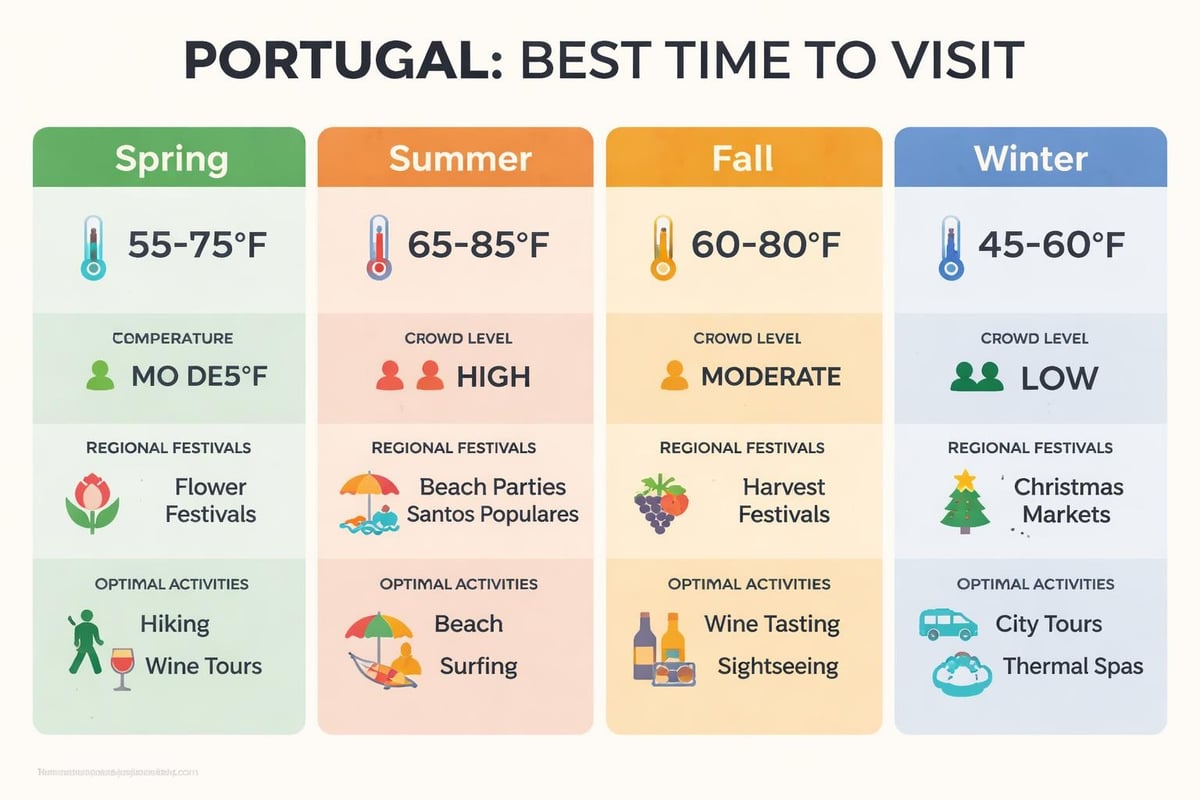
Portugal welcomes visitors year-round, but timing your trip can significantly enhance your experience. Spring (March through May) and fall (September through October) offer the most pleasant weather conditions with fewer crowds and moderate temperatures. Summer brings peak tourist season, especially along the Algarve coast, where beach towns buzz with energy but accommodations command premium prices.
Seasonal Considerations:
- Spring: Wildflowers bloom across the countryside, temperatures hover between 60-70°F, and Easter celebrations showcase local traditions
- Summer: Perfect beach weather, vibrant festivals, but expect larger crowds at major attractions
- Fall: Harvest season in wine regions, comfortable temperatures for city exploration, and reduced accommodation costs
- Winter: Mild climate ideal for city touring, surf season on the Atlantic coast, and authentic local experiences
The shoulder seasons provide the sweet spot for most travelers, combining favorable weather with better value and more authentic interactions with locals.
Regional Overview and Travel Routes
Understanding Portugal's distinct regions helps you craft an itinerary that matches your interests. The country divides naturally into several zones, each offering different experiences.
| Region | Highlights | Ideal Duration | Best For |
|---|---|---|---|
| Lisbon & Surroundings | Historic neighborhoods, Sintra palaces, coastal towns | 3-4 days | Culture, history, day trips |
| Porto & Douro Valley | Port wine cellars, river cruises, vineyard estates | 2-3 days | Wine tourism, scenic landscapes |
| Algarve | Golden beaches, dramatic cliffs, water sports | 3-5 days | Beach relaxation, coastal activities |
| Alentejo | Medieval villages, cork forests, wine estates | 2-3 days | Rural experiences, tranquility |
| Central Portugal | Coimbra university, Templar castles, coastal towns | 2-3 days | History, pilgrimage routes |
Most travelers focus on the Lisbon-Porto corridor for first visits, which Lonely Planet's Portugal guide covers extensively. A digital travel guide makes it simple to adjust your route based on real-time discoveries and local recommendations.
Exploring Portugal's Major Destinations
Lisbon: The City of Seven Hills
Lisbon captivates visitors with its blend of traditional character and contemporary energy. The capital sprawls across steep hillsides, where vintage trams climb through neighborhoods adorned with colorful tiles and laundry fluttering from wrought-iron balconies.
Essential Lisbon Experiences:
- Alfama District: Wander the oldest neighborhood's maze-like streets, stopping at miradouros (viewpoints) for panoramic vistas
- Belém: Visit the UNESCO-listed Jerónimos Monastery and Tower of Belém, then taste authentic pastéis de nata
- LX Factory: Explore this creative hub housed in former industrial buildings, filled with boutiques, restaurants, and street art
- Tram 28: Ride this iconic yellow tram through historic districts, though early morning trips avoid crowds
Beyond the tourist highlights, Lisbon rewards exploration of neighborhoods like Mouraria, where multicultural influences create unique dining experiences, and Príncipe Real, known for garden squares and independent shops. The Independent's Portugal travel guide provides additional insights into the capital's evolving cultural scene.
Porto: Wine, Bridges, and Riverside Charm
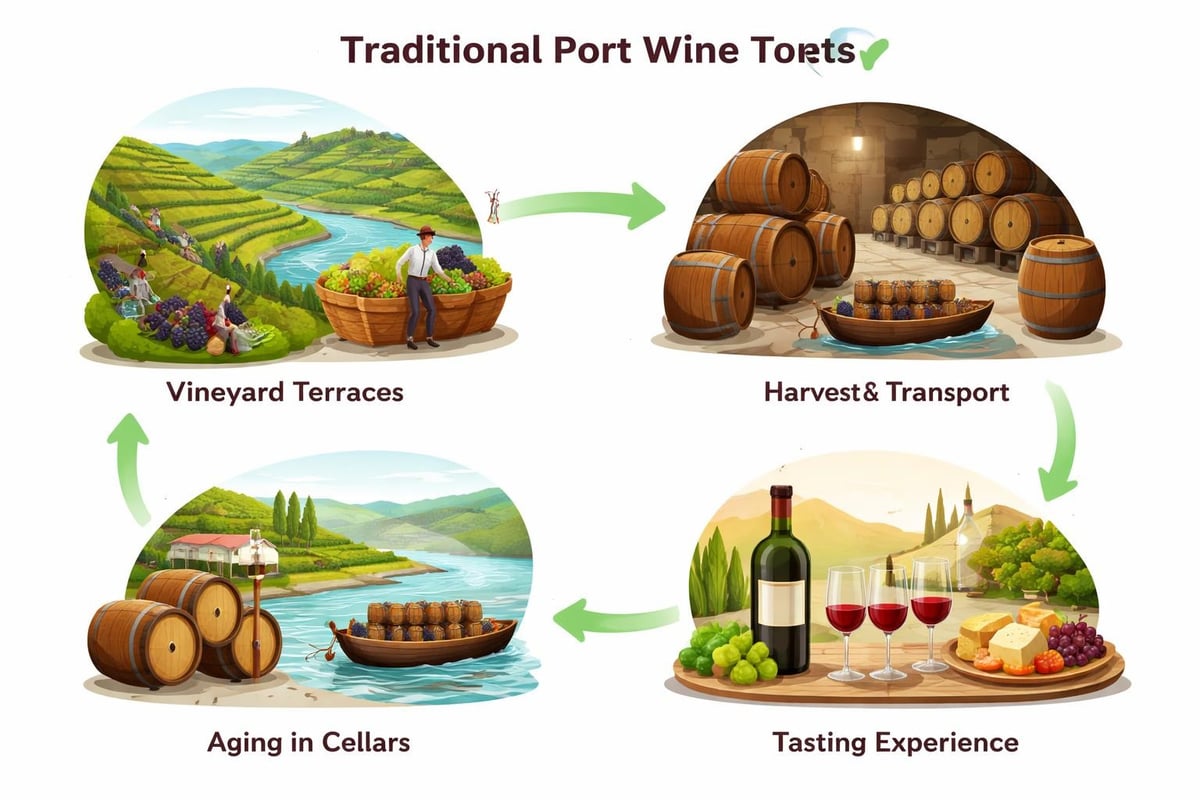
Porto exudes a different energy than Lisbon, with a more compact historic center and strong connection to its river commerce heritage. The Douro River defines the cityscape, spanned by impressive bridges and lined with traditional rabelo boats that once transported port wine barrels.
The Ribeira district, with its narrow medieval streets and colorful facades, forms the heart of old Porto. Across the river in Vila Nova de Gaia, dozens of port wine cellars offer tours and tastings. Beyond wine tourism, Porto impresses with the Livraria Lello bookstore, São Bento train station's azulejo panels, and the contemporary Serralves Museum.
Day trips from Porto open access to the stunning Douro Valley, where terraced vineyards cascade down steep hillsides. Consider a river cruise or train journey through this UNESCO World Heritage landscape for unforgettable scenery.
Coastal Portugal: Beaches and Maritime Heritage
The Algarve's Golden Coast
Portugal's southern coastline draws sun-seekers to some of Europe's finest beaches. The Algarve stretches for 150 kilometers, offering everything from hidden coves to expansive sandy strands. Praia da Marinha stands out as one of the most photographed beaches, where golden cliffs frame turquoise waters.
Different sections of the Algarve cater to varied preferences:
- Western Algarve (Costa Vicentina): Rugged, windswept beaches popular with surfers, less developed
- Central Algarve: Family-friendly resorts, golf courses, marina towns like Vilamoura
- Eastern Algarve: Quieter beaches, nature reserves, traditional fishing villages
Water activities dominate summer itineraries, from boat tours exploring sea caves to stand-up paddleboarding in calm bays. Inland, whitewashed villages and mountain hiking trails provide alternatives to beach days.
Costa Vicentina and Wild Atlantic Shores
The western coast presents a dramatically different maritime experience. Protected as a natural park, this coastline maintains its raw beauty with minimal development. Towns like Sagres and Lagos serve as bases for exploring dramatic clifftop trails and deserted beaches pounded by Atlantic swells.
Cultural Immersion and Authentic Experiences
Portuguese Cuisine Beyond the Guidebooks
Food culture runs deep in Portugal, where regional specialties reflect local ingredients and centuries-old traditions. A proper travel guide in portugal should lead you beyond tourist restaurants to authentic tasquerias and family-run establishments.
Regional Specialties to Seek:
- Lisbon: Fresh seafood, ginjinha cherry liqueur, grilled sardines during santos festivals
- Porto: Francesinha sandwich, tripas à moda do Porto, port wine pairings
- Alentejo: Açorda bread stew, black pork dishes, robust red wines
- Algarve: Cataplana seafood stew, Dom Rodrigo sweets, fresh fish markets
- Beira: Serra cheese, roasted kid, sparkling wine from Bairrada
The Michelin-starred restaurants in Portugal showcase haute cuisine, but some of the most memorable meals happen in neighborhood tascas where locals gather. Market visits, cooking classes, and wine estate tours add interactive dimensions to culinary exploration.
Fado Music and Traditional Arts
Fado, Portugal's haunting traditional music, expresses saudade (a uniquely Portuguese melancholy longing). Lisbon's Alfama and Mouraria districts host authentic fado houses where performers pour emotion into songs accompanied by Portuguese guitar. Coimbra offers its own fado tradition, performed exclusively by men in academic robes.
Beyond music, Portuguese crafts include azulejo tile painting, cork products, filigree jewelry, and hand-woven textiles. Artisan workshops in smaller towns often welcome visitors to observe traditional techniques.
Off-the-Beaten-Path Discoveries
Medieval Villages and Historic Towns
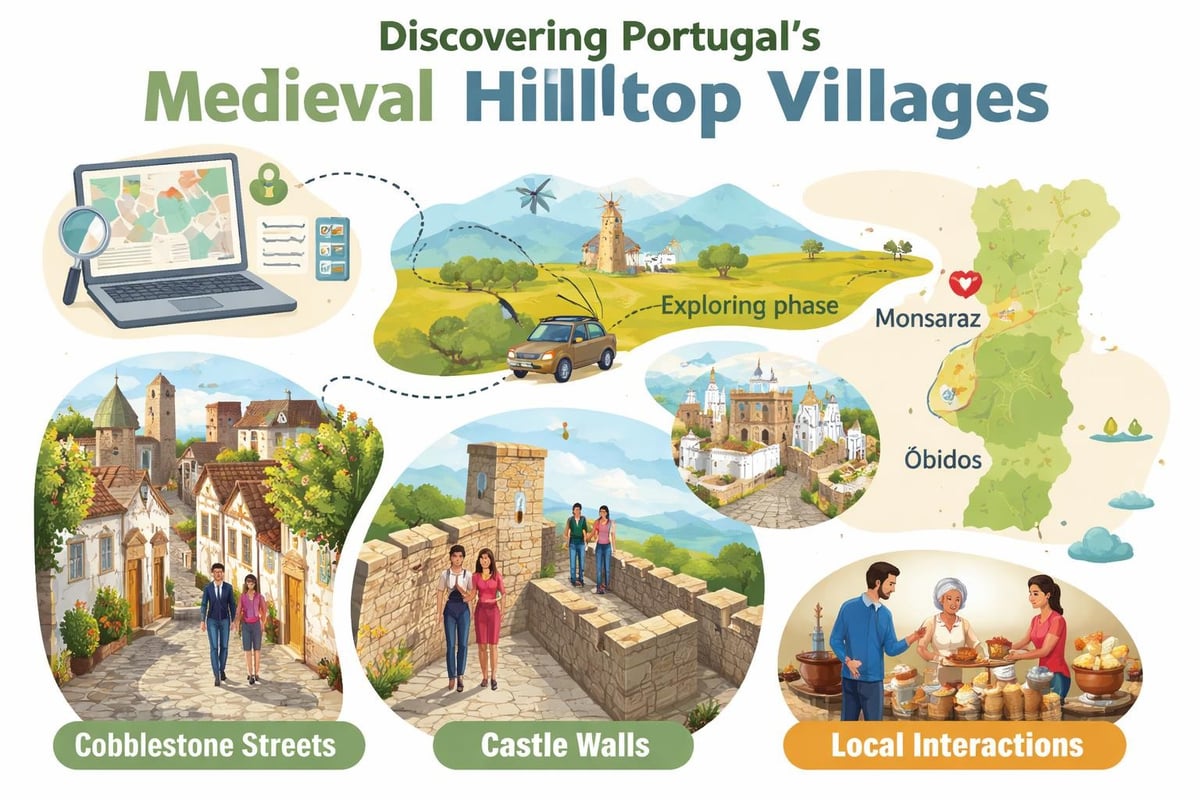
Portugal preserves numerous historic towns that offer glimpses into different eras. Tomar Castle, headquarters of the Knights Templar in Portugal, crowns a hilltop above a charming riverside town. The Convent of Christ within its walls represents one of Portugal's most significant monuments.
Other historic destinations worth exploring include:
- Évora: Roman temple, medieval cathedral, bone chapel, surrounded by Alentejo plains
- Óbidos: Perfectly preserved walled town, famous for ginjinha served in chocolate cups
- Guimarães: Birthplace of Portugal, castle and medieval center reflecting the nation's origins
- Monsaraz: Hilltop village with panoramic views across Alqueva reservoir
- Coimbra: Ancient university town with baroque library and student traditions
These destinations typically appear in comprehensive guides but receive fewer visitors than major cities. Having an electronic travel guide allows you to access detailed information about these sites even in areas with limited connectivity.
The Portuguese Way Pilgrimage
Walking enthusiasts can experience Portugal through the Portuguese Way, one of the pilgrimage routes to Santiago de Compostela. The coastal route from Porto offers stunning ocean views, while the inland route passes through historic towns. Even walking a section provides insight into Portuguese landscapes and hospitality traditions that welcomed pilgrims for centuries.
Practical Travel Information
Transportation Options
Portugal's transportation infrastructure supports various travel styles. The train network connects major cities efficiently, with comfortable alfa pendular services covering Lisbon-Porto in under three hours. Regional trains serve coastal routes and smaller towns, though schedules may be less frequent.
Renting a car provides maximum flexibility, especially for exploring rural areas, wine regions, and coastal villages. Portuguese drivers navigate confidently but generally respect traffic rules. Parking challenges in historic city centers often make public transportation preferable for urban exploration.
| Transport Method | Best For | Considerations |
|---|---|---|
| Train | City-to-city travel, comfort | Limited rural access |
| Rental Car | Rural areas, flexibility, family travel | Parking costs, narrow streets |
| Bus | Budget travel, wider network | Longer journey times |
| Metro/Tram | Urban exploration | Lisbon and Porto only |
| Uber/Taxi | Convenience, nighttime travel | Costs add up quickly |
Accommodation Strategies
Portugal offers accommodation ranging from luxury hotels to budget hostels, with distinctive options like quintas (rural estates), pousadas (historic property hotels), and traditional guesthouses. Booking platforms show numerous choices, but reading recent reviews helps identify properties that maintain quality standards.
Neighborhood Selection Tips:
- Choose central locations in smaller towns for walkability
- Research noise levels, as nightlife districts can be loud until late
- Consider apartment rentals for longer stays or family groups
- Book well ahead for summer Algarve visits and major festival periods
Budget Planning
Portugal remains one of Western Europe's more affordable destinations, though costs have risen in recent years. Daily budgets vary significantly based on travel style:
- Budget travelers: €40-60 (hostels, public transport, casual dining, free attractions)
- Mid-range travelers: €80-150 (comfortable hotels, mix of transportation, restaurant meals, paid attractions)
- Luxury travelers: €200+ (boutique hotels, private tours, fine dining, wine experiences)
Costs in Lisbon and resort areas of the Algarve run higher than in smaller cities and rural regions. Free activities like beach days, hiking trails, and exploring historic neighborhoods help balance splurges on special experiences.
Seasonal Events and Cultural Celebrations
Portugal's festival calendar provides opportunities to experience authentic traditions. June brings Santos Populares celebrations, when Lisbon neighborhoods host street parties with grilled sardines, paper decorations, and all-night dancing. Porto's São João festival on June 23-24 fills the streets with locals gently bopping each other with plastic hammers and garlic flowers.
Religious processions, wine harvest festivals, and maritime celebrations occur throughout the year in different regions. Consulting a detailed travel guide in portugal helps you time visits to coincide with events that interest you, from Fátima pilgrimages to surf competitions on the Atlantic coast.
Making the Most of Your Journey
Photography and Memory Making
Portugal presents endless photographic opportunities, from Lisbon's golden-hour light on pastel buildings to the geometric precision of vineyard terraces. The soft Atlantic light creates ideal conditions for photography, particularly during early morning and late afternoon.
Beyond taking photos, consider keeping a travel journal or collecting small mementos from local artisans. These personal touches create richer memories than any guidebook can provide. Many travelers find that using resources like Awesome Travel Guides helps them identify photo-worthy locations and unique experiences they might otherwise miss.
Connecting with Locals
Portuguese people generally welcome visitors warmly, especially when travelers make small efforts to learn basic phrases. A simple "bom dia" (good morning) or "obrigado/obrigada" (thank you) opens doors to friendlier interactions. Older generations may speak limited English, particularly in rural areas, but younger Portuguese typically communicate well in English.
Joining local experiences like cooking classes, wine tastings with winemakers, or attending neighborhood festivals creates opportunities for genuine cultural exchange. These interactions often become the most treasured aspects of any trip.
Advanced Planning Resources
Essential Pre-Trip Preparations
Successful travel begins long before departure. Creating checklists, researching visa requirements, and organizing travel documents prevents last-minute stress. A pre-trip checklist ensures you address everything from health insurance to adapter plugs.
Portugal requires no visa for US, Canadian, UK, and EU citizens for stays under 90 days. Ensure your passport has at least six months validity beyond your planned return date. Travel insurance provides valuable protection for trip cancellations, medical emergencies, and lost luggage.
Digital Tools and Resources
Modern travel guide in portugal options include both traditional printed guides and digital alternatives. Digital guides offer advantages like searchable content, instant updates, and the ability to carry comprehensive information without physical weight. Rough Guides and similar publishers provide both formats.
Downloading offline maps, translation apps, and restaurant reservation platforms before departure ensures you stay connected even without constant data access. Many museums and attractions now offer apps that enhance visits with audio guides and augmented reality features.
Sustainable and Responsible Travel
Portugal faces increasing tourism pressure, particularly in Lisbon, Porto, and the Algarve. Traveling responsibly helps preserve the authenticity that makes Portugal special. Support local businesses over international chains, respect residential neighborhoods by keeping noise down, and avoid contributing to overtourism by exploring less-visited regions.
Environmental consciousness matters too. Portugal has made significant renewable energy investments, and visitors can support these efforts by choosing eco-friendly accommodations, using public transportation, and minimizing single-use plastics. Many beaches and natural areas require protection to remain pristine for future generations.
Regional Deep Dives
Alentejo: Portugal's Heartland
The vast Alentejo region stretches across Portugal's southern interior, characterized by rolling plains dotted with cork oaks, olive groves, and whitewashed villages. This agricultural heartland produces exceptional wines, olive oils, and traditional foods that reflect centuries of rural traditions.
Alentejo rewards slow travel, where days unfold at a relaxed pace. Wine estates welcome visitors for tastings and tours, medieval towns invite exploration without crowds, and the starlit night skies recall simpler times. The region's cork forests supply much of the world's cork, and factory tours reveal this sustainable harvesting process.
The Azores and Madeira
Portugal's Atlantic islands offer entirely different experiences from the mainland. The Azores archipelago attracts nature lovers with volcanic landscapes, whale watching, thermal springs, and hiking trails across nine distinct islands. Madeira enchants visitors with levada walks through laurel forests, dramatic coastal scenery, and the fortified wine bearing its name.
These islands require separate trips from mainland Portugal, but they extend possibilities for travelers wanting to explore Portugal's full diversity. Island hopping in the Azores or dedicating a week to Madeira creates adventures distinct from continental Portugal experiences.
Enhancing Your Portuguese Experience
Language Basics
While English is widely spoken in tourist areas, learning Portuguese basics enhances interactions and shows respect for local culture. Portuguese pronunciation differs significantly from Spanish, despite similarities in written form.
Essential Phrases:
- Hello/Good day: Olá/Bom dia
- Please: Por favor
- Thank you: Obrigado (male)/Obrigada (female)
- Excuse me: Com licença
- How much: Quanto custa
- Where is: Onde fica
- The check, please: A conta, por favor
Most Portuguese appreciate visitors' attempts to speak their language, even if conversations quickly switch to English. Restaurant staff, hotel employees, and younger generations typically communicate comfortably in English, but effort with Portuguese creates warmer exchanges.
Shopping and Souvenirs
Portuguese products make excellent souvenirs and gifts. Traditional azulejo tiles (ensure they're properly packaged for travel), cork products ranging from wallets to yoga mats, Portuguese ceramics, and regional foods like olive oil, port wine, and tinned fish represent authentic pieces of Portuguese culture.
Markets like Lisbon's Feira da Ladra (flea market) or Porto's Mercado do Bolhão offer browsing opportunities among antiques, crafts, and local products. Supporting artisan workshops ensures traditional skills continue through new generations.
Portugal rewards travelers who venture beyond surface-level tourism to discover authentic experiences, regional diversity, and warm hospitality that define this captivating country. From planning your route through understanding local customs to finding hidden beaches and family-run restaurants, a comprehensive resource makes all the difference in crafting an unforgettable journey. Awesome Travel Guides provides the detailed insights and practical information you need to explore Portugal with confidence, helping you discover both iconic landmarks and local secrets that transform a simple vacation into a truly memorable adventure.