

Travel Pamphlets: Their Evolution and Modern Impact
Travel pamphlets have served as trusted companions for explorers, adventurers, and casual tourists for over a century. These compact, information-rich materials have guided countless journeys, helping travelers discover new destinations, plan itineraries, and uncover hidden gems. Despite living in an increasingly digital world, the principles behind effective travel pamphlets remain remarkably relevant, influencing how modern travelers consume destination information and make critical planning decisions.
The Historical Significance of Travel Pamphlets
Travel pamphlets emerged during the golden age of tourism in the late 19th and early 20th centuries, when commercial travel became accessible to middle-class families. These early materials served multiple purposes beyond simple advertising.
Early travel pamphlets combined practical information with aspirational imagery, creating compelling narratives that inspired wanderlust. Railroad companies, steamship lines, and hotel chains invested heavily in these marketing materials, understanding their power to convert curiosity into booked trips. The University of British Columbia's collection of vintage travel pamphlets showcases the artistic and cultural significance of these historical documents, revealing sophisticated marketing strategies that predate modern advertising techniques.
Design Evolution Through the Decades
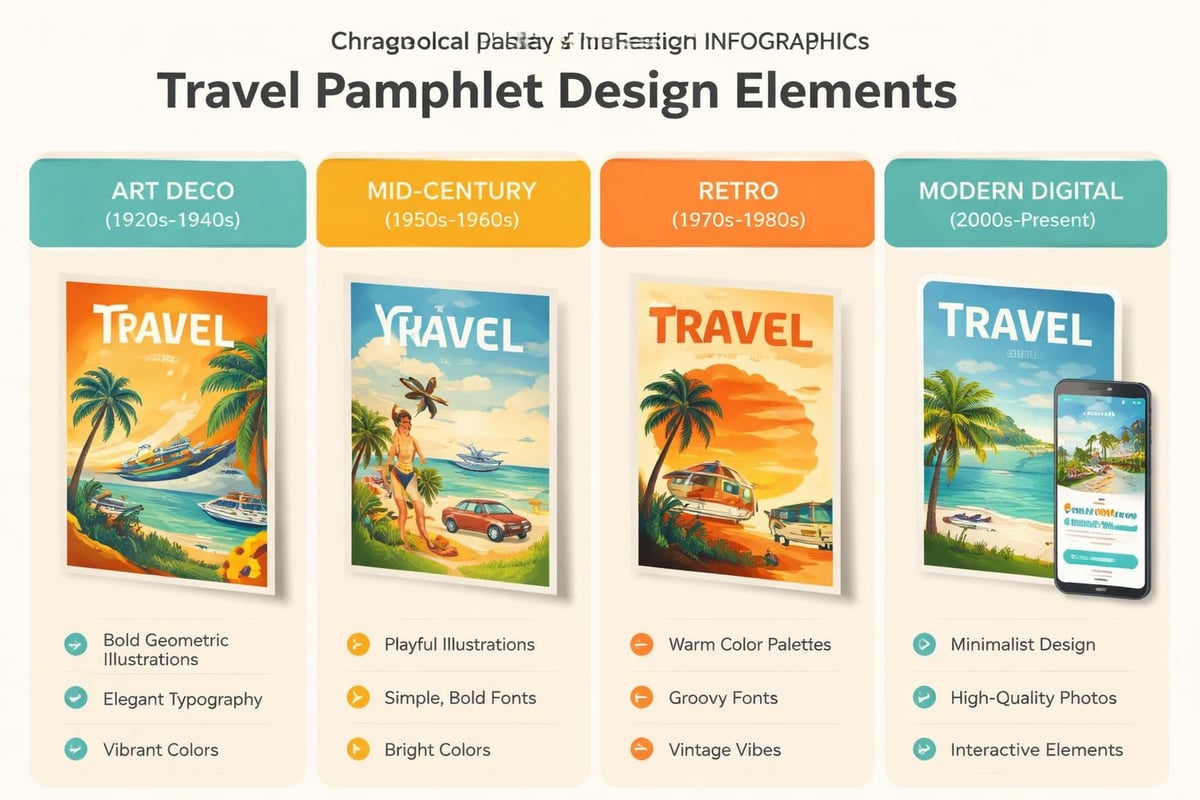
The design aesthetics of travel pamphlets shifted dramatically across different eras:
- 1920s-1940s: Art deco influences, bold typography, and romanticized illustrations
- 1950s-1960s: Photography integration, colorful layouts, and family-focused messaging
- 1970s-1980s: Budget travel emphasis, practical maps, and comprehensive activity listings
- 1990s-2000s: Professional photography, detailed itineraries, and accommodation directories
- 2010s-present: QR code integration, mobile-responsive content, and digital companion pieces
Regional tourism boards recognized the value of preserving these materials. The University of Florida's extensive Florida tourism brochure collection demonstrates how travel pamphlets document not just tourism history but cultural shifts, economic development, and changing consumer preferences across generations.
The Proven Effectiveness of Travel Information Materials
Research consistently demonstrates that travel pamphlets and similar informational materials significantly influence traveler behavior and destination choices. A comprehensive study confirms that brochures remain the top influencer of tourists while they're actively exploring destinations.
This influence extends throughout the entire travel journey. According to Certified Folder's research, approximately 70% of visitors utilize travel brochures, maps, or guides during their trips, underscoring the continued relevance of well-crafted travel information despite widespread smartphone adoption.
Why Travel Pamphlets Remain Influential
Several psychological and practical factors explain the enduring effectiveness of structured travel information:
Tangibility and Trust: Physical or well-designed digital materials create a sense of legitimacy that random online content often lacks. Travelers perceive curated information as more reliable than user-generated reviews alone.
Offline Accessibility: Not all destinations offer consistent internet connectivity. Having downloadable or physical references ensures travelers can access crucial information regardless of technical limitations.
Cognitive Processing: Studies show that people process information differently when reading structured content versus scrolling through websites. The organized format of travel pamphlets facilitates better retention and trip planning.
| Factor | Impact on Traveler Behavior | Digital Application |
|---|---|---|
| Visual Appeal | Increases destination interest by 65% | High-quality photography, interactive maps |
| Information Organization | Improves planning efficiency by 40% | Structured sections, searchable content |
| Local Recommendations | Builds traveler confidence by 55% | Curated lists, insider tips |
| Practical Details | Reduces travel anxiety by 50% | Transportation guides, emergency contacts |
The transformation from physical to digital formats has amplified these benefits. Modern electronic travel guides combine traditional pamphlet strengths with interactive features, real-time updates, and multimedia enhancements that paper versions could never achieve.
Content Elements That Drive Engagement
Effective travel pamphlets share common structural elements that maximize their utility and appeal. Understanding these components helps explain why certain materials become indispensable travel companions while others get discarded.
Essential Information Architecture
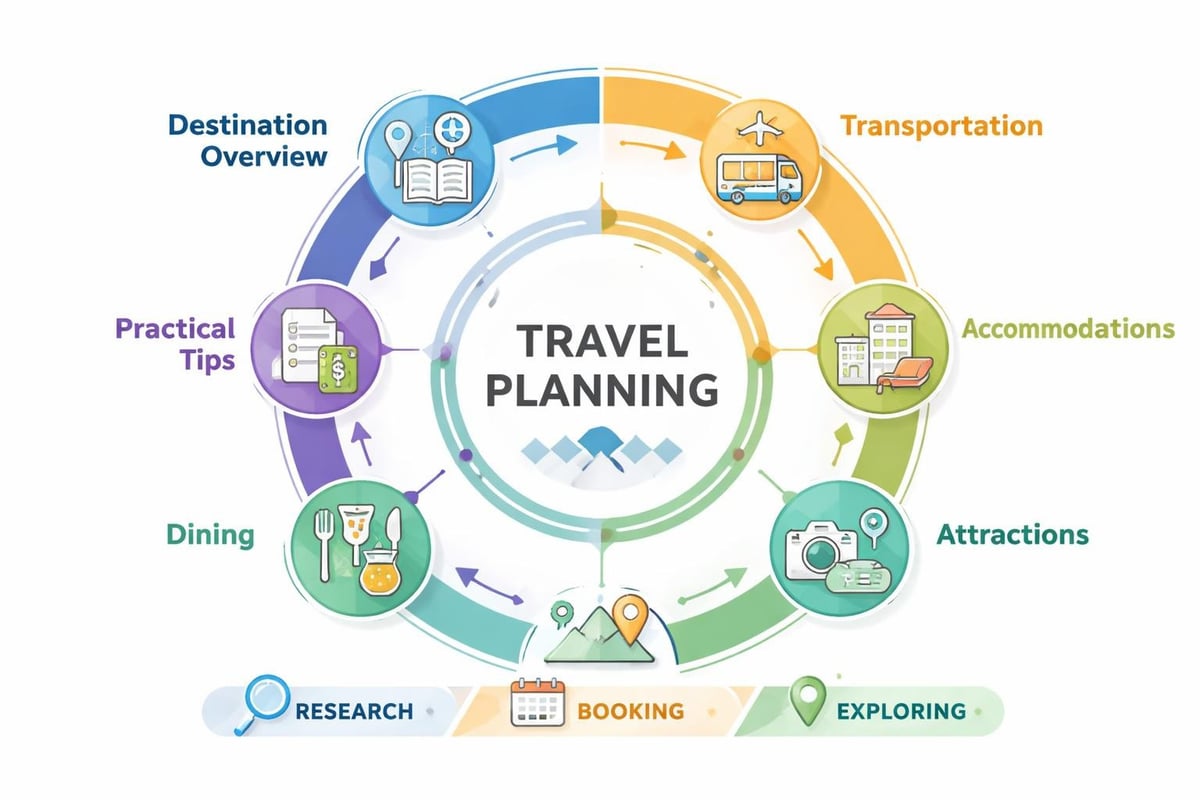
Successful travel information follows a hierarchy that matches how travelers actually plan and experience trips:
- Destination Overview: Quick facts, best times to visit, cultural context
- Transportation Details: Getting there, getting around, parking information
- Accommodation Options: Range of choices with location advantages
- Attractions and Activities: Prioritized by interest categories and timeframes
- Dining Recommendations: Budget ranges, cuisine types, local specialties
- Practical Tips: Currency, language, customs, emergency contacts
This structure emerged from decades of traveler feedback and behavioral research. Academic research on tourism brochure effectiveness provides evidence-based recommendations for optimal content organization and presentation strategies.
The Power of Local Insights
Generic travel information exists everywhere online. What distinguishes valuable travel pamphlets from commodity content is the inclusion of authentic local perspectives and lesser-known recommendations.
Travelers increasingly seek authentic experiences over tourist traps. Quality travel guides incorporate:
- Hidden restaurants frequented by residents rather than just popular chains
- Timing recommendations to avoid crowds at major attractions
- Seasonal events that coincide with travel dates
- Transportation shortcuts known primarily to locals
- Cultural etiquette specific to the destination
Comprehensive digital guides excel at delivering this depth because they're not constrained by physical space limitations. Authors can include extensive details, multiple route options, and scenario-based recommendations that traditional pamphlets couldn't accommodate.
Modern Digital Transformation
The fundamental purpose of travel pamphlets-providing curated, reliable destination information-remains unchanged in 2026. However, the delivery mechanisms have evolved dramatically, creating hybrid models that leverage both traditional content strategies and modern technology capabilities.
Advantages of Digital Travel Information
Contemporary travelers expect features that printed travel pamphlets simply cannot provide:
Real-Time Updates: Attraction hours change, restaurants close, construction projects affect routes. Digital guides can reflect current conditions, ensuring travelers aren't disappointed by outdated information.
Interactive Mapping: Integrated GPS functionality transforms static maps into navigation tools. Travelers can visualize distances, calculate walking times, and identify nearby amenities with a single tap.
Multimedia Enhancement: Video clips, audio guides, and photo galleries enrich the experience beyond what text and static images accomplish alone.
Personalization Options: Digital platforms can customize recommendations based on travel preferences, available time, budget constraints, and companion demographics.
Space Efficiency: A single smartphone contains hundreds of destination guides, eliminating the need to carry multiple physical pamphlets or decide which limited materials to bring.
| Traditional Pamphlet Feature | Digital Enhancement | Traveler Benefit |
|---|---|---|
| Maps | GPS integration | Turn-by-turn navigation |
| Restaurant listings | Reservation links | One-click booking |
| Attraction descriptions | Virtual tours | Preview before visiting |
| Opening hours | Live status updates | Avoid wasted trips |
| Contact information | Click-to-call/message | Immediate communication |
Maintaining Core Pamphlet Strengths
The most effective digital travel guides preserve the qualities that made traditional travel pamphlets valuable while adding technological enhancements. This means avoiding common pitfalls of purely digital content:
Avoiding Information Overload: While digital formats allow unlimited content, effective guides maintain the curated approach of traditional pamphlets. Travelers need recommendations, not exhaustive databases.
Ensuring Offline Functionality: Downloadable content remains accessible without internet connectivity, addressing one of physical pamphlets' key advantages.
Providing Structure: Clear organization helps travelers find information quickly rather than endlessly scrolling through unstructured content.
For instance, guides focused on specific destinations maintain the focused approach of traditional travel pamphlets while incorporating features like offline maps, booking links, and seasonal updates that enhance rather than complicate the user experience.
Creating Effective Travel Information Today
Organizations producing travel information in 2026 must balance heritage principles with contemporary expectations. Whether developing materials for tourism boards, hospitality businesses, or independent travel guide publishers, certain best practices consistently deliver superior results.
Research-Driven Content Development
Quality travel information begins with thorough destination research combining multiple perspectives:
- On-the-ground exploration by experienced travelers
- Input from local residents and business owners
- Historical context and cultural background
- Seasonal variation considerations
- Accessibility assessments for diverse traveler needs
This multi-faceted approach ensures content accuracy while capturing nuances that generic online aggregators miss. Travel pamphlets earned their reputation through careful curation, and modern digital equivalents must maintain these standards.
Visual Design Principles
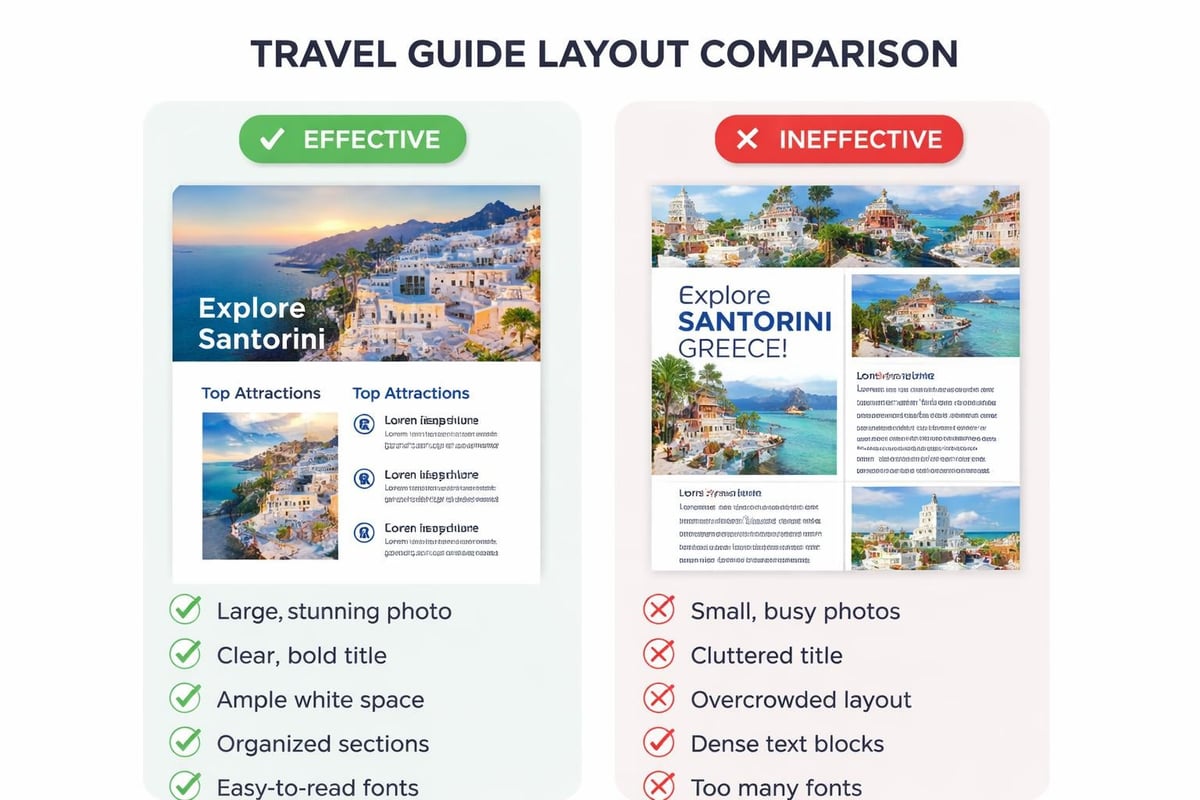
Visual presentation significantly impacts how travelers perceive and utilize travel information. Professional design isn't mere aesthetics-it enhances comprehension and engagement.
Photography Standards: High-quality images set accurate expectations while inspiring excitement. Photos should represent authentic experiences rather than heavily staged or edited scenarios that disappoint upon arrival.
Layout Consistency: Predictable formatting helps travelers locate information quickly. Consistent heading styles, icon usage, and section organization reduce cognitive load during trip planning and execution.
White Space Management: Overcrowded layouts overwhelm readers. Strategic spacing improves readability and helps important details stand out.
Typography Choices: Font selections affect both legibility and brand perception. Clear, readable typefaces suit practical sections, while distinctive fonts can highlight section headers or destination names.
Distribution Strategy Considerations
Creating excellent travel information represents only half the challenge. Effective distribution ensures materials reach travelers during critical decision-making windows.
Pre-Trip Distribution: Travelers begin planning weeks or months before departure. Making guides discoverable during this research phase maximizes influence on destination choice, accommodation selection, and activity planning.
In-Destination Availability: Access during the trip itself remains crucial. Whether through hotel partnerships, visitor center distribution, or easily downloadable digital versions, travelers should obtain guides when they need them most.
Post-Trip Engagement: Follow-up content encourages return visits and word-of-mouth promotion. Updates about new attractions, seasonal events, or expanded guide coverage keep destinations top-of-mind for future travel.
Digital distribution particularly benefits from flexible delivery timing. Travelers can discover comprehensive digital travel guides during initial research, download detailed content before departure, and access updates throughout their journey without managing multiple physical documents.
Measuring Impact and Effectiveness
Understanding how travelers use and respond to travel information enables continuous improvement. Both traditional and digital formats offer measurement opportunities, though digital platforms provide more granular analytics.
Key Performance Indicators
Organizations producing travel pamphlets or digital equivalents should track metrics that reveal actual user behavior:
- Acquisition rates: How many travelers obtain the guide?
- Engagement depth: Which sections receive the most attention?
- Conversion influence: Do guides impact booking decisions or spending patterns?
- Retention value: How long do travelers keep and reference the materials?
- Recommendation frequency: Do users share guides with other travelers?
Traditional pamphlet distribution tracked some metrics through pickup locations and print quantities. Digital platforms enable precise measurement of download numbers, section views, time spent per page, and user pathways through content.
Feedback Collection Methods
Direct traveler feedback provides qualitative insights that quantitative metrics cannot capture:
- Post-trip surveys: Structured questions about guide usefulness and improvement suggestions
- In-guide rating systems: Quick feedback mechanisms embedded within digital content
- Social media monitoring: Unsolicited comments revealing authentic user experiences
- Customer service interactions: Questions and issues highlighting content gaps or confusion
- Comparison shopping: Understanding why travelers chose specific guides over alternatives
This feedback loop drives iterative improvements. Successful travel information providers regularly update content based on user behavior patterns and explicit suggestions, maintaining relevance as destinations evolve and traveler expectations shift.
Integration With Broader Travel Planning
Travel pamphlets rarely exist in isolation. They function as components within larger travel planning ecosystems, complementing other information sources rather than replacing them entirely.
Complementary Information Sources
Modern travelers consult multiple resources during trip planning:
Review Platforms: Sites like TripAdvisor provide crowd-sourced opinions about specific venues and experiences. These complement curated guide recommendations by adding peer perspectives.
Booking Systems: Hotel, flight, and activity reservation platforms offer transactional functionality that informational guides don't provide directly.
Social Media: Instagram, travel blogs, and YouTube channels deliver visual inspiration and personal narratives that supplement structured guide content.
Local Expertise: Upon arrival, recommendations from hotel staff, tour guides, and residents provide real-time insights that static materials cannot match.
Quality travel guides acknowledge these complementary sources. They might include links to booking platforms, reference popular review sites for additional perspectives, or suggest social media hashtags for current visitor photos. This integrative approach serves travelers better than attempting to be the sole information source.
The Role of Community and Updates
Traditional travel pamphlets became outdated the moment they were printed. Businesses closed, attractions changed hours, and new venues opened while old pamphlets remained in circulation. This limitation frustrated both travelers and destination marketers.
Digital platforms solve this challenge through regular updates and community contributions. Guides can incorporate:
- Seasonal hour adjustments for attractions
- Temporary closures for renovations
- New restaurant openings and closures
- Special event schedules
- User-submitted tips and photos
- Weather-appropriate activity suggestions
Some platforms enable verified local contributors to suggest updates, creating living documents that improve continuously. This evolution transforms static travel pamphlets into dynamic resources that grow more valuable over time.
Travel guides focusing on popular destinations like Scotland or England particularly benefit from regular updates, as these locations constantly develop new attractions, restaurants, and cultural experiences worth highlighting to visitors.
Future Directions for Travel Information
Looking ahead, travel information delivery will continue evolving while maintaining core principles established by traditional travel pamphlets. Several emerging trends will shape how travelers discover and utilize destination information.
Artificial Intelligence Integration
AI technologies enable increasingly sophisticated personalization without sacrificing the curated quality that distinguishes professional guides from random online content:
Adaptive Itineraries: Systems that adjust daily plans based on weather, crowd levels, or user energy can optimize experiences while maintaining guide recommendations as foundational options.
Natural Language Queries: Conversational interfaces allow travelers to ask specific questions and receive contextual answers drawn from comprehensive guide databases.
Predictive Suggestions: Analysis of traveler preferences and behaviors can surface relevant guide sections or recommendations proactively rather than requiring manual navigation.
Augmented Reality Enhancement
AR capabilities transform how travelers interact with destination information by overlaying digital content onto physical environments:
- Point smartphones at buildings to reveal historical information or reviews
- Visualize walking routes with directional arrows overlaid on street views
- Access translated menus by photographing foreign language text
- Preview attraction interiors before deciding to enter
- Identify landmarks and points of interest in panoramic views
These technologies extend travel pamphlet concepts into immersive experiences while preserving the informational structure and curation that makes guides valuable.
Sustainability and Responsible Tourism
Modern travelers increasingly prioritize environmental and cultural sustainability. Future travel information will more prominently feature:
Environmental Impact Details: Carbon footprint information for transportation options, water conservation practices at accommodations, and plastic-free dining alternatives.
Cultural Sensitivity Guidance: Nuanced etiquette recommendations beyond basic do's and don'ts, helping travelers engage respectfully with local communities.
Supporting Local Economies: Highlighting locally-owned businesses, artisan workshops, and community-based tourism initiatives that distribute tourism benefits more equitably.
Overcrowding Alternatives: Suggesting less-visited destinations or off-peak timing to reduce pressure on popular sites while enhancing traveler experiences.
Quality travel guides will balance these considerations with practical planning needs, helping travelers make informed choices aligned with their values without sacrificing trip enjoyment.
Travel pamphlets have shaped how generations of explorers discover and experience new destinations, evolving from printed brochures to sophisticated digital platforms while maintaining their core purpose of providing curated, reliable information. Modern travelers benefit from guides that preserve traditional strengths-expert curation, structured organization, and local insights-while leveraging technology for real-time updates, interactive features, and personalized recommendations. Whether you're planning your first international adventure or seeking fresh perspectives on familiar destinations, Awesome Travel Guides delivers comprehensive digital resources packed with insider tips and hidden gems that transform ordinary trips into extraordinary journeys.