

Travel Transformation: How Journeys Change Your Life
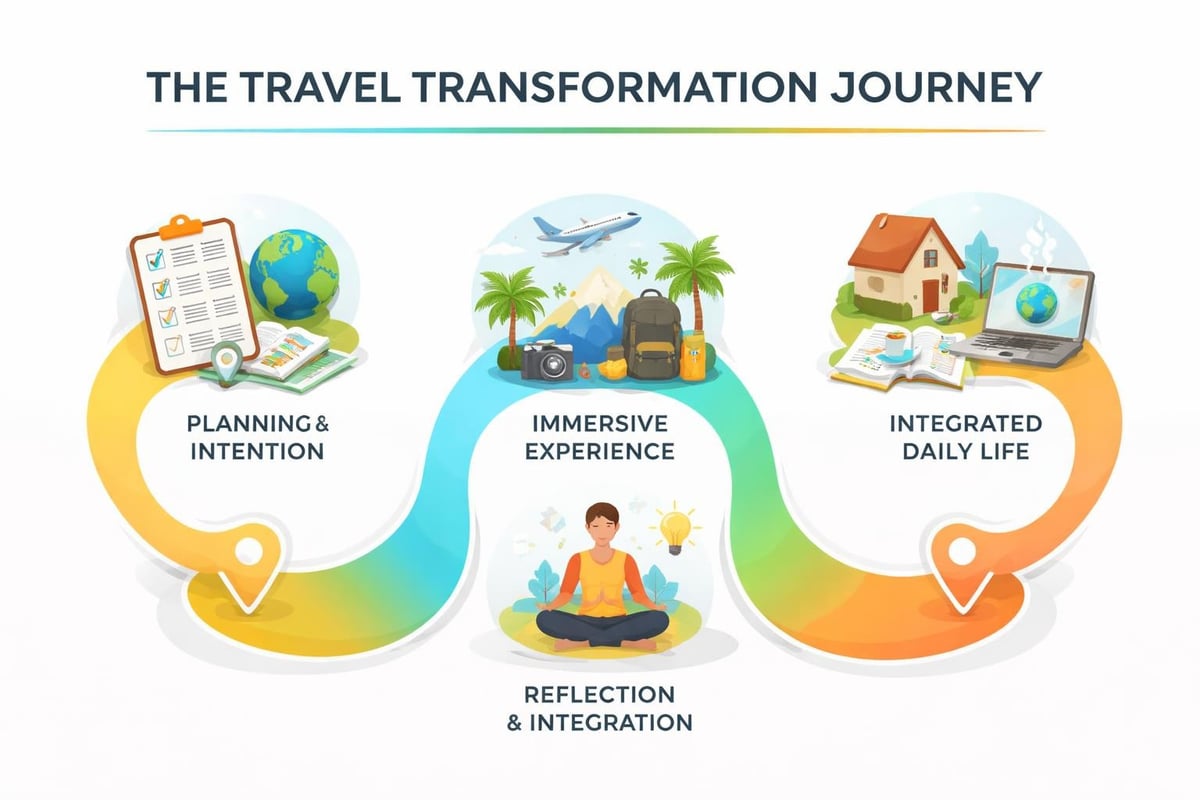
The way we approach travel has fundamentally shifted over the past decade. No longer satisfied with simply checking destinations off a bucket list, modern travelers seek experiences that profoundly impact their worldview, challenge their assumptions, and foster genuine personal development. This phenomenon, known as travel transformation, represents a deliberate shift from passive sightseeing to active engagement with cultures, communities, and self-discovery. As we navigate an increasingly connected yet divided world in 2026, the desire for meaningful travel experiences has never been stronger, pushing travelers to seek journeys that leave lasting imprints on their hearts and minds.
Understanding the Core Principles of Travel Transformation
Travel transformation goes beyond the superficial aspects of tourism to create experiences that fundamentally alter how we perceive ourselves and the world around us. The Transformational Travel Council emphasizes that these journeys prioritize personal growth, environmental consciousness, and meaningful connections over conventional tourist attractions.
At its foundation, this approach requires travelers to step outside comfort zones and embrace vulnerability. Rather than observing destinations from behind camera lenses or tour bus windows, transformational travelers immerse themselves in local communities, engage with residents authentically, and seek experiences that challenge preconceived notions. This shift in mindset transforms vacation time into opportunities for profound learning and self-reflection.
Key Elements That Define Transformational Journeys
Several distinguishing characteristics separate transformational travel from traditional tourism. These elements work together to create experiences that resonate long after returning home.
Essential Components Include:
- Intentional planning that prioritizes depth over breadth
- Cultural immersion through homestays, local guides, and community engagement
- Reflective practices such as journaling, meditation, or guided contemplation
- Sustainable choices that minimize environmental impact and support local economies
- Meaningful connections with both fellow travelers and local residents
- Skill development through workshops, classes, or hands-on experiences
The concept of experiential travel forms the backbone of travel transformation, encouraging active participation rather than passive observation. When travelers cook alongside local chefs in small villages, learn traditional crafts from artisans, or participate in community projects, they create memories that extend far beyond typical vacation snapshots.
How Digital Resources Enable Deeper Travel Experiences
Modern technology has paradoxically made travel transformation more accessible than ever before. While screens can distance us from authentic experiences, thoughtfully designed digital resources empower travelers to venture beyond tourist hotspots and discover hidden cultural treasures. An electronic travel guide serves as a knowledgeable companion, offering insider perspectives that guidebooks cannot match.
Digital platforms now provide detailed information about local customs, etiquette, and cultural sensitivities before travelers arrive. This preparation allows visitors to approach new destinations with respect and understanding, laying groundwork for meaningful exchanges. Rather than fumbling through language barriers or inadvertently offending hosts, prepared travelers can focus energy on building genuine connections.
Leveraging Technology While Maintaining Presence
The balance between utilizing digital tools and remaining present proves crucial for travel transformation. Smart travelers use technology strategically during planning phases, then minimize screen time during actual experiences.
| Planning Phase | During Travel | Post-Journey |
|---|---|---|
| Research local customs and traditions | Use offline maps for navigation | Share stories and photographs thoughtfully |
| Connect with local guides and hosts | Translate essential phrases | Reflect on transformative moments |
| Book community-based experiences | Document learning through journaling | Maintain connections with people met |
| Download cultural context and history | Limit social media posting | Integrate new perspectives into daily life |
This measured approach ensures technology enhances rather than diminishes the transformational potential of travel. Resources like comprehensive guides to destinations such as Spain or Portugal provide essential context without overwhelming travelers with information overload.
The Psychology Behind Transformational Travel Experiences
Travel transformation operates on multiple psychological levels simultaneously. When individuals remove themselves from familiar environments, routines, and social expectations, they create space for personal evolution. Neuroscience research demonstrates that novel experiences activate brain regions associated with learning, memory formation, and emotional processing.
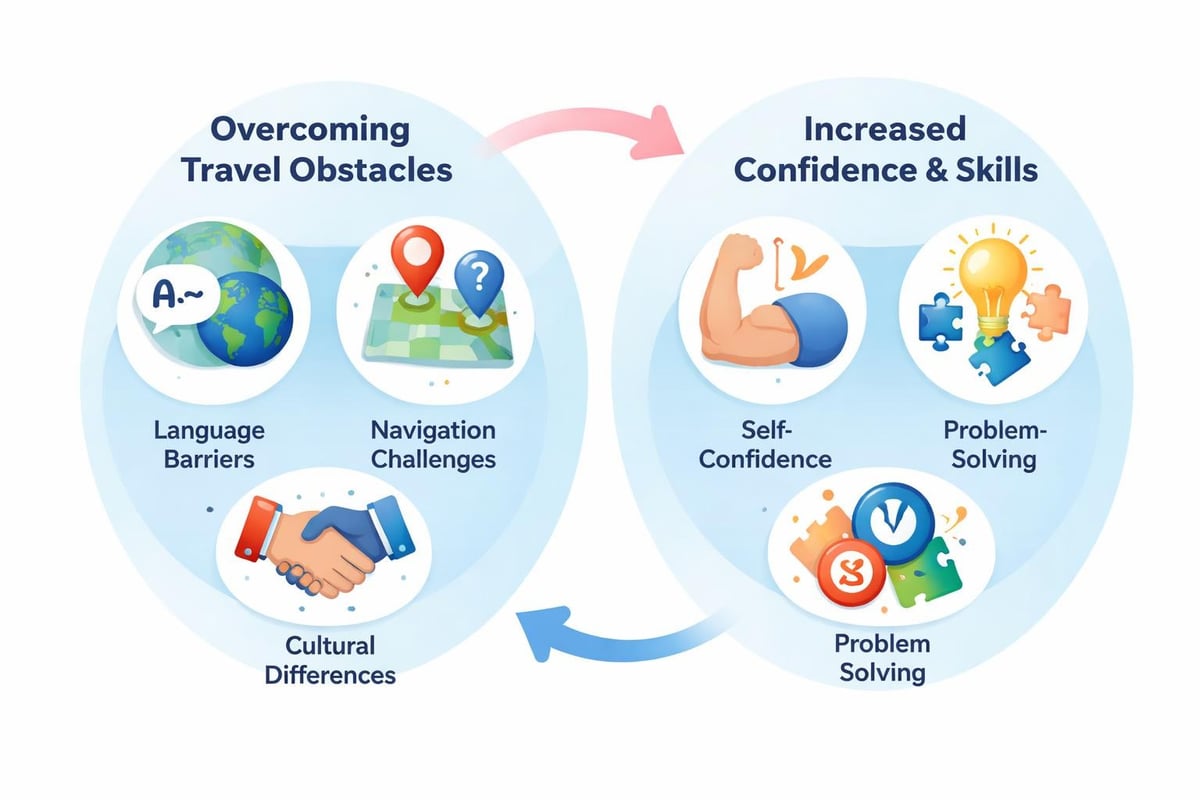
Stepping into unfamiliar cultural contexts forces cognitive flexibility as travelers adapt to different communication styles, social norms, and daily rhythms. This mental stretching builds resilience and broadens perspectives in ways that domestic life rarely demands. The temporary discomfort of navigating foreign environments becomes the catalyst for growth, pushing individuals to develop problem-solving skills and self-reliance.
Building Confidence Through Calculated Challenges
Each successfully navigated challenge during transformational journeys builds confidence that extends into other life areas. Ordering meals in halting foreign languages, navigating complex public transportation systems, or finding accommodation in unexpected situations all contribute to an expanding sense of capability.
Confidence-Building Travel Milestones:
- Successfully communicating across language barriers
- Navigating unfamiliar transportation systems independently
- Adapting plans when circumstances change unexpectedly
- Connecting authentically with people from different backgrounds
- Solving problems creatively with limited resources
- Embracing uncertainty rather than demanding control
These experiences create what psychologists term "mastery experiences," proving to ourselves that we possess greater capabilities than previously recognized. The lessons learned while exploring Greece or Turkey often translate directly into increased confidence in professional settings, relationships, and personal challenges.
Cultural Immersion as a Catalyst for Perspective Shifts
Cultural travel represents one of the most powerful vehicles for travel transformation. When travelers genuinely immerse themselves in foreign cultures rather than observing from a distance, they confront assumptions about "normal" ways of living, working, and relating to others.
Witnessing alternative approaches to family structures, work-life balance, environmental stewardship, or community organization challenges the notion that our familiar systems represent the only viable options. This expanded awareness often inspires travelers to reconsider choices in their own lives, questioning whether inherited patterns truly serve their values and aspirations.
Moving Beyond Surface-Level Tourism
Authentic cultural immersion requires time, patience, and genuine curiosity. Rather than racing through countries collecting passport stamps, transformational travelers invest extended periods in fewer locations, allowing relationships and understanding to develop naturally.
Staying with local families through homestay programs, volunteering with community organizations, or taking classes taught by local experts all facilitate deeper connections than hotels and tour buses permit. These experiences reveal the texture of daily life: how families share meals, how neighbors support one another, how traditions adapt to modern pressures.
Resources like detailed guides to Ireland, Scotland, or Wales help travelers understand regional nuances and historical contexts that enrich cultural exchanges. This preparation demonstrates respect for host communities and opens doors to more meaningful interactions.
Sustainable Practices That Enhance Transformational Value
Travel transformation and sustainable tourism naturally align, as both prioritize long-term impact over short-term gratification. The methods and practices for integrating transformative experiences into travel emphasize regenerative thinking that leaves destinations better than found.
Environmental consciousness deepens the transformational experience by connecting travelers to global ecological challenges firsthand. Witnessing plastic pollution on pristine beaches, deforestation in mountain regions, or coral bleaching in tropical waters makes climate change tangible rather than abstract. These encounters often inspire lasting behavioral changes and advocacy efforts.
Sustainable Travel Practices Supporting Transformation:
- Choosing locally owned accommodations and restaurants
- Participating in conservation projects or clean-up initiatives
- Learning about indigenous environmental knowledge
- Traveling during shoulder seasons to reduce overtourism
- Using public transportation or walking whenever possible
- Supporting social enterprises and fair-trade artisans
- Refusing single-use plastics and minimizing waste generation
When travelers witness their positive contributions to communities and ecosystems, they develop deeper connections to destinations. The satisfaction of leaving meaningful impact creates emotional investment that superficial tourism cannot match. Planning thoughtfully with resources like a comprehensive pre-trip checklist ensures sustainable choices from the journey's beginning.
Personal Growth Through Solo and Group Travel Experiences
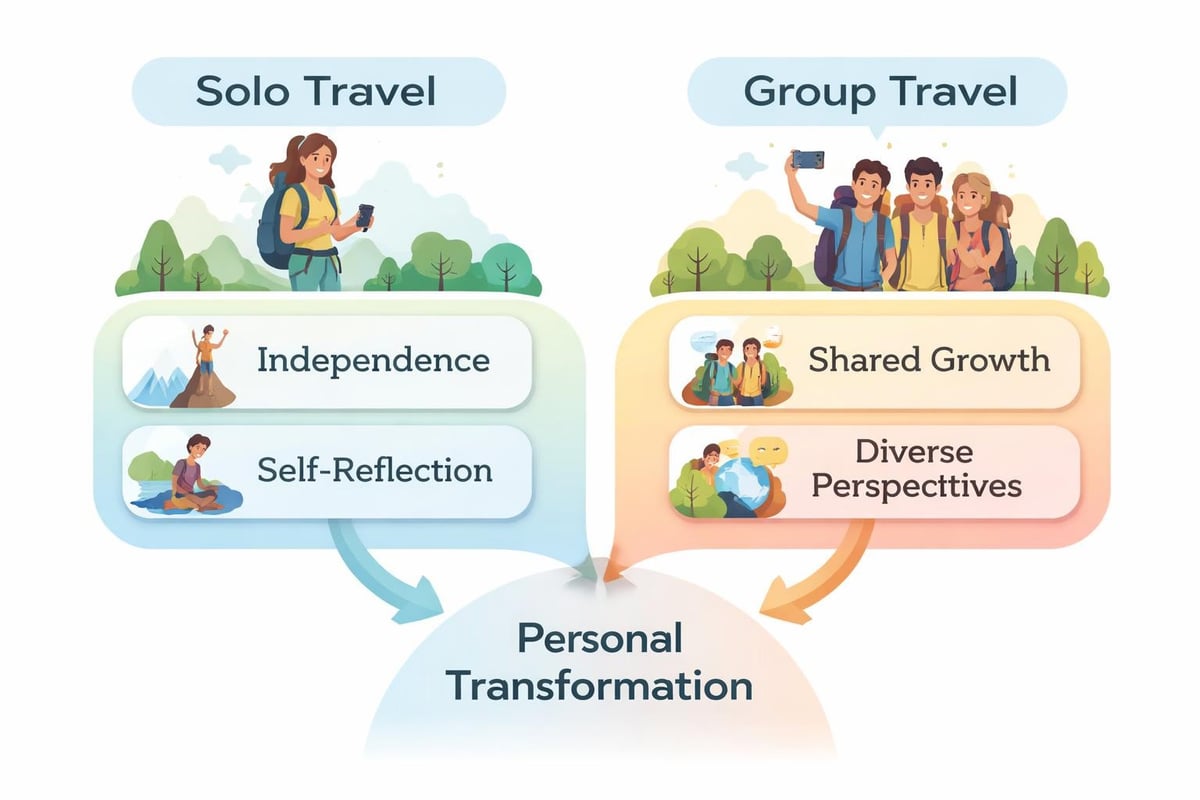
Both solo and group travel offer unique pathways to travel transformation, each with distinct advantages for personal development. Solo journeys demand self-reliance and introspection, while group experiences facilitate shared growth and diverse perspectives.
Solo travelers navigate all decisions independently, from route planning to meal choices, building autonomy and self-trust. The solitude creates space for deep reflection about life direction, values, and priorities. Without familiar companions to default to, solo travelers more readily connect with locals and fellow travelers, often forming unexpected friendships that broaden worldviews.
The Unique Value of Shared Transformational Journeys
Group travel experiences, particularly those intentionally designed around transformation, create powerful collective energy. Sharing challenging moments, cultural discoveries, and personal breakthroughs with fellow travelers builds bonds that often last lifelong. The diversity of perspectives within groups enriches learning as participants interpret experiences through different cultural, generational, and personal lenses.
| Solo Travel Benefits | Group Travel Benefits |
|---|---|
| Complete autonomy over schedule and choices | Shared costs reduce financial barriers |
| Deeper self-reflection and introspection | Built-in support system during challenges |
| Greater openness to local interactions | Diverse perspectives enrich interpretation |
| Flexibility to follow spontaneous interests | Collective energy amplifies transformative moments |
| Develops self-reliance and problem-solving | Structured programming ensures meaningful activities |
| Personal pace without group compromise | Lasting friendships with like-minded individuals |
Whether exploring France independently or joining a purposeful group journey, the key lies in approaching travel with intentionality. Setting clear intentions before departure about desired growth areas focuses attention and maximizes transformational potential.
Integrating Travel Insights Into Daily Life
The true measure of travel transformation occurs not during journeys but in how experiences reshape everyday existence. Without conscious integration, even the most profound travel insights fade into pleasant memories rather than catalyzing lasting change. Successful integration requires deliberate effort to translate temporary experiences into permanent shifts.
Maintaining practices discovered during travel helps preserve transformational benefits. If morning meditation in a Balinese temple brought clarity, establishing similar routines at home sustains that centeredness. If slower meal times in Mediterranean cultures revealed the value of presence, prioritizing unhurried dining preserves that lesson. The challenge lies in adapting travel insights to fit home contexts without losing their essence.
Strategies for Sustaining Transformation After Returning
Effective Integration Techniques:
- Journaling about specific moments and lessons within 48 hours of returning
- Photographing mindfully to capture emotional essence rather than just scenes
- Connecting regularly with people met during travels through messaging or video calls
- Incorporating new foods, music, or customs discovered abroad into weekly routines
- Volunteering with local organizations serving communities similar to those visited
- Sharing stories strategically to reinforce learning and inspire others
- Planning the next transformational journey to maintain forward momentum
Many travelers find that maintaining tangible reminders of transformational journeys keeps insights alive. Displaying artwork purchased from local artisans, cooking recipes learned from homestay hosts, or practicing language skills through conversation groups all weave travel lessons into daily fabric.
Preparing Practically for Transformational Journeys
While travel transformation emphasizes inner growth, practical preparation ensures travelers can focus on meaningful experiences rather than logistical frustrations. Thoughtful packing, safety awareness, and organizational systems free mental energy for the transformational work ahead.
Essential preparation extends beyond standard travel logistics to include emotional and mental readiness. Setting intentions, researching cultural context, and cultivating openness to unexpected outcomes all contribute to transformational potential. A well-organized packing guide minimizes stress about forgotten items, allowing travelers to concentrate on experiences rather than supplies.
Safety considerations prove particularly important for transformational travel since immersive experiences often involve venturing beyond tourist zones. Understanding local customs, knowing emergency contacts, and maintaining awareness without paranoia strikes the necessary balance. Resources like a comprehensive travel safety handbook provide essential knowledge without inducing unnecessary fear.
Creating Space for Spontaneity Within Structure
The paradox of transformational travel lies in balancing preparation with openness. Over-scheduling eliminates the breathing room where magic happens, yet complete spontaneity can lead to missed opportunities or preventable challenges. Experienced transformational travelers create loose frameworks that provide direction while allowing flexibility.
This might involve booking accommodations for the first few nights while leaving later portions open, researching multiple potential experiences without committing to all, or identifying general regions to explore rather than rigid itineraries. Digital resources like guides to Germany, Italy, or the Netherlands offer comprehensive information that supports both planning and spontaneous exploration.
The Reciprocal Nature of Transformational Travel
True travel transformation recognizes the reciprocal relationship between travelers and destinations. Rather than extracting experiences from places and people, transformational travelers consider their impact on communities and contribute positively to environments they visit. This reciprocity distinguishes meaningful travel from exploitative tourism.
The reciprocal relationship between travelers and destinations acknowledges that both parties undergo transformation through encounters. Local communities gain exposure to different perspectives, economic opportunities, and validation of their cultural heritage. Travelers receive hospitality, knowledge, and life-changing experiences. When approached with mutual respect, these exchanges benefit everyone involved.
Responsible travelers research how tourism affects destinations before visiting, choosing operators and accommodations that benefit local communities rather than extracting wealth. They engage with cultural practices respectfully, seeking permission before photographing people or sacred sites. They recognize themselves as guests rather than consumers, bringing humility and gratitude to every interaction.
Travel transformation represents a fundamental shift in how we approach exploration, prioritizing depth, connection, and personal growth over superficial experiences. By embracing cultural immersion, sustainable practices, and intentional reflection, travelers create journeys that reshape perspectives and inspire lasting positive changes in their lives and the communities they visit. Whether you're planning your first transformational journey or seeking to deepen existing travel practices, comprehensive digital resources provide the insights and hidden gems needed to explore with confidence and authenticity. Discover how Awesome Travel Guides can serve as your ultimate companion for creating unforgettable, transformational travel experiences that extend far beyond vacation time.