

Ultimate Travel Guide: Planning Unforgettable Adventures
The art of ultimate travel extends far beyond simply booking flights and hotels. It encompasses thoughtful planning, cultural immersion, strategic preparation, and a commitment to authentic experiences that transform ordinary trips into extraordinary journeys. Whether you're navigating bustling European cities, exploring remote natural wonders, or discovering hidden local treasures, mastering the principles of exceptional travel requires knowledge, preparation, and the right resources. Modern travelers have access to unprecedented information and tools that make it possible to craft personalized adventures that align perfectly with individual interests, budgets, and travel styles.
Strategic Destination Selection and Research
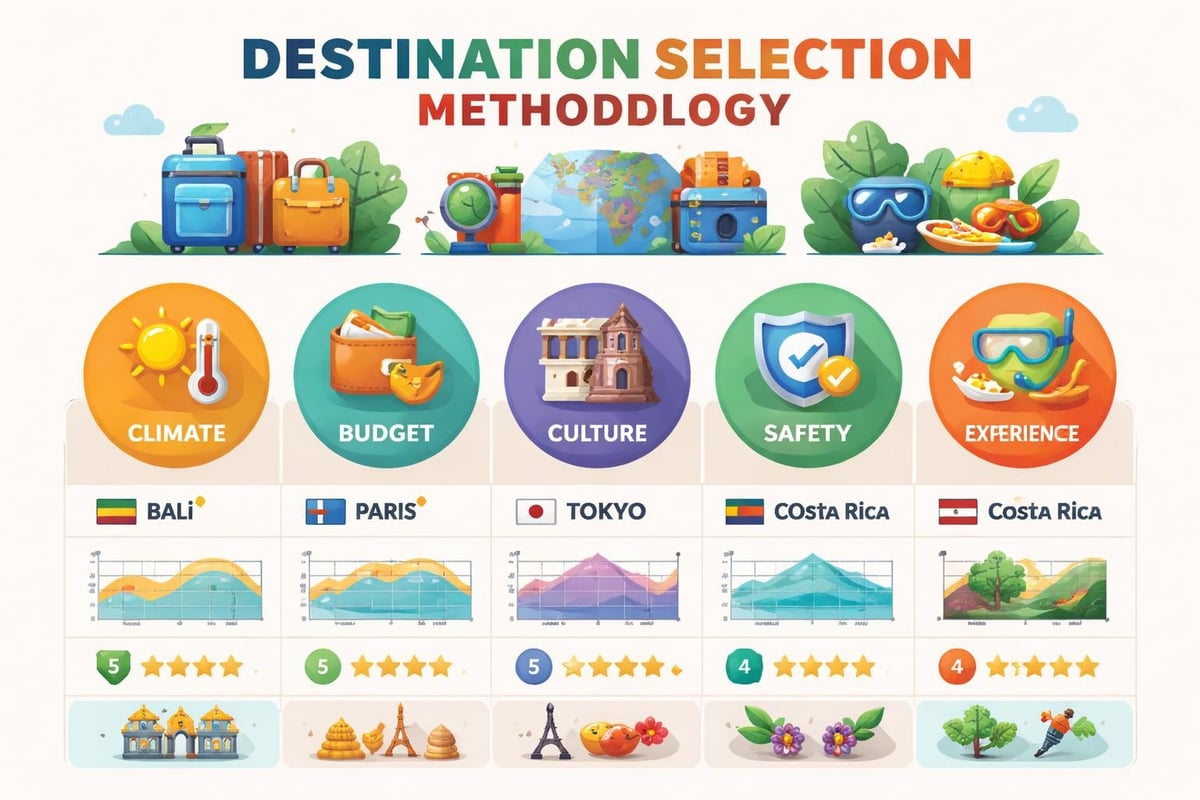
Choosing the right destination forms the foundation of ultimate travel experiences. Rather than selecting locations based solely on social media trends or popular recommendations, thoughtful travelers consider multiple factors that align with their personal interests and goals.
Matching Destinations to Your Travel Style
Different destinations cater to different travel preferences. Adventure seekers might gravitate toward New Zealand's rugged landscapes or Costa Rica's biodiversity, while history enthusiasts find fulfillment exploring Rome's ancient ruins or Egypt's pyramids. The key lies in honest self-assessment of what truly excites you.
Consider these factors when selecting destinations:
- Climate and seasonal variations affecting accessibility and comfort
- Budget alignment with destination cost of living
- Language barriers and cultural learning curves
- Safety considerations and health requirements
- Unique experiences available only in specific locations
- Personal interests in food, art, nature, or architecture
The Centers for Disease Control and Prevention's travel page provides essential health information and vaccination requirements that should influence destination selection, particularly for international journeys. Understanding health risks and necessary precautions enables informed decision-making before committing to specific locations.
Deep-Dive Research Techniques
Surface-level research yields surface-level experiences. Ultimate travel demands deeper investigation into local culture, seasonal events, neighborhood characteristics, and insider perspectives. An electronic travel guide provides structured, comprehensive information that goes beyond basic tourist facts.
| Research Source | Information Type | Best Used For |
|---|---|---|
| Digital Travel Guides | Comprehensive neighborhood details, local tips | In-depth planning and on-ground navigation |
| Travel Forums | Real traveler experiences and recent updates | Validating plans and finding current conditions |
| Local Blogs | Authentic cultural insights and hidden gems | Discovering non-touristy experiences |
| Official Tourism Sites | Events, regulations, and practical logistics | Confirming facts and finding official resources |
Mastering Trip Planning and Itinerary Design
Effective itinerary creation balances structure with flexibility, ensuring you experience highlights while remaining open to spontaneous discoveries. The ultimate travel experience rarely follows a rigid minute-by-minute schedule but benefits from thoughtful advance planning.
Building a Balanced Itinerary
Start by identifying must-see attractions and experiences, then layer in flexibility for exploration and rest. Overplanning leads to exhaustion and disappointment, while underplanning results in missed opportunities and wasted time.
Optimal itinerary framework:
- Designate one major activity or attraction per day
- Schedule downtime for rest and spontaneous exploration
- Group geographically proximate activities together
- Account for realistic travel times between locations
- Build buffer time for unexpected delays or discoveries
- Reserve popular attractions and restaurants in advance
Many travelers benefit from using a pre-trip checklist to ensure all planning elements receive proper attention before departure. Systematic preparation reduces stress and increases trip enjoyment.
Regional Expertise and Specialized Planning
Different regions require different planning approaches. European destinations like those covered in The Awesome Guide to France or The Awesome Guide to Italy benefit from understanding train systems and museum reservation protocols. Understanding regional nuances transforms good trips into exceptional ones.
The Travel + Leisure World's Best awards showcase premium destinations and experiences that represent excellence in various categories, providing inspiration for those seeking top-tier travel experiences.
Essential Packing Strategies for Every Journey
Smart packing represents a crucial component of ultimate travel, directly impacting mobility, comfort, and peace of mind throughout your journey. The difference between dragging overstuffed luggage through cobblestone streets and gliding effortlessly with a well-organized bag cannot be overstated.
The Minimalist Packing Philosophy
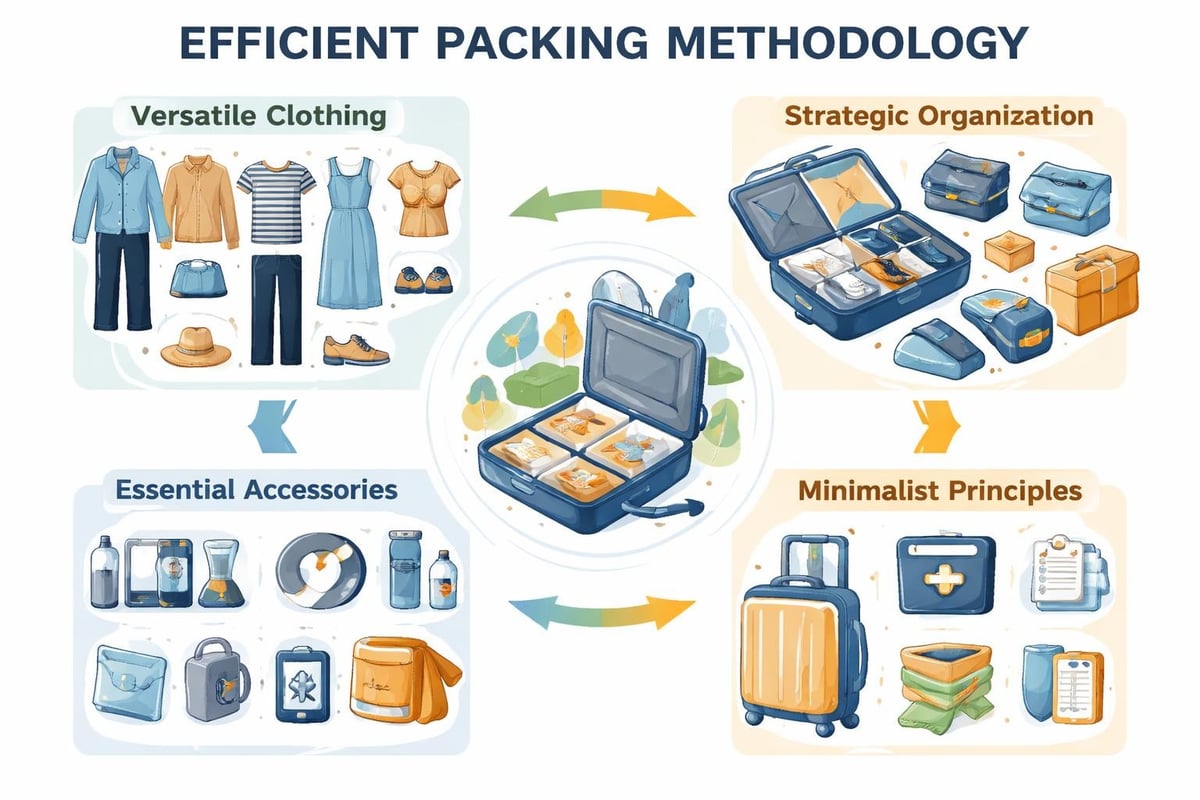
Experienced travelers consistently advocate for packing less than initially planned. This approach offers multiple benefits: reduced baggage fees, easier navigation through airports and train stations, faster hotel check-ins, and decreased stress about lost luggage.
Core packing principles:
- Choose versatile clothing items that mix and match
- Prioritize quick-dry, wrinkle-resistant fabrics
- Wear bulkiest items during travel days
- Pack one week's worth of clothing maximum, regardless of trip length
- Utilize packing cubes for organization and compression
- Leave space for souvenirs and items acquired during travel
A comprehensive packing guide provides detailed recommendations tailored to different destinations, climates, and trip durations, eliminating guesswork from this critical preparation phase.
Destination-Specific Packing Considerations
Mediterranean destinations require different preparations than Nordic countries or tropical locations. Researching Rick Steves' travel tips provides practical, destination-specific advice that helps travelers pack appropriately for local conditions and cultural expectations.
| Destination Type | Essential Items | Common Mistakes |
|---|---|---|
| European Cities | Comfortable walking shoes, crossbody bag | Overpacking formal wear, bringing too many shoes |
| Beach Destinations | Reef-safe sunscreen, quick-dry clothing | Packing too many outfit changes, forgetting sun protection |
| Adventure Travel | Moisture-wicking layers, portable chargers | Bringing cotton clothing, insufficient weatherproofing |
| Cold Climate | Layering system, waterproof outerwear | Packing bulky single-layer items instead of versatile layers |
Navigating Cultural Immersion and Local Experiences
Ultimate travel transcends checking attractions off a list. It involves meaningful engagement with local culture, cuisine, and communities. This immersion creates lasting memories and deeper understanding of diverse perspectives and lifestyles.
Language and Communication Strategies
You don't need fluency to connect with locals, but learning basic phrases demonstrates respect and opens doors to authentic interactions. Download translation apps, practice common greetings, and don't hesitate to use gestures and patience when language barriers arise.
Simple efforts yield significant rewards. Ordering meals in the local language, greeting shopkeepers appropriately, and attempting to pronounce place names correctly signal genuine interest in the culture. Locals typically appreciate these efforts, even when mistakes occur.
Finding Authentic Local Experiences
Tourist traps exist in every popular destination, but remarkable authentic experiences hide just beyond the main squares and famous landmarks. Seek out neighborhood markets, local festivals, family-run restaurants, and residential areas where everyday life unfolds.
Strategies for discovering authentic experiences:
- Ask hotel staff or Airbnb hosts for personal recommendations
- Explore neighborhoods where tourists rarely venture
- Attend local events and performances
- Take cooking classes or craft workshops with local instructors
- Shop at neighborhood markets rather than tourist shops
- Use public transportation to observe daily life
Comprehensive guides like The Awesome Guide to Spain or The Awesome Guide to Greece include insider information about neighborhoods, local customs, and hidden gems that typical guidebooks overlook.
Safety, Health, and Risk Management
Responsible ultimate travel requires attention to safety and health considerations that protect both travelers and local communities. Preparation and awareness prevent most common travel problems.
Pre-Departure Health Preparations
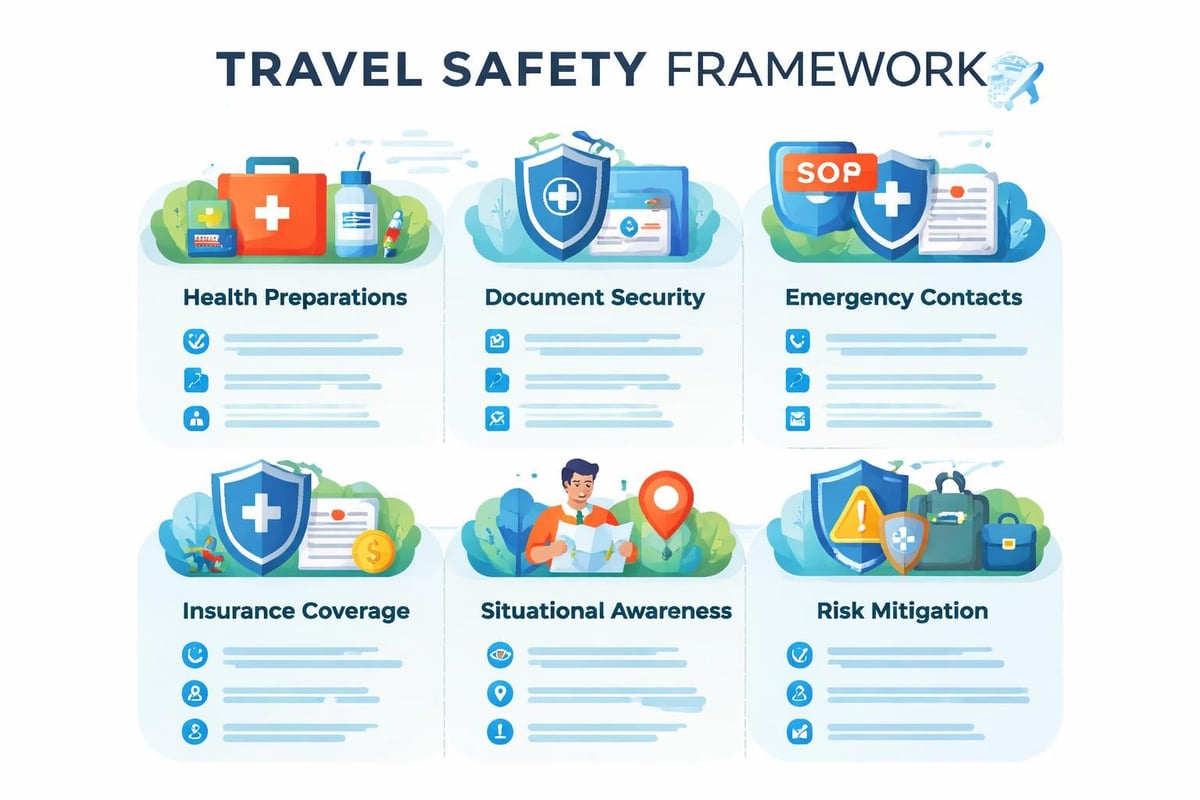
Schedule medical consultations six to eight weeks before international travel to allow time for necessary vaccinations and preventive medications. Verify that routine vaccinations remain current and investigate destination-specific health requirements.
Essential health preparations include:
- Researching required and recommended vaccinations
- Obtaining adequate travel insurance with medical coverage
- Packing prescription medications in original containers
- Carrying copies of prescriptions and medical records
- Identifying quality medical facilities at your destination
- Understanding how to access emergency services abroad
A travel safety handbook provides comprehensive guidance on protecting yourself, your belongings, and your health throughout your journey.
Document Security and Backup Systems
Losing passports, credit cards, or essential documents can derail any trip. Implement redundant backup systems before departure to minimize potential disruptions.
Create digital copies of all important documents stored in cloud-accessible locations. Leave physical copies with trusted contacts at home. Photograph credit cards, insurance policies, prescriptions, and emergency contact information. Store these securely using encrypted services or password-protected files.
Maximizing Value and Managing Travel Budgets
Ultimate travel doesn't require unlimited budgets, but it does demand strategic financial planning and value-conscious decision-making. Smart travelers maximize experiences while respecting financial constraints.
Strategic Booking and Timing
Flexibility with travel dates unlocks significant savings. Flying midweek, traveling during shoulder seasons, and booking accommodations strategically reduces costs without sacrificing quality. Monitor prices using fare alerts and booking tools that identify optimal purchase timing.
Budget optimization strategies:
- Book flights six to eight weeks in advance for domestic travel
- Reserve international flights three to four months ahead
- Consider alternative airports and connecting flights
- Explore accommodation options beyond traditional hotels
- Purchase attraction passes that bundle multiple sites
- Eat where locals eat for authentic, affordable meals
Understanding regional cost variations helps allocate budgets effectively. Destinations like Portugal or Turkey often provide exceptional value compared to more expensive European destinations.
Value-Based Spending Decisions
Ultimate travel involves investing in experiences that align with personal values while economizing in less important areas. Determine which elements matter most to your trip satisfaction and allocate accordingly.
| High-Value Investments | Potential Savings Areas |
|---|---|
| Unique local experiences and activities | Generic tourist attractions |
| Quality accommodations in safe neighborhoods | Luxury hotel amenities you won't use |
| Guided tours with expert local guides | Self-guided walking tours with apps |
| Authentic regional cuisine | International chain restaurants |
| Comfortable, reliable transportation | Unnecessary taxi usage when public transit works |
Sustainable and Responsible Travel Practices
Modern ultimate travel incorporates environmental consciousness and respect for local communities. Sustainable choices benefit destinations, preserve experiences for future travelers, and often enhance trip quality.
Environmental Impact Reduction
Air travel represents the largest carbon footprint component for most trips, but travelers can offset and minimize environmental impact through conscious choices. Select direct flights when possible, pack light to reduce fuel consumption, and choose eco-certified accommodations.
Support local businesses rather than international chains. This keeps tourism revenue within communities and reduces environmental costs associated with imported goods. Purchase local products, eat regional foods, and hire local guides who understand environmental preservation.
Respecting Local Communities and Cultures
Tourism impacts communities both positively and negatively. Responsible travelers minimize disruption while maximizing positive contributions. Research cultural norms, dress codes, and etiquette before arrival. Observe and follow local behavior patterns regarding noise levels, photography, and personal space.
Respectful travel practices include:
- Learning and following local customs and etiquette
- Supporting community-based tourism initiatives
- Avoiding exploitative wildlife tourism
- Respecting sacred sites and private property
- Minimizing single-use plastics and waste
- Compensating local service providers fairly
Digital Tools and Technology for Modern Travelers
Technology has revolutionized ultimate travel, providing unprecedented access to information, navigation, and connection. Strategic use of digital tools enhances trips without overwhelming the experience.
Essential Travel Apps and Resources
Download critical apps before departure, including offline maps, translation tools, currency converters, and transportation schedulers. Many countries have region-specific apps that provide superior local information compared to international alternatives.
Comprehensive digital resources like those available at Awesome Travel Guides consolidate essential information into accessible formats that work offline, eliminating dependence on constant connectivity while traveling.
Balancing Connectivity and Presence
While technology enables remarkable travel experiences, excessive screen time diminishes present-moment awareness and authentic engagement. Establish boundaries for device usage, designate photo-free moments, and prioritize direct experience over documentation.
Use technology strategically for planning, navigation, and preservation, but remain present for the actual experiences that make ultimate travel meaningful. The most profound travel memories rarely involve screens.
Capturing and Preserving Travel Memories
Documenting ultimate travel experiences creates lasting value that extends far beyond the trip itself. Thoughtful preservation techniques transform fleeting moments into enduring memories and shareable stories.
Photography and Storytelling Approaches
Quality travel photography requires more planning than simply pointing smartphones at landmarks. Study basic composition principles, understand lighting conditions, and capture details that convey atmosphere and emotion. A travel photography guide provides techniques that elevate amateur photos to compelling visual narratives.
Effective memory preservation strategies:
- Photograph both iconic landmarks and everyday details
- Capture local people (with permission) and cultural moments
- Document food, markets, and sensory experiences
- Record brief video clips of ambient sounds and scenes
- Journal daily to preserve thoughts and emotions
- Collect small, meaningful souvenirs with stories attached
Beyond photography, maintain travel journals that capture impressions, conversations, and personal reflections. These written records often prove more valuable than photographs for recalling trip nuances and emotional resonance.
Sharing Experiences Responsibly
Social media enables unprecedented trip sharing, but responsible travelers balance documentation with presence and respect. Avoid geotagging fragile locations or hidden gems that excessive tourism could damage. Obtain permission before photographing individuals, particularly in developing countries where exploitation concerns exist.
Share experiences in ways that inform and inspire rather than simply broadcasting highlights. Provide context, practical information, and honest perspectives that help others plan their own ultimate travel adventures.
Mastering ultimate travel requires ongoing learning, thoughtful preparation, and commitment to meaningful experiences that extend beyond superficial tourism. By implementing strategic planning, cultural respect, sustainable practices, and comprehensive preparation, travelers transform ordinary trips into extraordinary journeys that create lasting impact and unforgettable memories. Awesome Travel Guides provides the detailed destination knowledge, insider tips, and practical resources you need to explore the world with confidence and discover authentic experiences that resonate long after you return home.